
India holds countless secrets beyond the typical tourist trail. For adventurous travelers, spiritual seekers, and anyone craving authentic experiences, these 10 hidden Indian destinations offer profound transformation through untouched landscapes and deep cultural immersion.
This guide targets curious explorers ready to venture past crowded hotspots into India’s most secluded corners. We’ll uncover mystical mountain retreats in the Himalayas where ancient wisdom meets breathtaking solitude, and sacred coastal sanctuaries along forgotten shorelines that offer genuine soul renewal away from commercial beach resorts. You’ll also discover remote village experiences that completely shift how you see community, connection, and what really matters in life.
Each destination promises more than just stunning photos for social media. These places change how you think, feel, and approach your daily existence long after you return home.
Mystical Mountain Retreats That Transform Your Perspective
Spiti Valley’s Ancient Monasteries and Starlit Skies
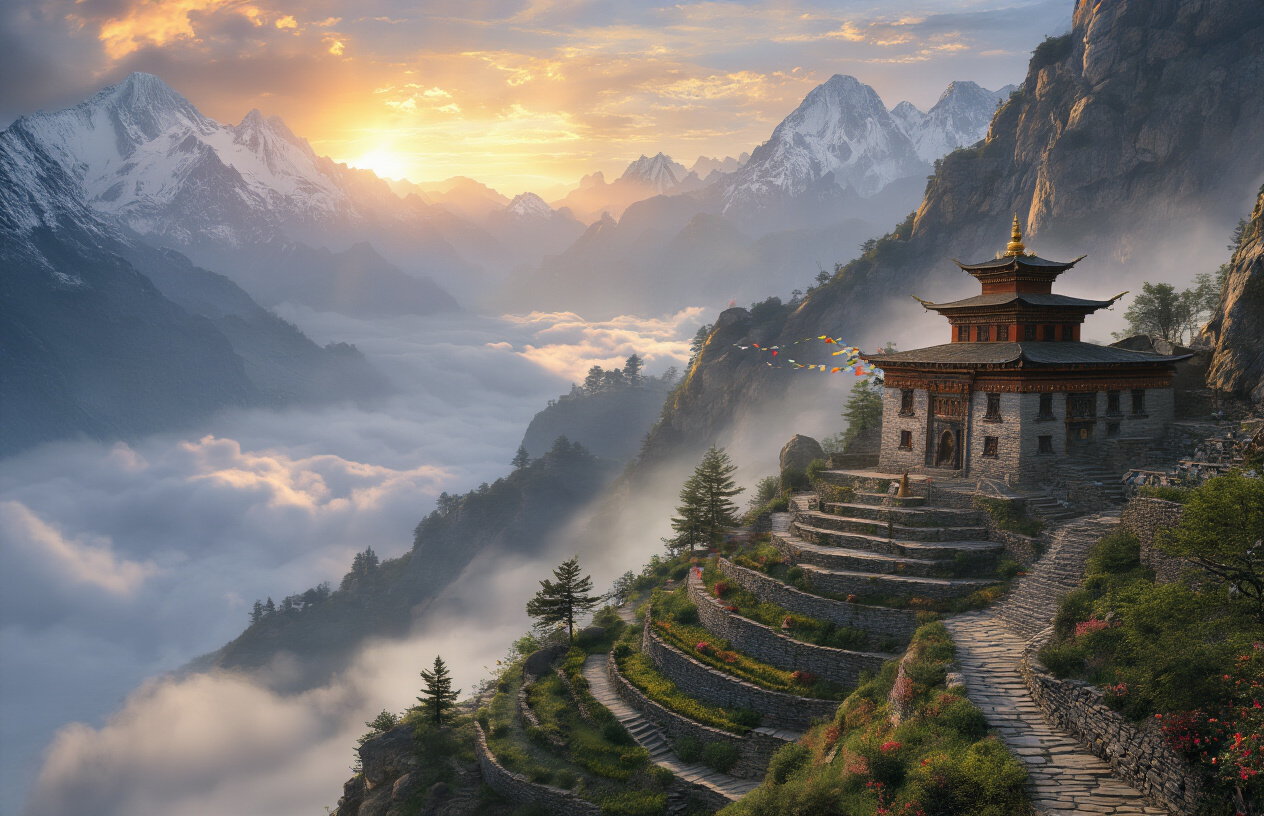
Hidden in the remote corners of Himachal Pradesh, Spiti Valley remains one of India’s best-kept spiritual secrets. The landscape here looks almost Martian—barren, dramatic, and otherworldly. Ancient Buddhist monasteries perch on rocky outcrops like fortresses against time itself.
Key Monasteries sits at 4,166 meters above sea level, making it one of the world’s highest monasteries. The monks here live much as they did centuries ago, their daily routines unchanged by the modern world rushing past below. Visitors often describe profound moments of clarity while meditating in these halls, where the thin air seems to strip away life’s unnecessary layers.
The night sky in Spiti transforms even the most skeptical city dweller. With zero light pollution and crystal-clear air, the Milky Way stretches overhead like a cosmic highway. Many travelers report staying awake all night, mesmerized by shooting stars and the sheer vastness above them.
Tirthan Valley’s Pristine Rivers and Forest Meditation
The Great Himalayan National Park cradles Tirthan Valley, a UNESCO World Heritage site that most travelers never discover. The Tirthan River flows with glacier-fed water so pure you can drink directly from it. The sound of rushing water creates a natural meditation soundtrack that drowns out mental chatter.
Dense deodar and oak forests surround traditional Himachali villages where life moves at nature’s pace. Walking these forest paths becomes a moving meditation. The interplay of light filtering through ancient canopies creates cathedral-like spaces perfect for contemplation.
Local homestays offer authentic mountain hospitality. Families here practice sustainable living without preaching about it—they simply live in harmony with their environment. Guests often leave with a completely shifted perspective on what constitutes true wealth and happiness.
The valley’s isolation forces a digital detox. Cell towers can’t reach these depths, creating space for real conversation and inner reflection. Many visitors extend their planned stays, reluctant to return to their hyperconnected lives.
Chopta’s Untouched Meadows and Himalayan Sunrise Views
Chopta sits at 2,700 meters in Uttarakhand, earning its nickname as the “Switzerland of India.” Rolling meadows stretch endlessly, dotted with rhododendron forests that bloom in spectacular red carpets during spring. The simplicity of this landscape teaches profound lessons about finding beauty in minimalism.
The trek to Tungnath Temple—the world’s highest Shiva shrine—begins here. This isn’t just a physical journey but a spiritual pilgrimage that challenges both body and mind. The final ascent to Chandrashila Peak rewards trekkers with 360-degree views of Himalayan giants including Nanda Devi, Trishul, and Chaukhamba.
Sunrise from Chandrashila transforms even the most cynical observers. The first golden rays illuminating snow-capped peaks creates a moment of pure magic. Many describe this experience as life-defining, a reminder of their small place in an infinite universe.
Dzukou Valley’s Rare Flowers and Spiritual Awakening
Straddling the Nagaland-Manipur border, Dzukou Valley blooms with rare flowers found nowhere else on Earth. The valley transforms into a living rainbow during flowering season, with exotic lilies painting the hillsides in impossible colors.
The trek here demands commitment—rough trails discourage casual tourists, ensuring only dedicated seekers reach this sanctuary. The physical challenge becomes part of the spiritual journey, breaking down mental barriers with each difficult step.
Local Naga communities consider this valley sacred, and their reverence becomes contagious. Visitors often report profound spiritual experiences among the flowers, describing feelings of connection to something greater than themselves. The valley’s isolation creates perfect conditions for deep introspection and personal transformation.
Sacred Coastal Sanctuaries for Soul Renewal
Gokarna’s Secluded Beaches and Temple Energy
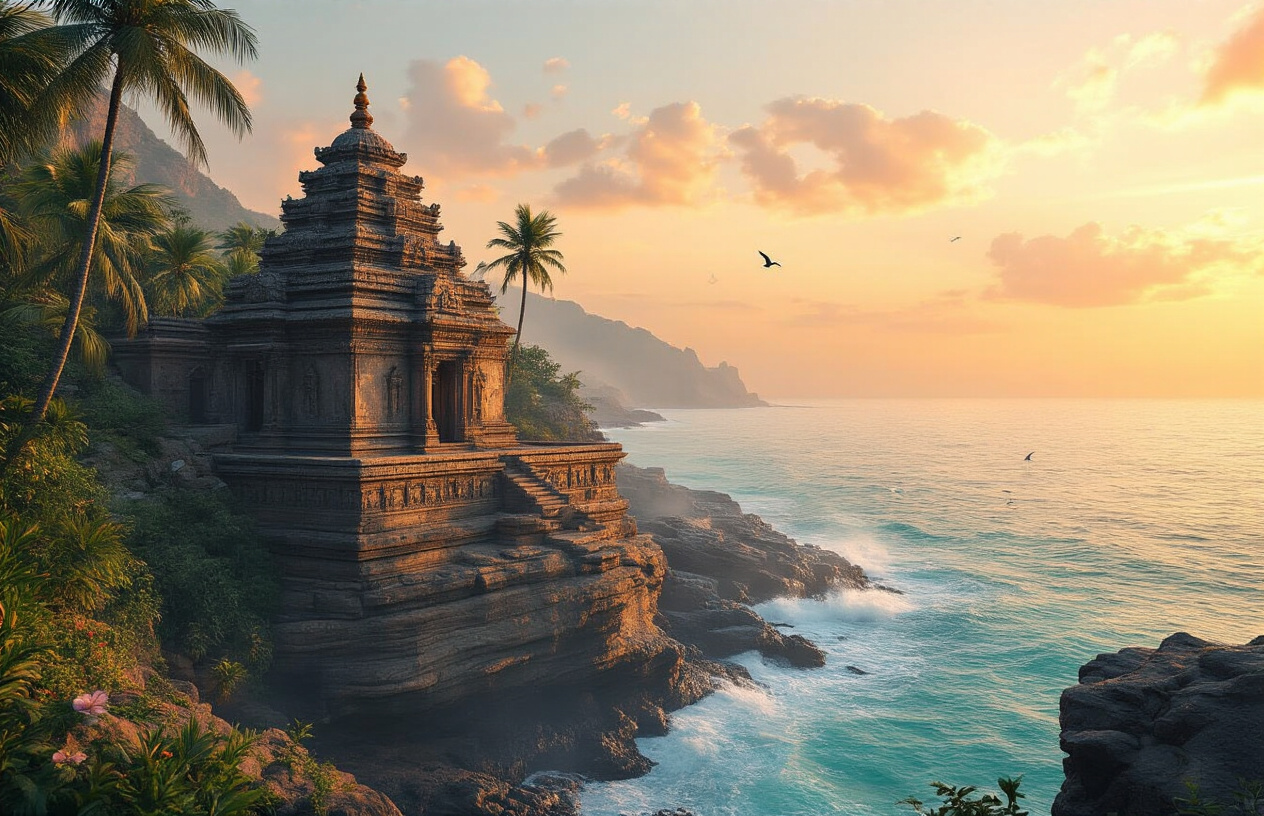
Tucked away in Karnataka’s coastal embrace, Gokarna offers something most beach destinations can’t match – a perfect blend of spiritual awakening and ocean therapy. Unlike its commercialized neighbor Goa, this sacred town whispers rather than shouts, drawing seekers who crave authentic transformation.
The town’s five pristine beaches stretch like prayer beads along the coastline, each carrying its own healing energy. Om Beach, shaped like the sacred symbol itself, becomes a natural meditation hall where waves chant ancient mantras. Here, you’ll find backpackers from around the world sitting in silent contemplation, their usual social media habits forgotten as they sync with nature’s rhythm.
The Mahabaleshwar Temple, one of Shiva’s most revered abodes, pulses with centuries-old devotional energy. Walking barefoot on its cool stone floors after a morning beach walk creates an unexpectedly powerful spiritual circuit. Local priests perform rituals that have remained unchanged for generations, their Sanskrit chants mixing with the distant sound of crashing waves.
What makes Gokarna transformative isn’t just its beauty – it’s the way sacred and secular merge seamlessly. You might start your day with temple prayers, spend afternoon hours lost in meditation on Half Moon Beach’s golden sands, then join fellow travelers around a bonfire sharing stories that shift your perspective on life’s priorities.
Varkala’s Cliff Views and Ayurvedic Healing
Perched dramatically on Kerala’s red laterite cliffs, Varkala has earned its reputation as a healing destination where ancient wisdom meets oceanic therapy. The town’s unique geography creates a natural amphitheater where transformation unfolds on multiple levels – physical, mental, and spiritual.
The North Cliff area buzzes with authentic Ayurvedic centers run by practitioners whose knowledge spans generations. Dr. Radhika’s Panchakarma Center, hidden in a coconut grove, offers treatments that go beyond typical spa experiences. Here, skilled therapists diagnose your dosha imbalances through detailed consultations, then craft personalized healing programs using herbs grown in their own gardens.
Varkala’s beaches carry special significance in Hindu tradition – the waters are believed to wash away sins and negative karma. Whether you believe in ancient lore or not, there’s something undeniably cleansing about floating in these mineral-rich waters while watching eagles soar overhead and fishermen cast their nets in age-old rhythms.
The cliff-top yoga sessions at sunrise deserve special mention. Practicing asanas while facing the Arabian Sea, with waves crashing 50 feet below, creates an intensity that indoor studios can’t replicate. The combination of ocean ions, morning light, and elevated perspective literally shifts your mental state.
Evening brings magical healing circles where travelers share Ayurvedic meals prepared with locally sourced ingredients, each dish designed to balance specific doshas and promote inner harmony.
Tarkarli’s Crystal Waters and Dolphin Encounters
Maharashtra’s best-kept coastal secret, Tarkarli redefines what pristine means in modern India. This Konkan gem boasts some of the country’s clearest waters, where visibility extends up to 20 feet underwater – a rarity along India’s coast that creates profound connections with marine life.
The resident dolphin pods have made Tarkarli legendary among those seeking wildlife encounters that touch the soul. These playful creatures often approach boats with curious intelligence, creating magical moments that shift how you see your place in the natural world. Local fisherman-turned-guides like Captain Suresh know exactly when and where dolphins gather, turning boat trips into spiritual experiences rather than tourist attractions.
Snorkeling in Tarkarli’s coral beds reveals underwater gardens that most Indians never knew existed in their own country. The coral formations, though smaller than tropical destinations, teem with colorful fish that dart between your fingers like living jewels. This underwater meditation naturally slows your breathing and heart rate, creating states of calm that rival formal mindfulness practices.
The village itself operates on rhythms forgotten by urban India. Fishing boats return at dawn painted in traditional bright colors, their crews sharing the day’s catch with families who’ve lived here for centuries. Staying in local homestays means waking to the sound of waves and temple bells, sleeping under star-filled skies unpolluted by city lights.
Tarkarli’s transformative power lies in its simplicity – crystal waters that mirror your thoughts back with startling clarity, making it impossible to ignore what truly matters in life.
Hidden Desert Gems That Redefine Adventure
Khuri Village’s Authentic Rajasthani Culture
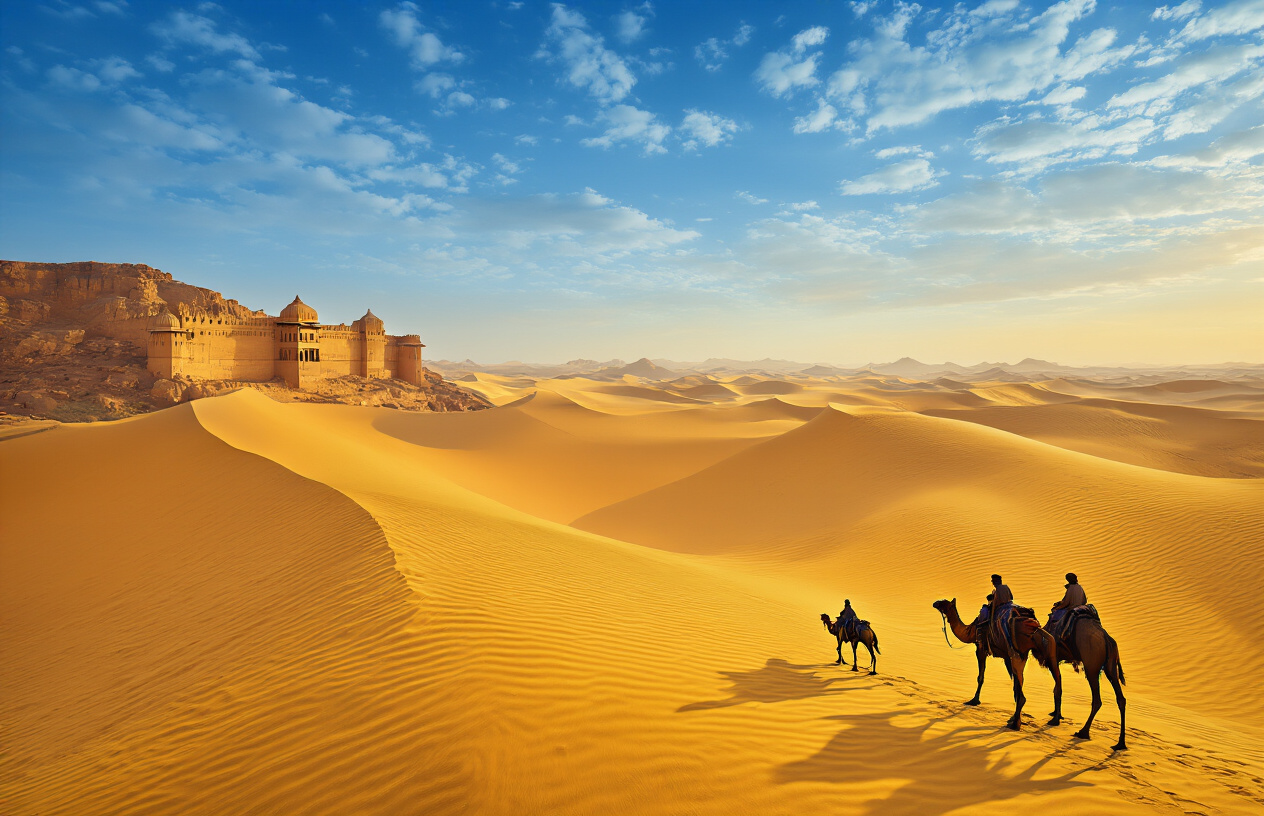
Tucked away 42 kilometers from Jaisalmer, Khuri Village offers an unfiltered glimpse into traditional Rajasthani desert life. This remote settlement sits on the edge of the Thar Desert, where golden sand dunes stretch endlessly toward Pakistan. Unlike the crowded tourist circuits, Khuri remains largely untouched by commercialization.
The village’s mud-brick homes blend seamlessly with the desert landscape, their walls decorated with intricate mirror work and traditional paintings. Local families still practice age-old crafts like block printing, weaving, and pottery making. You can watch artisans create stunning textiles using natural dyes extracted from desert plants and minerals.
Staying in a traditional bhungas (circular huts) provides an authentic experience. These structures stay naturally cool during scorching days and warm during chilly desert nights. The thick walls are made from clay, cow dung, and straw – a sustainable building technique passed down through generations.
Desert safaris here take on a different meaning. Local guides, often camel herders themselves, share stories about desert survival, star navigation, and ancient trade routes. The folk performances aren’t staged for tourists but genuine celebrations where villagers gather to share music, dance, and stories under star-filled skies.
Little Rann of Kutch’s Wild Ass Sanctuary
The Little Rann of Kutch transforms the concept of desert wilderness entirely. This 4,953 square kilometer sanctuary protects the last remaining population of Indian wild ass, locally known as ‘Khur.’ The landscape here defies typical desert imagery – vast white salt flats stretch to the horizon, interrupted by scattered islands of higher ground called ‘bets.’
During monsoon season, the sanctuary becomes a temporary wetland attracting thousands of migratory birds. Flamingos create pink carpets across shallow waters, while pelicans, cranes, and ibises add to the spectacular bird diversity. The contrast between the arid salt desert and this seasonal transformation creates a surreal experience.
The wild ass themselves are remarkable creatures – India’s fastest wild animals capable of reaching speeds up to 70 km/h. These hardy animals have adapted perfectly to the harsh salt desert environment, surviving on saltwater and sparse vegetation. Watching herds gallop across the white expanse creates an almost otherworldly scene.
Local Agariyas (salt farmers) add another layer of cultural richness. These communities have harvested salt from these flats for centuries, living in temporary settlements during the salt-making season. Their traditional methods and deep knowledge of desert survival offer insights into human adaptation in extreme environments.
Osian’s Ancient Temples and Sand Dune Magic
Osian stands as Rajasthan’s forgotten temple town, earning the title “Khajuraho of Rajasthan” for its exquisite 8th to 12th-century temple architecture. Located 65 kilometers from Jodhpur, this ancient settlement once thrived as a major trading center on the Silk Route. Today, its 100+ temples create an open-air museum of Pratihara and Gurjara architectural styles.
The Sachiya Mata Temple complex showcases incredible craftsmanship with intricate stone carvings depicting celestial beings, musicians, and dancers. The Mahavira Temple, dedicated to the 24th Jain Tirthankara, features stunning sculptural work that rivals any major Indian temple. These structures have weathered centuries of desert storms while maintaining their artistic integrity.
What makes Osian truly special is its dual identity. Ancient spirituality coexists with dramatic desert landscapes. Massive sand dunes begin just beyond the temple complex, creating a mystical atmosphere where history meets natural wonder. The temples appear to emerge from golden sands like ancient mirages.
Camel safaris from Osian offer a different perspective than commercial desert camps. The routes pass through traditional villages where Bishnoi communities practice eco-friendly living principles that have protected local wildlife for centuries. Peacocks, chinkaras (Indian gazelles), and blackbucks roam freely in these protected areas.
Mandawa’s Painted Havelis and Royal Heritage
Mandawa transforms visitors into time travelers exploring an open-air art gallery. This 18th-century town in the Shekhawati region showcases the world’s largest concentration of frescoed buildings. Wealthy Marwari merchants commissioned these elaborate painted havelis as symbols of prosperity, creating an artistic legacy that spans entire neighborhoods.
The Hanuman Prasad Goenka Haveli displays remarkable frescoes depicting everything from Hindu mythology to British colonial imagery. Steam trains, motor cars, and European women appear alongside traditional Indian motifs, creating a unique fusion of cultures. The Gulab Rai Ladia Haveli features a famous fresco of a European woman using a telephone – remarkable for its time period.
Castle Mandawa, now a heritage hotel, offers insights into royal desert living. The fort’s ramparts provide panoramic views of the painted town below, while its interior showcases royal artifacts, weapons, and period furniture. The architecture represents classic Rajput defensive design adapted for desert conditions.
Walking through Mandawa’s narrow lanes feels like exploring a living museum. Local families still inhabit many havelis, maintaining these artistic treasures as functional homes rather than mere monuments. The community’s pride in preserving their artistic heritage creates authentic interactions between visitors and residents who share stories passed down through generations.
Forgotten Forest Paradises for Mind Cleansing
Coorg’s Coffee Plantations and Misty Mornings
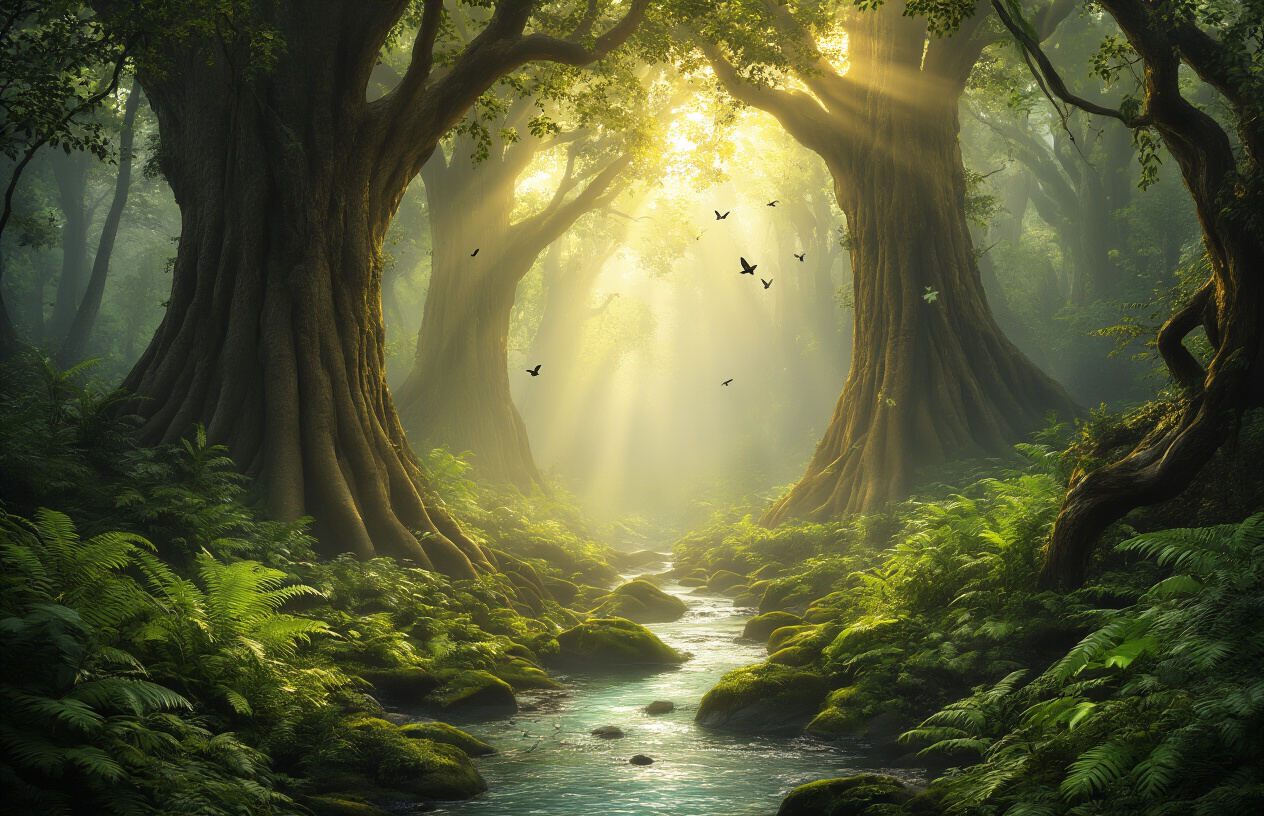
Nestled in Karnataka’s Western Ghats, Coorg offers an intoxicating blend of aromatic coffee estates and ethereal morning mists that naturally reset your mental state. The rolling hills draped in emerald coffee bushes create a meditative landscape where time moves differently. Walking through these plantations at dawn, you’ll find yourself surrounded by the gentle rustle of leaves and the distant calls of exotic birds.
The region’s unique microclimate produces some of India’s finest coffee, but more importantly, it creates an atmosphere perfect for mental rejuvenation. Local homestays run by coffee growers offer authentic experiences where you can participate in harvesting, processing, and roasting coffee beans. This hands-on connection with the land and its rhythms helps visitors disconnect from digital chaos and reconnect with simpler pleasures.
Early morning plantation walks reveal nature’s daily transformation as mist gradually lifts to unveil stunning vistas. The therapeutic effect of breathing in the cool, coffee-scented air while watching sunrise paint the hills golden cannot be overstated. Many visitors report profound shifts in perspective after just a few days immersed in this natural sanctuary.
Silent Valley’s Untouched Biodiversity and Peace
Silent Valley National Park in Kerala represents one of India’s last remaining pristine evergreen forests, earning its name from the unusual absence of cicada sounds. This 90-square-kilometer sanctuary holds extraordinary power to calm racing minds through its undisturbed natural harmony. The park’s protection status means human interference remains minimal, creating an authentic wilderness experience increasingly rare in modern India.
Walking the park’s limited trails reveals an ecosystem functioning exactly as nature intended. Ancient trees tower overhead, creating a cathedral-like canopy that filters sunlight into gentle, dancing patterns. The silence here isn’t empty – it’s filled with subtle forest sounds that gradually attune your hearing to nature’s quiet symphony.
Wildlife enthusiasts often encounter lion-tailed macaques, Nilgiri langurs, and over 100 bird species in their natural habitat. However, the park’s greatest gift isn’t its biodiversity statistics but its ability to strip away mental clutter. Visitors frequently describe experiencing a profound sense of peace that lingers long after leaving. The park’s remoteness requires planning, but this barrier ensures only serious nature seekers reach this mental oasis.
Netravali’s Wildlife Sanctuary and Bubble Lake Mystery
Goa’s Netravali Wildlife Sanctuary harbors secrets that challenge conventional understanding while providing unexpected mental clarity. The sanctuary’s crown jewel, Bubble Lake, defies explanation with nitrogen bubbles continuously rising from its depths without any known underwater source. This natural phenomenon creates a mesmerizing meditation focus that seems to quiet internal mental chatter.
The 211-square-kilometer sanctuary protects diverse ecosystems from dense forests to grasslands, supporting leopards, Indian bison, and numerous endemic species. However, the real magic happens during quiet moments beside Bubble Lake, watching mysterious bubbles emerge and disappear. Local legends attribute supernatural properties to these waters, and while science hasn’t fully explained the phenomenon, visitors consistently report feeling unusually peaceful here.
Forest trails wind through pristine wilderness where medicinal plants flourish and ancient trees create natural temples. The sanctuary’s relative obscurity means encounters with other humans remain rare, allowing for deep immersion in natural solitude. Night stays in basic forest accommodations amplify the experience, as jungle sounds create a natural soundscape that promotes restful sleep and vivid dreams.
The combination of unexplained natural mysteries and untouched forest environments makes Netravali particularly effective for mental reset. Something about witnessing phenomena beyond current scientific understanding helps visitors release their need to control and understand everything, opening space for genuine mental renewal.
Off-the-Grid Island Escapes for Digital Detox
Neil Island’s Underwater Coral Gardens
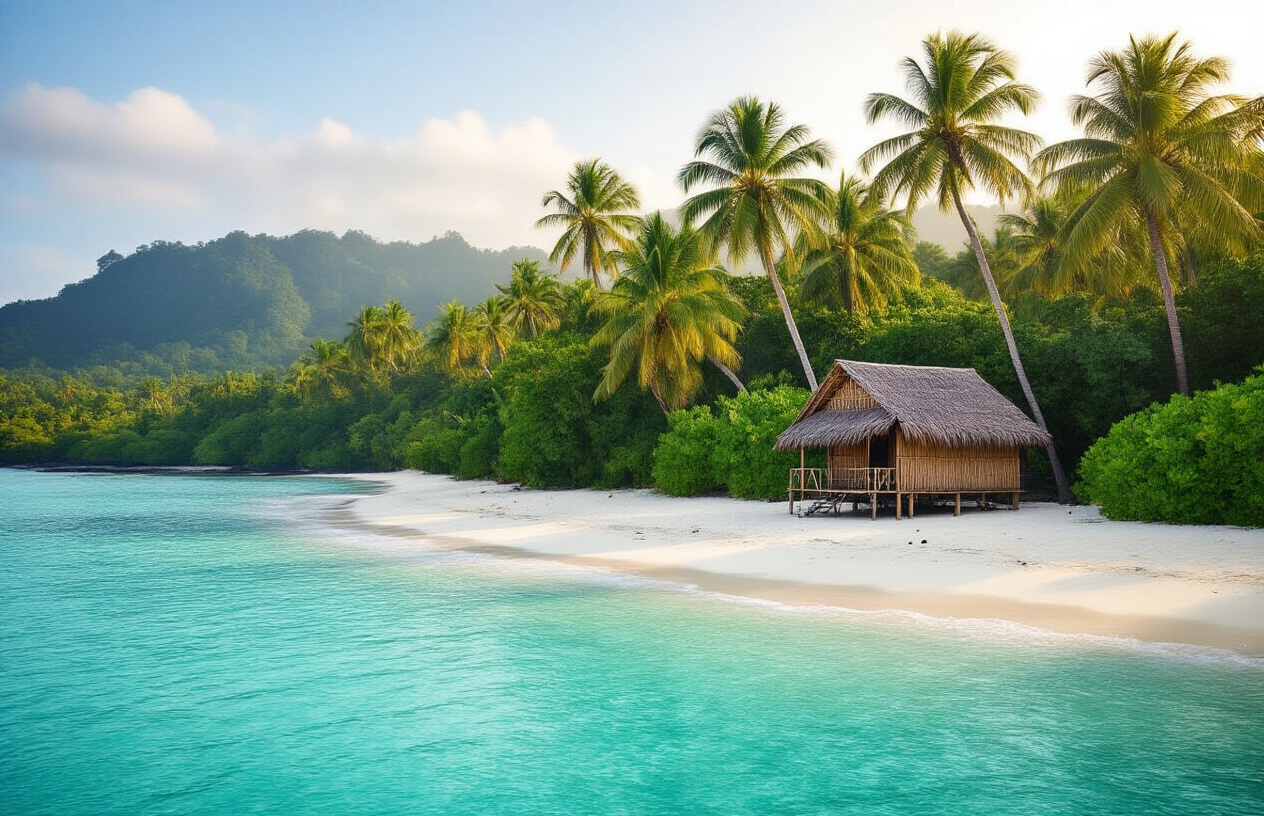
Imagine slipping beneath crystal-clear waters where vibrant coral gardens bloom like underwater rainforests. Neil Island, part of the Andaman archipelago, offers some of India’s most pristine snorkeling and diving experiences. The island’s remote location means you’ll find untouched coral reefs teeming with tropical fish, sea turtles, and rays gliding gracefully through the depths.
The magic happens at spots like Bharatpur Beach and Sitapur Beach, where the coral formations create natural aquariums just meters from shore. Local dive operators run small, personalized trips that feel worlds away from crowded tourist hotspots. You’ll spend mornings exploring coral canyons and afternoons lounging on white sand beaches with nothing but coconut palms for company.
What makes Neil Island truly special is its unhurried pace. No ATMs, limited internet, and power cuts that encourage early bedtimes create the perfect digital detox environment. Local fishing families still use traditional techniques passed down through generations, and you can join them for sunrise fishing trips that end with freshly caught breakfast on the beach.
Majuli Island’s River Culture and Mask Making
Floating serenely in the Brahmaputra River, Majuli Island represents Assam’s cultural heart beating to an ancient rhythm. This river island, accessible only by ferry, houses centuries-old Vaishnavite monasteries called satras where monks preserve traditional art forms that seem frozen in time.
The island’s mask-making tradition connects directly to Assamese dance-drama performances that date back 500 years. Master craftsmen shape masks from bamboo, cloth, and clay, creating elaborate faces representing gods, demons, and mythological characters. Visitors can apprentice with these artisans, learning techniques that require patience and meditation-like focus.
River erosion constantly reshapes Majuli’s boundaries, creating a landscape that changes with each monsoon. This impermanence teaches residents to live fully in the present moment. Villages appear and disappear as the mighty Brahmaputra claims land on one side while depositing fresh soil on another.
Local families welcome travelers into their bamboo homes, sharing meals of river fish, duck curry, and rice beer. Evening prayers at the satras fill the air with ancient chants, while sunrise boat rides reveal misty landscapes where time moves differently than anywhere else in modern India.
Divar Island’s Portuguese Ruins and Cycling Trails
Hidden in Goa’s Mandovi River, Divar Island feels like stepping into a Portuguese countryside village that got lost in time. No bridges connect this 15-square-kilometer island to the mainland, so a short ferry ride becomes your gateway to cobblestone streets lined with crumbling colonial mansions and centuries-old churches.
Cycling becomes the perfect way to explore Divar’s quiet villages where goats graze beside baroque facades and locals still speak Konkani in dialects influenced by four centuries of Portuguese rule. The island’s highest point, at the Church of Our Lady of Compassion, offers panoramic views across rice fields that flood during monsoon season, creating mirror-like reflections of palm trees and ancient Portuguese estates.
What transforms visitors isn’t just the architectural beauty but the profound silence. Cars barely exist here, replaced by the gentle sounds of bicycle wheels on stone, church bells echoing across valleys, and fishing boats puttering along tidal creeks. Local families run heritage homestays in renovated Portuguese houses where thick laterite walls keep rooms cool and antique furniture tells stories of colonial merchants who once called this island home.
Morning walks through abandoned Portuguese settlements reveal overgrown courtyards where bougainvillea climbs through broken windows, creating natural art installations that change with each season’s growth.
St. Mary’s Island’s Unique Rock Formations
Off Karnataka’s coast near Udupi, St. Mary’s Island showcases geological artistry that took millions of years to perfect. These four tiny islands feature hexagonal basalt rock columns that rise from turquoise waters like natural sculptures carved by ancient volcanic activity.
The boat journey to reach St. Mary’s sets the tone for transformation. Local fishermen navigate traditional boats through coastal waters where dolphins occasionally surface alongside passengers. The 20-minute ride removes you completely from mainland chaos, landing you on beaches where black volcanic rocks contrast dramatically with white coral sand.
Vasco da Gama supposedly landed here in 1498, but the islands remain largely undeveloped. No hotels or restaurants exist, just pristine beaches where you can spend entire days walking among rock formations that look like giant’s stepping stones leading into the Arabian Sea. The geometric patterns created by cooling lava flows create natural meditation spaces where visitors often report experiencing profound clarity about life priorities.
Coconut trees grow directly from rocky crevices, demonstrating nature’s resilience in harsh conditions. High tide transforms the landscape hourly, revealing and concealing tidal pools filled with colorful sea life. This constant change mirrors internal transformations that many visitors experience during their island retreat from digital connectivity.
Remote Village Experiences That Change Worldview
Malana’s Ancient Democracy and Cannabis Culture
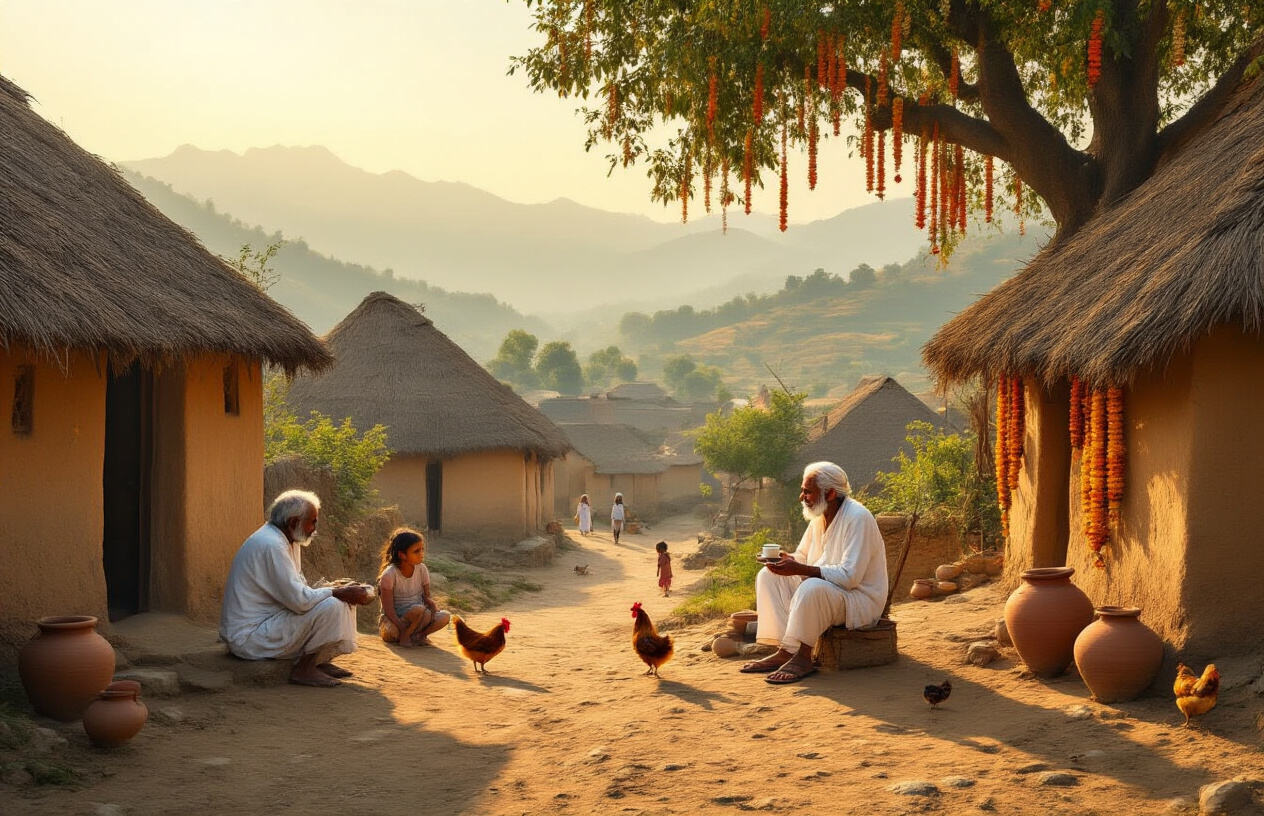
Tucked away in the Parvati Valley of Himachal Pradesh, Malana operates under one of the world’s oldest democratic systems, predating even ancient Greece. The village follows a unique parliamentary structure where decisions are made collectively through village assemblies, with their deity Jamlu serving as the ultimate authority. This self-governing system has remained unchanged for over 1,000 years, creating a fascinating glimpse into alternative governance models.
The village gained international attention for producing some of the world’s finest hashish, known as “Malana Cream.” While cannabis cultivation faces legal challenges, it remains deeply woven into the cultural fabric and economic survival of the community. Visitors witness how traditional knowledge passes through generations, from cultivation techniques to processing methods that create the cream’s distinctive quality.
What makes Malana truly transformative is the villagers’ belief system regarding purity. Outsiders are considered “untouchable,” and visitors must avoid touching walls, houses, or belongings. This practice, while seemingly exclusionary, offers profound insights into cultural preservation and the lengths communities go to maintain their identity in an increasingly globalized world. The experience challenges preconceived notions about hospitality and forces reflection on cultural boundaries and respect.
Mawlynnong’s Cleanest Village Crown and Living Bridges
Mawlynnong in Meghalaya earned the title “Cleanest Village in Asia” through community-driven environmental initiatives that began long before sustainability became a global buzzword. Every household maintains bamboo dustbins, plastic is banned, and smoking is prohibited throughout the village. The 95 families work together in a system where cleanliness becomes a collective responsibility rather than individual choice.
The village’s crown jewel lies in its living root bridges, created by training rubber tree roots across streams and rivers. These bio-engineered marvels grow stronger with time, some lasting over 500 years. The Double Decker Root Bridge, accessible through Mawlynnong, demonstrates how indigenous engineering can surpass modern construction in both durability and environmental harmony.
Walking through Mawlynnong reveals an entirely different relationship with nature. Children learn environmental stewardship from birth, tourism revenue gets reinvested in conservation projects, and waste management happens at the source. The village showcases how environmental consciousness can become deeply embedded in daily life, creating a model that challenges urban approaches to sustainability and community organization.
Khonoma’s Warrior Heritage and Eco-Tourism Model
Khonoma village in Nagaland transformed from a feared warrior stronghold into India’s first green village, creating a powerful narrative of redemption and environmental awakening. The Angami Nagas once practiced headhunting and fierce territorial defense, but today they channel that same warrior spirit into conservation efforts and sustainable tourism.
The village banned hunting in 1998, converting traditional hunters into wildlife protectors and eco-guides. This decision restored the surrounding Khonoma Nature Conservation and Tragopan Sanctuary, bringing back species like the Blyth’s Tragopan, a bird that had disappeared from the region. Former warriors now protect the very forests their ancestors used for warfare, creating one of conservation’s most remarkable success stories.
Traditional Naga architecture dots the landscape, with morung (bachelor dormitories) serving as cultural centers where oral histories get preserved. Stone monoliths commemorate ancestral achievements while telling stories of transformation. Visitors participate in terraced farming, learn about indigenous agriculture, and witness how communities can completely reinvent their relationship with the environment while maintaining cultural authenticity. The experience demonstrates how collective action can reverse environmental damage and create new economic opportunities without sacrificing heritage.
Underground Wonders and Cave Systems for Inner Exploration
Meghalaya’s Living Root Bridges and Double Decker Marvels
Deep in the rainforests of Meghalaya, the Khasi and Jaintia tribes have crafted something that seems straight out of a fantasy novel. These living root bridges aren’t built – they’re grown. Over decades, the rubber tree roots are carefully guided across rivers and streams, creating bridges that actually get stronger with age and weather.
The trek to reach these natural wonders becomes part of the transformative experience. Walking through misty forests, crossing streams on moss-covered stones, and descending steep paths carved into hillsides, you’ll find yourself completely disconnected from modern life. The most famous double-decker bridge in Nongriat village requires a challenging 3,000-step descent, but the reward goes beyond Instagram photos.
Standing on these living structures, you realize you’re witnessing centuries of human patience and environmental harmony. The bridges can support up to 50 people at once and will outlast any concrete structure. Local guides share stories passed down through generations, explaining how their ancestors started bridges that their great-grandchildren would complete.
The surrounding pools and waterfalls create natural meditation spots where the only sounds are flowing water and bird calls. Many visitors report profound moments of clarity while sitting beside these ancient pathways, feeling connected to both nature’s intelligence and human ingenuity working in perfect partnership.
Ajanta’s Hidden Buddhist Cave Art and Meditation Spaces
Beyond the crowds at the main Ajanta caves lie lesser-known chambers where Buddhist monks once retreated for deep contemplation. These 2,000-year-old spaces still hold an energy that modern visitors describe as immediately calming and spiritually charged.
Cave 26, often overlooked by tour groups, contains some of the most exquisite Buddhist art in the world. The painted Bodhisattvas seem to watch visitors with compassionate eyes, their expressions shifting in flickering light. Ancient meditation cells carved into rock walls still echo with centuries of chanted prayers and silent reflection.
What makes these caves truly transformative isn’t just their artistic brilliance, but their original purpose as spaces for inner exploration. The monks who lived here designed every element – from the placement of paintings to the flow of natural light – to support spiritual practice. Even today, sitting quietly in these chambers brings an unexpected sense of peace.
Early morning visits reveal the caves at their most powerful, when soft light filters through entrances and illuminates the ancient artwork. The temperature remains constant year-round, creating natural air conditioning that ancient inhabitants used for comfortable long-term meditation retreats.
Local guides who’ve spent years studying these spaces can point out hidden details invisible to casual observers – symbolic hand gestures, coded messages in artwork, and acoustic properties that amplify whispered mantras.
Borra Caves’ Limestone Formations and Tribal Legends
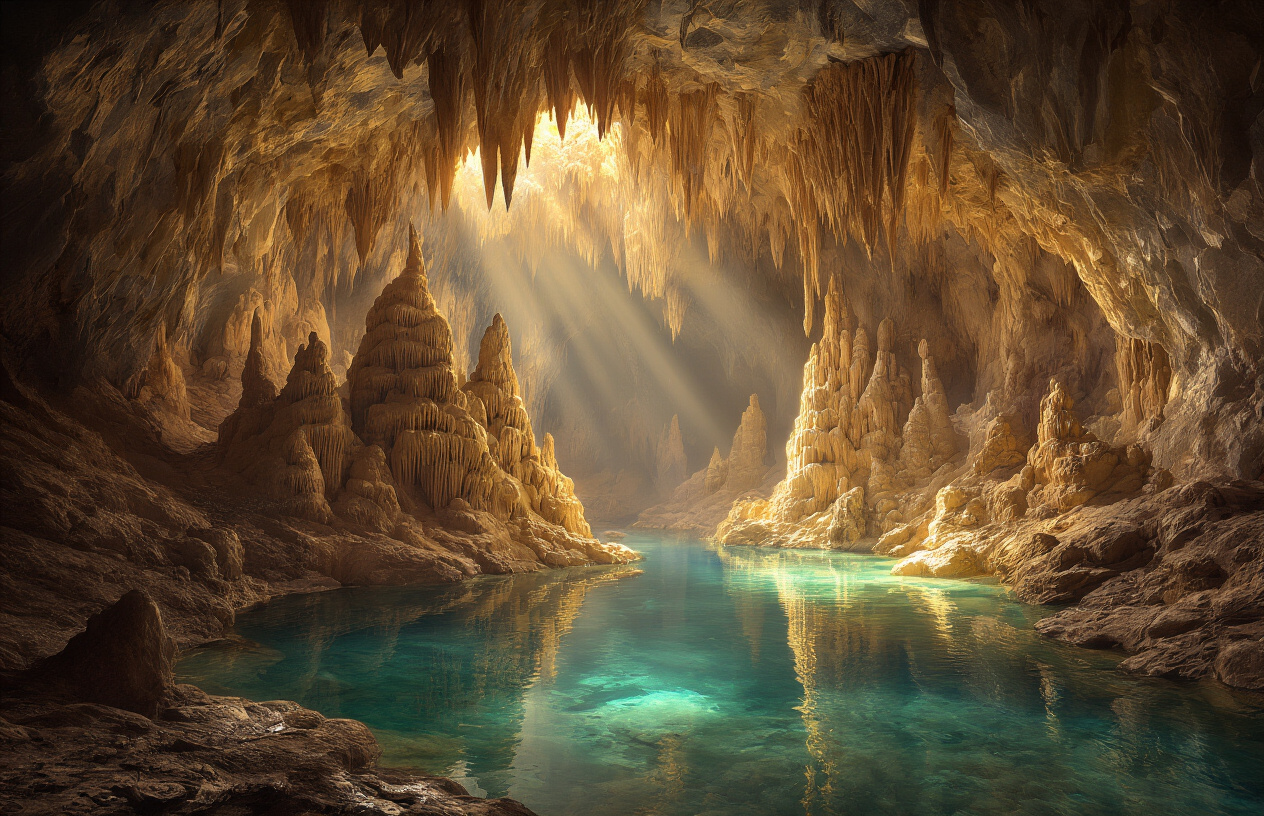
Million-year-old limestone formations create a underground cathedral in the Borra Caves of Andhra Pradesh, but the real magic lies in the stories local tribal communities tell about these spaces. The Jatapu tribe considers these caves sacred, believing they connect to ancestral spirits and ancient wisdom.
Natural formations have inspired generations of tribal storytelling. Stalactites and stalagmites become characters in epic tales – the elephant-shaped formation guards ancient treasures, while the Shiva lingam formation holds spiritual power for healing rituals. These aren’t just geological curiosities but living parts of cultural mythology.
The caves maintain a constant temperature that creates a natural retreat from India’s heat, making them perfect for extended contemplation. Tribal elders often bring visitors to specific chambers where acoustic properties amplify voices in haunting ways, creating natural sound healing experiences.
| Formation Type | Cultural Significance | Spiritual Practice |
|---|---|---|
| Elephant Rock | Guardian of treasures | Protection prayers |
| Shiva Lingam | Divine masculine energy | Healing ceremonies |
| Mother-Child | Maternal protection | Family blessings |
| Crocodile Formation | River spirit guardian | Water ceremonies |
Archaeological evidence suggests these caves served as shelter and ceremonial spaces for thousands of years. Modern visitors often report vivid dreams and heightened intuition after spending time in the deeper chambers, where complete darkness and silence create sensory deprivation conditions similar to advanced meditation practices.
The tribal communities still perform seasonal ceremonies inside specific caves, maintaining traditions that connect contemporary life with ancient spiritual practices rooted in the earth itself.
Untouched Wildlife Sanctuaries for Nature Connection

Hemis National Park’s Snow Leopard Territory
High in the rugged landscapes of Ladakh lies Hemis National Park, home to the world’s most elusive big cat. This 4,400-square-kilometer sanctuary harbors roughly 200 snow leopards, making it one of the best places on Earth to spot these ghost-like predators. The park’s stark beauty transforms visitors, offering a meditation in patience and presence that few wildlife experiences can match.
Winter months from December to March provide the highest chances of snow leopard sightings. The cats descend to lower altitudes following their prey – blue sheep and ibex. Local guides, many former hunters turned conservationists, possess an almost supernatural ability to read the landscape and track these phantom cats through their pugmarks and scat.
Best viewing spots:
- Rumbak Valley – prime snow leopard habitat
- Shang Valley – excellent for blue sheep herds
- Husing Valley – remote and pristine
The experience goes beyond wildlife watching. Staying in traditional homestays connects you with Ladakhi culture, where Buddhism deeply influences the relationship with nature. Monasteries dot the landscape, their prayer flags flutter against snow-capped peaks, and the thin mountain air seems to strip away life’s unnecessary complications.
Satpura’s Walking Safaris and Night Wildlife Viewing
Satpura National Park breaks the mold of typical Indian wildlife experiences. While most parks confine visitors to vehicles, Satpura invites you to walk among wild elephants, sloth bears, and leopards on foot. This central Indian gem spans 1,427 square kilometers of pristine forest where walking safaris create an intimate connection impossible from behind glass windows.
The park’s unique geography features deep gorges, sandstone peaks, and the winding Denwa River. Night safaris reveal a completely different world – the haunting calls of Indian nightjars, the rustle of porcupines foraging, and if luck favors you, the golden eyes of a leopard caught in spotlight beams.
Walking safari highlights:
- Tracking gaur (Indian bison) through sal forests
- River crossings following elephant paths
- Close encounters with langur troops
- Discovery of ancient rock paintings
Professional naturalists guide each walk, teaching jungle craft that indigenous tribes have used for centuries. You learn to read animal tracks, identify scat, recognize alarm calls, and move silently through dense vegetation. The vulnerability of being on foot heightens every sense, creating memories that vehicle-bound safaris simply cannot provide.
Eaglenest Wildlife Sanctuary’s Rare Bird Species
Tucked away in Arunachal Pradesh’s remote mountains, Eaglenest Wildlife Sanctuary harbors over 500 bird species in just 218 square kilometers. This compact paradise punches well above its weight, hosting more bird species per square kilometer than almost anywhere else in India. The sanctuary sits at the confluence of the Himalayan and Indo-Myanmar biodiversity hotspots, creating a unique mixing zone for avian life.
Dawn chorus here includes sounds found nowhere else – the liquid notes of Ward’s Trogon, the mechanical calls of Fire-tailed Myzornis, and the ethereal songs of Bugun Liocichla. The latter species was discovered here only in 2006, making Eaglenest a living laboratory for ornithological discovery.
Endemic and rare species:
- Bugun Liocichla (critically endangered)
- Ward’s Trogon
- Beautiful Nuthatch
- Rufous-throated Wren Babbler
Local Bugun tribe members serve as expert guides, their traditional knowledge combining with modern conservation efforts. Their intimate understanding of bird behavior and habitat preferences makes finding rare species possible. The sanctuary’s elevational gradient from 500 to 3,250 meters creates distinct zones, each supporting different bird communities.
Namdapha’s Biodiversity Hotspot and Tribal Encounters
Namdapha National Park sprawls across 1,985 square kilometers of pristine wilderness in Arunachal Pradesh, harboring four big cat species – tigers, leopards, snow leopards, and clouded leopards. This incredible diversity stems from its unique position where three biodiversity hotspots meet: the Himalayas, Indo-Myanmar, and South China hotspots.
The park’s remoteness preserves not just wildlife but also indigenous cultures. Lisu, Chakma, and Tangsa tribes maintain traditional lifestyles within and around the park boundaries. Their presence adds cultural depth to wildlife encounters, showing how humans and nature can coexist harmoniously.
Cultural experiences include:
- Traditional fishing techniques with Tangsa fishermen
- Medicinal plant knowledge from tribal healers
- Handicraft demonstrations using forest materials
- Folklore sessions around evening fires
Namdapha’s inaccessibility requires serious commitment – multi-day treks through leech-infested forests, river crossings, and basic accommodation. This effort filters out casual tourists, leaving space for transformative wilderness experiences. The symphony of over 400 bird species, the sight of hornbills flying overhead, and the possibility of encountering any of the big cats creates anticipation that changes how you perceive wild spaces forever.
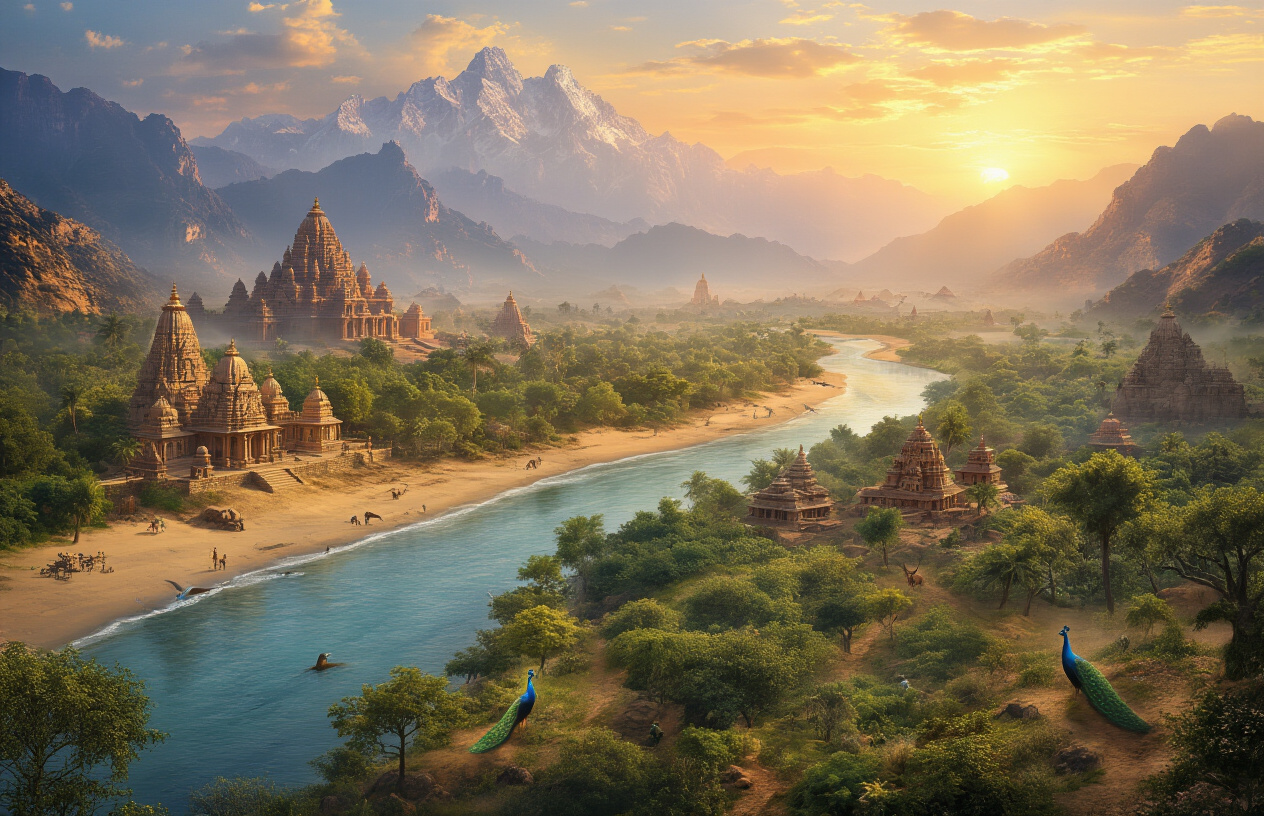
These incredible hidden destinations across India offer something far beyond typical tourist attractions – they provide genuine opportunities for personal transformation. From the spiritual awakening you’ll find in remote mountain villages to the profound peace that comes from disconnecting completely on untouched islands, each location has the power to shift your perspective in unexpected ways. The underground caves challenge you to look inward, while the pristine wildlife sanctuaries remind you of your place in the natural world.
Pack light, bring an open mind, and prepare to return home as a different person than when you left. These hidden gems aren’t just about taking great photos or checking boxes on a travel list – they’re about rediscovering parts of yourself you didn’t know existed. Start planning your journey to one of these transformative destinations today, because the most powerful adventures happen when you step completely outside your comfort zone.
Leave a Reply