
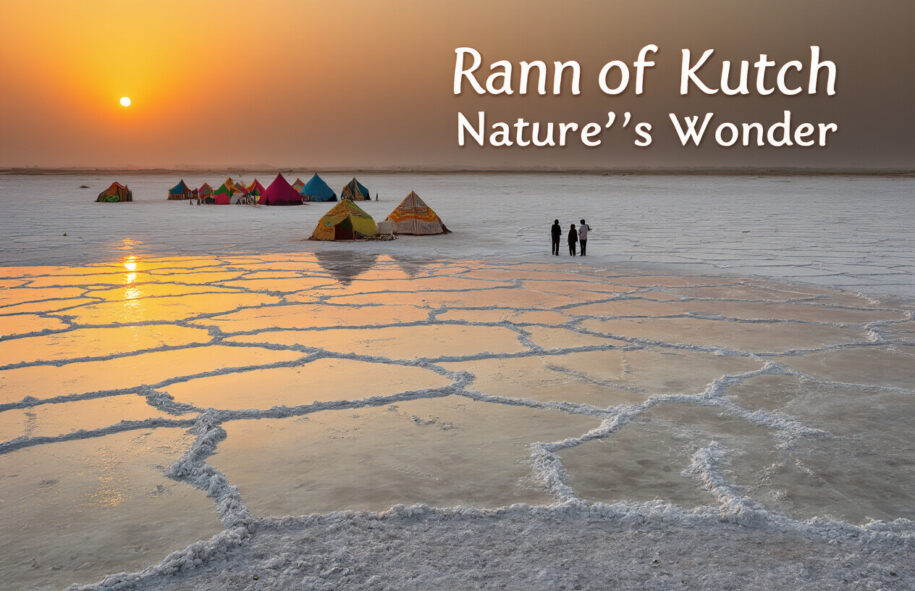
10 Reasons Why Rann of Kutch Should Be on Your Bucket List
Looking for an off-beat travel destination that combines natural wonder with cultural richness? The Rann of Kutch in Gujarat, India’s stunning white salt desert, deserves a top spot on your travel bucket list. Perfect for adventure seekers, nature photographers, and culture enthusiasts, this unique landscape transforms from barren land to a breathtaking white expanse during winter months. In this guide, we’ll explore how you can experience the magical white desert under moonlight, immerse yourself in the colorful Rann Utsav festival, and discover the diverse wildlife that calls this seemingly harsh environment home.
For a private tour of Rann of Kutch please visit 5 Senses Tours.
Experience the Breathtaking White Desert
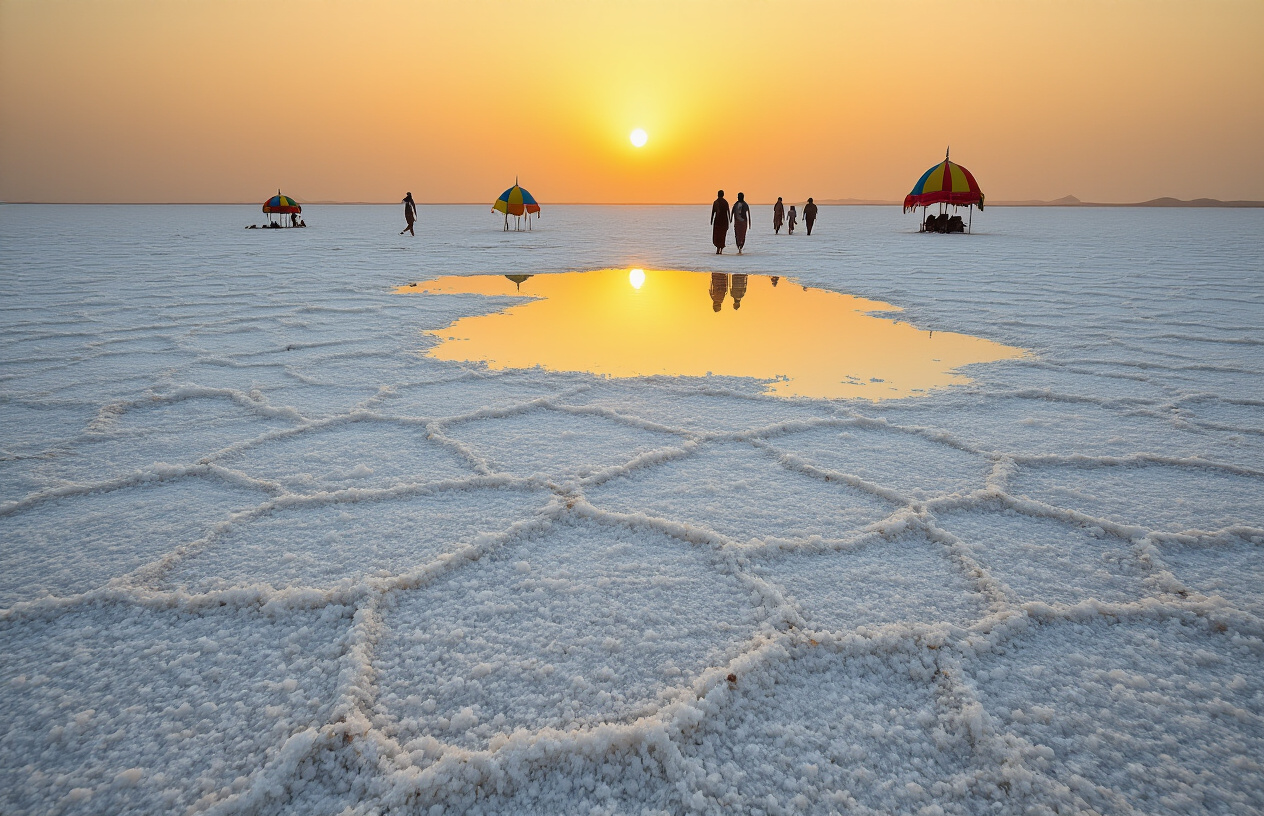
Marvel at the vast salt marshes that create a surreal landscape
Ever seen a place so white, so endless, it feels like you’ve stepped onto another planet? That’s the Rann of Kutch for you. This massive salt desert stretches as far as your eyes can see, creating an otherworldly canvas that seems almost unreal.
During the day, the blinding white salt crust shimmers under the sun. The flat expanse tricks your eyes into seeing mirages that dance on the horizon. It’s like walking on the surface of the moon but right here on Earth.
What makes this landscape truly special is how it changes with the seasons. After monsoons, a thin layer of water covers the desert, turning it into a shallow wetland. As the water evaporates, it leaves behind the brilliant white salt that makes the Rann famous.
Witness the mesmerizing moonlight reflections during full moon nights
The real magic happens when the sun goes down and the moon takes over. Full moon nights at the Rann? They’re something else entirely.
The moonlight bounces off the white salt crystals, creating a glow so bright you’d think someone turned on thousands of tiny lights across the desert. You can literally read a book by this natural illumination – no flashlight needed!
The silver glow transforms the desert into a dreamscape. The boundary between earth and sky blurs, making you feel like you’re floating in some cosmic in-between. Many visitors sit in silence, completely captivated by this natural light show.
Capture stunning photographs against pristine white backgrounds
Photographers, get your cameras ready – the Rann of Kutch is basically nature’s perfect photo studio.
The stark white landscape creates the ultimate blank canvas. Want dramatic silhouettes? Got it. Looking for perspective-bending optical illusions? The flat horizon line makes them easy. Colorful subjects pop against the white background with an intensity that’s hard to find elsewhere.
The quality of light here is a photographer’s dream. Golden hour bathes everything in warm hues that contrast beautifully with the cool white salt. And night photography? With so little light pollution, the stars shine brilliantly above the glowing white earth.
Walk on the crusty salt surface for a unique sensory experience
There’s something deeply satisfying about the crunch of salt crystals beneath your feet. Each step on the Rann comes with a distinctive sound – somewhere between fresh snow and walking on cornflakes.
The texture changes as you move across different parts of the desert. Some areas feel firm and solid, while others have a slightly springy quality. In certain spots, the crust forms fascinating polygonal patterns that look like nature’s own geometric art installation.
And yes, if you’re wondering – go ahead and taste it (just a tiny bit). It’s actual salt! That moment of realization connects you to the landscape in a whole new way. It’s not just something beautiful to look at – it’s a living, natural phenomenon that engages all your senses at once.
Attend the Vibrant Rann Utsav Festival
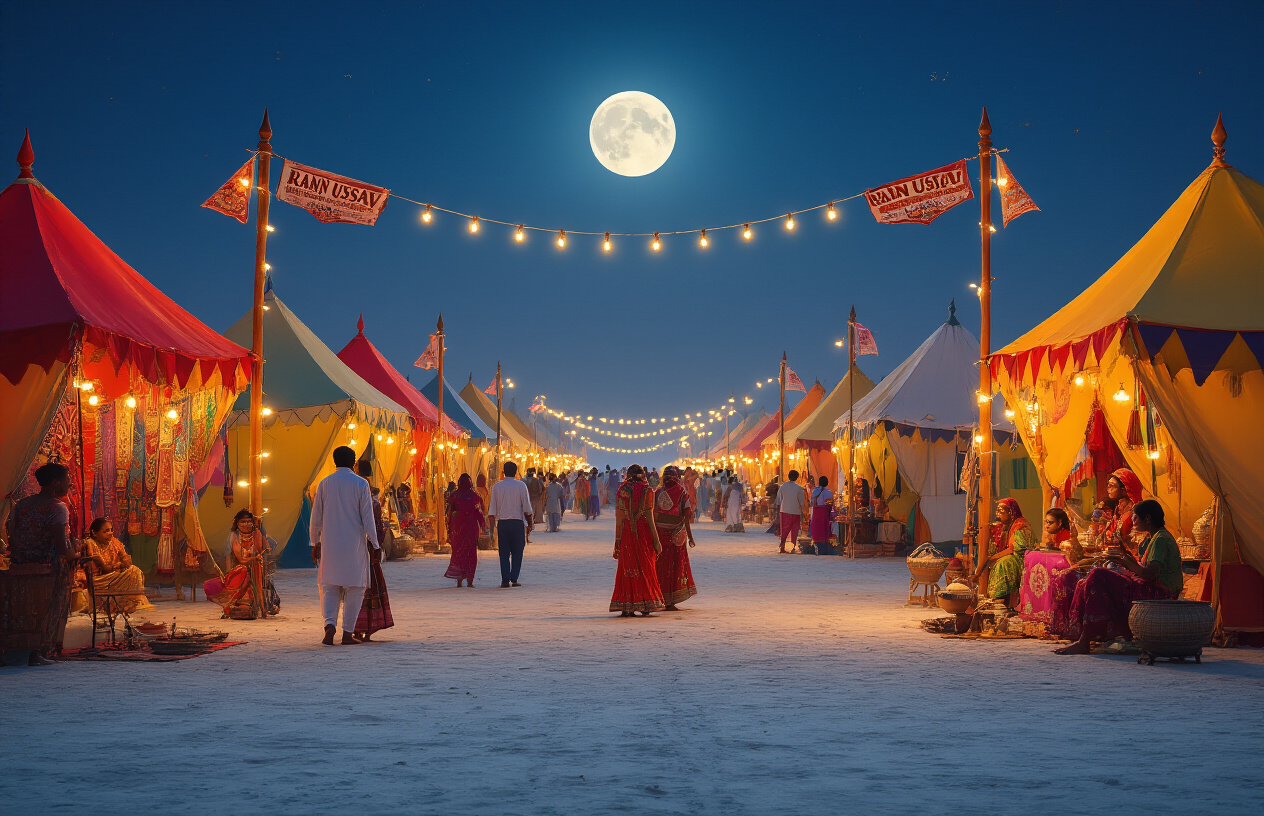
Immerse yourself in traditional Gujarati culture and performances
Ever watched a Garba performance that gives you goosebumps? At Rann Utsav, you’ll get front-row seats to the most captivating cultural shows Gujarat has to offer. Dancers in vibrant, mirror-work costumes twirl to hypnotic rhythms while musicians play traditional instruments that have echoed across the desert for centuries.
What makes these performances special isn’t just their artistic merit—it’s how they connect you to centuries of tradition. One minute you’re watching a Bhavai folk theater piece that has locals in stitches, the next you’re mesmerized by the impossible balancing acts of Siddi Dhamal dancers.
Shop for authentic handcrafted items from local artisans
The shopping at Rann Utsav isn’t your typical tourist trap experience. The festival brings together the finest artisans from across Kutch, many from remote villages that have preserved crafting techniques for generations.
You’ll find everything from intricate bandhani tie-dye textiles to hand-embroidered wall hangings that tell stories through thread. The leather craftspeople of Hodka village create ornate footwear you won’t find anywhere else, while the bell makers produce the iconic copper bells that once adorned camel caravans crossing the desert.
The best part? You can watch these master artisans at work, transforming raw materials into masterpieces right before your eyes.
Enjoy folk music and dance under starlit skies
Nothing compares to the magic of nighttime at Rann Utsav. As darkness falls over the white desert, the festival transforms into a different world altogether.
Musicians playing traditional instruments like the double-fluted pavo create haunting melodies that seem to rise from the salt itself. The Meghwal community’s sung poetry tells stories of love, loss, and desert life that resonate across cultures.
And the night sky? It’s a whole other show. Without light pollution, the stars appear so close you could almost touch them. Many visitors say sitting on a cushion, sipping hot chai while watching a folk performance under this celestial canopy ranks as one of life’s perfect moments.
Taste authentic Kutchi cuisine at the festival
The food at Rann Utsav deserves its own special mention. Forget what you know about Indian cuisine—Kutchi food stands apart with its unique blend of flavors shaped by desert living and historical trade routes.
Try the bajra rotla (millet flatbread) with garlic chutney that fueled generations of desert dwellers. Sample the dhokla dhokli (spiced gram flour dumplings in gravy) that offers the perfect balance of tangy and savory.
The sweet lovers won’t be disappointed either. The ghee-soaked mohanthal and date-stuffed sukhadi provide the perfect ending to meals that tell the story of this resilient region through flavors you’ll crave long after leaving.
Stay in Traditional Bhungas and Luxury Tents
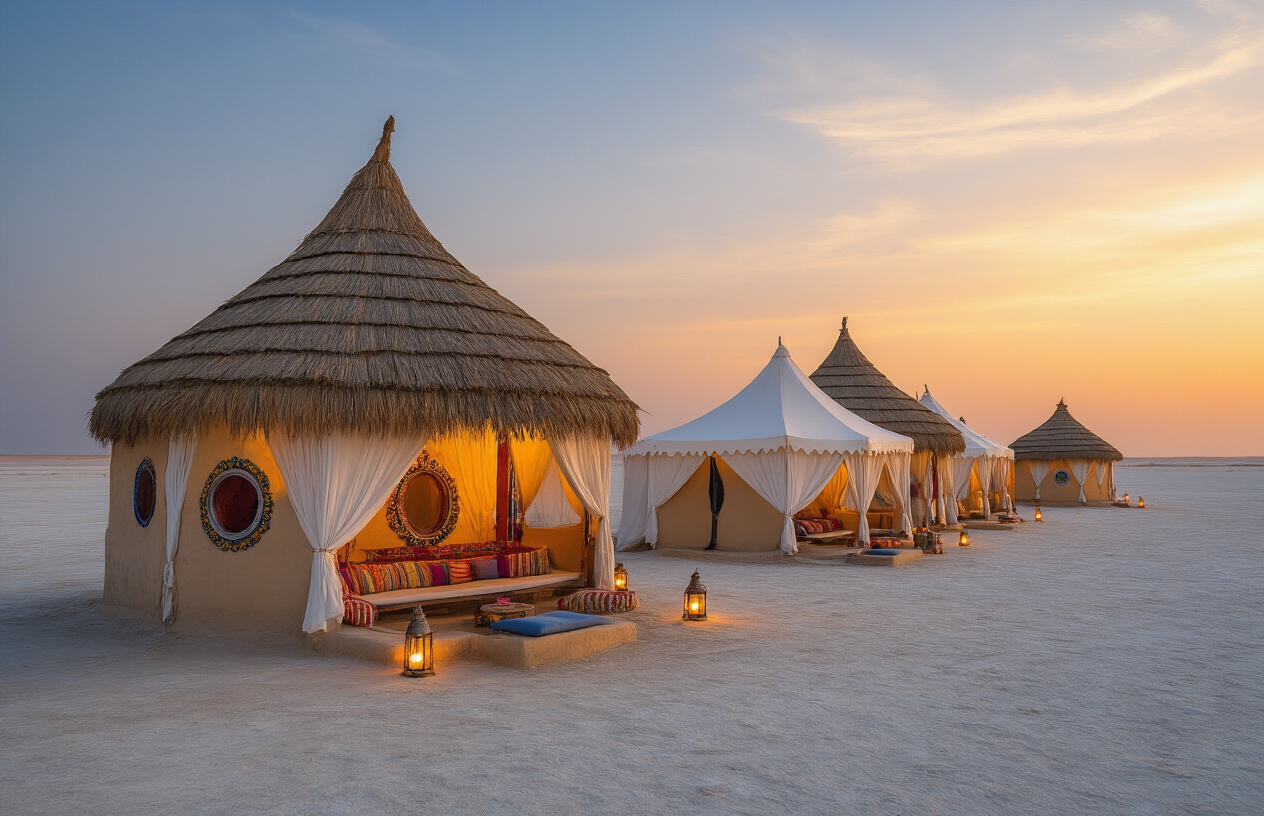
Experience the comfort of traditional circular mud houses
Ever stayed in a house with no corners? That’s exactly what Bhungas offer. These round mud houses are Kutch’s answer to desert living – and they’re genius.
The thick mud walls keep you cool when the sun’s blazing outside and warm during those chilly desert nights. Each Bhunga is decorated with intricate mirror work, colorful fabrics, and traditional Kutchi embroidery that tells stories of the region’s rich cultural heritage.
What makes these mud houses special isn’t just their unique architecture. It’s how they connect you to generations of local wisdom. The circular design isn’t random – it’s earthquake-resistant, something the locals figured out centuries ago.
Enjoy modern amenities in desert tent accommodations
Don’t worry – camping in the Rann doesn’t mean roughing it. The luxury tents here redefine desert accommodation with their plush interiors and unexpected comforts.
Imagine returning from a day exploring the white desert to air-conditioned tents with proper beds (not sleeping bags!), private bathrooms with hot water, and electricity throughout. Many even offer room service!
These tents blend local aesthetics with modern luxuries. Think handcrafted furniture, traditional textiles, and sometimes even a private viewing deck.
Wake up to panoramic views of the white desert
The morning view from your Bhunga or tent might be the most surreal part of staying here. As dawn breaks, the first rays of sunlight transform the endless white salt desert into a golden canvas.
There’s something magical about sipping your morning chai while watching the stark white landscape change colors with the rising sun. The vast emptiness creates a sense of peace you rarely find elsewhere.
On clear mornings, the horizon completely disappears, creating the illusion that you’re floating between earth and sky.
Explore Rich Wildlife at Nearby Sanctuaries
Spot the endangered Indian Wild Ass at the Wild Ass Sanctuary
The Wild Ass Sanctuary in Little Rann of Kutch is the only place on earth where you can spot the majestic Indian Wild Ass (Khur). These incredible creatures gallop across the vast plains at speeds up to 70 km/h – a sight that’ll leave you breathless. With their light brown coats and distinctive white underbellies, they stand out against the stark landscape.
The sanctuary spans over 5,000 square kilometers and supports around 3,000 wild asses. Visit during early morning or late afternoon when they’re most active. Trust me, watching a herd run together across the salt flats is something you won’t forget.
Observe migratory birds at Chhari Dhand Wetland Conservation Reserve
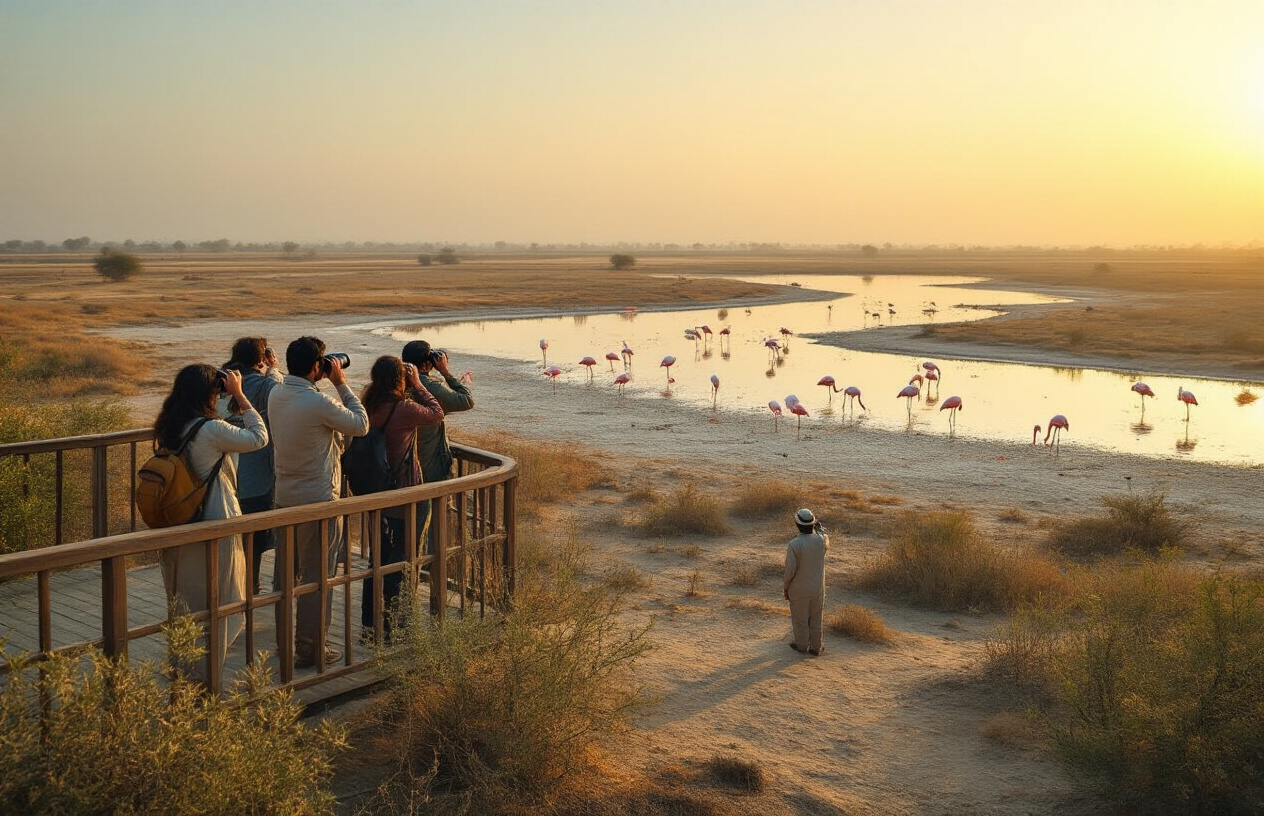
Just a short drive from the White Desert, Chhari Dhand transforms into a bird-watcher’s paradise during winter months. This seasonal wetland attracts thousands of migratory birds from as far as Siberia and Europe.
Grab your binoculars and spot common cranes, pelicans, and rare species like the endangered Macqueen’s Bustard. The contrast of colorful birds against the barren landscape creates perfect photography opportunities. Dawn visits reward you with the spectacular sight of birds taking flight en masse as the sun rises over the horizon.
Photograph flamingos and other exotic bird species
The Rann’s shallow waters turn pink during winter months when thousands of greater and lesser flamingos flock here. These elegant birds wade through the waters, creating postcard-perfect scenes that photographers dream about.
Besides flamingos, keep your camera ready for black-necked storks, spoonbills, and the striking black and white pied avocets. The clear desert light provides ideal conditions for wildlife photography. For the best shots, bring a telephoto lens and visit during golden hour when the soft light bathes the birds in a magical glow.
Discover desert-adapted wildlife species unique to the region
The harsh environment of the Rann has created fascinating adaptations in its wildlife. Desert foxes dart between sparse vegetation, their large ears helping regulate body temperature. Desert cats prowl at dusk, their sand-colored coats providing perfect camouflage.
You might also spot nilgai (blue bulls), jackals, and if you’re incredibly lucky, the elusive striped hyena or Indian wolf. These creatures have evolved remarkable survival skills for the extreme conditions – from specialized kidneys that conserve water to nocturnal habits that avoid the scorching daytime heat.
Take guided safari tours with expert naturalists
The vastness of the Rann can be intimidating, which is why guided safaris are your best bet for wildlife encounters. Local naturalists know exactly where animals gather and can spot camouflaged creatures that untrained eyes would miss.
Most tours use open jeeps that handle the rough terrain while giving you 360-degree views. Guides share fascinating insights about the ecosystem and wildlife behaviors that deepen your appreciation. Early morning tours offer the best wildlife sightings plus spectacular sunrise views over the salt desert – a double win for nature lovers.
Visit Ancient Archaeological Sites
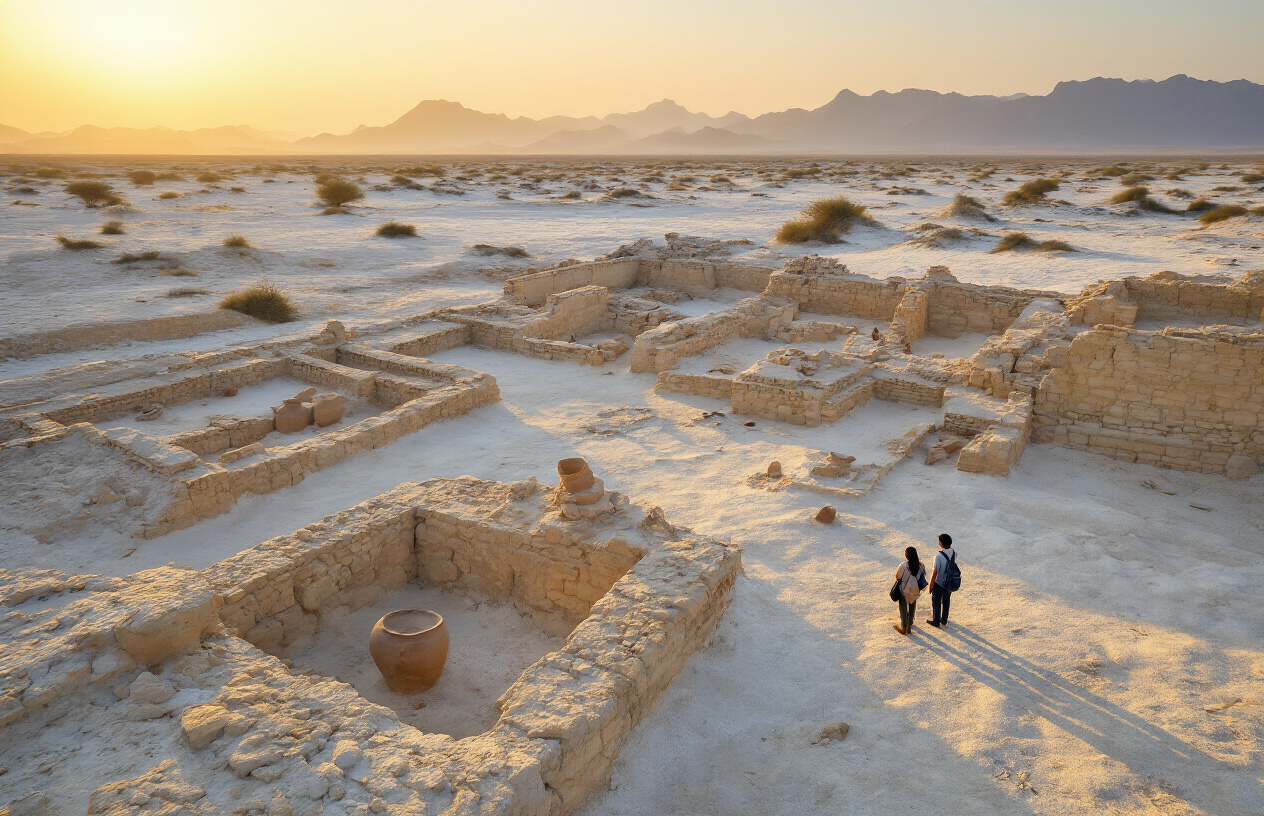
Explore the 4500-year-old Dholavira Harappan Civilization ruins
The white desert of Kutch hides an incredible secret – Dholavira, one of India’s most impressive archaeological wonders. Dating back 4,500 years, this UNESCO World Heritage site represents one of the largest and most well-preserved Harappan cities.
Unlike anything you’ve seen before, Dholavira showcases sophisticated urban planning with distinct zones for royalty, middle-class citizens, and laborers. The site’s water management system will blow your mind – these ancient engineers created reservoirs, storm water drains, and wells that could sustain thousands during harsh desert conditions.
Don’t miss the famous signboard with ten large symbols – possibly the world’s oldest signboard! The museum houses artifacts that bring the past to life: beads, pottery, seals, and tools that reveal how advanced this civilization truly was.
Discover prehistoric rock art at Datrana
Just when you think Kutch couldn’t get more fascinating, Datrana enters the chat. This lesser-known site contains rock art dating back thousands of years, offering a rare glimpse into prehistoric human expression.
The primitive yet powerful images depict hunting scenes, daily life activities, and what appears to be spiritual ceremonies. These scratched and painted figures tell stories of the region’s earliest inhabitants – people who thrived in this challenging landscape long before recorded history.
Amateur archaeologists will love this spot. The art is surprisingly vivid despite millennia of desert winds and weather exposure.
Learn about the region’s rich historical significance
The Kutch region serves as a living textbook of human civilization. This area has witnessed the rise and fall of numerous dynasties and empires – from the ancient Indus Valley people to the Jadeja Rajputs.
What makes this area so historically significant is its position as a cultural crossroads. For centuries, Kutch connected trade routes between the Middle East, Central Asia, and the Indian subcontinent. This strategic importance shaped its unique identity, where Persian, Arab, and Indian influences merged to create something entirely distinctive.
Local guides share captivating stories about how the landscape influenced human settlement patterns through millennia. You’ll discover how communities adapted to this challenging environment, developing innovative agricultural techniques and architectural styles that withstood both time and nature’s forces.
Experience Local Village Life
Visit traditional craft villages like Nirona and Khavda
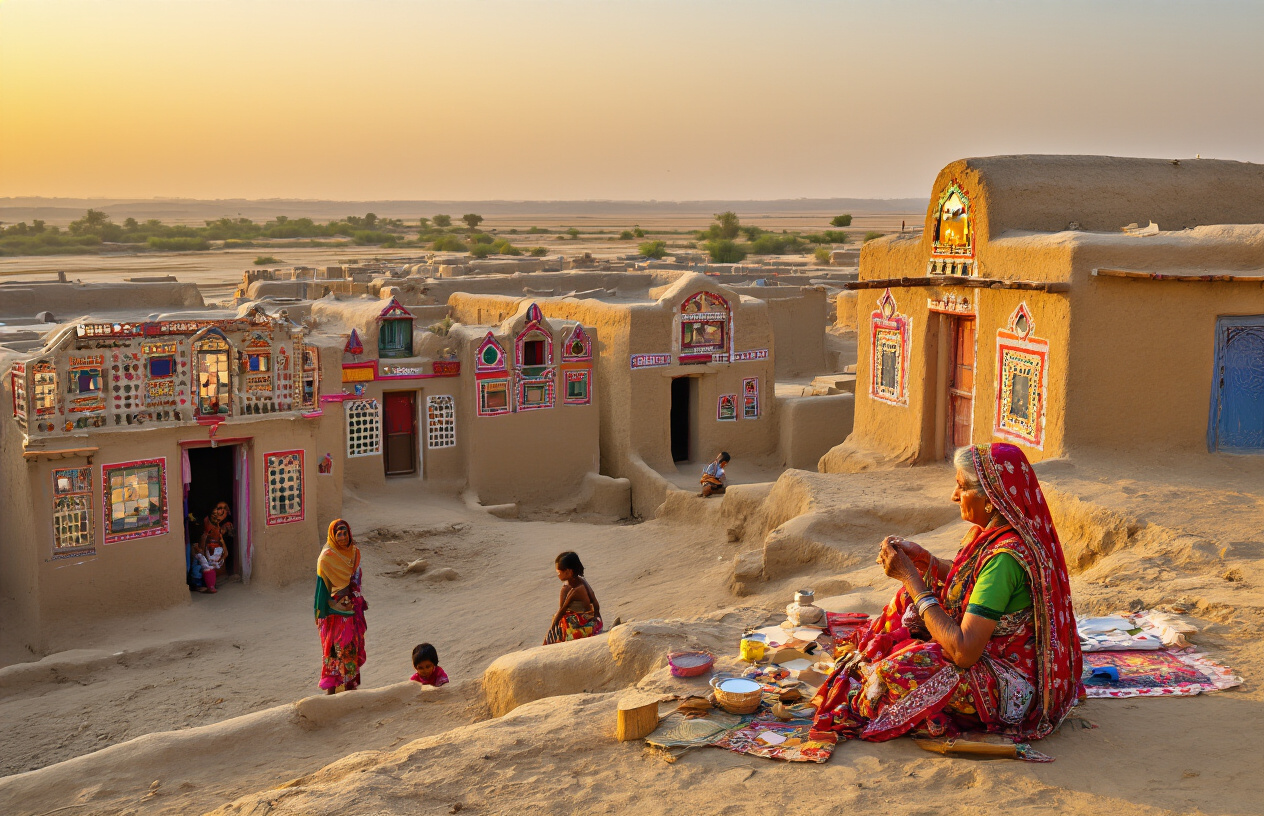
The magic of Rann of Kutch isn’t just about salt flats and white desert. Hidden away from the tourist crowds are vibrant craft villages where time seems to stand still. In Nirona, artisans still work with copper bells, creating melodies that have echoed through generations. Walk down the narrow lanes and you’ll hear the rhythmic hammering that’s been the village soundtrack for centuries.
Khavda, another gem, is famous for its pottery and textile work. The earthy red clay pots aren’t just decorative pieces—they’re daily use items with designs passed down through families. The craftsmanship is so intricate that you’ll wonder how human hands could create such precision without modern tools.
Learn about Rogan art and other dying crafts
Ever seen paint that never touches the canvas? That’s Rogan art for you—a 300-year-old craft where artists use castor oil paint on their palms, never directly touching the fabric. The result? Breathtaking patterns that seem to float on cloth.
Block printing, lacquer work, and bandhani tie-dye are keeping ancient traditions alive here too. What’s amazing is how each family specializes in a specific craft, perfecting techniques that could easily vanish without their dedication.
Interact with friendly local communities
The Kutchi people might just be the warmest hosts you’ll ever meet. Despite language barriers, their smiles communicate volumes. They’ll invite you into their homes—traditional circular mud houses called “bhungas”—decorated with intricate mirror work that transforms simple dwellings into kaleidoscopic wonders.
Women dressed in vibrant embroidered clothing will offer you chai while showing off handicrafts they’ve been working on for months. The pride in their eyes when explaining their craft traditions is something you won’t find in any city tour.
Participate in daily village activities
Roll up your sleeves and try your hand at pottery in Khavda. Your lopsided attempts will give locals a good laugh, but that’s part of the charm. Join women as they draw water from wells or help with embroidery (warning: it’s harder than it looks!).
Morning cattle herding, afternoon cooking lessons, evening folk music sessions around bonfires—these aren’t staged tourist activities but genuine glimpses into everyday life. Nothing beats making rotla (millet bread) with a local family and then eating it with homemade butter and jaggery.
When you participate in these village activities, you’re not just checking off a tourist experience—you’re keeping age-old traditions alive and creating memories that’ll outlast any souvenir.
Capture Incredible Sunset and Sunrise Views
Witness the magical transformation of the landscape during golden hours
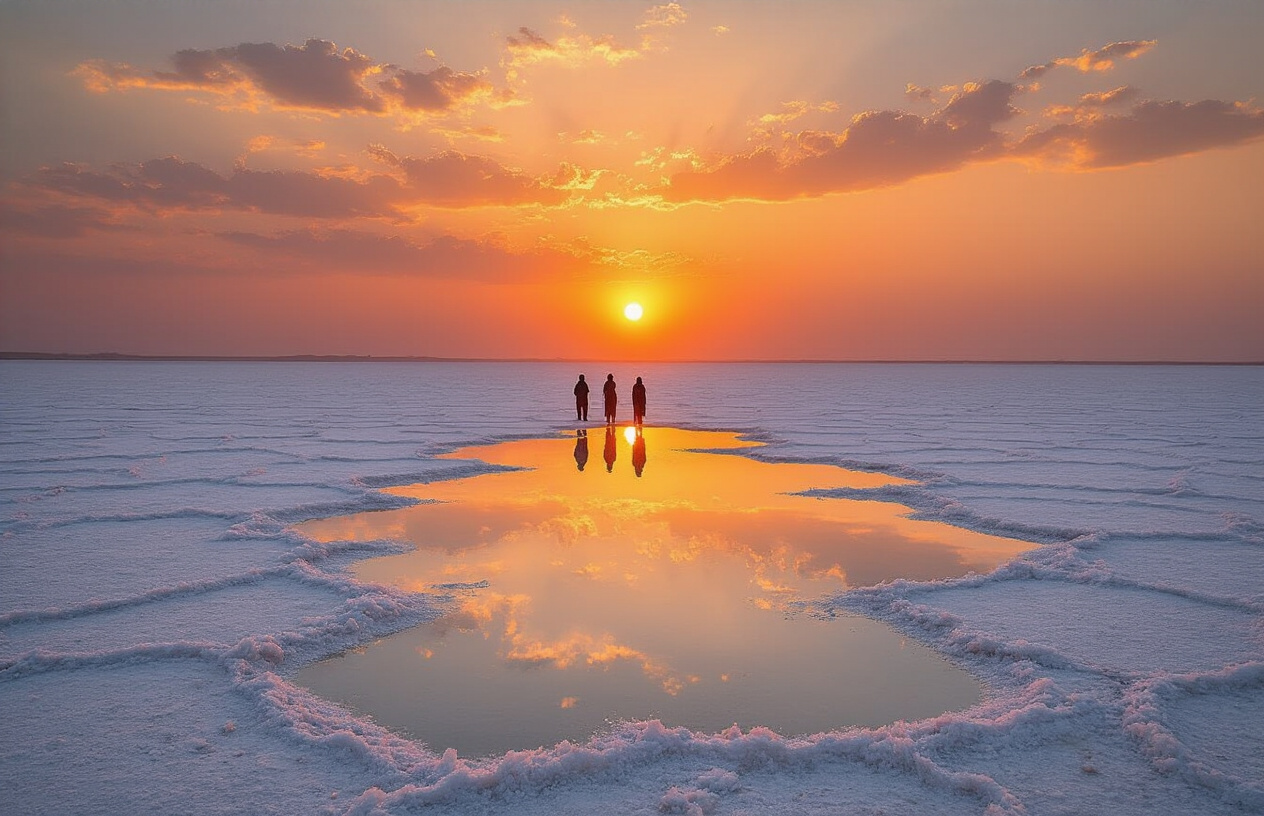
The Rann of Kutch isn’t just spectacular during the day—it’s downright magical at sunset and sunrise. Picture this: the endless white salt desert suddenly bathed in warm amber light, creating shadows that stretch for miles across the crystalline surface.
The transformation happens quickly. One minute you’re looking at a stark white landscape, the next it’s glowing orange, pink, and purple. The salt crystals catch every ray, multiplying the light effect in ways that make photographers weak at the knees.
Most visitors rush through the Rann during midday, missing the real show. But trust me—wake up early or stay late. That’s when this surreal landscape truly comes alive.
Experience the perfect silence of dawn in the desert
Ever wondered what perfect silence sounds like? Show up at the Rann before sunrise.
The pre-dawn quiet here isn’t just the absence of noise—it’s a presence all its own. No birds chirping, no leaves rustling, no distant traffic. Just you and your thoughts as the eastern sky begins to lighten.
The stillness is so complete you can hear your own heartbeat. Many visitors describe these moments as meditative, even spiritual. As the first rays break across the horizon, the temperature shifts subtly, and the air feels impossibly fresh.
Photograph the changing colors of the sky reflected on the salt flats
Photographers, bring extra memory cards. The Rann’s salt surface acts like a massive natural mirror, doubling every color in the sky above.
During sunrise and sunset, this reflection creates a 360-degree color show. The salt crystals catch light differently depending on their angle, creating a sparkle effect that’s impossible to capture in words.
The best spots? Find slight depressions where thin layers of water have collected over the salt. These natural mirrors create perfect reflection shots that look like something from another planet.
Indulge in Adventure Activities
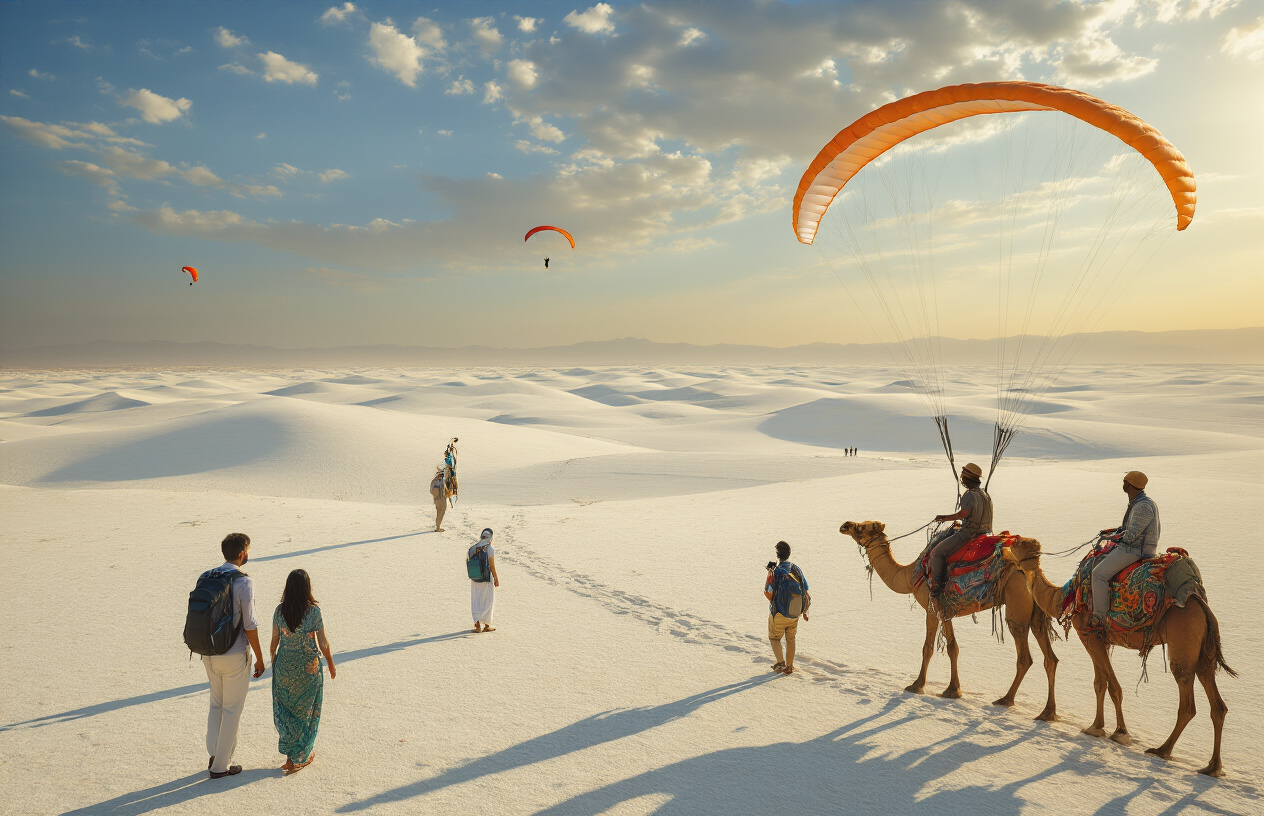
Take camel safaris across the desert landscape
The white sands of Kutch aren’t just for looking at—they’re for exploring! And honestly, there’s no better way to discover this surreal landscape than on the back of a camel. These ships of the desert have been the traditional mode of transport here for centuries.
The local guides know exactly which routes offer the most breathtaking views. As you sway gently with each step, you’ll pass by mirages shimmering in the distance and salt crystals crunching beneath the camel’s feet. Most safaris last between 30 minutes to 2 hours, depending on how much your backside can handle (trust me, camel saddles aren’t exactly luxury seating).
Morning safaris let you watch the sun paint the white desert gold, while evening rides offer cooler temperatures and dramatic sunset views that’ll make your Instagram followers weep with envy.
Experience paramotoring over the white expanse
Want to see the Rann like a bird? Paramotoring gives you wings!
This adventure activity has become hugely popular during Rann Utsav. There’s something magical about soaring over the endless white desert, watching it stretch to the horizon like a snow-covered wonderland—except it’s all salt.
From 400 feet up, you’ll see patterns in the salt crust that are invisible from the ground. The stark contrast between the white Rann and the blue sky creates a surreal, almost otherworldly experience.
No previous flying experience needed—you’ll be strapped to an experienced pilot who handles all the technical stuff while you focus on picking your jaw up off your chest.
Try desert ATV rides for an adrenaline rush
If speed’s your thing, ATVing across the Rann will give you all the thrills you’re looking for. These powerful quad bikes let you tear across the salt flats, kicking up plumes of white dust behind you.
The flat, obstacle-free terrain makes it perfect even for first-timers. Most operators offer 15-30 minute guided rides, and though it sounds short, trust me—it’s intense enough to leave your heart racing and your face plastered with a permanent grin.
The best part? The salt crust is pretty forgiving if you happen to take a tumble (though with the safety briefing and guides, that’s rare).
Participate in night camping under the stars
The adventure doesn’t stop when the sun sets. In fact, that’s when the Rann reveals its most magical side.
Night camping here is unlike anywhere else. With zero light pollution, the night sky explodes with stars—so many that first-timers often gasp out loud. The Milky Way stretches across the sky like someone spilled diamond dust overhead.
Many camps offer traditional Kutchi meals, folk performances, and bonfires. Sleeping in Swiss tents or traditional bhungas (circular mud houses) adds to the authentic experience.
The absolute silence of the desert at night, broken only by the occasional distant folk music or the whisper of wind, creates a meditative experience that’s both thrilling and deeply peaceful.
Savor Authentic Kutchi Cuisine
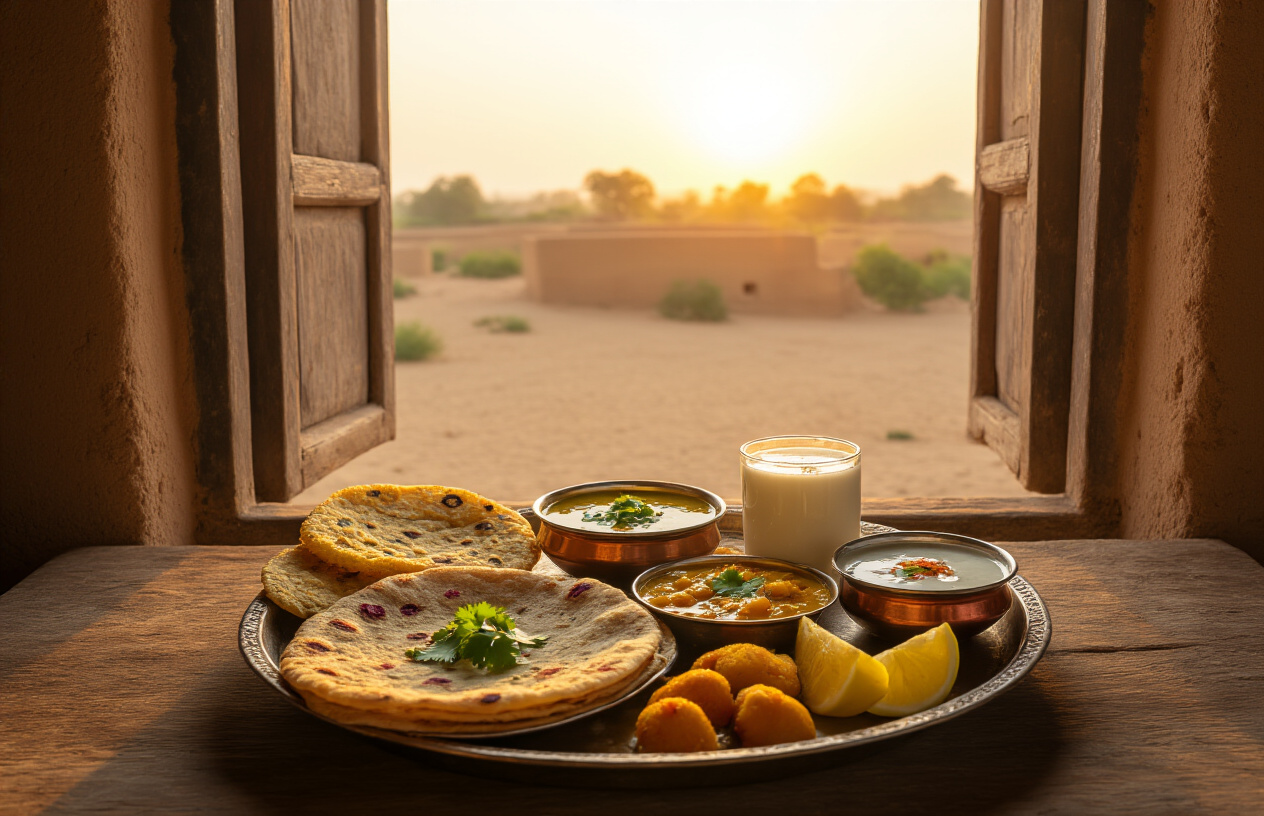
Taste traditional Kutchi dabeli and other street foods
The food scene in Kutch isn’t complete without sinking your teeth into a spicy, sweet dabeli. This Kutchi version of a burger combines a mashed potato filling loaded with a special masala, topped with pomegranate seeds, roasted peanuts, and tangy chutneys—all stuffed into a butter-toasted bun. The explosion of flavors will have you ordering seconds!
Street food in Kutch goes way beyond dabeli. Try the crispy fafda with jalebi, a classic Gujarati breakfast combo that perfectly balances savory and sweet. Or grab some dhokla, those fluffy, steamed squares topped with mustard seeds and green chilies.
For something uniquely Kutchi, hunt down some Kutchi pakwan, a crispy flatbread served with spicy dal. It’s the kind of simple food that somehow tastes better the more local the shop looks.
Enjoy fresh seafood preparations unique to the region
Surprised to find seafood in a desert region? The coastal areas of Kutch offer some of Gujarat’s best seafood dishes. Fresh prawns cooked in a red Kutchi masala will change how you think about desert cuisine forever.
The local crab curry uses a distinctive blend of spices you won’t find elsewhere in India. Made with freshly ground masalas and coconut, it’s best enjoyed with steaming rice.
Fish lovers shouldn’t miss the traditional Kutchi fish fry. The fish is marinated in a paste of red chilies, garlic, and local herbs before being shallow-fried to perfection.
Experience a traditional Gujarati thali with local specialties
A proper Kutchi thali is a once-in-a-lifetime eating experience. These massive platters showcase the region’s diverse flavors with at least 10-15 different items served in small bowls around a central pile of rice.
What makes the Kutchi thali special is its balance of sweet, salty, and spicy dishes. You’ll find bajra rotla (millet bread) served with garlic chutney, Kutchi kadhi (a yogurt-based curry thinner than its North Indian cousin), and undhiyu (a mixed vegetable specialty) all on one plate.
Don’t miss the signature Kutchi khichdi made with local millet instead of rice, topped with ghee and served with kadhi. It’s simple, heartwarming food that reflects the soul of this remarkable region.
For immersive culture walks in India, visit 5 Senses Walks.
Shop for Unique Handicrafts
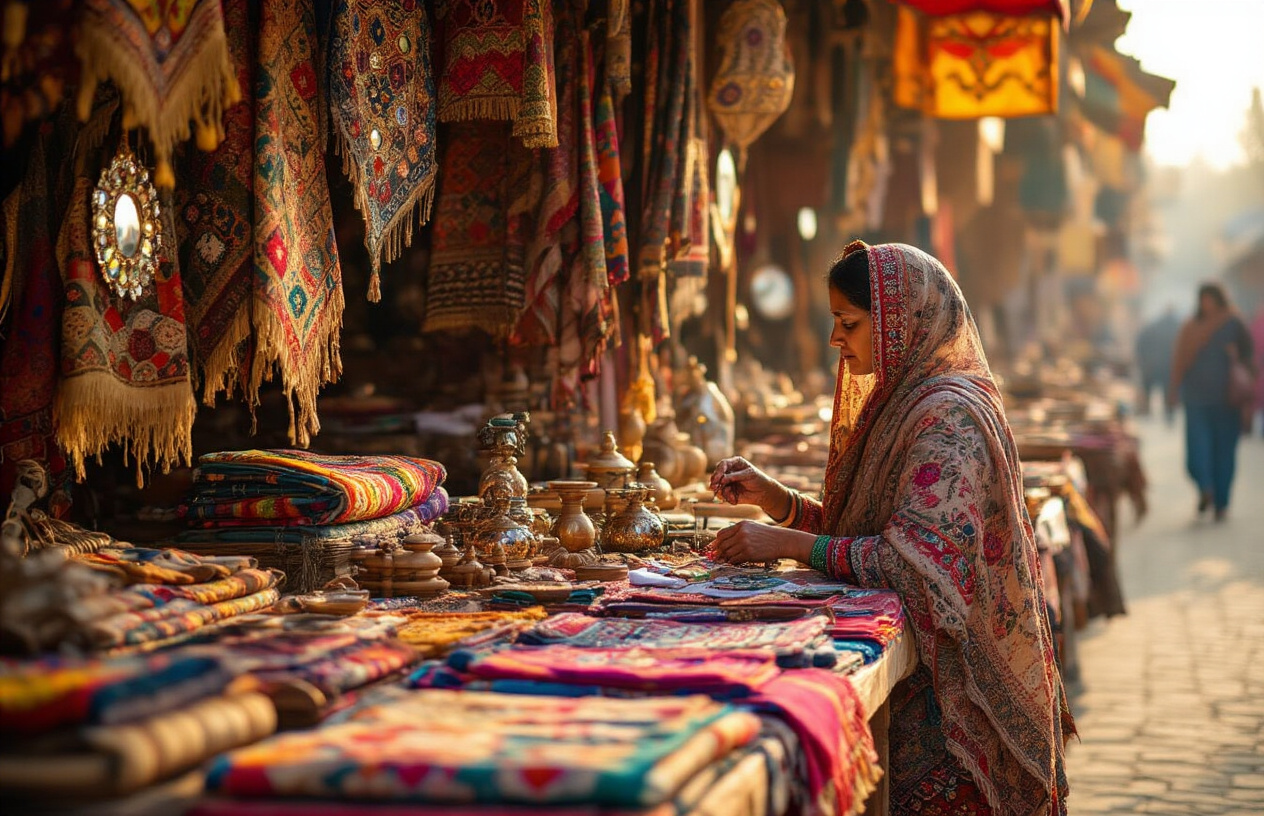
A. Purchase colorful embroidered textiles and garments
The textiles of Kutch aren’t just fabrics – they’re stories woven into every thread. Walking through the local markets, you’ll be bombarded with colors so vibrant they make your regular wardrobe look like it’s in permanent grayscale.
Grab yourself a traditional Kutchi shawl with intricate mirror work that catches the light just right. The women artisans spend weeks perfecting these pieces, and trust me, people back home will ask where you got it.
Don’t miss the bandhani tie-dye work – these dotted patterns come in combinations that somehow work perfectly together even when they shouldn’t. A bandhani dupatta or saree makes for a stunning addition to any wardrobe.
B. Collect handmade leather goods with traditional designs
The leather craftspeople of Kutch have skills passed down for generations. Their bags, wallets, and footwear aren’t mass-produced garbage that falls apart after a month.
The camel leather items feature geometric patterns that tell you immediately they’re from this region. I picked up a leather journal with block-printed motifs that’s become my favorite travel companion.
What makes these pieces special? The natural dyes and hand-stitching techniques that machine-made items can’t replicate. Plus, most artisans customize pieces right in front of you.
C. Buy lacquer-coated wooden items as souvenirs
Ever seen wooden items so glossy and colorful they almost look like candy? That’s the lacquerware of Kutch. The wooden toys, boxes, and kitchen items get their vibrant finish from a traditional lacquering technique called “lac.”
The wooden toys make perfect gifts for kids – they’re durable, non-toxic, and way more interesting than plastic junk. Look for the spinning tops (lattu) that come in rainbow colors.
Practical household items like spoons, bowls, and candle stands showcase the perfect blend of functionality and beauty. Each piece has a smooth finish that begs to be touched.
D. Support local artisans preserving ancestral crafts
Shopping in Kutch isn’t just retail therapy – it’s direct support to artisans fighting to keep their heritage alive against mass production.
Many craftspeople belong to specific communities with distinct techniques – the Rabari embroidery differs completely from Ahir work. By purchasing directly, you’re helping families who’ve practiced these arts for centuries.
Several women’s cooperatives across Kutch villages have organized to ensure fair prices and working conditions. Your purchase from these groups helps provide sustainable income to women who might otherwise have limited economic opportunities.
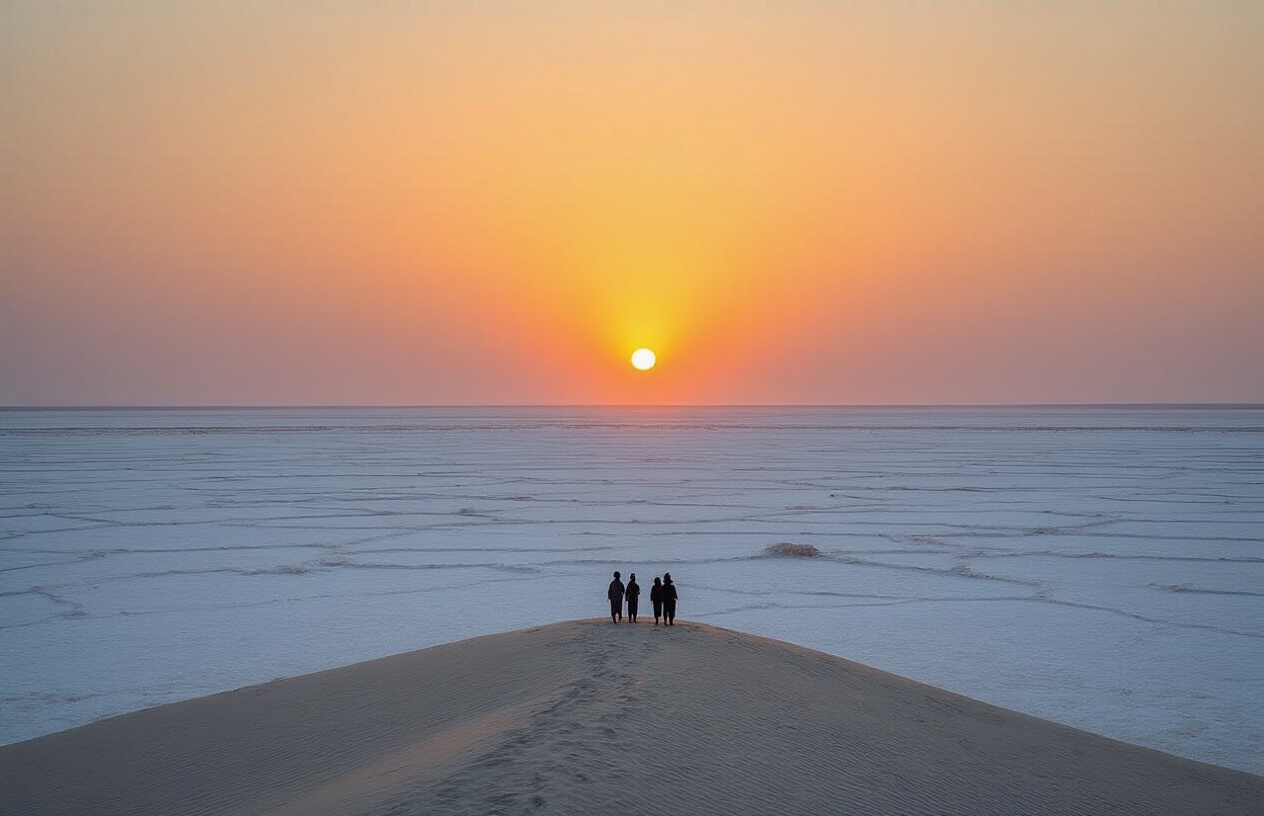
The Rann of Kutch stands as a testament to India’s diverse natural wonders and cultural richness. From its mesmerizing white salt desert and vibrant Rann Utsav to the unique wildlife experiences and ancient archaeological treasures, this region offers an unparalleled blend of adventure, serenity, and cultural immersion. The authentic village experiences, traditional accommodations, and mouth-watering Kutchi cuisine provide visitors with memories that last a lifetime.
For a private tour of Rann of Kutch, please visit 5 Senses Tours.
As you plan your next travel adventure, let the Rann of Kutch claim its rightful place on your bucket list. This magical destination promises not just Instagram-worthy landscapes but also an opportunity to connect with India’s heartland, support local artisans through handicraft purchases, and witness one of nature’s most spectacular phenomena. Pack your bags, bring your camera, and prepare for an experience that will transform your understanding of India’s hidden gems.
For tours of fascinating Gujarat, please visit 5 Senses Tours.
Leave a Reply