
India holds countless 12 offbeat Indian destinations for adventure seekers that go far beyond the typical tourist trail. This guide is perfect for thrill-seekers, outdoor enthusiasts, and travelers who crave authentic experiences away from crowded hotspots.
Most adventure travelers stick to the same few destinations, missing out on India’s incredible hidden gems. You’ll discover secret mountain trails in the north that offer world-class trekking without the crowds. We’ll also explore remote coastal spots where you can surf, dive, and kayak in pristine waters that feel completely untouched.
From spelunking in ancient underground caves to white-water rafting through unexplored river systems, these destinations offer the raw adventure you’ve been searching for. Each location combines heart-pumping activities with authentic cultural experiences you simply won’t find anywhere else.
Hidden Gems in India’s Northern Mountains
Discover Untouched Valleys Perfect for Trekking
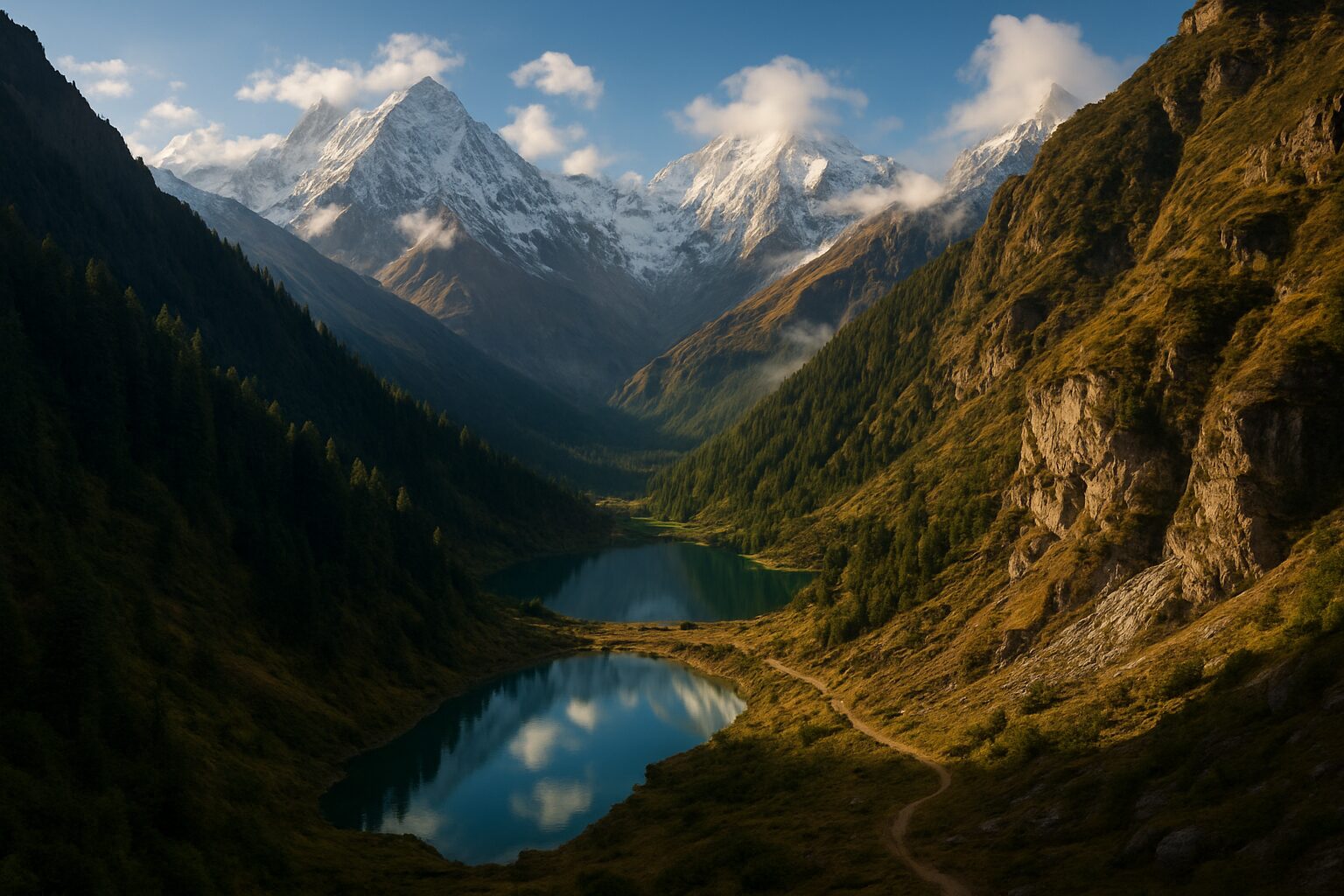
Tirthan Valley in Himachal Pradesh remains refreshingly untouched by mass tourism, offering pristine trekking routes through dense deodar forests and alpine meadows. The Great Himalayan National Park’s buffer zone provides access to challenging trails like the Serolsar Lake trek, where crystal-clear waters reflect snow-capped peaks. Local guides from nearby villages share ancient mountain paths that commercial tour operators haven’t discovered yet.
Binsar Valley in Uttarakhand presents another hidden gem where rhododendron forests create natural tunnels along winding trails. The region’s network of village-to-village paths connects remote settlements through terraced fields and oak groves. Trekkers encounter fewer than a dozen other adventurers during peak season, creating an almost private wilderness experience.
Valley of Flowers’ lesser-known cousin, Dayara Bugyal, offers expansive meadows carpeted with wildflowers from June through September. The gradual ascent makes this destination perfect for beginners seeking their first high-altitude trekking experience. Local shepherds often share their campsites, creating unexpected cultural exchanges around evening campfires.
Experience Authentic Mountain Culture Away from Tourist Crowds
Remote villages like Malana in Parvati Valley maintain centuries-old traditions without tourist interference. Residents speak Kanashi, an ancient language with Greek influences, and follow unique democratic systems older than most modern governments. Visitors can participate in traditional apple harvesting during autumn months while staying in family-run guesthouses.
Chitkul, India’s last inhabited village near the China border, offers glimpses into Kinnauri culture through its wooden architecture and Buddhist-Hindu fusion practices. Elderly villagers share stories of ancient trade routes while demonstrating traditional weaving techniques using yak wool. The village temple festivals provide authentic cultural immersion without commercial tourism’s artificial elements.
Nako village in Spiti Valley preserves Tibetan Buddhist traditions through daily monastery rituals and community prayers. Monks welcome respectful visitors to morning meditation sessions and explain ancient thangka paintings. Local families invite travelers to share traditional meals featuring barley-based dishes and yak butter tea.
Find Budget-Friendly Adventure Activities in Remote Locations
Rock climbing enthusiasts discover natural granite walls around Hampta Pass without expensive guide fees or equipment rentals. Local youth from Manali offer basic instruction for nominal costs, sharing secret climbing spots their grandfathers used for sheep herding. Basic camping equipment rents for under ₹200 per day from village shops.
Mountain biking routes through Sangla Valley provide thrilling descents past apple orchards and traditional villages. Bicycle rentals cost ₹300-500 daily, including basic maintenance tools. Village mechanics repair punctures and adjust brakes for minimal fees, often accepting meals instead of money.
Paragliding launch sites near Bir Billing offer tandem flights starting at ₹2,500, significantly cheaper than Manali’s commercial operators. Local pilots with decades of experience provide personalized instruction and longer flight times. Accommodation in nearby villages costs under ₹800 per night, including home-cooked meals featuring regional specialties like siddu and thukpa.
Wild camping opportunities abound along lesser-known trails, eliminating accommodation costs entirely while providing unmatched mountain sunrise experiences.
Unexplored Coastal Adventures Beyond Popular Beaches
Access Secret Beaches with World-Class Water Sports
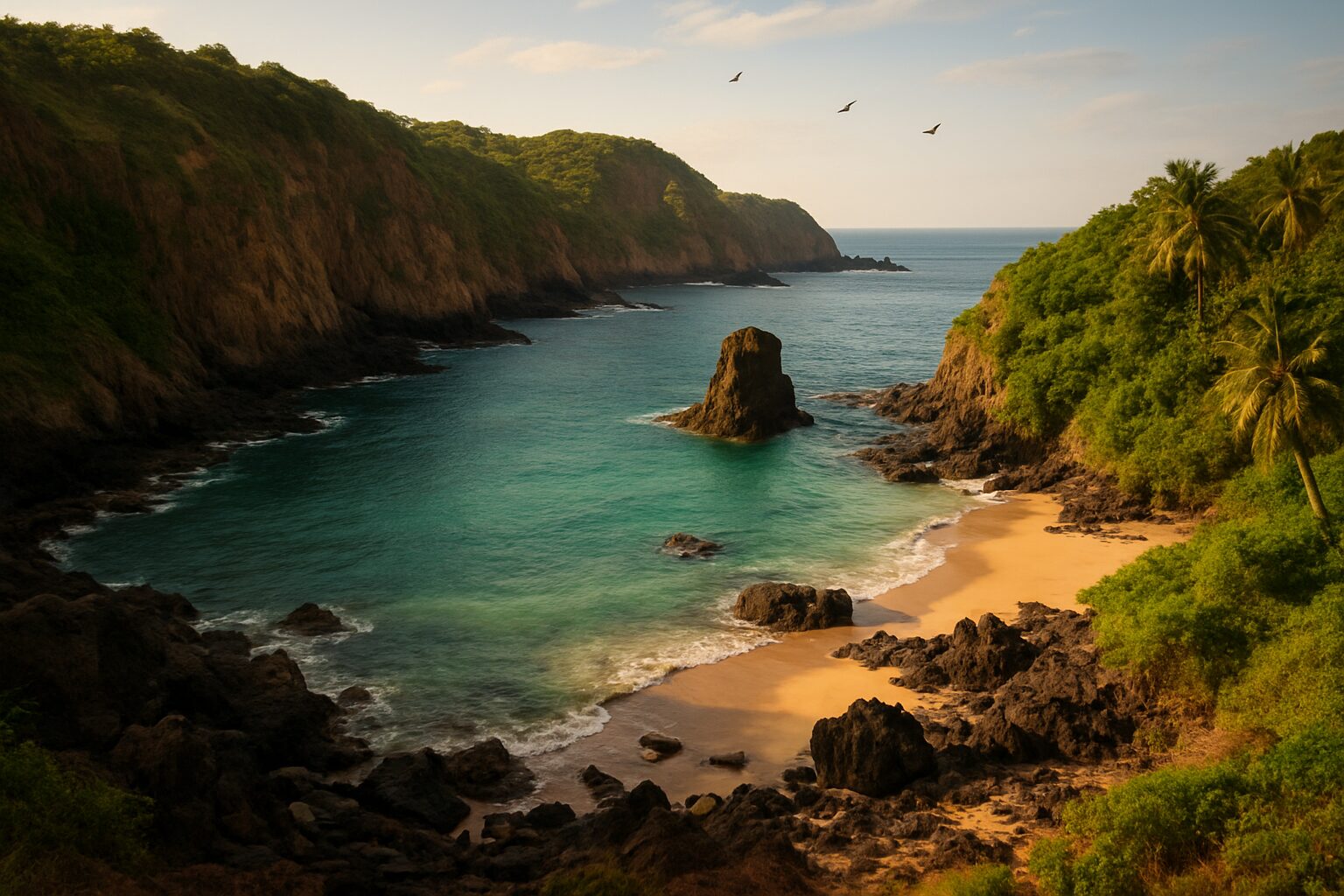
India’s coastline stretches over 7,500 kilometers, yet most travelers stick to the same crowded beaches. Break away from the masses and discover hidden coastal gems where pristine waters meet adrenaline-pumping activities. Gokarna’s Om Beach offers excellent surfing conditions with consistent swells, while nearby Paradise Beach remains accessible only by boat or a challenging trek through rocky terrain.
Head north to Guhagar in Maharashtra, where kitesurfing enthusiasts find perfect wind conditions between October and March. The beach’s black sand and empty stretches create an otherworldly backdrop for aerial maneuvers. For scuba diving beyond the typical Goa circuit, Netrani Island near Murudeshwar delivers crystal-clear waters teeming with barracudas, whale sharks, and vibrant coral formations.
Kayaking opportunities abound along Karnataka’s coast, particularly around the backwaters of Kumta where rivers meet the Arabian Sea. The calm waters here are perfect for beginners, while experienced paddlers can navigate through narrow channels connecting hidden beaches accessible only by water.
Explore Marine Wildlife in Pristine Underwater Ecosystems
India’s coastal waters harbor extraordinary marine biodiversity that remains largely unexplored by mainstream tourism. The waters around Lakshadweep’s outer islands offer some of Asia’s best diving, with pristine coral reefs that rival the Maldives but without the crowds.
Whale shark encounters happen regularly off the coasts of Diu and Veraval in Gujarat between October and February. Local fishermen have developed sustainable viewing practices, allowing divers to swim alongside these gentle giants in their natural habitat. The experience feels magical as 30-foot whale sharks glide through the blue depths, completely unbothered by human presence.
Marine sanctuaries like the one at Malvan showcase healthy coral ecosystems where sea fans, brain corals, and table corals create underwater gardens. Angelfish, butterflyfish, and parrotfish dance among the reefs while larger species like groupers and rays patrol deeper waters.
Enjoy Solitary Camping Under Starlit Coastal Skies
Beach camping in India offers something special – the chance to fall asleep to ocean waves and wake up to untouched sunrises. Remote stretches along the Konkan coast provide perfect camping spots where you won’t see another soul for miles.
Velneshwar Beach in Maharashtra offers designated camping areas with basic facilities while maintaining its wild character. Set up your tent just meters from the waves and watch fishing boats return with the evening catch. The absence of city lights makes stargazing spectacular here, with the Milky Way clearly visible on clear nights.
Gokarna’s Half Moon Beach and Paradise Beach allow overnight camping with permission from local authorities. These crescent-shaped coves remain protected from strong winds, creating perfect microclimates for comfortable nights outdoors. Bring quality camping gear as temperatures can drop surprisingly low near the water.
For the ultimate solitude, venture to Agonda Beach’s southern end in South Goa, where rocky outcrops create natural windbreaks and privacy screens. Local vendors sell fresh seafood that you can grill over driftwood fires, creating an authentic coastal dining experience under the stars.
Navigate Through Mangrove Forests and Hidden Lagoons
India’s mangrove ecosystems offer adventure opportunities that combine nature exploration with cultural immersion. The Sundarbans’ intricate waterways provide the ultimate mangrove adventure, where narrow channels wind through dense forests hiding Bengal tigers, saltwater crocodiles, and hundreds of bird species.
Kayaking through these tidal forests requires skill and local guides who understand the complex tide patterns. The silence inside mangrove tunnels feels profound, broken only by bird calls and the splash of jumping fish. Morning expeditions often reveal deer drinking at water’s edge and monitor lizards basking on fallen logs.
The Godavari delta’s mangrove systems near Kakinada offer gentler exploration opportunities. Here, traditional fishermen’s boats called ‘vallams’ can be rented for self-guided tours through lagoons where flamingos and pelicans gather in large flocks.
Pichavaram in Tamil Nadu features one of India’s largest mangrove forests, with over 400 waterways creating a natural maze. Boat tours here range from gentle family-friendly trips to challenging kayak expeditions that can last full days. The interconnected waterways mean you can paddle for hours without retracing your path, discovering new channels and hidden clearings around every bend.
Desert Landscapes Offering Unique Thrills
Conquer Sand Dunes with Off-Road Vehicle Expeditions
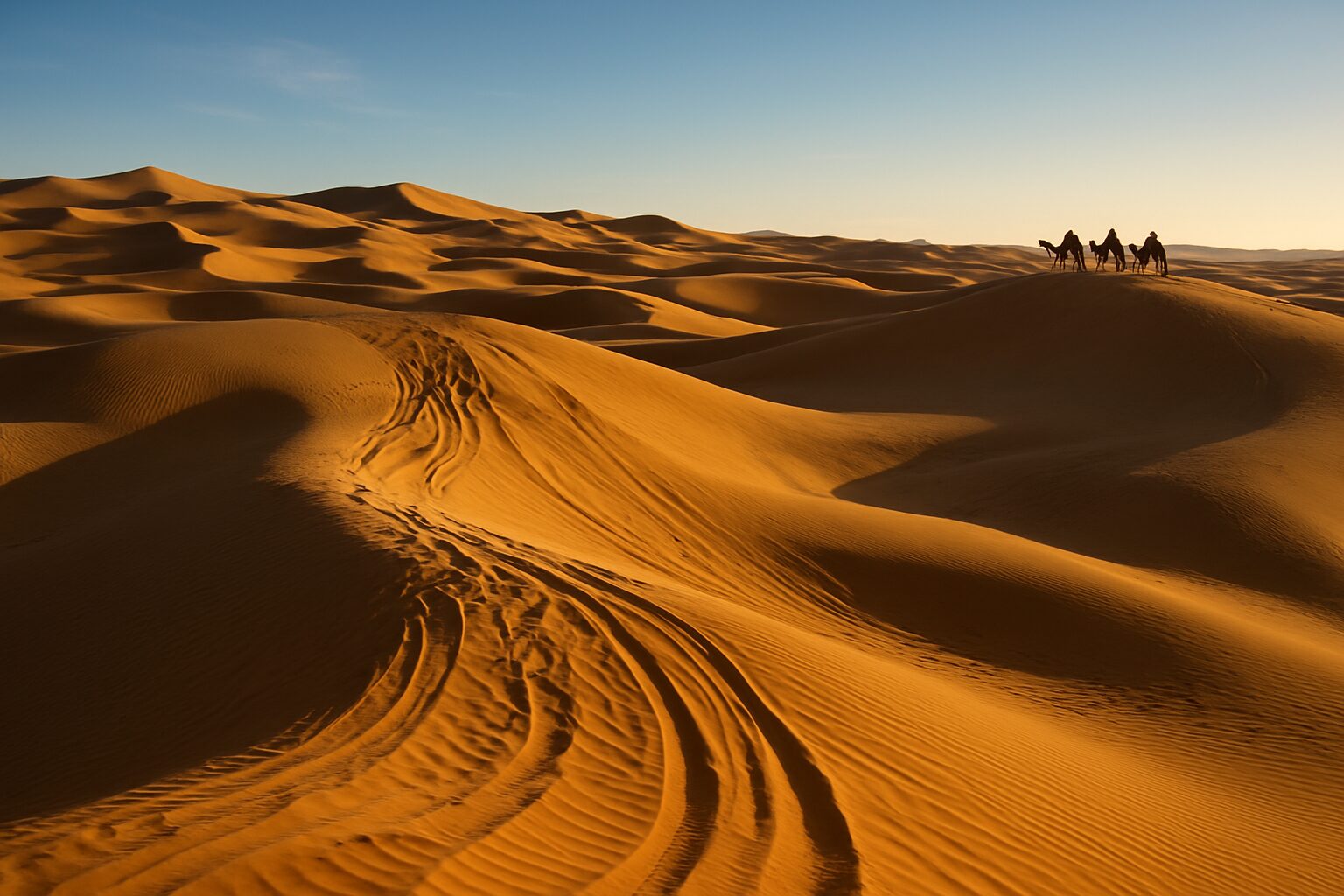
The Thar Desert in Rajasthan transforms into an adrenaline junkie’s paradise when you swap traditional camel rides for high-octane off-road adventures. Jaisalmer serves as the gateway to some of India’s most thrilling desert expeditions, where modified 4×4 vehicles and ATVs tackle towering sand dunes that shift and change with every desert wind.
Professional guides lead expeditions deep into the Sam Sand Dunes, where drivers navigate steep 60-foot sand walls that challenge even experienced off-roaders. The sensation of cresting a massive dune before plummeting down the other side creates an unforgettable rush. Local operators provide safety briefings and specialized vehicles equipped with roll cages, GPS tracking, and emergency communication systems.
Beyond Rajasthan, the Kutch Desert in Gujarat offers equally spectacular terrain with its unique white salt flats during dry season. Here, off-road enthusiasts can explore the Rann of Kutch’s vast expanse where mirages dance on the horizon and wildlife like wild asses roam freely.
Night expeditions add another dimension to the experience. Desert tours equipped with powerful LED lighting systems allow adventurers to navigate dunes under star-filled skies, creating a surreal landscape that feels like driving on an alien planet. These nocturnal adventures often conclude with traditional Rajasthani meals prepared over open fires at remote desert camps.
Experience Traditional Desert Survival Skills Training
Desert survival training programs in India’s arid regions offer authentic experiences that connect adventurers with ancient nomadic wisdom. Rajasthan’s indigenous communities, particularly the Bishnoi and Rabari tribes, share centuries-old survival techniques that have enabled desert dwellers to thrive in harsh environments.
Training typically begins with water sourcing and conservation methods. Participants learn to identify desert plants like the desert gourd and khejri tree that store precious water reserves. Traditional water harvesting techniques include reading sand patterns to locate underground springs and constructing basic solar stills using available materials.
Navigation skills focus on reading natural desert compasses – star patterns, sand dune formations, and wind directions that nomads have relied upon for generations. Participants master the art of creating temporary shelters using minimal resources, including techniques for building shade structures that maximize airflow while minimizing heat exposure.
Food procurement training covers identifying edible desert plants, traditional hunting methods, and food preservation techniques suited to extreme temperatures. Participants discover how desert communities prepare nutritious meals from seemingly barren landscapes, including recipes using desert beans, cactus fruits, and drought-resistant grains.
Fire-making workshops teach friction-based techniques using desert vegetation, while traditional medicine sessions introduce healing properties of desert plants. These immersive programs typically span 3-5 days, combining hands-on learning with cultural exchanges that provide deeper understanding of desert life’s challenges and rewards.
Jungle Destinations with Rare Wildlife Encounters

Spot Endangered Species in Lesser-Known National Parks
Beyond the famous reserves like Ranthambore and Jim Corbett, India hides remarkable wildlife sanctuaries where rare species thrive without the usual tourist crowds. Namdapha National Park in Arunachal Pradesh shelters the elusive clouded leopard and red panda, while Hemis National Park in Ladakh offers your best chance to spot the mythical snow leopard against dramatic Himalayan backdrops.
Pakke Tiger Reserve in Arunachal Pradesh provides incredible opportunities to witness hornbills in their natural habitat, particularly the Great Indian Hornbill with its magnificent casque. The park’s canopy walkways let you observe these magnificent birds up close while contributing to ongoing research efforts.
In Kerala’s Silent Valley National Park, the endangered lion-tailed macaque swings through pristine rainforest canopy. This UNESCO Biosphere Reserve maintains strict visitor limits, creating an intimate wildlife experience where every sighting feels like discovering treasure.
| Park | Key Species | Best Season | Unique Feature |
|---|---|---|---|
| Namda-pha | Clouded Leopard | Oct-Mar | Big cat specie |
| Hemis | Snow Leopard | Jun-Sep | Highest altitude park |
| Pakke | Hornbill | Nov-Apr | Canopy walkways |
| Silent Valley | Lion-tailed Macaque | Dec-May | Zero human |
Learn Jungle Survival Techniques from Local Tribes
Indigenous communities across India’s forests possess survival wisdom passed down through countless generations. The Soliga tribe of Karnataka’s BR Hills teaches visitors to identify edible plants, locate water sources, and read forest signs that reveal animal movements and weather patterns.
In Odisha’s Simlipal National Park, Santal tribal guides demonstrate fire-making techniques using forest materials, natural navigation methods using star positions and tree growth patterns, and medicinal plant identification that could save lives in emergency situations. Their tracking skills are legendary – they can determine an animal’s age, health, and direction from subtle ground markings invisible to untrained eyes.
The Chenchu tribe of Andhra Pradesh’s Nallamala Hills offers immersive experiences in their traditional hunting grounds. They teach rope-making from forest vines, shelter construction using bamboo and leaves, and water purification techniques using specific tree barks and stones.
These experiences go beyond typical jungle safaris. You’ll learn to move silently through dense undergrowth, understand animal behavior patterns, and develop heightened senses that urban life dulls. Many participants describe these interactions as transformative, gaining deep respect for indigenous knowledge systems and forest ecosystems.
Participate in Conservation Efforts Through Adventure Tourism
Adventure tourism becomes meaningful when it directly supports wildlife protection. Several Indian destinations offer hands-on conservation experiences where your participation makes a real difference. In Assam’s Kaziranga National Park, visitors join anti-poaching patrols on elephant-back, covering difficult terrain while supporting ranger teams protecting one-horned rhinoceros populations.
The Western Ghats offer multiple conservation-focused adventures. In Coorg’s coffee plantations, you can participate in creating wildlife corridors that connect fragmented forest patches, planting native species that provide food and shelter for endangered species. Night surveys for studying nocturnal wildlife behavior give you scientific research experience while contributing valuable data.
Marine conservation adventures along Karnataka’s coast involve turtle nesting beach monitoring and cleanup drives that combine beachcombing with environmental action. Participants help measure and tag nesting female turtles, relocate vulnerable nests to safe zones, and guide hatchlings to the ocean.
Conservation Activities Available:
- Wildlife corridor restoration projects
- Anti-poaching patrol assistance
- Species monitoring and data collection
- Habitat restoration through native plantations
- Community education program participation
- Wildlife rescue and rehabilitation support
Trek Through Dense Forests to Discover Hidden Waterfalls
India’s forest interiors hide spectacular waterfalls accessible only through challenging multi-day treks. The Western Ghats contain dozens of unnamed cascades that local tribal guides can lead you to, each requiring different skill levels and offering unique rewards.
In Karnataka’s Agumbe region, treks through dense rainforest reveal the stunning Onake Abbi Falls, where water plunges 200 feet through virgin forest. The journey involves river crossings, steep climbs through leech-infested terrain, and navigation through areas where GPS signals fail completely.
Meghalaya’s living root bridge treks combine cultural heritage with natural wonders. The path to Rainbow Falls near Nongriat village crosses multiple handwoven bridges made from rubber tree roots, leading to a powerful waterfall where sunlight creates spectacular rainbow displays in the mist.
Northeast India’s Namdapha forest hides the magnificent Dehing Falls, reachable only through a three-day trek involving river rafting, rock climbing, and dense jungle navigation. The waterfall cascades through multiple tiers, creating natural swimming pools where you can cool off after the demanding journey.
These treks demand serious preparation – proper gear, physical fitness, and experienced guides are essential. The rewards include discovering places few humans have seen, experiencing forests in their wildest state, and creating memories that last lifetimes.
Underground Cave Systems for Spelunking Enthusiasts
Navigate Through Ancient Limestone Cave Networks
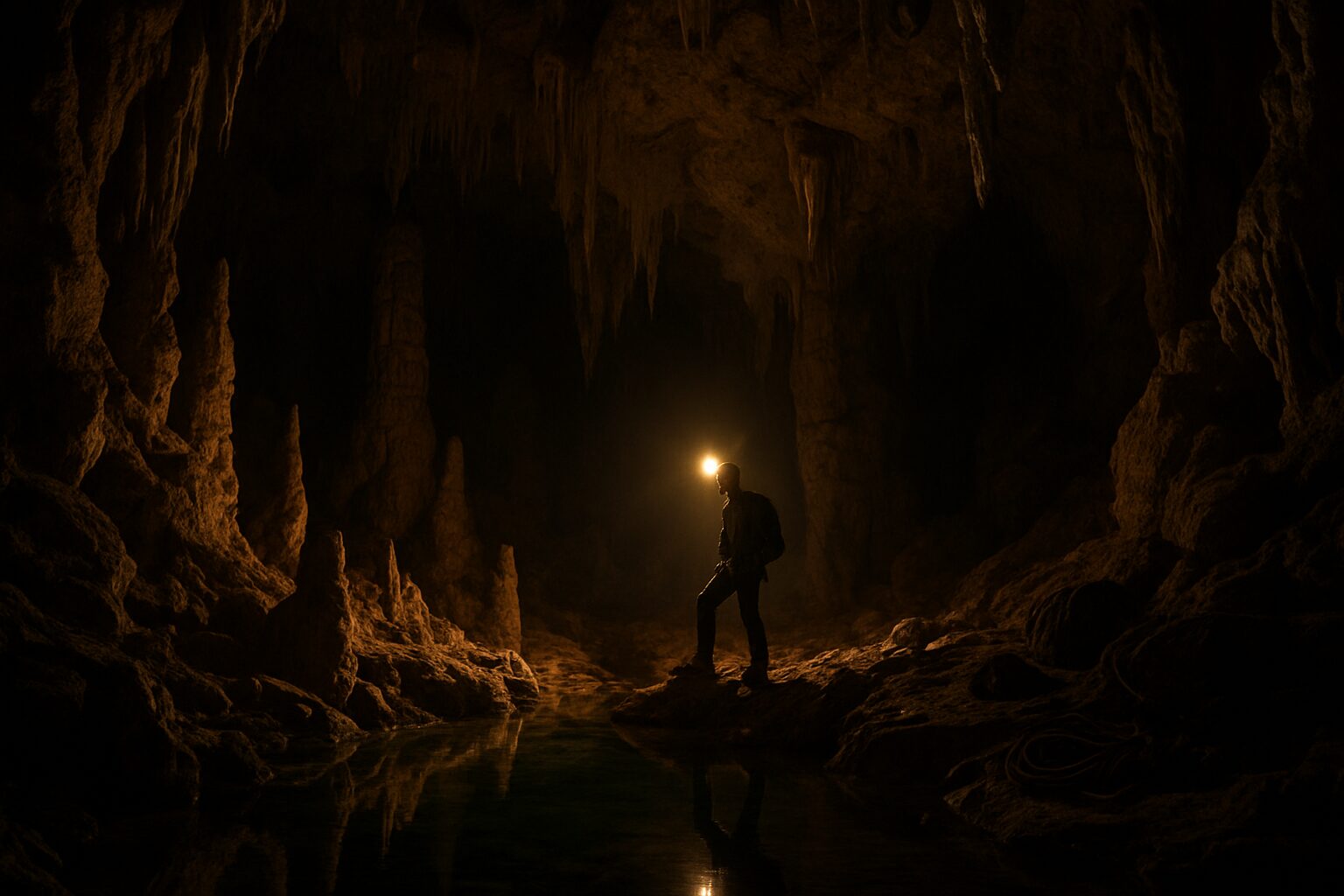
Meghalaya’s Jaintia Hills hide some of India’s most spectacular limestone cave systems, where spelunkers can explore miles of underground passages carved over millions of years. The Krem Liat Prah cave system stretches over 30 kilometers, making it India’s longest known cave. Here, you’ll crawl through narrow passages, wade through underground streams, and marvel at massive chambers decorated with stalactites and stalagmites.
The caves in Cherrapunji and Mawsynram regions offer different levels of difficulty. Beginners can start with Mawsmai Cave, which has well-lit pathways and easier access. More experienced cavers should tackle Krem Dam, where you’ll need headlamps, waterproof gear, and rope skills to navigate its complex network of tunnels and underground waterfalls.
What makes these caves special is their living nature – they’re actively forming as rainwater continues to dissolve the limestone. You’ll witness this process firsthand as water drips steadily from the ceiling, slowly building the cave’s decorative features. The constant temperature of around 15°C provides relief from the outside humidity, but the caves can flood quickly during monsoon season, so timing your visit is crucial.
Discover Archaeological Treasures in Sacred Underground Chambers
Maharashtra’s Ellora and Ajanta caves blend adventure with history, though the real treasures lie in lesser-known cave systems across the Deccan Plateau. The Bhimbetka caves in Madhya Pradesh contain some of the world’s oldest rock paintings, dating back 30,000 years. Unlike the tourist-heavy sites, these caves require scrambling over rocky terrain and squeezing through tight openings to reach the most pristine galleries.
Chhattisgarh’s Kailash and Kotumsar caves offer a different archaeological adventure. Local guides share stories of ancient rituals performed in these chambers, where you can still find remnants of old ceremonies – pottery shards, ancient fire pits, and carved symbols on cave walls. The acoustics in these chambers create an almost mystical experience when guides demonstrate traditional chants.
The Barabar Hills caves in Bihar, carved during the Mauryan period, require serious climbing skills to access. These granite caves showcase incredible precision in ancient stone-cutting techniques. You’ll need ropes and proper climbing gear to reach some of the higher chambers, but the effort rewards you with pristine ancient architecture and panoramic views of the surrounding landscape.
Master Technical Caving Skills in Challenging Environments
Kurnool’s Belum Caves in Andhra Pradesh provide the perfect training ground for technical caving skills. This underground system requires rappelling, ascending, and horizontal crawling through passages as narrow as 60 centimeters wide. The cave’s multiple levels mean you’ll practice different techniques – from simple walking passages to advanced rope work in vertical shafts.
The real challenge lies in navigating these caves’ unique hazards. Sudden water level changes can trap cavers, so understanding weather patterns becomes a survival skill. Carbon dioxide pockets in deeper sections require gas monitors and emergency procedures. You’ll learn to read cave formations to predict structural stability and identify potential rockfall zones.
Advanced cavers head to Andhra Pradesh’s underground river caves, where technical diving skills merge with traditional caving. These require specialized equipment including underwater communication systems and emergency air supplies. The reward? Swimming through crystal-clear underground pools and discovering chambers that few humans have ever seen. These expeditions often last multiple days, requiring careful planning for food, water, and emergency evacuation procedures.
High-Altitude Adventures in Remote Regions
Attempt Lesser-Known Peak Climbing Expeditions
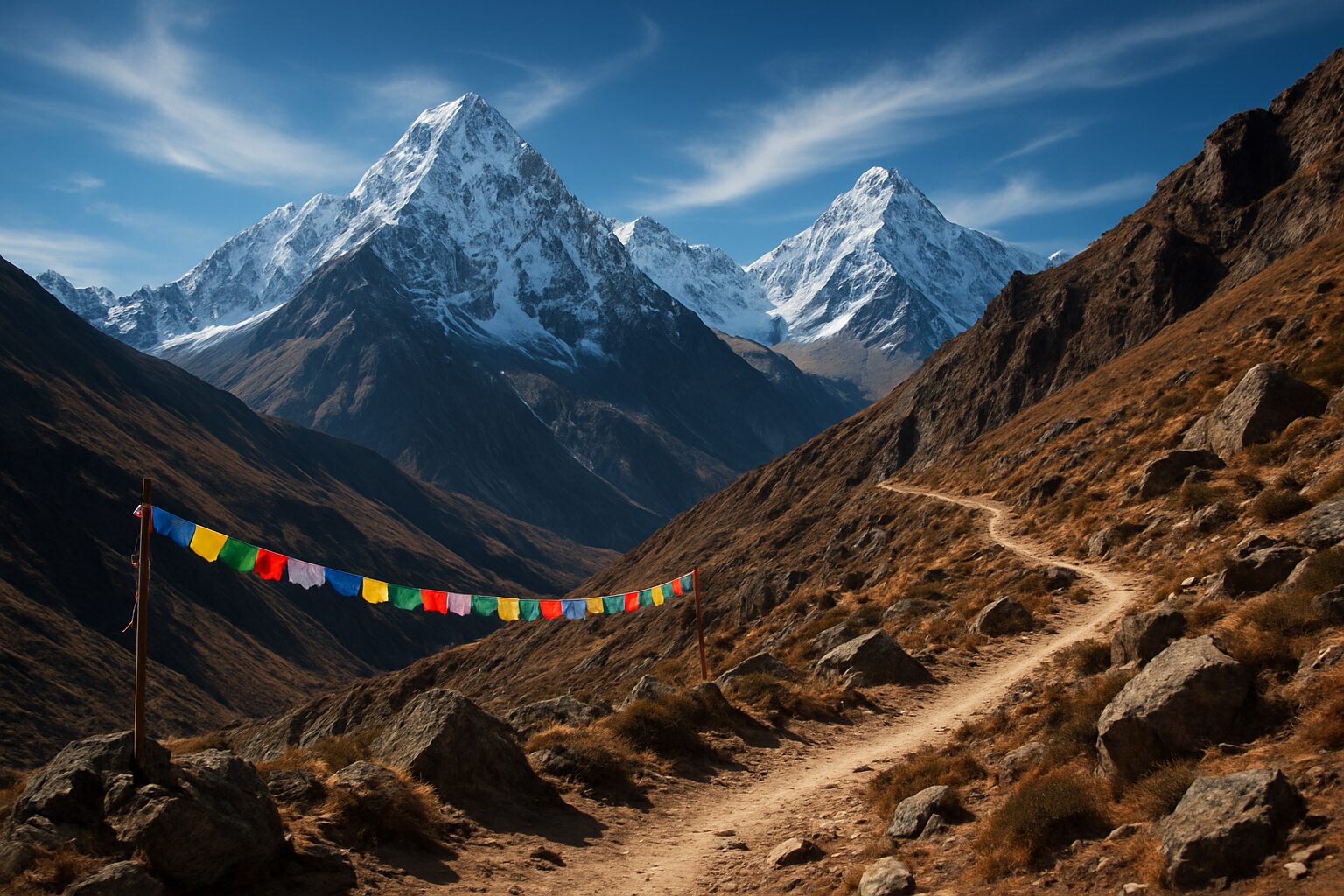
India’s remote mountain ranges hide incredible peaks that most adventurers never hear about. While everyone talks about the famous Himalayan giants, places like the Nun Kun massif in Ladakh offer world-class climbing without the crowds. Nun Peak stands at 7,135 meters and provides technical challenges that rival any major expedition, but you’ll encounter maybe a dozen other climbers all season.
The Gangotri group in Uttarakhand presents another goldmine for serious mountaineers. Peaks like Shivling (6,543m) and Meru (6,660m) demand advanced technical skills and reward climbers with some of the most dramatic granite walls you’ll find anywhere. These expeditions typically take 3-4 weeks and require permits that cost a fraction of what you’d pay for popular routes.
Eastern regions like Sikkim and Arunachal Pradesh offer virgin summits waiting for first ascents. The bureaucracy can be tricky, but dedicated climbers who navigate the permit process find themselves on untouched ridges with naming rights to new routes. Local porters and guides in these areas possess incredible knowledge about weather patterns and safe camping spots that guidebooks simply don’t cover.
Experience Extreme Weather Survival Training
High-altitude environments in remote Indian regions create perfect natural laboratories for extreme weather training. The Spiti Valley regularly sees temperatures plummet to -30°C while maintaining crystal-clear skies that can shift to whiteout conditions within hours. Professional survival schools run programs here that teach everything from snow cave construction to altitude sickness recognition.
The Changthang plateau in Ladakh offers exposure to some of the planet’s most challenging weather combinations. Participants learn to navigate sudden temperature drops of 40 degrees, deal with oxygen levels at 60% of sea level, and handle equipment failures when the nearest help is days away. These programs typically run for 10-14 days and include real scenarios like emergency bivouacs and storm-riding techniques.
Winter expeditions in places like Zanskar teach skills that mountain rescue teams worldwide consider essential. You’ll master reading weather patterns that can mean life or death, understand how your body responds to extreme cold at altitude, and develop the mental resilience needed for multi-day survival situations. Many programs culminate with solo challenges where participants spend 48 hours alone with minimal gear, testing everything they’ve learned.
Participate in High-Altitude Research Projects
Scientific research at extreme altitudes needs volunteers who can handle both physical demands and technical work. Projects studying climate change effects on Himalayan glaciers welcome adventure seekers willing to carry equipment to remote locations and assist with data collection. The Indo-Tibetan Border Police often collaborates with research teams, providing access to restricted areas that few civilians ever see.
Wildlife research projects in high-altitude regions offer unique adventure opportunities. Snow leopard tracking expeditions in Hemis National Park combine cutting-edge camera trap technology with traditional tracking methods. Volunteers spend weeks at altitudes above 4,500 meters, learning to identify signs, set up monitoring equipment, and collect behavioral data that contributes to conservation efforts.
Meteorological stations in remote locations like the Siachen Glacier area need seasonal support staff who can handle extreme conditions while maintaining sensitive equipment. These positions typically last 3-6 months and provide unmatched exposure to high-altitude survival skills while contributing to weather prediction models that help future expeditions plan safer routes.
| Type | Location | Period | Skills |
|---|---|---|---|
| Glacier Studies | Gangotri, Siachen | 2-4 mths | Basic mountain-eering |
| Wildlife Tracking | Hemis, Spiti | 3-8 wks | Photo-graphy, |
| Weather | Remote stations | 3-6 mths | Technical aptitude |
River Systems Perfect for White Water Adventures
Navigate Class IV and V Rapids in Untouched Rivers
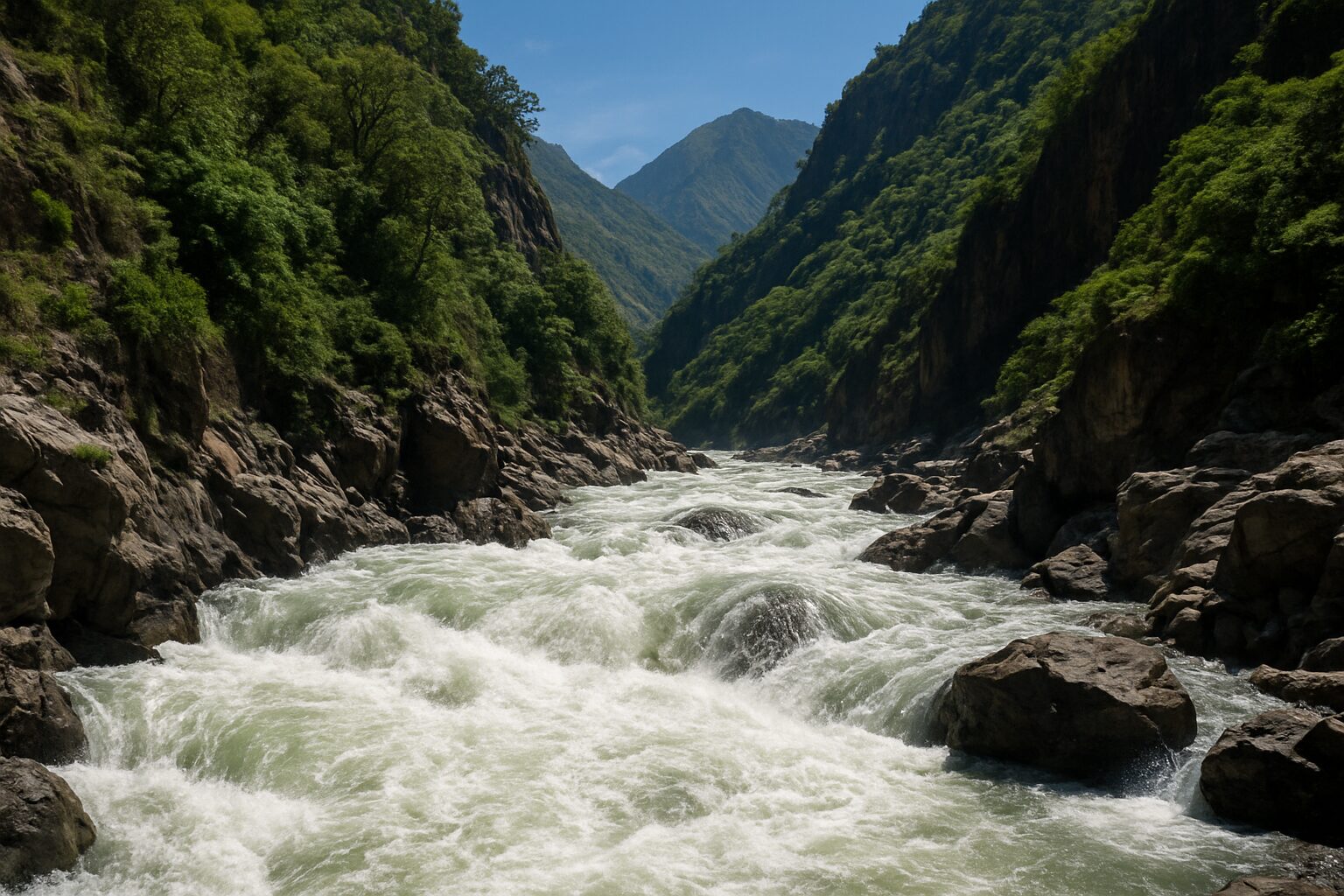
India’s remote river systems offer some of the most challenging whitewater experiences on the planet. The Zanskar River in Ladakh cuts through dramatic gorges, creating Class IV and V rapids that test even experienced rafters. During winter months, the frozen river becomes a highway for local communities, but summer transforms it into a raging torrent perfect for extreme rafting.
The Teesta River in Sikkim presents another incredible challenge, with sections like the “Twisted Sister” rapid demanding precise navigation through boulder gardens and hydraulic features. Unlike commercialized rivers, these pristine waterways maintain their wild character, with minimal human interference creating unpredictable conditions that change with seasonal flows.
The Kali Gandaki in the western Himalayas offers technical runs through one of the world’s deepest gorges. Rapids here require split-second decision-making as the river drops through narrow chutes and explodes over massive boulders. Local guides who’ve grown up on these waters possess intimate knowledge of seasonal variations and hidden hazards.
Safety protocols become critical on these remote runs. Emergency evacuation can take days from canyon sections, making self-rescue skills essential. Medical training and satellite communication devices aren’t luxuries here – they’re survival necessities.
Combine River Rafting with Multi-Day Camping Expeditions
Multi-day river expeditions unlock India’s most remote wilderness areas, where camping under star-filled skies becomes part of the adventure. The Indus River expedition covers 200 kilometers over eight days, threading through ancient Buddhist monasteries and traditional Ladakhi villages completely cut off from road access.
Setting up riverside camps requires careful consideration of flash flood zones and wildlife corridors. Bears and leopards frequent water sources, making proper food storage and camp hygiene crucial survival skills. Portable solar panels keep communication devices charged while minimizing environmental impact.
The Spiti River journey combines technical paddling with high-altitude camping at 12,000 feet. Nights drop below freezing even in summer, demanding four-season gear and experience with extreme weather camping. The payoff includes pristine valleys where blue sheep graze along riverbanks and golden eagles soar overhead.
Logistics become complex on multi-day runs. Resupply points don’t exist, so every meal, repair kit, and emergency supply must be packed at launch. Weight distribution affects boat performance, requiring strategic packing that balances safety gear with creature comforts.
Learn Traditional Boat Building Techniques from Local Craftsmen
Traditional boat-building knowledge survives in remote river communities where modern materials remain scarce. In Himachal Pradesh’s Spiti Valley, craftsmen still construct inflatable skin boats called “kowa” using yak hide stretched over wooden frames. These ancient vessels, designed for single-use river crossings, demonstrate ingenious engineering adapted to harsh mountain conditions.
Kashmiri craftsmen on Dal Lake maintain centuries-old techniques for building “shikaras” – elegant wooden boats perfectly suited to shallow lake navigation. Their workshops reveal joinery methods passed down through generations, using local walnut and deodar wood shaped entirely by hand tools. Learning these techniques provides insight into sustainable construction methods that work in harmony with local resources.
In Ladakh’s Nubra Valley, traditional raft builders create “zhaks” from inflated goatskins lashed to wooden frames. These temporary vessels once ferried traders across dangerous river crossings on the ancient Silk Road. Master craftsmen share knowledge about selecting proper wood, treating animal skins, and timing construction to match seasonal river conditions.
These skills connect modern adventurers with historical river travel methods. Building your own traditional craft deepens understanding of river dynamics while honoring indigenous knowledge systems that sustained mountain communities for millennia.
Explore River Canyons Through Canyoneering Activities
India’s river canyons offer world-class canyoneering opportunities combining technical rope work with aquatic navigation. The Sandhan Valley in Maharashtra features narrow slot canyons carved by monsoon floods, creating rappelling routes through water-sculpted rock formations. Canyon walls squeeze to mere arm’s width, requiring advanced rope techniques and swimming skills.
Meghalaya’s limestone canyons present unique challenges where underground rivers emerge from cave systems. The Krem Puri system combines caving with canyoning as explorers rappel into underground chambers then swim through sumps to reach daylight again. These expeditions require specialized gear including drysuits and underwater lights.
Western Ghats’ river gorges become accessible only during dry season when water levels drop enough for safe descent. Hidden waterfalls cascade into emerald pools perfect for jumping, while ancient rock art decorates canyon walls. Local tribal guides know secret routes avoiding dangerous sections where flash floods create deadly conditions.
Technical skills become paramount in these environments. Anchor systems must withstand dynamic loads as rappellers swing through flowing water. Self-rescue techniques save lives when equipment fails in remote locations hours from help. Water rescue training enables safe navigation of keeper hydraulics and undercut rocks that trap swimmers.
Cultural Adventure Destinations with Authentic Experiences
Live with Indigenous Communities to Learn Traditional Skills
Staying with the Toda tribe in Tamil Nadu’s Nilgiri Hills offers an incredible chance to master their unique buffalo herding techniques and sacred embroidery patterns. These ancient people welcome visitors into their traditional barrel-shaped huts, teaching the art of making their distinctive red and black shawls that tell stories through geometric designs.
In Meghalaya’s remote villages, the Khasi community shares their legendary root bridge building skills. You’ll spend weeks learning how they guide rubber tree roots across rivers, creating living bridges that grow stronger with time. The process requires patience and understanding of nature’s rhythms that city life rarely teaches.
The Bishnoi community near Jodhpur opens their homes to adventurers eager to understand desert survival techniques. They’ll teach you to identify medicinal plants, track wildlife without disturbing ecosystems, and practice their 500-year-old conservation principles. Sleeping under star-filled skies while learning their sustainable farming methods creates lasting memories.
| Community | Location | Skills Offered | Duration |
|---|---|---|---|
| Toda Tribe | Nilgiri Hills, Tamil Nadu | Buffalo herding, embroidery | 7-14 days |
| Khasi People | Meghalaya | Root bridge construction | 3-4 weeks |
| Bishnoi Community | Rajasthan | Desert survival, conservation | 10-21 days |
Participate in Ancient Festivals and Ceremonial Adventures
The Hornbill Festival in Nagaland transforms visitors into temporary tribe members during December’s celebration. You’ll join warrior dances, learn traditional hunting techniques, and participate in ceremonial feasts featuring exotic delicacies. Each tribe’s unique customs unfold through competitions, storytelling sessions, and ritualistic performances.
Arunachal Pradesh’s Ziro Festival of Music blends ancient Apatani traditions with contemporary culture. Beyond the music, you’ll engage in traditional fishing methods, rice cultivation ceremonies, and sacred forest rituals. The Apatani people share their sustainable farming practices while you participate in their harvest celebrations.
Sikkim’s masked dance festivals offer spiritual adventures where visitors can learn monastery rituals and participate in sacred ceremonies. Monks teach meditation techniques passed down through centuries while you help prepare traditional decorations and ceremonial foods.
The Sarhul festival in Jharkhand brings together multiple tribal communities for spring celebrations. You’ll dance around sacred sal trees, participate in traditional archery competitions, and join hunting expeditions using ancient methods. The festival creates opportunities to experience multiple tribal cultures simultaneously.
Master Traditional Crafts While Supporting Local Economies
Learning Pashmina weaving in Ladakh’s Changthang region combines adventure with artistry. You’ll work alongside nomadic herders at 14,000 feet altitude, understanding how harsh mountain conditions create the world’s finest wool. The process involves learning traditional spinning wheels and ancient dyeing techniques using local herbs.
Block printing workshops in Rajasthan’s Bagru village immerse you in 400-year-old textile traditions. Master craftsmen teach intricate stamping techniques while you create unique patterns using natural dyes made from pomegranate, turmeric, and indigo. Your purchases directly support families maintaining these disappearing arts.
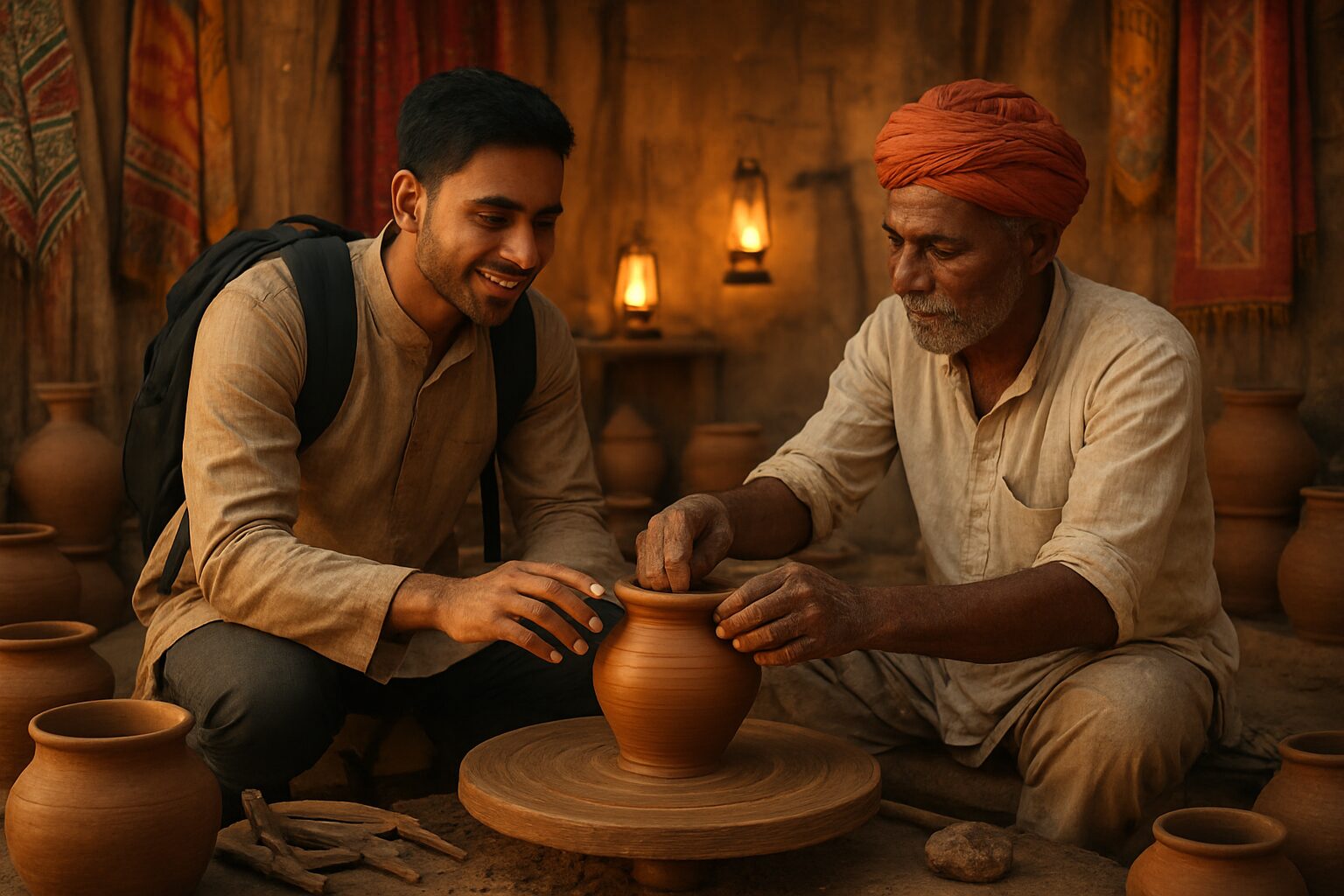
Pottery making in Manipur’s Andro village connects you with 500-year-old ceramic traditions. The Chakpa community shares their unique black pottery techniques, teaching clay preparation, wheel throwing, and traditional firing methods. Each piece you create helps preserve endangered crafts while providing income to rural artisans.
Learning bamboo weaving in Assam’s villages offers eco-friendly craft experiences. Local artisans teach basket making, furniture construction, and decorative items using varieties of bamboo found nowhere else. These skills connect you to sustainable living practices while supporting communities dependent on forest resources.
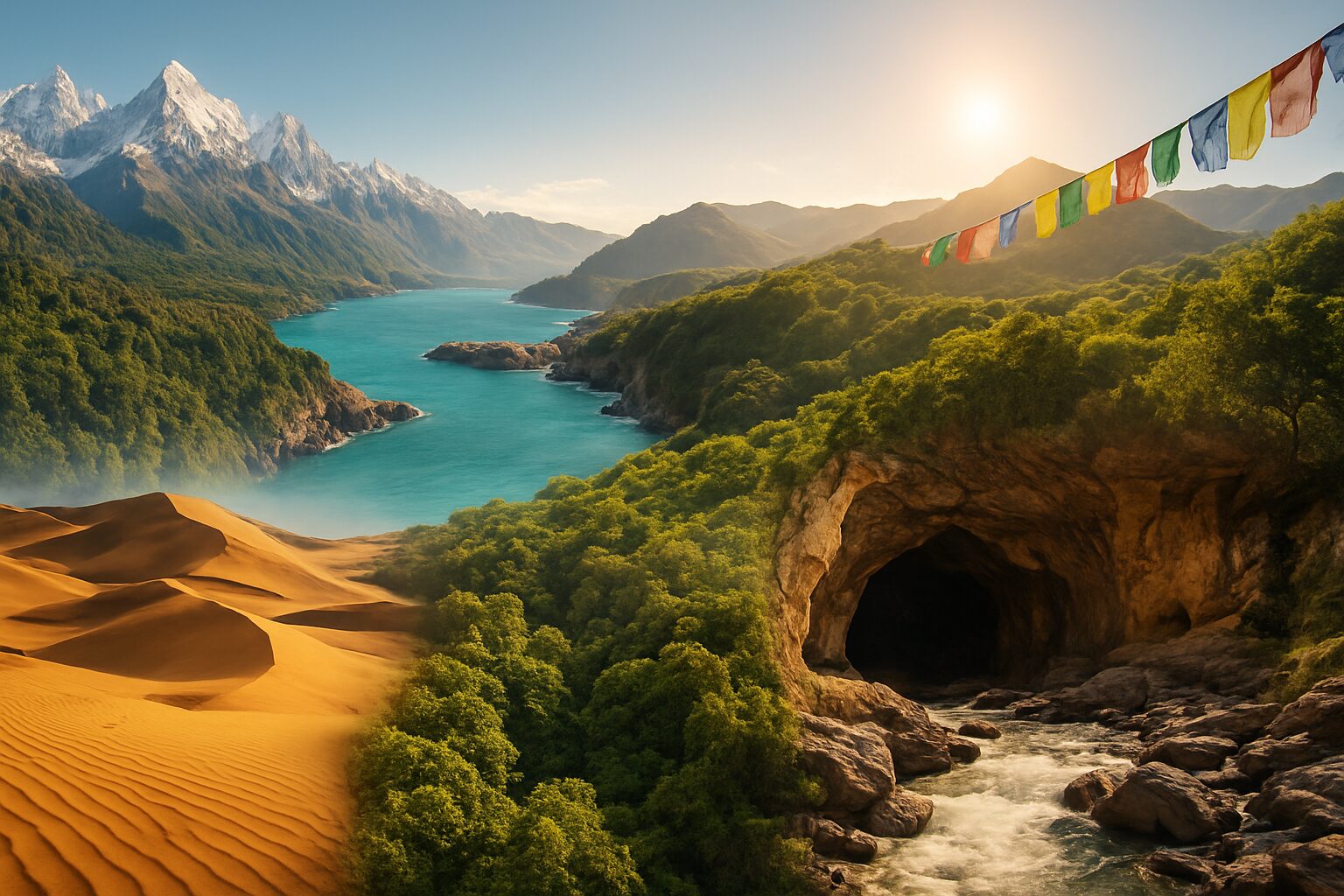
India’s adventure landscape stretches far beyond the typical tourist trail, offering thrill-seekers countless opportunities to explore untouched territories. From spelunking through mysterious cave systems to navigating wild river rapids, these hidden destinations provide authentic experiences that challenge both body and spirit. The remote mountain peaks, secret coastal spots, and pristine jungle trails reveal a side of India that few travelers ever witness.
Ready to trade crowded tourist spots for genuine adventure? These offbeat destinations are waiting for brave explorers who want to create their own stories rather than follow someone else’s footsteps. Pack your sense of adventure, respect the local communities you’ll encounter, and prepare to discover an India that will surprise even seasoned travelers. Your next great adventure is calling – will you answer?
Leave a Reply