
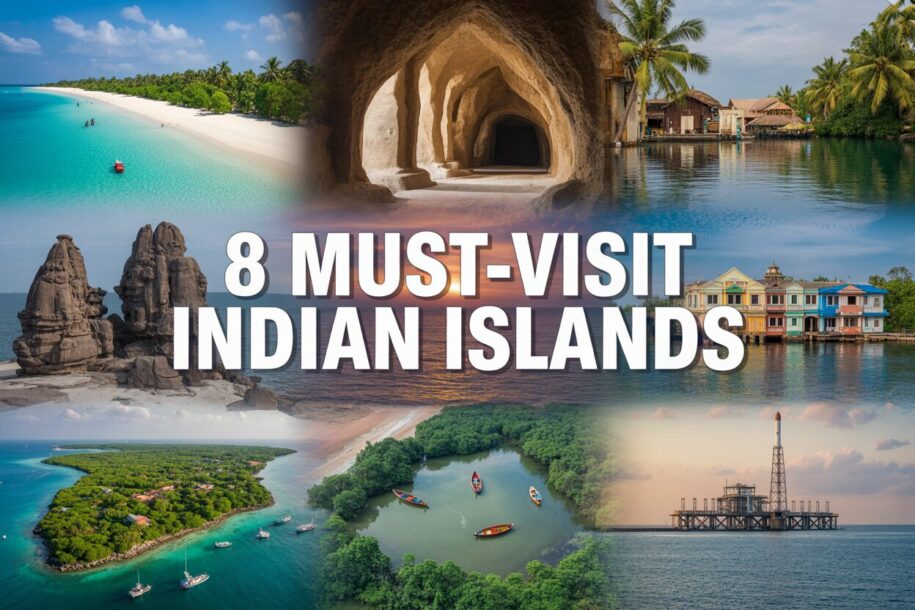
India’s stunning coastline hides some incredible island gems that most travelers never discover. These 8 Indian islands offer everything from untouched coral reefs and ancient temples to space launch sites and peaceful backwaters – perfect escapes for beach lovers, culture seekers, and adventure enthusiasts looking to explore beyond the mainland.
This guide covers tropical paradises like the Andaman and Nicobar Islands with their crystal-clear waters, cultural treasures such as Assam’s massive Majuli Island, and hidden retreats like Goa’s tranquil Divar Island. You’ll also discover unique destinations like Sriharikota, where rockets launch into space, and Kerala’s enchanting Munroe Island with its authentic village experiences.
Get ready to add these must-visit Indian islands to your travel bucket list – each one offers a completely different slice of India’s diverse coastal beauty.
Andaman and Nicobar Islands – Tropical Paradise with Pristine Beaches
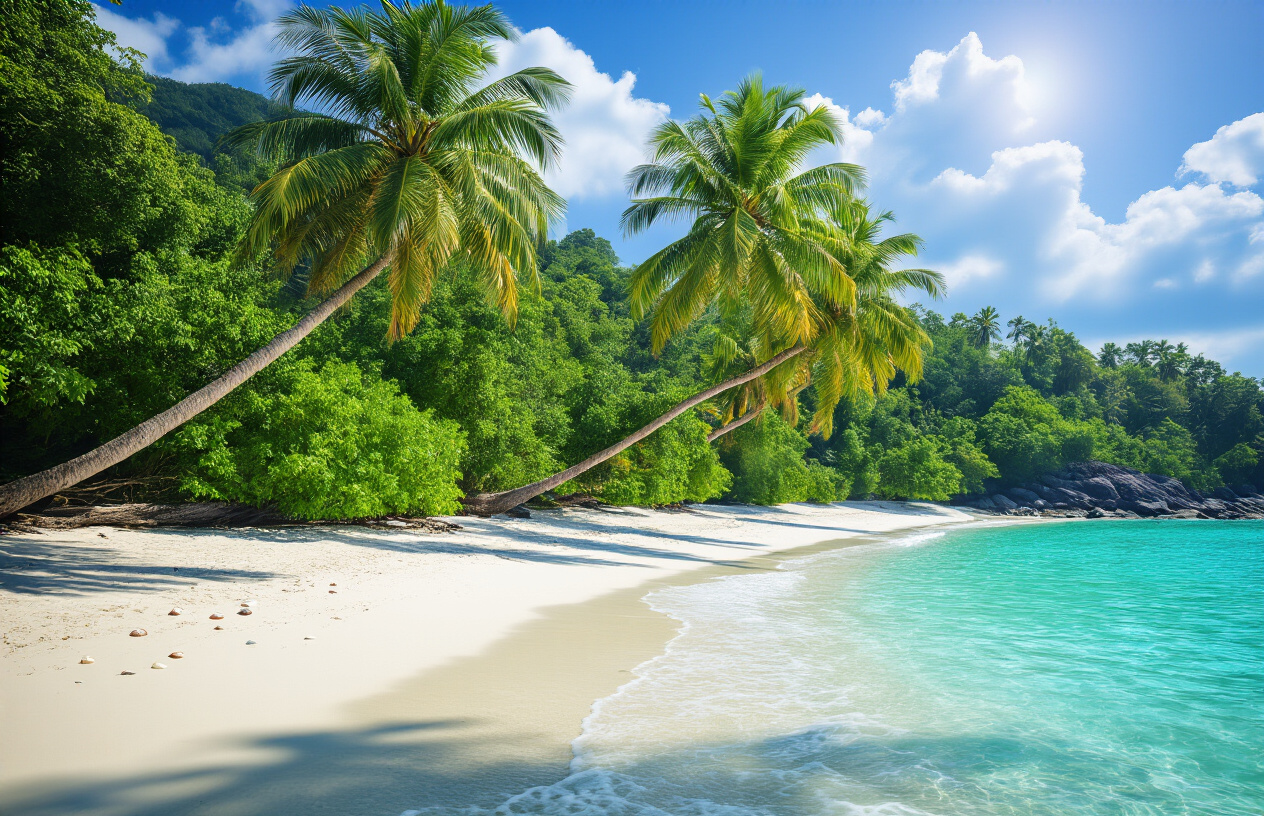
Crystal clear waters perfect for snorkeling and diving
The waters surrounding the Andaman and Nicobar Islands offer some of the clearest visibility you’ll find anywhere in India. These azure waters create perfect conditions for underwater exploration, with visibility often reaching 20-30 meters on calm days. The archipelago’s location in the Bay of Bengal, far from industrial pollution and river runoff, keeps the water pristine year-round.
Popular diving spots like Havelock Island and Neil Island provide easy access to both shallow snorkeling areas and deeper diving sites. Beginners can explore coral gardens in just 3-5 meters of water, while experienced divers can venture to depths of 30 meters or more. The consistent water temperature of 27-29°C throughout the year means you can dive comfortably in just a wetsuit.
The underwater landscape features dramatic coral walls, underwater caves, and colorful coral gardens teeming with tropical fish. Sites like Elephant Beach and Fish Rock offer guided snorkeling tours, making it accessible even for first-time snorkelers.
Radhanagar Beach ranked among world’s best beaches
Radhanagar Beach on Havelock Island consistently appears on international “best beaches” lists, and one visit explains why. This 2-kilometer stretch of powdery white sand meets crystal-clear turquoise water, creating a picture-perfect tropical paradise. Time magazine once named it Asia’s best beach, bringing global recognition to this stunning location.
The beach faces west, making it perfect for watching spectacular sunsets that paint the sky in brilliant oranges and pinks. Palm trees provide natural shade along the shoreline, while the gentle slope of the beach creates calm, shallow areas ideal for swimming. The sand here feels incredibly soft underfoot, almost like flour, and stays relatively cool even during midday sun.
What sets Radhanagar apart is its pristine condition and natural beauty. Local authorities maintain strict environmental regulations, keeping the beach clean and undeveloped. You won’t find large resorts or commercial activities cluttering the shoreline – just pure, unspoiled natural beauty.
Rich marine biodiversity and coral reefs
The Andaman and Nicobar Islands sit at the intersection of several ocean currents, creating an incredibly diverse marine ecosystem. Over 750 species of fish call these waters home, along with various species of sharks, rays, sea turtles, and marine mammals. The coral reefs here host both hard and soft corals, creating underwater rainbows of color.
The islands feature several types of marine habitats including fringing reefs, barrier reefs, and coral atolls. Each ecosystem supports different species, from tiny colorful reef fish to larger pelagic species. You might spot Napoleon wrasse, barracuda, eagle rays, and if you’re lucky, whale sharks during certain seasons.
The coral formations themselves are spectacular, with species like staghorn coral, brain coral, and table coral creating complex underwater cities. These reefs serve as nurseries for many fish species and provide crucial protection for the islands’ coastlines from wave action and storms.
Historical significance of Cellular Jail
The Cellular Jail in Port Blair stands as a powerful reminder of India’s struggle for independence. Built by the British in 1906, this colonial prison housed thousands of political prisoners and freedom fighters who were exiled to these remote islands. The jail’s unique star-shaped design featured seven wings radiating from a central tower, allowing guards to monitor all sections simultaneously.
The jail earned its name from its 698 individual cells, each measuring just 4.5 by 2.7 meters, designed to isolate prisoners completely from one another. Notable freedom fighters like Batukeshwar Dutt, Yogendra Shukla, and many others endured harsh conditions here, including solitary confinement, forced labor, and brutal treatment.
Today, the jail operates as a national memorial and museum. The light and sound show held every evening narrates the stories of sacrifice and struggle that took place within these walls. Walking through the remaining three wings (four were demolished post-independence), visitors can see the original cells, the gallows, and exhibits detailing the harsh realities faced by political prisoners. The memorial serves as both a tourist attraction and an important historical site that honors those who fought for India’s freedom.
Lakshadweep Islands – Untouched Coral Atolls for Ultimate Relaxation
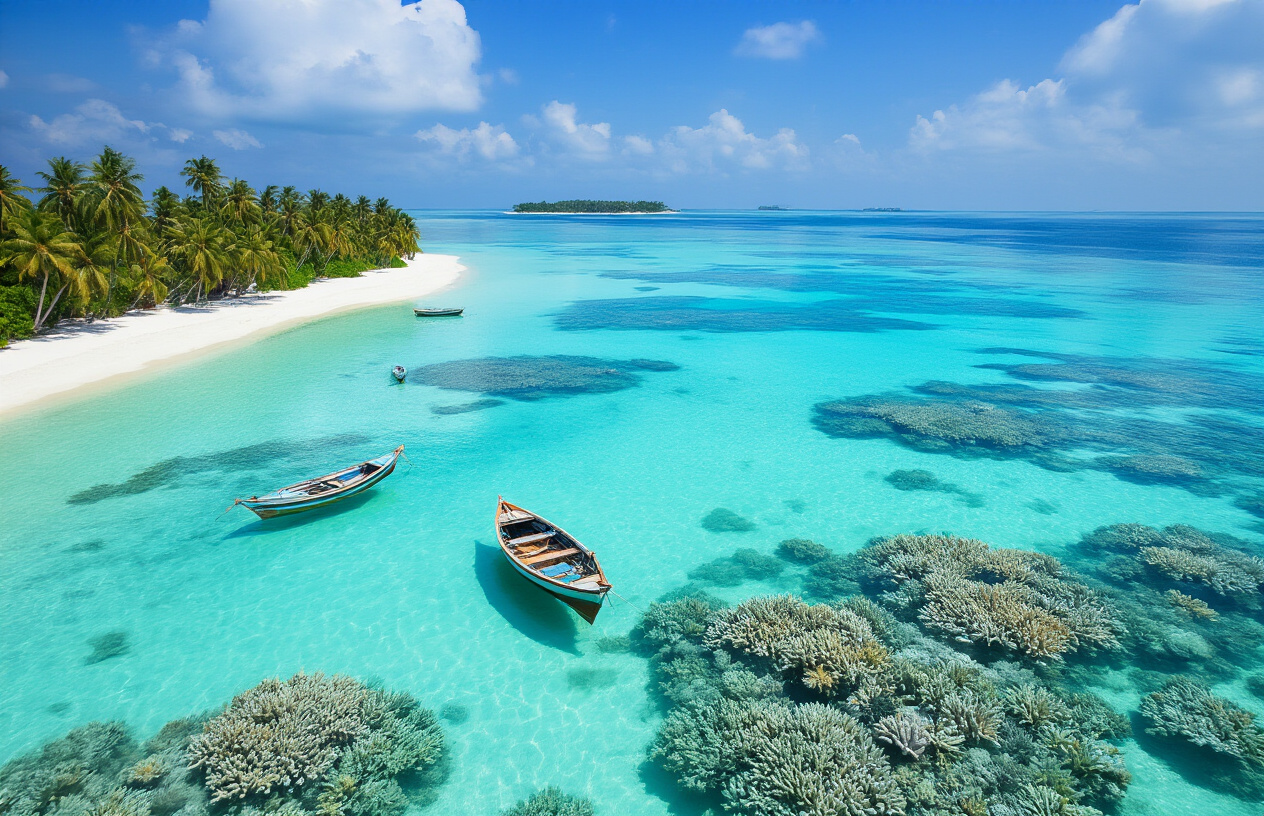
Exclusive lagoons ideal for water sports
The crystal-clear lagoons of Lakshadweep offer some of the most spectacular water sports experiences in India. Each atoll features protected lagoons with turquoise waters that remain calm year-round, making them perfect for both beginners and experienced water sports enthusiasts. The coral reefs create natural barriers that keep the lagoons shallow and safe, with visibility extending up to 30 meters underwater.
Snorkeling and scuba diving are the main attractions here, with vibrant coral gardens teeming with tropical fish, sea turtles, and rays. The waters around Agatti, Bangaram, and Kadmat islands provide exceptional diving spots where you can explore untouched coral formations and encounter diverse marine life. Kayaking through the lagoons offers a peaceful way to explore hidden coves and secluded beaches, while windsurfing and sailing take advantage of the consistent trade winds.
Deep-sea fishing excursions reveal the abundance of tuna, barracuda, and marlin in the surrounding waters. The local fishing boats, known as ‘vallams’, provide authentic experiences guided by skilled fishermen who know these waters intimately. Glass-bottom boat rides offer non-swimmers the chance to witness the underwater wonders without getting wet.
Traditional island culture and hospitality
The people of Lakshadweep have preserved their unique maritime culture for centuries, creating an authentic experience that feels worlds away from mainland India. The local population, primarily of Malayali and Arab descent, speaks Malayalam and practices Islam, creating a distinctive cultural blend that reflects the islands’ historical connections with Arab traders and Kerala.
Traditional dance forms like Lava and Kolkali are performed during festivals, accompanied by folk songs that tell stories of the sea and island life. The islanders are master craftsmen, creating intricate items from coconut shells, coral, and seashells. Watching local artisans weave coconut palm fronds into baskets and mats provides insight into their resourceful lifestyle.
The hospitality here goes beyond typical tourist services – families often invite visitors to share meals featuring fresh seafood, coconut-based curries, and locally grown vegetables. Traditional fishing expeditions with local fishermen offer genuine cultural exchanges where visitors learn time-honored techniques passed down through generations. The community-based approach to tourism means your visit directly benefits local families while providing authentic experiences you won’t find in commercial resorts.
Sustainable tourism practices protecting natural beauty
Lakshadweep stands as India’s model for sustainable island tourism, implementing strict regulations that protect both the delicate ecosystem and local way of life. The administration limits visitor numbers through a permit system, preventing overcrowding and reducing environmental impact on these fragile coral atolls.
Accommodation options focus on eco-friendly practices, with most resorts and guesthouses using solar power, rainwater harvesting, and waste management systems that prevent pollution of the surrounding waters. Single-use plastics are banned across the islands, and visitors are encouraged to bring reusable water bottles and bags. Local initiatives include coral restoration projects where tourists can participate in replanting damaged coral reefs.
The fishing industry follows sustainable practices, with traditional methods that don’t harm the coral reefs or disrupt marine ecosystems. Turtle conservation programs protect nesting sites, and visitors can participate in night patrols during nesting season. The islands maintain designated no-fishing zones around sensitive coral areas, allowing marine life to flourish undisturbed.
Community-based tourism initiatives ensure that tourism revenue stays within local communities while educating visitors about marine conservation. Beach clean-up programs and reef monitoring activities let tourists contribute directly to preservation efforts, making every visit a chance to give back to these pristine islands.
Majuli Island Assam – World’s Largest River Island Cultural Experience
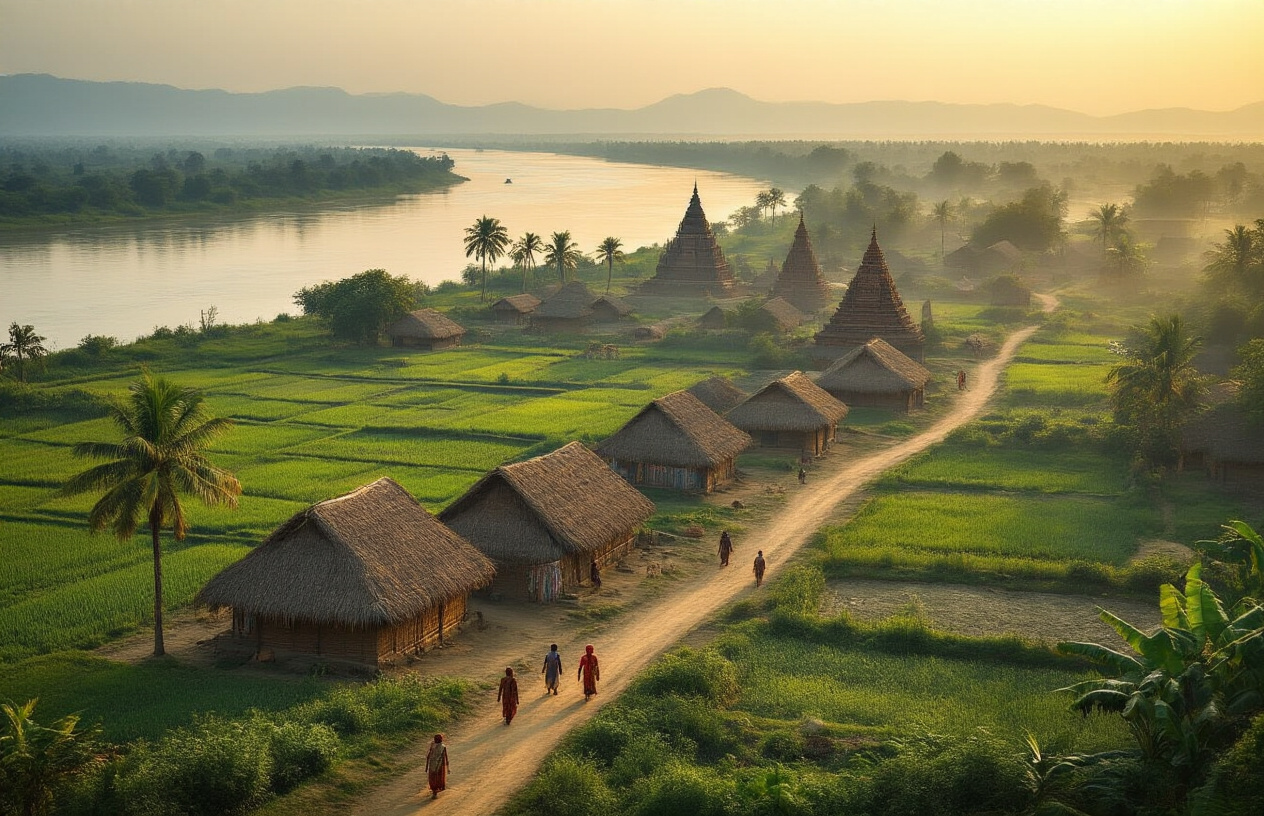
Vibrant Assamese culture and traditional crafts
Majuli pulses with authentic Assamese traditions that have remained virtually unchanged for centuries. The island serves as a living museum where visitors can witness master craftspeople creating exquisite pottery using age-old techniques passed down through generations. Local artisans shape beautiful terracotta items, from decorative vases to traditional cooking vessels, using clay from the riverbanks.
The island’s textile heritage shines through its vibrant handwoven fabrics. Women gather in community spaces, working on traditional looms to create stunning silk and cotton textiles featuring intricate patterns unique to Majuli. These fabrics often incorporate symbolic motifs representing nature, spirituality, and local folklore.
Music and dance form the heartbeat of daily life here. Traditional Assamese folk performances occur spontaneously during festivals and religious celebrations. Visitors often find themselves invited to join in these cultural expressions, creating memorable connections with the warm-hearted islanders.
Unique Vaishnavite monasteries and spiritual retreats
Majuli houses over 20 active satras (Vaishnavite monasteries), making it one of India’s most significant spiritual centers. These monasteries, established in the 15th and 16th centuries, continue to preserve ancient Assamese culture and religious practices.
The Kamalabari Satra stands out as the most visited monastery, known for its elaborate prayer ceremonies and classical dance performances. Monks here maintain centuries-old manuscripts and practice traditional forms of devotional art. The Auniati Satra houses an impressive collection of ancient artifacts, including royal jewelry, weapons, and religious texts.
Each satra offers unique spiritual experiences. The Dakhinpat Satra specializes in traditional mask-making and hosts spectacular cultural festivals. Visitors can participate in morning and evening prayers, experiencing the meditative chanting and devotional music that fills these sacred spaces.
Spiritual seekers find peace in the monasteries’ simple lifestyle and philosophy of service. Many satras welcome guests for extended stays, offering meditation sessions and teachings about Vaishnavite philosophy.
Exotic bird watching opportunities
Majuli transforms into a birdwatcher’s paradise, especially during winter months when migratory species arrive from distant lands. The island’s diverse wetland ecosystem attracts over 100 bird species, making it one of Northeast India’s premier birding destinations.
The critically endangered Greater Adjutant Stork calls Majuli home, with the island supporting one of the world’s largest breeding colonies of these magnificent birds. Local conservation efforts have helped protect their nesting sites in tall trees throughout the island.
Migratory ducks, including the Ferruginous Duck and Common Pochard, arrive in large flocks between November and March. The shallow wetlands provide perfect feeding grounds for these waterfowl. Early morning boat rides offer the best opportunities to observe these species in their natural habitat.
Resident species include the White-bellied Heron, Spot-billed Pelican, and various kingfisher species. The island’s mixed landscape of grasslands, wetlands, and forests creates diverse habitats supporting both aquatic and terrestrial bird species. Local guides, often monastery residents, possess incredible knowledge about bird behavior and nesting patterns.
Traditional mask-making and handloom weaving
Majuli’s artisans have perfected the ancient craft of mask-making, creating elaborate pieces used in traditional Assamese theater and religious ceremonies. These masks, carved from wood and decorated with natural pigments, represent various deities, demons, and mythological characters from Hindu epics.
The mask-making process requires exceptional skill and patience. Artisans begin with light bamboo frames, applying layers of clay and natural adhesives. After drying, they paint intricate designs using traditional colors made from local minerals and plants. Each mask tells a story, with specific colors and patterns carrying deep cultural significance.
Master weavers continue the tradition of creating Assam’s famous silk textiles. The golden muga silk, exclusive to Assam, gets transformed into beautiful garments on traditional handlooms. Women work these looms with remarkable precision, creating complex patterns that require months to complete.
Visitors can observe the entire weaving process, from silk worm cultivation to the final product. Many workshops offer hands-on experiences where tourists can try their hand at basic weaving techniques. The finished textiles make exceptional souvenirs, carrying the authentic spirit of Majuli’s artistic heritage.
Diu Island – Portuguese Colonial Charm with Golden Beaches
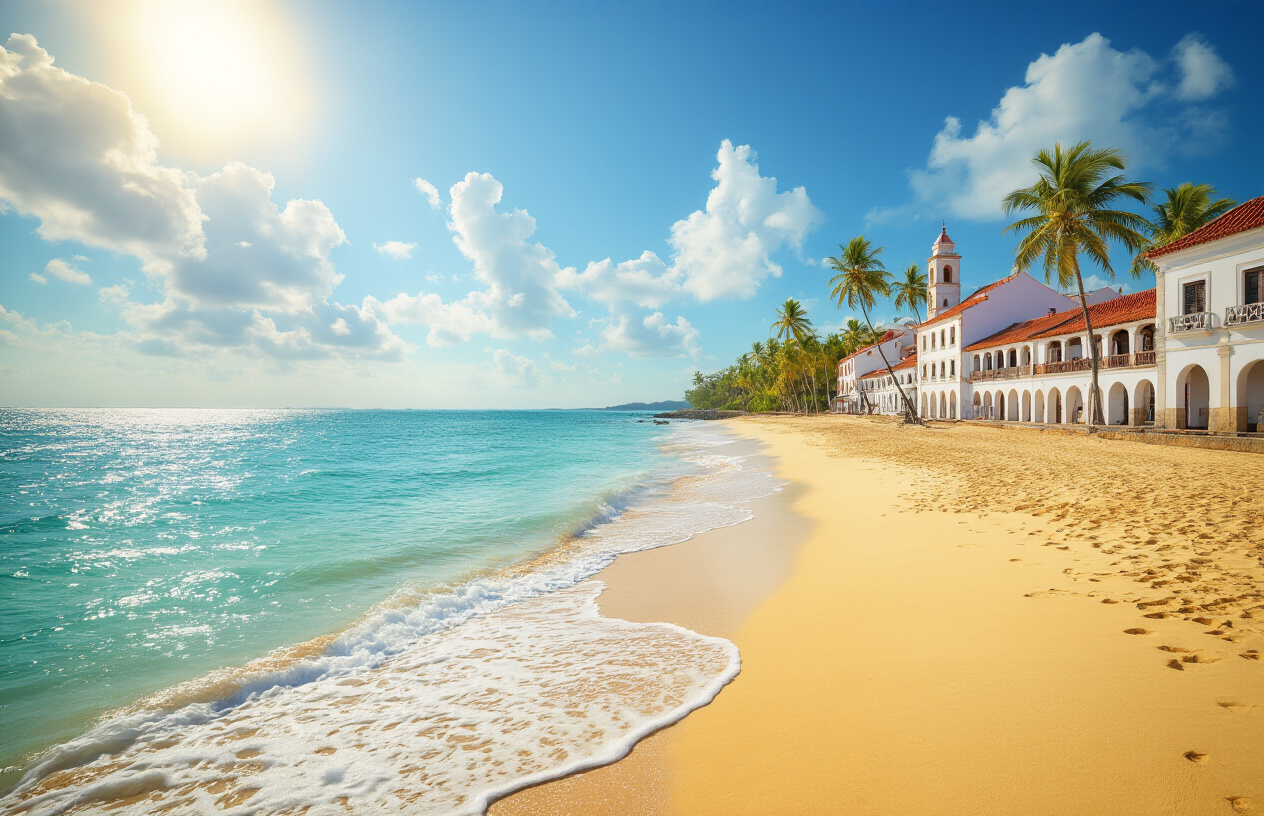
Historic Portuguese architecture and churches
Diu’s cobblestone streets whisper tales of Portuguese colonial rule that lasted over 450 years. Walking through the narrow lanes feels like stepping back in time, with whitewashed buildings adorned with colorful shutters and ornate balconies. The iconic Diu Fort, built in 1535, stands majestically overlooking the Arabian Sea, showcasing impressive Portuguese military architecture with its massive walls and cannons still pointing toward the horizon.
St. Paul’s Church, constructed in 1610, represents one of India’s finest examples of Portuguese baroque architecture. Its intricate wooden carvings, beautiful altarpiece, and stunning facade make it a photographer’s dream. The church’s bell tower offers panoramic views of the island, while its peaceful interior provides a serene escape from the coastal heat.
St. Thomas Church, though now converted into a museum, houses fascinating artifacts from the Portuguese era, including ancient maps, weapons, and religious relics. The Se Cathedral ruins add another layer to Diu’s historical narrative, with their weathered stones telling stories of a bygone era when Portuguese traders and missionaries called this island home.
Serene beaches away from crowded destinations
Unlike Goa’s bustling coastline, Diu’s beaches offer tranquil escapes where you can actually hear the waves. Nagoa Beach stretches for miles with its horseshoe-shaped bay, golden sand, and gentle waves perfect for swimming. Palm trees provide natural shade, and the beach remains surprisingly uncrowded even during peak season.
Ghoghla Beach, located on the mainland but part of Diu territory, boasts pristine white sand and crystal-clear waters. The beach offers various water sports activities without the aggressive vendors found at more commercial destinations. You can rent a beach umbrella, order fresh coconut water, and spend hours watching fishing boats return with their daily catch.
Chakratirth Beach combines natural beauty with spiritual significance. The calm waters here are ideal for meditation and quiet reflection, while the nearby temple adds cultural depth to your beach experience. Sunset Point Beach lives up to its name, offering spectacular evening views that paint the sky in brilliant oranges and purples. The rocky coastline creates natural pools during low tide, perfect for children to explore safely.
Local seafood delicacies and coastal cuisine
Diu’s culinary scene reflects its Portuguese heritage blended with Gujarati influences, creating unique flavors you won’t find elsewhere in India. Fresh catch arrives daily at the bustling fish markets, where local vendors sell everything from pomfret and kingfish to prawns and crabs. The island’s signature dish, fish curry prepared with coconut milk and Portuguese spices, offers a perfect balance of tangy and aromatic flavors.
Cafreal, a green curry made with fresh herbs and chilies, showcases the Portuguese influence on local cooking methods. The dish typically features chicken or fish marinated in a vibrant green paste made from coriander, mint, and green chilies. Local restaurants also serve excellent bebinca, a traditional layered dessert that requires patience and skill to prepare properly.
Beach shacks serve grilled seafood platters where you can watch your meal being prepared over open flames. The combination of sea breeze, cold beer, and perfectly spiced fish makes for an unforgettable dining experience. Don’t miss trying the local feni, a cashew-based alcoholic beverage that’s smoother and more refined than its Goan counterpart. Many restaurants offer cooking classes where tourists can learn to prepare authentic Diu-style seafood dishes using traditional techniques passed down through generations.
Munroe Island Kerala – Backwater Bliss with Authentic Village Life
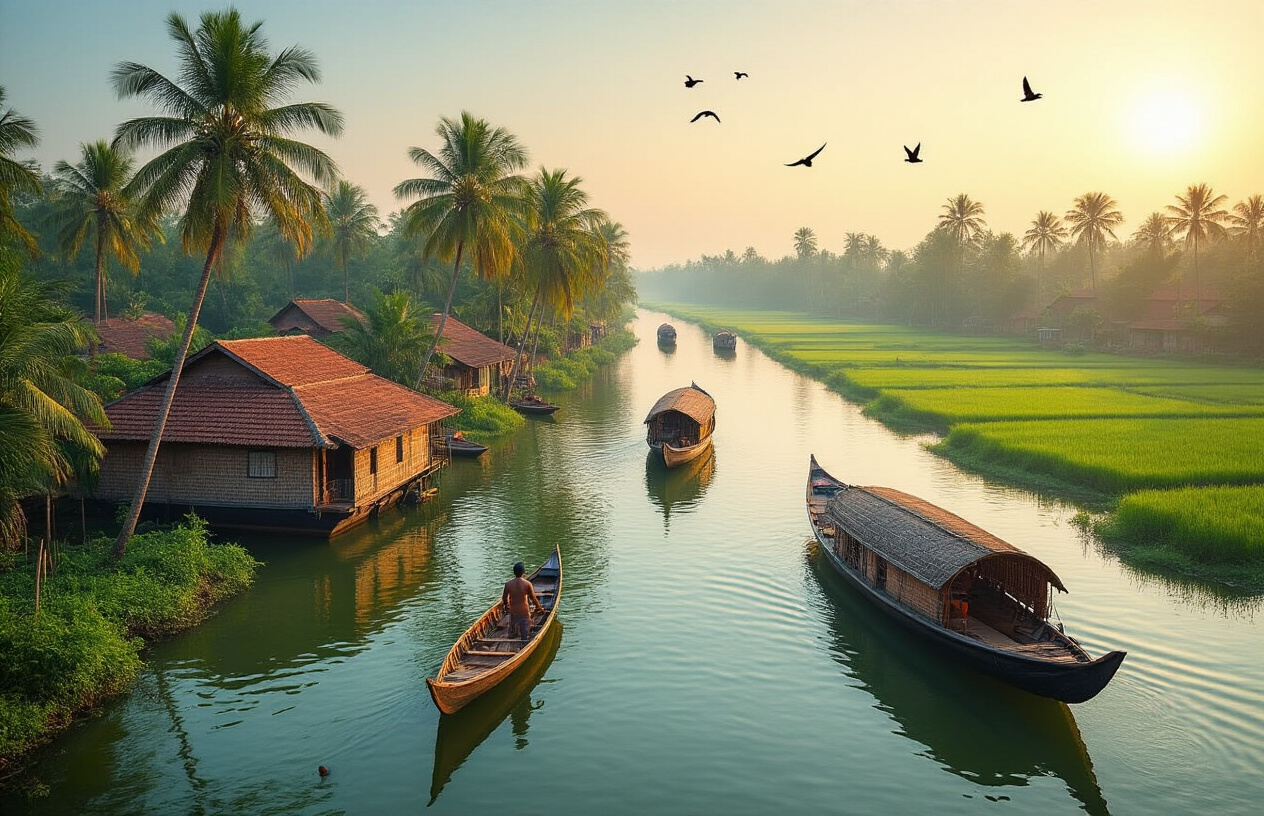
Peaceful canoe rides through narrow canals
Gliding through Munroe Island’s intricate network of canals feels like entering a hidden world where time moves differently. These narrow waterways wind between emerald paddy fields and coconut groves, creating a maze of tranquil passages perfect for exploration. Traditional canoes, locally called ‘vallam’, navigate these channels with remarkable ease, their shallow draft allowing access to the most secluded corners of the island.
The canals vary in width from broad stretches where houseboats leisurely drift to intimate passages where overhanging branches create natural tunnels. Early morning rides offer the most magical experience, with mist rising from the water and kingfishers diving for their breakfast. Local boatmen share stories about the canals’ history while pointing out rare birds and explaining how the waterways connect different villages across the island.
Traditional coir making and fishing experiences
Munroe Island preserves Kerala’s ancient coir-making traditions, where coconut husks transform into valuable rope and mats through time-honored techniques. Visitors can watch artisans extract fiber from coconut husks using traditional tools, then witness the spinning process that creates strong, durable rope. The rhythmic sound of spinning wheels creates a meditative atmosphere as skilled workers demonstrate techniques passed down through generations.
Fishing remains central to island life, with locals using traditional Chinese fishing nets and small boats to catch fish from the backwaters. Travelers can join fishermen on early morning expeditions, learning to cast nets and understanding sustainable fishing practices that have maintained healthy fish populations for centuries. The experience includes preparing fresh catches using local spices and cooking methods.
Organic farming and sustainable living practices
The island showcases remarkable sustainable living practices that urban dwellers can learn from. Local farmers practice organic cultivation without chemical fertilizers, using traditional techniques like companion planting and natural pest control. Vegetable gardens flourish alongside spice plantations where cardamom, pepper, and ginger grow in harmony with coconut palms.
Rainwater harvesting systems collect monsoon water for year-round use, while biogas plants convert kitchen waste into cooking fuel. Solar panels power many homes, and residents practice waste reduction through composting and minimal packaging. These practices create a self-sufficient lifestyle that barely impacts the environment while maintaining comfortable living standards.
Bird sanctuary with migrory species
The island’s diverse ecosystem supports an impressive variety of bird species, making it a paradise for birdwatchers and nature photographers. Resident species like kingfishers, herons, and cormorants share space with seasonal visitors from distant lands. During migration season, the skies fill with flocks traveling ancient routes between breeding and feeding grounds.
Mangrove areas provide crucial nesting sites for water birds, while the mixed vegetation attracts colorful species like sunbirds and bee-eaters. Local guides know the best spots for bird watching and can identify species by their calls and flight patterns. Dawn and dusk offer prime viewing times when birds are most active.
Homestay experiences with local families
Staying with local families provides authentic insights into island life that hotels simply cannot match. Host families welcome guests into their traditional homes, sharing meals prepared with ingredients from their own gardens and fresh fish from the backwaters. These interactions create meaningful cultural exchanges where travelers learn about local customs while sharing stories from their own cultures.
Homestays range from simple rooms in traditional houses to more comfortable accommodations with modern amenities. Families often organize cooking classes, teaching guests to prepare Kerala specialties using traditional recipes and techniques. Children in these homes often speak multiple languages and enjoy sharing their knowledge about local wildlife and traditions with curious visitors.
Elephanta Island Maharashtra – Ancient Cave Temples and Historical Marvels
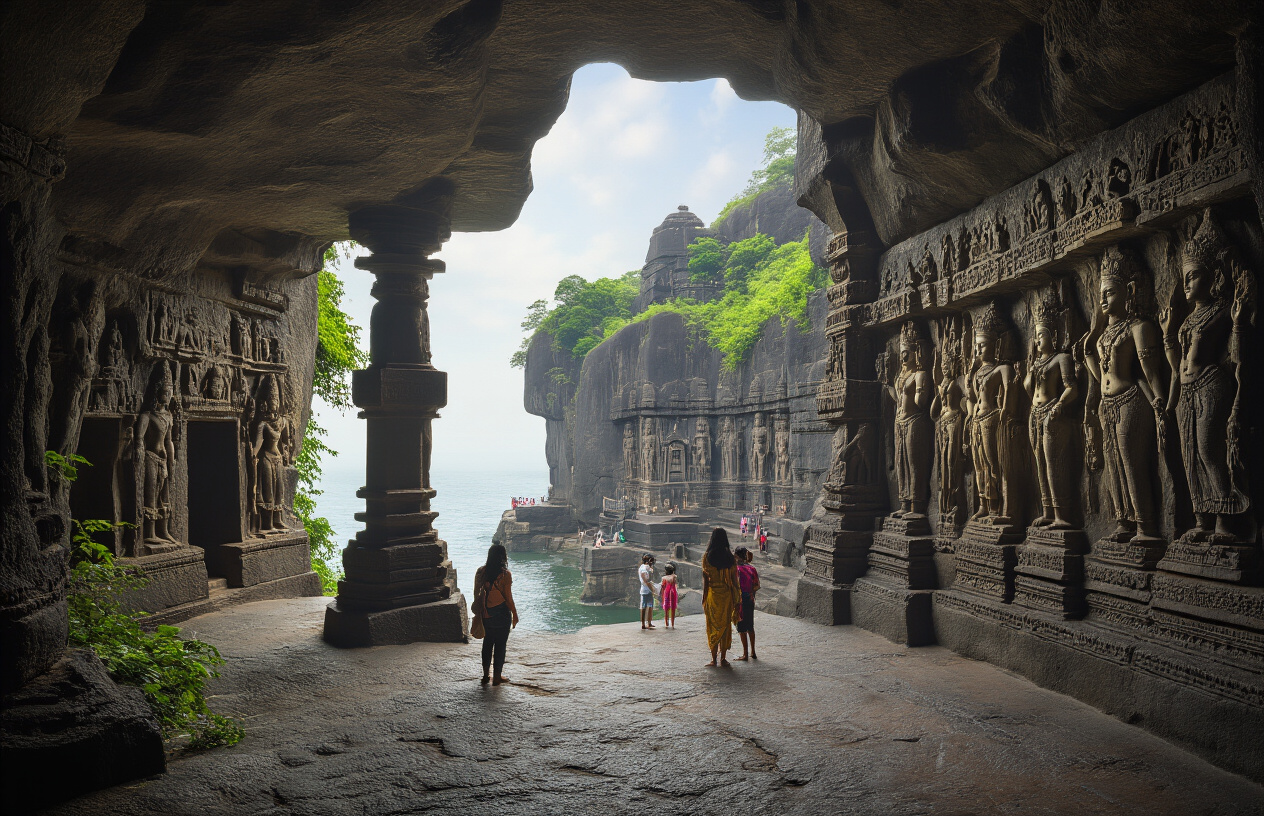
UNESCO World Heritage rock-cut cave temples
Elephanta Island houses one of India’s most remarkable archaeological treasures – a collection of rock-cut cave temples that earned UNESCO World Heritage status in 1987. The main cave complex, known as Cave 1, stretches across an impressive 5,000 square meters and represents the pinnacle of ancient Indian rock-cut architecture. These caves were carved directly into solid basalt rock during the 5th to 8th centuries CE, showcasing the incredible skill and devotion of ancient Indian artisans.
The temple complex consists of seven caves total, with the primary cave temple dedicated to Lord Shiva. What makes these caves extraordinary is their preservation state – despite centuries of weathering and human interference, the intricate carvings remain largely intact. The Portuguese unfortunately used some sculptures for target practice during their colonial rule, but restoration efforts have helped protect what remains of this incredible heritage site.
Spectacular sculptures depicting Hindu mythology
The cave temples showcase some of the finest examples of Indian sculptural art, with the magnificent Trimurti being the crown jewel. This colossal three-headed sculpture of Lord Shiva stands 20 feet tall and represents the Hindu trinity – Brahma the creator, Vishnu the preserver, and Shiva the destroyer. Each face displays distinct expressions and emotions, demonstrating the sculptors’ mastery in capturing divine essence in stone.
Beyond the famous Trimurti, the caves contain numerous other masterpieces including:
- Ardhanarishvara – A stunning half-male, half-female form of Shiva representing the unity of masculine and feminine energies
- Kalyanasundara – Depicts Shiva’s marriage to Parvati with intricate details of the divine wedding ceremony
- Gangadhara – Shows Shiva receiving the river Ganges in his matted hair
- Nataraja – The cosmic dancer form of Shiva, though partially damaged
Each sculpture tells a story from Hindu mythology, creating an open-air museum where visitors can walk through ancient narratives carved in stone.
Easy ferry access from Mumbai Gateway
Getting to Elephanta Island couldn’t be simpler for Mumbai visitors. Regular ferry services operate from the iconic Gateway of India, making this a perfect day trip from the bustling metropolis. The ferry ride takes approximately one hour each way, offering stunning views of Mumbai’s skyline and harbor.
Ferries run multiple times daily, with increased frequency during peak tourist seasons. The boat journey itself becomes part of the experience – dolphins occasionally surface near the ferries, and the gradual transition from urban chaos to peaceful island tranquility sets the perfect mood for exploration.
| Ferry Details | Information |
|---|---|
| Departure Point | Gateway of India, Mumbai |
| Journey Time | 45-60 minutes |
| Operating Hours | 9:00 AM to 5:30 PM |
| Frequency | Every 30 minutes during peak season |
Once you reach Elephanta Island, a short toy train ride or pleasant walk takes you to the cave entrance, making the entire journey accessible for visitors of all ages.
Archaeological significance dating back centuries
The archaeological importance of Elephanta Island extends far beyond its artistic beauty. These caves represent a crucial period in Indian history when Hinduism was taking its classical form and rock-cut architecture reached new heights. Dating primarily to the 6th century CE, during the reign of the Kalachuri dynasty, these temples provide invaluable insights into ancient Indian religious practices, artistic techniques, and social structures.
The site’s original name was Gharapuri, meaning “cave city,” but Portuguese colonizers renamed it Elephanta after a large stone elephant sculpture they found on the island. Archaeological evidence suggests the island was inhabited much earlier, with some artifacts pointing to activity from the 2nd century BCE.
Recent excavations have uncovered additional structures and artifacts that continue to shed light on ancient Indian civilization. The caves demonstrate advanced understanding of:
- Structural engineering – Supporting massive rock ceilings without collapse
- Artistic proportion – Following classical Indian sculptural guidelines
- Religious symbolism – Integrating complex Hindu philosophical concepts into visual art
- Urban planning – Strategic placement of temples and support structures
The site remains active for archaeological research, with new discoveries occasionally adding to our understanding of this remarkable ancient complex.
Sriharikota Island Andhra Pradesh – Space Exploration Hub with Coastal Beauty
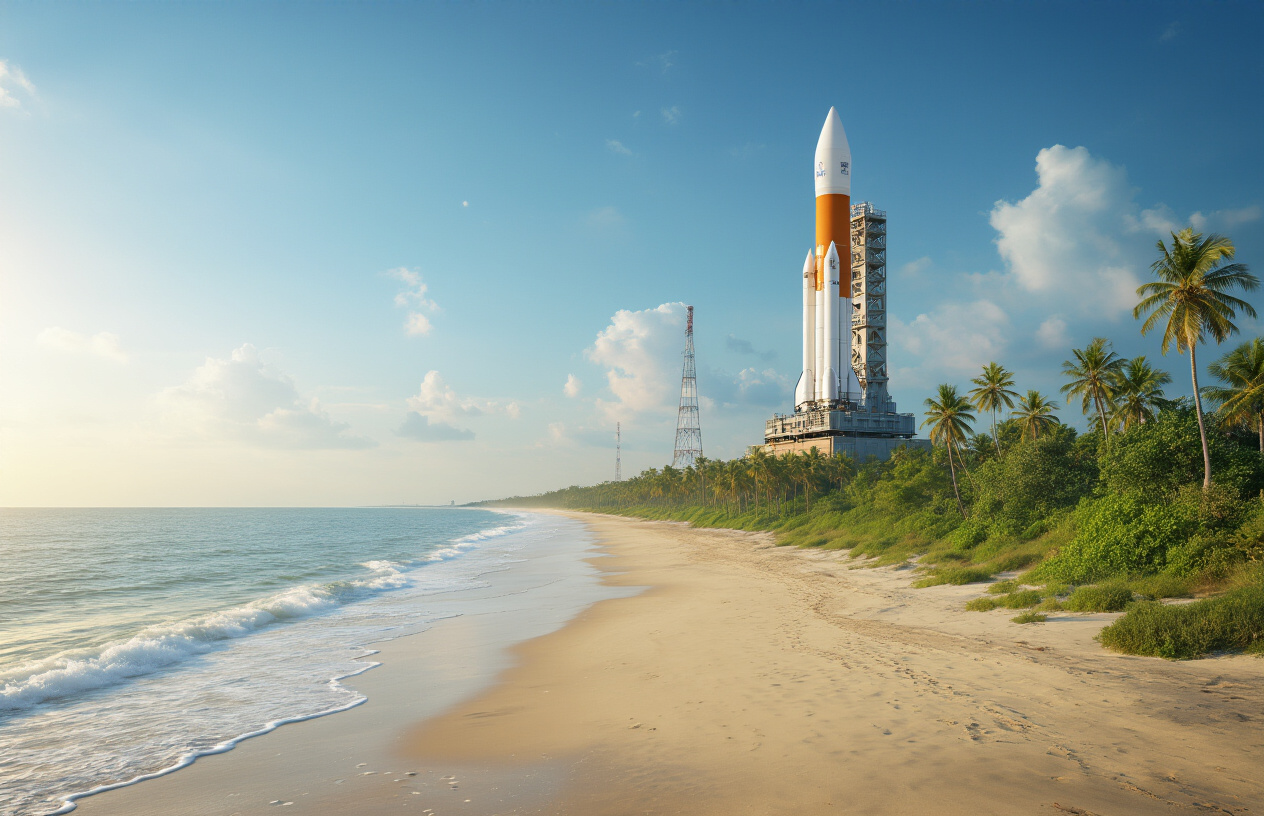
ISRO satellite launch viewing opportunities
Watching a rocket launch from Sriharikota offers an experience that few places on Earth can match. The Satish Dhawan Space Centre serves as India’s primary spaceport, hosting spectacular launches throughout the year. Visitors can witness PSLV and GSLV missions carrying satellites into orbit, with launches typically scheduled during early morning or late afternoon hours for optimal viewing conditions.
The best vantage points lie along the beaches facing the launch pad, approximately 3-5 kilometers away from the actual site. Local authorities often set up designated viewing areas during major launches, complete with basic amenities and security arrangements. The thunderous roar of rocket engines creates an unforgettable sensory experience as the vehicle cuts through the coastal sky.
Advanced booking becomes essential during high-profile missions like Mars Orbiter or Chandrayaan launches, when space enthusiasts flock from across the country. Photography restrictions apply in certain areas, but visitors can still capture the moment from approved zones. The island’s strategic location allows rockets to launch over the Bay of Bengal, providing unobstructed flight paths for various orbital trajectories.
Pristine beaches with minimal commercial development
Sriharikota’s coastline remains refreshingly untouched by mass tourism, offering miles of unspoiled sandy shores. Unlike crowded beach destinations, these stretches provide solitude and natural beauty without the usual commercial clutter. The beaches feature soft golden sand interspersed with casuarina groves that provide natural shade and create picturesque landscapes.
Swimming conditions vary with seasons, but the gentle waves make these waters suitable for most visitors. The absence of hotels, restaurants, and souvenir shops along the immediate coastline preserves the area’s pristine character. Visitors often describe the experience as stepping back in time, where nature takes precedence over development.
Early morning walks reveal stunning sunrises over the Bay of Bengal, while evenings offer peaceful moments watching fishing boats return to shore. The limited infrastructure means bringing your own supplies for day trips, but this small inconvenience pays off with an authentic coastal experience. Local fishing communities maintain small settlements along certain stretches, offering glimpses into traditional maritime lifestyles.
Wildlife sanctuary with diverse ecosystems
The island supports remarkable biodiversity within the Pulicat Lake Wildlife Sanctuary boundaries. Flamingos arrive in massive flocks during winter months, creating spectacular pink carpets across the shallow lagoons. Over 115 bird species call this area home, including pelicans, painted storks, and various migratory waterfowl that travel thousands of miles to reach these feeding grounds.
Mangrove forests along the lagoon edges provide crucial breeding habitats for numerous marine species. These ecosystems filter water naturally while supporting complex food chains that benefit both resident and migratory wildlife. Spotted deer, wild boar, and monitor lizards roam the island’s interior regions, though sightings require patience and quiet observation.
The sanctuary’s unique position between freshwater and saltwater environments creates diverse habitats within a relatively small area. Boat tours through the lagoons offer the best wildlife viewing opportunities, especially during early morning hours when animals are most active. Conservation efforts balance the space program’s needs with wildlife protection, creating an unusual but successful coexistence between technology and nature.
Divar Island Goa – Peaceful Retreat from Tourist Crowds
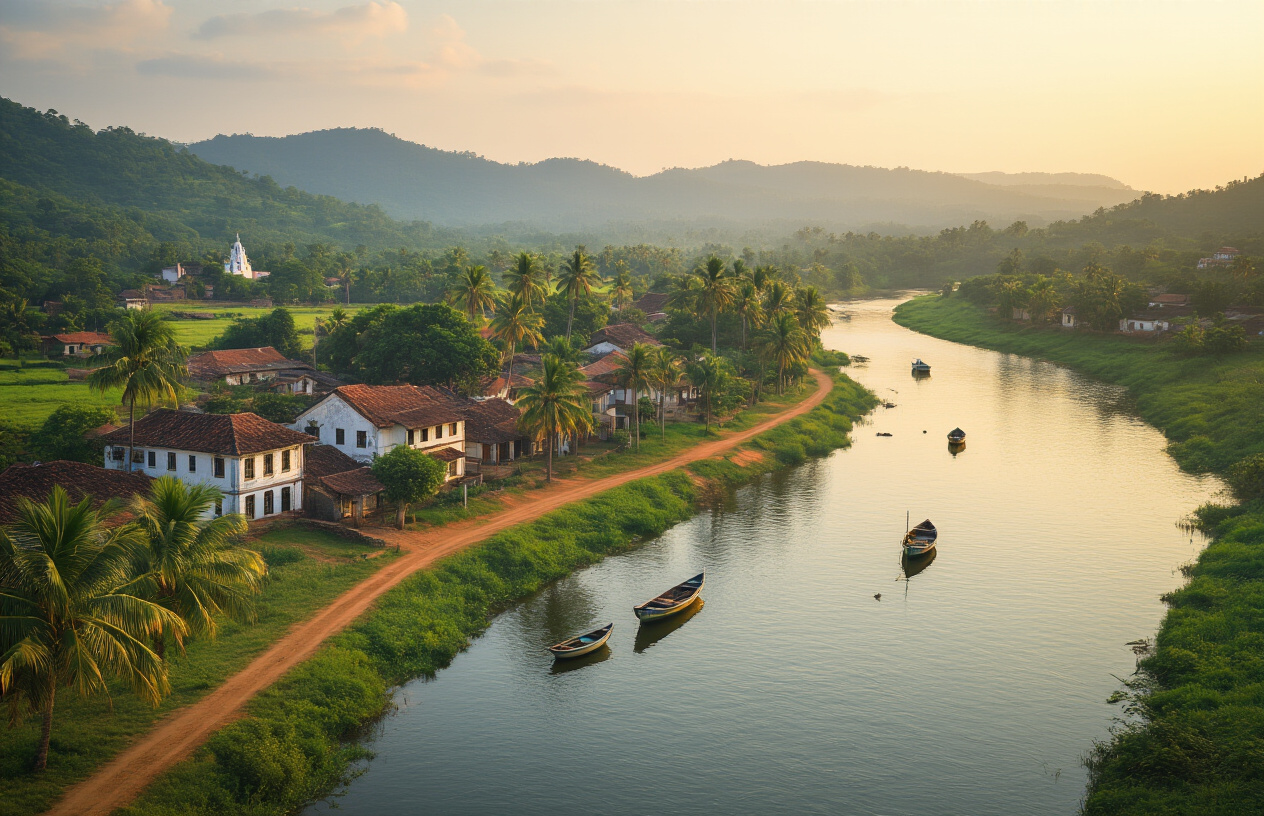
Traditional Goan village atmosphere
Divar Island feels like stepping back in time to an older, gentler Goa. The moment you cross the Mandovi River on the small passenger ferry, the hustle and bustle of mainland Goa fades away. Ancient banyan trees shade narrow village lanes where time moves at a different pace. Local residents still greet visitors with warm smiles and genuine curiosity about their journey.
The island maintains its agricultural roots with coconut groves and cashew plantations dotting the landscape. Morning walks reveal farmers tending to their crops using traditional methods passed down through generations. Village shops sell fresh produce, homemade pickles, and locally brewed feni. Children play cricket in open fields while elderly residents gather under trees sharing stories and playing cards.
The absence of commercial hotels and beach shacks preserves the island’s authentic character. Instead of tourist crowds, you’ll encounter fishing boats returning with their daily catch and women carrying baskets of vegetables from their gardens. This unspoiled atmosphere makes Divar Island perfect for travelers seeking genuine cultural immersion.
Heritage churches and colonial architecture
Portuguese colonial influence remains beautifully preserved across Divar Island’s architectural landscape. The Church of Our Lady of Compassion, built in 1700, stands as the island’s most significant religious monument. Its baroque facade and ornate altar showcase the artistic fusion of European and Indian craftsmanship that defines Goan church architecture.
Traditional Portuguese-style houses with their distinctive red-tiled roofs and colorful facades line village streets. These centuries-old structures feature classic elements like oyster-shell windows, wide verandas, and decorative balconies. Many homes display azulejos (hand-painted tiles) depicting religious scenes or geometric patterns.
The island’s three main villages – Piedade, Malar, and Navelim – each contain architectural gems worth exploring. Ancient chapels dedicated to various saints dot the countryside, serving as neighborhood gathering points for prayer and community events. These smaller structures often feature simpler designs but maintain the same attention to detail and artistic elements found in larger churches.
Scenic cycling routes through paddy fields
Cycling on Divar Island offers an intimate way to explore its natural beauty and rural landscapes. Well-maintained village roads wind through emerald-green paddy fields that stretch toward the horizon. During monsoon season, these fields transform into mirrors reflecting the sky and surrounding palm trees.
The island’s compact size makes it perfect for leisurely bike rides without the pressure of covering vast distances. Popular routes include the loop connecting all three villages, which takes approximately two hours at a relaxed pace. Along the way, cyclists encounter traditional saltpans where locals harvest sea salt using age-old techniques.
Birdwatchers particularly enjoy cycling routes that pass through wetland areas where migratory birds rest during winter months. Egrets, kingfishers, and cormorants are common sights along the waterways. The relatively flat terrain makes cycling accessible for all fitness levels, while the absence of heavy traffic ensures a peaceful, safe experience.
Early morning and late afternoon provide the best cycling conditions with cooler temperatures and softer lighting perfect for photography. Local shops rent basic bicycles, though bringing your own ensures better quality and comfort for longer rides.
Local festivals and cultural celebrations
Divar Island’s festival calendar reflects its deep Catholic roots mixed with traditional Goan customs. The annual Bonderam Festival in August brings the entire community together with colorful parades, traditional music, and flag competitions between villages. This unique celebration commemorates historical boundary disputes with a playful spirit that transforms old rivalries into joyous festivities.
Religious processions during major Catholic holidays like Easter and Christmas showcase elaborate decorations and community participation. Villagers prepare traditional sweets like bebinca and dodol, sharing them with neighbors and visitors alike. The Church of Our Lady of Compassion becomes the focal point for these celebrations, with special masses and cultural programs.
Harvest festivals celebrate the island’s agricultural heritage with folk dances, traditional songs, and displays of local produce. The Goa Carnival brings vibrant costumes and street performances that spill over from the mainland, though Divar’s celebrations maintain a more intimate, community-focused atmosphere.
Throughout the year, smaller religious feasts honor patron saints of individual villages. These intimate gatherings often include traditional Konkani music performances and communal meals prepared using family recipes passed down through generations. Visitors who time their trips with these celebrations gain deeper insights into local culture and traditions.
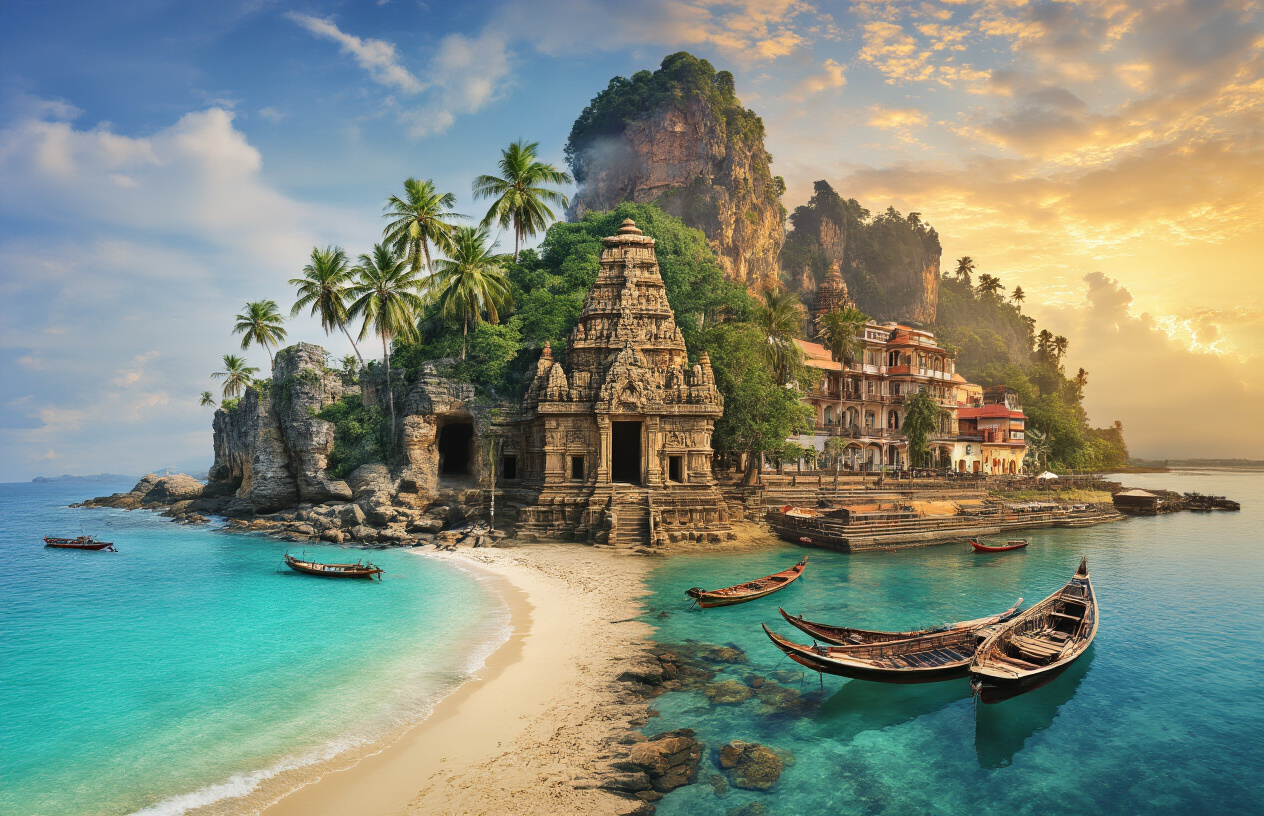
India’s islands offer something special for every type of traveler. From the crystal-clear waters and white sand beaches of Andaman and Nicobar to the peaceful backwaters of Munroe Island, each destination brings its own unique charm. You can dive into rich history at Elephanta’s ancient caves, experience vibrant local culture on Majuli’s river shores, or simply unwind on the untouched coral beaches of Lakshadweep.
These hidden gems prove that India’s coastline holds treasures beyond the usual beach destinations. Pack your bags and explore these incredible islands – each one promises memories that will last a lifetime. Your next adventure is just a boat ride away.
Leave a Reply