
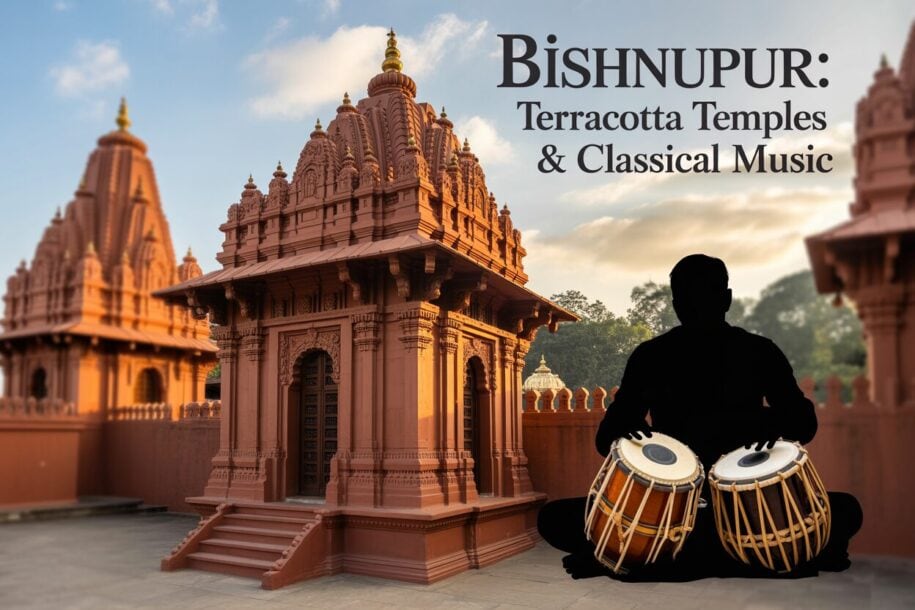
Bishnupur, a small town in West Bengal, offers travelers an incredible journey through India’s artistic and cultural heritage. This UNESCO World Heritage site candidate is perfect for history buffs, architecture enthusiasts, and anyone passionate about Indian classical music who wants to explore beyond the typical tourist trail.
The Malla kings transformed this humble town into a cultural powerhouse between the 17th and 18th centuries, leaving behind stunning terracotta temples that showcase intricate craftsmanship you won’t find anywhere else in India. Bishnupur also gave birth to unique musical traditions that continue to influence classical music today.
We’ll dive into the fascinating world of Bishnupur’s terracotta temples, uncovering the stories behind these architectural gems and the techniques that made them possible. You’ll also learn about the town’s incredible musical legacy, including the famous Bishnupur Gharana that revolutionized dhrupad and influenced generations of musicians. Finally, we’ll share practical tips to help you plan the perfect visit to this cultural treasure.
For a private tour of Bishnupur, please visit the story of Terracotta temples and Baluchari Silk.
Discover the Architectural Marvel of Bishnupur’s Terracotta Temples
Uncover the unique building techniques that created these masterpieces
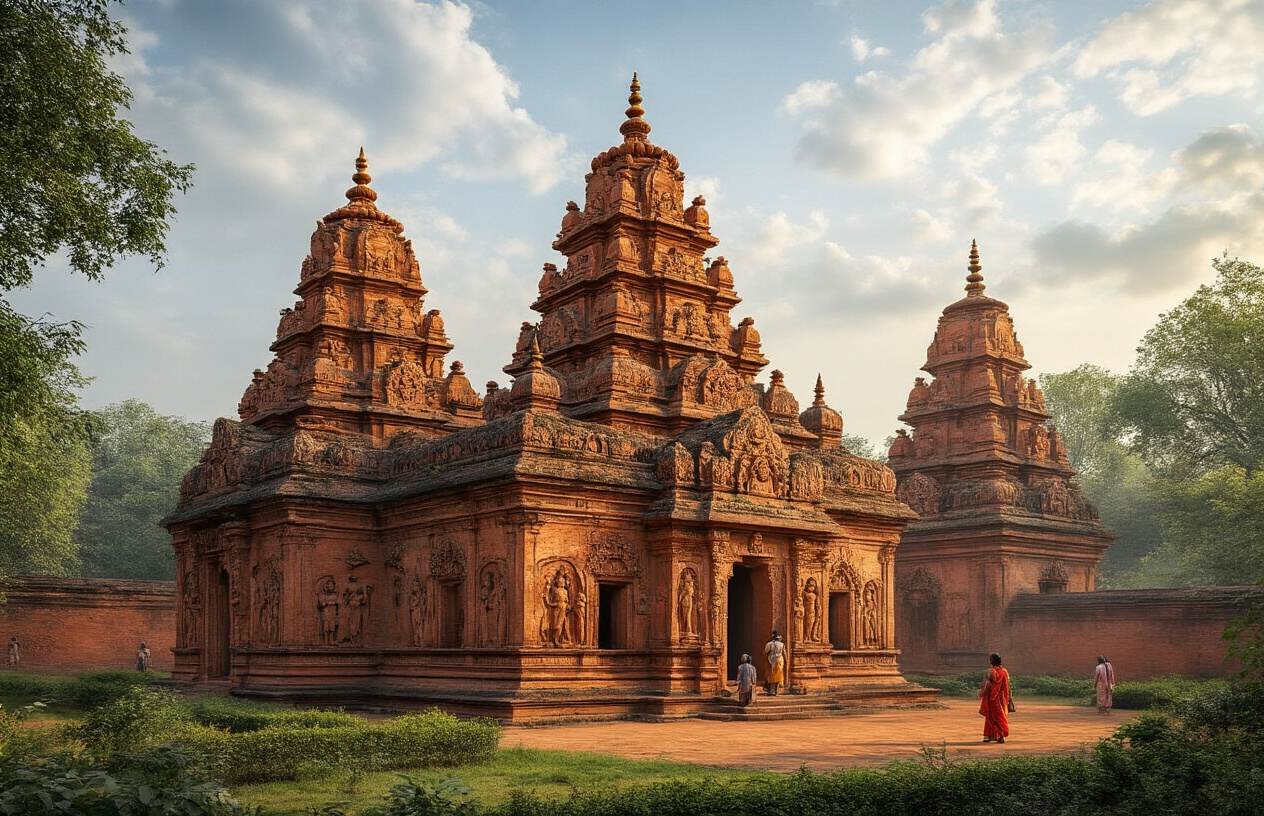
The terracotta temples of Bishnupur stand as engineering marvels that defy conventional understanding of medieval construction. These structures showcase a revolutionary building technique called “brick and mortar” construction with terracotta ornamentation, perfected by local artisans during the 17th and 18th centuries. Unlike typical stone temples found elsewhere in India, Bishnupur’s architects chose locally available clay and developed a unique firing process that created incredibly durable terracotta panels.
The construction process began with creating a solid brick foundation using laterite stones, followed by walls built with specially fired bricks. Master craftsmen then created thousands of terracotta plaques using wooden molds, each measuring approximately 12×8 inches. These plaques were fired in kilns at temperatures exceeding 1000°C, creating a material harder than most stones.
The genius lies in the interlocking system where each terracotta panel fits perfectly with adjoining pieces, creating a seamless decorative surface. A special lime mortar mixed with brick dust and organic materials like jaggery and wood apple pulp acted as both adhesive and weather protection. This technique allowed for intricate detailing impossible with stone carving while maintaining structural integrity.
Explore the intricate sculptural details that tell ancient stories
Walking around these temples reveals an open-air museum of Bengali culture frozen in terracotta. The sculptural panels narrate stories from Hindu epics, local folklore, and daily life of medieval Bengal through thousands of individual plaques that cover every available surface.
The Rasmancha temple features scenes from Krishna’s life, with panels showing the divine cowherd playing his flute, dancing with the gopis, and lifting Mount Govardhan. Each figure displays remarkable attention to detail – from the folds in clothing to facial expressions that convey specific emotions. The Jor Bangla temple showcases episodes from the Ramayana, with Hanuman’s leap to Lanka depicted across multiple panels in a sequential narrative style.
What makes these sculptures unique is their blend of classical Hindu iconography with distinctly Bengali elements. You’ll notice musicians playing tabla, dhol, and cymbals – instruments central to Bengal’s musical tradition. Women are shown in contemporary Bengali dress, complete with traditional jewelry and hairstyles. Battle scenes feature soldiers on horseback wielding curved Bengali swords rather than typical Indian weapons.
The terracotta artists also captured everyday life with remarkable authenticity. Panels show farmers ploughing fields, fishermen casting nets, merchants conducting trade, and artisans at work. These scenes provide invaluable insights into 17th-century Bengali society, making these temples living history books carved in clay.
Learn why these temples survived centuries while others crumbled
The remarkable survival of Bishnupur’s terracotta temples over 300-400 years stems from a combination of superior materials, innovative techniques, and favorable environmental conditions. While many contemporary stone temples have suffered from weathering and structural damage, these clay-based structures continue to stand strong, defying expectations about the durability of terracotta construction.
The secret lies in the quality of local clay and the firing process. Bengal’s alluvial soil contains high amounts of silica and alumina, creating naturally strong ceramic when properly fired. The artisans developed kilns that achieved uniform heating, ensuring consistent hardness throughout each terracotta piece. The fired clay became virtually impervious to water absorption, preventing the freeze-thaw cycles that destroy softer materials.
The construction method also contributed to longevity. The interlocking terracotta panels distribute stress evenly across the structure, preventing crack formation that typically leads to collapse. The lime mortar continues to cure over decades, actually becoming stronger with age. Organic additives in the mortar create a slightly flexible bond that accommodates natural settling without breaking.
Bengal’s climate, while humid, lacks the extreme temperature variations found in other parts of India. The absence of harsh winters prevents thermal expansion and contraction cycles that damage building materials. Additionally, the region’s relatively low seismic activity meant these temples avoided the earthquakes that toppled many ancient structures elsewhere.
Regular maintenance by devoted communities also played a role, with locals applying protective lime wash periodically and performing minor repairs before damage became extensive.
Find the best temples to visit for maximum visual impact
Planning your temple visits strategically maximizes both visual impact and cultural understanding. Each temple offers distinct architectural features and sculptural themes that represent different periods and purposes within the Malla kingdom’s development.
Rashmancha should be your first stop as it represents the pinnacle of Bishnupur’s architectural achievement. This pyramid-shaped temple with its unique laterite and terracotta combination creates the most dramatic visual impact. Visit during early morning (7-9 AM) when soft sunlight illuminates the intricate panels without harsh shadows.
Jor Bangla Temple offers the most extensive narrative sculptural program, featuring over 500 terracotta panels depicting Ramayana scenes. The twin-hut architectural style represents the distinctive Bengali “chala” roof design translated into permanent form. Afternoon visits (2-4 PM) provide optimal lighting for photography.
Shyam Rai Temple showcases the evolution from simple terracotta decoration to elaborate architectural ornamentation. Its five spires and detailed corner panels demonstrate advanced construction techniques. The temple’s eastern orientation makes morning visits ideal for viewing the facade.
For photographers and architecture enthusiasts, Keshta Rai Temple provides the best examples of geometric patterns and floral motifs. Its 21 spires create stunning silhouettes against the sky during golden hour (5-6 PM).
Create a circuit covering 4-5 temples in a single day, starting with Rashmancha for orientation, followed by Jor Bangla for narrative understanding, then Shyam Rai for architectural appreciation, and ending with Keshta Rai for sunset photography. This sequence provides a comprehensive understanding of Bishnupur’s terracotta temple tradition while maximizing visual impact throughout different lighting conditions.
Experience the Rich Musical Heritage That Shaped Indian Classical Music
Discover how Bishnupur became the birthplace of a distinct musical tradition
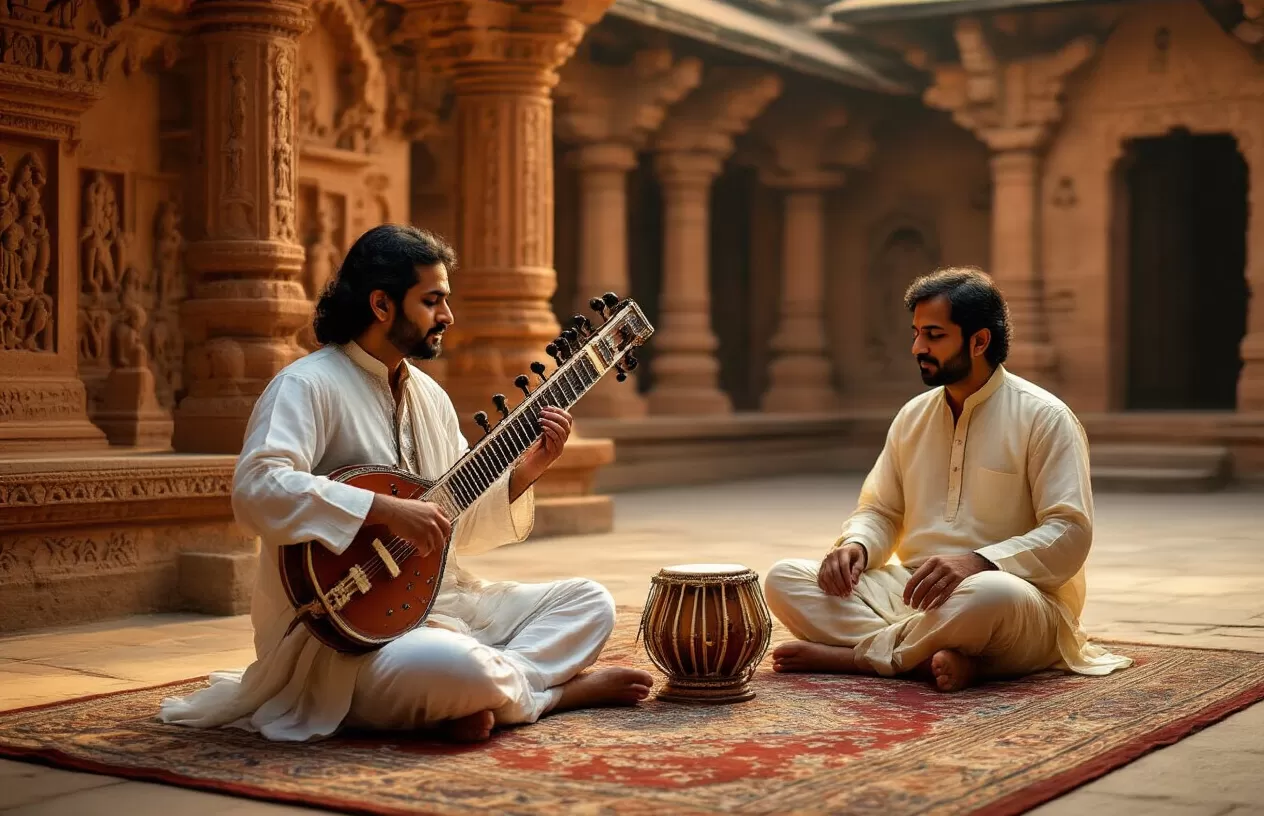
Bishnupur’s musical legacy began when the Malla kings transformed their kingdom into a cultural powerhouse during the 17th and 18th centuries. King Raghunath Singh II, a passionate devotee of Lord Krishna, established the Bishnupur Gharana around 1750, making music an integral part of royal court life. Unlike other gharanas that focused primarily on entertainment, Bishnupur’s tradition blended devotional fervor with classical sophistication.
The gharana developed its unique identity by incorporating the region’s folk melodies with classical ragas. Musicians here created a distinctive style that emphasized emotional expression over technical showmanship. The ragas were adapted to reflect the seasonal changes and daily rhythms of rural Bengal, giving birth to compositions that resonated deeply with both courtly audiences and common people.
What made Bishnupur special was its systematic approach to musical education. The Malla rulers established formal training methods, documented compositions, and created a lineage system that preserved the tradition across generations. This wasn’t just casual patronage – it was a deliberate effort to build a lasting musical culture that would outlive the kingdom itself.
Meet the legendary musicians who elevated this art form
Ramshankar Bhattacharya stands as the founding father of the Bishnupur Gharana, credited with developing the foundational techniques that define this musical tradition. His student, Yadunath Bhattacharya, refined these methods and established the teaching system that continues today. These early masters created a lineage that produced some of India’s most respected classical musicians.
Pandit Ravi Shankar, the globally renowned sitar maestro, traced his musical roots to the Bishnupur tradition through his guru Allauddin Khan. The gharana’s influence extended far beyond Bengal, shaping musicians who would later become household names across India and internationally.
Notable Masters of Bishnupur Gharana:
- Gopeshwar Bandyopadhyay – Master vocalist who preserved traditional compositions
- Radhika Mohan Maitra – Pioneering sarod player who modernized ancient techniques
- Bahadur Khan – Instrumental genius who bridged folk and classical traditions
- Nikhil Banerjee – Sitar virtuoso who brought Bishnupur’s sound to global audiences
These musicians didn’t just perform; they innovated within tradition, creating new ragas while respecting ancient principles. Their contributions ensured that Bishnupur’s musical heritage remained vibrant and relevant across changing times.
Learn about the unique instruments that define Bishnupur’s sound
The esraj holds the place of honor in Bishnupur’s instrumental tradition. This bowed string instrument, developed specifically within the gharana, produces a haunting, vocal-like tone that perfectly captures the devotional essence of Bishnupur music. Unlike the violin or sarangi found in other traditions, the esraj offers a middle ground between string and wind instruments, creating sounds that seem to breathe with spiritual intensity.
The tabla tradition in Bishnupur follows the Farrukhabad gharana style but incorporates local rhythmic patterns influenced by Bengali folk music. The players here developed specific compositions called “gat” and “tode” that complement the melodic instruments perfectly.
Distinctive Instruments of Bishnupur:
| Instrument | Unique Features | Role in Tradition |
|---|---|---|
| Esraj | Bowed strings, vocal-like tone | Lead melody instrument |
| Dilruba | Smaller esraj variant | Solo accom panied |
| Tabla | Bengali-influenced rhythms | Rhythmic foundation |
| Harmonium | Modified reed organ | Drone and melody support |
The harmonium in Bishnupur underwent local modifications to better suit the gharana’s tonal requirements. Craftsmen adjusted the reed configurations to produce the specific microtonal variations essential to authentic Bishnupur ragas.
Find opportunities to hear authentic performances today
The annual Bishnupur Music Festival, held every December, brings together masters from the gharana tradition with contemporary artists exploring its possibilities. This three-day celebration takes place in the historic temples, where the acoustic properties of terracotta architecture create an unmatched listening environment.
Local music schools continue the teaching tradition through institutions like the Bishnupur Sangeet Sammelan and various private academies. Visitors can arrange to observe classes or even take short-term lessons to understand the gharana’s methodology firsthand.
Where to Experience Bishnupur Music:
- Rasmancha Temple – Evening classical concerts during festival seasons
- Jor Bangla Temple – Acoustic performances showcasing temple acoustics
- Local Music Schools – Educational visits and lesson opportunities
- Heritage Hotels – Regular cultural programs featuring traditional music
- Community Centers – Informal gatherings and practice sessions
The Bishnupur Cultural Center organizes monthly concerts featuring both established artists and promising students. These intimate settings provide the perfect opportunity to experience the gharana’s subtleties without the crowds of major festivals. Many performances incorporate storytelling elements that explain the historical context and emotional significance of each raga, making them accessible to newcomers while satisfying seasoned listeners.
Understand the Powerful Malla Dynasty That Built This Cultural Empire
Trace the rise of the Malla kings from local rulers to cultural patrons
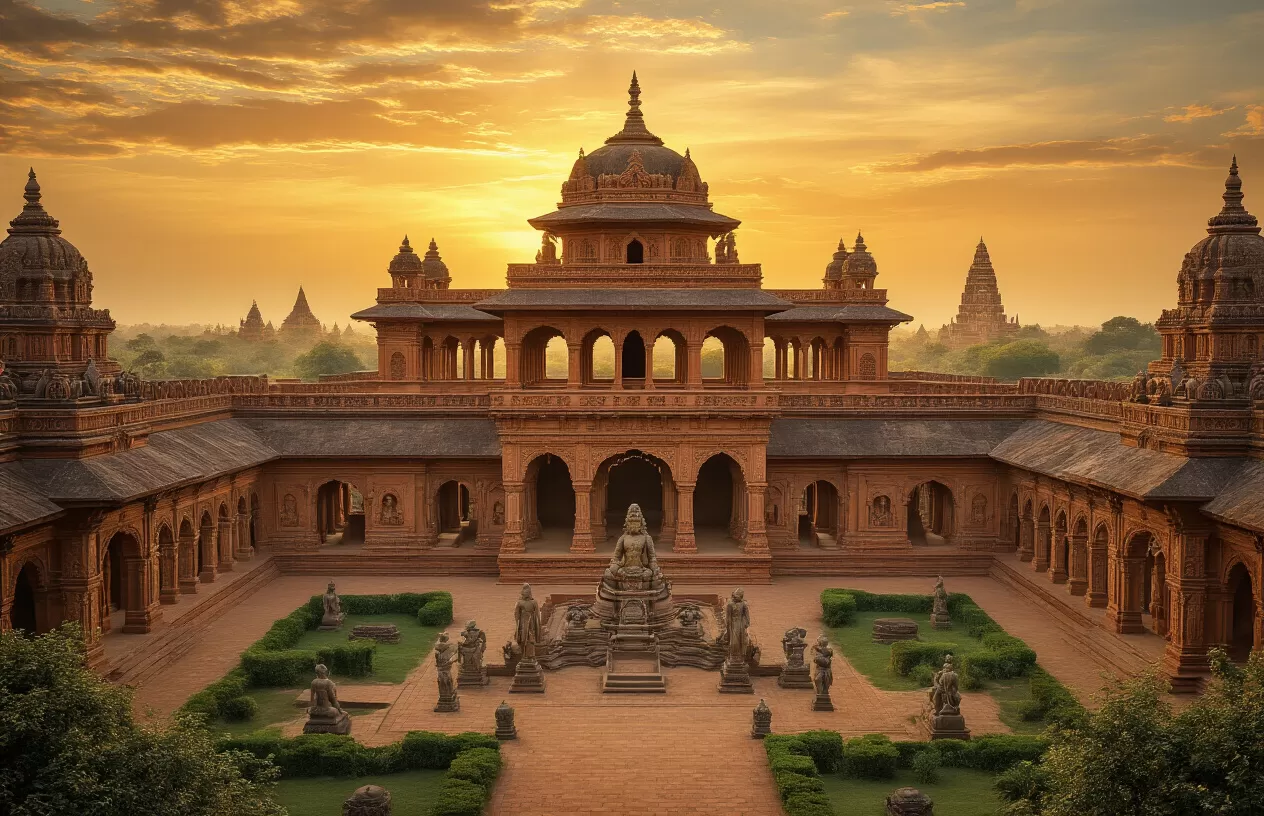
The Malla dynasty emerged in the 10th century as modest local chieftains governing a small territory around Bishnupur. What started as a minor feudal holding gradually expanded under shrewd leadership and strategic alliances. The early Malla rulers understood that survival in medieval Bengal required both military prowess and diplomatic finesse.
By the 16th century, the dynasty had transformed from regional administrators into powerful monarchs with significant autonomy. King Hambir Malla, who ruled from 1565 to 1620, marked the dynasty’s golden age by establishing Bishnupur as an independent kingdom. His court attracted scholars, artists, and musicians from across India, setting the foundation for the cultural renaissance that would define the region.
The transition from warriors to patrons wasn’t accidental. The Malla kings recognized that lasting power came through cultural influence, not just military might. They systematically invested royal resources into artistic endeavors, transforming their court into a magnet for creative talent. This strategic shift from purely political rulers to cultural benefactors distinguished the Mallas from their contemporaries and secured their historical legacy.
Discover how they transformed a small town into an artistic center
Bishnupur’s transformation from an obscure settlement to Bengal’s artistic hub happened through deliberate royal planning and generous patronage. The Malla kings established specialized workshops where master craftsmen trained apprentices in terracotta work, metalworking, and textile production. Royal funding supported these artisan communities, creating a sustainable ecosystem for artistic innovation.
The kings imported skilled craftsmen from different regions, creating a melting pot of artistic traditions. Persian influences merged with local Bengali techniques, while South Indian temple architecture inspired new construction methods. This cultural synthesis produced Bishnupur’s distinctive artistic identity that remains unmatched in eastern India.
Music held special significance in the Malla court transformation. Kings like Raghunath Singha II personally learned classical instruments and compositions, elevating music from entertainment to high art. They established music schools, invited renowned maestros as court musicians, and created performance spaces within palace complexes. The famous Dhrupad tradition flourished under their patronage, producing legendary musicians whose influence shaped Indian classical music for centuries.
Learn about their military conquests that funded artistic achievements
Military success provided the economic foundation for Bishnupur’s cultural flowering. The Malla army, equipped with advanced weaponry and strategic training, conquered neighboring territories throughout the 16th and 17th centuries. These campaigns brought substantial tribute payments and trade route control that filled royal coffers.
The conquest of nearby zamindaris (feudal estates) generated steady revenue streams through taxation and agricultural surplus. The Mallas controlled important trade routes connecting Bengal with central India, collecting customs duties from merchant caravans. This strategic positioning made them wealthy intermediaries in the regional economy.
| Military | Economic Benefit | Cultural Investment |
|---|---|---|
| Conquest of Kashipur | Annual tribute of 50,000 rupees | Rasmancha temple |
| Control of salt trade routes | 30% customs revenue | Music academy |
| Alliance with Mughal governors | Protected trade agreements | Terracotta panels |
War spoils funded ambitious construction projects and artistic commissions. Victory celebrations became occasions for cultural displays, encouraging competitive artistic excellence among court artists. The kings understood that military might without cultural sophistication would be forgotten, so they deliberately channeled conquest profits into lasting artistic achievements.
Understand their lasting impact on Bengal’s cultural landscape
The Malla cultural legacy extends far beyond Bishnupur’s borders, influencing Bengali artistic traditions that continue today. Their patronage system became a model for other Bengali courts, spreading similar artistic renaissance across the region. The dhrupad musical tradition they nurtured influenced later developments in Hindustani classical music, with several gharanas (musical lineages) tracing their origins to Bishnupur.
Terracotta temple architecture pioneered by Malla craftsmen inspired similar constructions throughout rural Bengal. The distinctive curved roof design, intricate narrative panels, and fusion of Hindu-Islamic elements became hallmarks of Bengali temple architecture. Modern architects still reference these innovations when designing culturally authentic buildings.
The Malla approach to cultural patronage – combining royal support with artistic freedom – influenced how subsequent rulers and wealthy merchants supported arts in Bengal. Their model proved that sustainable cultural development required institutional support rather than individual genius alone. Today’s cultural organizations in West Bengal often cite Malla patronage methods when seeking government and private funding for artistic projects.
Educational institutions established by the Mallas created intellectual traditions that shaped Bengali scholarship for generations. Their court libraries preserved manuscripts and encouraged scholarly discourse, contributing to Bengal’s reputation as India’s intellectual center during the colonial period.
Navigate Your Visit to Maximize Your Bishnupur Experience
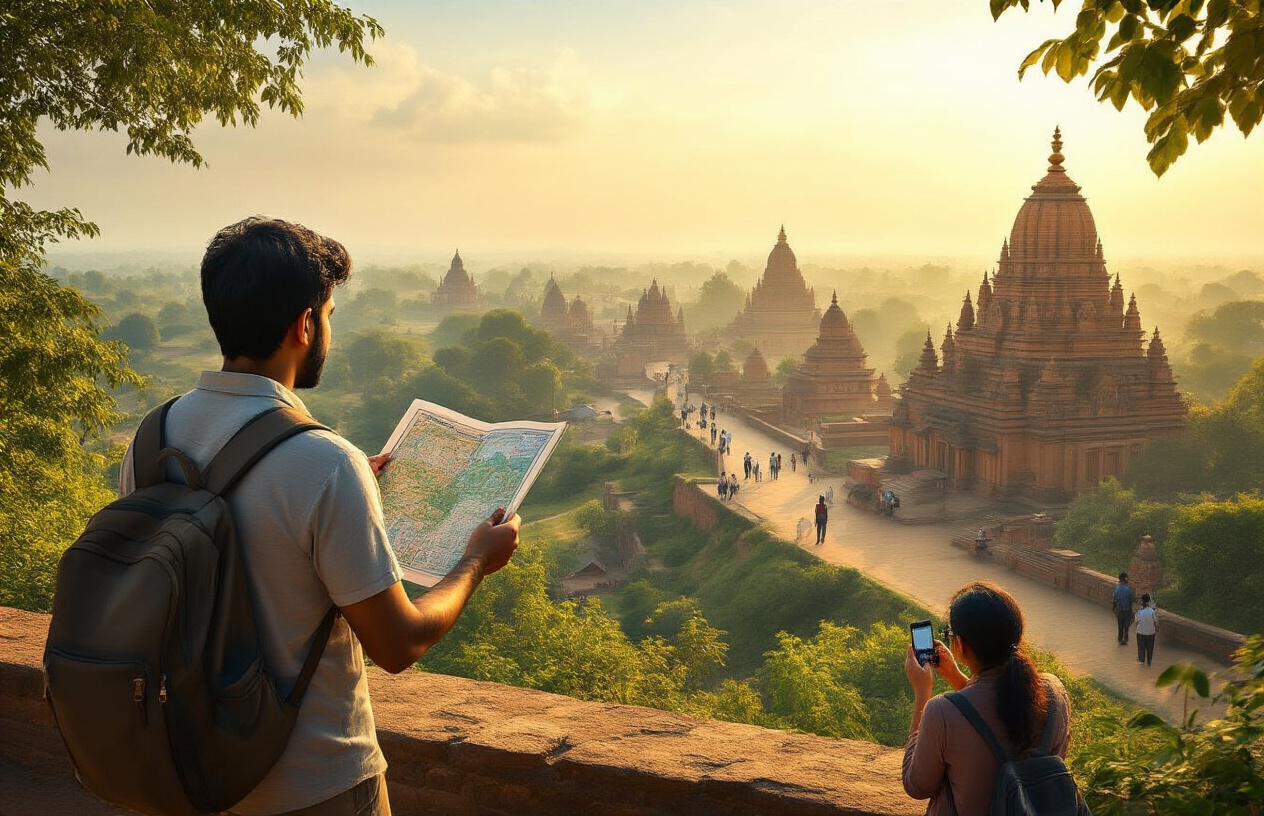
Plan Your Itinerary to Cover the Most Significant Historical Sites
Your Bishnupur adventure starts with smart planning. Begin your day early at the Rasmancha, the pyramidal brick structure where Krishna idols once gathered during festivals. The morning light creates stunning shadows on its terraced design, perfect for photography.
Next, head to the Jorbangla Temple with its distinctive curved Bengali roof architecture. The intricate terracotta panels here tell stories from the Ramayana and Mahabharata. Spend at least 30 minutes examining the detailed craftsmanship – each panel reveals new stories when you look closely.
The Madanmohan Temple should be your afternoon stop. This single-spire temple showcases the evolution of terracotta artistry under Malla patronage. The battle scenes carved into its walls are particularly impressive.
Don’t miss the Shyamrai Temple, famous for its five spires and elaborate decorative work. The temple’s terracotta depicting daily life during the Malla period offers fascinating glimpses into 17th-century Bengal society.
Reserve time for the Mrinmoyee Temple and the ruins of the Malla palace complex. These sites provide context for understanding how the Malla kings integrated religious devotion with royal power.
Create a walking route that covers these sites efficiently – most temples are within a 2-kilometer radius, making exploration on foot both practical and rewarding.
Time Your Visit to Coincide with Cultural Festivals and Performances
December through February offers the best weather and coincides with several cultural celebrations. The Bishnupur Classical Music Festival, typically held in December, transforms the town into a musical hub. Renowned artists perform dhrupad and other classical forms in the courtyards of ancient temples, creating an unforgettable acoustic experience.
During Durga Puja in October, witness how local artisans create stunning clay idols using traditional techniques passed down through generations. The pandals (temporary structures) often incorporate terracotta motifs, bridging ancient and contemporary art forms.
The Poila Boishakh (Bengali New Year) in mid-April brings colorful processions and traditional music performances. Local musicians demonstrate the unique Bishnupur Gharana style, characterized by its spiritual depth and technical precision.
Plan your visit around the full moon nights when some temples organize special prayer sessions. The moonlight illuminating the terracotta facades creates a mystical atmosphere that photographers and culture enthusiasts find irresistible.
Check with local tourism offices for impromptu cultural events. Village festivals often feature folk performances that showcase the region’s living traditions beyond the classical forms that made Bishnupur famous.
Find Authentic Local Experiences Beyond the Tourist Attractions
Connect with local terracotta artisans in their workshops scattered throughout the town. Many families have practiced this craft for generations, and watching them work provides insights into techniques that haven’t changed for centuries. Some workshops offer hands-on experiences where you can try shaping clay under expert guidance.
Visit the homes of classical musicians who maintain the Bishnupur Gharana tradition. These intimate sessions, often arranged through local contacts or heritage hotels, offer deeper understanding of the musical forms that flourished under Malla patronage.
Explore the weekly markets where vendors sell traditional Baluchari silk sarees. These handwoven textiles feature motifs inspired by the same epics depicted on temple walls, creating a living connection between past and present artistic traditions.
Take cooking classes with local families to learn traditional Bengali dishes prepared using age-old recipes. The cooking methods and ingredients reflect the region’s cultural heritage, offering another lens through which to understand Bishnupur’s identity.
Walk through the villages surrounding the main temple complex. Here, daily life continues much as it has for generations, with pottery-making, weaving, and farming practices that provide context for understanding the society that created and sustained Bishnupur’s cultural achievements.
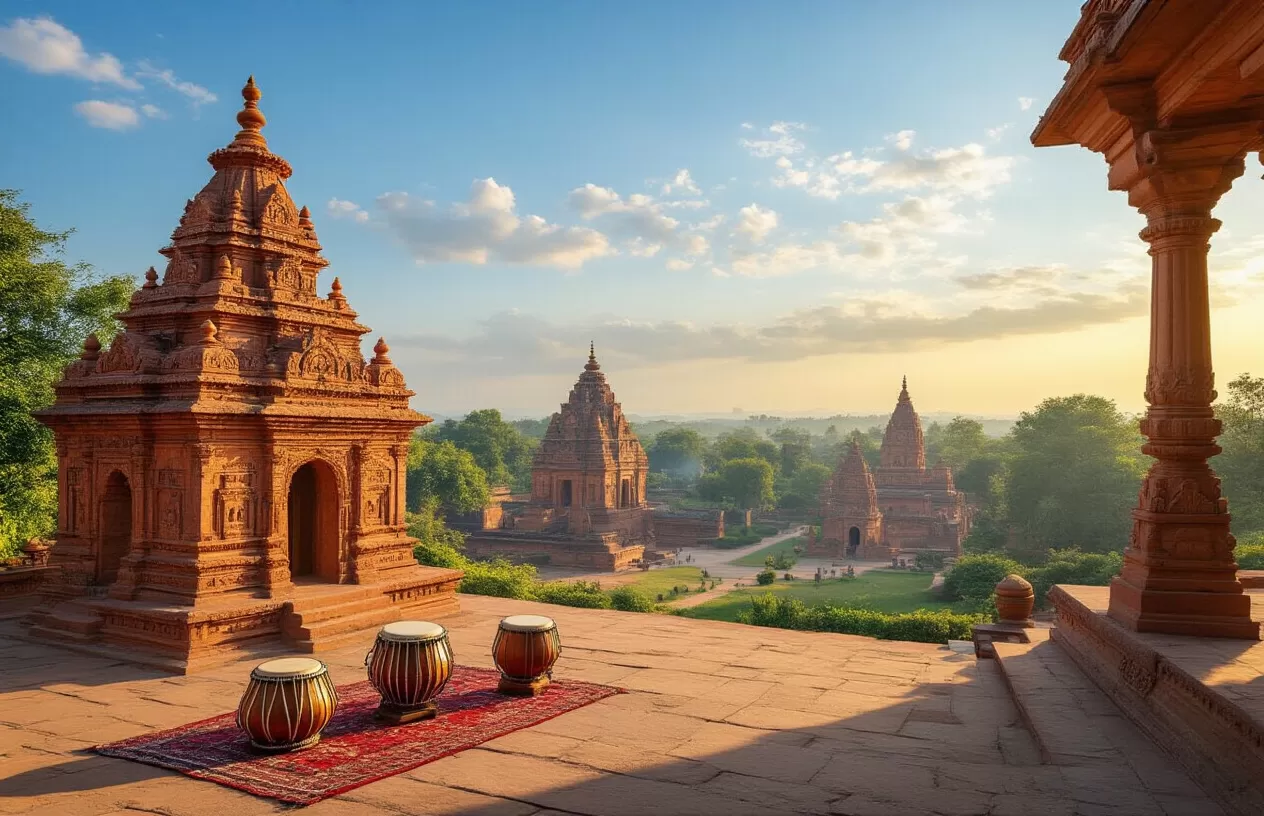
Bishnupur stands as one of Bengal’s most treasured cultural destinations, where every terracotta brick tells a story and every musical note carries centuries of tradition. The intricate temples showcase the incredible artistry of the Malla period, while the town’s deep connection to classical music continues to inspire musicians and music lovers from around the world. The legacy of the Malla kings lives on not just in stone and clay, but in the very soul of this remarkable place.
For a private tour of Bishnupur, please visit the story of Terracotta temples and Baluchari Silk.
Planning your trip to Bishnupur means stepping into a world where art, music, and history blend seamlessly together. Take your time exploring each temple, listen for the echoes of classical ragas that once filled royal courts, and let yourself get lost in the stories these ancient walls have to tell. This isn’t just a tourist destination – it’s a living museum where Bengal’s golden age continues to shine through every carefully crafted detail.
Leave a Reply