
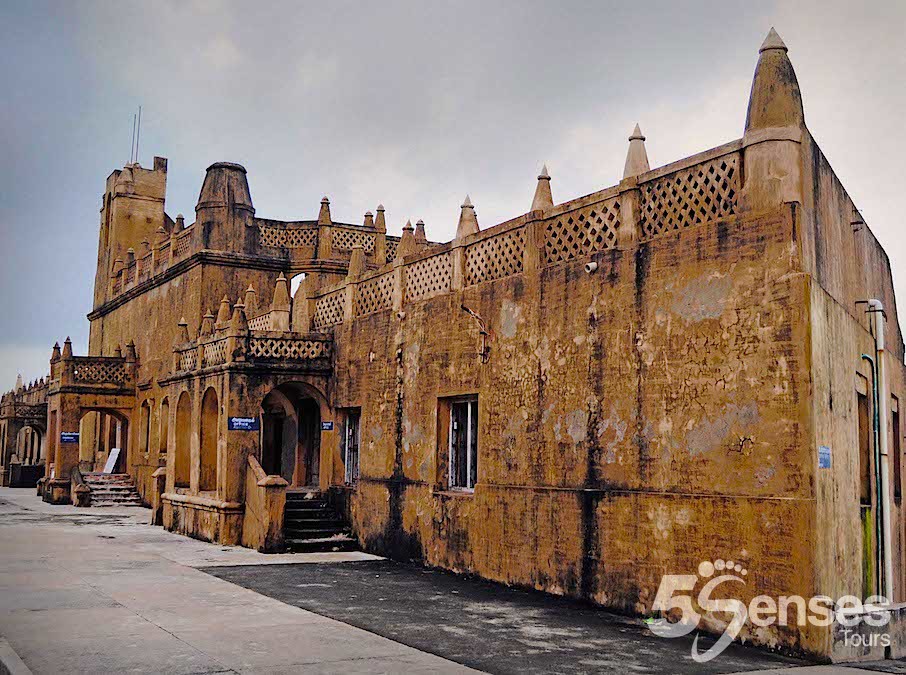
Hidden between Nagapattinam and Karaikal on Tamil Nadu’s coast lies Tranquebar — a small town that once connected the calm Lutheran world of Denmark to the complex spiritual heart of India. Its Tamil name, Tharangambadi, means “the land of the singing waves.” The phrase fits perfectly — because in this quiet seaside town, the echoes of a forgotten dialogue between East and West still hum in the air.
For a private and guided tour of this erstwhile Danish settlement, please visit Tranquebar Experience.
A Danish Dream on the Coromandel Coast
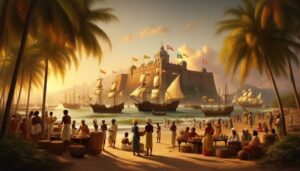
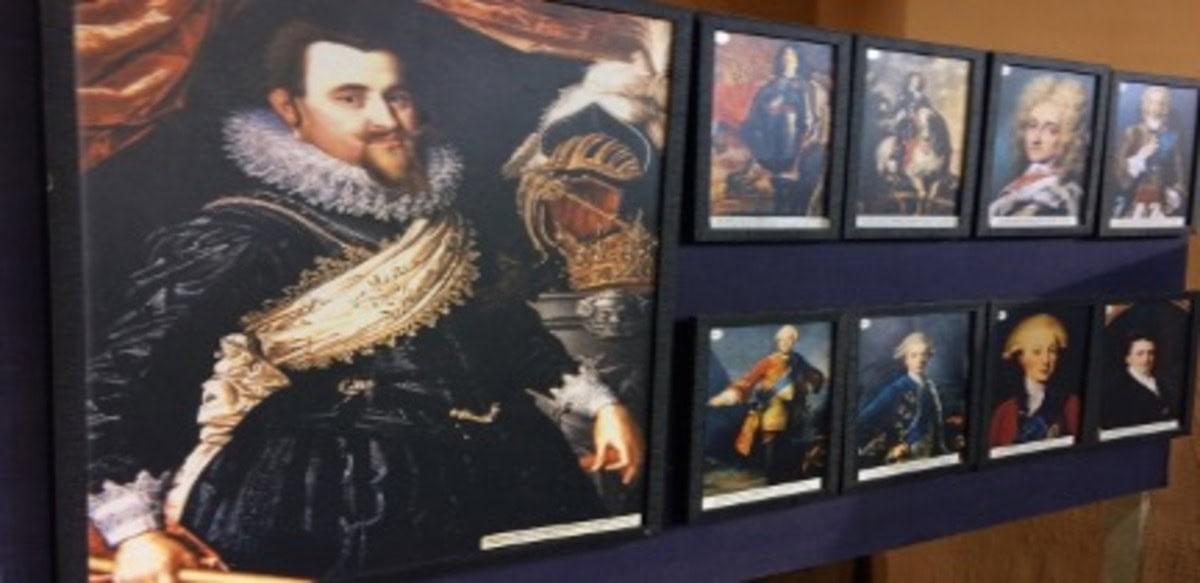
In 1620, long before the British empire reached its height, a Danish fleet anchored off this very coast. The Danish East India Company, under King Christian IV, wanted a piece of the Indian Ocean trade. They signed a treaty with the Nayak ruler of Thanjavur, gained permission to build a fort, and thus rose Fort Dansborg — a massive ochre fortress gazing out over the sea.
Inside its walls began a strange experiment — a northern European kingdom setting roots in tropical India. Danish officials built neat streets, Lutheran churches, and trading warehouses. Indian weavers and Tamil merchants worked alongside them. The smells of cardamom and nutmeg mixed with the sea breeze. Yet what unfolded here would become far more profound than trade.
The Young Missionary Who Changed India’s Intellectual Map
In 1706, two German Lutherans — Bartholomäus Ziegenbalg and Heinrich Plütschau — arrived in Tranquebar, sent by the Danish King as part of the first Protestant mission to India. Ziegenbalg was only 23 years old, bright-eyed, curious, and utterly fearless. He had no idea he was about to become a legend.
Unlike many Europeans of his time, Ziegenbalg didn’t come to “civilize” India. He came to understand it. He lived among the Tamil people, ate their food, learned their songs, and within six months, mastered Tamil — a language scholars said was “impossible” for foreigners to grasp.
He didn’t stop there. Ziegenbalg translated the New Testament into Tamil, not by imposing foreign words but by finding their emotional and cultural equivalents. To do this, he studied ancient Tamil poetry, philosophy, and Hindu texts — making him one of the first Europeans to truly study Indian religion and literature with respect.
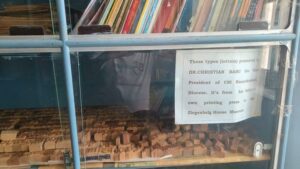
He also founded India’s first printing press in 1712, in a small tiled house near the sea. With the help of Tamil artisans, he printed the first books in an Indian language using movable metal type. Among them was the first Tamil New Testament, and later, Tamil grammar books and moral essays.

Ziegenbalg believed knowledge should be shared, not hoarded — a radical thought in his time. His Tamil printing press, supported by local scholars and carpenters, was one of the earliest sparks that ignited India’s age of literacy and learning.
A Clash with Power — and an Unlikely Friendship
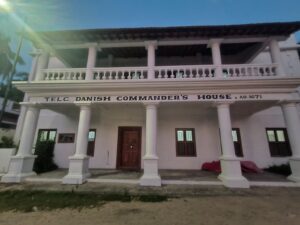
Of course, not everyone was pleased. The Danish East India Company, busy with profits and politics, saw the missionary’s work as a distraction. Ziegenbalg’s open defence of local converts angered both company officials and caste leaders. At one point, he was even imprisoned inside Fort Dansborg — by his own countrymen!
Yet the story takes a cinematic twist. While imprisoned, Ziegenbalg continued writing letters to Europe — passionate appeals for understanding and compassion toward Indians. Those letters eventually reached the Danish King himself, who ordered his release and support. When Ziegenbalg stepped out of the fort, he was greeted by local villagers who had come to see the man who had learned their language and defended their dignity.
He died young, at just 37 years old, but by then, his work had transformed Tranquebar into one of the earliest centers of cross-cultural learning in Asia. His tomb, near the New Jerusalem Church, still stands today — weathered, peaceful, and visited by travelers who sense his spirit in the sea wind.
The Danish Who Stayed
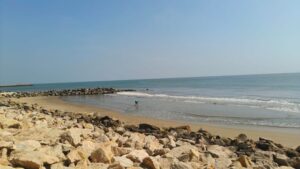
Even after Denmark sold Tranquebar to the British in 1845, traces of its old world charm remained. The narrow streets still bear European names — King Street, Queen Street, Admiral Street — and the mustard-yellow houses have doors carved in Tamil style but with Danish symmetry.
Some Danes never left. Generations of Eurasians grew up here, blending languages, food, and faith. Their descendants kept alive the songs Ziegenbalg once taught, now sung in Tamil melody with Danish words forgotten.
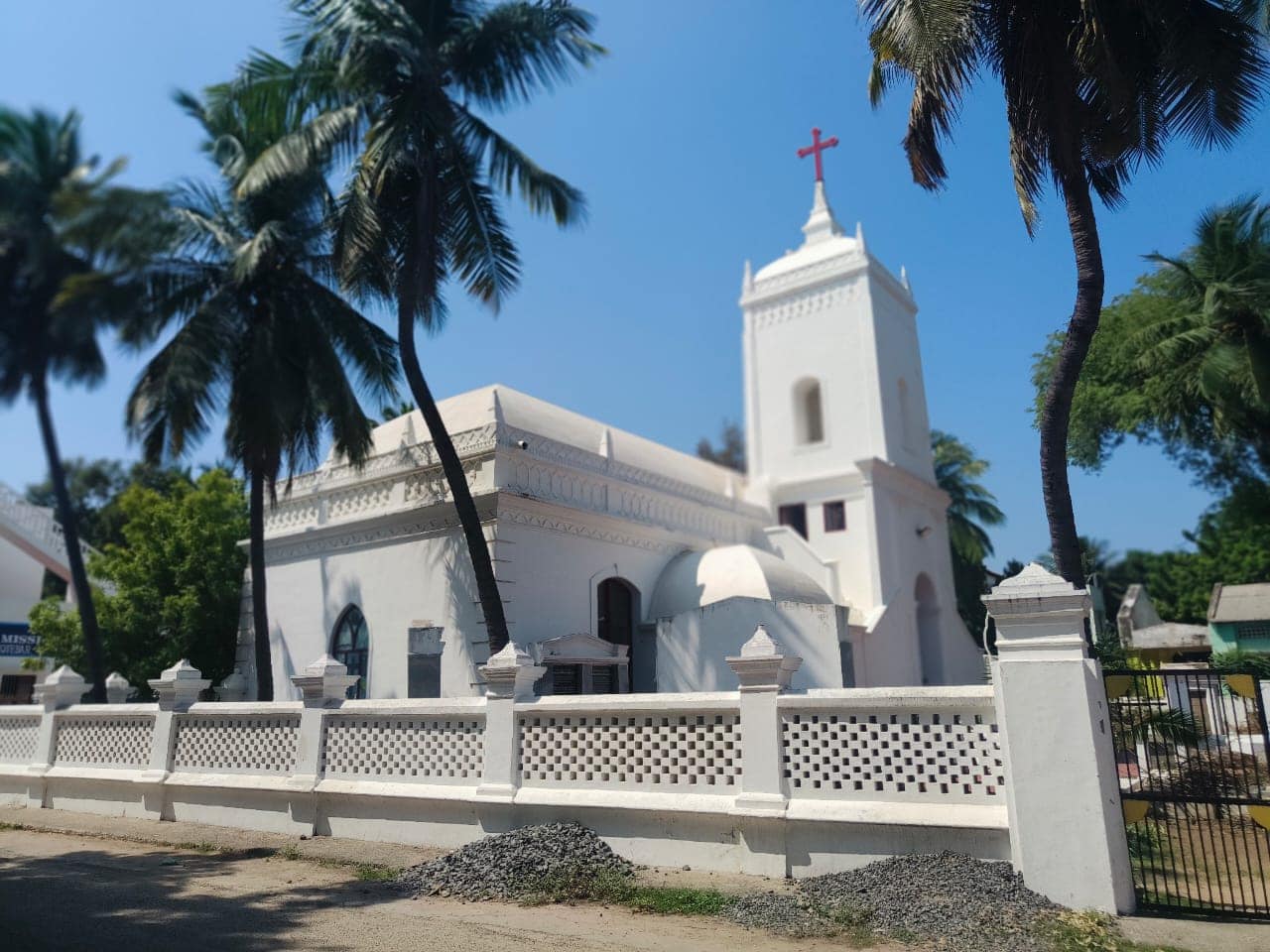
Today, the Tranquebar Heritage Town Project and the Ziegenbalg Museum Complex preserve this layered history. Travelers can visit Zion Church (1701), the oldest Protestant church in India, and the New Jerusalem Church (1718), which still holds services that trace their roots back three centuries.
And then there’s the Danish Governor’s Bungalow, now converted into a charming heritage hotel, where guests can wake to the sound of waves crashing just beyond the walls that once guarded a colonial dream.
Why Tranquebar Captivates Modern Travelers
Tranquebar is for travelers who crave stories — not just sights. It’s for those who like to trace the invisible threads of history and feel the pulse of ideas that changed the world quietly. You can walk along Goldsmith Street, where the printing press once clattered; explore Fort Dansborg, whose museum displays Danish coins, weapons, and maritime relics; or sit by the shore at sunset, imagining ships from Copenhagen appearing over the horizon.
The air here feels charged with the strange electricity of history!
For a private and guided tour of this erstwhile Danish settlement, please visit Tranquebar Experience.
Leave a Reply