
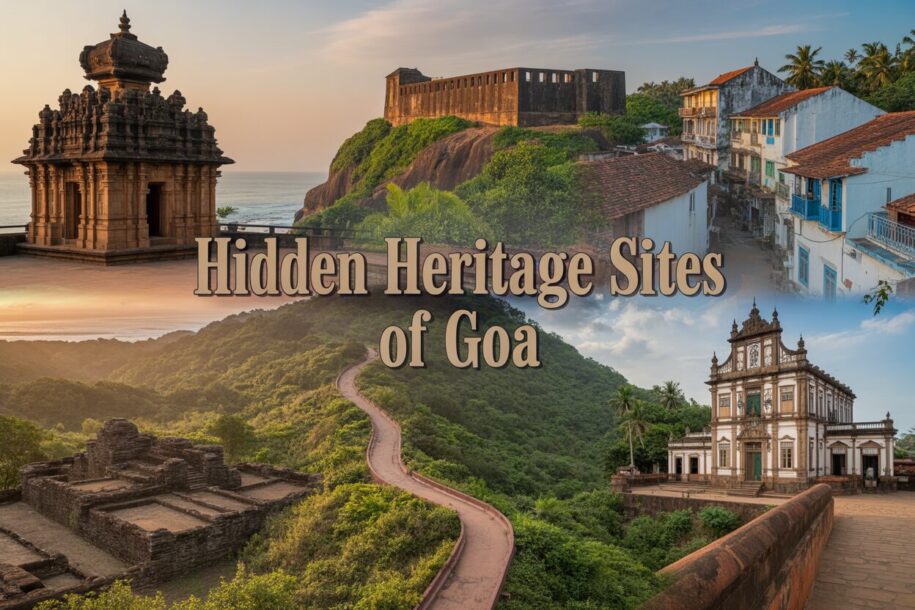
Goa’s rich history extends far beyond the famous churches of Old Goa and the colonial charm of Panjim. While most travellers stick to these well-known spots, the state holds countless hidden heritage sites in Goa waiting to be discovered by curious explorers and history enthusiasts.
This guide is perfect for travelers who want to dig deeper into Goa’s cultural roots and escape the typical tourist trail to visit hidden heritage sites in Goa. You’ll find ancient temples tucked away in quiet villages, forgotten Portuguese forts overlooking dramatic coastlines, and traditional settlements where centuries-old customs still thrive.
We’ll take you to magnificent churches that rival the famous Basilica of Bom Jesus, explore archaeological sites that reveal Goa’s pre-colonial past, and show you how to experience living heritage through local cultural practices that have survived for generations. Get ready to see a side of Goa that most visitors never encounter.
Discover Ancient Temples Away from Tourist Crowds
Explore the 12th Century Mahadeva Temple in Tambdi Surla
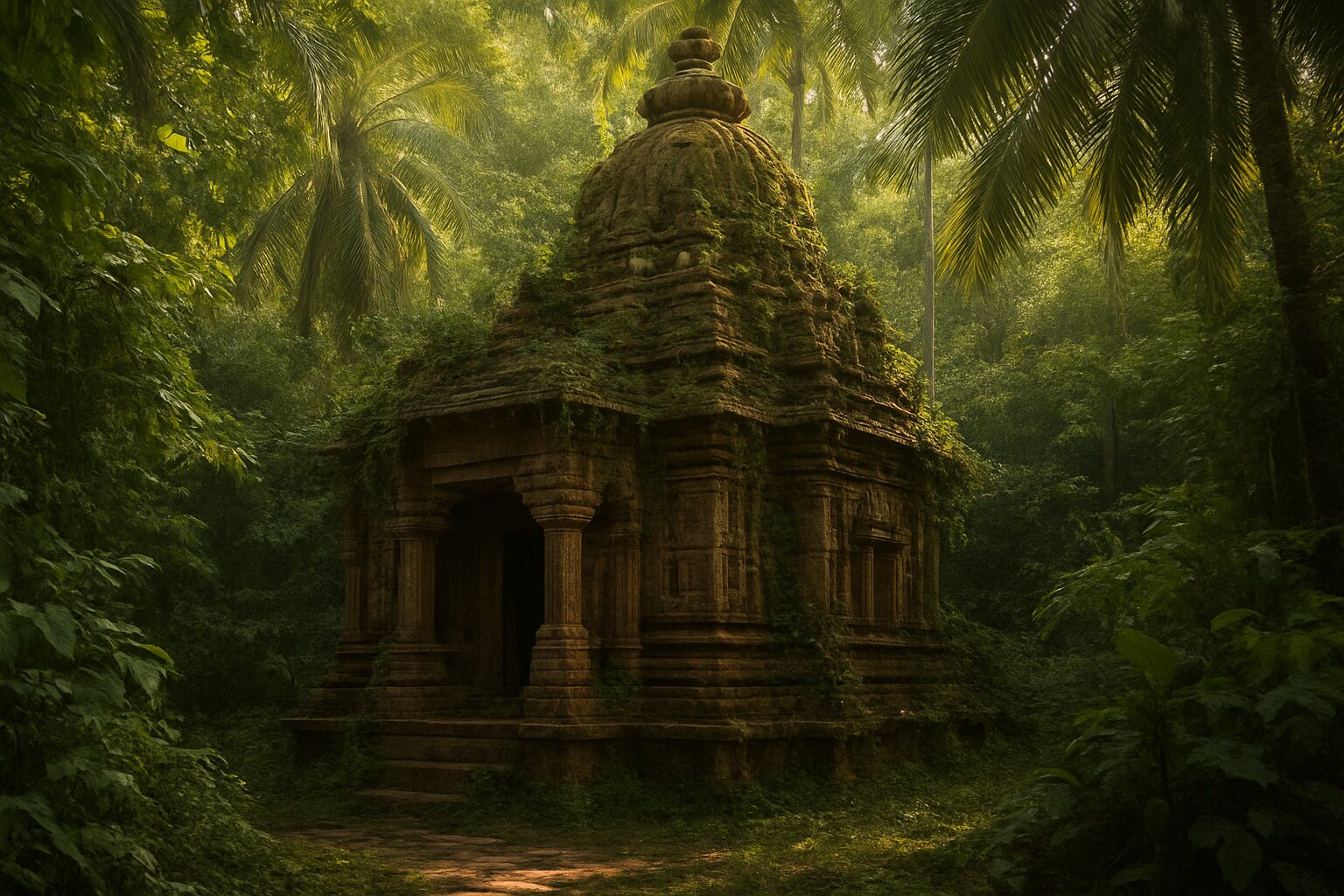
Deep in the Western Ghats, about 65 kilometers from Panaji, sits Goa’s oldest surviving temple structure. The Mahadeva Temple at Tambdi Surla dates back to the 12th-13th centuries and represents a remarkable piece of Kadamba dynasty architecture that somehow escaped Portuguese destruction.
Built entirely from basalt stone, this Shiva temple showcases classic South Indian temple architecture with intricate carvings that have weathered centuries of monsoons. The temple’s unique positioning against dense forest creates an almost mystical atmosphere, especially during early morning visits when mist rolls through the surrounding hills.
What makes this temple special goes beyond its age. The craftsmanship displays influences from both Jain and Hindu architectural traditions, with detailed sculptures of elephants, lions, and floral motifs adorning the outer walls. The temple follows traditional principles where each element serves both structural and spiritual purposes.
Getting there requires a scenic drive through spice plantations and small villages, making the journey as rewarding as the destination. The temple remains active, with local devotees maintaining centuries-old rituals that connect visitors to Goa’s pre-colonial spiritual heritage.
For a private guided tour of Tamdi Surla, visit Temples of Goa.
Uncover Sacred Architecture at Shanta Durga Temple in Kavlem
The Shanta Durga Temple complex in Kavlem village showcases how Goa’s Hindu community preserved their architectural traditions despite centuries of colonial rule. Built in the 18th century after the original temple’s destruction, this structure blends traditional temple design with subtle Portuguese influences that reflect Goa’s unique cultural synthesis.
The temple’s most striking feature is its distinctive dome structure, painted in bright colors that stand out against the lush Goan countryside. Inside, the main deity represents Shanta Durga, the peaceful form of Goddess Durga, who mediates between Vishnu and Shiva. This concept of divine harmony resonates throughout the temple’s design philosophy.
The complex includes several smaller shrines, a beautiful tank for ritual purposes, and traditional lamp towers that illuminate evening prayers. Local artisans crafted every detail using age-old techniques passed down through generations. The wooden ceiling features intricate paintings depicting scenes from Hindu mythology, while the floor patterns follow sacred geometric principles.
Regular festivals bring the temple to life with traditional Goan folk performances, classical music, and elaborate decorations. These celebrations offer visitors authentic glimpses into how local communities maintain their cultural identity through religious practices that blend devotion with artistic expression.
Experience Spiritual Tranquility at Mangeshi Temple Complex
Located in Priol village, the Mangeshi Temple serves as one of Goa’s most significant spiritual centers, dedicated to Bhagavan Mangesh, a form of Lord Shiva. This temple complex represents centuries of continuous worship and community dedication that survived Portuguese persecution through careful relocation and reconstruction efforts. It is a wonderful hidden heritage site in Goa.
The temple’s architecture reflects the evolution of Goan Hindu temple design over several centuries. The main structure features a distinctive seven-story deepstambha (lamp tower) that rises majestically above the surrounding buildings. This tower, illuminated during festivals, serves as both a spiritual beacon and architectural landmark visible from considerable distances.
The complex includes multiple shrines, each with specific ritual purposes and artistic elements. The main sanctum houses a silver-masked lingam, while subsidiary shrines honor various deities important to local devotional practices. Intricate woodwork throughout the complex showcases traditional Goan craftsmanship, with carved pillars and decorative elements that have been maintained through community efforts.
Water tanks within the complex serve ritual purposes while creating peaceful spaces for meditation and reflection. The temple grounds include gardens with native plants used in traditional ceremonies, connecting spiritual practices to the natural environment. Daily rituals follow ancient protocols that maintain unbroken traditions spanning generations.
Marvel at Intricate Carvings at Nageshi Temple
The Nageshi Temple in Bandoda village stands as a masterpiece of traditional Goan temple architecture, renowned for its exceptional stone and wood carvings that represent some of the finest craftsmanship in the region. Dedicated to Nagesh, a form of Lord Shiva, this temple complex demonstrates how artistic excellence and spiritual devotion merged in Goan cultural traditions.
The temple’s exterior walls feature elaborate stone carvings depicting mythological scenes, celestial beings, and intricate floral patterns that showcase the skill of medieval Goan artisans. Each carving tells stories from Hindu scriptures while serving decorative and structural purposes. The attention to detail in these sculptures rivals work found in India’s most famous temple complexes.
Inside, wooden pillars display remarkable craftsmanship with carved figures of dancers, musicians, and divine beings. The ceiling features painted panels that combine geometric patterns with narrative artwork, creating a visual feast that enhances the spiritual atmosphere. These artistic elements transform the temple into a comprehensive cultural experience.
The temple’s unique architectural features include a large sabha mandapa (assembly hall) with acoustically designed spaces that amplify chanting and music during ceremonies. Traditional oil lamps positioned throughout the complex create dramatic lighting effects that highlight the carved details while maintaining the sacred ambience that has attracted devotees for centuries.
Unearth Colonial Portuguese Forts and Military Heritage
Walk Through Historic Cabo de Rama Fort Overlooking Arabian Sea
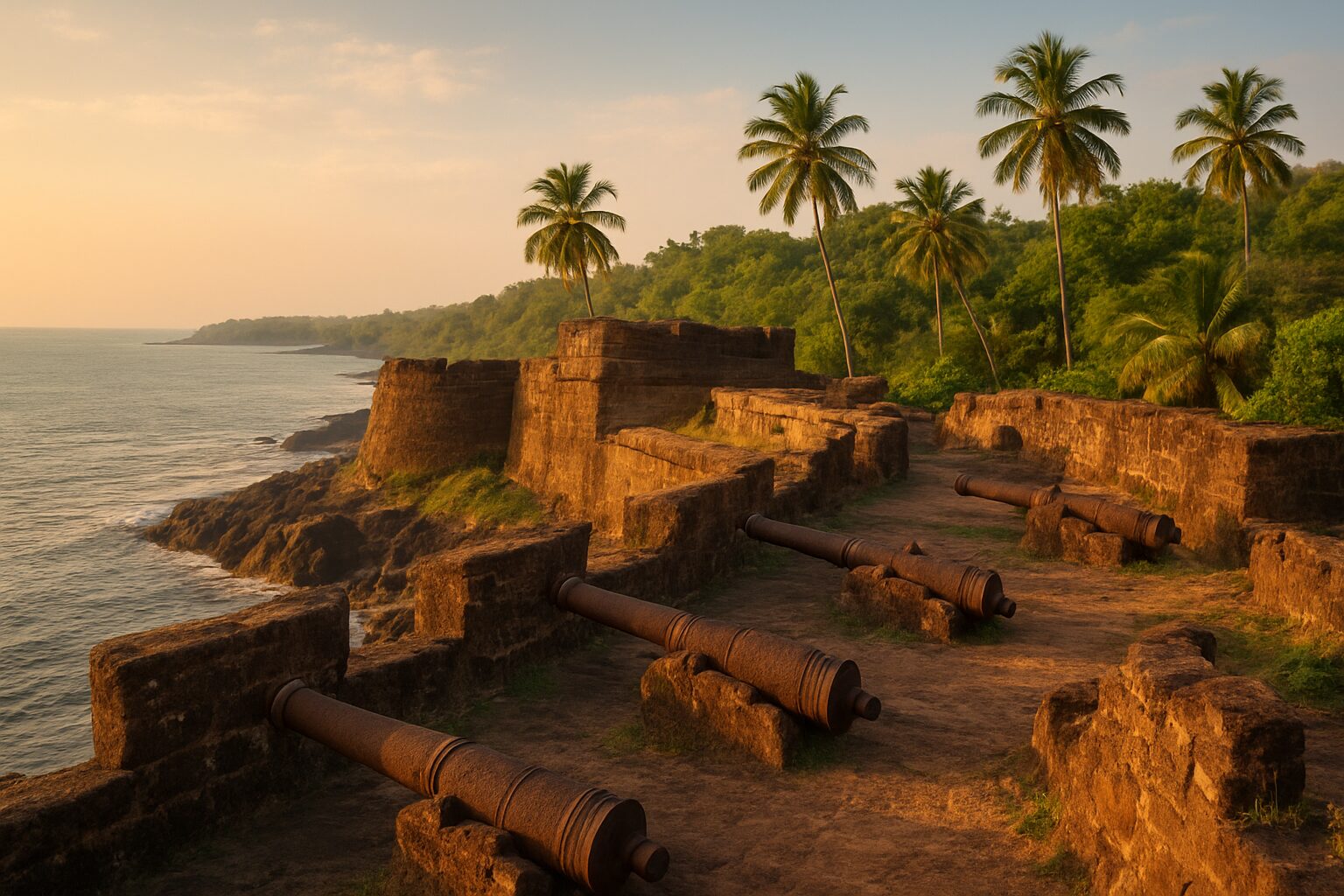
Perched dramatically on a clifftop 180 meters above the Arabian Sea, Cabo de Rama Fort stands as one of Goa’s most spectacular yet undervisited heritage sites. This ancient stronghold dates back to the 16th century when Portuguese colonizers built upon an existing structure that local legends claim was named after Lord Rama from the epic Ramayana.
The fort’s weathered laterite walls tell stories of maritime battles and strategic importance in protecting Goa’s southern coastline. Walking through its crumbling ramparts, you’ll discover:
- Remnants of military barracks where Portuguese soldiers once lived
- A small chapel dedicated to Santo António, showcasing colonial religious architecture
- Cannon positions strategically placed to defend against naval attacks
- Panoramic viewpoints offering breathtaking vistas of the coastline
What makes Cabo de Rama truly special is its isolation. Unlike crowded tourist spots, this fort remains refreshingly peaceful, allowing visitors to absorb its historical atmosphere without distractions. The surrounding area features pristine beaches accessible through winding paths, making it perfect for combining heritage exploration with natural beauty.
The best time to visit is during sunset when golden light illuminates the ancient stones and the Arabian Sea stretches endlessly toward the horizon. Local fishing boats dot the waters below, creating a scene that has remained largely unchanged for centuries.
Explore Strategic Tiracol Fort Turned Heritage Hotel
Tiracol Fort represents one of Goa’s most successful heritage preservation stories. Built by the Marathas in the 17th century and later captured by the Portuguese, this compact fort overlooks the Tiracol River at Goa’s northernmost tip. Today, it operates as a luxury heritage hotel while maintaining its historical character.
The fort’s transformation showcases how colonial military architecture can adapt to modern needs without losing its soul. Key features include:
- Original Portuguese chapel (Chapel of St. Anthony) still active for worship
- Restored bastions offering commanding views of the river confluence
- Traditional Portuguese architecture preserved in doorways and windows
- Strategic location controlling river access to inland territories
What sets Tiracol apart is its intimate scale. Unlike massive forts elsewhere, this compact structure creates an authentic feeling of stepping into a colonial garrison. The thick laterite walls, narrow corridors, and small courtyards speak of military efficiency rather than grandeur.
Visitors can explore the fort even without staying at the hotel. The surrounding village of Tiracol maintains its traditional character, with colorful Portuguese-style houses lining narrow streets. The nearby beach remains relatively untouched by commercial development, offering a glimpse of coastal Goa before tourism transformed the region.
Discover Chapora Fort’s Cinematic Fame and Military History
Chapora Fort gained unexpected fame through Bollywood movies, but its real story runs much deeper than cinema. Built by Adil Shah of Bijapur in 1617 and later strengthened by the Portuguese, this fort controlled the vital Chapora River and protected northern Goa from invasions.
The fort’s military significance stemmed from its strategic position. Enemy forces attempting to sail up the Chapora River had to pass directly under its guns. Portuguese engineers enhanced the original structure with:
- Thick defensive walls designed to withstand cannon bombardment
- Multiple levels for overlapping fields of fire
- Underground chambers for ammunition storage
- Watch towers providing early warning of approaching threats
Today, Chapora Fort exists as atmospheric ruins that spark imagination about past battles and daily military life. The collapsed sections and overgrown areas create a romantic, almost mystical atmosphere that filmmakers found irresistible.
Beyond its cinematic connections, the fort offers genuine historical insights. Archaeological evidence suggests continuous occupation spanning several centuries. Local guides share stories passed down through generations about Portuguese soldiers, Maratha raids, and the gradual decline after British consolidation of power in the region.
The climb to the fort takes visitors through Chapora village, where traditional Goan life continues much as it has for generations. Fish markets, local tavernas, and centuries-old churches provide context for understanding how military installations connected with civilian communities during colonial times.
Step Into Time at Heritage Villages and Traditional Settlements
Experience Rural Goan Life in Divar Island’s Portuguese Village
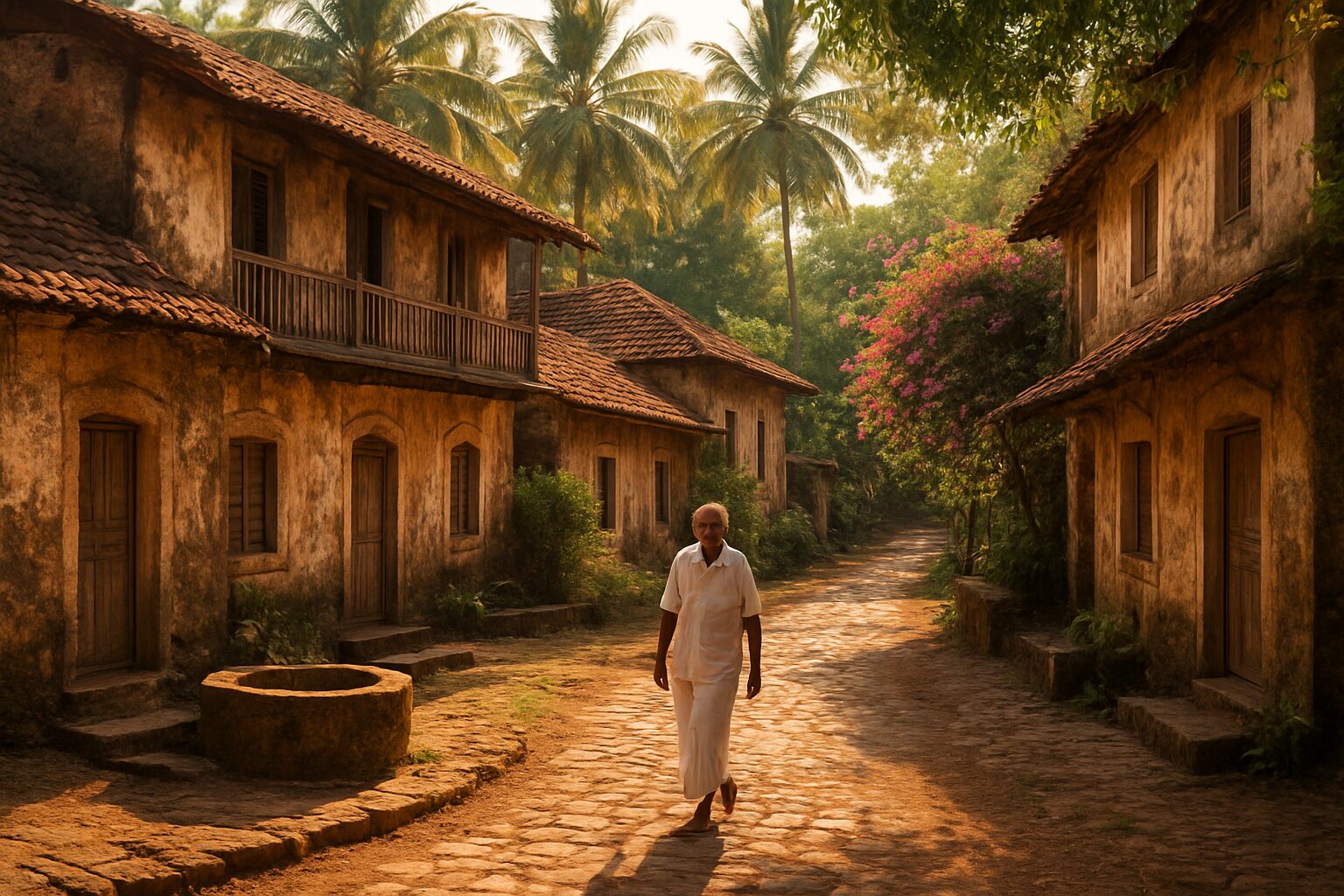
Divar Island is another magnificent hidden heritage site in India and feels like stepping through a portal into old-world Goa. Accessible only by ferry from Old Goa, this sleepy island preserves centuries-old Portuguese architecture and traditional village life. The main settlement of Piedade showcases beautifully maintained colonial houses with their distinctive red-tiled roofs and ornate balconies. Walking through the narrow lanes, you’ll encounter locals who still speak Konkani and Portuguese, maintaining customs that have remained unchanged for generations.
The island’s crown jewel is the Church of Our Lady of Compassion, built in 1700, which dominates the landscape from its hilltop position. The views from here stretch across the Mandovi River, offering breathtaking sunset panoramas. Village homes feature traditional Portuguese elements like azulejos tiles and carved wooden doors, many still inhabited by families whose ancestors settled here during colonial times. Local festivals like the Bonderam celebration showcase authentic Goan culture through music, dance, and traditional foods prepared using age-old recipes.
Wander Through Ancestral Homes in Loutolim’s Heritage Precinct
Loutolim stands as a living museum of Indo-Portuguese architecture, where grand ancestral homes tell stories spanning four centuries. The village gained prominence during Portuguese rule as wealthy merchants and landowners built magnificent mansions that blend European and Indian architectural styles. Casa Araujo Alvares, dating back to the 1590s, represents one of India’s oldest surviving Portuguese houses and showcases intricate woodwork, antique furniture, and family portraits that chronicle generations of Goan history.
The Figueiredo Mansion serves as another architectural marvel, featuring a unique collection of antiques, vintage cars, and artifacts that provide insights into colonial-era lifestyle. Local families still inhabit many of these heritage homes, offering visitors authentic interactions and stories passed down through generations. Walking tours reveal hidden courtyards, traditional kitchens with wood-fired stoves, and family chapels where private masses were conducted. The village’s layout follows Portuguese urban planning principles, with wide streets accommodating bullock carts and central squares that once hosted community gatherings.
Discover Traditional Architecture in Chandor’s Noble Mansions
Chandor village preserves some of Goa’s most spectacular examples of Indo-Portuguese residential architecture through its collection of palatial mansions. The famous Braganza House, actually two separate wings belonging to different branches of the same family, showcases opulent interiors with Belgian crystal chandeliers, Chinese porcelain collections, and Italian marble floors. Built in the 17th century, this mansion demonstrates how wealthy Goan families adapted European architectural styles to suit tropical climates and local materials.
The Menezes Braganza wing houses an extensive library with rare manuscripts and books dating back centuries, while antique furniture pieces include ornate four-poster beds and dining tables that once hosted colonial administrators. Traditional architectural features like high ceilings with exposed wooden beams, wide verandas for natural cooling, and courtyards that facilitate cross-ventilation represent ingenious adaptations to Goa’s climate. Local guides share fascinating stories about the families who built these homes, their connections to Portuguese nobility, and how they maintained their wealth through spice trading and land ownership.
Take a private guided tour of Chandor & Mansions by 5 Senses Tours.
Explore Authentic Village Culture in Aldona’s Riverside Setting
Nestled along the Mapusa River, Aldona village retains its authentic Goan character through traditional fishing communities and agricultural practices that have sustained families for generations. The village’s Portuguese-era houses feature distinctive architectural elements like oyster shell windows, carved wooden balconies, and courtyards where families gather for evening conversations. Local fishermen still use traditional nets and country boats, while their catches supply fresh seafood to village tavernas serving authentic Goan cuisine.
The Church of St. Thomas dominates the village landscape, built in 1596 and featuring beautiful baroque architecture with intricate wood carvings and gilded altars. Village life revolves around seasonal rhythms, from monsoon fishing restrictions to harvest festivals celebrating successful rice crops. Traditional occupations like palm wine tapping, pottery making, and cashew processing continue to provide livelihoods while preserving cultural practices. Local families often invite visitors to participate in cooking demonstrations, showing how to prepare traditional dishes like fish curry, sol kadhi, and bebinca using recipes passed down through generations.
Visit Magnificent Churches Beyond Basilica of Bom Jesus
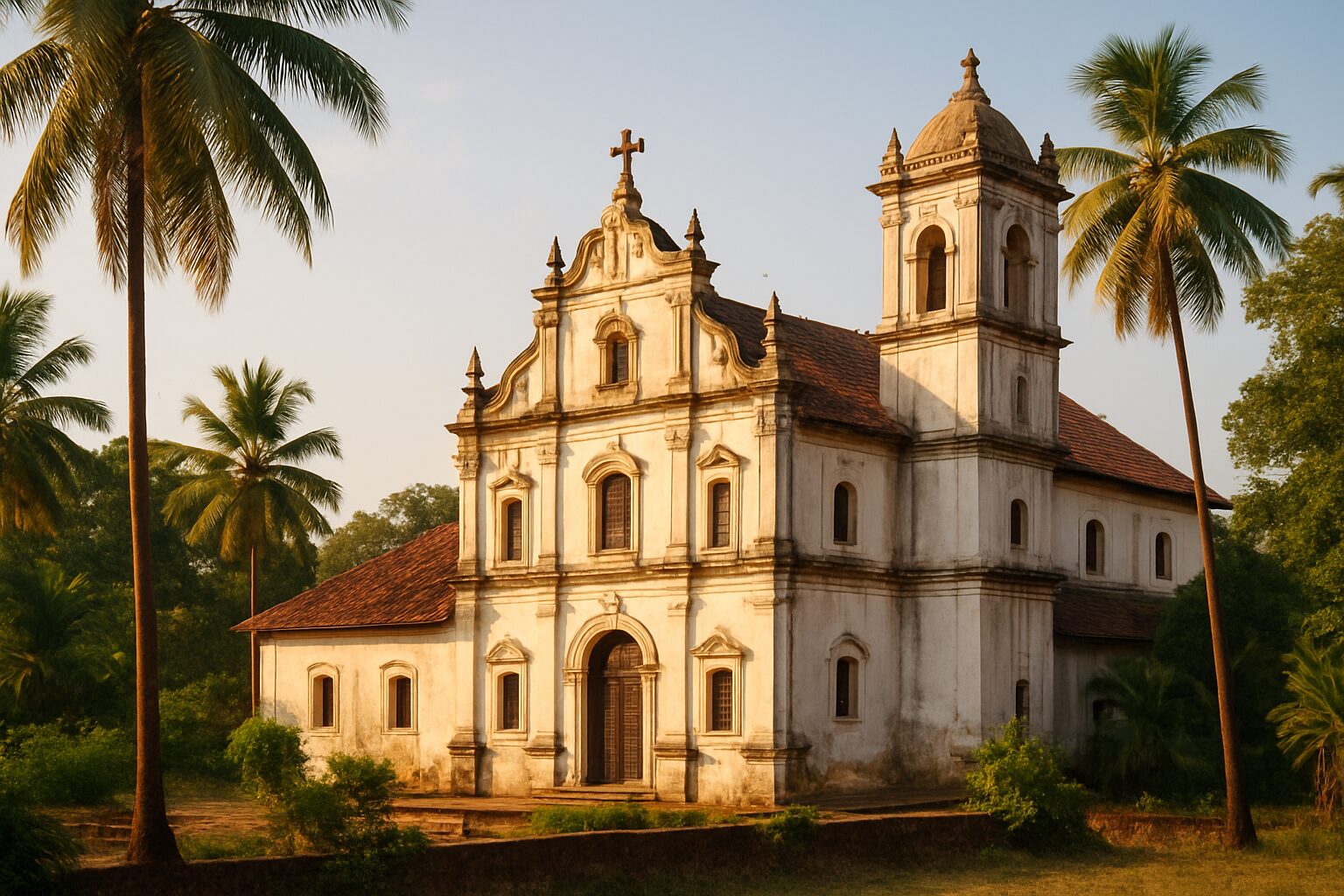
Admire Baroque Splendor at Church of Our Lady of Immaculate Conception in Panjim
Standing majestically atop a hill in Panjim, the Church of Our Lady of Immaculate Conception commands attention with its brilliant white facade and distinctive zigzag stairway. Built in 1541, this architectural marvel showcases Portuguese baroque style at its finest, with twin bell towers that have become synonymous with Goa’s skyline.
The church’s most striking feature is its dramatic staircase that climbs the hillside in multiple tiers, creating a theatrical approach that builds anticipation with every step. Originally constructed as a chapel for Portuguese sailors giving thanks for safe voyages, the structure evolved into the grand church we see today through multiple renovations and expansions.
Inside, visitors discover:
- Ornate gilded altars displaying intricate woodwork
- Beautiful paintings depicting religious scenes
- Historic artifacts dating back centuries
- Stunning views of Panjim city from the church grounds
The church bell, cast in 1871, produces one of the most melodious sounds in Goa and can be heard across the capital city. During evening hours, the illuminated facade creates a breathtaking sight that photographers and architecture enthusiasts find irresistible.
Join an immersive culture walk in Goa by 5 Senses Walks.
Discover Hidden Gem at Three Kings Chapel in Cansaulim
Perched dramatically on a hilltop in Cansaulim, the Three Kings Chapel offers one of Goa’s most spectacular panoramic views while harboring centuries of mysterious local legends. This small but significant chapel, dedicated to the Biblical Magi, sits approximately 180 feet above sea level, providing sweeping vistas of the Arabian Sea and surrounding countryside.
Local folklore adds an intriguing layer to this sacred site. Stories tell of three Portuguese kings who once ruled different parts of this region, with each king meeting a tragic end through betrayal and murder. Whether rooted in historical fact or local imagination, these tales have made the chapel a subject of fascination for both pilgrims and curious travelers.
The chapel itself features:
- Simple yet elegant Portuguese colonial architecture
- Peaceful interior perfect for quiet reflection
- Stunning sunset views that attract photographers
- Easy hiking trail leading to the summit
- Annual feast celebrations that bring the community together
The journey to reach Three Kings Chapel involves a moderate uphill walk through scenic countryside, making the destination feel like a true discovery. The effort rewards visitors with not just spiritual solace but some of the most Instagram-worthy views in South Goa, especially during golden hour when the landscape bathes in warm, ethereal light.
Experience Peaceful Worship at St. Lawrence Church in Agassaim
Tucked away in the quiet village of Agassaim, St. Lawrence Church represents authentic Goan Christianity away from tourist crowds. This 16th-century church, built around 1594, maintains its original charm through careful preservation while serving as an active center of worship for the local community.
The church’s architecture reflects the transition period when Portuguese colonial style began incorporating local Goan elements. Unlike the grander churches in Old Goa, St. Lawrence Church embraces simplicity and functionality, creating an atmosphere that encourages genuine spiritual connection rather than overwhelming visitors with elaborate decoration.
Notable features include:
- Well-preserved original wooden altars with modest ornamentation
- Traditional Goan tiles that have weathered centuries
- Peaceful cemetery grounds with historic Portuguese tombstones
- Active parish life that welcomes visitors warmly
- Beautiful natural surroundings that enhance the serene atmosphere
What makes St. Lawrence Church truly special is its authentic community feel. Sunday masses here offer visitors a chance to witness genuine Goan Catholic traditions, complete with local hymns sung in Konkani. The church serves as a social hub where generations of families have celebrated baptisms, weddings, and feast days, maintaining cultural continuity that spans over four centuries.
The surrounding village of Agassaim remains refreshingly uncommercialized, allowing visitors to experience rural Goan life alongside their spiritual journey.
Explore Archaeological Sites and Ancient Ruins
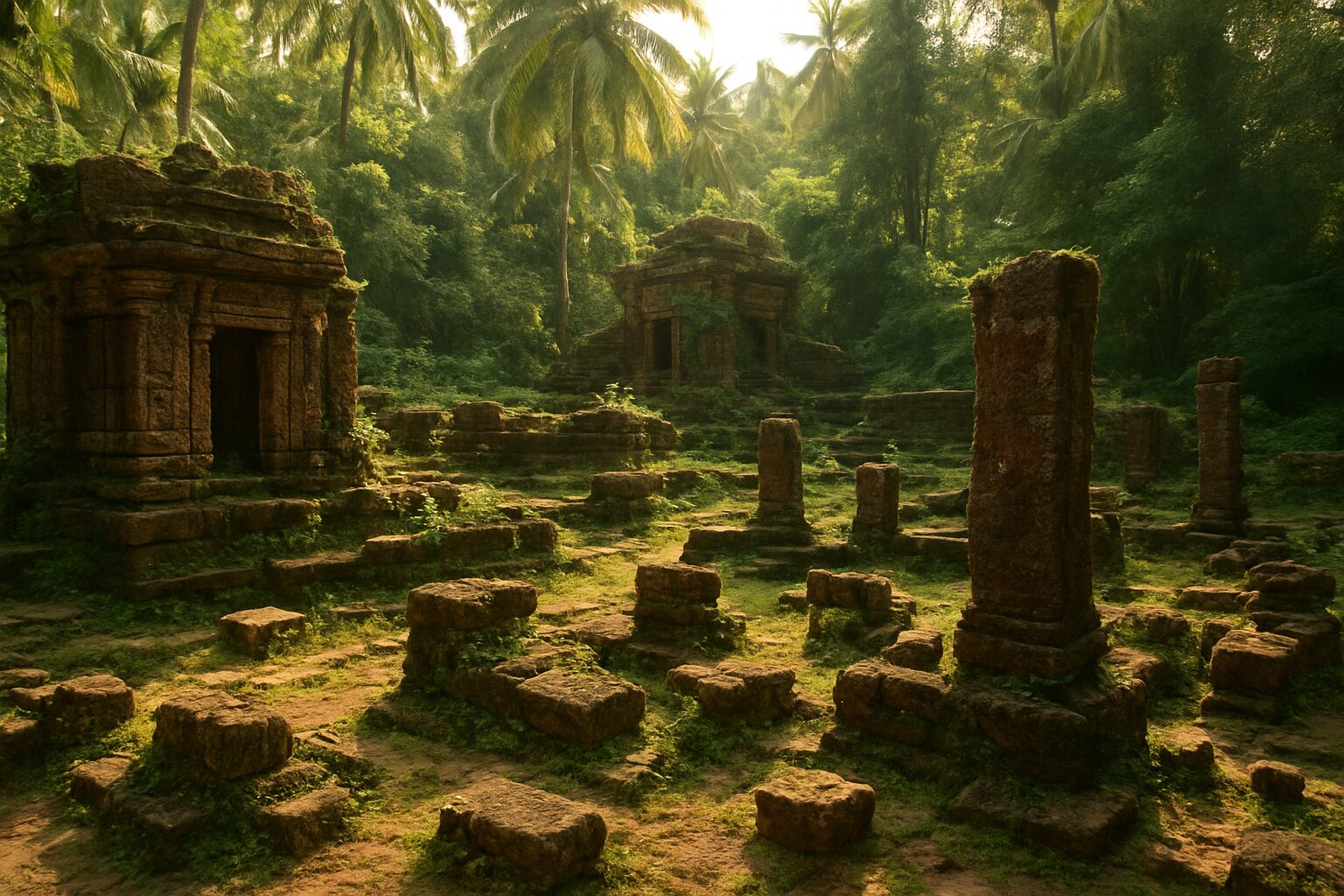
Uncover Pre-Portuguese History at Goa’s Megalithic Sites
Deep in Goa’s interior lies evidence of civilizations that existed long before Portuguese ships arrived on these shores. The megalithic sites scattered across the state reveal a fascinating chapter of prehistoric life, dating back over 2,000 years. These ancient burial grounds and ceremonial sites offer glimpses into the lives of early inhabitants who once called this coastal region home.
The most significant megalithic site sits near Pale village in Bicholim taluka, where massive stone structures called dolmens stand as silent witnesses to ancient rituals. These impressive monuments consist of large flat stones balanced on upright pillars, creating chambers that served as burial sites for important community members. Local archaeologists have uncovered pottery fragments, iron tools, and ornamental beads from these sites, painting a picture of a sophisticated society engaged in trade and craftsmanship.
What makes these sites particularly intriguing is their connection to similar megalithic cultures found across the Deccan plateau. The burial practices and stone arrangements mirror those discovered in Karnataka and Maharashtra, suggesting extensive cultural exchanges along ancient trade routes. Visiting these locations requires local guidance, as many remain unmarked and accessible only through village paths that wind through cashew groves and laterite hills.
Walk Among Stone Inscriptions at Arvalem Caves
Carved directly into laterite rock formations, the Arvalem Caves represent one of Goa’s most accessible archaeological treasures. Located near the famous Arvalem Waterfalls in North Goa, these Buddhist caves date back to the 6th or 7th century CE, predating Portuguese arrival by nearly a millennium.
The cave complex consists of five interconnected chambers, each serving different purposes in the Buddhist monastic tradition. Ancient inscriptions in Brahmi script adorn the walls, though weathering has made many difficult to decipher. These inscriptions provide valuable insights into the religious and cultural practices of early Buddhist communities in the region.
Archaeological evidence suggests these caves served as meditation retreats for Buddhist monks traveling along coastal trade routes. The strategic location near water sources and trade paths made them ideal stopping points for religious travelers. Stone platforms inside the caves likely supported wooden structures that provided shelter and storage for visiting monks.
The caves also feature intricate carvings depicting Buddhist symbols and motifs. Small stupas carved into the rock walls demonstrate the artistic skills of ancient craftsmen. Recent conservation efforts have helped preserve these delicate features while making them accessible to visitors interested in exploring Goa’s pre-colonial spiritual heritage.
Discover Ancient Trade Route Evidence at Harmal Excavations
The ongoing archaeological excavations at Harmal village have revolutionized our understanding of ancient Goa’s role in maritime trade networks. This site, located inland from the Mandovi River, has yielded artifacts spanning nearly 2,000 years of continuous human habitation.
Excavations have uncovered evidence of a thriving port settlement that connected local communities with distant trading partners across the Arabian Sea. Pottery shards from Mesopotamia, Roman coins, and Chinese ceramics found at the site demonstrate the extensive reach of ancient trading networks that passed through Goan waters.
The most exciting discoveries include remnants of ancient dock structures and warehouse foundations that reveal sophisticated harbor engineering. These findings challenge previous assumptions about the antiquity of Goa’s maritime trade connections. The site has also yielded evidence of local industries, including iron smelting workshops and bead-making centers that produced goods for export.
Recent excavations have uncovered residential areas with well-planned drainage systems and paved streets, indicating a prosperous urban center. The discovery of ancient cooking hearths, storage jars, and personal ornaments provides intimate glimpses into daily life at this important trading hub. These archaeological treasures continue to emerge as excavation work progresses, promising new revelations about Goa’s rich pre-colonial past.
Experience Living Heritage Through Local Cultural Practices
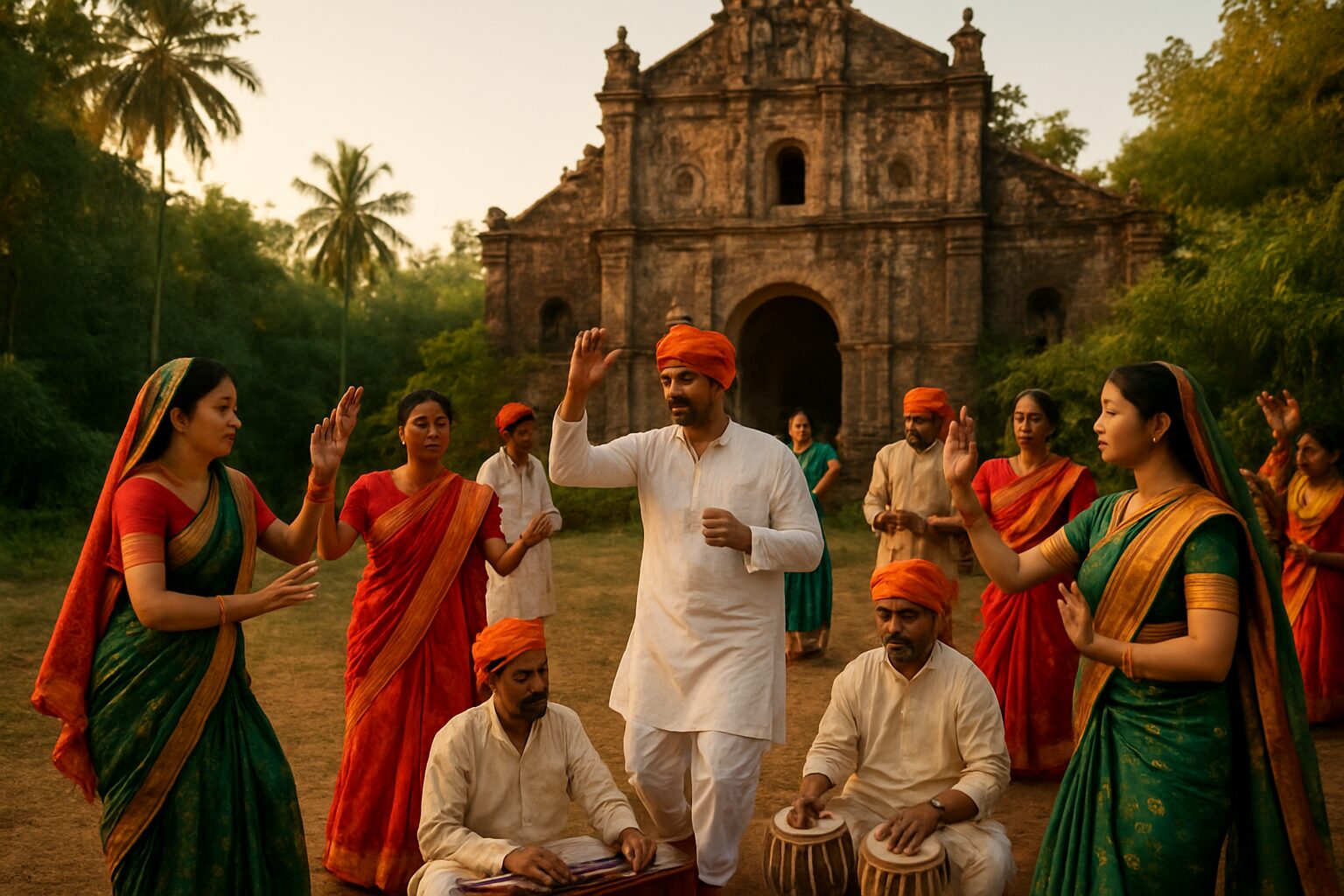
Witness Traditional Festivals in Remote Village Celebrations
Hidden away in Goa’s countryside, remote villages still celebrate ancient festivals that have remained unchanged for centuries. The Shigmo festival in villages like Siolim and Mandrem offers an authentic glimpse into pre-Portuguese Goan culture, where locals perform traditional folk dances and create elaborate street decorations using natural materials. During Sao Joao, head to the village of Sanguem to watch young men jump into wells while wearing crowns of leaves and flowers, celebrating the arrival of monsoons with rituals dating back generations.
Village temple festivals called “jatras” happen throughout the year in places like Quepem and Bicholim. These celebrations feature traditional shadow puppet shows, local musicians playing gummat drums, and dance performances that tell stories from Hindu mythology. The Bonderam festival in Divar Island showcases mock battles with colorful flags, recreating centuries-old territorial disputes in a playful manner that brings entire communities together.
Learn Ancient Crafts from Local Artisan Communities
Goan artisans in remote villages practice traditional crafts passed down through family lines for generations. In Cuncolim, master craftsmen still create intricate wood carvings using techniques learned from Portuguese colonial artisans, producing religious statues and decorative furniture with hand tools unchanged since the 16th century. The village of Loutolim hosts families who specialize in traditional tile-making, creating the distinctive red clay roof tiles that define Goan architecture.
Visit Savoi Verem to meet basket weavers who use locally grown bamboo and palm leaves to create functional art pieces. These artisans work without modern machinery, relying on skills taught by their grandparents. In Marcel, pottery families still throw clay on traditional wheels, creating water pots and cooking vessels using ancient firing techniques.
Many artisans welcome visitors into their workshops, offering hands-on experiences where you can learn basic techniques while supporting local economies directly.
Taste Heritage Recipes in Family-Run Traditional Kitchens
Family kitchens across rural Goa preserve culinary traditions that blend indigenous ingredients with Portuguese influences in ways commercial restaurants rarely achieve. In Chandor village, local families prepare authentic bebinca using recipes passed down orally for over 400 years, layering coconut milk and palm jaggery with patience and precision that takes hours to complete.
Village homes in Aldona serve traditional fish curry made with kokum and coconut ground on stone mills, creating flavors impossible to replicate with modern appliances. Home cooks still prepare sorpotel using age-old preservation methods, fermenting pork with vinegar and spices in clay pots that add earthy undertones to this beloved dish.
Contact local tourism cooperatives to arrange meals with village families who open their homes to visitors. These experiences include watching the entire cooking process, from selecting spices at local markets to grinding masalas on traditional stone platforms, providing insights into daily life that hotels and restaurants cannot offer.
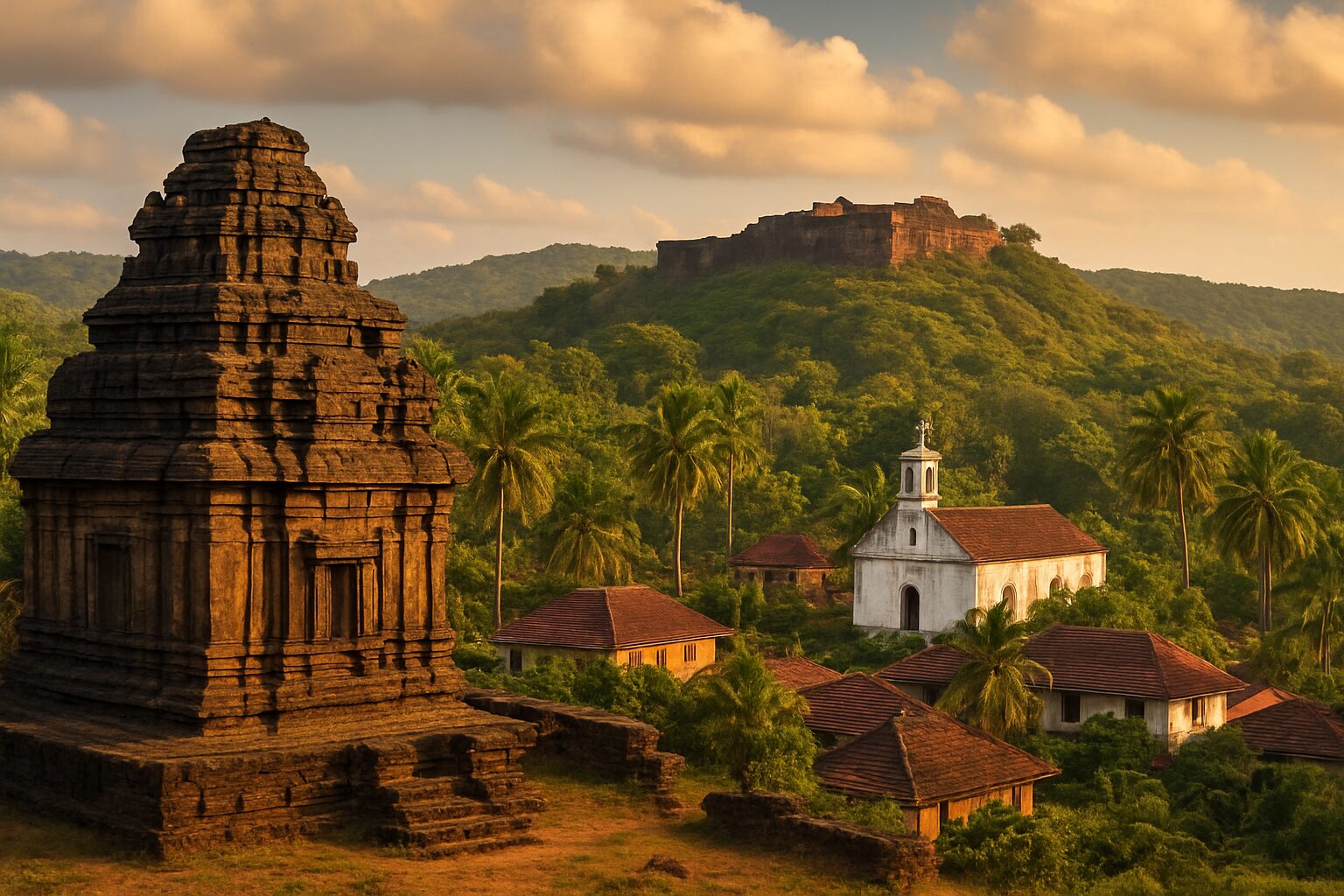
Goa’s hidden heritage treasures offer incredible experiences that most travelers never discover. From ancient temples tucked away in remote corners to forgotten Portuguese forts standing guard over empty beaches, these sites tell stories that go far deeper than the usual tourist trail. The heritage villages still practice age-old traditions, while archaeological ruins whisper secrets of civilizations that thrived here centuries ago.
Your next trip to Goa doesn’t have to follow the same old path everyone else takes. Pack your sense of adventure and head out to explore these lesser-known gems. Talk to locals, hire a guide who knows the back roads, and give yourself time to really soak in the history. These hidden sites aren’t just about taking photos – they’re about connecting with the real soul of Goa that’s been waiting patiently for curious travelers like you to find it.
Leave a Reply