
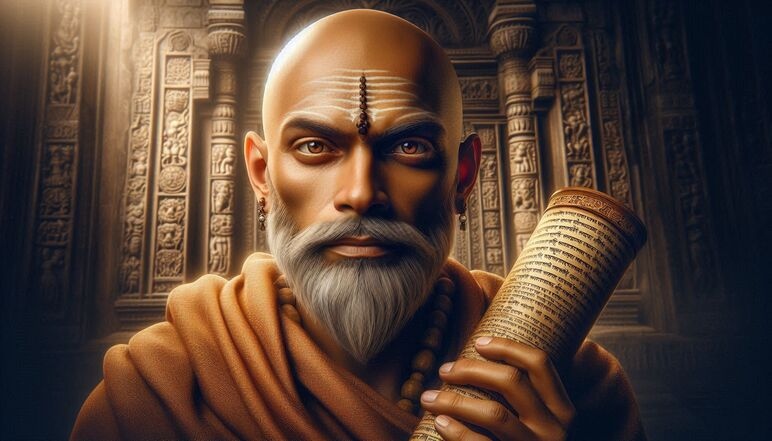
321 BCE. A vengeful Brahmin scholar shaves his head and unleashes 6,000 sutras of statecraft to forge Asia’s largest empire. Chanakya Arthashastra Spy Thriller is a complete spy novel that immerses you in Chanakya’s shadow war against Greek satraps and Nanda tyrants—seduction, poison, black-painted elephants, and invisible spy networks. Read on if you crave ancient India’s untold intrigue.
Book Pataliputra Mauryan Empire Tours →
Prologue: The Razor’s Oath

Pataliputra’s ancient wrestling pits baked under Magadha’s brutal sun.
Dust swirled like betrayed spirits as young Chandragupta, wiry, feral-eyed, sixteen summers hardened by shepherd trails—dodged a brute’s meaty grapple. The ox-necked wrestler outweighed him by three puras, but Chandragupta hooked his leg with cobra precision and slammed him face-first into cracked clay.
Villagers gasped. Women clutched clay lotas. A one-eyed drummer beat a frantic rhythm on stretched goat skin.
From a banyan ridge overlooking Mauryan Empire history tours, Chanakya watched intently, his scalp freshly shaved to blood after Nanda king Dhana Nanda’s courtly insult: “Beggar-scholar!” Arthashastra sutra 1.15 seared his mind: Activity births wealth; idleness devours it completely.
His gudhapurusha spy materialized silently from tamarind shade, copper bangles clinking softly. “That boy carries the seed of a Mauryan Empire,” Chanakya hissed, his eyes never leaving the wrestling pit. “Greek satraps grow fat and complacent after Alexander’s death. Forge him with the four upayas: sama through conciliation, dana through gifts, bheda through discord, and danda through force.”
The spy nodded, committing every word to memory. Chanakya’s razor oath was struck: Nanda falls. Magadha rises from its ashes.
Chapter 1: Cave of 6,000 Sutras

Magadha’s dripping cave flickered with sesame lamps four years later.
Chandragupta knelt on cold stone, his palms scarred from endless poison drills, sweat stinging his eyes. Chanakya—shaven skull gleaming like polished bronze—unrolled brittle palm-leaf maps across the uneven floor.
“Punjab’s Greek outposts bleed supplies daily,” Chanakya rasped, stabbing his finger at Taxila. “Peithon starves his warhorses. Eudemus drills phalangites under Deccan heat. Send udayaka spies disguised as Hyrcanian traders. Bribe Peithon’s cupbearer with peacock tongues and whisper mutiny to Eudemus’s Arachosian levies.”
Chandragupta traced the secret routes with his finger, committing them to memory. “And the elephants?” he asked.
Chanakya’s smile cut through the shadows. “Paint five hundred of them black for the dusk battle. Elephants terrify horses. This comes straight from Arthashastra Book 10.”
“Yoga-kshema governs all,” Chanakya preached as monsoon rains hammered the cave mouth. “Tax guilds when their wealth ripens like fruit. Let spies feast on profits from salt monopolies, pearl divers, and lapidary secrets.” Four relentless seasons ground Arthashastra’s 6,000 sutras into the boy. A blade emerged where a shepherd once knelt.
Explore Chanakya’s Pataliputra Training Grounds →
Chapter 2: Monsoon Seductress

305 BCE. Monsoon rains drowned the Greek frontier camps near Sangala.
Mud rivers swallowed supply carts whole. Amara—Chanakya’s tikshna dancer with peacock eyes and kohl-rimmed daggers slipped past waterlogged sentries. Her veena case concealed datura vials and asp venom.
Peithon’s command tent reeked of wet wool and sour wine. Amara entered disguised as a Kamboja nautch-girl. Her Yaman raga poured from the strings like honeyed venom. The satrap’s Thracian aide leaned close, his beard dripping with rainwater. “Play Malika,” he slurred through broken teeth.
Her fingers danced across the strings. Her voice purred like a temple cat: “Defect to Magadhan gold, or dissolve in monsoon mud.” Datura dust powdered his wine bowl. By the third raga, he babbled troop dispositions, phalanx gaps, and grain rot.
Dawn fractured the camps with mutiny whispers.
Hill Malavas rained tamarind-poisoned arrows from the treetops. Five hundred elephants tusks strapped with Greek fire jars thundered from the jungle. Painted black as midnight, they materialized from the storm like Yama’s own horde. Phalangites drowned in panic, their sarissas useless in the sucking mud. Arthashastra Book 12 proved true: illusion crushed steel every time.
Chapter 3: The Ivory Gambit

Pataliputra’s Kumhrar gates groaned open two summers later.
Seleucus Nicator’s envoys—ragged from crossing Hindu Kush—bowed stiffly before the throne dais. “Five hundred elephants for Kabul, Arachosia, Gedrosia—and a bride?” their Bactrian interpreter stammered, sweat beading on his forehead.
From the shadows of a lacquer screen, Chanakya signaled sama—conciliation during Mauryan palace tours. Chandragupta—broadened by kingship, his shepherd frame now filled with imperial muscle—nodded once. “Done.”
The 303 BCE treaty carved a Mauryan colossus from Bengal to Deccan, Sindh to Vindhyas. Seleucus departed with his ivory thunder. Chanakya immediately dispatched tikshna courtesans to Babylon. Book 13, Verse 5: Secure peace through secured women.
Greek satraps became Mauryan tributaries overnight. Pataliputra’s forges rang with victory songs.
Chapter 4: Harem Venom

The zenana whispered jasmine intrigue beneath monsoon moons.
Helena—Seleucus’s golden-tressed envoy-kin with sapphire eyes that clashed with Mauryan peacocks—paced beside the lotus pool. By brazier glow, she confessed in a trembling voice: “Phalanxes mire in these endless rains. Father Seleucus curses the Ganga mud.”
Chandragupta approached through the Champaka grove. Helena’s handmaiden vanished silently into the bamboo thicket. Forbidden trysts kindled beneath the ancient banyan witness. A Mauryan prince swelled in her womb—the first Indo-Hellenic dynasty fused through passion and poison.
A Nanda loyalist struck at midnight.
The curry arrived laced with powdered viper venom. Book 14’s antidote waited in Chanakya’s sleeve. Helena dove across the ebony table, shattering the chalice. “Your steel-seed lives,” Chanakya murmured, watching the shadows carefully.
The harem’s spy network tripled overnight.
Discover Pataliputra Zenana Secrets Tours →
Chapter 5: Canal Confessions

Kumhrar palace canals ran black with captured secrets.
Thirty-two spy-types like satri merchants, tikshna courtesans, udayaka ascetics, gudhapurusha shadow-dwellers, pressed their ears to the weeping brickwork. The Greek mapmaker Vishwakarma finally broke under thumbscrews: “Ambush the Ganga barges at Chunar ghat. Seleucus ships Parthian cataphracts upriver.”
Chanakya ruled from his lotus throne: “Dharma must temper artha in all things.” The mapmaker walked free, his tongue sweetened with honey and turned into a loyal guildmaster. Canals greened the fields. Varta-caravans thrummed with lapis from Badakshan, coral from the southern seas, and tamarind from the jungle kingdoms.
Pataliputra breathed life through its hidden spy veins.
Chapter 6: Nanda’s Fall

Girivraja, 321 BCE. Chanakya’s bheda-gold splintered the Nanda generals.
His udayaka poisoners struck the wine jars at midnight feasts. Tikshna concubines whispered discord in perfumed bedchambers. The twilight climax erupted: five hundred black-painted elephants reaped Nanda legions like Death’s own scythe. Trumpets summoned jungle demons from the mist. Phalangites hurled sarissas desperately at charging shadows.
Dhana Nanda knelt in his shattered court, the peacock throne splintered beneath him. Chanakya’s blade hovered at the tyrant’s throat: “Empire whispers louder than any sword ever swung.” Pataliputra flowered into imperial glory—moat-parks bloomed, guildhalls rose, and canals laced the city with invisible spies.
Discover Immersive Culture Walks →
Chapter 7: Shadow Queen

Helena received her crown amid Ganga fireworks, giving birth to prince Vishnu.
Harem-spies foiled a Bengali coup before dawn prayers. Elephants pulped the traitors in the maidan dust. “Shadows rule all empires,” Chanakya intoned from the belvedere, watching the peacock throne pass to the first Indo-Hellenic heir.
The Mauryan colossus breathed with imperial vigor.
Guilds minted punch-marked silver karshapanas. Varta-caravans ferried lapis from Badakshan and pearls from Tamraparni. Canals irrigated Deccan black soil. Spymasters mapped Greek satrapies all the way to Kabul’s snow peaks.
Epilogue: Eternal Whispers

Mauryan canals murmured ancient secrets as Ashoka etched Chanakya’s upayas on the Allahabad pillars.
Banyan groves whispered riddles through the ages: Did Chanakya’s Nanda “fever” come from viper venom or a traitor’s gold bribe? Was Helena’s steel-seed truly Seleucus’s blood, or did some Parthian mystery linger in her sapphire veins?
The razor oath proved Arthashastra‘s eternal truth: empires rise first in determined minds, not on blood-soaked battlefields. Pataliputra’s shadow networks pulsed through millennia, invisible but eternal.
The End.
Leave a Reply