
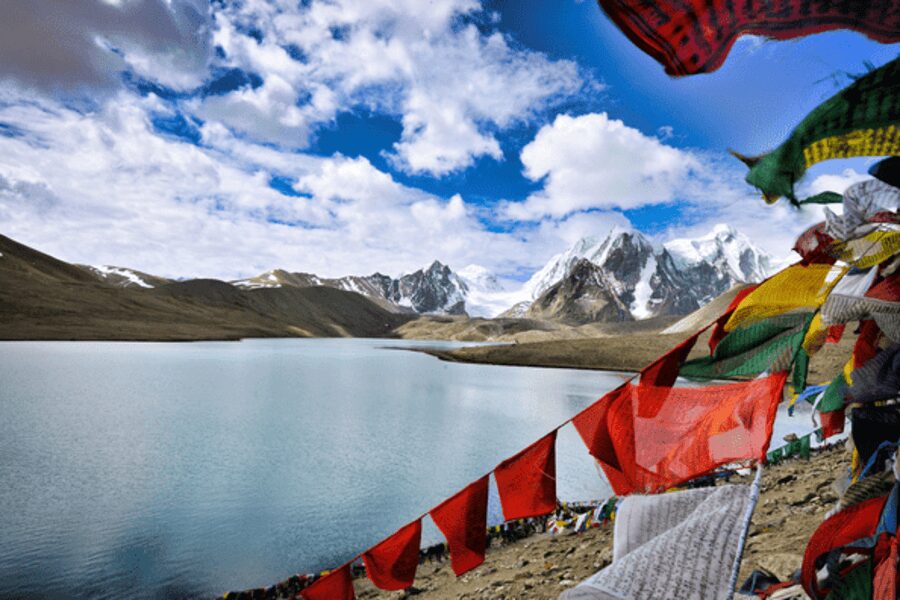
The eastern Himalayas hold many secrets, but few places reveal them as gently as Sikkim. Mist rises slowly from deep valleys, prayer flags flutter across mountain passes, and ancient monasteries watch over small villages where traditions continue much as they have for centuries.
For travelers searching for authentic Himalayan experiences, Sikkim offers something increasingly rare in modern tourism — a destination where culture, nature, and everyday life remain deeply intertwined.
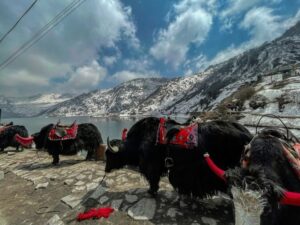
Unlike many Himalayan regions that have been reshaped by mass tourism, Sikkim has preserved a delicate balance between visitors and local life. Travelers who venture here often discover that the real beauty of the region is not only in its dramatic landscapes but also in its quiet villages, organic farms, and centuries-old spiritual traditions.
This guide explores the best of Sikkim — from hidden villages and monastery heritage to immersive farm stay experiences that reveal the true soul of the Himalayas.
👉Explore Sikkim over 5 days and stay in a farm
Why Sikkim Is One of the Most Unique Himalayan Destinations
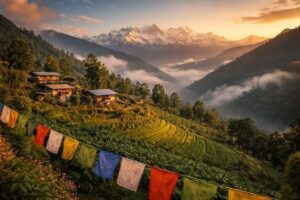
Despite being one of India’s smallest states, Sikkim sits at a remarkable cultural and geographical crossroads. The region is bordered by Nepal, Bhutan, and China (Tibet), creating a fascinating blend of Himalayan traditions.
Towering above the landscape is Kangchenjunga, the third highest mountain in the world. For locals, the mountain is far more than a dramatic skyline — it is considered sacred, a guardian spirit of the land.
Sikkim’s cultural identity reflects this spiritual connection with nature. Buddhism shapes much of the region’s architecture, festivals, and daily rituals. Monasteries sit on forested hills, prayer wheels line village paths, and monks chant prayers that echo through mountain valleys.
This deep spiritual heritage, combined with extraordinary biodiversity, makes Sikkim one of the most fascinating Himalayan destinations for travelers interested in culture, nature, and meaningful journeys.
Experiential Travel in Sikkim: A Different Way to Explore the Himalayas
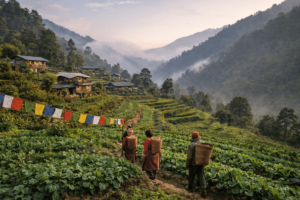
Modern travel trends increasingly show a shift toward experiential tourism. Instead of simply visiting landmarks, travelers want to engage with local communities, learn traditional lifestyles, and experience destinations beyond the surface.
Sikkim is perfectly suited for this approach.
In 2016, the state became India’s first fully organic state, banning chemical fertilizers and pesticides across its agricultural land. This transformation reshaped farming practices and opened new opportunities for sustainable tourism.
Today, many travelers visit Sikkim not just for its landscapes but for experiences such as:
• Staying in traditional Himalayan homes
• Learning about organic farming
• Participating in village life
• Exploring remote monasteries
• Walking through forests and cardamom fields
These experiences offer something that typical sightseeing rarely provides — a genuine connection with the place and its people.
Discovering Village Life in the Himalayas

One of the most memorable aspects of travelling in Sikkim is experiencing daily life in its villages.
Imagine waking in a quiet Himalayan settlement where clouds drift through the valley below. Farmers begin their day tending to vegetable gardens and cardamom plantations while the scent of wood fires rises from traditional kitchens.
Life here follows rhythms shaped by nature.
Many villages still rely on small-scale agriculture, cultivating crops such as maize, buckwheat, vegetables, and the region’s famous large cardamom. Families grow much of their own food, and seasonal harvests remain important community events.
For travelers seeking authentic village experiences in Sikkim, these rural areas reveal a side of the Himalayas that most tourists never see.
Yuksom: The Historic Gateway to Sikkim
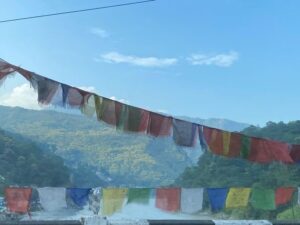
Among the most historically significant places in the region is the village of Yuksom.
Hidden within forested hills in western Sikkim, Yuksom was once the first capital of the kingdom of Sikkim. Today it remains a peaceful village surrounded by dense forests and towering mountains.
Yuksom is also the starting point for treks into the extraordinary Khangchendzonga National Park, a UNESCO World Heritage site known for its rare wildlife and pristine Himalayan ecosystems.
Visitors to Yuksom often enjoy:
• Forest walks and mountain trails
• Visits to sacred Buddhist landmarks
• Cultural interactions with local communities
• Quiet village life far from crowded tourist centers
The atmosphere here feels almost timeless.
Pelling: Himalayan Views and Monastery Heritage
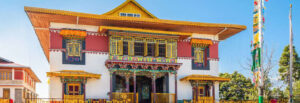
A short drive from Yuksom lies the scenic hill town of Pelling, known for its spectacular views of the Himalayan range.
On clear mornings, the snow peaks of Kangchenjunga appear close enough to touch.
Pelling is also home to one of Sikkim’s most important spiritual landmarks, Pemayangtse Monastery. Founded in the 17th century, this monastery is a major center of Buddhist learning and religious tradition.
Nearby lie the historic Rabdentse Ruins, the remains of Sikkim’s second capital. The ruins sit on a forested ridge overlooking deep valleys and distant mountains, creating one of the most atmospheric historical sites in the Himalayas.
Hidden Villages of West Sikkim
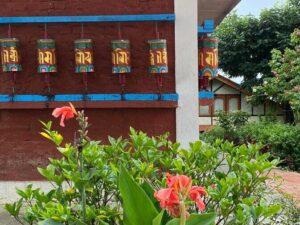
Beyond the well-known towns lies the quieter side of Sikkim — remote villages where traditional lifestyles remain largely unchanged.
These communities are often surrounded by:
• Terraced farms
• Dense Himalayan forests
• Small monasteries and shrines
• Walking paths connecting scattered homes
Travelers who explore these areas discover what many consider the most rewarding part of visiting Sikkim.
Village walks may lead through fields of vegetables, across wooden bridges over mountain streams, and into homes where families welcome visitors with tea and stories.
For those searching offbeat places to visit in Sikkim, these villages reveal a world of calm beauty and cultural depth.
The Growing Popularity of Farm Stays in Sikkim
One of the best ways to experience rural life in the Himalayas is through farm stays.
Instead of staying in conventional hotels, travelers live with local families and share in their daily routines.
Farm stay experiences often include:
Organic Himalayan Food
Meals are prepared using ingredients grown locally.
Visitors often enjoy:
• Fresh vegetable dishes
• Traditional buckwheat pancakes
• Homemade pickles and fermented foods
• Herbal teas made from mountain plants
Because agriculture in Sikkim is organic, the flavors are remarkably fresh and natural.
Farming Experiences
Guests sometimes participate in seasonal farm activities such as harvesting vegetables or learning about cardamom cultivation.
Large cardamom is one of Sikkim’s most important crops and thrives in the cool mountain climate.
Cultural Exchange
Evenings are often spent sharing stories with host families, learning about local festivals, Buddhist traditions, and village life.
These interactions create meaningful connections that stay with travelers long after their journey ends.
Best Time to Visit Sikkim
Sikkim offers different experiences throughout the year.
Spring (March – May)
Rhododendron forests bloom across the mountains, making this one of the most colorful seasons.
Autumn (September – November)
Clear skies reveal breathtaking views of Kangchenjunga and surrounding Himalayan peaks.
Winter (December – February)
Villages become peaceful and quiet, with occasional snowfall in higher elevations.
Each season offers its own perspective on Himalayan life.
How Travelers Reach Sikkim
Most international travelers begin their journey in Kolkata before flying to Bagdogra Airport, the main gateway to the region.
From Bagdogra, a scenic drive leads into the mountains. Roads pass through tea gardens, river valleys, and forested hills before climbing toward Sikkim’s highlands.
The transition from busy plains to peaceful Himalayan landscapes is part of the journey’s magic.
Experience Authentic Himalayan Village Life
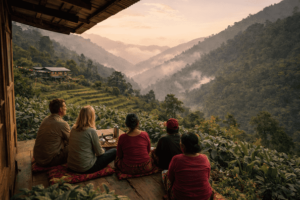
For travelers who wish to explore beyond the usual tourist routes, immersive journeys through rural Sikkim offer a deeper connection to the region.
Our Sikkim village experience takes travelers into the heart of West Sikkim, where they can stay on an organic Himalayan farm, explore monastery heritage, and walk through quiet mountain villages.
You can learn more about the experience here:
👉Explore Sikkim over 5 days and stay in a farm
This journey is designed for travelers looking to experience the Himalayas slowly and meaningfully — through food, culture, and everyday life in the mountains.
The Quiet Magic of Sikkim

Some destinations impress travelers instantly with dramatic sights and famous landmarks.
Sikkim reveals itself differently.
Its beauty unfolds gradually — in the sound of prayer wheels turning in monastery courtyards, in the laughter of villagers harvesting crops, and in the peaceful silence of Himalayan valleys.
For those seeking authentic experiences in the Himalayas, Sikkim offers something extraordinary: not just a place to visit, but a place to understand.
And often, a place that quietly calls travelers back again.
For immersive culture walks in India visit 5 Senses Walks.
Leave a Reply