
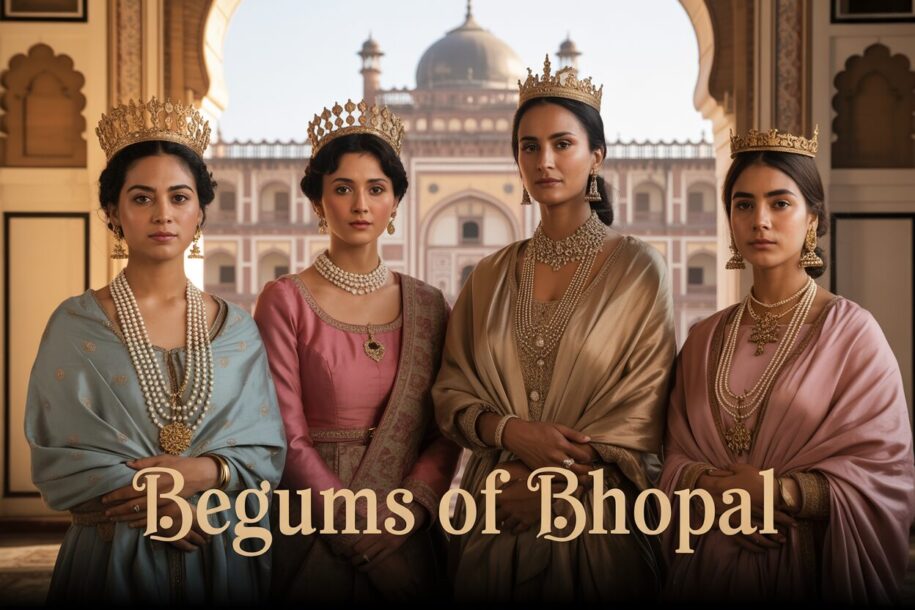
The Begums of Bhopal were four remarkable women who ruled the princely state of Bhopal for over a century, making it unique in Indian history for its continuous female leadership from 1819 to 1926.
This story will thrill anyone curious about how these Muslim women rulers shaped their kingdom while navigating British colonial pressures.
We’ll explore how Qudsia Begum broke traditional barriers to establish female rule in a male-dominated world, examine Shah Jahan Begum’s ambitious building projects that transformed Bhopal’s landscape, and discover Sultan Jahan Begum’s progressive reforms that brought modern education and women’s rights to her state decades before other Indian regions embraced such changes.
For a guided private tour of Bhopal, please visit Immersive experience in Bhopal.
Rise of Female Leadership in 19th Century Bhopal
Breaking Traditional Gender Barriers in Princely States
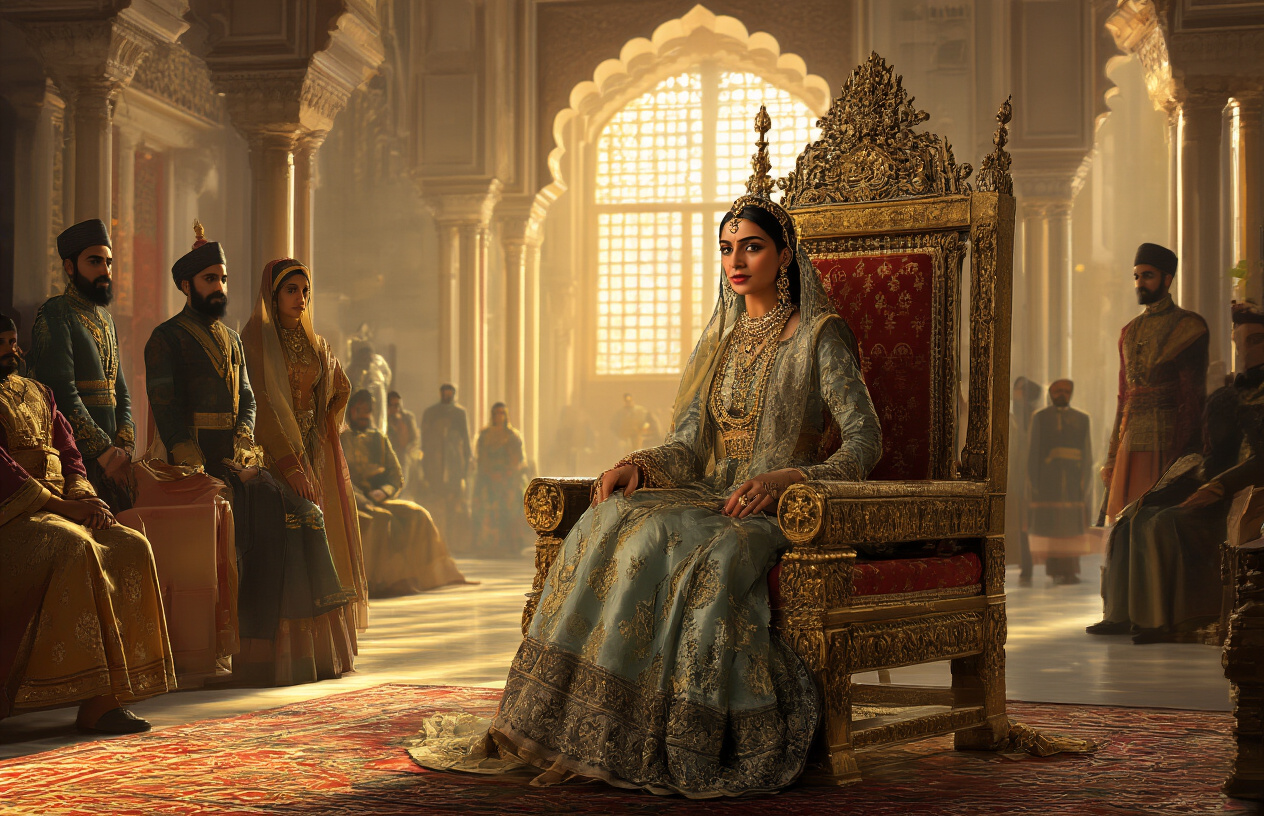
The Indian subcontinent in the 19th century operated under strict patriarchal systems where women rarely held political power. Royal women typically remained behind palace walls, their influence limited to the zenana (women’s quarters) and family matters. Most princely states followed rigid succession laws that passed power exclusively through male heirs, making female rulers extraordinary exceptions to the norm.
Bhopal’s emergence as a matriarchy challenged these deeply entrenched social norms. While other kingdoms struggled with the concept of women in governance, Bhopal demonstrated that female leadership could be both effective and transformative. The Begums didn’t just inherit titles – they actively governed, made military decisions, implemented reforms, and engaged in diplomacy with the British Empire and neighboring states.
This shift represented more than political change; it reflected a fundamental reimagining of gender roles within Islamic and Indian contexts. The Begums skillfully navigated religious and cultural expectations while asserting their authority, proving that traditional beliefs could adapt to accommodate capable female leadership without compromising legitimacy or respect.
Political Circumstances That Enabled Women Rulers
Several unique factors converged to create the conditions for female rule in Bhopal. The death of Nawab Wazir Mohammad Khan in 1807 left his young daughter Qudsia as heir, with no surviving male relatives to claim succession. This absence of male claimants eliminated the usual opposition that prevented women from ascending to power in other states.
The British East India Company’s pragmatic approach to governance played a crucial role. Rather than impose external rulers or annex the territory, British officials recognized that supporting the existing line – even if female – would ensure stability and continued cooperation. The Company valued reliable allies over adherence to traditional gender norms, especially in strategically important regions like central India.
Bhopal’s military strength and economic resources provided the Begums with the means to maintain their authority. The state controlled important trade routes and possessed a well-trained army, giving the rulers leverage in negotiations with both British officials and neighboring princes. This economic and military foundation allowed the Begums to govern from a position of strength rather than dependence.
Unique Position of Bhopal Among Indian Kingdoms
Bhopal stood apart from other princely states through its distinctive blend of Islamic governance and progressive policies. While maintaining Islamic law and customs, the Begums demonstrated that religious orthodoxy didn’t preclude effective female leadership. They successfully balanced traditional expectations with innovative approaches to administration, education, and social reform.
The state’s strategic location in central India made it a crucial buffer between British territories and independent kingdoms. This geographic advantage allowed Bhopal to maintain greater autonomy than many other princely states. The Begums leveraged this position to negotiate favorable terms with the British while preserving their sovereignty and cultural identity.
Unlike other Indian kingdoms where female rulers faced constant challenges to their legitimacy, Bhopal’s subjects and nobility generally accepted and supported their Begums. This acceptance stemmed partly from the rulers’ demonstrated competence and partly from the absence of viable male alternatives. The Begums’ success in maintaining order, prosperity, and territorial integrity validated their rule and established precedents that sustained the matriarchy for over a century.
The architectural and cultural achievements of the Begums also distinguished Bhopal from its contemporaries. Their construction projects, educational initiatives, and patronage of arts created a legacy that enhanced the state’s reputation and demonstrated the positive outcomes of female leadership in the region.
Qudsia Begum: The Pioneer Who Established Female Rule
Path to Power After Her Husband’s Death
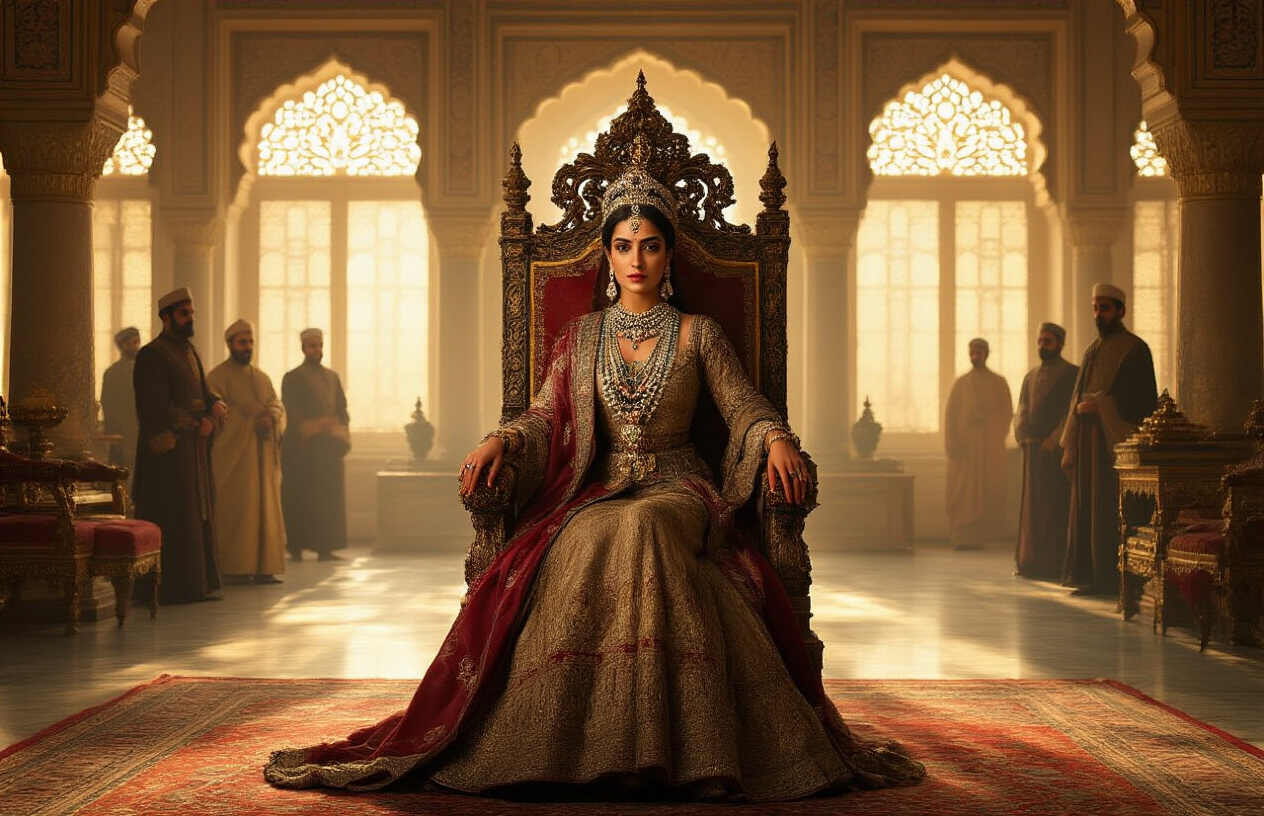
When Nawab Yar Muhammad Khan died unexpectedly in 1777, his young widow Qudsia Begum faced an empire in turmoil. The Bhopal state was riddled with debt, threatened by neighboring powers, and plagued by internal strife. Most expected the traditional male succession to take over, but Qudsia Begum had different plans. She maneuvered skillfully through the complex web of court politics, using her intelligence and diplomatic skills to secure her position as regent for her young daughter.
The transition wasn’t smooth. Several nobles challenged her authority, viewing female leadership as unprecedented and potentially disastrous. Qudsia Begum responded by forming strategic alliances with key military commanders and tribal leaders. She demonstrated remarkable political acumen by offering incentives to potential rivals while systematically removing those who posed genuine threats to her rule. Within two years, she had consolidated power and established herself as the de facto ruler of Bhopal.
Administrative Reforms and Modernization Initiatives
Qudsia Begum understood that lasting power required more than political maneuvering—it demanded effective governance. She implemented sweeping administrative reforms that transformed Bhopal’s bureaucratic structure. The revenue system, previously chaotic and corrupt, underwent complete reorganization. She established standardized tax collection methods and appointed competent officials based on merit rather than hereditary privilege.
Her modernization efforts extended beyond administration. Recognizing the importance of infrastructure, she initiated road construction projects that connected remote villages to major trading centers. These roads not only improved commerce but also strengthened her control over distant territories. She also established new markets and encouraged artisans and merchants to settle in Bhopal, diversifying the state’s economy beyond agriculture.
Education became another priority. Qudsia Begum founded several schools and libraries, understanding that an educated populace would contribute to the state’s long-term prosperity. She personally oversaw the construction of madrasas and sponsored scholars who could advance Islamic learning in the region.
Strategic Alliances with British Colonial Powers
The East India Company’s growing influence in central India presented both opportunities and challenges for Qudsia Begum. Rather than resist British expansion, she chose pragmatic engagement. She recognized that alignment with British interests could provide protection against aggressive neighbors like the Marathas and Mysore.
Her diplomatic correspondence with British officials reveals a sophisticated understanding of colonial politics. She offered military support during conflicts, provided safe passage for British troops, and ensured that trade routes through Bhopal remained secure. In return, the British acknowledged her sovereignty and provided military assistance when neighboring states threatened Bhopal’s borders.
This relationship proved mutually beneficial. The British gained a reliable ally in a strategically important location, while Qudsia Begum secured external protection that allowed her to focus on internal development. She carefully balanced this alliance, maintaining enough independence to preserve Bhopal’s Islamic identity while gaining the advantages of British protection.
Foundation for Future Female Succession
Perhaps Qudsia Begum’s most enduring legacy was establishing the precedent for female rule in Bhopal. She didn’t simply hold power temporarily—she institutionalized women’s right to govern. When her daughter Gauhar Begum came of age, Qudsia Begum ensured a smooth transition that cemented female succession as the new normal.
She created legal and cultural frameworks that legitimized women’s authority in Islamic governance. Through careful scholarship and religious consultation, she demonstrated that female leadership was compatible with Islamic principles when circumstances warranted it. This theological and legal groundwork proved essential for her successors.
The administrative systems she established were designed to function effectively under female leadership. She promoted women to key positions in the palace administration and created networks of female advisors who could support future female rulers. Her court became a center where women could exercise real political influence, setting a precedent that would define Bhopal for the next century.
By the time of her death in 1819, Qudsia Begum had transformed not just Bhopal’s political landscape but its entire conception of leadership. The state she left behind was financially stable, administratively efficient, and diplomatically secure—ready for the remarkable dynasty of female rulers who would follow in her footsteps.
Sikandar Begum: Expanding Territory and Influence
Military Campaigns and Territorial Acquisitions
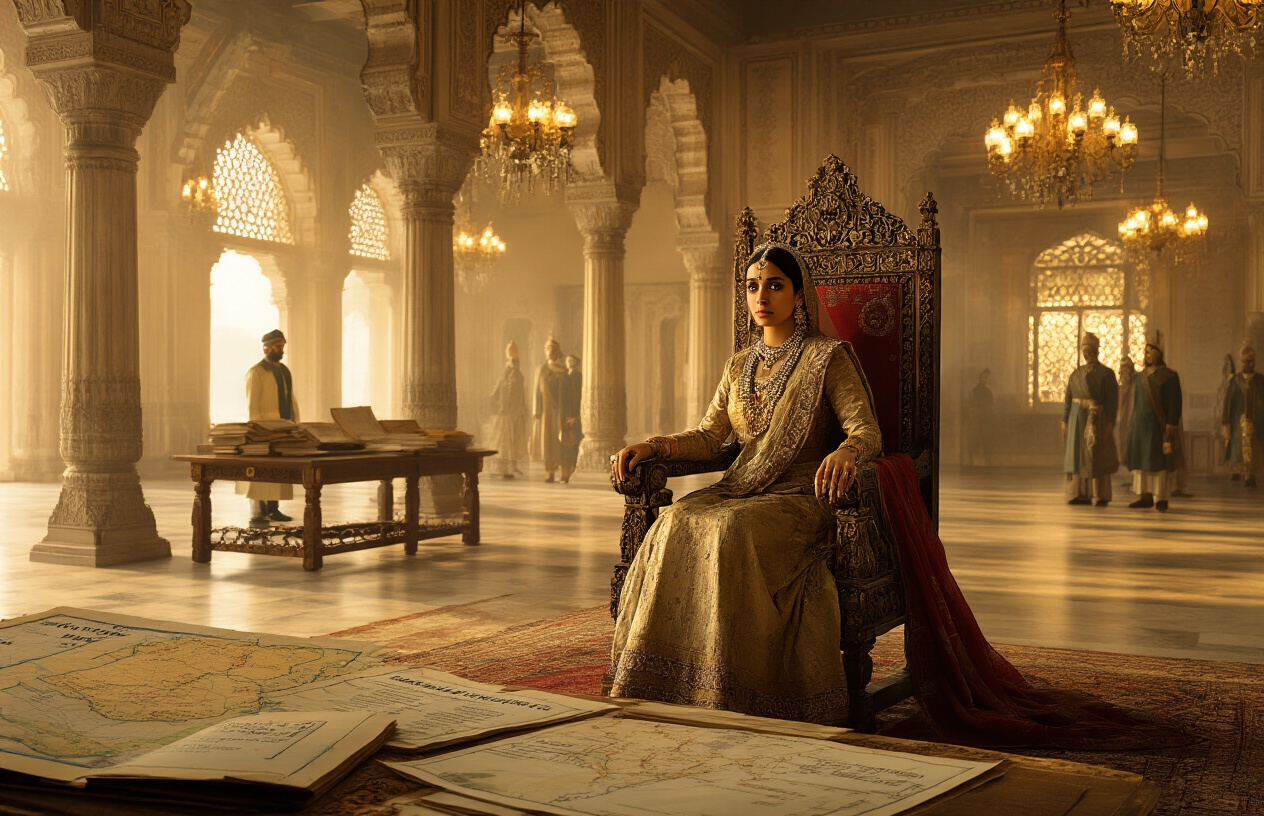
Sikandar Begum transformed Bhopal from a modest princely state into a formidable regional power through her strategic military campaigns. She personally led several expeditions to reclaim territories that had been lost during previous conflicts, demonstrating remarkable courage on the battlefield. Her forces successfully annexed the districts of Ichhawar, Sehore, and parts of Malwa, expanding Bhopal’s boundaries significantly.
The Begum’s military strategy focused on modernizing her army with contemporary weapons and training methods. She recruited experienced commanders from various backgrounds, creating a diverse but unified fighting force. Her campaigns against rebellious zamindars and neighboring rulers were marked by decisive victories that established Bhopal’s dominance in central India. The Battle of Berasia in 1862 stands as her most celebrated military achievement, where her forces defeated a coalition of local chieftains who had challenged her authority.
Infrastructure Development and Public Works Projects
Under Sikandar Begum’s reign, Bhopal witnessed unprecedented infrastructure development. She commissioned the construction of roads connecting remote villages to urban centers, revolutionizing trade and communication across her domains. The Great Tank of Bhopal, one of her most ambitious projects, provided reliable water supply to thousands of residents and remains functional today.
Her public works extended to building rest houses, bridges, and markets that stimulated economic growth. The Begum established a systematic approach to urban planning, creating wide streets and proper drainage systems in Bhopal city. She personally supervised major construction projects, earning respect from architects and engineers of her time. Her infrastructure initiatives created employment opportunities for craftsmen, laborers, and artisans, boosting the local economy significantly.
Educational Reforms for Women’s Empowerment
Sikandar Begum recognized education as the foundation of women’s empowerment long before it became a widespread movement. She established the first formal schools for girls in Bhopal, breaking traditional barriers that had kept women away from formal learning. These institutions taught not only basic literacy but also practical skills like medicine, administration, and crafts.
The Begum personally funded scholarships for deserving female students and encouraged families to educate their daughters. She recruited qualified female teachers from different regions, creating a network of educated women who could serve as role models. Her educational policies included provisions for adult literacy programs, ensuring that women of all ages could benefit from learning opportunities. This revolutionary approach to women’s education became a model that other progressive rulers later adopted.
Diplomatic Relations with Neighboring States
Sikandar Begum proved herself an astute diplomat, maintaining delicate balances with both British colonial authorities and neighboring Indian rulers. She skillfully navigated the complex political landscape of 19th-century India, securing favorable treaties that protected Bhopal’s interests while avoiding unnecessary conflicts.
Her diplomatic correspondence reveals a sophisticated understanding of regional politics and international affairs. She maintained cordial relations with the rulers of Gwalior, Indore, and other Maratha states while carefully managing her relationship with the British Resident. The Begum’s diplomatic success lay in her ability to project strength while remaining pragmatic about Bhopal’s limitations. Her treaties ensured trade benefits and mutual defense agreements that strengthened Bhopal’s position among central Indian states.
Religious Tolerance and Cultural Integration
Despite being a devout Muslim ruler, Sikandar Begum promoted remarkable religious harmony within her diverse kingdom. She actively protected Hindu temples, funded religious festivals of all communities, and ensured that people of different faiths could practice their beliefs freely. Her court welcomed scholars, artists, and administrators regardless of their religious backgrounds.
The Begum’s policies encouraged cultural exchange between different communities, leading to a unique blend of traditions that characterized Bhopal’s society. She supported Hindu festivals like Diwali and Holi with the same enthusiasm as Muslim celebrations, setting an example of inclusive leadership. Her approach to governance emphasized merit over religious affiliation, creating a administration that represented the diversity of her subjects. This inclusive philosophy helped maintain peace and stability throughout her reign, making Bhopal a haven for people of all backgrounds.
Shah Jahan Begum: The Great Builder and Reformer

Architectural Marvels and Urban Planning Projects
Shah Jahan Begum transformed Bhopal into a magnificent cityscape that rivaled the grandest capitals of India. Her vision stretched far beyond mere construction – she reimagined how a modern Islamic state should look and function. The crown jewel of her architectural legacy remains the Taj-ul-Masajid, one of Asia’s largest mosques. This massive structure, with its towering minarets and expansive courtyards, could accommodate thousands of worshippers and became a symbol of Bhopal’s religious significance.
The Begum didn’t stop at religious architecture. She commissioned the stunning Sadar Manzil palace complex, which served as both a royal residence and administrative center. The building’s Indo-Islamic design featured intricate marble work, ornate balconies, and beautiful gardens that reflected the sophisticated taste of its patron. Her urban planning initiatives included wide boulevards, public parks, and strategically placed markets that improved both commerce and daily life for residents.
Water management became another hallmark of her reign. She ordered the construction of several artificial lakes and an extensive network of canals that not only beautified the city but also provided crucial irrigation for agriculture. The Upper Lake expansion project created one of Bhopal’s most recognizable landmarks while solving practical water supply challenges.
Railway Development and Industrial Growth
The arrival of the railway age found an enthusiastic champion in Shah Jahan Begum. She understood that connecting Bhopal to India’s growing rail network would bring unprecedented economic opportunities. Working closely with British engineers, she facilitated the construction of railway lines that linked Bhopal to major commercial centers like Delhi, Bombay, and Calcutta.
This railway connection sparked a manufacturing boom that transformed Bhopal’s economy. Traditional handicraft industries expanded their reach to distant markets, while new factories emerged to produce textiles, metalwork, and processed foods. The Begum established industrial zones with proper infrastructure, attracting merchants and skilled artisans from across India.
Her industrial policies balanced traditional craftsmanship with modern technology. She supported local weavers and metalworkers while also importing new machinery and techniques. Cotton mills, silk production facilities, and jewelry workshops flourished under her patronage. The state treasury benefited enormously from increased trade revenues, customs duties, and industrial taxes.
Railway development also boosted agriculture by providing farmers reliable access to broader markets. Cash crops like cotton and opium became major export commodities, bringing prosperity to rural areas and strengthening Bhopal’s position in regional trade networks.
Women’s Rights and Social Progressive Policies
Shah Jahan Begum’s most revolutionary contributions came in advancing women’s status throughout her kingdom. Having experienced firsthand the challenges of female leadership in a conservative society, she worked systematically to expand opportunities for other women. She established the first girls’ schools in Bhopal, where female students could receive both religious and secular education.
Her educational initiatives went beyond basic literacy. She created vocational training programs that taught women marketable skills like embroidery, textile production, and handicrafts. These programs allowed women to earn independent incomes while preserving traditional arts and crafts. The Begum also opened a women’s hospital staffed by female doctors and nurses, addressing the cultural barriers that prevented women from receiving proper medical care.
Legal reforms under her rule strengthened women’s property rights and inheritance claims. She personally intervened in cases where women faced discrimination or abuse, setting important precedents for future rulings. Her court employed female administrators and advisors, demonstrating that women could excel in governance roles.
Marriage and family law reforms protected women from forced marriages and provided better divorce protections. She encouraged widow remarriage and discouraged child marriage through both legal measures and public awareness campaigns. These progressive policies faced resistance from conservative religious leaders, but the Begum’s political skill and religious authority helped overcome much of this opposition.
Sultan Jahan Begum: The Final Ruler’s Modern Legacy
Educational Institutions and Women’s Colleges Establishment
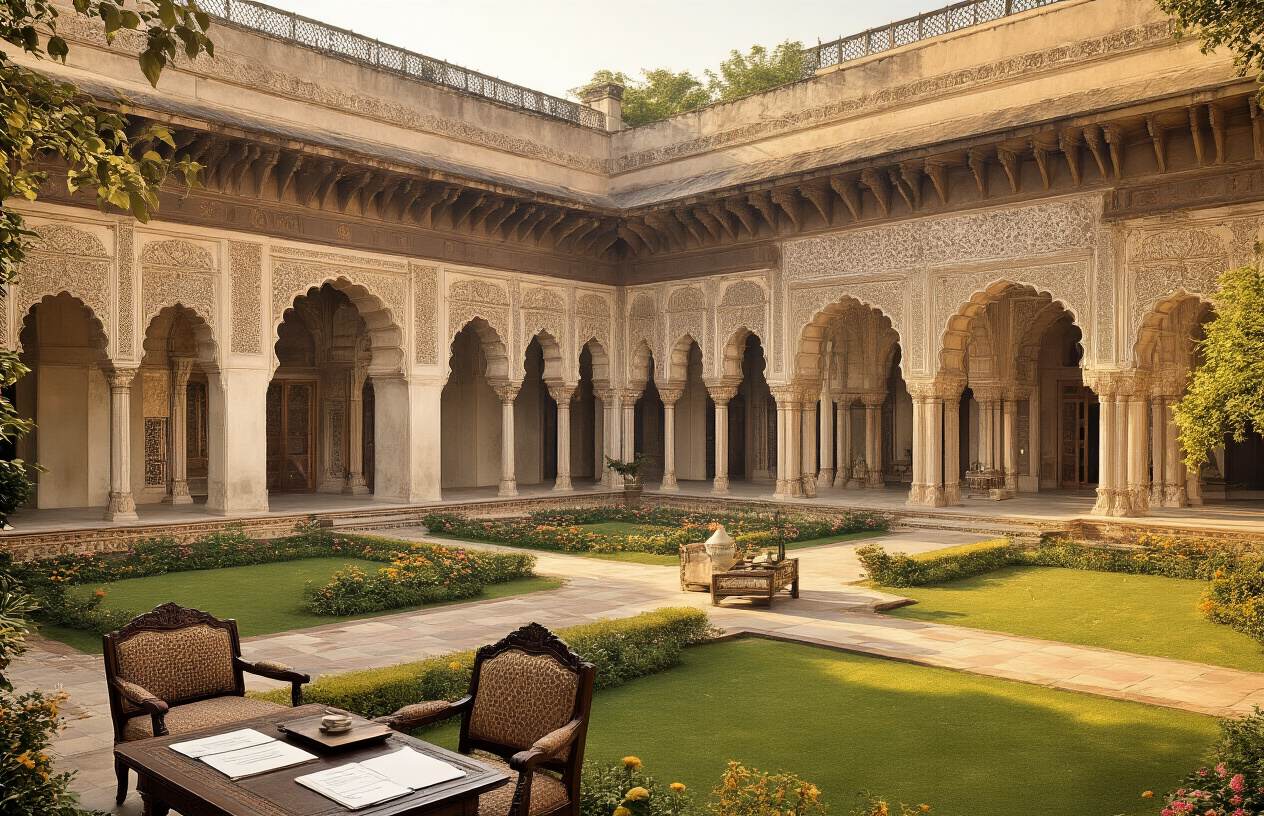
Sultan Jahan Begum transformed Bhopal into a beacon of female education during her reign from 1901 to 1926. She founded the Sultan-ul-Madaris, one of India’s first women’s colleges, which offered both traditional Islamic education and modern subjects. The institution became a model for women’s higher education across the subcontinent, attracting students from distant regions who came to study under progressive curricula that included science, literature, and administration.
Her commitment to education extended beyond higher learning. She established numerous primary schools specifically for girls throughout Bhopal state, breaking cultural barriers that had long prevented female literacy. The Begum personally supervised the recruitment of qualified female teachers and ensured that the curriculum balanced religious instruction with practical skills like mathematics, languages, and domestic sciences.
The impact was remarkable – literacy rates among women in Bhopal rose dramatically during her rule. She also created scholarship programs for deserving students and built hostels to accommodate those traveling from remote areas. Her educational philosophy emphasized that educated women would strengthen society and contribute meaningfully to governance and public service.
Healthcare System Modernization and Public Health Initiatives
Public health became one of Sultan Jahan Begum’s defining achievements. She established Bhopal’s first modern hospital system, complete with trained medical staff and equipment imported from Europe. The Victoria Hospital, named after the British Queen, featured separate wards for women and children – a revolutionary concept that addressed cultural sensitivities while providing quality care.
Her approach to public health was comprehensive. She initiated vaccination campaigns against smallpox and cholera, diseases that had devastated the region for generations. The Begum personally funded medical training for local practitioners and brought qualified doctors from other parts of India to establish medical colleges.
Water sanitation projects became another priority. She oversaw the construction of modern drainage systems and clean water distribution networks throughout Bhopal city. These infrastructure improvements dramatically reduced waterborne diseases and improved overall quality of life for residents.
The Begum also established dispensaries in rural areas, ensuring that medical care reached beyond the capital. She created mobile medical units that traveled to remote villages, providing basic healthcare services and health education to populations that had never received formal medical attention.
End of Female Dynasty and Transition to Male Succession
The remarkable century-long female dynasty of Bhopal came to an end with Sultan Jahan Begum’s abdication in 1926. Her decision to step down in favor of her son, Hamidullah Khan, marked a significant shift in the state’s governance structure. This transition wasn’t forced but rather represented the Begum’s strategic choice to align with changing political realities under British colonial administration.
The British had grown increasingly uncomfortable with female rulers, despite their initial support for the Begums. Colonial attitudes toward gender roles had hardened by the 1920s, and pressure mounted for more conventional masculine leadership. Sultan Jahan Begum recognized these political currents and chose to transfer power voluntarily rather than face potential forced removal.
Her son’s succession brought different governing styles and priorities. While Hamidullah Khan maintained many of his mother’s progressive policies, particularly in education and infrastructure, the state lost some of its unique character as a female-governed territory. The transition also marked the beginning of Bhopal’s gradual integration into broader Indian political structures.
The end of female rule didn’t diminish the Begums’ historical significance. Their governance model had proven that women could effectively lead complex states, manage finances, conduct diplomacy, and implement social reforms. This legacy would inspire future generations of women leaders across India.
Lasting Impact on Modern Madhya Pradesh
The foundations laid by the Begums of Bhopal continue to influence modern Madhya Pradesh in profound ways. Educational institutions they established remain prominent centers of learning today. The Sultan-ul-Madaris evolved into modern colleges that still serve thousands of students, while the emphasis on female education created a tradition of women’s empowerment that persists in contemporary Bhopal.
Urban planning concepts introduced by the Begums shaped Bhopal’s development trajectory. Their systematic approach to city planning, with designated areas for commerce, residence, and governance, created a template that modern urban planners still reference. The infrastructure they built – roads, water systems, and public buildings – formed the backbone of the city’s growth through the 20th century.
Healthcare systems initiated by the Begums established Bhopal as a regional medical center. The hospitals they founded grew into major medical institutions that serve patients from across central India. Their emphasis on public health created a culture of preventive medicine and community health awareness that continues today.
The administrative systems they developed, particularly the integration of traditional governance with modern bureaucratic structures, influenced how the region adapted to post-independence governance. Their model of inclusive administration, which involved various communities in decision-making processes, provided valuable lessons for democratic governance.
Preservation of Cultural and Architectural Heritage
Sultan Jahan Begum’s reign marked the culmination of architectural achievements that began with her predecessors. She completed major construction projects while adding her own distinctive contributions to Bhopal’s skyline. The Taj-ul-Masajid, one of India’s largest mosques, represents the architectural pinnacle of the Begums’ era and stands today as a testament to their aesthetic vision and engineering capabilities.
Her preservation efforts extended beyond new construction to maintaining historical structures built by earlier Begums. She established the first formal conservation programs for Bhopal’s architectural heritage, recognizing that these buildings represented not just royal legacy but important cultural assets for future generations.
The Begum’s cultural patronage supported traditional arts, crafts, and literature while encouraging modern forms of expression. She sponsored poets, musicians, and artists who created works celebrating both Islamic traditions and Indian cultural diversity. Many manuscripts and artistic works from her period survive in museums and private collections.
Her approach to cultural preservation balanced tradition with innovation. While maintaining Islamic architectural styles and decorative elements, she incorporated modern conveniences and structural techniques. This synthesis created a distinctive Bhopali architectural style that influenced construction throughout central India and continues to inspire contemporary architects working in the region.
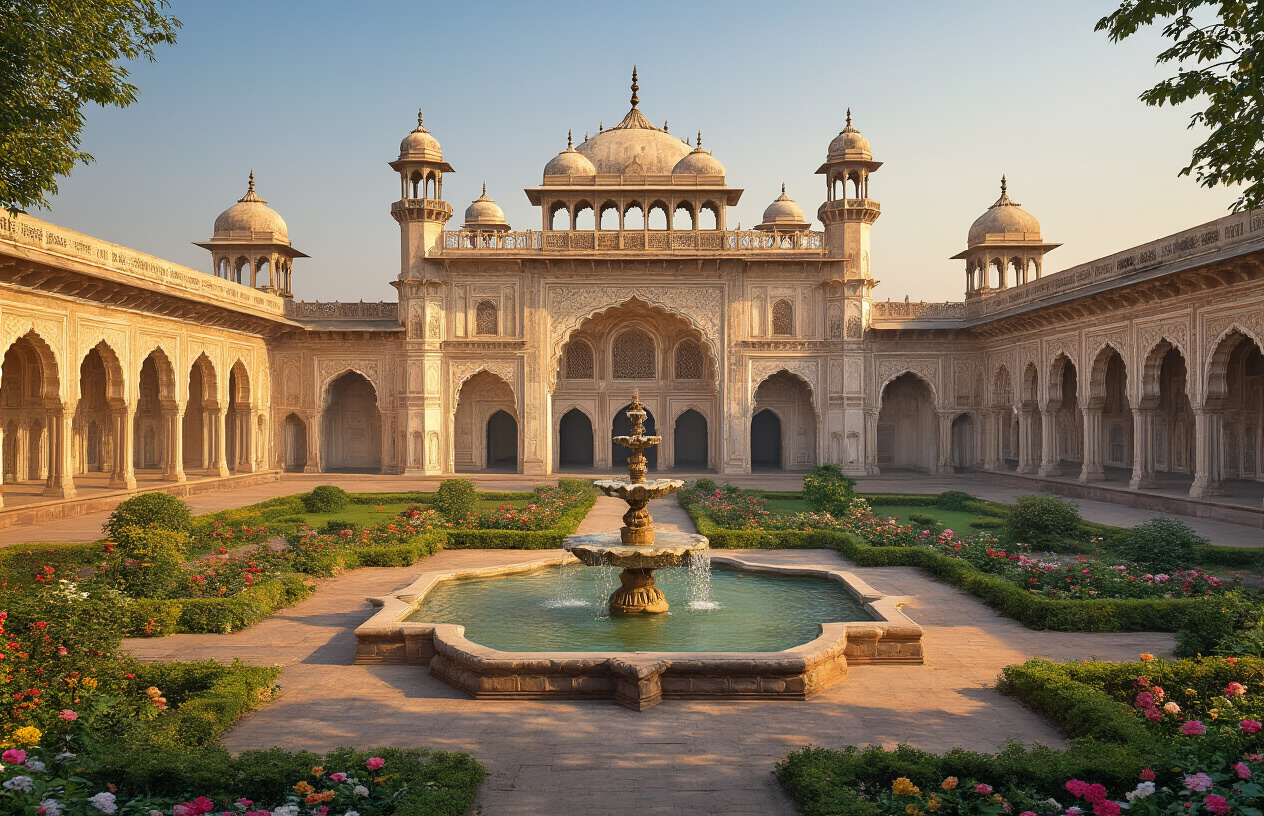
The Begums of Bhopal created something extraordinary in 19th-century India—a dynasty where women weren’t just figureheads, but powerful rulers who shaped their kingdom’s destiny. From Qudsia Begum’s brave establishment of female rule to Sultan Jahan Begum’s progressive reforms, these four remarkable women proved that leadership knows no gender. They expanded territories, built magnificent structures, and modernized their state while navigating the complex political landscape of colonial India.
These royal women left behind more than just buildings and borders—they showed the world what’s possible when women are given the chance to lead. Their story reminds us that progress often comes from unexpected places and that breaking barriers takes courage, vision, and determination. The next time you hear someone question women’s ability to lead, remember the Begums of Bhopal who ruled with wisdom and strength for over a century.
For a guided private tour of Bhopal, please visit Immersive experience in Bhopal.
Leave a Reply