

Karnataka’s sacred landscapes stretch from the Arabian Sea’s ancient shores to the misty peaks of the Western Ghats, creating one of India’s most spiritually diverse regions. This guide is for spiritual travelers, cultural enthusiasts, and adventure seekers who want to explore Karnataka’s sacred landscapes while understanding their deep connection to the land’s natural beauty.
You’ll discover how Karnataka’s unique geography between the Arabian Sea and Western Ghats has shaped centuries of spiritual traditions. We’ll explore the ancient temple complexes that dot the coastal sacred circuit, where ocean breezes carry prayers and incense through seaside shrines. You’ll also learn about the hidden spiritual treasures nestled in the Western Ghats, from forest temples to mountain monasteries that offer refuge and reflection.
Finally, we’ll share sustainable pilgrimage practices that help protect these fragile ecosystems while you experience the sacred festivals that celebrate the eternal bond between land and sea.
For a private guided tour of Coastal Karnataka, visit 5 Days from Mangalore to Gokarna.
Discover the Geographic Wonders That Shape Karnataka’s Sacred Character

Experience the Coastal Plains Where Spirituality Meets the Arabian Sea
The Karnataka coastline stretches for 320 kilometers along the Arabian Sea, creating a mystical confluence where ancient spiritual practices blend with the rhythmic pulse of ocean waves. This narrow coastal strip, rarely exceeding 50 kilometers in width, hosts some of South India’s most revered temple complexes and sacred sites.
Sacred coastal destinations include:
- Udupi’s Krishna Temple, where the deity faces west toward the sea
- Kollur Mookambika Temple, nestled between backwaters and ocean
- Murudeshwar, crowned by the towering Shiva statue overlooking endless waters
- Gokarna’s pristine beaches dotted with ancient Shiva temples
The coastal geography creates unique spiritual experiences. Morning prayers at these temples often begin before dawn, allowing devotees to witness the sun rising over the Western Ghats while hearing the constant murmur of waves. The salt-laden air carries the fragrance of temple incense across fishing villages, creating an atmosphere where daily life and divine worship intertwine seamlessly.
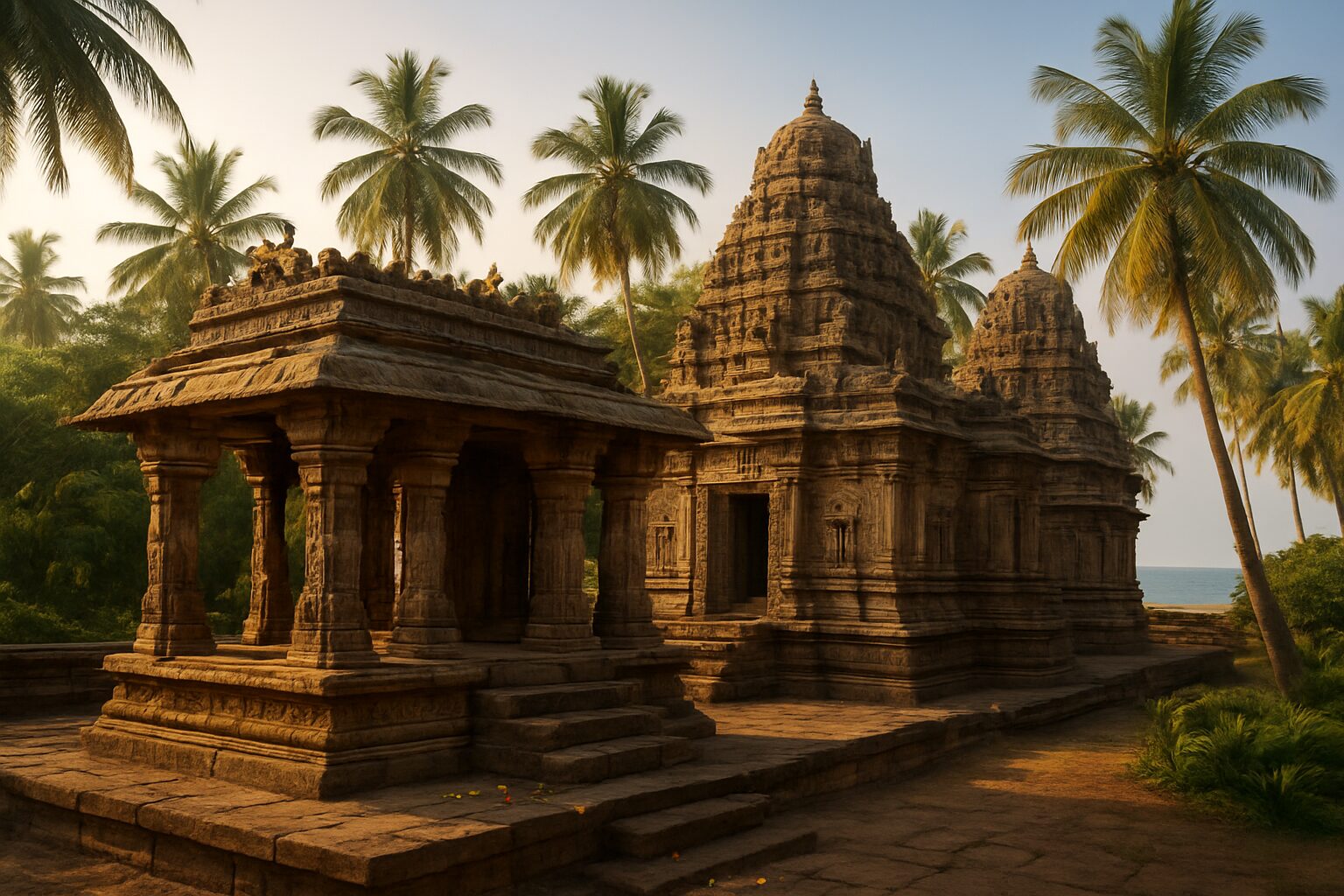
Coconut groves and laterite soil dominate the landscape, providing natural building materials for centuries-old temple architecture. The red laterite stones used in coastal temples develop a distinctive patina from sea spray, creating structures that seem to emerge organically from the earth itself.
Navigate the Transition Zone’s Unique Ecological and Religious Significance
Between the coastal plains and the Western Ghats lies Karnataka’s most fascinating geographical feature—a transition zone where ecosystems shift dramatically within mere kilometers. This area, typically 20-40 kilometers wide, experiences rapid elevation changes that create distinct microclimates and support extraordinary biodiversity.
Key characteristics of this sacred transition zone:
- Elevation rises from sea level to 600 meters within short distances
- Dense tropical forests give way to deciduous woodlands
- Rivers cascade down ancient rock formations creating natural pilgrimage sites
- Traditional communities have developed unique spiritual practices adapted to this environment
The Sharavathi River exemplifies this zone’s spiritual significance. Its journey from the Ghats to the sea creates the magnificent Jog Falls, considered sacred by local communities who perform seasonal rituals at various points along its course. Pilgrims often follow river paths that connect mountain temples to coastal shrines, experiencing the full spectrum of Karnataka’s geographical diversity in single journeys.
Ancient trade routes through this zone connected coastal ports with highland kingdoms, facilitating cultural exchange that enriched local spiritual traditions. Today, many temples in this region display architectural elements from both coastal and mountain traditions, reflecting this geographical and cultural synthesis.
Explore the Western Ghats’ Mountain Temples and Ancient Pilgrimage Routes
The Western Ghats form Karnataka’s eastern spiritual backbone, rising abruptly from the transition zone to create a natural barrier between coast and interior. These ancient mountains, among Earth’s oldest geological formations, harbor sacred sites that predate written history.
Mountain temple complexes and pilgrimage routes feature:
- Kukke Subramanya Temple, situated in a valley surrounded by seven hills
- Dharmasthala, a unique Jain temple managed by a Hindu family
- Sakleshpur’s hilltop shrines accessible only by foot
- Ancient forest paths connecting isolated hermitages and meditation caves
The Ghats’ elevation creates distinct climate zones. Lower slopes support evergreen forests where ancient trees are considered sacred, while higher elevations feature grasslands dotted with seasonal temples that open only during specific monsoon periods. Many mountain temples remain deliberately difficult to reach, preserving their contemplative atmosphere and testing pilgrims’ dedication.
Monsoon patterns shaped both the geography and spiritual calendar of these mountains. Temple festivals align with rainfall cycles, and many sacred sites become accessible only during dry seasons. The Western Ghats receive some of India’s heaviest rainfall, creating waterfalls and streams that local communities consider manifestations of divine energy.
Rock formations throughout the Ghats contain natural caves that served as meditation retreats for saints and sages. These sites often develop into small temples over centuries, with devotees gradually adding simple structures around naturally occurring sacred spaces.
Uncover Ancient Temple Complexes Along the Coastal Sacred Circuit
Marvel at Udupi’s Krishna Temple and Its Culinary Traditions
The Sri Krishna Temple in Udupi stands as one of Karnataka’s most cherished spiritual destinations, founded in the 13th century by the philosopher-saint Madhvacharya. This temple revolutionized Hindu worship by introducing the unique concept of paryaya, where eight mutts (monasteries) take turns managing the temple affairs in a two-year cycle. The deity here is Krishna as a child, and devotees can only glimpse the idol through a silver-plated window called Kanakana Kindi, named after the devoted bhakta Kanakadasa.
What makes Udupi truly special is how spirituality intertwines with culinary excellence. The temple kitchens gave birth to the famous Udupi cuisine, a purely vegetarian tradition that has spread across India. The prasadam served here follows strict Sattvic principles, using no onions, garlic, or strong spices. The legendary Udupi restaurants found in every corner of India trace their roots back to these temple kitchens.
During your visit, you’ll witness the fascinating daily rituals where priests prepare elaborate meals for the deity before offering them to devotees. The temple’s influence on South Indian vegetarian cooking cannot be overstated – from the perfect dosa to the sublime sambar, these recipes were perfected in service to Krishna. The surrounding streets buzz with traditional eateries where you can taste authentic temple-style food that has remained unchanged for centuries.
Experience Kollur Mookambika’s Divine Energy in the Rainforest Setting
Deep within the Western Ghats’ emerald embrace lies the Mookambika Temple at Kollur, where the goddess is believed to embody the combined power of Saraswati, Lakshmi, and Durga. This ancient shrine sits beside the Souparnika River, surrounded by dense rainforest that creates an almost mystical atmosphere. The journey to reach this temple through winding mountain roads lined with coffee plantations and spice gardens becomes a pilgrimage in itself.
The temple’s architecture reflects the region’s unique Tuluva style, with its distinctive sloping roof designed to withstand the heavy monsoon rains. Inside, the golden-hued deity stands in a powerful pose, holding a chakra and conch, radiating an energy that devotees describe as both fierce and nurturing. The constant sound of flowing water from the nearby river and the calls of tropical birds create a natural soundtrack for prayer and meditation.
What sets Kollur apart is its integration with the surrounding ecosystem. The temple trust has worked to preserve the biodiversity of the area, maintaining sacred groves that house rare medicinal plants mentioned in ancient texts. Many pilgrims combine their spiritual journey with nature walks through these protected forests, where they might spot exotic birds like the Malabar Trogon or catch glimpses of shy deer drinking from forest streams. The temple’s evening aarti, performed with the backdrop of mist-covered mountains, creates an unforgettable spiritual experience.
Witness Gokarna’s Beach Temples Where Ocean Waves Meet Sacred Chants
Gokarna presents a unique spiritual landscape where ancient devotion meets the endless Arabian Sea. This small coastal town houses the revered Mahabaleshwar Temple, one of the holiest Shiva shrines where the Atmalinga is believed to reside. The town’s name literally means “cow’s ear,” referring to the legend where Shiva emerged from Varuna’s ear in the form of a cow. The narrow streets leading to the temple buzz with pilgrims, sadhus, and curious travelers drawn by the town’s mystical energy.
The temple’s Dravidian architecture stands in stark contrast to the laid-back beach atmosphere just a short walk away. Here, traditional priests perform elaborate pujas while the sound of crashing waves provides a rhythmic backdrop. The main deity is considered so powerful that it can only be viewed through a small window, adding to the temple’s mysterious aura. During major festivals, the entire town transforms as thousands of devotees gather to witness processions that wind through streets filled with the aroma of incense and sea salt.
Gokarna’s beaches each carry their own spiritual significance. Om Beach, shaped like the sacred symbol, has become a meditation haven where visitors practice yoga at sunrise while listening to the ocean’s eternal chant. Kudle Beach and Half Moon Beach offer quieter spots for reflection, where the rhythm of the waves naturally syncs with breathing patterns during meditation. Many visitors find that the combination of ancient temple energy and oceanic vastness creates a perfect environment for spiritual awakening and inner peace.
Discover Murudeshwar’s Towering Shiva Statue Overlooking the Sea
Rising majestically from a hilltop peninsula, the Murudeshwar Temple complex showcases one of modern India’s most ambitious spiritual projects. The 123-foot-tall Shiva statue, visible from miles away, has become an iconic symbol of Karnataka’s coastline. This relatively recent addition to an ancient site has sparked debates about tradition versus innovation, but few can deny the awe-inspiring sight of Lord Shiva meditating eternally while waves crash against the rocky shores below.
The original temple here dates back centuries and houses the powerful Murudeshwar Linga, believed to be a piece of the same Atmalinga revered in Gokarna. The modern temple complex, completed in the early 2000s, incorporates traditional Dravidian architecture with contemporary engineering marvels. Elevators carry visitors to different levels of the statue, offering panoramic views of the Arabian Sea and the temple complex below.
What makes Murudeshwar particularly captivating is how it bridges ancient mythology with contemporary pilgrimage experiences. The temple’s proximity to Netrani Island, a popular diving destination, creates an unusual combination where spiritual seekers and adventure enthusiasts often cross paths. The evening aarti here becomes a spectacular event as the setting sun casts long shadows from the statue across the temple grounds and out to sea. The sound system carries the chants across the water, creating an audio-visual experience that feels both timeless and thoroughly modern.
The temple’s beach location also makes it a perfect spot for combining spiritual practices with natural therapy. Many visitors start their day with meditation facing the sunrise over the ocean before participating in the temple’s morning rituals, creating a holistic spiritual experience that engages all the senses.
Journey Through the Western Ghats’ Hidden Spiritual Treasures
Trek to Dharmasthala’s Temple Complex Nestled in Verdant Hills
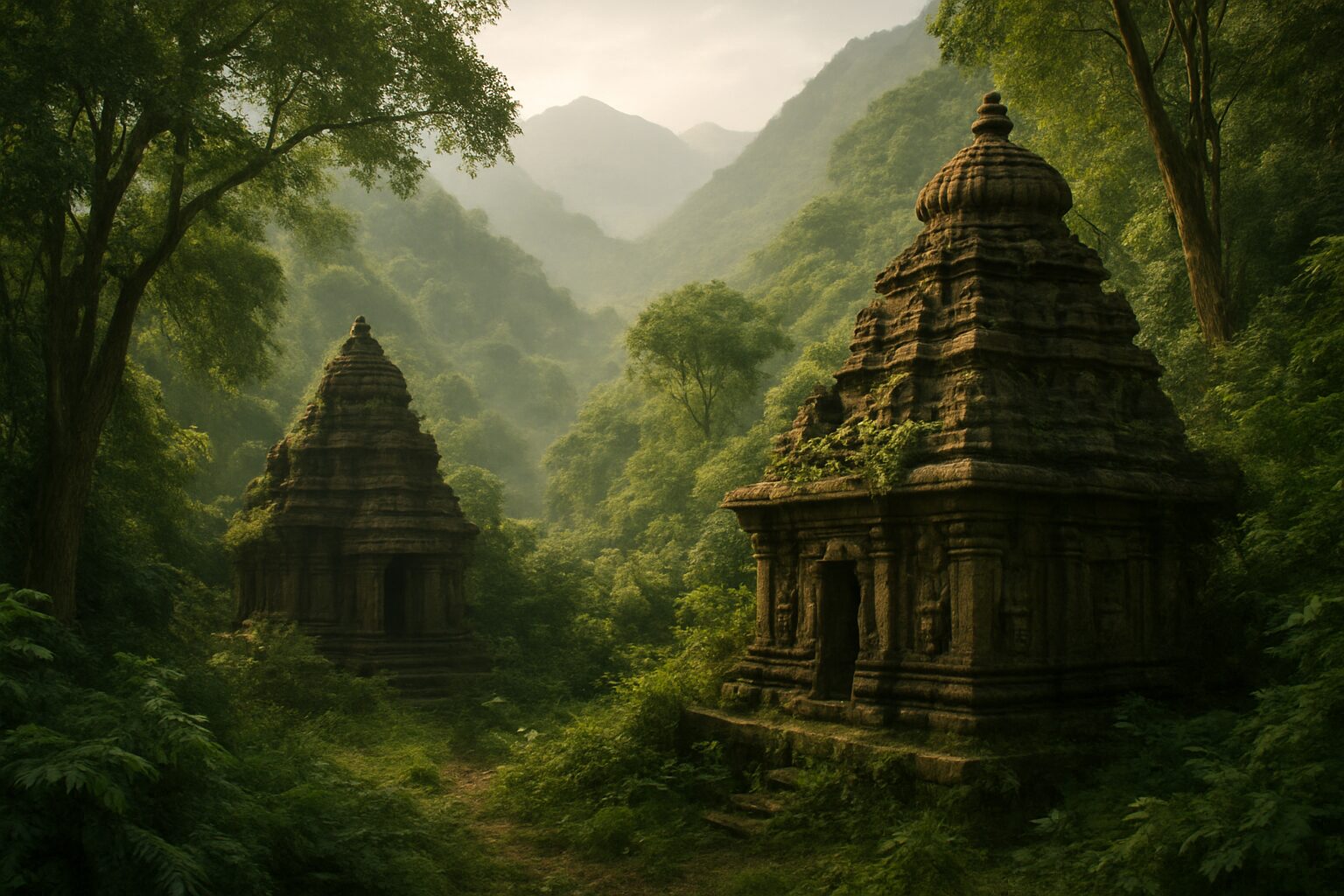
Perched among rolling hills carpeted with coffee plantations and spice gardens, Dharmasthala stands as a remarkable testament to religious harmony. This sacred town draws pilgrims from across India who come to seek blessings at the Manjunatha Temple, dedicated to Lord Shiva. What makes this place truly special is its unique management by a Jain family, the Heggades, who have been custodians for over 800 years while serving a Hindu deity.
The trek to reach the main temple complex winds through emerald landscapes where the air carries hints of cardamom and pepper. Ancient stone pathways lead visitors past smaller shrines dedicated to various deities, each telling stories of devotion spanning centuries. The temple’s architecture blends Dravidian and local styles, with intricate carvings that seem to come alive in the shifting mountain light.
Beyond the main temple, pilgrims can explore the Bahubali statue, standing 39 feet tall and carved from a single granite block. The surrounding hills offer meditation spots where the sound of temple bells mingles with birdsong and rustling leaves.
Find Serenity at Kukke Subramanya’s Snake God Temple
Nestled deep within the Western Ghats, Kukke Subramanya Temple sits in a valley where mist often shrouds ancient trees and the Kumaradhara River flows with crystal-clear water. This temple, dedicated to Lord Subramanya (Kartikeya), is famous for its Sarpa Samskara rituals that help devotees overcome doshas related to serpent worship.
The journey to this sacred site takes you through dense forests where cobras and other serpents are considered divine messengers. Tribal communities living in these hills have passed down stories about the temple’s origins, speaking of a time when Lord Subramanya meditated here after slaying the demon Tarakasura. The temple’s unique position allows devotees to perform abhisheka (holy bath) to the deity using water directly from the mountain stream.
Pilgrims often spot various species of snakes around the temple premises, which locals consider auspicious sightings. The temple’s priests, many belonging to families that have served here for generations, perform elaborate rituals using traditional chants that echo through the valley. Early morning visits offer the most peaceful experience, when fog drifts through the temple courtyards and the sound of flowing water creates a natural soundtrack for prayer.
Explore Horanadu’s Remote Annapoorneshwari Temple
Hidden in the heart of the Western Ghats, Horanadu’s Annapoorneshwari Temple requires dedication to reach, but rewards visitors with an experience that feels untouched by time. The goddess Annapoorneshwari, known as the provider of food and nourishment, resides in this remote sanctuary surrounded by towering peaks and pristine forests.
The temple’s most striking feature is its golden dome that catches sunlight filtering through the mountain mist. Inside, the deity is adorned with elaborate jewelry and silk sarees, creating a vision that many pilgrims describe as divinely beautiful. The temple follows ancient traditions where every visitor receives a free meal, regardless of their background or financial status. This practice, called annadana, embodies the goddess’s role as the eternal provider.
Wildlife enthusiasts often spot langurs, Malabar squirrels, and various bird species around the temple grounds. The surrounding hills are home to spice plantations where locals cultivate cardamom, coffee, and areca nut. Many pilgrims combine their spiritual journey with nature walks through these aromatic groves, where the boundary between the sacred and natural world dissolves completely.
Experience Kalasa’s Ancient Pilgrimage Traditions
Kalasa village represents one of Karnataka’s oldest pilgrimage traditions, where the Kalaseshwara Temple sits beside the birthplace of the sacred Bhadra River. This temple, dedicated to Lord Shiva, holds special significance as the source of holy water used in temples across South India. The temple’s most sacred ritual involves collecting water from the exact spot where the river begins its journey toward the plains.
Local traditions speak of sages who meditated at this very location thousands of years ago, drawn by the pure energy of the mountain spring. The temple architecture reflects this ancient heritage, with stone carvings that depict scenes from Hindu epics and local folklore. Devotees often arrive here carrying copper vessels to collect the sacred water, following customs their ancestors practiced for countless generations.
The village itself maintains an old-world charm, with traditional houses built using local stone and timber. Elderly residents share stories about the temple’s history while preparing local delicacies for visiting pilgrims. During monsoon season, the surrounding hills come alive with waterfalls and the sound of the growing river creates a powerful spiritual atmosphere. Many visitors describe feeling a deep connection to the earth’s life-giving forces while participating in the water collection ceremonies.
Experience Sacred Festivals That Connect Land and Sea
Participate in Coastal Festivals Celebrating Marine Deities
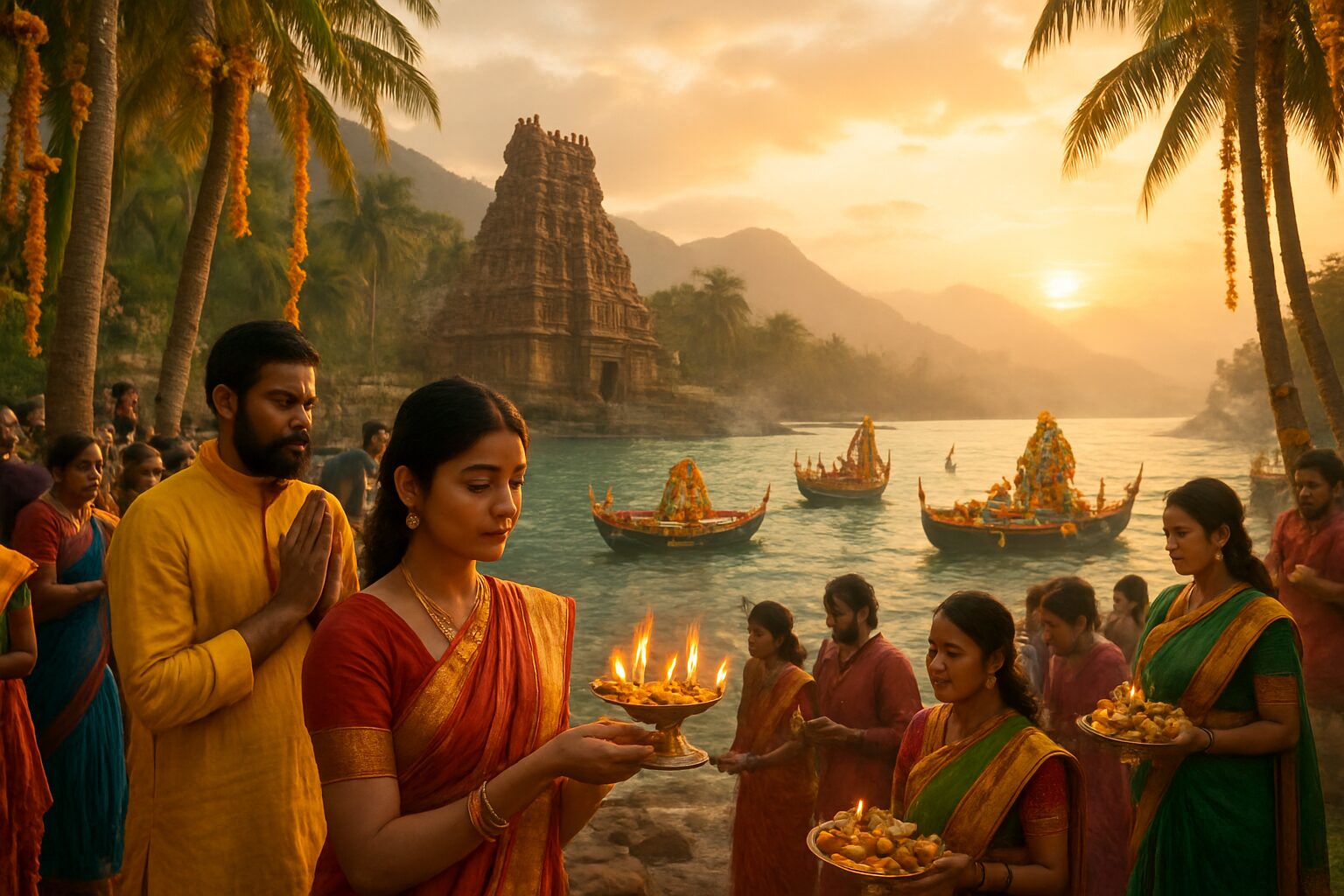
Karnataka’s coastal communities gather throughout the year to honor the ocean’s divine forces through vibrant festivals that pulse with devotion and tradition. Bhoota Kola stands as one of the most mesmerizing celebrations, where spirit mediums become vessels for ancient deities, their bodies trembling with divine energy as they dance around sacred flames. The rhythmic beat of drums mingles with the crash of waves nearby, creating a symphony that connects earth and sea.
Nagamandala festivals transform entire communities into sacred theaters where serpent deities receive elaborate worship. Colorful rangoli patterns snake across temple courtyards while devotees offer eggs, milk, and flowers to bronze serpent idols. These celebrations acknowledge the ocean’s power to both nurture and destroy, seeking protection for fishing vessels and coastal homes.
The Karaga festival in coastal regions sees devotees carrying ornate vessels filled with sacred water from the Arabian Sea to hilltop temples. This ritual journey symbolizes the marriage between land and ocean, with participants believing that mixing seawater with mountain spring water creates blessed elixir with healing properties.
During Ganesha Chaturthi, massive clay elephants make their way from inland workshops to the shoreline, where thousands gather to immerse these beloved deities in the rolling waves. The sight of elaborate pandals lining the beach creates a temporary sacred city where devotion reaches fever pitch before the final farewell to the ocean.
Witness Mountain Temple Celebrations During Monsoon Season
The Western Ghats transform into a mystical realm when monsoon clouds wrap around ancient temple spires, creating an otherworldly atmosphere for some of Karnataka’s most profound spiritual celebrations. Temples like those in Kodachadri and Kudremukh become pilgrimage destinations where devotees brave heavy rains and muddy paths to witness deities receiving special monsoon worship.
Shravana month brings intense activity to mountain temples as pilgrims believe that prayers offered during this sacred period carry extra divine weight. The sound of temple bells echoes through mist-covered valleys while priests perform elaborate abhishekas, bathing stone deities with milk, honey, and sacred water collected from mountain streams swollen with fresh rainfall.
Naga Panchami celebrations in hill stations create spectacular scenes as devotees trek through cloud-covered forests to reach remote serpent shrines. These festivals honor the rain-bringing powers of serpent deities, with participants offering special prayers for continued monsoon blessings. The combination of natural drama and spiritual fervor creates an atmosphere where the boundary between physical and metaphysical worlds seems to dissolve.
Many mountain temples celebrate special monsoon festivals where devotees gather in caves and rock shelters, sharing meals and stories while waiting for breaks in the weather to complete ritual activities. These intimate gatherings foster deep community bonds and reinforce the connection between seasonal cycles and spiritual practice.
Join Pilgrimage Routes That Bridge Different Sacred Landscapes
Ancient pilgrimage paths weave through Karnataka’s diverse terrain, creating sacred journeys that connect coastal shrines with mountain temples through a network of holy sites. The Pancha Kshetra pilgrimage route links five major temples across different landscapes, allowing devotees to experience how geography shapes worship practices and community traditions.
Walking pilgrimages from Udupi’s coastal temples to Dharmasthala in the foothills offer transformative experiences that span multiple ecosystems. Pilgrims begin their journey hearing ocean waves and temple conch shells, gradually climbing through spice plantations and coffee estates before reaching mountain shrines where different deities reign supreme. Each day brings new challenges and revelations as the landscape shifts beneath their feet.
The traditional route from Subramanya temple in the hills to Kukke’s valley shrine follows ancient pathways that snake through dense forests where wildlife encounters add mystical elements to the spiritual journey. Devotees often report profound experiences while crossing rivers, climbing steep trails, and camping under star-filled skies.
Modern pilgrims increasingly choose multi-day walking routes that connect sacred sites across Karnataka’s varied terrain. These journeys offer opportunities to witness how different communities adapt their worship practices to local geography while maintaining core spiritual principles. Rest houses and dharmashalas along these routes provide spaces for pilgrims to share experiences and deepen their understanding of how land and faith intertwine across Karnataka’s sacred landscapes.
Embrace Sustainable Pilgrimage Practices in Fragile Ecosystems
Practice Eco-Friendly Travel in Biodiversity Hotspots
The Western Ghats rank among the world’s most crucial biodiversity hotspots, hosting thousands of endemic species within their mist-covered peaks and valleys. When exploring Karnataka’s sacred sites nestled in these mountains, choosing eco-conscious transportation becomes your first act of reverence.
Opt for electric vehicles or shared transportation when possible, especially for the winding roads leading to hill temples like those around Chikmagalur and Coorg. Many local operators now offer hybrid buses for pilgrimage groups, significantly reducing carbon emissions compared to individual car travel.
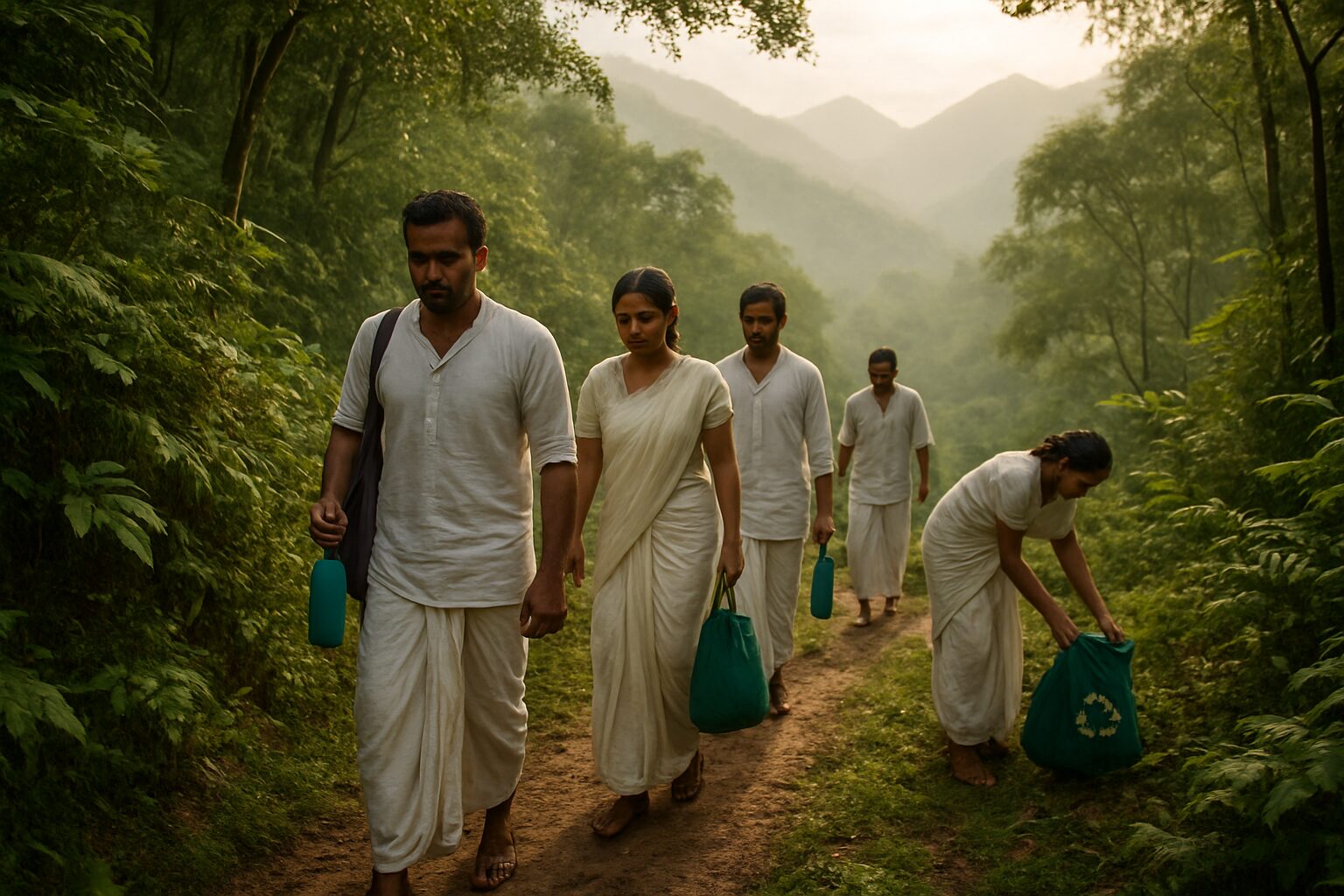
Pack reusable water bottles and biodegradable toiletries for temple visits. Several sacred sites now provide filtered water stations, eliminating the need for single-use plastic bottles. When staying in mountain lodges near spiritual centers, choose accommodations that implement rainwater harvesting and solar energy systems.
Stay on designated paths during temple treks to protect fragile vegetation. The ecosystem around sacred groves has evolved over centuries, and even minor soil disturbance can disrupt mycorrhizal networks that support ancient trees. Carry a small bag for any trash you encounter, leaving each sacred space cleaner than you found it.
Book accommodations with local eco-certification or those participating in community-based tourism initiatives. These establishments typically employ sustainable waste management and source food locally, reducing transportation emissions while supporting regional agriculture.
Support Local Communities Preserving Sacred Traditions
Temple communities throughout Karnataka’s coastal and mountain regions have maintained spiritual practices for generations while serving as environmental guardians. Your conscious travel choices directly impact their ability to continue these dual roles.
Purchase offerings and prasadam from temple-affiliated vendors rather than outside commercial suppliers. These transactions support families who have dedicated their lives to temple service and understand the spiritual significance behind each ritual item. Many temple complexes operate their own organic gardens for flower offerings and medicinal plants used in traditional ceremonies.
Engage local guides who belong to the temple communities, particularly around heritage sites like Udupi and Sringeri. These guides possess deep knowledge passed down through families, offering insights into both spiritual practices and ecological wisdom embedded in temple traditions. Their stories connect you to living heritage while providing income that encourages younger generations to maintain these connections.
Stay in family-run guesthouses or homestays near sacred sites. These accommodations offer authentic cultural experiences while keeping tourism revenue within local communities. Many host families can arrange participation in daily temple rituals or seasonal festivals, creating meaningful exchanges between visitors and residents.
Purchase handcrafted items directly from artisan families who create temple decorations, traditional clothing, and ritual objects. These transactions support specialized skills that might otherwise disappear as communities face economic pressures to abandon traditional occupations for modern employment.
Minimize Environmental Impact While Maximizing Spiritual Connection
Sacred travel offers unique opportunities to deepen spiritual practice while honoring the natural world that houses these holy sites. The key lies in approaching each location with mindfulness and intentional restraint.
Practice digital detox during temple visits to fully engage with the spiritual atmosphere. Constant photography and social media posting creates distraction and can disturb other devotees’ contemplative experiences. Instead, spend time in silent meditation, allowing the temple’s energy to create lasting internal impressions rather than external documentation.
Choose plant-based meals when available, particularly around Jain and certain Hindu temples that emphasize ahimsa (non-violence). Many temple communities maintain vegetarian kitchens that serve simple, locally-sourced meals prepared with spiritual intention. These meals often cost less than restaurant options while supporting temple operations.
Time your visits to avoid peak crowds when possible, reducing strain on facilities and infrastructure. Early morning temple visits often provide the most serene spiritual experience while minimizing your environmental footprint. Many temples open before sunrise, offering opportunities to participate in morning prayers and witness the natural awakening of the surrounding landscape.
Participate in temple conservation activities when available. Some sacred sites organize tree planting ceremonies, cleanup drives, or restoration projects where visitors can contribute physical effort alongside financial donations. These activities create deeper connections to place while directly supporting environmental preservation.
Consider extended stays rather than rushing between multiple temples. Spending several days in one location allows for meaningful spiritual practice while reducing transportation emissions. Many temple towns offer meditation retreats or spiritual study programs that encourage slower, more reflective travel approaches.
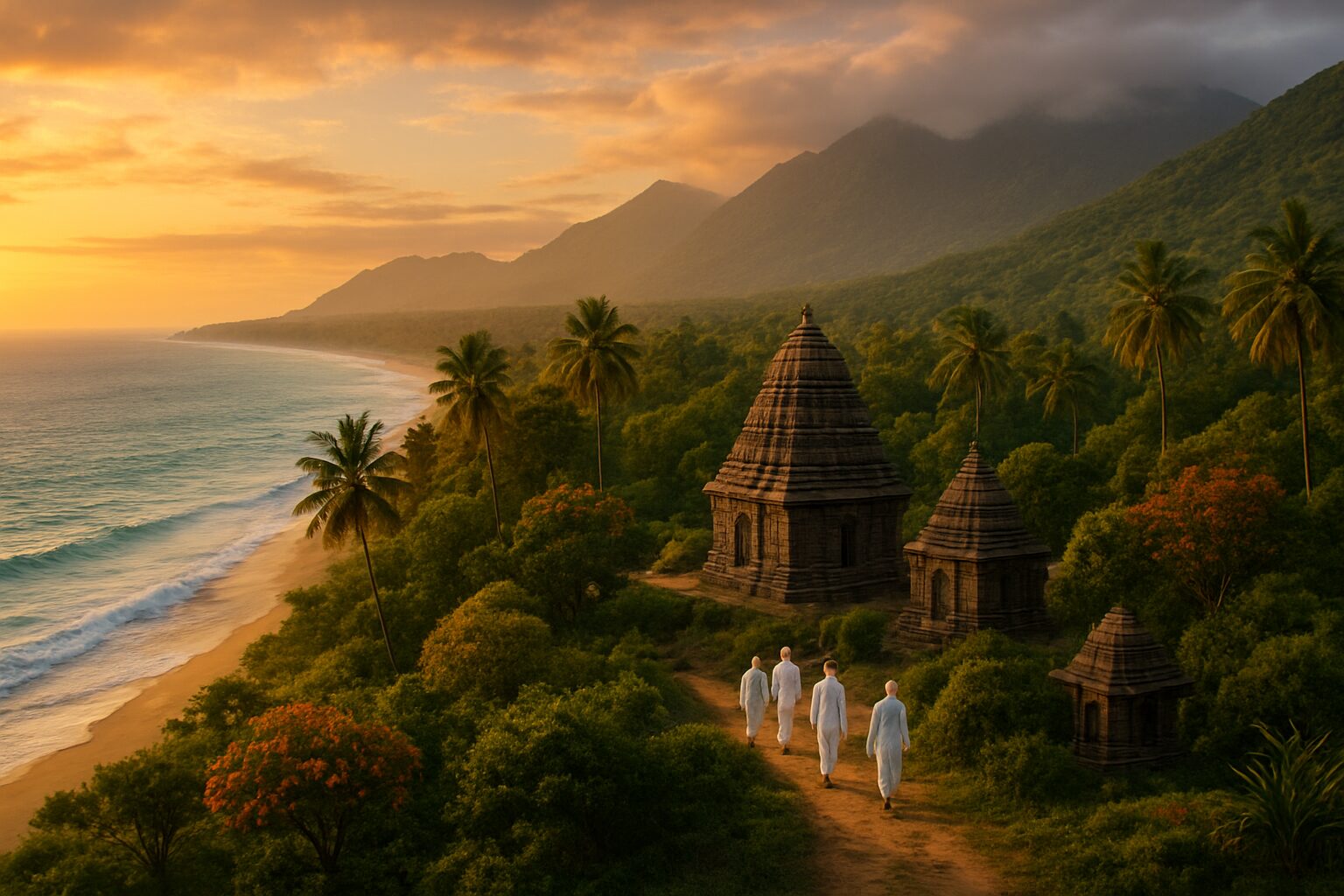
Karnataka’s unique position between the Arabian Sea and the Western Ghats creates something truly magical—a landscape where spiritual traditions have flourished for centuries. From coastal temples that have witnessed countless sunrises over the ocean to hidden sanctuaries nestled in misty mountain valleys, this region offers pilgrims and travelers an extraordinary blend of natural beauty and sacred heritage. The ancient temple complexes tell stories of devotion that span generations, while vibrant festivals create living bridges between the coastal communities and mountain dwellers.
The real beauty of exploring Karnataka’s sacred landscapes lies in doing so responsibly. These fragile ecosystems need our protection just as much as they need our reverence. When you visit these temples and participate in local festivals, you’re not just checking items off a travel list—you’re becoming part of a tradition that honors both the divine and the natural world. Pack light, respect local customs, and remember that the most meaningful spiritual experiences often come from simply being present in these incredible spaces where land, sea, and sky meet.
For a private guided tour of Coastal Karnataka, visit 5 Days from Mangalore to Gokarna.
Leave a Reply