
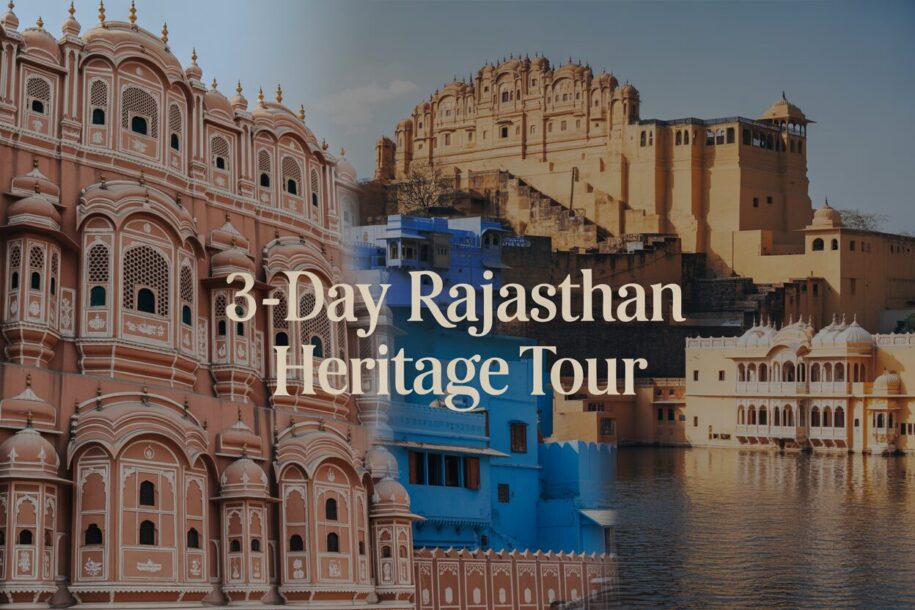
Rajasthan’s majestic palaces, ancient forts, and vibrant culture make it India’s top heritage destination. This complete itinerary for a 3-Day Heritage Tour in Rajasthan is perfect for first-time visitors, weekend travelers, and history enthusiasts who want to experience the best of royal Rajasthan without feeling rushed.
Your heritage tour in Rajasthan will take you through three iconic cities: the Pink City of Jaipur with its stunning palaces, the Blue City of Jodhpur with its towering Mehrangarh Fort, and the romantic lake city of Udaipur. We’ll show you exactly how to plan each day, manage your budget smartly, and capture those Instagram-worthy shots that’ll make your friends jealous.
Get ready to walk through centuries of royal history, taste authentic Rajasthani cuisine, and create memories that’ll last a lifetime.
Essential Pre-Trip Planning for Your Rajasthan Heritage Journey
Choose the Perfect Time to Visit for Optimal Weather and Festivals
Planning your heritage tour in Rajasthan around the right season makes all the difference between a magical experience and an uncomfortable one. The best time to explore this desert state is during the cooler months from October to March, when daytime temperatures hover around 20-25°C, perfect for wandering through ancient palaces and forts.
Winter months (December to February) offer the most comfortable weather, but they’re also peak tourist season. Book accommodations well in advance and expect higher prices. The shoulder months of October-November and February-March provide excellent weather with fewer crowds and better deals.
Festival timing can transform your heritage experience dramatically. The Pushkar Camel Fair in November showcases traditional Rajasthani culture, while Jaipur’s Holi celebrations in March add vibrant colors to your palace visits. The Desert Festival in Jaisalmer (February) features folk performances against stunning fort backdrops.
Avoid visiting during summer months (April to June) when temperatures soar above 45°C, making outdoor exploration nearly impossible. Monsoon season (July to September) brings relief from heat but can disrupt travel plans with flooding and transportation delays.
Book Heritage Hotels and Palace Accommodations in Advance
Rajasthan’s heritage hotels are living pieces of history, many converted from actual royal palaces and havelis. These properties offer authentic experiences but have limited rooms, making advance booking essential.
Start your search 3-4 months before travel, especially for luxury palace hotels like Taj Lake Palace in Udaipur or Umaid Bhawan Palace in Jodhpur. These iconic properties often sell out months ahead during peak season.
Consider your priorities when choosing accommodations:
- Authentic heritage experience: Stay in converted palaces and forts
- Budget-friendly options: Heritage-style hotels that capture the ambiance without palace prices
- Location convenience: Properties within walking distance of major attractions
- Modern amenities: Air conditioning, reliable Wi-Fi, and quality dining
Heritage hotels in old city areas like Jaipur’s Pink City or Jodhpur’s Blue City offer unparalleled atmosphere but may have narrow access roads. Confirm vehicle access if you’re traveling with large luggage.
Many heritage properties offer package deals including meals, guided tours, and cultural performances. Compare these packages against booking separately to find the best value.
Arrange Reliable Transportation Between Cities
Getting between Rajasthan’s heritage cities requires careful planning to maximize your limited three-day window. The golden triangle of Jaipur-Jodhpur-Udaipur covers significant distances, making transportation choice crucial for trip success.
Private car with driver remains the most flexible option for heritage tourists. This allows spontaneous stops at roadside attractions, better timing control, and comfortable travel between destinations. Expect to pay ₹12-15 per kilometer for a reliable AC sedan with experienced driver.
Train travel offers authentic Indian experiences and connects major heritage cities efficiently:
- Jaipur to Jodhpur: 5-6 hours on Mandor Express or Suryanagari Express
- Jodhpur to Udaipur: 5-7 hours on various passenger trains
- Direct flights connect all three cities but can be expensive and time-consuming with airport transfers
Book train tickets well in advance through official IRCTC website or authorized agents. Tatkal booking (emergency reservation) opens 24 hours before departure but sells out quickly.
Domestic flights work best for travelers with tight schedules or those uncomfortable with long road journeys. Jaipur, Jodhpur, and Udaipur all have airports with regular connections to Delhi and Mumbai.
Obtain Required Permits for Protected Historical Sites
In this heritage tour in Rajasthan, many sites require special permits or have restricted access areas that need advance permission. Understanding these requirements prevents disappointment and wasted time during your tour.
Archaeological Survey of India (ASI) manages most major monuments and forts. While general entry tickets can be purchased on-site, some special areas require advance permits:
- Photography permits: Required for professional cameras or commercial photography at most ASI sites
- Mehrangarh Fort special areas: Certain sections need separate tickets
- City Palace museums: Some private collections require advance booking
Foreign visitors need to carry valid passports for monument entry, as some sites offer discounted rates for Indian nationals. Student discounts are available with valid student ID cards.
Several heritage sites have time-slot restrictions to manage crowd flow. Amber Palace in Jaipur and City Palace in Udaipur implement timed entry during peak season. Book online tickets when possible to skip entry queues.
Private palaces and havelis often require advance notice for visits. Contact property managers directly or work with local tour operators who maintain relationships with heritage property owners. These exclusive access opportunities often provide the most memorable heritage experiences but need careful coordination.
Day 1: Discover Jaipur’s Royal Architectural Marvels
Start Early at Amber Fort for Stunning Sunrise Views
Rising before dawn might seem challenging during your holiday, but catching the sunrise at Amber Fort sets the perfect tone for your Jaipur adventure. The fort opens its gates at 6 AM, giving you exclusive access to this magnificent hilltop marvel while morning mist still clings to the Aravalli hills.
The climb to the fort takes about 20 minutes on foot, or you can opt for an elephant ride or jeep safari. During the golden hour, the honey-colored sandstone walls glow brilliantly against the backdrop of Maota Lake. The Sheesh Mahal (Mirror Palace) becomes particularly magical as sunlight filters through its intricate mirror work, creating thousands of dancing light patterns.
Don’t miss the Ganesh Pol gateway with its stunning frescoes and the Sukh Niwas (Hall of Pleasure) with its ingenious cooling system. The fort’s strategic location offers panoramic views of the Pink City below, making it an ideal spot for photography enthusiasts.
Explore City Palace Complex and Royal Museums
After breakfast, head to the heart of Jaipur’s old city where the magnificent City Palace awaits. This sprawling complex represents a perfect blend of Rajasthani and Mughal architecture, serving as both a museum and the current residence of Jaipur’s royal family.
The palace complex houses several courtyards, gardens, and buildings. The Mubarak Mahal showcases an impressive collection of royal costumes, including Sawai Madho Singh I’s massive garments – he stood seven feet tall and weighed over 250 kilograms. The Armory Museum displays an extensive collection of weapons, including ceremonial swords with gemstone-encrusted handles.
The Chandra Mahal, still occupied by the royal family, offers guided tours of its ground floor. The Pritam Niwas Chowk features four stunning gateways representing different seasons, each painted in vibrant colors and decorated with peacock and lotus motifs.
Allow at least three hours to properly explore the complex. The audio guide provides fascinating stories about royal life and architectural details you might otherwise miss.
Marvel at Hawa Mahal’s Intricate Honeycomb Design
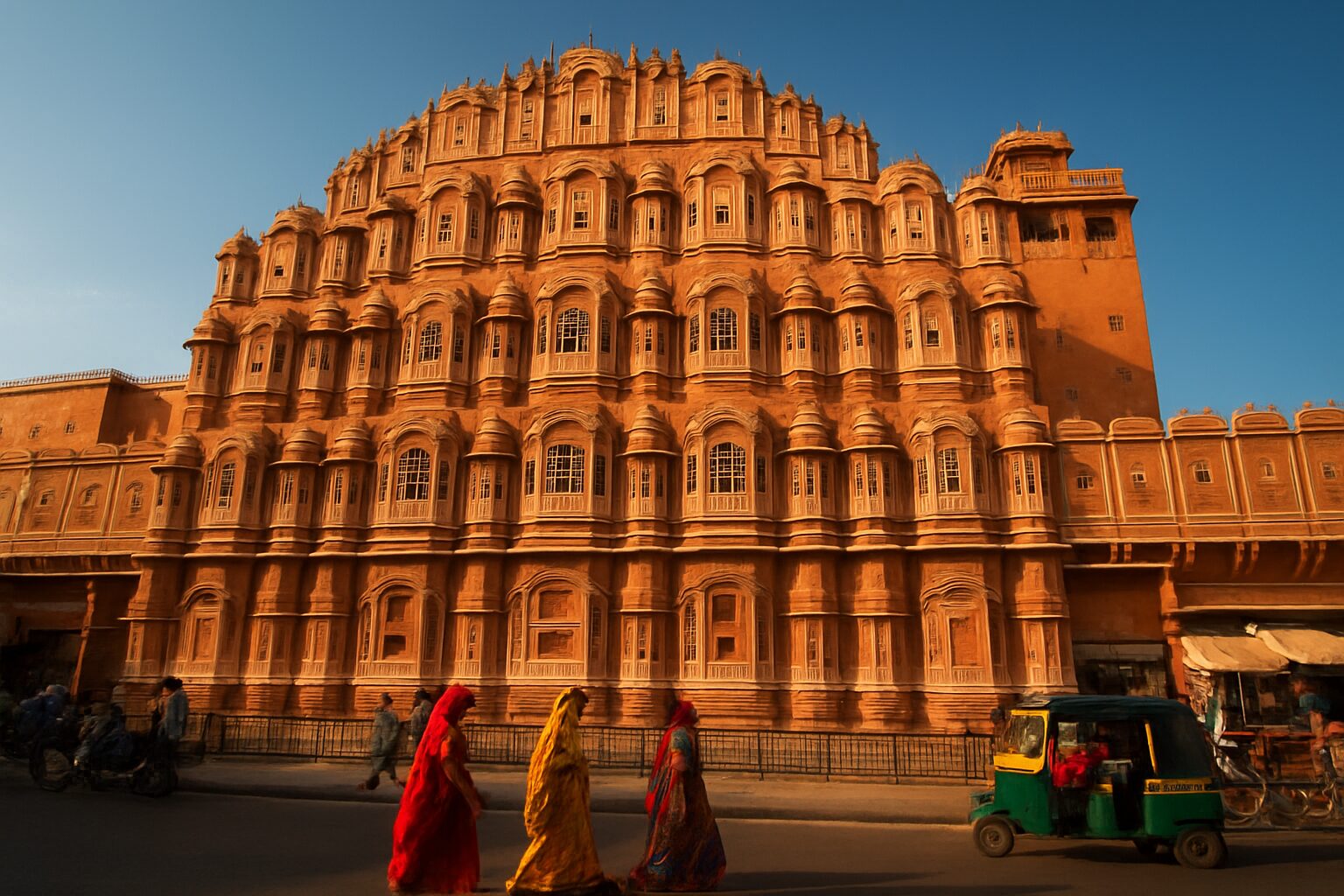
Just a short walk from City Palace stands Jaipur’s most photographed landmark – the Hawa Mahal or Palace of Winds. This five-story pink sandstone facade might look like a palace from the street, but it’s actually a sophisticated screen designed for royal ladies to observe street festivities without being seen.
The structure features 953 small windows called jharokhas, each decorated with intricate latticework. The honeycomb design isn’t just decorative; it creates a natural air conditioning system that keeps the interior cool even during Rajasthan’s scorching summers. The name “Palace of Winds” comes from this clever ventilation system.
Climb to the top floors for different perspectives of the city below. Each level offers unique views, and the morning light streaming through the jharokhas creates beautiful patterns on the walls. The narrow corridors and steep staircases add to the building’s mysterious charm.
The best photography happens from across the street, where you can capture the entire facade. Early morning or late afternoon light enhances the pink sandstone’s natural glow.
End with Jantar Mantar’s Ancient Astronomical Instruments
Conclude your Jaipur exploration at Jantar Mantar, an outdoor astronomical observatory built by Maharaja Sawai Jai Singh II in 1734. This UNESCO World Heritage site houses the world’s largest stone sundial and demonstrates the incredible scientific knowledge of 18th-century India.
The complex contains 19 astronomical instruments, each serving specific purposes. The Vrihat Samrat Yantra, a massive sundial, can tell time accurate to within two seconds. The Jai Prakash Yantra consists of two marble hemispheres that function as a celestial sphere, while the Ram Yantra measures the altitude and azimuth of celestial objects.
What makes Jantar Mantar special is its combination of astronomy, astrology, and architecture. Each instrument represents mathematical precision carved in stone and marble. The Rashivalaya Yantras, twelve triangular instruments, correspond to zodiac signs and were used for astrological calculations.
Visit during late afternoon when shadows are distinct and the instruments are most functional. A local guide can demonstrate how these ancient tools work and explain their significance in Indian astronomy. The site offers a perfect ending to your day, showcasing the scientific achievements of Rajasthan’s rulers alongside their architectural brilliance.
For a private guided tour of Jaipur, please visit The Pink City Experience.
Day 2: Experience Jodhpur’s Blue City Grandeur
Travel Efficiently from Jaipur to Jodhpur
Start your second day of Heritage Tour in Rajasthan, early with a 6 AM departure from Jaipur to maximize your time in the Blue City. The most comfortable option is hiring a private taxi, which takes approximately 5-6 hours and costs around ₹4,000-6,000. The route via NH62 offers scenic desert landscapes and traditional Rajasthani villages along the way.
For budget travelers, state-run buses depart every hour from Jaipur’s main bus terminal, taking 6-7 hours at just ₹300-500 per person. Book AC Volvo buses for better comfort during the desert journey. Train enthusiasts can catch the early morning Mandore Express, departing at 5:50 AM and reaching Jodhpur by 11:35 AM.
Pack snacks and water for the journey, as roadside options can be limited. Plan a quick breakfast stop at Pali, roughly halfway through your drive, where local dhabas serve excellent parathas and chai.
Conquer Mehrangarh Fort’s Imposing Ramparts
Rising 400 feet above the city, Mehrangarh Fort dominates Jodhpur’s skyline like a massive stone crown. Purchase your entry ticket online (₹100 for Indians, ₹600 for foreigners) to skip the queues, especially during peak season.
Begin your exploration at the museum, which houses an incredible collection of royal artifacts, weapons, and textiles. The audio guide (₹200 extra) provides fascinating stories about Marwar rulers and their legendary battles. Don’t miss the intricate latticed windows in Phool Mahal and the stunning mirror work in Sheesh Mahal.
The fort offers breathtaking panoramic views of the blue-painted houses sprawling below. Visit the ramparts during golden hour for the most spectacular photography opportunities. The fort’s seven gates each tell unique stories of valor and sacrifice – particularly Jayapol, built to commemorate victories over Jaipur and Bikaner armies.
Allow 3-4 hours for a thorough visit. The fort also features a zip-lining experience for adventure seekers, offering an adrenaline rush while soaking in aerial views of the historic city.
Wander Through Vibrant Blue Streets of Old City
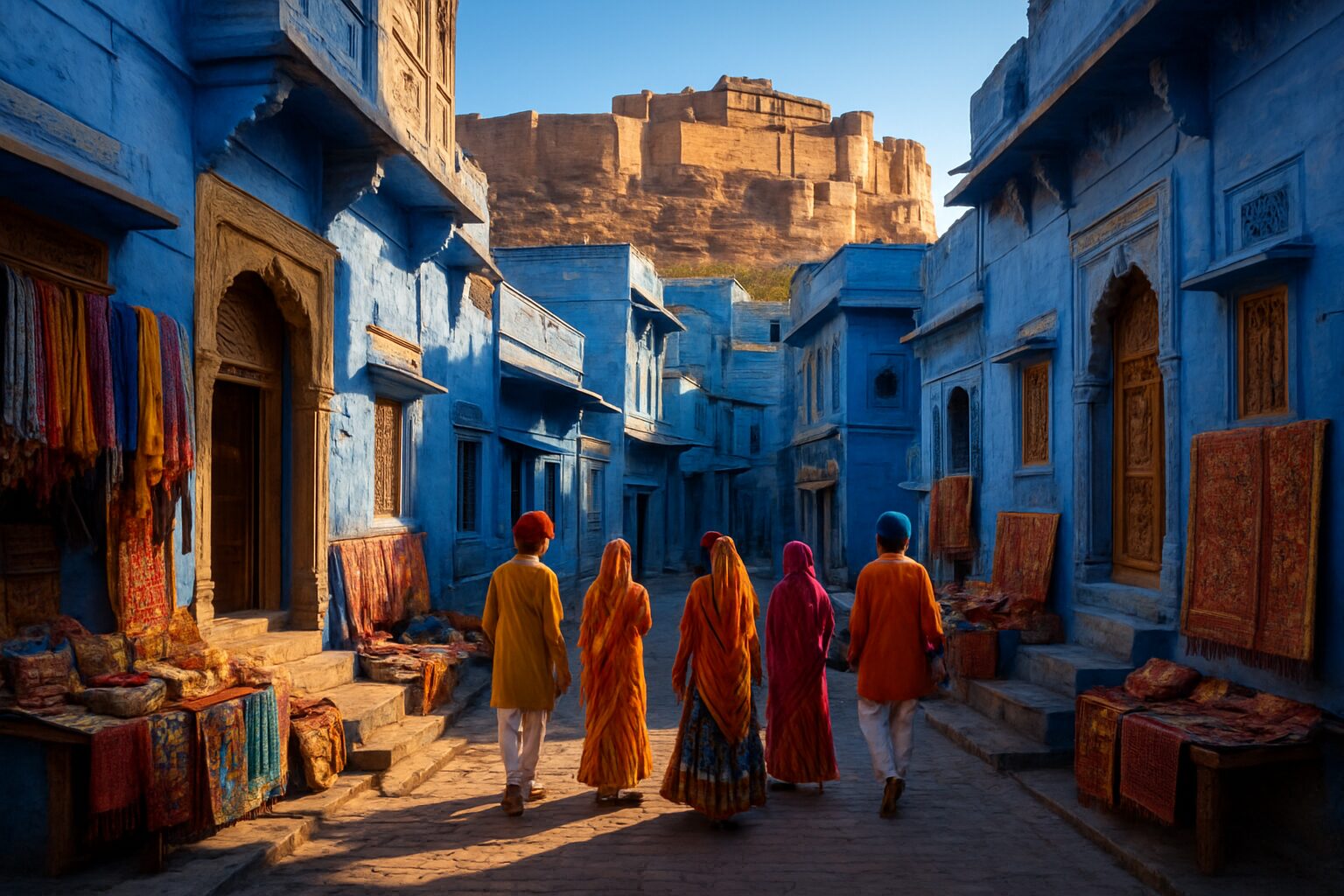
Step down from Mehrangarh Fort into a sea of azure buildings that earned Jodhpur its “Blue City” nickname. These indigo-painted houses originally belonged to Brahmin families, but the tradition spread citywide for its cooling properties and insect-repelling qualities.
Start your walking tour from Clock Tower, the heart of the old city. Navigate narrow, winding lanes where every turn reveals Instagram-worthy blue facades adorned with intricate carvings and colorful doorways. Local families often invite curious travelers for chai and stories about their ancestral homes.
The best photo spots include Navchokiya area, where blue houses cascade down hillsides like frozen waterfalls. Visit Toorji Ka Jhalra, a restored stepwell where blue walls reflect in ancient waters, creating magical mirror images.
Interact with local artisans who still practice traditional crafts in these historic lanes. Watch block printers create vibrant textiles, metalworkers forge beautiful artifacts, and spice merchants blend aromatic masalas that have perfumed these streets for centuries.
Wear comfortable walking shoes as streets can be uneven. Respect local privacy when photographing homes and always ask permission before capturing people in your shots.
Visit Jaswant Thada’s Peaceful Marble Memorial
zJust a short walk from Mehrangarh Fort lies Jaswant Thada, often called the “Taj Mahal of Marwar.” This ethereal white marble cenotaph, built in 1899, commemorates Maharaja Jaswant Singh II and serves as the royal cremation ground for Jodhpur’s ruling family.
The memorial’s translucent marble sheets create a magical glow when sunlight filters through, especially during early morning and late afternoon visits. Intricate marble lattice work and carved pillars showcase exceptional craftsmanship that rivals the finest Mughal architecture.
Wander through the peaceful gardens surrounding the main structure, where you’ll find smaller cenotahs dedicated to other royal family members. The serene atmosphere provides a welcome respite from the bustling city below.
The memorial houses portraits of Marwar rulers and offers stunning views of Mehrangarh Fort looming majestically overhead. Professional photographers often choose this location for pre-wedding shoots due to its romantic marble architecture and scenic backdrop.
Entry costs just ₹30 for Indians and ₹50 for foreigners. The monument closes at 5 PM, so plan your visit accordingly. The peaceful ambiance makes this spot perfect for quiet reflection and appreciation of Rajasthani craftsmanship.
Shop for Handicrafts at Sardar Market
End your Jodhpur exploration at the vibrant Sardar Market, wrapped around the iconic Clock Tower. This bustling marketplace has been the city’s commercial heart for over a century, where traditional crafts meet modern commerce in a sensory explosion of colors, sounds, and aromas.
Hunt for authentic Rajasthani handicrafts including bandhani textiles, mojaris (traditional leather shoes), and intricately carved wooden furniture. The market specializes in antiques, with many shops offering genuine vintage pieces alongside reproduction items. Always negotiate prices – starting at 30% of the quoted price is standard practice.
Don’t miss the spice section, where vendors display pyramids of colorful powders creating a rainbow effect. Purchase authentic saffron, cardamom, and special masala blends unique to Marwar cuisine. Local sweets like mawa kachori and makhaniya lassi provide perfect energy boosts between shopping expeditions.
The clock tower itself serves as a navigation landmark – use it to orient yourself when exploring the market’s maze-like lanes. Evening hours (4-7 PM) offer the best shopping experience when temperatures cool and the market buzzes with local activity.
For authentic experiences, engage with shopkeepers who often share fascinating stories about their family businesses spanning multiple generations. Many artisans work directly in their shops, allowing you to watch traditional crafts being created.
For a private guided tour of Jodhpur, please visit the Blue City Experience.
Day 3: Immerse in Udaipur’s Lake Palace Romance
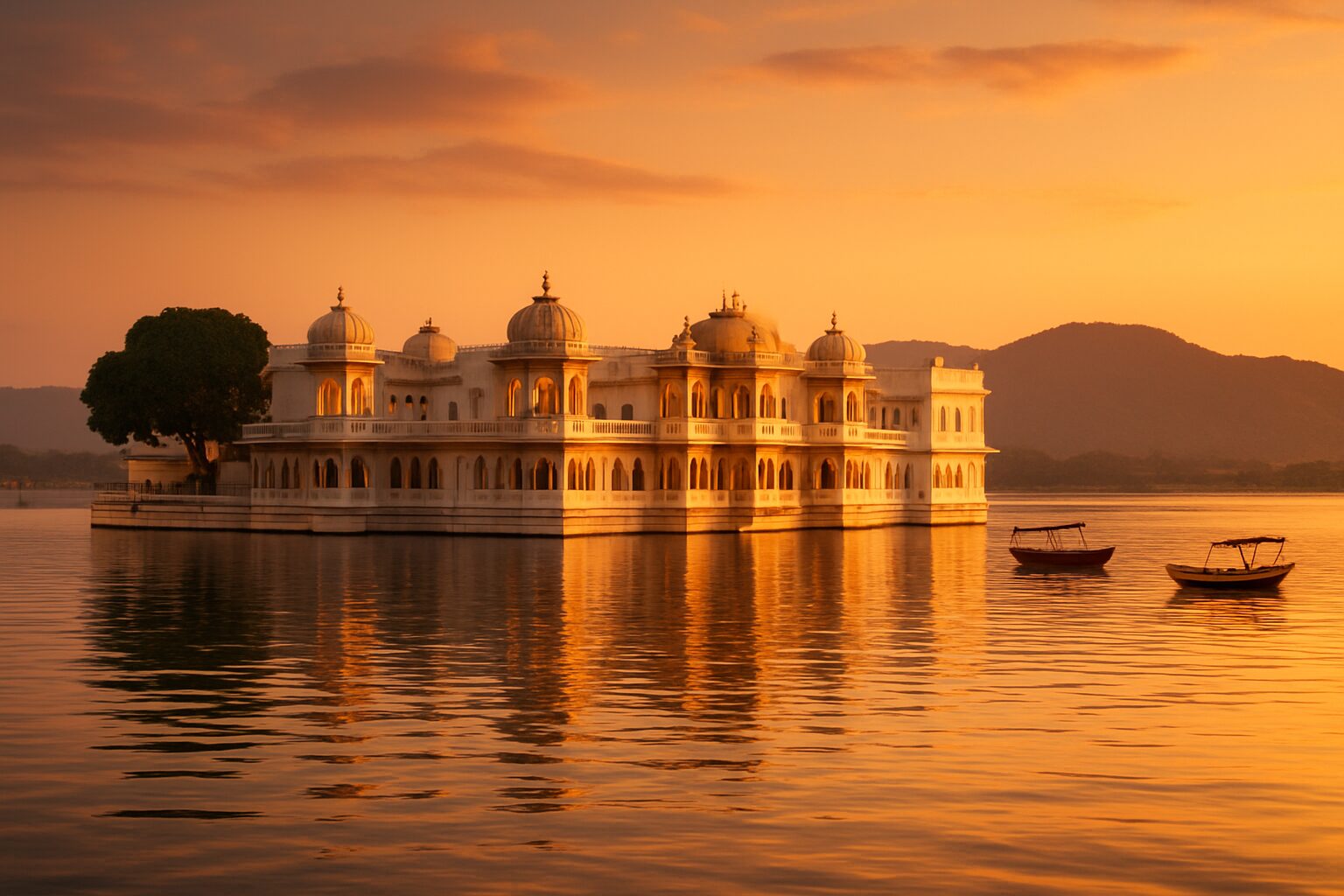
Journey Smoothly from Jodhpur to Udaipur
Start your third day of Heritage Tour in Rajasthan, early with a drive from Jodhpur to Udaipur, covering approximately 260 kilometers in 4-5 hours. The route takes you through scenic Rajasthani countryside dotted with traditional villages and Aravalli hills. Book a private taxi or join a shared cab service for comfort and flexibility. If you prefer train travel, the Mandore Express departs Jodhpur at 2:15 AM, reaching Udaipur by 8:30 AM – perfect for maximizing your sightseeing time.
Pack light snacks and water for the journey, as roadside dhabas offer limited options. The drive becomes more picturesque as you approach Udaipur, with glimpses of lakes and marble quarries dotting the landscape. Plan to reach Udaipur by 10 AM to make the most of your day exploring the City of Lakes.
Tour Magnificent City Palace Overlooking Lake Pichola
City Palace stands as Rajasthan’s largest palace complex, stretching along Lake Pichola’s eastern shore for 244 meters. Built over 400 years by successive Maharanas of Mewar, this architectural masterpiece blends Rajasthani, Mughal, Medieval, European, and Chinese styles seamlessly.
Enter through the main gate and climb to the palace museum, which houses an incredible collection of:
- Crystal gallery with Belgian crystal furniture
- Royal armory featuring swords and daggers
- Miniature paintings depicting court life
- Vintage cars including a 1934 Rolls Royce
The palace’s highest point offers breathtaking panoramic views of Lake Pichola, Jag Mandir, and the surrounding Aravalli hills. Don’t miss the Mor Chowk (Peacock Courtyard) with its stunning mosaic peacocks adorning the walls. The intricate mirror work in Sheesh Mahal reflects light beautifully, creating a magical atmosphere.
Spend 2-3 hours exploring the palace’s courtyards, balconies, and galleries. The audio guide provides fascinating stories about royal traditions and palace life. Visit during late morning when natural light illuminates the lake views perfectly.
Take Scenic Boat Ride to Jagmandir Island Palace
Lake Pichola boat rides offer Udaipur’s most romantic experience. Board from the City Palace jetty for a 30-minute journey to Jagmandir Island, also known as Lake Garden Palace. The marble palace appears to float on water, creating picture-perfect reflections.
Built in 1620 by Maharana Karan Singh, Jagmandir served as a summer resort and refuge. The island palace features:
- Gul Mahal with its distinctive dome
- Garden courtyards with fountains
- Marble elephants guarding the landing area
- Restaurant offering royal dining experiences
The boat ride provides spectacular views of City Palace from the water, revealing its true grandeur. Photography enthusiasts capture stunning shots of the palace’s reflection in the calm lake waters. Evening boat rides during sunset create the most magical atmosphere, with golden light dancing on the marble facades.
Consider booking the luxury boat option for comfortable seating and refreshments during the journey. The gentle breeze and serene surroundings make this experience truly unforgettable.
Explore Saheliyon ki Bari’s Beautiful Garden Retreat
Saheliyon ki Bari, meaning Garden of Maids of Honor, offers a peaceful retreat from palace grandeur. Built in the 18th century for the royal ladies, this ornamental garden showcases Mughal-style landscaping with fountains, lotus pools, marble pavilions, and lush greenery.
The garden’s main attractions include:
- Lotus pool with fountain displays
- Marble chhatris (pavilions) for relaxation
- Rose garden with seasonal blooms
- Museum displaying royal artifacts
The ingenious fountain system operates without pumps, using natural water pressure from the hills. Rain-fed fountains create a soothing ambiance perfect for photography and relaxation. The garden’s design ensures cool temperatures even during hot afternoons, making it an ideal spot for unwinding.
Peacocks often roam the grounds, adding to the garden’s charm. The well-maintained pathways and benches provide comfortable spots for rest and reflection. Plan to spend 1-2 hours here, enjoying the tranquil atmosphere after a day of palace exploration. The garden stays open until sunset, offering beautiful golden hour photography opportunities.
Smart Budget Management for Maximum Heritage Experience
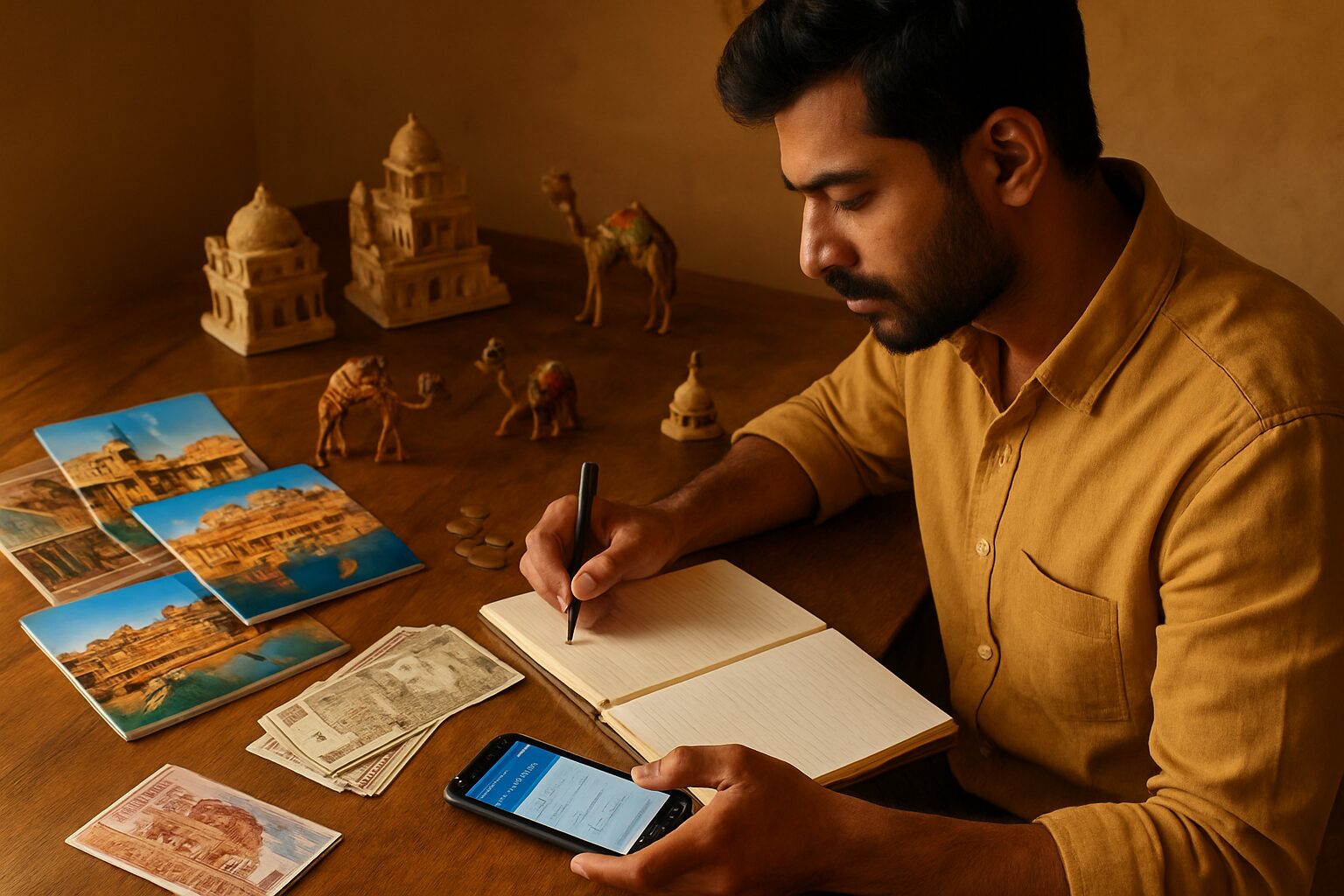
Calculate Transportation Costs Between Cities
Train travel remains the most economical option for covering the Jaipur-Jodhpur-Udaipur triangle. AC 3-tier sleeper tickets cost ₹800-1,200 between cities, while AC 2-tier ranges from ₹1,500-2,000. Book through IRCTC at least 15 days in advance for the best deals and confirmed seats.
Private taxi services offer flexibility but come at a premium. Expect to pay ₹12-15 per kilometer for a reliable AC sedan, totaling around ₹15,000-20,000 for the entire circuit. Split costs by traveling with friends or consider hiring local taxis for day trips instead of intercity transfers.
Budget airlines occasionally offer competitive fares, especially during off-peak seasons. SpiceJet and IndiGo connect these cities with flights ranging from ₹3,000-8,000 depending on booking timing. Factor in airport transfers when comparing total costs.
Compare Heritage Hotel Packages and Amenities
Heritage hotels in Rajasthan offer incredible value when booked strategically. Properties like Samode Palace in Jaipur or Umaid Bhawan Palace in Jodhpur provide royal experiences starting from ₹8,000-15,000 per night during shoulder seasons.
Look for package deals that include breakfast, airport transfers, and complimentary heritage walks. Many palaces offer 20-30% discounts for advance bookings or extended stays. Mid-range heritage properties like havelis converted into boutique hotels deliver authentic experiences at ₹3,000-6,000 nightly.
Check what’s included: some packages cover traditional Rajasthani cultural performances, cooking classes, or vintage car rides. WiFi, air conditioning, and hot water might seem basic but aren’t guaranteed everywhere, so verify amenities before booking.
Budget for Entry Fees and Guide Services
Monument entry fees add up quickly across three cities. Amber Fort, City Palace Jaipur, Mehrangarh Fort, and City Palace Udaipur charge ₹200-500 each for foreign tourists, ₹50-100 for Indians. Purchase composite tickets where available to save 15-20%.
Professional guides enhance heritage experiences significantly. Government-certified guides charge ₹1,500-2,500 per day and speak multiple languages. Audio guides cost ₹100-200 per monument but lack personalized insights. Group tours offer middle-ground pricing at ₹800-1,200 per person.
Photography fees range from ₹50-300 extra per monument. Some locations prohibit cameras entirely, while others charge separately for video recording. Research restrictions beforehand to avoid disappointment.
Plan for Authentic Rajasthani Cuisine Experiences
Street food adventures cost mere hundreds while delivering unforgettable flavors. Jaipur’s Bapu Bazaar offers pyaaz kachori and lassi for ₹30-50 per item. Jodhpur’s clock tower area serves mirchi vada and mawa kachori at similar prices.
Mid-range restaurants in heritage hotels provide refined Rajasthani thalis for ₹800-1,500 per person. These meals include multiple courses showcasing regional specialties like dal baati churma, ker sangri, and gatte ki sabzi.
Cooking classes at heritage properties cost ₹2,000-4,000 but include market visits, hands-on preparation, and recipe cards. Royal dining experiences with traditional entertainment range from ₹3,000-8,000 per person but create lasting memories. Budget ₹1,500-2,500 daily per person for diverse culinary exploration mixing street food, restaurants, and special experiences.
Pro Tips for Capturing Perfect Heritage Memories
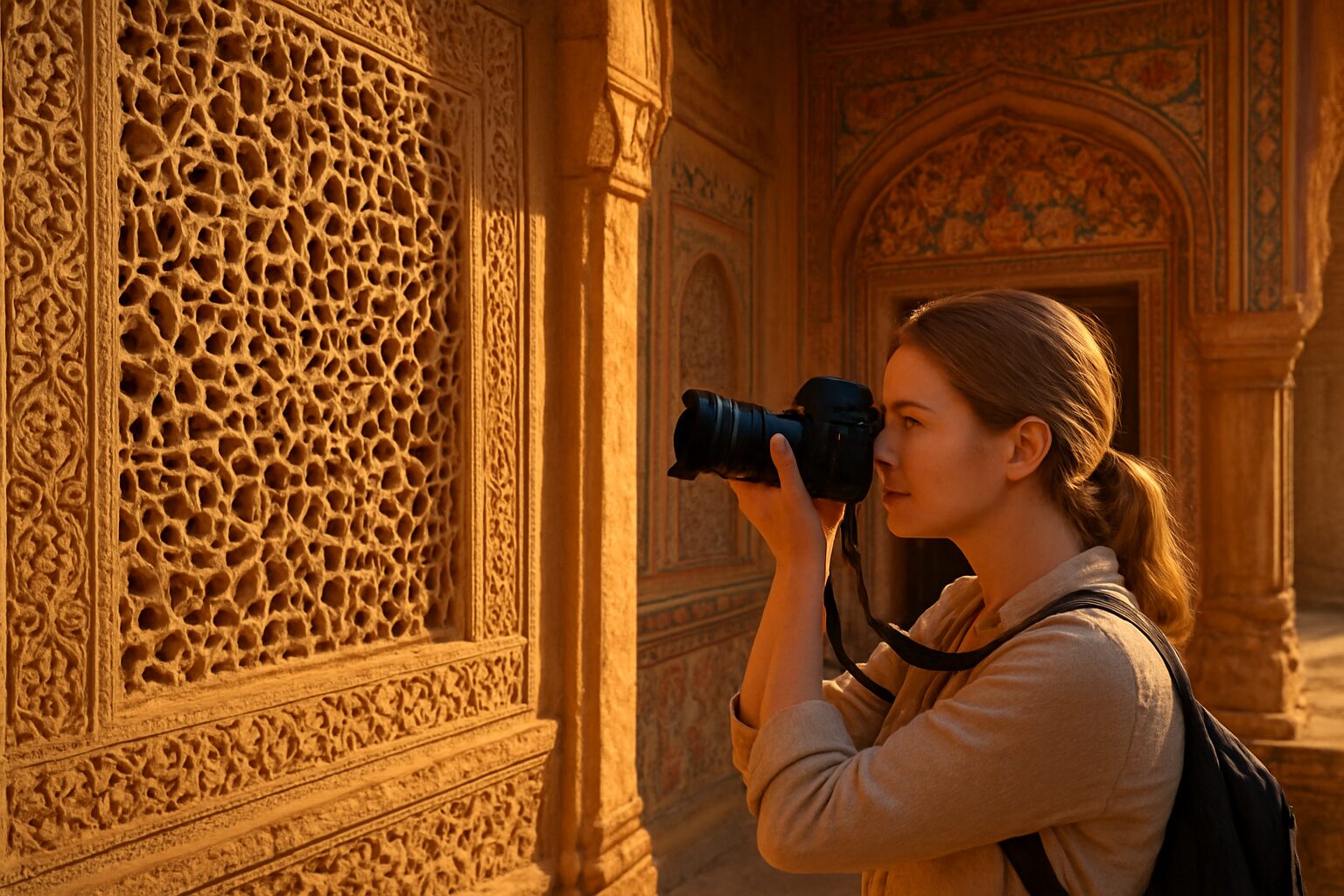
Best Photography Spots at Each Historical Monument
Jaipur’s Prime Photo Locations
Start your morning at Amber Fort’s Sheesh Mahal (Mirror Palace) when sunlight streams through the windows, creating magical reflections. The courtyard offers stunning symmetrical shots with intricate Rajasthani architecture as your backdrop. At Hawa Mahal, position yourself across the street during golden hour for the perfect facade shot. The City Palace provides excellent opportunities from its upper terraces, where you can capture panoramic views of the Pink City spreading below.
Jodhpur’s Blue City Angles
Mehrangarh Fort offers the most breathtaking aerial views of the blue houses cascading down the hillside. Head to the fort’s ramparts during sunrise or late afternoon when the blue walls glow warmly. The Jaswant Thada’s white marble creates beautiful contrast shots against Jodhpur’s desert landscape. Don’t miss the clock tower area from elevated positions for authentic street photography.
Udaipur’s Lakeside Compositions
Lake Pichola provides perfect reflections of the City Palace during calm morning hours. The best shots of Lake Palace come from the City Palace’s upper levels or boat rides during golden hour. Saheliyon Ki Bari offers intimate garden photography with fountains and marble pavilions creating romantic frames.
For immersive culture walks across India, please visit 5 Senses Walks.
Respect Cultural Guidelines While Taking Pictures
Sacred Space Etiquette
Many sites in this Heritage Tour in Rajasthan, house active temples and prayer areas where photography restrictions apply strictly. Always ask permission before photographing religious ceremonies or devotees. Remove shoes when entering temple complexes within palaces, and switch off camera flashes near ancient artwork and manuscripts, as bright lights can damage centuries-old pigments.
People Photography Guidelines
Local vendors, artisans, and performers deserve respect and often appreciate small tips for photos. Many elderly locals enjoy sharing their stories but prefer being asked first. Avoid photographing women without permission, especially in traditional dress, as this respects local customs and privacy.
Preservation Consciousness
Stick to designated pathways when shooting architectural details. Climbing on heritage structures for unique angles damages ancient stonework and violates preservation rules. Use zoom lenses instead of getting physically close to delicate carvings or frescoes.
Engage Local Guides for Hidden Historical Stories
Uncovering Secret Narratives
Licensed local guides possess generational knowledge passed down through families who served these palaces for centuries. They share fascinating tales about royal scandals, architectural mysteries, and hidden passages that standard guidebooks never mention. These stories transform static monuments into living narratives of love, betrayal, and political intrigue.
Access to Restricted Areas
Experienced guides often have special relationships with monument authorities, potentially providing access to areas typically closed to general visitors. They know optimal timing for visiting popular spots when crowds thin out, creating better photography opportunities and more intimate historical experiences.
Cultural Context and Interpretation
Local guides explain symbolic meanings behind architectural elements, helping you understand why certain colors, patterns, or decorations were chosen. They decode the political and religious significance of palace layouts, making your heritage tour educational rather than just visually impressive. Their insights help you ask better questions and notice details you’d otherwise overlook completely.
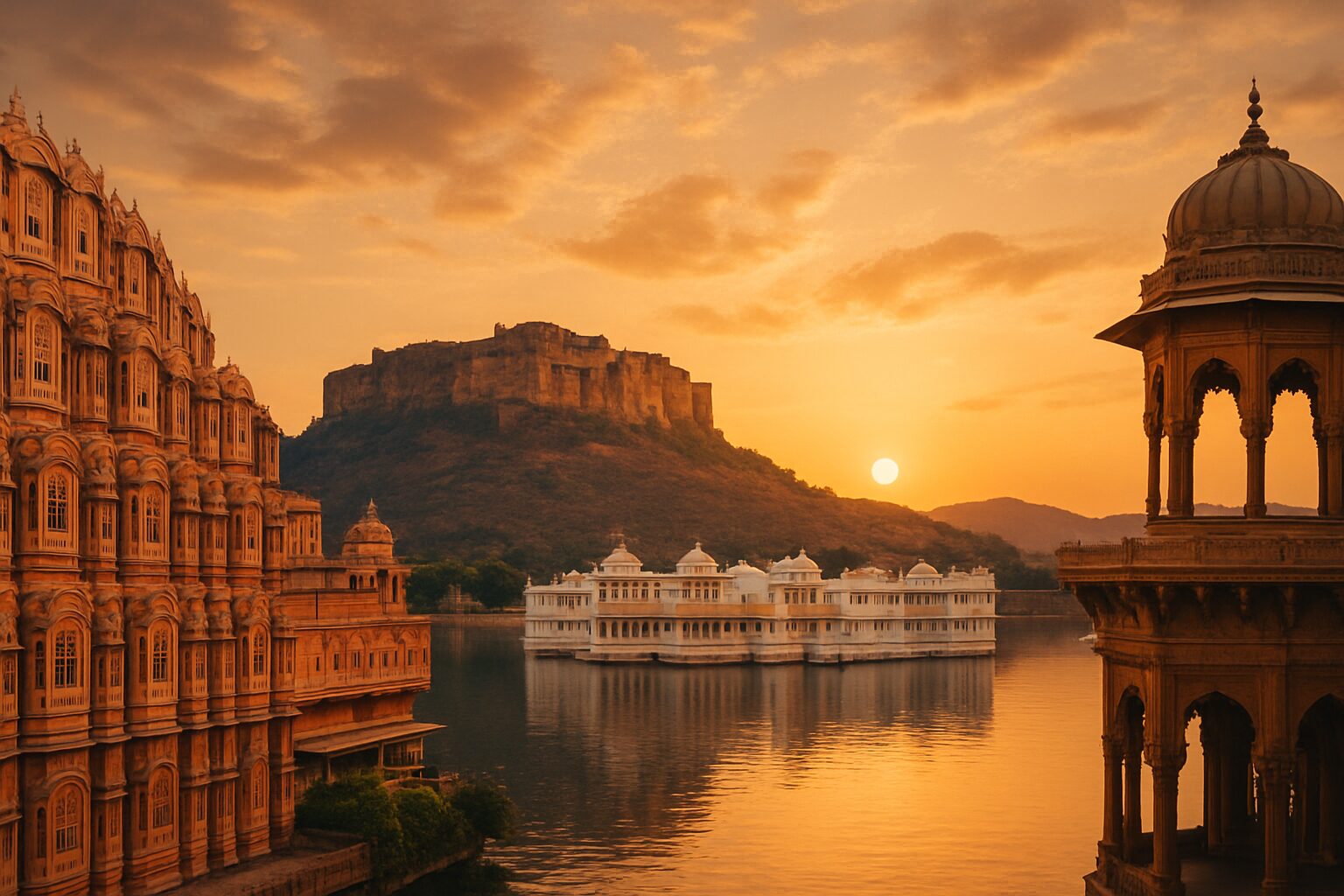
Rajasthan’s heritage cities offer an incredible journey through India’s royal past, and these three days will give you a taste of what makes this region so magical. From Jaipur’s majestic palaces to Jodhpur’s striking blue streets and Udaipur’s romantic lakeside charm, each city brings its own unique flavor to your adventure. With smart planning and budget management, you can experience the grandeur of maharajas without breaking the bank.
Don’t forget to pack your camera and keep your phone charged – you’ll want to capture every ornate detail, vibrant sunset, and architectural wonder along the way. Start planning your trip today, book those accommodations early, and get ready to step into a world where history comes alive at every corner. Your Rajasthan heritage tour awaits, and trust me, three days will only leave you wanting more.
For exploring India on a Royal Enfield Motorcycle, please visit 5 Senses Motorcycle Tours.
Leave a Reply