
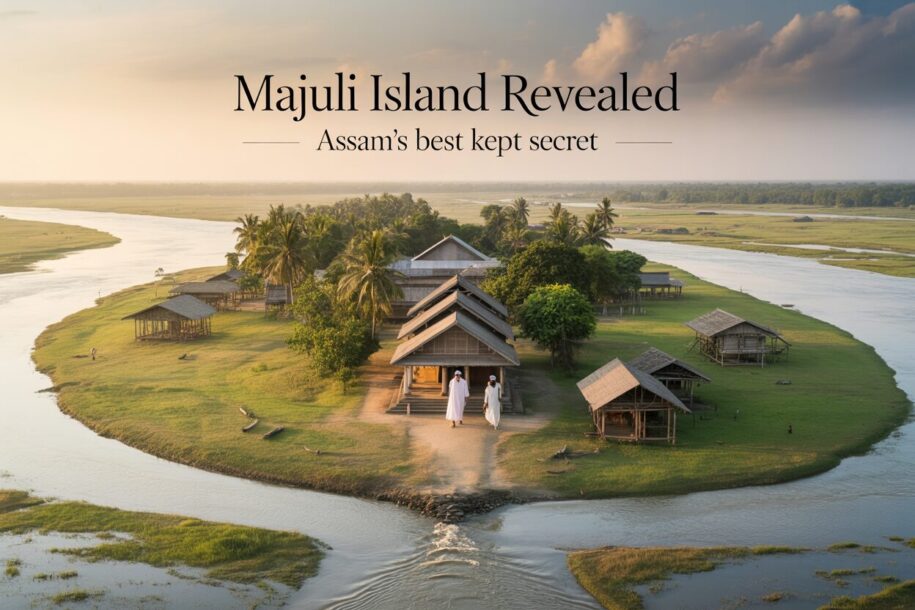
Hidden in the mighty Brahmaputra River sits Majuli Island, the world’s largest river island that most travelers have never heard of. This extraordinary destination in Assam offers something special for cultural explorers, spiritual seekers, and adventure travelers who want to experience authentic India beyond the typical tourist trail.
Majuli Island isn’t just another scenic spot – it’s a living museum where ancient traditions thrive alongside stunning natural beauty. Here, centuries-old monasteries called Sattras continue their spiritual practices while local communities celebrate festivals that haven’t changed for generations.
We’ll take you inside the island’s sacred Sattra monasteries where monks preserve Assamese culture through dance, music, and art. You’ll also discover the vibrant local festivals and traditions that make Majuli truly unique. Finally, we’ll share practical tips for getting there and finding the best places to stay, so you can plan an unforgettable cultural journey to Assam’s best kept secret.
For a private guided tour of Majuli from Guwahati, please visit River Stories of Majuli.
Discover Majuli’s Geographic Wonder and Cultural Significance
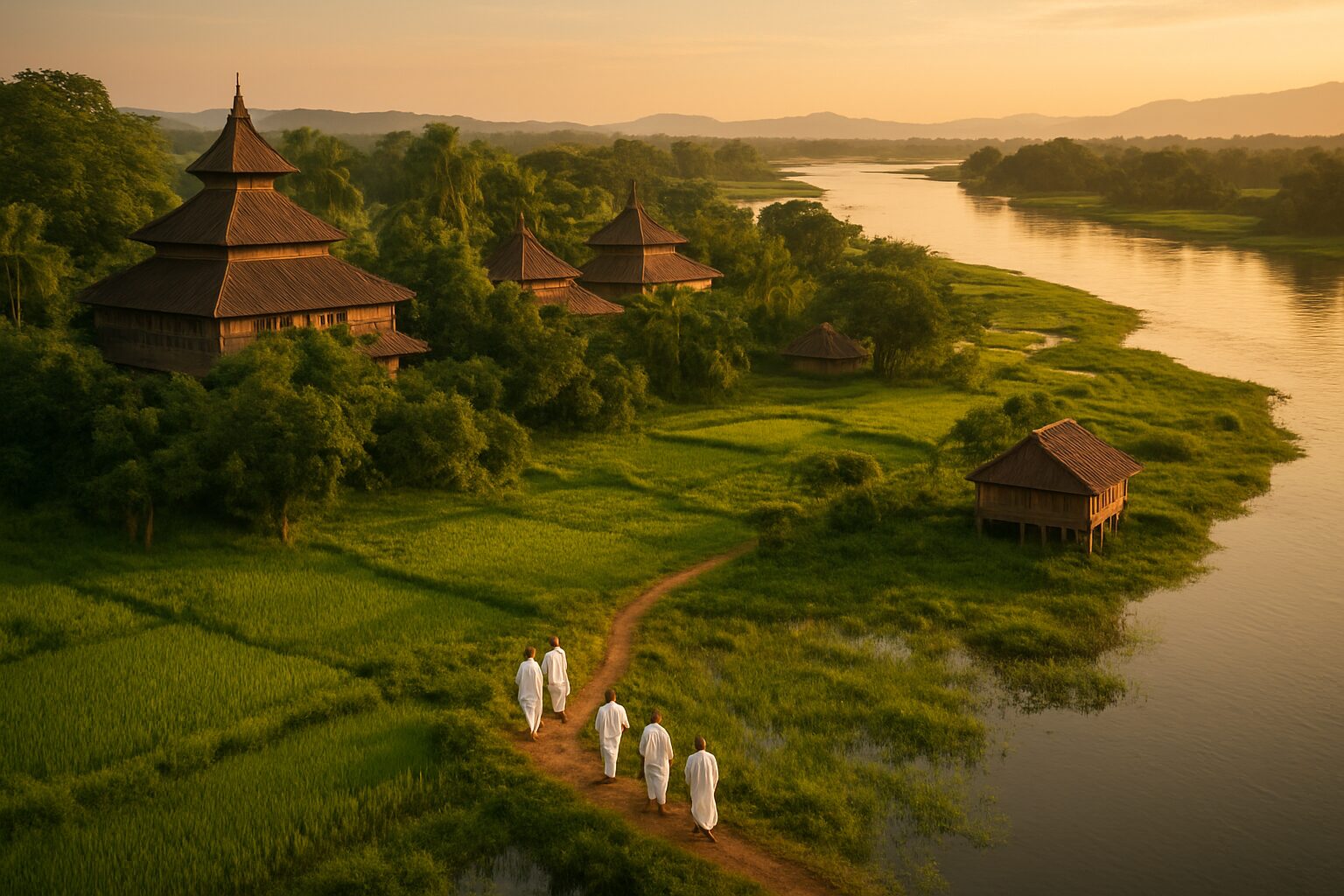
World’s largest river island spanning 880 square kilometers
Majuli stretches across an impressive 880 square kilometers, earning its title as the world’s largest river island. The island’s massive size becomes even more remarkable when you consider it’s constantly changing shape due to the dynamic nature of the Brahmaputra River. Over the centuries, river erosion has actually reduced Majuli from its original 1,250 square kilometers, yet it remains a geographical marvel that captures the imagination of visitors and geographers alike.
The island’s landscape shifts dramatically with the seasons. During monsoons, vast portions become submerged, creating a network of wetlands that support incredible biodiversity. These seasonal floods have shaped the island’s unique topography, creating fertile alluvial soil that supports lush vegetation and diverse ecosystems. The constantly evolving shoreline tells a story of nature’s power and resilience.
Sacred birthplace of Assamese Neo-Vaishnavite culture
Majuli holds profound religious significance as the cultural heart of Assamese Neo-Vaishnavism. In the 15th century, saint-scholar Srimanta Sankardeva established this movement here, transforming the island into a spiritual center that continues to influence Assamese culture today. The island became a sanctuary where art, literature, music, and dance flourished under religious patronage.
The cultural legacy runs deep through every village and monastery. Traditional practices like Sattriya dance, mask-making, and devotional music originated here and spread throughout Assam. Local artisans still create intricate masks used in religious performances, maintaining techniques passed down through generations. The island’s residents live these traditions daily, making Majuli a living museum of Assamese heritage.
UNESCO World Heritage Site nomination status
Majuli’s nomination for UNESCO World Heritage status recognizes its outstanding universal value to humanity. The nomination highlights the island’s unique combination of natural beauty, cultural significance, and living traditions that make it irreplaceable on a global scale. This recognition brings international attention to conservation efforts needed to protect the island from river erosion and climate change impacts.
The nomination process has sparked renewed interest in preserving Majuli’s cultural landscape. Local communities, government agencies, and international organizations are working together to document traditions, restore historical structures, and implement sustainable tourism practices. This collaborative approach aims to balance preservation with the needs of local residents who call the island home.
Strategic location in the mighty Brahmaputra River
The Brahmaputra River shapes every aspect of life on Majuli. This massive waterway, one of Asia’s major rivers, creates the island’s boundaries and influences its climate, agriculture, and transportation systems. The river’s seasonal patterns dictate planting schedules, festival timing, and daily routines for island residents.
Majuli’s position in the river creates unique microclimates that support diverse flora and fauna. The surrounding wetlands serve as crucial breeding grounds for migratory birds, while the river itself provides fish that form a staple of the local diet. River channels that crisscross the island create natural transportation networks, though they also present challenges during extreme weather events. The dynamic relationship between land and water makes Majuli a fascinating example of human adaptation to riverine environments.
Experience Authentic Sattra Monasteries and Spiritual Heritage
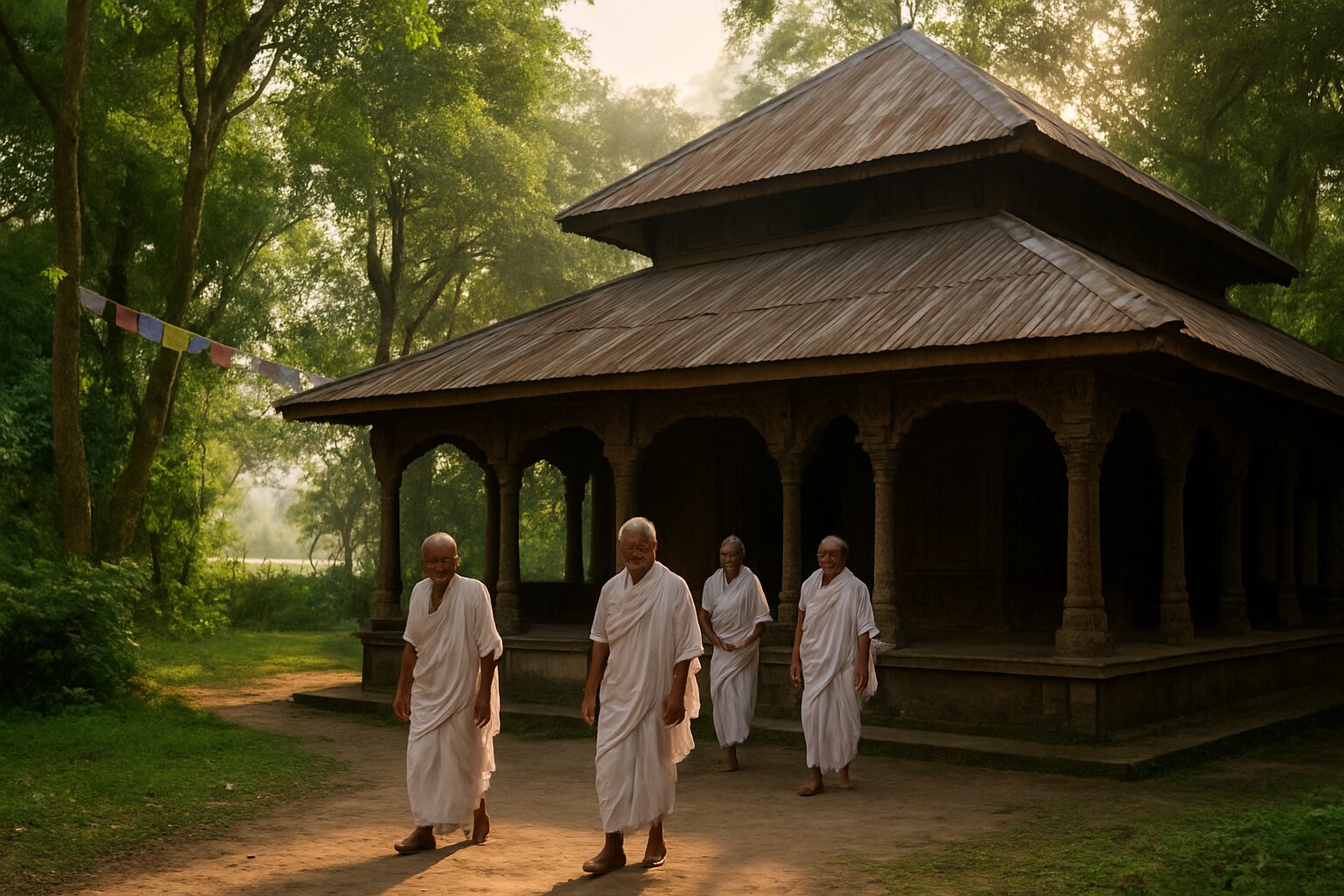
Visit 22 Active Sattras Preserving 500-Year-Old Traditions
Majuli’s spiritual heart beats within its 22 active Sattras, monastic institutions that have safeguarded Assamese culture for over five centuries. These aren’t museums or tourist attractions – they’re living, breathing centers of devotion where monks continue practicing traditions established by the 15th-century saint Srimanta Sankardev.
Each Sattra tells its own story. Kamalabari Sattra stands as the most prominent, housing over 100 monks who dedicate their lives to preserving classical arts and religious practices. Auniati Sattra showcases an impressive collection of ancient artifacts, including traditional weapons used in devotional performances. Dakhinpat Sattra specializes in mask-making, creating elaborate designs used in religious drama.
The monks welcome visitors warmly, sharing stories about their daily routines and the challenges of maintaining these traditions in modern times. Many Sattras operate small workshops where you can observe craftsmen creating traditional items like pottery, weaving, and boat-making techniques passed down through generations.
Witness Daily Prayer Rituals and Ancient Manuscripts
Dawn breaks over Majuli with the sound of conch shells and prayers echoing across the island. The daily routine at these monasteries begins before sunrise, offering visitors a glimpse into centuries-old spiritual practices.
Morning prayers at 4:30 AM create a deeply moving experience. Monks gather in the prayer halls, chanting in Sanskrit and Assamese while oil lamps flicker against handcrafted walls. The Naam-prasanga (devotional singing) sessions involve the entire community, creating an atmosphere of collective devotion that transcends language barriers.
The manuscript libraries within these Sattras house treasures that scholars from around the world come to study. Handwritten texts on palm leaves and bark paper contain religious scriptures, historical chronicles, and artistic instructions dating back centuries. Auniati Sattra’s collection includes over 300 ancient manuscripts, some written on sanchi bark that has survived for over 400 years.
Monks carefully preserve these documents using traditional methods, avoiding modern preservation techniques that might alter the materials. They continue copying manuscripts by hand, ensuring these texts survive for future generations. The calligraphy itself represents an art form, with elegant scripts that took years to master.
Learn Traditional Dance Forms Like Sattriya and Borgeet
Sattriya dance transforms spiritual devotion into graceful movement, and Majuli’s Sattras remain the authentic schools for this classical art form. Unlike performances you might see elsewhere, here you witness Sattriya in its original context – as prayer, not entertainment.
The monks begin training young boys as early as age seven, teaching them the intricate footwork, hand gestures, and facial expressions that tell stories from Hindu epics. Training happens daily after morning prayers, with students practicing on wooden floors worn smooth by centuries of bare feet.
Borgeet, the devotional songs that accompany these dances, require equal dedication. The musical compositions by Sankardev and Madhavdev use specific ragas (musical scales) that create a meditative atmosphere. Students learn to play traditional instruments like the khol (drums), taal (cymbals), and flute, often crafting their own instruments under master guidance.
Several Sattras offer workshops where visitors can learn basic movements and songs. Kamalabari Sattra runs informal classes for tourists, while Samaguri Sattra specializes in mask-making workshops where you create the elaborate masks used in Bhaona performances – traditional religious dramas that combine dance, music, and storytelling.
The best time to witness these art forms is during festivals when the entire community participates in performances that can last several hours, creating an immersive cultural experience found nowhere else in India.
Immerse Yourself in Unique Local Traditions and Festivals
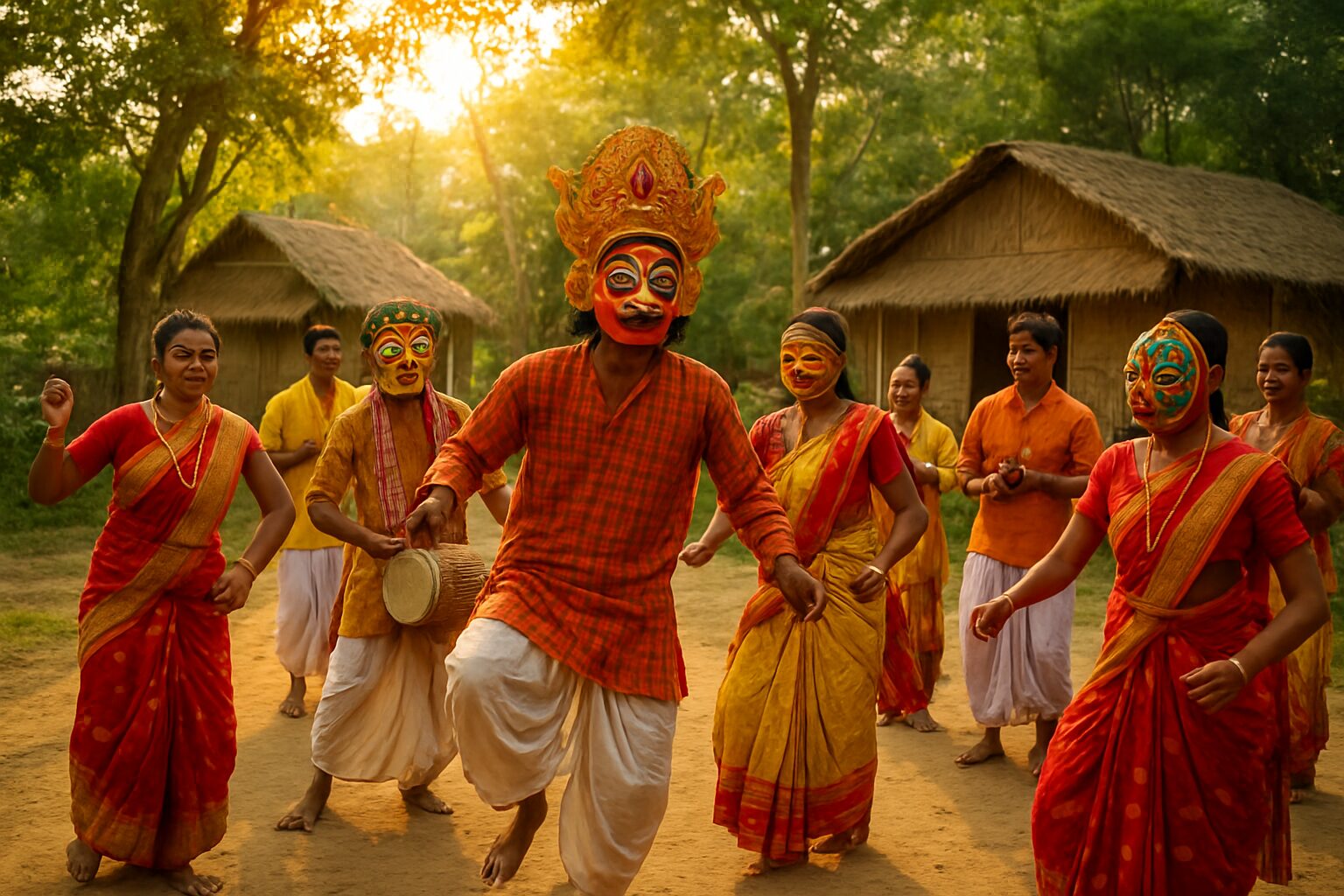
Participate in vibrant Raas Leela celebrations
The most magical time to visit Majuli happens during the Raas festival, when the island transforms into a theatrical wonderland. These dramatic performances bring Krishna’s stories to life through elaborate dance, music, and costumes that date back centuries. You’ll find yourself surrounded by locals wearing handwoven silk costumes, their faces painted with traditional designs as they prepare for performances that can last entire nights.
During Raas season, every Sattra becomes a stage where monks and devotees recreate scenes from Krishna’s life. The performances blend classical Assamese dance with folk traditions, creating something you won’t see anywhere else in India. Local families open their homes to visitors, sharing meals and stories about the festival’s significance. The air fills with the sound of khols (traditional drums) and cymbals, while oil lamps cast dancing shadows across monastery courtyards.
What makes these celebrations special is how accessible they are to travelers. Unlike many religious festivals that remain closed to outsiders, Majuli’s Raas performances welcome visitors with open arms. You can join processions, watch rehearsals, and even participate in community preparations. The festival happens between October and February, with different Sattras hosting performances on various dates.
Explore handloom weaving techniques passed down generations
Walking through Majuli’s villages reveals an ancient craft that connects every household to the island’s cultural identity. Women here don’t just weave fabric – they create stories through intricate patterns that carry deep spiritual and cultural meaning. You can spend hours watching weavers work their traditional looms, their hands moving with practiced precision as colorful threads transform into beautiful textiles.
The island produces some of Assam’s finest handwoven products, including the famous Assamese silk called Pat and Muga. Local artisans use techniques that haven’t changed for generations, creating everything from ceremonial scarves to everyday wear. What’s fascinating is how each family has their own signature patterns and color combinations, passed down from mothers to daughters for centuries.
Many weavers welcome visitors into their workshops, eager to share their knowledge and stories. You can try your hand at the loom, though don’t expect immediate success – these intricate patterns require years to master. Some workshops offer short courses where you can learn basic techniques and create simple pieces to take home. The best part is hearing the stories behind different patterns, many of which relate to local legends, natural elements, or religious symbols.
Taste authentic Assamese cuisine prepared by local families
Food on Majuli reflects the island’s unique geography and cultural influences, creating flavors you won’t find anywhere else. Local families prepare meals using ingredients grown right on the island – fresh river fish, organic vegetables, and aromatic herbs that thrive in the fertile soil. The cooking methods here rely on traditional techniques that enhance natural flavors without overpowering them.
Rice forms the foundation of every meal, often served with multiple fish curries prepared using different techniques. The island’s signature dish, masor tenga (sour fish curry), uses local tomatoes and herbs to create a tangy flavor that perfectly complements the sweetwater fish from the Brahmaputra. Vegetables are prepared with minimal spices, allowing their natural tastes to shine through.
Many homestays and local families offer cooking experiences where you can learn to prepare traditional dishes. You’ll discover how to use banana leaves as cooking vessels, master the art of fermenting rice for breakfast preparations, and understand the medicinal properties of local herbs used in cooking. The communal aspect of dining is just as important as the food itself – meals are shared affairs where families gather to discuss the day’s events and share stories.
Join mask-making workshops using traditional methods
Majuli’s mask-making tradition represents one of India’s most sophisticated folk art forms, with techniques refined over centuries to support theatrical performances. These aren’t simple decorative pieces – each mask serves specific roles in religious dramas and carries deep symbolic meaning. Local artisans use bamboo, clay, cloth, and natural pigments to create masks that bring mythological characters to life.
The process begins with selecting the right bamboo, which grows abundantly on the island. Artisans shape the basic structure before applying layers of clay mixed with cow dung, creating a smooth surface perfect for painting. The painting process requires steady hands and deep knowledge of traditional iconography, as each color and design element carries specific meaning in the context of religious performances.
Several master craftsmen on the island offer workshops where visitors can learn these ancient techniques. You’ll start with simple masks before progressing to more complex designs, learning about the stories and characters each mask represents. The workshops provide all materials and tools, and you get to keep your finished pieces as unique souvenirs that carry real cultural significance.
What makes these workshops special is the personal attention from master artisans who’ve dedicated their lives to preserving this art form. They share not just techniques but also the cultural context that makes each mask meaningful, connecting you to centuries of artistic tradition.
Navigate Transportation and Accommodation Options
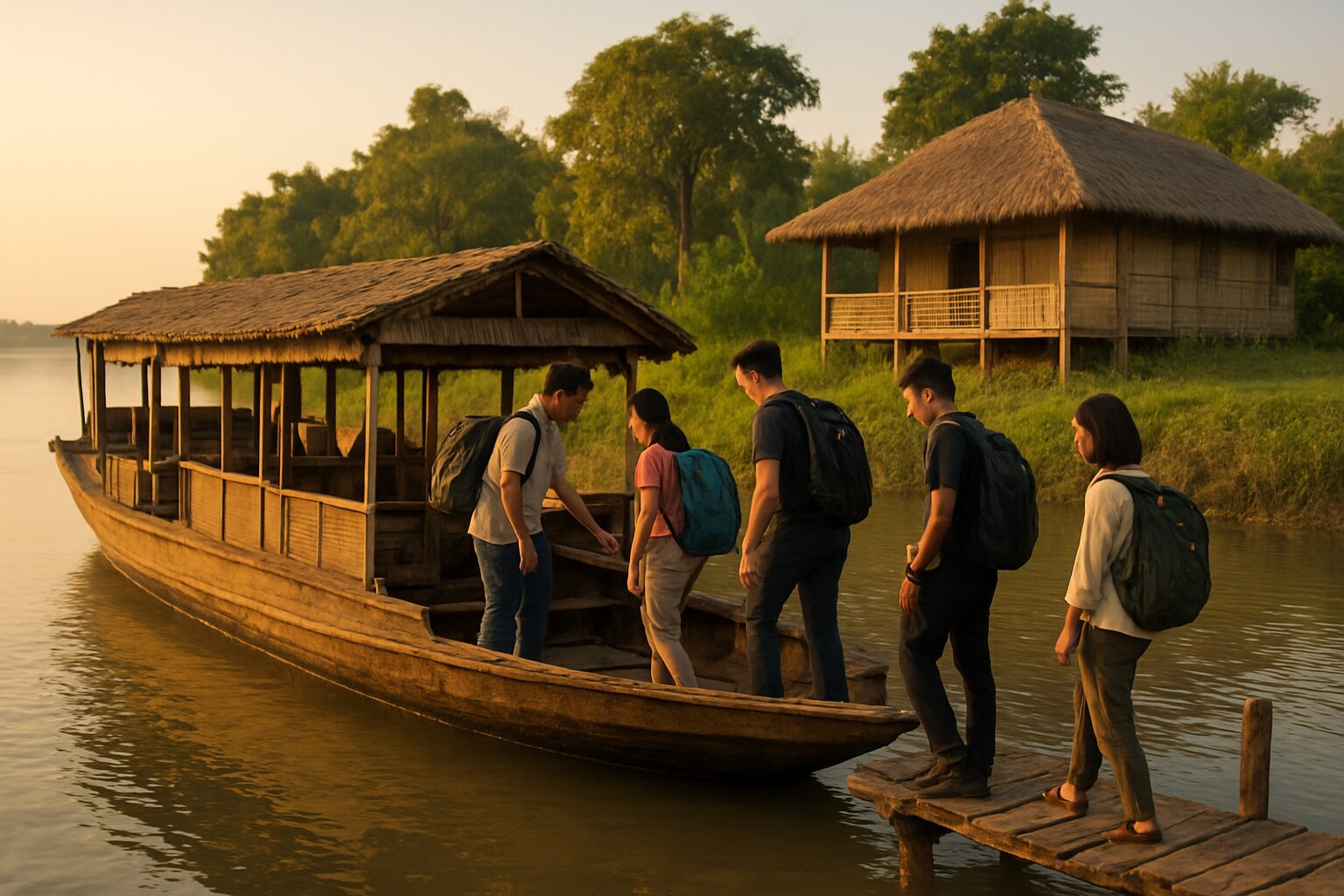
Ferry Services Connecting Majuli to Mainland Assam
Getting to Majuli requires crossing the mighty Brahmaputra River, and ferries serve as the island’s lifeline to the mainland. The primary ferry route operates between Neamati Ghat (near Jorhat) and Kamalabari Ghat on Majuli Island. These ferries run multiple times daily, typically from 6:30 AM to 5:30 PM, with the journey taking approximately 45 minutes to 1 hour depending on water levels.
During the monsoon season (June to September), ferry schedules can be unpredictable due to rough waters and flooding. The dry season (October to May) offers more reliable services with smoother crossings. Ferry tickets are remarkably affordable, costing around ₹10-15 for passengers and ₹150-200 for vehicles.
Alternative routes include ferries from Lachit Ghat to Phuloni Ghat, which operates less frequently but provides access to different parts of the island. Private boat services are available for groups seeking flexibility, though they cost significantly more than public ferries.
Pro tip: Arrive early during peak tourist seasons and festivals, as ferries can get crowded. Keep your belongings secure and enjoy the scenic river journey – spotting dolphins and migratory birds is common during the crossing.
Budget-Friendly Homestays Offering Cultural Immersion
Majuli’s homestay network provides authentic cultural experiences while supporting local communities directly. These family-run accommodations range from ₹800-2,500 per night and include meals featuring traditional Assamese cuisine prepared with locally grown ingredients.
Popular homestay options include:
- Mising tribal homestays near Kamalabari, where guests participate in traditional weaving and pottery making
- Sattra-adjacent accommodations that offer early morning prayer experiences and cultural performances
- Riverside cottages featuring traditional bamboo architecture and organic farming activities
Most homestays provide basic amenities like clean bedding, attached bathrooms, and home-cooked meals. WiFi availability varies, making it perfect for digital detox experiences. Hosts often arrange cultural activities such as mask-making workshops, traditional dance performances, and guided village walks.
Booking directly through local contacts or tourism offices in Jorhat ensures fair pricing and authentic experiences. Many homestay owners speak English and are eager to share stories about Majuli’s rich heritage. These accommodations fill up quickly during festival seasons, so advance booking is essential.
Bicycle Rentals for Eco-Friendly Island Exploration
Bicycles represent the perfect way to explore Majuli’s flat terrain while minimizing environmental impact. Rental shops near major ferry ghats offer well-maintained bikes for ₹100-200 per day, with discounts available for longer periods.
The island’s extensive network of village roads and bamboo bridges creates ideal cycling routes connecting major attractions. Popular cycling circuits include:
- Kamalabari to Auniati Sattra circuit (15 km round trip)
- Garamur to Dakhinpat route covering multiple sattras (20 km)
- Riverside trails offering bird-watching opportunities and sunset views
Most rental bikes are basic single-speed models suitable for leisurely exploration. Some shops offer guided cycling tours with local experts who provide historical context and cultural insights. Safety equipment like helmets isn’t always available, so bringing your own is recommended.
Cycling allows spontaneous stops at pottery villages, handloom centers, and tea stalls where locals gather. The gentle pace enables meaningful interactions with residents and provides opportunities to witness daily life unfold naturally. Early morning and late afternoon rides offer the most comfortable temperatures and stunning light for photography.
Plan Your Visit for Maximum Cultural Impact
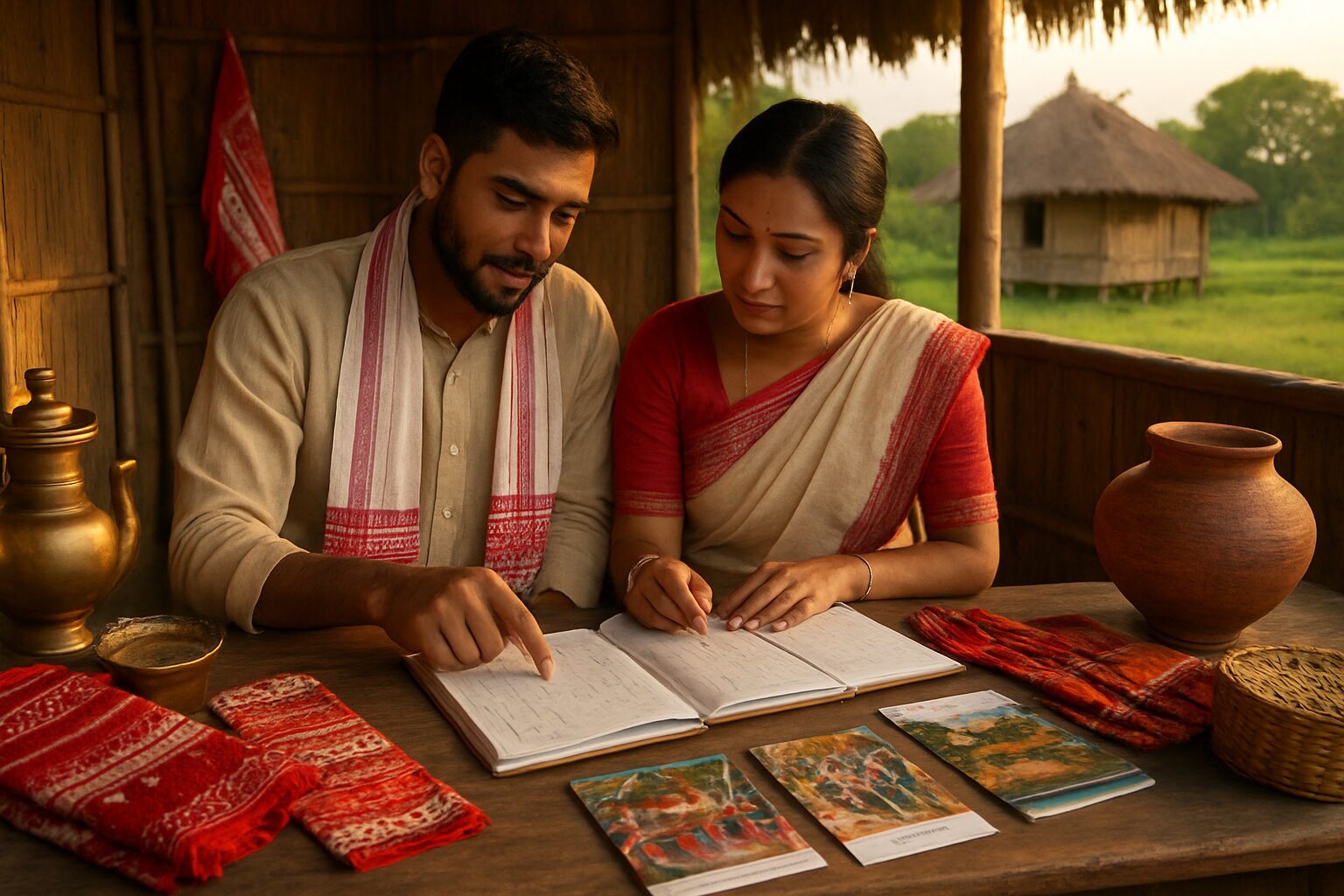
Best seasons for comfortable weather and festivities
Winter months from November to February offer the most pleasant weather for exploring Majuli. Temperatures hover between 15-25°C, creating ideal conditions for monastery visits and cultural exploration. The humidity drops significantly, making long walks through villages comfortable.
The monsoon season from June to September brings heavy rainfall and flooding, which can disrupt ferry services and make travel challenging. Many areas become inaccessible during peak monsoon months.
Spring (March-April) presents another excellent window for visits. The weather remains mild, and you’ll witness the island coming alive after winter. This period coincides with several local festivals, including Bihu celebrations that showcase traditional Assamese culture.
Festival Calendar:
- Raas Purnima (November/December): Major festival featuring elaborate dance performances at monasteries
- Bihu (April): Traditional Assamese New Year celebration with folk dances
- Majuli Cultural Festival (February): Annual celebration highlighting local arts and traditions
- Doul Festival (March): Holi celebrations with unique island traditions
Essential items to pack for river island conditions
River island conditions require specific preparation. Pack lightweight, quick-dry clothing that covers arms and legs for monastery visits. Cotton fabrics work best in the humid climate.
Waterproof bags protect electronics and important documents during ferry crossings and unexpected rain. A good quality umbrella serves dual purposes – protection from rain and shade during sunny afternoons.
Packing Essentials:
- Comfortable walking shoes with good grip for uneven terrain
- Light jacket for early mornings and evenings
- Insect repellent (mosquitoes are common near water bodies)
- Portable phone charger and power bank
- Hand sanitizer and basic medications
- Reusable water bottle with purification tablets
Bring cash in small denominations since ATMs are limited and many local vendors don’t accept cards. Keep documents in waterproof pouches, including identity proof required for ferry travel.
Respectful guidelines for monastery visits
Sattras maintain strict protocols that visitors must follow. Remove shoes before entering prayer halls and cover your head when requested. Many monasteries provide cloth for this purpose.
Dress modestly with covered shoulders and legs. Avoid wearing leather items, as many sattras consider them inappropriate for sacred spaces. Photography inside prayer halls requires explicit permission from monastery authorities.
Maintain silence during prayer sessions and cultural performances. These aren’t tourist shows but genuine spiritual practices. Sit cross-legged or in provided chairs, avoiding pointing feet toward altars or religious artifacts.
Monastery Etiquette:
- Arrive early morning (6-8 AM) or evening (5-7 PM) for prayer sessions
- Don’t touch religious artifacts or manuscripts without permission
- Turn off mobile phones or keep them silent
- Observe donation customs – small contributions are appreciated
- Follow guides’ instructions about restricted areas
Photography opportunities capturing island life
Golden hour lighting creates magical shots of monastery architecture against river backdrops. Early morning mist rising from the Brahmaputra provides ethereal backgrounds for landscape photography.
Village life offers countless candid moments – farmers working in fields, children playing traditional games, women weaving on handlooms. Always ask permission before photographing people, especially during religious activities.
Best Photo Locations:
- Ferry crossings capturing river views and island silhouettes
- Pottery villages showing traditional crafts in action
- Sunset points along riverbanks with monastery spires
- Rice fields during different seasons
- Traditional houses on stilts during monsoon season
Boat rides provide unique perspectives of the island’s geography. Capture the contrast between developed mainland areas visible across the water and Majuli’s rural landscape.

Majuli Island offers something truly special that you won’t find anywhere else in the world. This floating paradise combines breathtaking natural beauty with deep spiritual traditions, giving you a chance to witness centuries-old monastery life and participate in vibrant local festivals. The island’s unique geography makes it a rare gem, while its Sattra monasteries provide an authentic glimpse into Assamese culture that remains largely untouched by modern tourism.
Don’t let this hidden treasure stay hidden from your travel plans. With proper planning for transportation and accommodations, you can easily experience Majuli’s magic while supporting the local communities who call this extraordinary place home. Pack your curiosity along with your camera – Majuli Island is ready to show you a side of India that will leave you with stories worth telling for years to come.
For a private guided tour of Majuli from Guwahati, please visit River Stories of Majuli.
Leave a Reply