
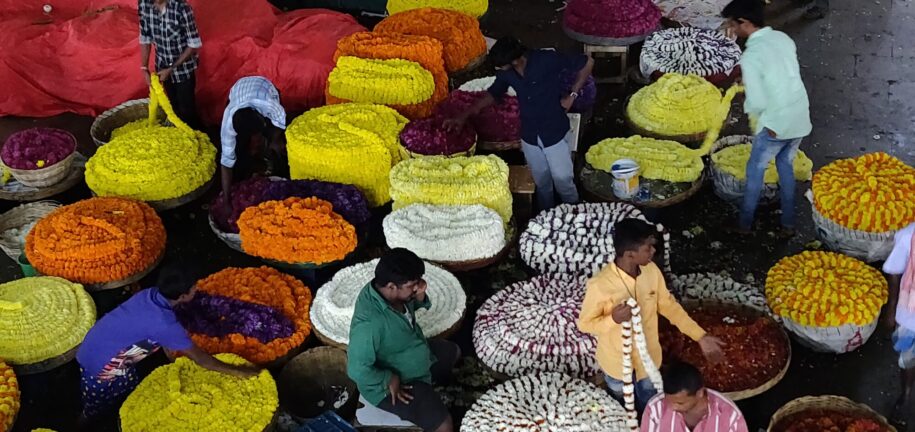
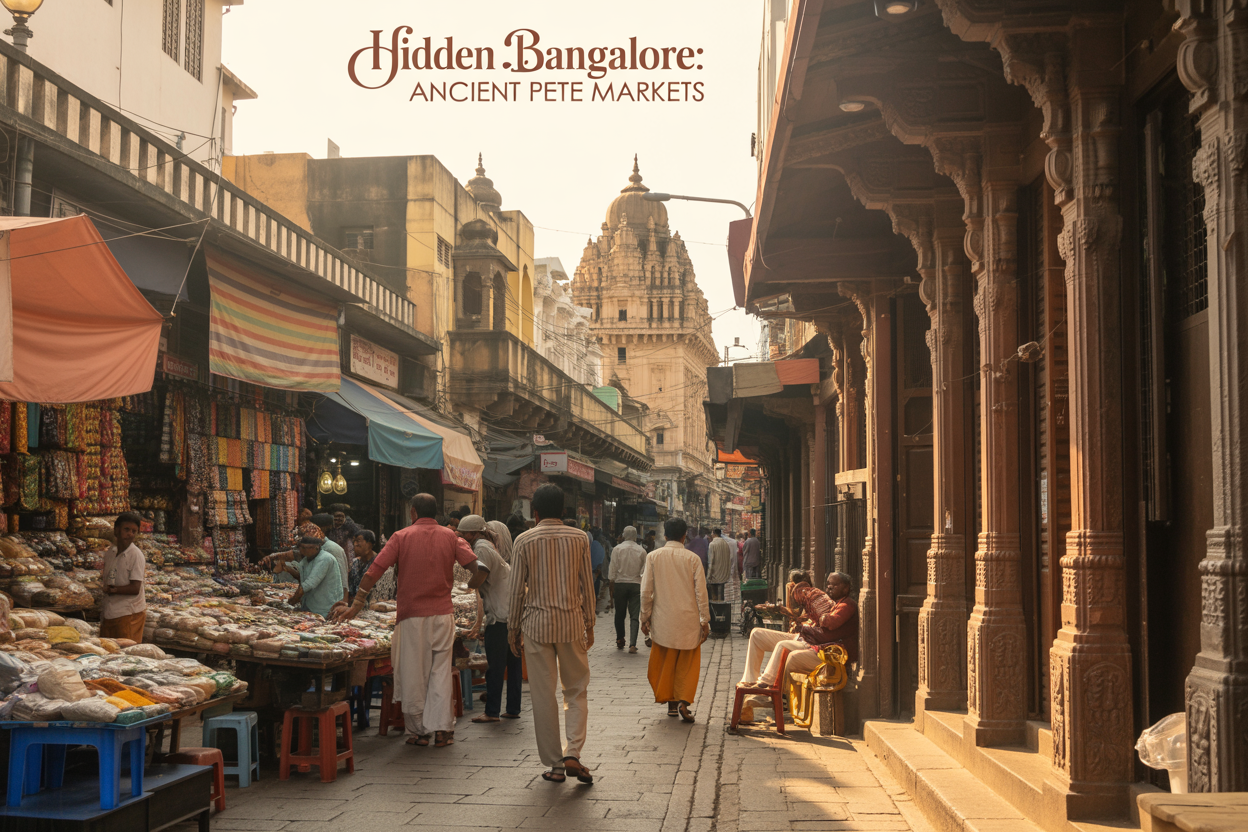
Bangalore’s busy tech scene often overshadows its centuries-old heart, where ancient pete markets still buzz with the same energy that made this city a trading powerhouse. Pete Walk Bangalore holds stories of spice merchants, temple rituals, and business secrets passed down through generations.
For an immersive culture walking tour of the Pete, visit Pete Walk in Bangalore.
Oete Walk Bangalore is perfect for curious travellers, history buffs, and locals who want to discover the authentic Bangalore beyond the malls and IT parks. You’ll learn how to navigate these vibrant markets like a local while uncovering the cultural treasures hiding in plain sight.
We’ll explore the ancient temples tucked between bustling stalls, where daily prayers blend with the calls of vendors selling everything from silk sarees to aromatic spices. You’ll also discover the traditional trading practices that shaped Bangalore’s commercial identity and learn the unwritten rules that still govern business in these historic lanes.
Get ready to step off the beaten path and into a world where every corner tells a story of old Bangalore’s rich heritage.
Discovering Bangalore’s Historic Pete Markets
Navigate the bustling lanes of Chickpet Market
Step into Chickpet Market and you’re instantly transported to Bangalore’s commercial heart from centuries past. This maze of narrow streets has been the city’s primary trading hub since the 16th century, where Kempe Gowda first established the foundations of modern Bangalore. The market’s name comes from “Chikka Pete,” meaning small market, though there’s nothing small about the sensory overload that greets you here.
Pete Walk Bangalore lets you wander through the serpentine lanes, and you’ll discover everything from vintage brass items to handwoven textiles that have been traded here for generations. The architecture tells its own story – colonial-era buildings with wooden balconies stand alongside traditional South Indian structures with ornate pillars. Local vendors have inherited their stalls from their great-grandfathers, maintaining the same trading relationships that have lasted decades.
The best time for Pete Walk Bangalore is early morning when the wholesale action begins. Watch as merchants examine silk sarees with expert eyes, testing fabric quality with techniques passed down through generations. Don’t miss the small tea stalls tucked between shops – they serve as unofficial meeting points where business deals are sealed over steaming cups of chai.
Uncover the silk and textile treasures of Avenue Road
Avenue Road stretches like a silk highway through Bangalore’s commercial district, packed with textile shops that house some of India’s finest fabrics. This isn’t just any shopping street – it’s where connoisseurs come to find authentic Mysore silk, Kanchipuram sarees, and handloom textiles that represent centuries of weaving tradition.
The shops here operate differently from modern retail stores. Skilled salespeople will unfold saree after saree, creating a rainbow cascade of silk across their counters. They know the origin of each piece, the weaver’s technique, and can spot machine-made imitations from genuine handwoven silk in seconds. Many establishments have been family-owned for over a century, with each generation adding their expertise to the business.
What makes Avenue Road special is the direct connection to weavers across South India. Shop owners travel personally to villages in Karnataka, Tamil Nadu, and Andhra Pradesh to source their inventory. They’ll tell you stories about specific weavers, explain the significance of particular patterns, and help you understand why certain silks command premium prices. The gold thread work on Kanchipuram sarees, for instance, uses real gold, making each piece a wearable investment.
Experience the spice-scented alleys of Kalasipalya
Your nose will guide you through Kalasipalya long before your eyes adjust to the riot of colors in this spice merchant’s paradise. The air here is thick with the aroma of cardamom, cinnamon, and turmeric – a natural potpourri that has perfumed these streets for over 400 years. This market serves restaurants across Bangalore and ships spices throughout India.
The spice trade here follows ancient practices that would be familiar to merchants from centuries past. Vendors still use traditional brass scales, test spices by crushing them between their fingers, and mix custom blends according to recipes their families have guarded for generations. Watch a master spice blender create garam masala – it’s like watching an artist paint, with each ingredient added in precise proportions based on years of experience.
Each shop you come across in Pete Walk Bangalore specializes in different regions and qualities. Some focus on Kerala’s black pepper and cardamom, others on Rajasthan’s red chilies, or Kashmiri saffron that costs more than gold per gram. The vendors can tell you which turmeric has the deepest color, which coriander seeds will give the best flavor, and how to store spices to maintain their potency. Many offer to grind fresh spice blends while you wait, using traditional stone grinders that preserve essential oils better than modern machinery.
Find authentic handicrafts in Gandhi Bazaar
Gandhi Bazaar pulses with the rhythm of traditional craftsmanship, where artisans and merchants have preserved age-old techniques despite modern pressures. Named after Mahatma Gandhi, this market reflects his vision of supporting local craftspeople and traditional industries. Here, you can watch skilled artisans at work and purchase directly from the people who create these beautiful objects.
The brass workers here still use techniques dating back centuries, hammering and shaping metal by hand to create everything from decorative lamps to cooking vessels. Rosewood carvers craft intricate figurines and furniture pieces that take weeks to complete. The market is also famous for its temple jewelry – not the expensive gold pieces, but the traditional silver and copper ornaments that dancers and devotees have worn for generations.
What sets Gandhi Bazaar apart is the personal connection between buyer and maker. Many craftspeople work in small workshops above or behind their shops, and they’re happy to explain their techniques. You might see a woodcarver shaping a Ganesha statue or a metalworker creating traditional oil lamps. The prices reflect fair wages for skilled work, and purchasing here directly supports families who have kept these crafts alive through challenging times. The market also serves as an informal training ground where young apprentices learn from master craftsmen, ensuring these skills survive for future generations.
Ancient Temples Hidden Within the Markets
Explore the architectural marvel of Dodda Ganesha Temple
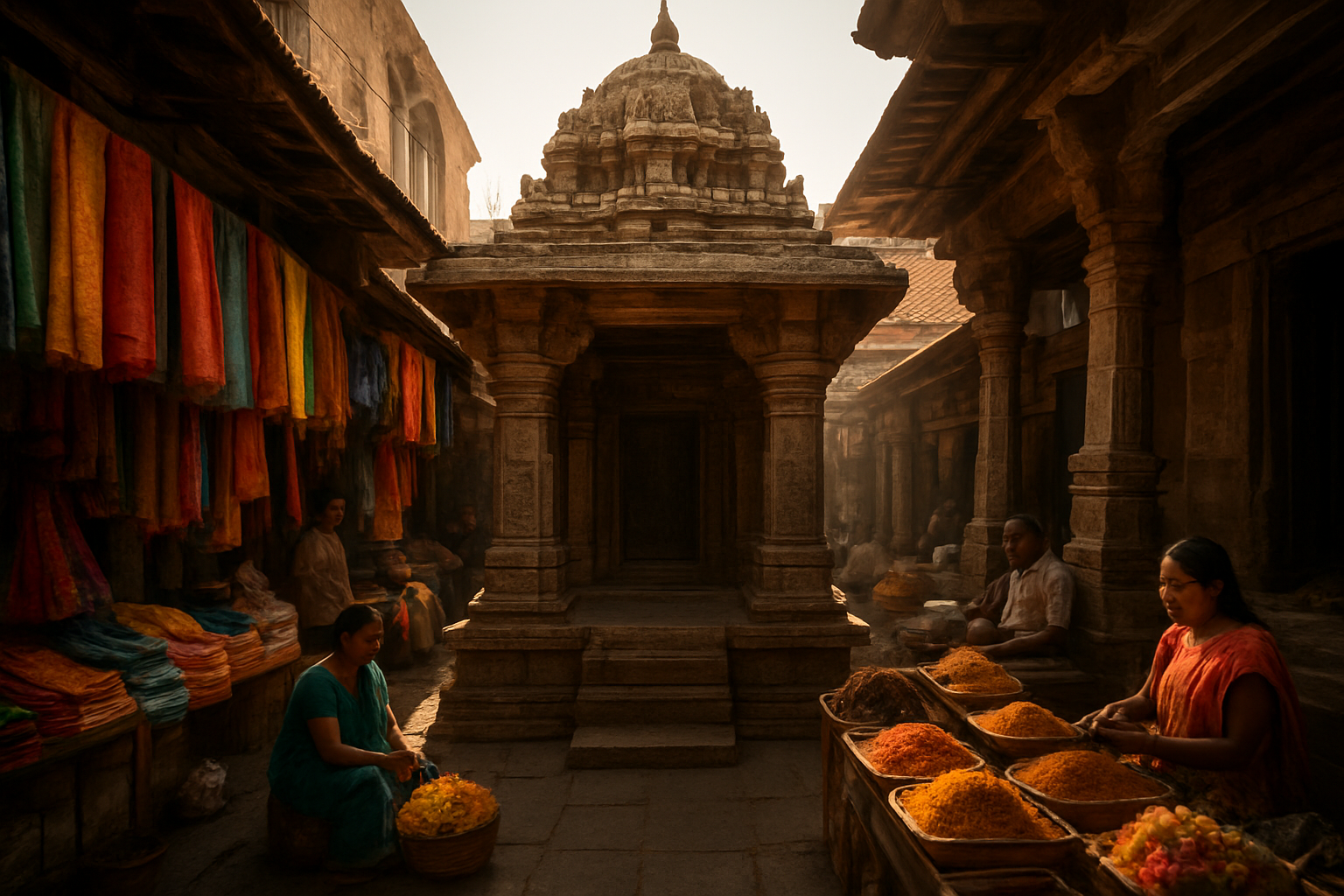
Standing majestically within the bustling Basavanagudi area, the Dodda Ganesha Temple houses one of Bangalore’s most impressive religious artifacts – a towering 18-foot monolithic Ganesha statue carved from a single granite block. This architectural wonder of Pete Walk Bangalore dates back to the 16th century and represents the masterful stone-carving techniques of the Vijayanagara period.
The temple’s main attraction weighs approximately 25 tons and showcases intricate details that remain remarkably preserved. Local artisans used traditional chiseling methods passed down through generations to create this masterpiece. The statue’s proportions follow ancient sculptural guidelines found in classical texts like the Shilpa Shastra.
What makes this temple particularly fascinating is its integration within the market ecosystem. Vendors selling religious items, flowers, and traditional sweets surround the temple premises, creating a vibrant commercial-spiritual hub. The morning rituals here draw both dedicated devotees and curious market-goers, blending sacred practices with everyday commerce.
Key features to observe:
- Intricate jewelry patterns carved into the stone
- Traditional architectural elements like pillared halls
- Ancient Sanskrit inscriptions on the temple walls
- Original 16th-century construction techniques still visible
Discover the spiritual significance of Dharmaraya Swamy Temple
The Dharmaraya Swamy Temple serves as the spiritual heart of Pete Walk Bangalore, dedicated to the Pandava brothers from the Mahabharata. Built during the early days of Kempe Gowda’s settlement, this temple has witnessed centuries of trade negotiations, political discussions, and community gatherings within its sacred walls.
This temple holds unique religious practices that blend Hindu traditions with local folk customs. The annual Karaga festival transforms the surrounding markets into a spectacular celebration, where the temple priest carries a sacred pot through narrow market streets. Thousands of devotees and traders participate in this centuries-old tradition, temporarily suspending all commercial activities.
The temple architecture reflects the Dravidian style with Vijayanagara influences, featuring intricately carved pillars and detailed sculptures depicting scenes from ancient epics. Local legends claim that important trade agreements were blessed here, making it a crucial part of the commercial district’s spiritual foundation.
Notable spiritual elements:
- Daily rituals performed by hereditary priests
- Sacred water tank used for ceremonial purposes
- Ancient palm leaf manuscripts preserved in the temple archives
- Traditional oil lamps that have burned continuously for generations
Visit the lesser-known Kote Venkataramana Temple
Hidden between fabric shops and spice vendors lies the Kote Venkataramana Temple, a gem that most visitors overlook despite its historical importance. This Vishnu temple, built during the reign of Tipu Sultan, showcases a rare blend of Islamic and Hindu architectural elements – a testament to the religious tolerance practiced in the markets.
The temple’s location within the old Bangalore Fort area gives it the “Kote” prefix, meaning fort in Kannada. Merchants traditionally sought Lord Venkataramana’s blessings before embarking on long trading journeys to distant lands. The temple maintains detailed records of these blessings in ancient ledgers, providing insights into historical trade routes.
What sets this temple apart is its unique idol placement and the presence of inscriptions in multiple languages including Kannada, Tamil, and Persian. The temple walls contain embedded coins from different historical periods, placed there by successful traders as thanksgiving offerings.
Hidden treasures to discover:
- Multi-lingual inscriptions telling trade stories
- Ancient copper plates documenting land grants
- Traditional wooden chariot used during festivals
- Secret passages connecting to old market storage areas
- Original stone carvings depicting various avatars of Vishnu
The temple’s priests maintain oral traditions about the market’s evolution, sharing stories about legendary traders and their business practices with curious visitors who take time to explore beyond the obvious tourist spots.
Traditional Trading Practices and Business Secrets
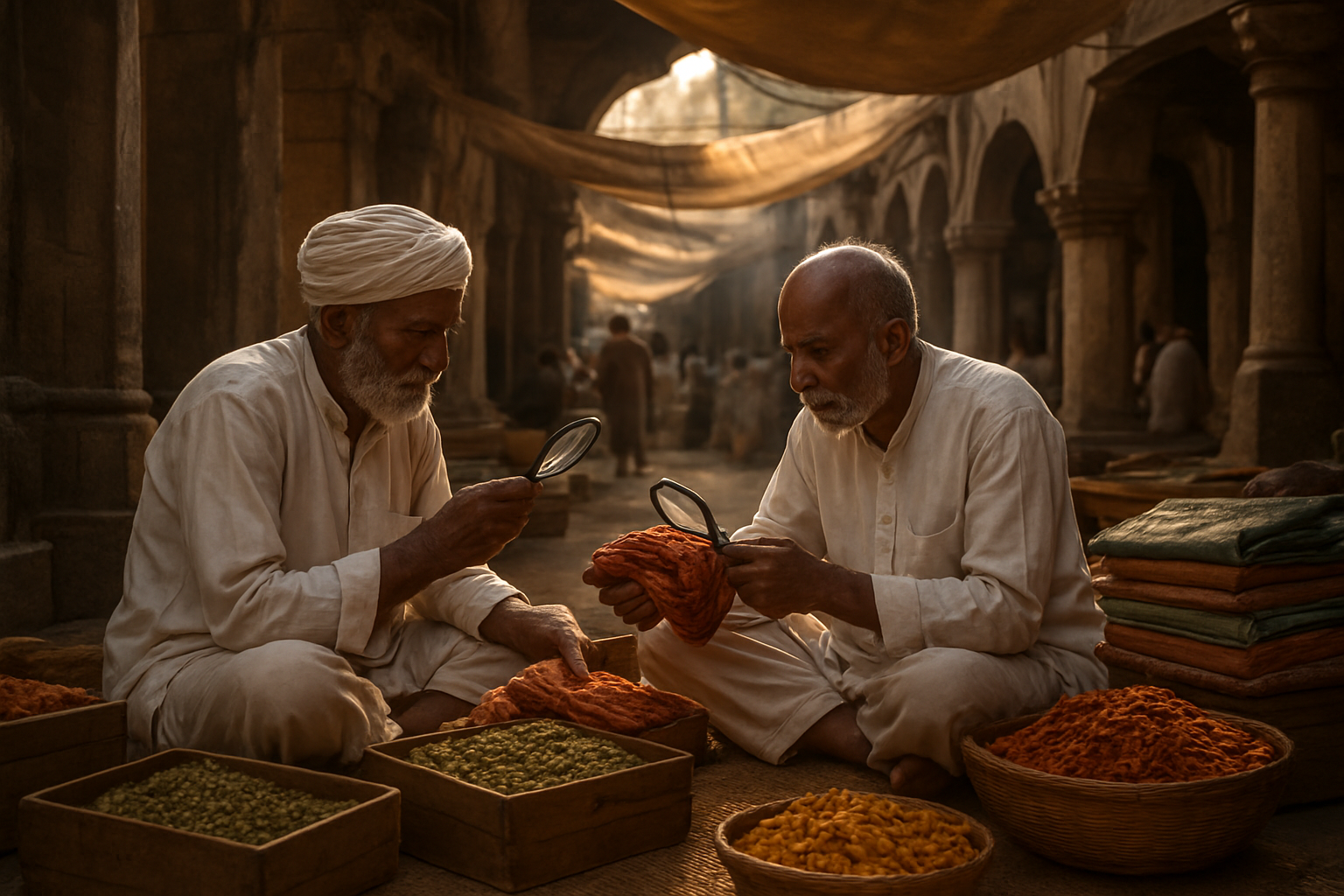
Learn the Art of Bargaining from Veteran Merchants
The Pete markets have their own rhythm when it comes to negotiations. Watch the seasoned traders lean back in their chairs, fingers drumming on wooden counters as they size up each customer. They don’t just sell products – they perform an ancient dance of wit and patience.
Start by observing how locals approach vendors. They never accept the first price, but they don’t immediately slash it in half either. The magic number usually sits around 20-30% below the quoted rate. These merchants respect customers who know the game but despise those who push too hard.
Body language speaks volumes here. A slight shake of the head while examining goods signals interest without desperation. Veteran traders recommend the “walk away” technique – genuinely turning to leave often brings the seller back with a better offer. But use this sparingly, as merchants can spot fake exits from miles away.
Understand the Generation-Old Supplier Networks
Family networks form the backbone of Pete market commerce. Third-generation spice dealers maintain relationships with the same farming families their grandfathers worked with. These connections run deeper than business contracts – they’re built on decades of trust, shared festivals, and mutual support during tough times.
Suppliers arrive with handwritten ledgers, documenting transactions in faded notebooks passed down through generations. Credit systems operate on verbal agreements, with payments settling during harvest seasons or festival periods. Many traders can trace their supplier relationships back 50-60 years.
The network extends beyond Karnataka’s borders. Textile merchants maintain connections with weavers in Tamil Nadu, while flower vendors coordinate with growers across South India. WhatsApp groups now complement traditional communication, but the personal touch remains paramount – a phone call to wish someone’s daughter well on her wedding day matters more than any formal business agreement.
Witness the Early Morning Wholesale Rituals
The markets transform at dawn. By 4:30 AM, trucks rumble through narrow lanes, unloading fresh produce while the city sleeps. Wholesale buyers arrive with empty gunny sacks and sharp eyes, inspecting quality under flickering street lights.
Coffee vendors set up portable stalls, serving steaming glasses of filter coffee to traders who’ve been up since 3 AM. The air fills with the sounds of weighing scales, hushed negotiations, and the rustling of currency notes. Prices fluctuate based on overnight arrivals – a delayed truck from Mysore can spike jasmine flower rates within hours.
Auction-style bidding happens for premium goods. Alphonso mangoes, saffron, and high-grade cashews attract clusters of buyers who communicate through subtle hand gestures and knowing glances. The entire wholesale cycle wraps up by 8 AM, before retail customers arrive.
Master the Local Currency and Measurement Systems
Pete markets operate on their own mathematical universe. Forget kilograms and grams – everything revolves around traditional measures that haven’t changed in centuries. Spices sell by the “seer” (approximately 933 grams), while grains move in “maunds” (roughly 37 kilograms).
Precious metals and stones use even more specific units. Gold trades in “tolas” and “annas,” with jewelers maintaining conversion charts that would confuse modern calculators. Silver follows different standards altogether, with rates fluctuating by the “sovereign” rather than standard weights.
Cash remains king, with many vendors offering discounts for immediate payment. Credit card machines exist but collect dust – the extra fees eat into already thin margins. Smart buyers carry mixed denominations, as getting change for large bills can become a negotiation itself. Mobile payment apps are slowly gaining acceptance among younger vendors, but don’t count on them universally.
For a guided tour of Bangalore city, visit Bangalore Experience.
Cultural Heritage Preserved in Stone and Stories
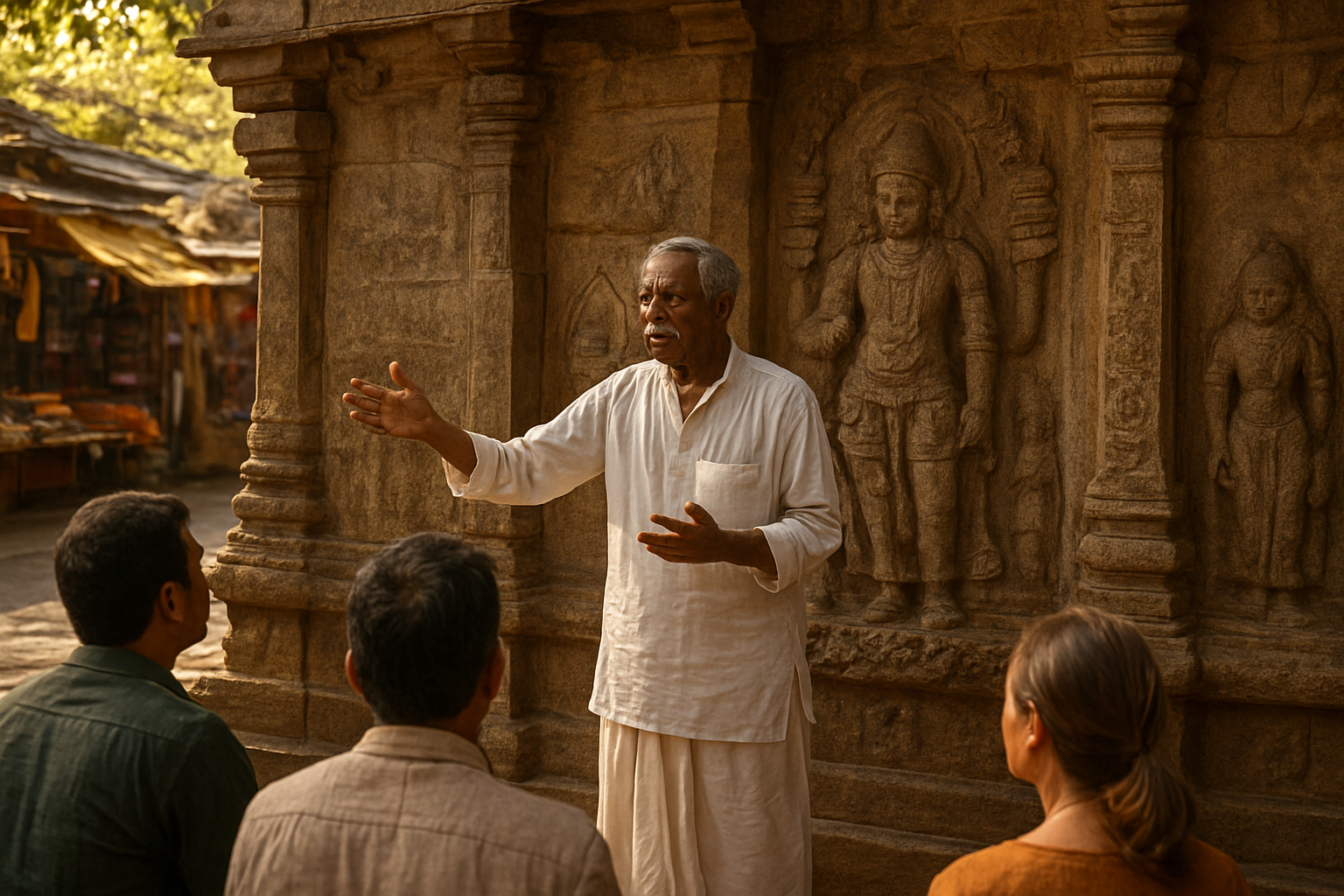
Decode the colonial-era architecture influences
Walking through Bangalore’s pete markets, you’ll notice fascinating architectural layers that tell the city’s story. British colonial buildings stand shoulder-to-shoulder with traditional South Indian structures, creating a unique visual tapestry. The old City Market building showcases Indo-Saracenic architecture, with its distinctive red sandstone arches and ornate columns blending European neoclassical elements with local design sensibilities.
Look up at the second floors of merchant buildings along Chickpet and Avenue Road. Many feature wooden balconies with intricate carvings, cast-iron railings imported from Britain, and thick walls designed to keep goods cool in the tropical climate. The Tipu Sultan’s administrative influence remains visible too – arched doorways and geometric patterns reflect the sophisticated Mysore architectural tradition that predated British rule.
Stone pillars supporting market canopies often bear Tamil and Kannada inscriptions alongside English signage, showing how languages and cultures merged during the colonial period. The clock towers punctuating various market squares were British additions, symbolizing the importance of punctuality in trade – a concept that transformed local business practices forever.
Listen to folklore passed down through trader families
Generations of trading families have preserved incredible stories that bring these markets to life. The Nagarathpet silk merchants will tell you about the secret tunnels beneath their shops, supposedly used by Tipu Sultan to move treasure during British sieges. Whether true or not, these tales reflect the deep historical consciousness of local traders.
The spice sellers in KR Market share stories about their ancestors who traveled to Kerala’s Malabar Coast on foot, carrying silver coins sewn into their clothing. They describe how different spices were once used as currency and how trade routes connected Bangalore to ports across the Indian Ocean. Each family seems to have its own version of how their great-grandfathers survived famines by bartering precious saffron for rice.
Flower vendors at the City Market speak of age-old rituals – how jasmine must be picked before dawn to retain its fragrance, and why certain flowers are never sold on specific days. Their stories interweave Hindu mythology with practical trading wisdom, passed down through generations who never learned to read but remembered everything through stories and songs.
Observe traditional craftsmanship techniques still in practice
Ancient skills survive in these markets despite modern pressures. In the narrow lanes behind Commercial Street, traditional goldsmiths still create jewelry using techniques unchanged for centuries. They work without electric tools, using only hammers, anvils, and blow torches, creating intricate designs by hand. Watch them work – they measure gold not with digital scales but with small brass weights that have been in their families for generations.
Woodcarvers in Chickpet continue carving temple sculptures and traditional furniture using tools their grandfathers made. They select wood based on lunar cycles and traditional beliefs about when trees should be cut. The smell of sandalwood shavings fills their tiny workshops, where apprentices learn by watching rather than formal instruction.
Textile merchants still hand-block print fabrics using wooden stamps carved decades ago. The vegetable dyes they use come from recipes guarded as family secrets, with ingredients sourced from the same suppliers their ancestors used. Some weavers operate traditional handlooms in back rooms, creating silk sarees with patterns that connect directly to medieval South Indian temple traditions.
Planning Your Pete Market Walking Adventure
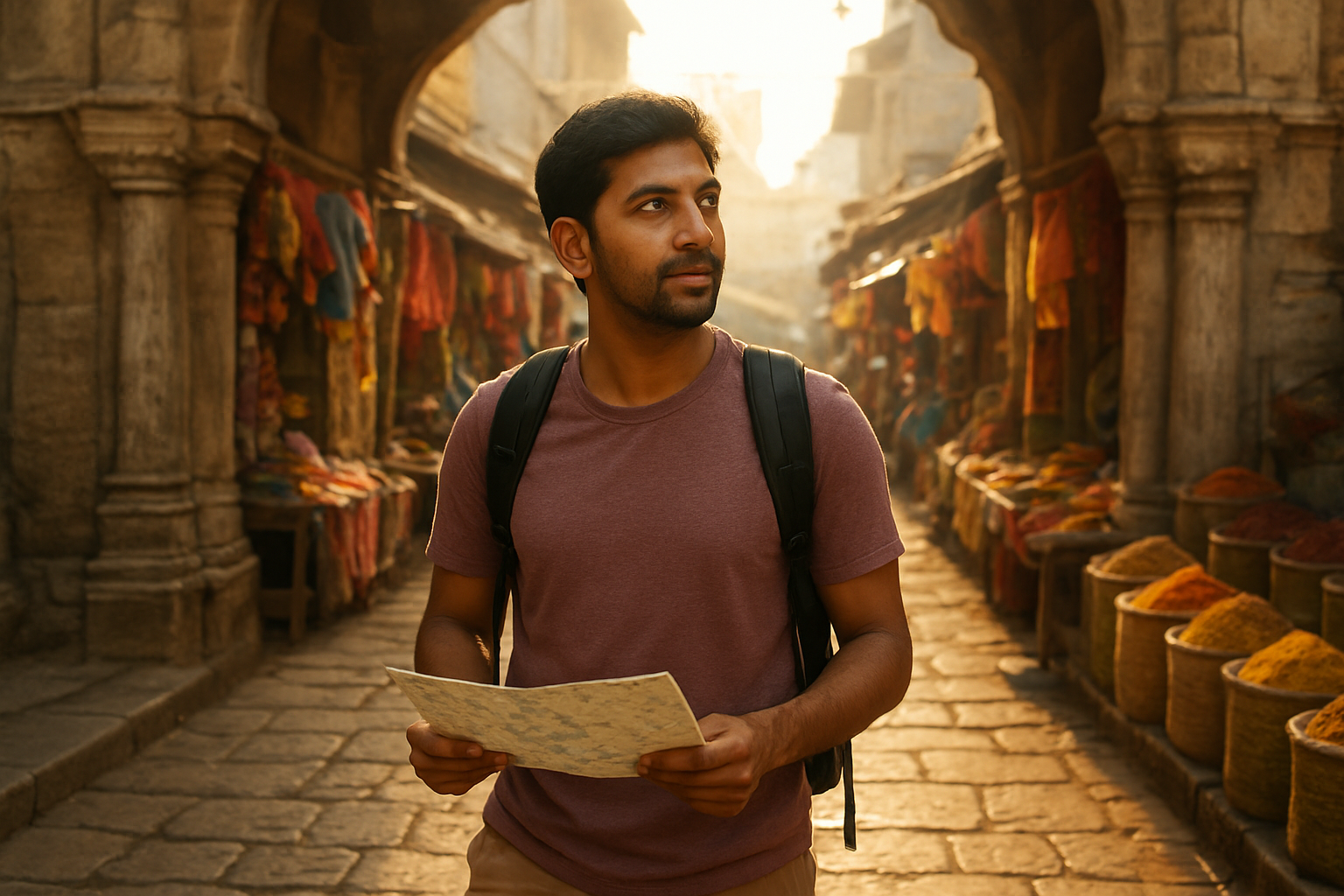
Choose the optimal time for exploration and photography
Early mornings between 7-9 AM offer the best experience for exploring Bangalore’s pete markets. The vendors are setting up their stalls, the light is perfect for photography, and you’ll witness the authentic bustle as the day begins. The harsh midday sun can make walking uncomfortable and creates harsh shadows that ruin photos.
Avoid Sundays when many traditional shops remain closed. Tuesdays and Fridays see increased activity due to religious significance, making them ideal for experiencing the markets at their liveliest. During festival seasons, particularly Diwali and Dussehra, the markets transform into vibrant celebrations with special decorations and extended hours.
The golden hour before sunset (around 5-6 PM) provides another excellent window for photography, especially for capturing the warm glow on ancient stone temples nestled between market stalls. However, many shops begin closing by 7 PM, so plan accordingly.
Prepare essential items for a comfortable market walk
Pack light but smart for your pete market adventure. Comfortable walking shoes with good grip are non-negotiable – these centuries-old streets can be uneven and sometimes slippery. A small backpack works better than a shoulder bag for navigating crowded lanes.
Bring a water bottle, as the markets can get warm and dusty. Carry small denomination currency (₹10, ₹20, ₹50 notes) for small purchases and temple offerings. Many vendors still prefer cash over digital payments.
A portable phone charger keeps your camera ready for unexpected discoveries. Pack wet wipes for cleaning hands after touching ancient walls or sampling street food. A light scarf or dupatta helps you cover up appropriately when entering temples.
Don’t forget sunscreen and a cap – even though you’ll be walking through covered areas, the sun can be intense in open courtyards and temple complexes.
Connect with local guides for insider access
Local guides unlock doors that remain closed to regular visitors. Many temples have restricted areas or special chambers that only open for guided groups. Guides know which priests are willing to share stories and which shopkeepers have the most interesting historical artifacts.
Contact the Karnataka Tourism office or check with heritage walk organizations like Bangalore Walks or Unhurried. These groups often have guides who’ve been exploring the pete markets for decades and maintain relationships with local families whose businesses span generations.
Independent guides can be found through local Facebook groups or by asking at popular breakfast spots near City Market. Look for guides who speak your preferred language and have knowledge about both the commercial and spiritual aspects of the markets.
The best guides don’t just show you around – they introduce you to their network of contacts, from temple priests who know oral histories to spice merchants who can teach you about traditional trading methods that haven’t changed in centuries.
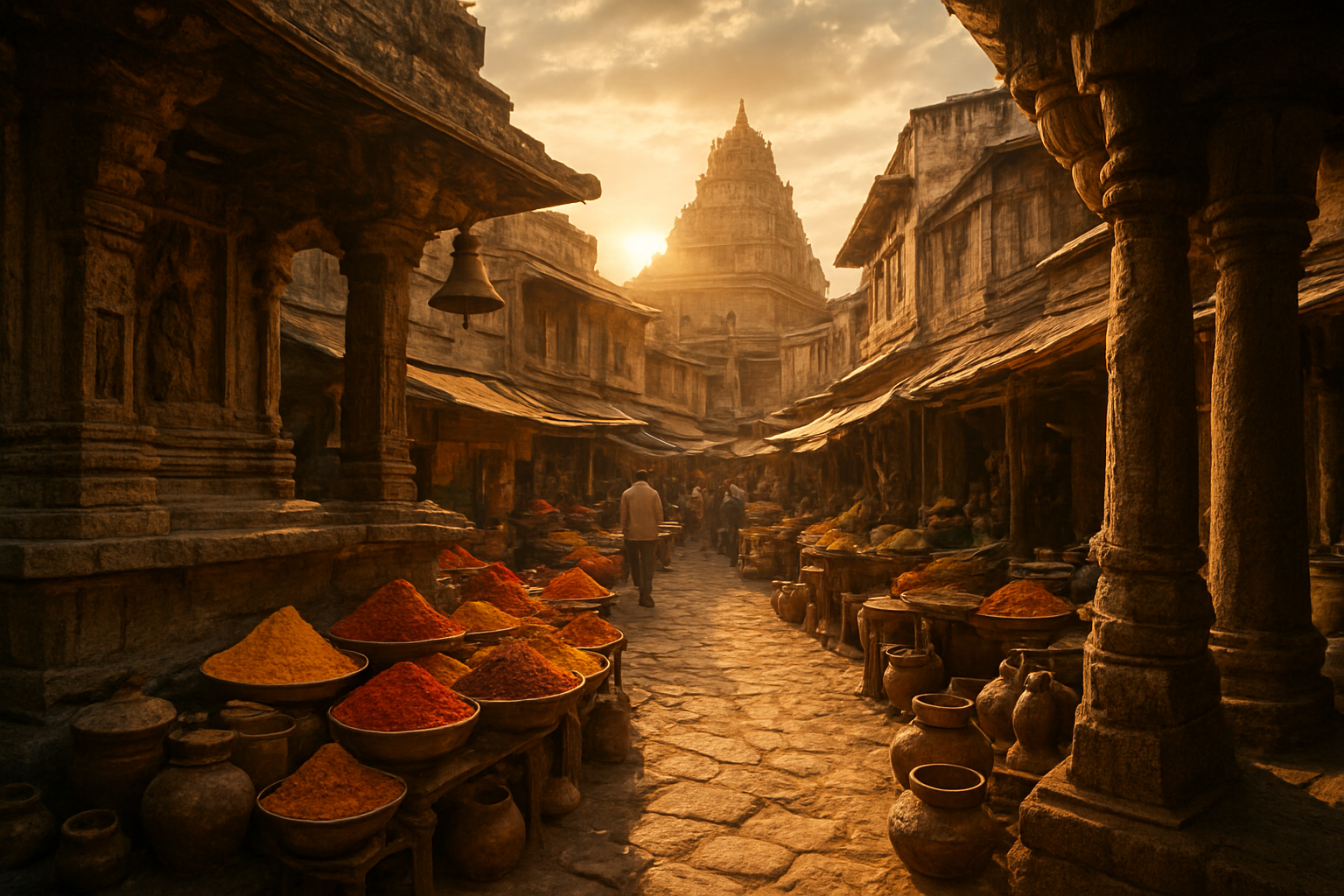
Bangalore’s pete markets reveal a side of the city that most visitors never see. These ancient trading hubs blend centuries-old business practices with sacred spaces, creating a unique cultural experience where temple bells ring alongside vendor calls. Walking through these narrow lanes connects you to generations of traders who built their livelihoods on trust, relationships, and time-tested methods that still work today.
Ready to explore this hidden Bangalore yourself? Start early in the morning when the markets come alive and the temple rituals begin. Bring comfortable walking shoes, a curious mind, and respect for the traditions you’ll witness. The pete markets aren’t just shopping destinations – they’re living museums where every stone tells a story and every transaction carries the weight of history.
For an immersive culture walking tour of the Pete, visit Pete Walk in Bangalore.
Leave a Reply