
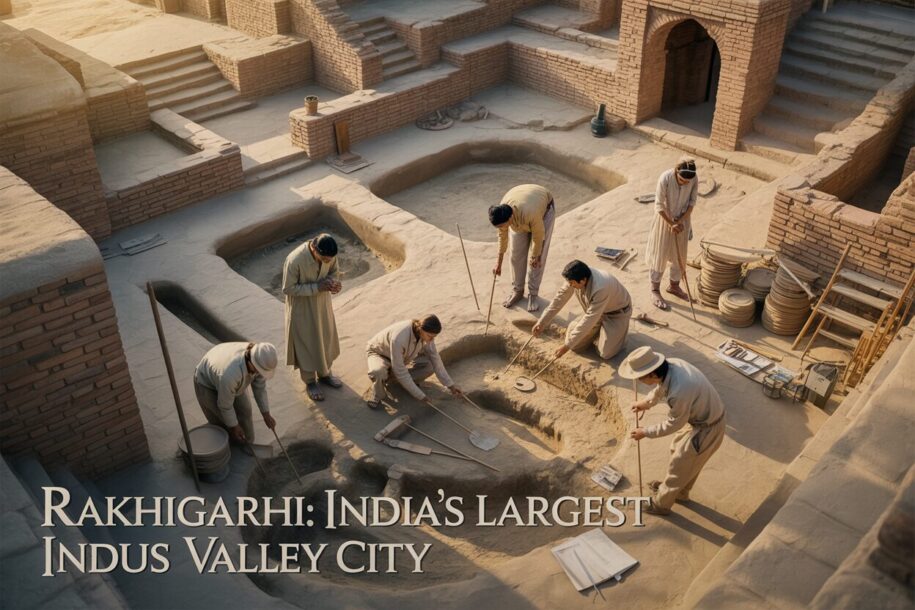
Hidden beneath the dusty fields of Haryana, India lies Rakhigarhi—a massive ancient city that’s rewriting everything we thought we knew about early civilization. This sprawling archaeological site represents the largest Indus Valley settlement ever discovered, predating Egypt’s famous pyramids by centuries and challenging long-held beliefs about where advanced urban culture first emerged.
This deep dive into Rakhigarhi is perfect for history enthusiasts, archaeology buffs, and anyone curious about India’s ancient past. You’ll discover the groundbreaking excavation findings that have stunned researchers worldwide and learn how this 5,000-year-old metropolis compares in age and sophistication to other legendary ancient monuments. We’ll also explore the advanced urban planning and cutting-edge technologies that made Rakhigarhi a marvel of its time, revealing how this forgotten city is forcing historians to completely rethink the story of human civilization.
Understanding Rakhigarhi’s Revolutionary Archaeological Significance
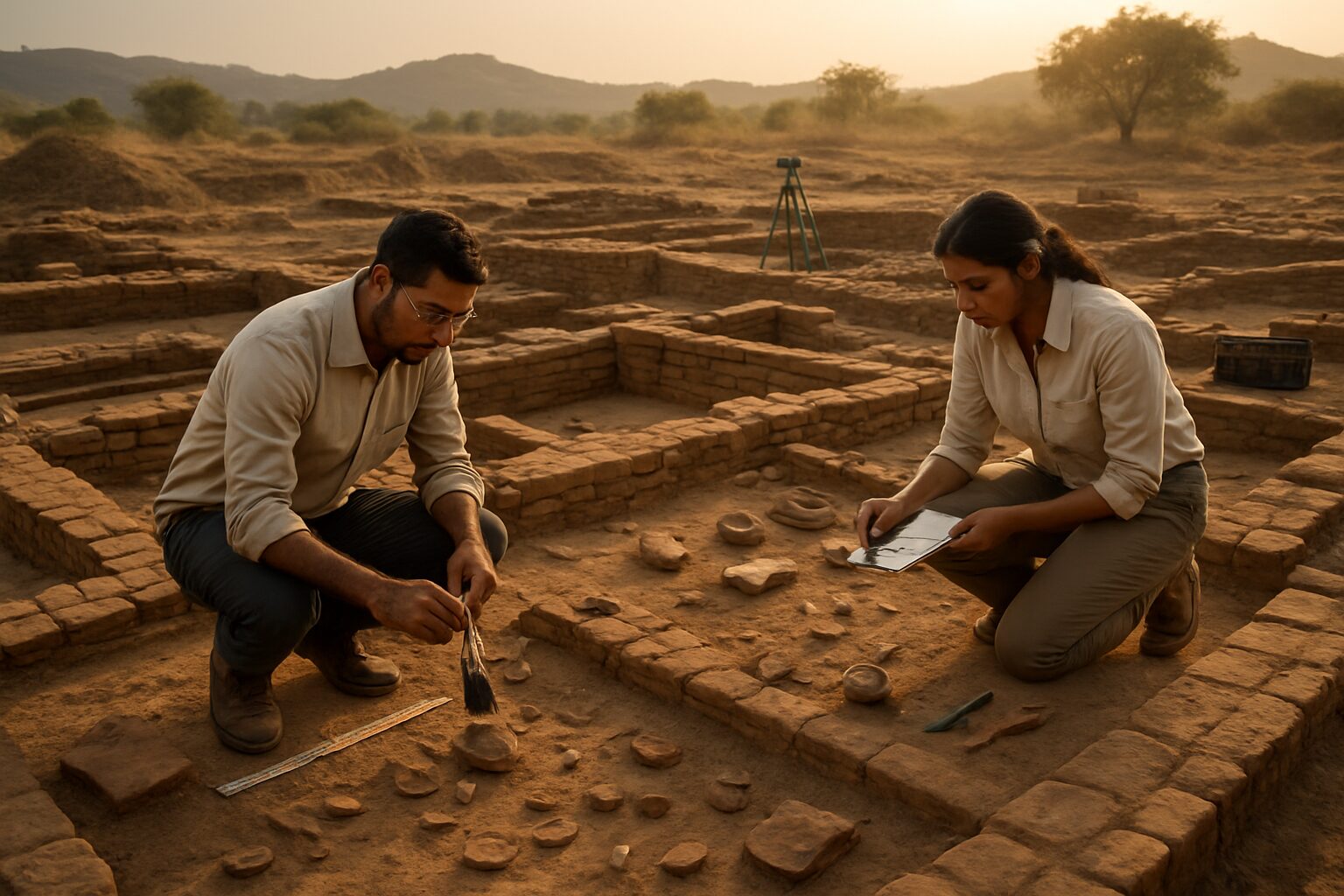
Location and scale that redefined Indus Valley civilization understanding
Rakhigarhi sprawls across an impressive 550 hectares in Haryana’s Hisar district, making it the largest known settlement of the Indus Valley Civilization. When archaeologists first began serious excavations here in the 1960s, they quickly realized this wasn’t just another archaeological site – it was a game-changer. The sheer size dwarfs other famous Harappan cities like Harappa and Mohenjo-daro, forcing researchers to completely rethink what they knew about ancient urban planning in the Indian subcontinent.
The site consists of seven interconnected mounds, each representing different phases of occupation and development. What makes Rakhigarhi extraordinary is how it demonstrates the sophisticated understanding ancient peoples had of urban planning and resource management. The city’s strategic location along the now-dried Ghaggar River (believed to be the ancient Sarasvati) provided access to fertile agricultural lands and trade routes connecting distant regions.
Archaeological surveys using ground-penetrating radar and satellite imagery have revealed that the actual settlement extends far beyond what’s visible on the surface. The buried remains suggest a meticulously planned metropolis with residential areas, craft workshops, storage facilities, and public spaces arranged in a grid pattern that rivals modern city planning concepts.
Dating evidence proving civilizations older than Egyptian pyramids
Carbon dating and other scientific dating methods have consistently placed Rakhigarhi’s earliest settlements around 6500 BCE, with the mature Harappan phase beginning around 2600 BCE. These dates place the civilization’s peak period several centuries before the construction of Egypt’s Great Pyramid of Giza, which began around 2580 BCE.
Optically Stimulated Luminescence (OSL) dating of pottery fragments and sediment samples has provided even more precise chronological evidence. The results show continuous habitation at Rakhigarhi spanning nearly 5,000 years, with distinct cultural phases marking technological and social evolution. Radiocarbon dating of organic materials found in various excavation layers has corroborated these findings, creating a robust chronological framework.
Recent DNA analysis of skeletal remains discovered at the site has added another dimension to the dating evidence. The genetic material, preserved in the arid climate, has been successfully extracted and analyzed, providing insights into population movements and cultural continuity that complement the archaeological timeline. This multi-disciplinary approach to dating has eliminated much of the speculation that previously surrounded Indus Valley chronology.
Archaeological breakthroughs that changed ancient history timelines
The discovery of fire-altered grain at Rakhigarhi revolutionized understanding of agricultural practices in the ancient world. Analysis revealed evidence of crop rotation, irrigation systems, and storage techniques that were previously thought to have developed much later in human history. These findings pushed back the timeline for advanced agricultural technology by several millennia.
Excavations have uncovered sophisticated drainage systems, standardized brick sizes, and urban planning principles that predate similar developments in Mesopotamia and Egypt. The discovery of weights and measures following a precise decimal system challenged assumptions about mathematical knowledge in prehistoric societies. Bronze tools, ornate jewelry, and intricate pottery demonstrate technological capabilities that archaeologists hadn’t expected to find in such ancient contexts.
Perhaps most significantly, recent excavations have yielded evidence of what appears to be an early form of writing system, distinct from but potentially ancestral to later Indian scripts. These proto-writing symbols, found on pottery and seals, suggest that literacy and record-keeping developed independently in the Indian subcontinent much earlier than previously believed, fundamentally altering our understanding of how civilization evolved across different regions of the ancient world.
Excavation Discoveries That Shocked the Archaeological World
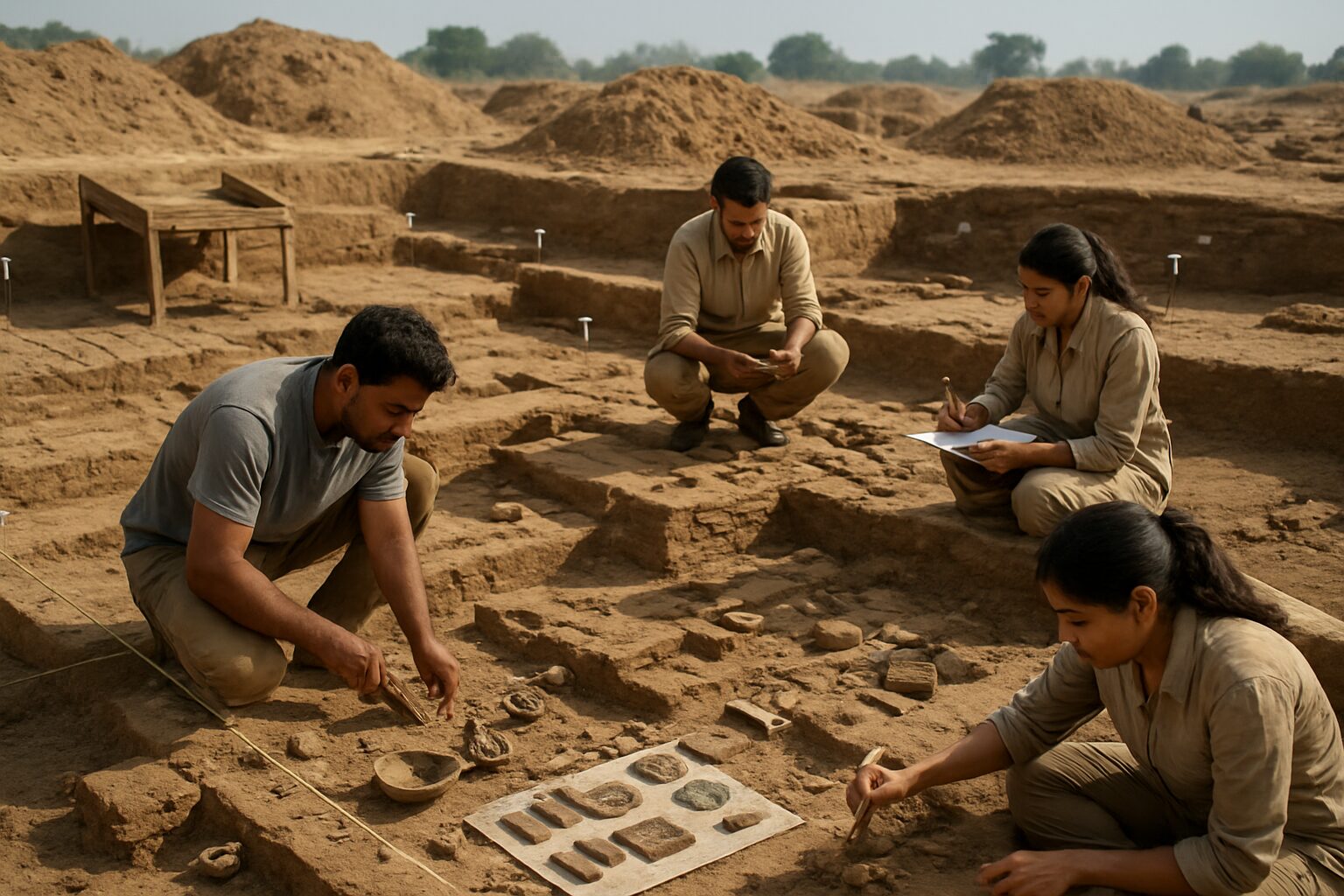
Advanced urban planning systems rivaling modern cities
Rakhigarhi’s layout reads like a masterclass in city planning that puts many contemporary urban developments to shame. The city sprawls across multiple mounds, each serving distinct functions within an interconnected urban framework. Streets run in precise grid patterns, with main thoroughfares intersecting at right angles and smaller lanes branching off systematically. This wasn’t random growth – someone designed this place with serious forethought.
The residential quarters showcase remarkable standardization. Houses follow consistent architectural principles while accommodating different social levels. Larger homes occupy prime locations near administrative areas, while smaller dwellings cluster in designated neighborhoods. Each structure includes courtyards, multiple rooms, and standardized brick sizes that speak to centralized construction standards.
What really stands out is the zoning concept. Industrial areas with kilns and workshops sit separate from residential zones, while storage facilities cluster near what appear to be market areas. This functional segregation prevented pollution and noise from disrupting daily life – a principle modern planners still struggle to implement effectively.
Sophisticated drainage and water management technologies
The drainage system at Rakhigarhi represents engineering genius that would impress today’s municipal engineers. Every house connects to covered drains that channel wastewater away from living areas through an extensive underground network. These channels, built with precisely fitted bricks and waterproof mortar, maintained proper gradients to ensure consistent flow.
Water management went beyond basic drainage. The city featured multiple wells strategically positioned throughout neighborhoods, ensuring no resident lived far from fresh water sources. Large public baths and smaller private bathing areas demonstrate the inhabitants’ emphasis on cleanliness and ritual purification.
Rainwater collection systems channeled monsoon runoff into storage tanks and reservoirs. Underground conduits directed excess water away from foundations, preventing the flooding issues that plague modern cities during heavy rains. The entire system operated without pumps or electricity, relying purely on gravity and intelligent design.
Evidence of complex social structures and governance
Artifacts from Rakhigarhi reveal a society with distinct social layers and specialized roles. The variation in house sizes and quality of construction materials clearly indicates wealth disparities, but not extreme inequality. Even modest homes include basic amenities like drainage connections and private wells.
Craft specialization flourished here. Dedicated workshops produced pottery, metalwork, jewelry, and textiles. The standardization of weights, measures, and brick sizes across the site suggests centralized authority setting and enforcing standards. This level of coordination required sophisticated administrative systems.
Storage facilities and granaries point to organized food distribution networks. The sheer scale of these structures indicates surplus production and long-term planning. Someone was managing resources, coordinating trade, and ensuring food security for thousands of residents.
Ancient burial practices revealing cultural insights
The cemetery areas at Rakhigarhi offer intimate glimpses into how these ancient people understood life and death. Most burials follow extended inhumation practices, with bodies placed in wooden coffins or wrapped in cloth shrouds. Personal belongings accompany the deceased – pottery vessels, jewelry, tools, and sometimes food offerings.
Children receive special treatment in death, often buried with miniature versions of adult artifacts and toys. This suggests beliefs about afterlife continuation and the importance of childhood within their cultural framework. The care taken in preparing these young burials reveals deep emotional bonds and spiritual beliefs.
Burial orientation follows consistent patterns, with heads generally pointing north. Gender differences appear in grave goods – women’s burials often include more jewelry and decorative items, while men’s graves contain tools and weapons. These patterns suggest defined social roles while revealing the material culture that defined individual identity in ancient Rakhigarhi.
Comparing Rakhigarhi’s Age to World’s Famous Ancient Monuments
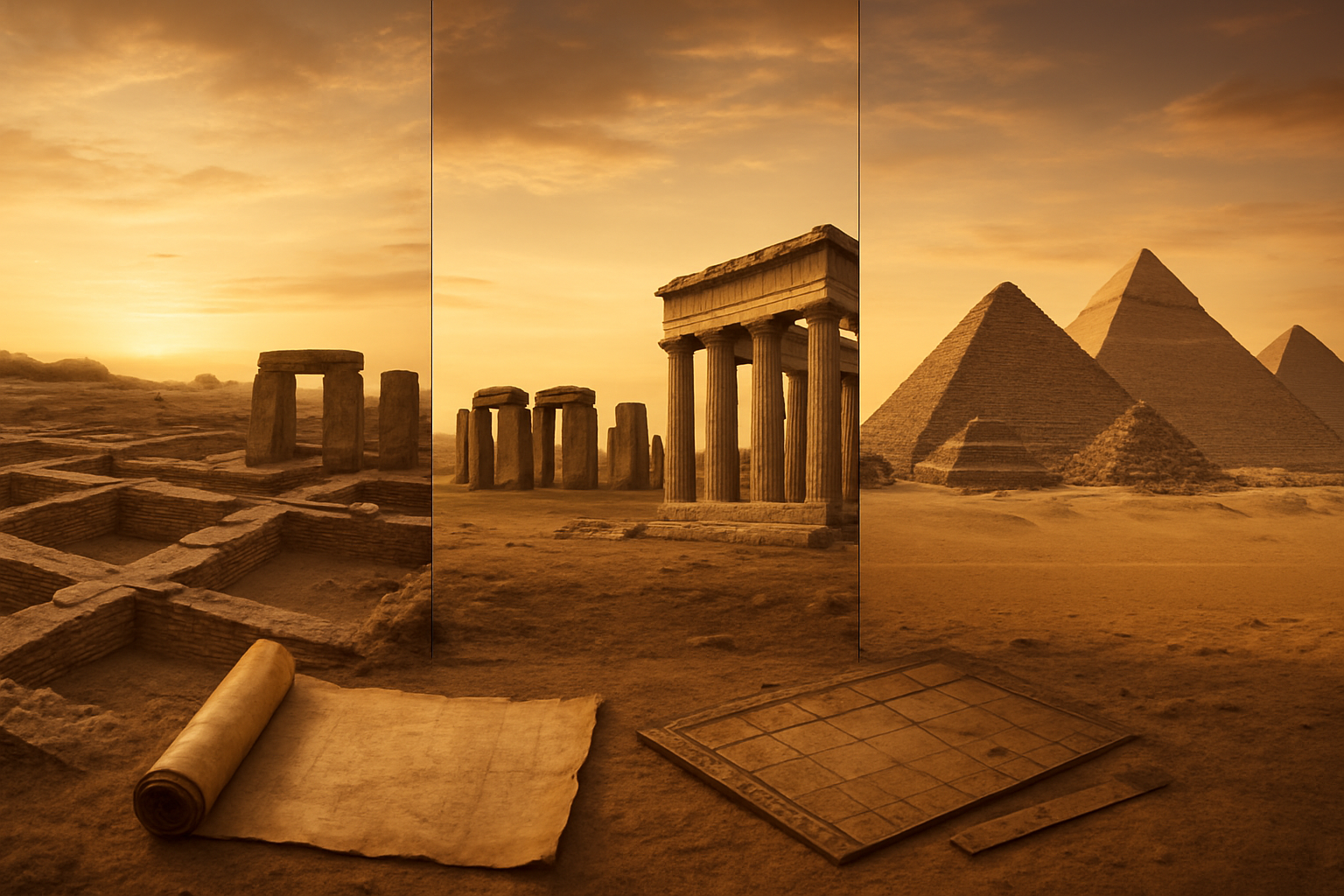
Timeline Comparison with Egyptian Pyramids Construction
The ancient city of Rakhigarhi predates Egypt’s most famous monuments by several centuries, fundamentally reshaping our understanding of early civilization timelines. While the Great Pyramid of Giza was constructed around 2580-2560 BCE during Egypt’s Fourth Dynasty, archaeological evidence places Rakhigarhi’s earliest settlements between 6500-3300 BCE, with its mature phase occurring around 2600-1900 BCE.
This chronological precedence becomes even more striking when examining specific construction periods:
- Rakhigarhi’s peak urban development: 2600-2500 BCE
- Great Pyramid of Giza: 2580-2560 BCE
- Pyramid of Djoser (earliest pyramid): 2670-2650 BCE
- Sphinx of Giza: 2558-2532 BCE
The overlap between Rakhigarhi’s golden age and pyramid construction reveals that sophisticated urban planning was flourishing in the Indian subcontinent while Egypt was just beginning its monumental architecture phase. Rakhigarhi’s drainage systems, standardized brick sizes, and grid-pattern streets were already centuries old when Egyptian architects started designing their first step pyramids.
Age Analysis Against Mesopotamian Civilizations
Rakhigarhi’s antiquity challenges the long-held belief that Mesopotamia represents humanity’s first urban experiment. While Mesopotamian cities like Uruk and Ur emerged around 4000-3500 BCE, Rakhigarhi’s earliest phases stretch back to 6500 BCE, making it potentially older than many Mesopotamian settlements.
The comparison reveals fascinating parallels and contrasts:
Mesopotamian Timeline:
- Uruk period begins: 4000 BCE
- First Sumerian cities: 3500 BCE
- Akkadian Empire: 2334-2154 BCE
Rakhigarhi Development:
- Early Harappan phase: 3300-2600 BCE
- Mature Harappan civilization: 2600-1900 BCE
- Post-urban phase: 1900-1300 BCE
Unlike Mesopotamian civilizations that relied heavily on cuneiform writing systems and monumental temples, Rakhigarhi developed sophisticated urban infrastructure without leaving behind decipherable written records. This absence of written documentation initially led archaeologists to underestimate the Indus Valley civilization’s complexity and age.
Recent excavations show that Rakhigarhi’s residents were creating standardized weights, measures, and urban planning systems while Mesopotamian cities were still developing their administrative frameworks. The city’s advanced metallurgy and craft production techniques suggest a level of technological sophistication that rivals or exceeds contemporary Mesopotamian achievements.
Dating Methods Proving Unprecedented Antiquity
Multiple scientific dating techniques have converged to establish Rakhigarhi’s remarkable age, each method reinforcing the others to create an unshakeable chronological foundation. Radiocarbon dating remains the primary tool, with samples from various excavation layers providing consistent dates spanning from 6500 BCE to 1300 BCE.
Primary Dating Methodologies:
- Radiocarbon (C-14) Dating: Organic materials from different stratigraphic layers provide precise age estimates
- Thermoluminescence Dating: Pottery shards reveal firing dates, confirming settlement periods
- Optically Stimulated Luminescence: Sediment analysis determines when materials were last exposed to sunlight
- Stratigraphic Analysis: Layer-by-layer excavation establishes relative chronologies
The Archaeological Survey of India’s systematic approach has yielded over 100 radiocarbon dates from Rakhigarhi alone. These dates consistently place the site’s origins in the 7th millennium BCE, making it one of the world’s oldest continuously inhabited urban centers.
Cross-referencing with similar Indus Valley sites like Harappa and Mohenjo-daro confirms that Rakhigarhi wasn’t an isolated phenomenon but part of a broader, incredibly ancient urban network. The consistency of dating across multiple Indus Valley sites strengthens the case for this civilization’s unprecedented antiquity.
Recent advances in accelerator mass spectrometry have allowed researchers to date increasingly smaller samples with greater precision, revealing that Rakhigarhi’s sophisticated urban features appeared much earlier than previously thought. These technical improvements continue to push back the boundaries of when complex urban civilization first emerged in South Asia.
Advanced Technologies and Urban Infrastructure of Ancient Rakhigarhi
Revolutionary City Planning and Grid-Based Layouts
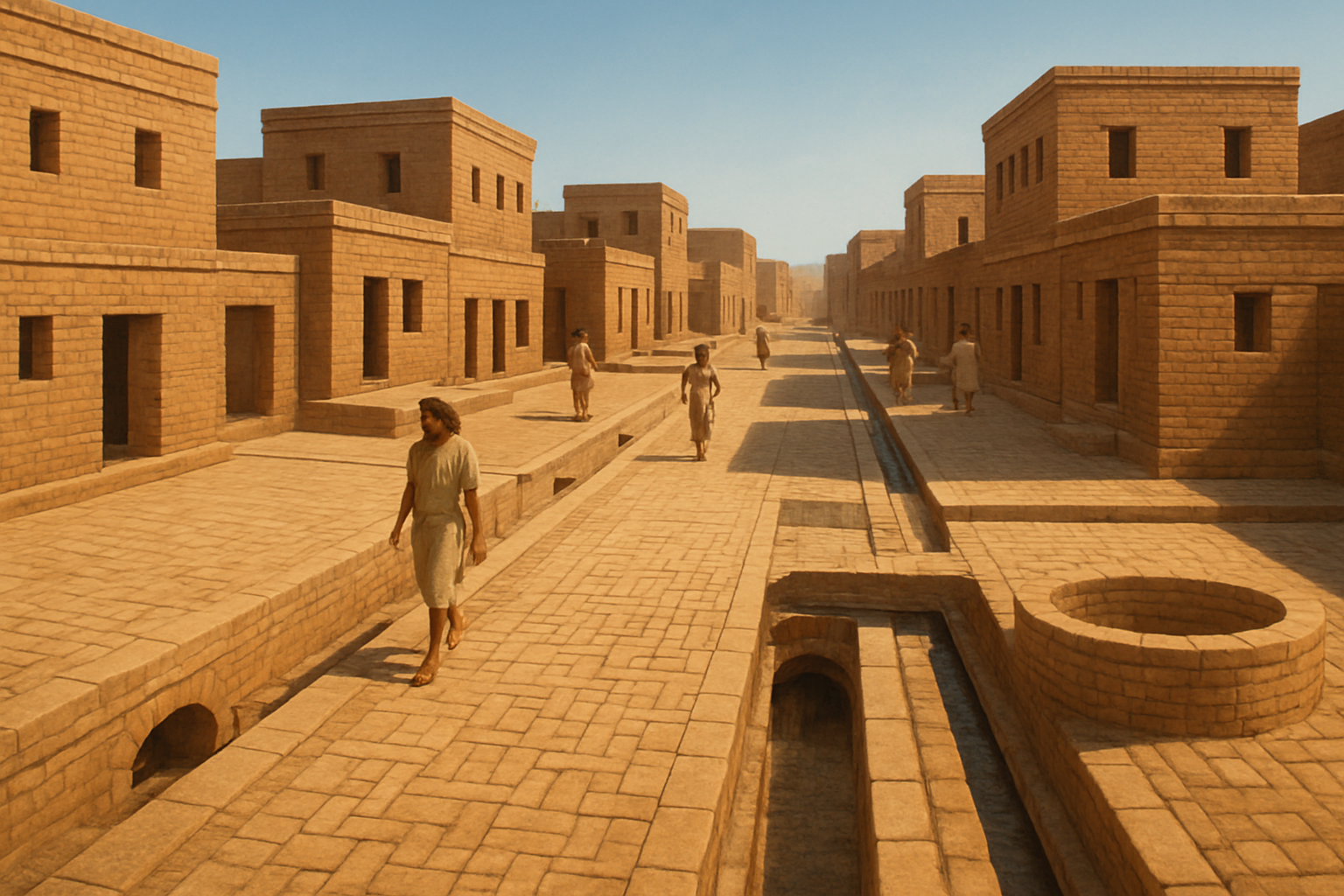
Rakhigarhi’s urban design showcases a level of sophistication that rivals modern city planning. The settlement follows a precise grid pattern with streets running north-south and east-west, creating organized blocks that made navigation and expansion systematic. This wasn’t random development – archaeologists have uncovered evidence of careful zoning where residential areas were clearly separated from industrial zones.
The streets were remarkably wide, measuring up to 1.92 meters across, allowing for easy movement of people, animals, and goods. Main thoroughfares connected different sectors of the city, while smaller lanes provided access to individual homes. The standardization of brick sizes across the entire settlement demonstrates centralized planning and quality control that wouldn’t look out of place in today’s construction industry.
Engineering Marvels in Sewerage and Sanitation Systems
The drainage system at Rakhigarhi represents one of humanity’s earliest examples of comprehensive urban sanitation. Every house connected to covered drains that carried waste water through carefully constructed channels lined with baked bricks. These drains sloped at precise angles to ensure proper flow, preventing stagnation and disease.
Public wells were strategically positioned throughout the city, providing clean water access to all residents. The wells were built with perfectly fitted bricks and featured sophisticated water filtration methods. Waste management included designated areas for garbage disposal, keeping living spaces clean and hygienic. Private bathrooms with paved floors and proper drainage showed that even individual homes prioritized sanitation – a luxury that many civilizations wouldn’t achieve for thousands of years.
Agricultural Innovations Supporting Large Populations
Rakhigarhi’s farmers developed advanced techniques that could sustain a population estimated between 35,000 to 50,000 people. They practiced crop rotation and understood soil fertility management, growing wheat, barley, peas, and sesame in carefully planned cycles. Granaries discovered at the site could store massive quantities of grain, protecting food supplies from pests and weather.
Water management extended beyond the city walls with evidence of sophisticated irrigation systems. Farmers constructed channels and reservoirs to capture monsoon rains and distribute water during dry seasons. They also developed drought-resistant crop varieties and understood the importance of field fallowing. Archaeological evidence suggests they practiced selective breeding of cattle and water buffalo, improving livestock quality for both agricultural work and food production.
Craft Production and Industrial Zones Organization
The city featured specialized workshops arranged in distinct quarters, each dedicated to specific crafts. Pottery production areas contained advanced kilns capable of reaching high temperatures for creating standardized ceramics. Bead-making workshops produced intricate ornaments using materials sourced from hundreds of miles away, including shells from coastal regions and semi-precious stones from distant mountains.
Metalworking zones show evidence of bronze production, with craftsmen creating tools, weapons, and decorative items. Textile production flourished with cotton processing areas and sophisticated looms. Quality control was evident – products followed standardized weights and measures, suggesting guild-like organizations that maintained consistent standards across different workshops.
Trade Networks Connecting Distant Civilizations
Rakhigarhi served as a major hub in extensive trade networks that stretched from Afghanistan to Gujarat’s coast. Merchants used standardized weights made from polished stone, facilitating fair transactions across vast distances. The famous Harappan seals found here likely served as ancient trademarks or shipping labels, identifying goods and their origins.
Raw materials discovered at the site tell the story of these connections: lapis lazuli from Afghanistan, conch shells from the Arabian Sea coast, copper from Rajasthan, and timber from Himalayan regions. Finished goods traveled in the opposite direction, with Rakhigarhi’s crafts reaching Mesopotamian cities. This trade network required sophisticated logistics, reliable transportation methods, and standardized measurement systems that connected diverse cultures across thousands of miles.
Cultural Life and Society in Ancient Rakhigarhi
Social hierarchy evidence from residential areas
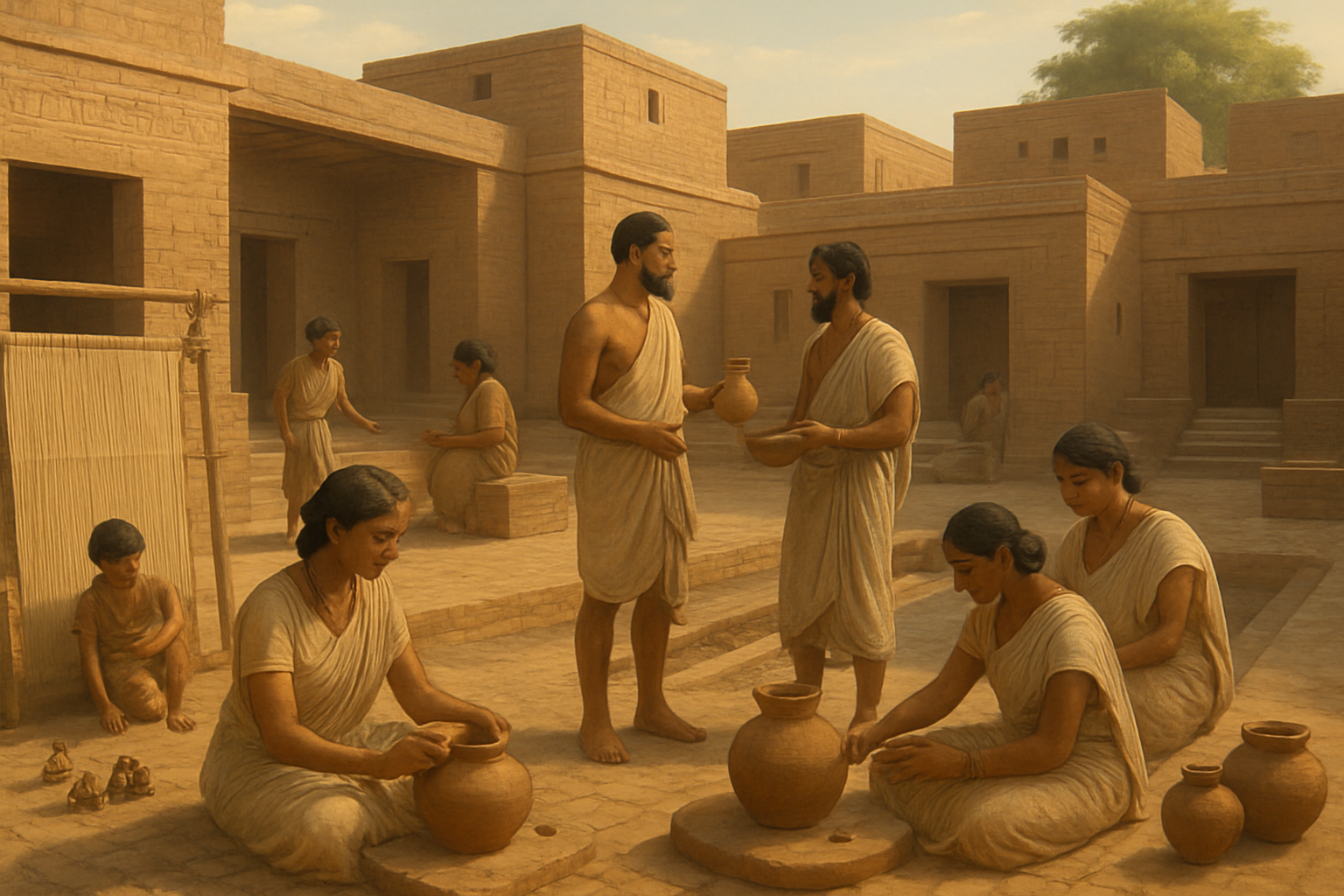
Excavations at Rakhigarhi reveal a fascinating picture of how people lived 4,500 years ago. The residential areas show clear signs of social stratification, with neighborhoods divided into distinct zones based on wealth and status. Archaeologists discovered that the wealthier families lived in larger, multi-room houses built with carefully cut bricks and sophisticated drainage systems. These homes featured private wells, storage rooms for grain, and even private bathrooms with advanced sewerage connections.
Middle-class residents occupied smaller but still well-constructed houses, typically with two to three rooms and shared community wells. The working-class areas contained simpler, single-room structures clustered around common courtyards. What’s remarkable is that even the poorest areas maintained the same urban planning standards – straight streets, proper drainage, and standardized brick sizes. This suggests a highly organized society where basic infrastructure reached all citizens, regardless of their economic status.
The uniform city planning across different social levels indicates strong central authority and shared civic values. Unlike many ancient civilizations where the poor lived in chaotic slums, Rakhigarhi’s residents all enjoyed access to clean water and sanitation systems.
Religious practices and ritual ceremonies
Archaeological evidence from Rakhigarhi points to a rich spiritual life centered around water worship and fertility rituals. The Great Bath, similar to those found at other Indus sites, likely served as a ceremonial center for ritual purification. Clay figurines of mother goddesses, dancing figures, and animals suggest that the people worshipped nature deities and practiced fertility cults.
Fire altars discovered in residential areas indicate that households conducted daily religious ceremonies. These brick-lined platforms show evidence of repeated burning, suggesting regular offerings or sacred fire rituals. The presence of conch shells and terracotta cakes hints at elaborate ceremonial practices that may have included music and food offerings.
Burial practices reveal beliefs about afterlife and social customs. The people of Rakhigarhi practiced both burial and cremation, with grave goods including pottery, jewelry, and tools. Some burials show bodies positioned facing north or east, possibly indicating beliefs about spiritual journeys after death. The careful arrangement of personal items with the deceased suggests they believed in continuing existence beyond physical death.
Art, crafts, and daily life artifacts
The artistic achievements of Rakhigarhi’s inhabitants showcase remarkable skill and aesthetic sense. Master craftspeople created delicate jewelry from gold, silver, and bronze, including intricate necklaces, bangles, and headpieces. The famous dancing girl figurine demonstrates advanced bronze-casting techniques and artistic vision that rivals any ancient civilization.
Pottery from Rakhigarhi displays both functional beauty and technical excellence. Wheel-made ceramics feature geometric patterns, animal motifs, and plant designs painted with natural pigments. Storage jars, cooking vessels, and serving dishes show standardized measurements and quality control that speaks to organized craft production.
Seals carved from steatite remain among the most mysterious artifacts. These small, square stamps feature animals like unicorns, tigers, and elephants alongside undeciphered script. Each seal likely represented individual merchants or families, serving as ancient signatures for trade transactions. The precision of carving and consistency of symbols across thousands of seals demonstrates sophisticated artistic traditions and possibly guild-based craft specialization.
Daily life artifacts include children’s toys like toy carts, whistles, and miniature animals made from terracotta. Gaming pieces suggest that entertainment and leisure activities played important roles in social life. Measuring weights made from carefully polished stone reveal mathematical precision and standardized trade practices.
Language and communication systems
The Indus Valley script remains one of archaeology’s greatest unsolved puzzles. Rakhigarhi has yielded hundreds of inscribed seals, pottery shards, and copper tablets bearing symbols that represent the world’s earliest known urban writing system. These symbols appear in sequences of two to seventeen characters, suggesting they conveyed meaningful information beyond simple pictographs.
Recent computational analysis of Rakhigarhi inscriptions reveals patterns consistent with natural language structure. The symbols show statistical properties found in spoken languages, including predictable character frequencies and logical symbol combinations. Some researchers believe the script represents a logo-syllabic system where individual signs represent both words and sounds.
Communication extended beyond written symbols. Standardized weights, measures, and brick sizes across the entire Harappan civilization suggest sophisticated systems for sharing information across vast distances. The uniformity of urban planning from Rakhigarhi to coastal trading ports indicates that communities shared detailed technical knowledge through organized communication networks.
Trade tokens, clay tags, and copper tablets likely served as bills of lading or inventory records for commercial transactions. The systematic use of these communication tools demonstrates that Rakhigarhi’s merchants and administrators developed complex bureaucratic systems for managing large-scale economic activities. The survival of these records provides glimpses into how an ancient civilization organized information flow across one of history’s most extensive urban networks.
Modern Research Methods Unlocking Rakhigarhi’s Secrets
DNA analysis revealing population origins
Ancient DNA extracted from skeletal remains at Rakhigarhi has revolutionized our understanding of the Harappan people. Scientists successfully sequenced genetic material from a 4,600-year-old female skeleton, marking the first time researchers obtained DNA from the Indus Valley Civilization. The results painted a fascinating picture: the Harappans were primarily descended from early Iranian farmers who migrated to the Indian subcontinent around 7,000-8,000 years ago.
This genetic evidence debunked earlier theories about Aryan invasions causing the civilization’s decline. Instead, the DNA shows the Harappans were indigenous to the region, with genetic signatures that persist in modern South Asian populations. The analysis revealed no significant Central Asian genetic input during the Harappan period, reshaping debates about ancient migration patterns.
The research team, led by geneticists from Harvard Medical School and the Centre for Cellular and Molecular Biology in Hyderabad, used cutting-edge techniques to overcome DNA degradation challenges in hot, humid climates. They compared the ancient genetic data with samples from 11,000 modern individuals across South Asia, creating the most comprehensive genetic map of the region’s ancient populations.
Carbon dating techniques establishing precise timelines
Radiocarbon dating has become the backbone of Rakhigarhi’s chronological framework, with over 50 samples providing unprecedented timeline precision. The latest Accelerator Mass Spectrometry (AMS) dating techniques require minimal sample sizes while delivering accuracy within decades rather than centuries.
Results consistently place Rakhigarhi’s earliest settlements around 6,500 BCE, making it contemporary with early agricultural communities in the Fertile Crescent. The mature Harappan phase began around 2,600 BCE and continued until approximately 1,900 BCE. These dates push back the civilization’s origins by several centuries compared to previous estimates.
Scientists employed multiple dating methods to cross-verify results:
- Charcoal and organic material dating from cooking hearths and storage areas
- Bone collagen dating from animal remains and human burials
- Shell dating from marine artifacts, accounting for reservoir effects
- Pottery thermoluminescence dating providing independent verification
The precision achieved through these methods allows researchers to track the site’s development phases with remarkable detail. They can now identify specific periods of expansion, technological advancement, and eventual decline with confidence previously impossible.
Satellite imagery mapping entire settlement patterns
High-resolution satellite imagery transformed how archaeologists approach Rakhigarhi’s vast expanse. NASA’s Landsat data, combined with India’s Cartosat missions, revealed the complete urban layout spanning over 350 hectares. These images expose buried structures, ancient water channels, and settlement boundaries invisible to ground-level surveys.
Advanced remote sensing techniques uncovered a sophisticated drainage system extending far beyond the excavated areas. Satellite analysis identified at least seven distinct mounds representing different city sectors, each with specialized functions. The imagery revealed geometric street patterns characteristic of Harappan urban planning, complete with residential blocks, industrial quarters, and administrative centers.
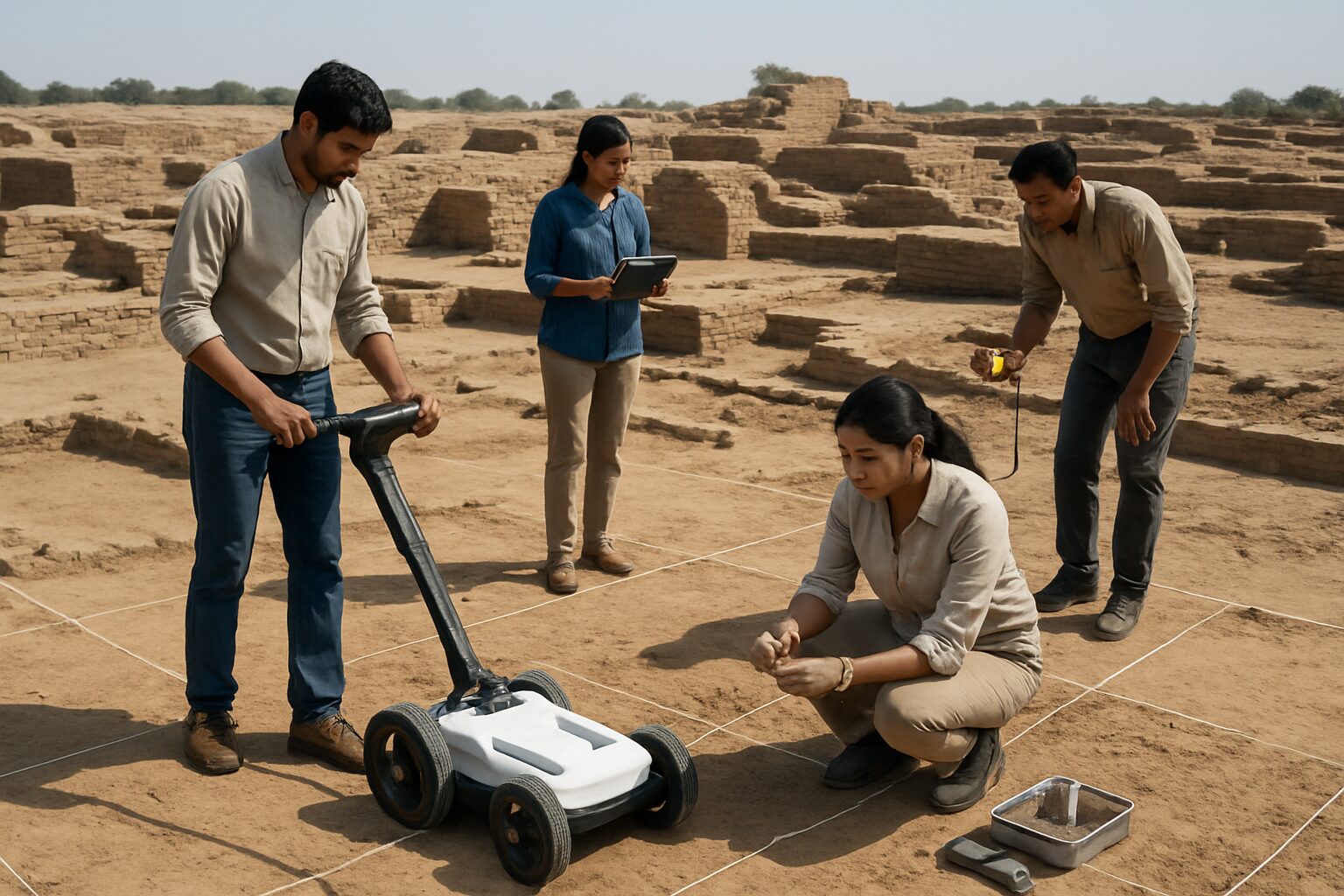
Ground-penetrating radar surveys, guided by satellite data, located buried walls, foundations, and storage facilities without excavation. This non-invasive approach preserves delicate archaeological layers while mapping the city’s complete infrastructure. Digital elevation models created from satellite data show how the ancient inhabitants managed water flow and prevented flooding.
International collaboration advancing discoveries
Rakhigarhi’s excavation represents unprecedented global cooperation in archaeological research. The Archaeological Survey of India partners with institutions from Harvard University, Seoul National University, and the Max Planck Institute for Evolutionary Anthropology. Each brings specialized expertise and cutting-edge technology to unlock different aspects of Harappan civilization.
Korean researchers contributed advanced ground-penetrating radar systems and 3D modeling software. German specialists provided ancient DNA extraction facilities and genetic sequencing capabilities. American teams offered radiocarbon dating laboratories and satellite imagery analysis tools.
This collaborative approach accelerates discovery timelines and ensures multiple verification of findings. Joint research publications undergo rigorous peer review from diverse archaeological traditions, strengthening the scientific validity of conclusions. The international team shares real-time data through cloud-based platforms, enabling immediate analysis and interpretation.
The partnership model established at Rakhigarhi now serves as a template for other major archaeological projects across South Asia. Research findings benefit from multiple perspectives, preventing narrow interpretations that might emerge from single-institution studies. This collaborative spirit continues expanding our understanding of humanity’s earliest urban experiments.
Impact on Rewriting Indian and World History

Challenging established historical narratives
The discoveries at Rakhigarhi have completely turned our understanding of ancient history upside down. For decades, historians and archaeologists painted a picture of early Indian civilization as something that developed much later compared to Mesopotamia or Egypt. Traditional textbooks positioned India’s sophisticated urban culture as a relatively recent phenomenon, starting perhaps around 1500 BCE with the arrival of Indo-Aryans.
Rakhigarhi throws this timeline out the window. With evidence dating back to 6500 BCE, the site proves that highly advanced urban planning, sophisticated drainage systems, and complex social structures existed in the Indian subcontinent thousands of years before previously thought. The sheer scale of Rakhigarhi – spanning over 550 hectares – makes it larger than contemporary sites in Mesopotamia and Egypt.
This revelation forces scholars to reconsider the very foundations of how civilization developed. The linear progression model, where knowledge supposedly flowed from west to east, no longer holds water. Rakhigarhi suggests parallel development of human societies, with the Indian subcontinent emerging as an independent center of innovation rather than a recipient of external influence.
The site’s advanced metallurgy, standardized weights and measures, and sophisticated water management systems predate similar technologies found elsewhere. This challenges the Eurocentric view that has dominated archaeological interpretation for over a century, demanding a more balanced perspective on global civilization development.
Proving India’s advanced ancient civilizations
Rakhigarhi stands as concrete proof that ancient India wasn’t just home to scattered tribal communities but hosted some of the world’s most advanced civilizations. The archaeological evidence paints a picture of remarkable technological sophistication that rivals anything found in contemporary Mesopotamian or Egyptian sites.
The discovery of perfectly planned streets laid out in grid patterns demonstrates an understanding of urban planning that wouldn’t be seen in Europe for millennia. The intricate drainage system, complete with covered sewers and manholes, shows environmental engineering that surpasses many modern developing cities. These weren’t primitive settlements but carefully designed urban centers housing tens of thousands of residents.
The standardized brick sizes found across the site reveal industrial-level production capabilities and quality control measures. Artifacts show evidence of long-distance trade networks stretching from Afghanistan to Gujarat, proving these ancient Indians maintained complex economic relationships across vast geographical areas.
Perhaps most impressive is the evidence of social organization without apparent kingship or divine rulership. Unlike Egyptian pharaohs or Mesopotamian god-kings, Rakhigarhi seems to have operated as a sophisticated society with distributed governance – a concept that wouldn’t emerge in Western political thought until much later.
The site’s peaceful nature, with no evidence of warfare or fortifications, suggests these ancient civilizations achieved stability through cooperation rather than conquest.
Influencing archaeological research methodologies
Rakhigarhi has sparked a complete transformation in how archaeologists approach ancient Indian sites. Traditional excavation methods, often influenced by colonial-era perspectives, focused primarily on monumental structures and royal artifacts. The discoveries at Rakhigarhi have shifted attention toward everyday urban life, infrastructure, and social organization.
Research teams now employ cutting-edge technologies like ground-penetrating radar, satellite imagery, and GIS mapping to understand entire settlement patterns rather than isolated structures. The multidisciplinary approach combining archaeology, genetics, geology, and environmental science has become the new standard for Indus Valley investigations.
The site has also revolutionized dating methodologies. Researchers now rely more heavily on scientific dating techniques like radiocarbon analysis and optically stimulated luminescence rather than comparative pottery studies alone. This shift has led to more accurate chronologies and challenged many previously accepted timelines.
International collaboration has intensified, with research teams from multiple countries working together to decode the mysteries of the Indus script and understand trade relationships. The genetic studies conducted on skeletal remains from Rakhigarhi have provided new insights into population movements and continuity, influencing how researchers approach similar studies worldwide.
The emphasis on environmental archaeology – studying ancient climate patterns, agriculture, and resource management – has become integral to understanding how these civilizations thrived in challenging environments. This holistic approach now serves as a model for investigating other ancient sites globally.
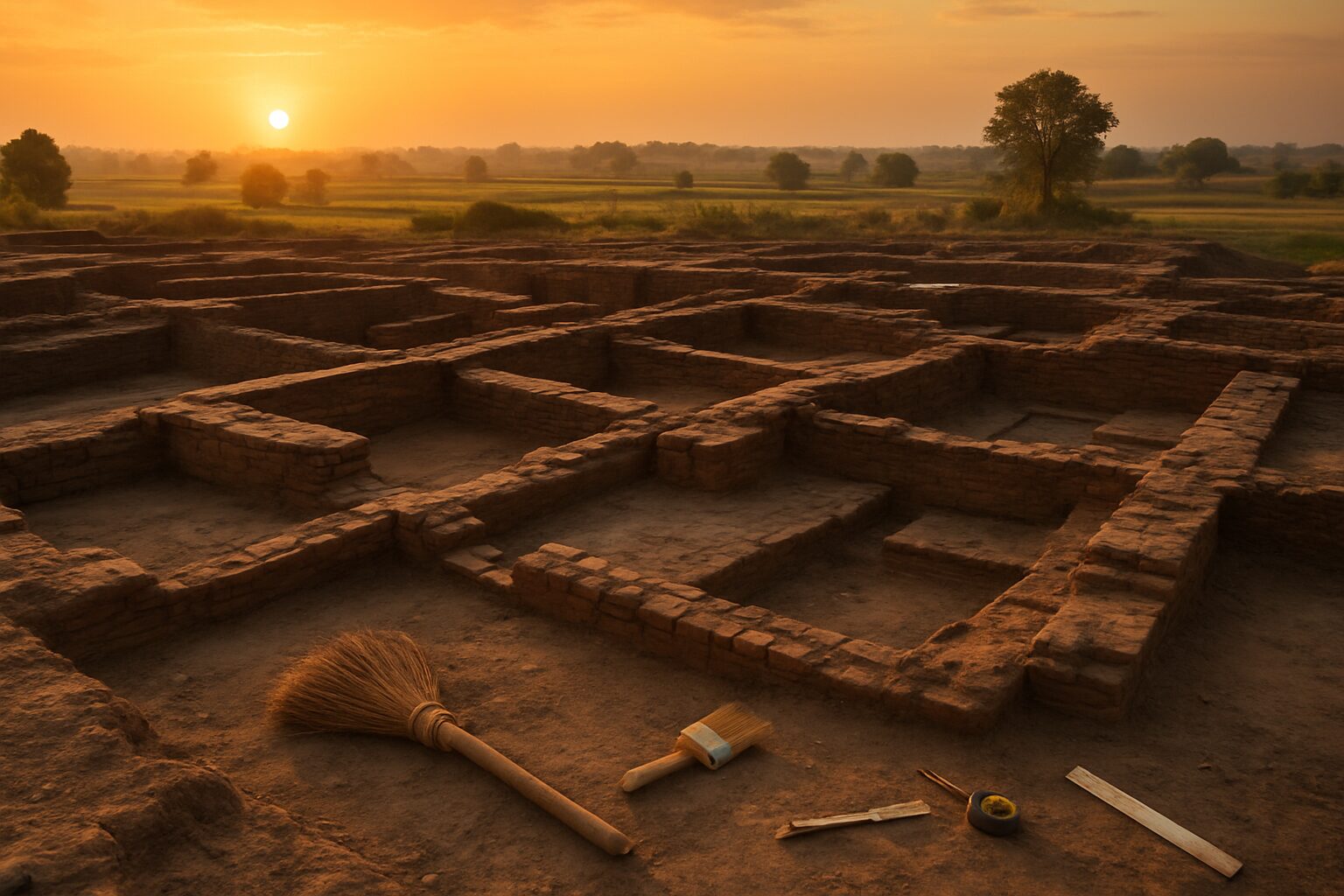
The excavations at Rakhigarhi have completely changed how we think about ancient civilizations and India’s place in world history. This massive Indus Valley city, predating even Egypt’s pyramids, shows us that sophisticated urban planning, advanced water management systems, and complex societies existed in the Indian subcontinent thousands of years ago. The archaeological evidence reveals a thriving metropolis with well-planned streets, drainage systems, and cultural practices that challenge many assumptions about early human development.
What makes Rakhigarhi truly remarkable is how it forces historians to rewrite the timeline of human civilization. The discoveries here prove that ancient India was home to one of the world’s most advanced early societies, complete with trade networks, artistic traditions, and technological innovations. As researchers continue to uncover new findings using cutting-edge methods, we’re likely to learn even more about how this ancient city lived, worked, and influenced the development of human culture. Rakhigarhi isn’t just an archaeological site – it’s a window into understanding our shared human past and recognizing India’s foundational role in world civilization.
Visit 5 Senses Tours for private guided tours to Indus Valley sites in India.
Leave a Reply