
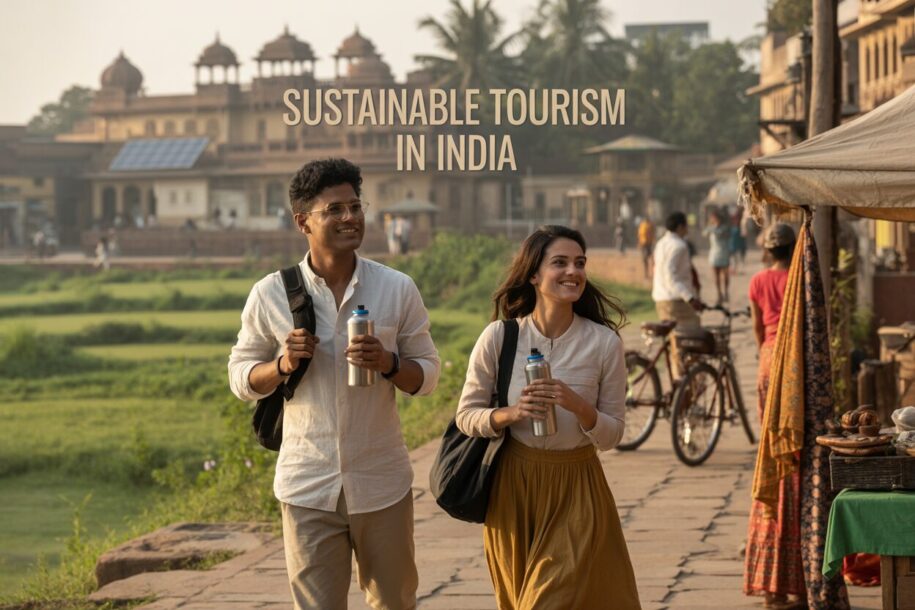
India’s incredible diversity draws millions of travelers each year, but tourism’s growing impact on the environment and local communities calls for a more thoughtful approach. This guide is for conscious travelers who want to explore India’s wonders while protecting its natural beauty and supporting its people.
Sustainable tourism in India means making choices that benefit both you and the destinations you visit. You’ll discover how to find accommodations that give back to local communities and learn smart transportation options that reduce your environmental impact. We’ll also cover ways to support local economies through mindful spending and show you how to experience India’s rich cultural heritage respectfully.
Ready to travel with purpose? These five practical strategies will help you create meaningful memories while leaving a positive footprint across incredible India.
Choose Eco-Friendly Accommodations That Support Local Communities
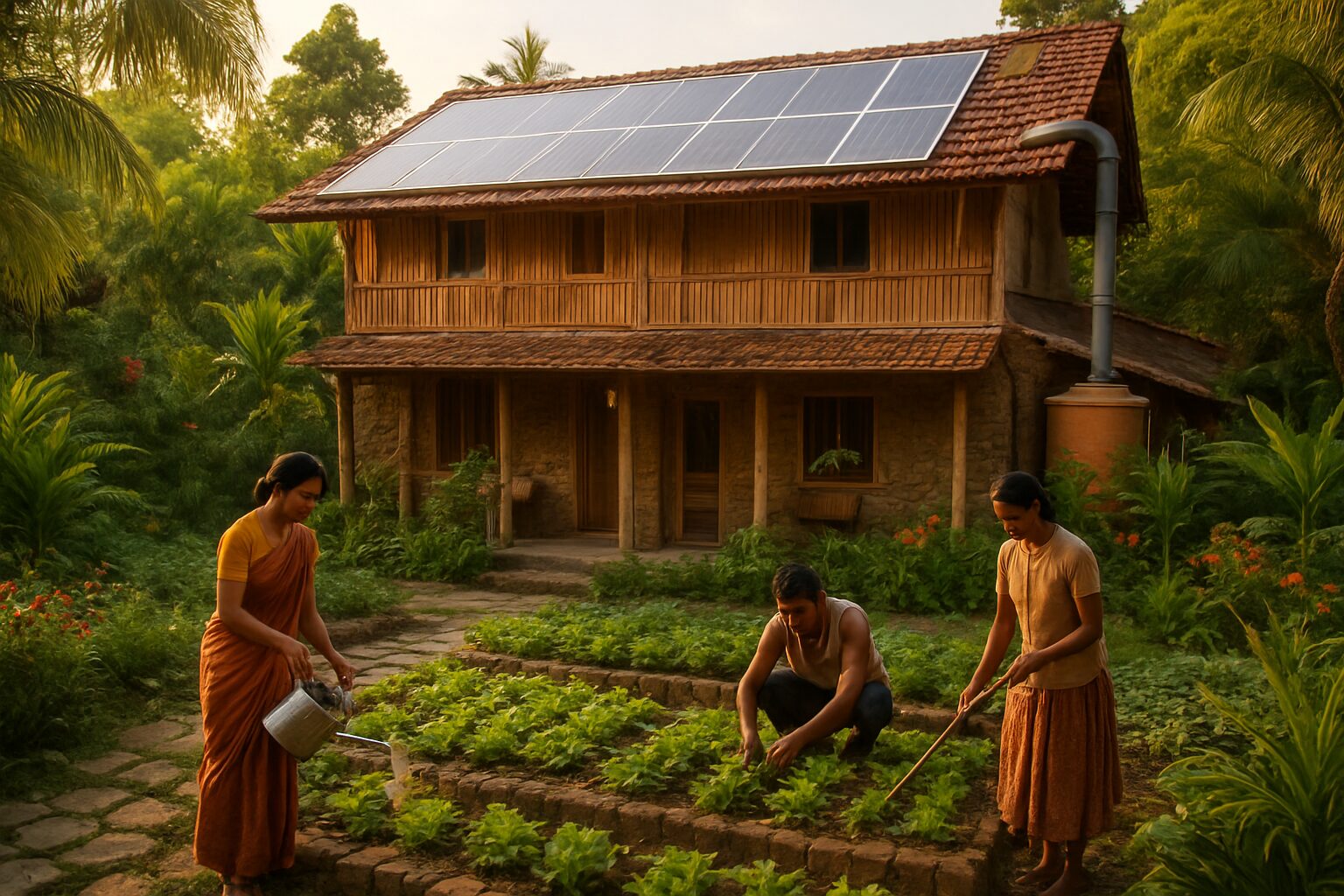
Book certified green hotels and eco-resorts with sustainability credentials
Choosing hotels with genuine environmental certifications can make a significant difference in your travel impact. Look for properties certified by reputable organizations like Green Key, LEED, or the Global Sustainable Tourism Council (GSTC). These certifications aren’t just marketing gimmicks – they represent measurable commitments to environmental stewardship.
India offers an impressive range of certified eco-resorts that go beyond basic sustainability practices. Properties like CGH Earth in Kerala and Tree House Resort in Rajasthan have earned recognition for their comprehensive environmental programs. These establishments undergo regular audits to maintain their certifications, ensuring they consistently meet strict environmental standards.
When booking, check for specific credentials on hotel websites or contact them directly about their sustainability practices. Certified properties typically showcase their achievements prominently, so if you can’t find clear information about environmental certifications, that might be a red flag.
Stay in locally-owned guesthouses and homestays to boost community income
Choosing locally-owned accommodations creates a direct economic impact on communities you visit. When you stay at a family-run guesthouse or homestay, your money goes directly to local families rather than international hotel chains. This approach helps preserve traditional hospitality while providing sustainable income for local residents.
Platforms like Zostel, Airbnb’s local experiences, and regional booking sites often feature authentic homestays where you can experience genuine Indian hospitality. These accommodations frequently offer home-cooked meals using locally sourced ingredients and provide insights into daily life that you’d never get at commercial hotels.
Many homestay hosts also act as informal guides, sharing knowledge about local customs, hidden attractions, and sustainable practices their communities have developed over generations. This cultural exchange benefits both travelers and hosts, creating meaningful connections while supporting economic development.
Select properties that implement water conservation and waste reduction practices
Water scarcity affects many regions across India, making water conservation efforts particularly important. Look for accommodations that have implemented greywater recycling systems, rainwater harvesting, and low-flow fixtures. Many eco-conscious properties display information about their water-saving initiatives in guest rooms or on their websites.
Waste management practices vary dramatically between properties. Responsible accommodations typically have comprehensive recycling programs, composting systems for organic waste, and policies to minimize single-use plastics. Some properties even operate their own organic gardens using composted waste, creating a closed-loop system.
Ask potential accommodations about their waste reduction policies before booking. Properties serious about sustainability will be happy to discuss their practices, including how they handle food waste, plastic reduction strategies, and partnerships with local recycling facilities. Many also provide guests with reusable water bottles and encourage participation in their environmental programs.
Prioritize accommodations using renewable energy sources
Solar power has become increasingly common in Indian accommodations, particularly in sunny regions like Rajasthan and Gujarat. Many eco-resorts and boutique hotels have invested in solar panels to reduce their dependence on grid electricity, which often comes from coal-powered plants.
Some properties go beyond basic solar installations, incorporating wind power, biogas systems, and energy-efficient design elements. These might include natural ventilation systems that reduce air conditioning needs, LED lighting throughout the property, and architectural designs that maximize natural light.
Wind-powered accommodations are particularly interesting in coastal areas and mountainous regions where consistent breezes can generate significant electricity. Properties using these renewable sources often share information about their energy systems with guests, turning your stay into an educational experience about sustainable technology applications in the hospitality industry.
Respect Wildlife and Natural Habitats During Your Adventures

Maintain Safe Distances from Animals in National Parks and Sanctuaries
India’s national parks offer incredible wildlife encounters, but getting too close can stress animals and put you in danger. There is a need to take some measures to encourage sustainable tourism in India. Tigers, elephants, and leopards need their space to behave naturally. Most parks enforce minimum distance rules – typically 25 meters for large mammals like tigers and 50 meters for elephant herds.
When you spot wildlife, resist the urge to get closer for that perfect photo. Animals interpret close human presence as a threat, which can trigger defensive behaviors or cause them to abandon their territory. Use binoculars and telephoto lenses instead of moving closer. Your guide will know the safe viewing distances for different species and situations.
Wild animals are unpredictable, especially during mating seasons or when protecting young. Even seemingly docile deer can become aggressive if cornered. Always stay in designated vehicles or viewing areas, and never attempt to feed wildlife. Human food can make animals sick and creates dangerous dependency on tourist handouts.
Choose Ethical Wildlife Tour Operators That Follow Conservation Guidelines
Not all wildlife tour operators prioritize animal welfare. Research companies that hold certifications from organizations like the Global Sustainable Tourism Council or have partnerships with conservation groups. Ethical operators limit group sizes, use quiet vehicles, and employ trained naturalist guides who understand animal behavior.
Ask potential tour companies about their conservation practices before booking. Do they contribute to local wildlife protection efforts? Do their guides receive training in animal behavior and park regulations? Responsible operators will happily share information about their conservation partnerships and ethical guidelines.
Avoid operators that guarantee wildlife sightings or promise unnaturally close encounters. Wildlife viewing should never be guaranteed because animals are wild and unpredictable. Companies that make such promises often use unethical methods like baiting animals or disturbing their natural routines to ensure tourist satisfaction.
Avoid Activities That Exploit Animals for Entertainment Purposes
Tourist attractions featuring performing animals, elephant rides, or photo opportunities with captive wildlife cause significant animal suffering. Elephants used for rides often endure harsh training methods and live in poor conditions. The weight of tourists and riding equipment causes long-term joint and spine problems for these gentle giants.
Snake charmers, dancing bears, and performing monkeys represent centuries-old practices that modern tourism should not support. These animals are often captured from the wild, poorly cared for, and subjected to cruel training methods. Instead, visit ethical sanctuaries where rescued animals live in naturalistic environments without being forced to perform and encourage sustainable tourism in India.
Be particularly cautious of social media-driven activities like tiger selfies or swimming with dolphins. These experiences typically involve drugged, stressed, or captive animals. The cute photos hide the reality of animal exploitation. Choose wildlife experiences that observe animals in their natural habitats without human interference.
Support Wildlife Conservation Projects Through Responsible Tour Bookings
Many tour operators now partner directly with conservation organizations, channelling tourism revenue into protection efforts and supporting sustainable tourism in India. Choose companies that openly share how they support local conservation initiatives. Some operators fund anti-poaching patrols, habitat restoration projects, or community education programs.
Community-based wildlife tourism creates economic incentives for local people to protect rather than exploit natural resources. When communities benefit financially from wildlife conservation, they become active partners in protection efforts. Look for tours that employ local guides, source supplies from nearby communities, and contribute to local conservation funds.
Research the specific conservation projects your chosen operator supports. Reputable companies will provide detailed information about their partnerships and measurable conservation outcomes. Some even offer visitors opportunities to participate in sustainable tourism in India, like camera trap monitoring or tree planting during their stay.
Minimize Your Carbon Footprint Through Smart Transportation Choices

Use public transportation and trains for long-distance travel within India
India’s extensive railway network spans over 68,000 kilometers, making it one of the world’s largest and most efficient train systems. Traveling by train produces roughly 45% fewer carbon emissions compared to domestic flights for the same distance. The Indian Railways connects major cities and remote destinations alike, offering everything from luxurious palace-on-wheels experiences to budget-friendly sleeper coaches.
Book tickets through the official IRCTC website or mobile app to secure your preferred class and route. Popular routes like the Rajdhani Express between Delhi and Mumbai, or the scenic journey from Delhi to Manali via Chandigarh, provide comfortable alternatives to flying while offering stunning views of India’s diverse landscapes.
For shorter intercity travel, state-run buses and private operators like RedBus offer reliable services. Metro systems in cities like Delhi, Bangalore, and Kolkata provide clean, efficient urban transportation. These systems dramatically reduce individual carbon footprints while supporting India’s push toward sustainable urban mobility.
Consider purchasing a rail pass if you’re planning multiple train journeys. The Indrail Pass offers unlimited travel for specific periods, making it both economical and environmentally conscious for extended trips across the subcontinent.
Walk or cycle for short distances to explore local neighborhoods
Walking and cycling transform your travel experience from passive observation to active engagement with local communities. Many Indian cities now offer bike-sharing programs, with initiatives like Yulu in Bangalore and Mumbai providing easy access to rental bicycles through smartphone apps.
Exploring neighborhoods on foot reveals hidden gems that vehicles simply can’t access. Narrow lanes in Old Delhi, the French Quarter of Pondicherry, or the backstreets of Jodhpur’s Blue City become accessible when you ditch motorized transport. You’ll discover local chai stalls, street food vendors, and artisan workshops that tour buses bypass entirely.
Safety considerations are important when walking or cycling. Stick to well-lit, populated areas, especially during early morning or evening hours. Many cities have dedicated cycling lanes and pedestrian zones during specific times. The Pink City of Jaipur, for example, has created heritage walking circuits that are both safe and culturally enriching.
Rent bicycles from established shops or hotels that provide helmets and basic maintenance support. Some heritage hotels in Rajasthan and Kerala offer complimentary bicycles for guests, complete with suggested routes and safety equipment.
Choose direct flights when air travel is necessary to reduce emissions
When distances make ground transportation impractical, selecting direct flights significantly reduces your carbon footprint. Takeoffs and landings consume the most fuel during any flight, so eliminating connections can reduce emissions by 20-30% compared to multi-stop journeys.
India’s major airports in Delhi, Mumbai, Bangalore, and Chennai offer direct connections to most international destinations. Domestic routes between major cities like Delhi-Goa, Mumbai-Kochi, or Bangalore-Srinagar provide efficient alternatives to multiple connecting flights.
Choose airlines with newer, more fuel-efficient aircraft. Carriers like IndiGo, Vistara, and Air India have been modernizing their fleets with Airbus A320neo and Boeing 787 Dreamliner aircraft, which consume significantly less fuel per passenger than older models.
Carbon offset programs offered by airlines allow you to neutralize your flight emissions by supporting verified environmental projects. While not a perfect solution, these programs fund reforestation, renewable energy, and community development projects across India. Many programs specifically support initiatives in regions you’re visiting, creating a direct connection between your travel and local environmental benefits.
Book economy class when possible, as premium cabins have larger carbon footprints per passenger due to increased space and weight allocation.
Support Local Economies by Shopping and Dining Responsibly
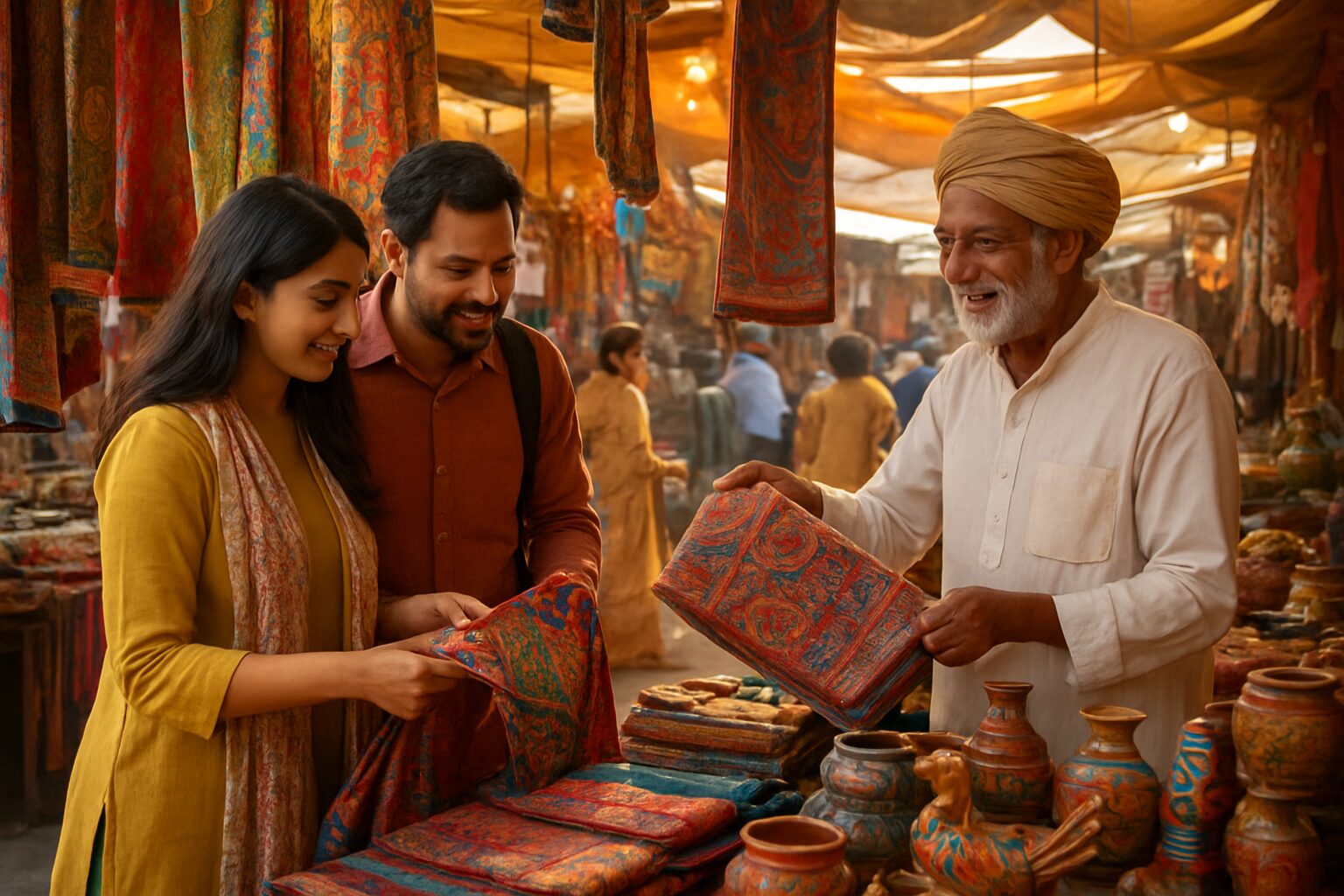
Purchase authentic handicrafts directly from local artisans and cooperatives
Shopping directly from artisans creates an immediate positive impact on local communities while ensuring you take home genuinely authentic pieces. Visit craft villages like Channapatna in Karnataka for wooden toys, or head to the textile cooperatives in Pochampally, Telangana, where weavers create intricate ikat patterns. These purchases bypass middlemen, meaning more money flows directly to the creators.
Look for government-certified craft centers and cooperatives that display authenticity certificates. The Handicrafts Development Corporation outlets across India guarantee fair wages to artisans and authentic products. When you buy that hand-painted Madhubani artwork from a women’s cooperative in Bihar or a handwoven Pashmina shawl from Kashmir, you’re preserving traditional skills that might otherwise disappear.
Always ask about the creation process and materials used. Genuine artisans love sharing their craft stories, and this conversation helps you understand the cultural significance behind your purchase. Avoid mass-produced items sold as “handmade” in tourist markets – the quality difference is obvious once you’ve seen the real thing.
Eat at family-owned restaurants serving traditional regional cuisine
Family-run eateries offer the most authentic taste of regional Indian cuisine while keeping tourism money within local communities. These establishments often use recipes passed down through generations, sourcing ingredients from nearby farms and markets. A tiny dhaba in Rajasthan serving dal-baati-churma or a coastal family restaurant in Goa preparing fresh fish curry provides experiences that chain restaurants simply cannot match.
Local restaurants typically employ family members and neighbors, creating a ripple effect that benefits entire communities. The elderly grandmother grinding spices in the morning, the cousin who sources vegetables from the village market, and the neighbor’s daughter who serves guests – your meal supports multiple livelihoods.
Ask locals for restaurant recommendations rather than following tourist guides. The best places often lack fancy signage but serve incredible food. Street food vendors also deserve your attention – that chaat wallah who’s been perfecting his recipe for decades provides employment and preserves culinary traditions.
Buy locally-produced goods and souvenirs to support community livelihoods
Local markets overflow with products that tell stories of regional expertise and traditional knowledge. Kerala’s spice markets offer cardamom, pepper, and cinnamon grown on nearby plantations. Darjeeling’s tea gardens produce some of the world’s finest leaves, while Himachal Pradesh’s apple orchards supply crisp, flavorful fruit.
Purchasing locally-made soaps, oils, and cosmetics made from indigenous ingredients supports small-scale manufacturing. Ayurvedic products from Kerala, natural indigo dyes from Gujarat, or organic honey from Himachal Pradesh represent centuries of traditional knowledge while providing sustainable income to rural communities.
Visit weekly markets where farmers sell directly to consumers. These haats and mandis offer seasonal produce, handmade items, and regional specialties at fair prices. Your purchases help maintain traditional market systems and ensure small producers can compete with industrial agriculture and manufacturing.
Avoid products made from endangered species or protected materials
Wildlife trafficking thrives on tourist demand for exotic souvenirs. Never purchase items made from ivory, tiger bones, rhinoceros horn, or turtle shells, regardless of claims about their authenticity or supposed medicinal properties. Snake skin accessories, shahtoosh shawls (made from endangered Tibetan antelopes), or coral jewelry contribute to species extinction and ecosystem destruction.
Be particularly cautious in border regions and popular tourist destinations where illegal wildlife products are commonly sold. If you’re unsure about a product’s origin, don’t buy it. Genuine sustainable alternatives exist – opt for ethically-sourced materials like organic cotton, bamboo products, or recycled materials that showcase local creativity without harming wildlife.
Report suspicious wildlife trafficking to local authorities or organizations like Wildlife Trust of India. Your vigilance helps protect India’s incredible biodiversity while ensuring that your travel choices align with conservation efforts rather than undermining them.
Preserve Cultural Heritage and Show Respect for Local Traditions

Learn basic local customs and dress codes before visiting religious sites
India’s rich tapestry of religions and cultures comes with specific customs that visitors should understand and respect. Before entering temples, mosques, gurudwaras, or churches, research the appropriate dress codes and behavioral expectations. Most Hindu temples require covered shoulders and legs, while some may ask you to remove leather items. Sikh gurudwaras welcome everyone but expect head coverings for all visitors. Islamic mosques typically require modest clothing and head coverings for women, plus shoe removal before entering prayer areas.
Understanding basic etiquette prevents unintentional offense and shows genuine respect for local beliefs. Simple gestures like joining palms in namaste, removing shoes when required, or maintaining silence in prayer halls demonstrate cultural sensitivity. Many religious sites also have specific photography restrictions or designated areas where cameras aren’t allowed.
Hire certified local guides to gain authentic cultural insights
Certified local guides offer invaluable perspectives that guidebooks simply can’t match. They share personal stories, explain historical context, and reveal hidden gems that most tourists miss. When you hire local guides, you’re directly supporting community livelihoods while gaining authentic insights into regional culture, traditions, and daily life.
Look for guides certified by tourism boards or recommended by local tourism offices. These professionals understand both visitor needs and cultural sensitivities, creating meaningful exchanges between travelers and communities. They can explain the significance behind architectural details, share folklore, and introduce you to local artisans or family-run businesses you might otherwise overlook.
Participate in community-based tourism initiatives and cultural exchanges
Community-based tourism creates direct benefits for local populations while offering travelers genuine cultural immersion. These initiatives might include homestays with local families, cooking classes taught by village women, traditional craft workshops, or agricultural experiences where you can participate in farming activities.
Village tourism programs in states like Kerala, Rajasthan, and Himachal Pradesh allow visitors to experience authentic rural life while contributing to local development. Participating in these programs helps preserve traditional skills and provides sustainable income alternatives to communities that might otherwise depend solely on agriculture or migrate to cities for work.
Follow photography etiquette and ask permission before taking pictures of people
Photography ethics play a crucial role in respectful travel. Always ask permission before photographing individuals, especially in rural areas or during religious ceremonies. Many people appreciate being asked and will happily pose for photos, while others may decline for personal or religious reasons.
Street photography requires particular sensitivity. Avoid photographing people in vulnerable situations or treating communities like tourist attractions. When someone agrees to be photographed, consider sharing the digital image with them if possible. Some travelers carry instant cameras or small printers to leave photos as gifts.
Religious ceremonies and festivals have specific photography protocols. Some allow photography during certain portions but prohibit it during sacred moments. Observe what locals are doing and ask guides or temple officials about appropriate times for pictures.
Contribute to heritage conservation efforts through responsible site visits
India’s archaeological treasures face constant threats from pollution, overcrowding, and environmental factors. Responsible site visits help preserve these heritage locations for future generations. Follow all posted guidelines, stay on designated paths, and avoid touching ancient structures or artwork.
Support conservation by visiting during off-peak hours when possible, reducing crowding stress on popular sites. Choose tour operators who emphasize sustainable practices and contribute to conservation funds. Many heritage sites now offer digital guides or apps that provide detailed information without requiring physical infrastructure that might damage historical structures.
Consider visiting lesser-known heritage sites that receive fewer tourists but equally deserve recognition and support. These locations often provide more intimate cultural experiences while helping distribute tourism benefits more evenly across different regions and communities.

Traveling responsibly in India doesn’t mean sacrificing the joy of exploration – it actually makes your journey more meaningful. When you stay at eco-friendly places, respect wildlife, choose greener transport options, buy from local vendors, and honor cultural traditions, you create positive ripples that benefit entire communities. These simple choices help protect India’s incredible landscapes and rich heritage for future travelers while ensuring your tourism dollars directly support the people who call these amazing destinations home.
Ready to plan your next adventure? Start by researching accommodations that give back to their communities and make a list of local experiences you want to support. Every mindful decision you make – from taking a train instead of a flight to buying handicrafts from street artisans – contributes to a more sustainable future for Indian tourism. Your responsible travel choices today help preserve the magic that drew you to India in the first place.
One of the best ways to explore India is on a Royal Enfield Motorcycle. Visit 5 senses motorcycle tours.
Leave a Reply