
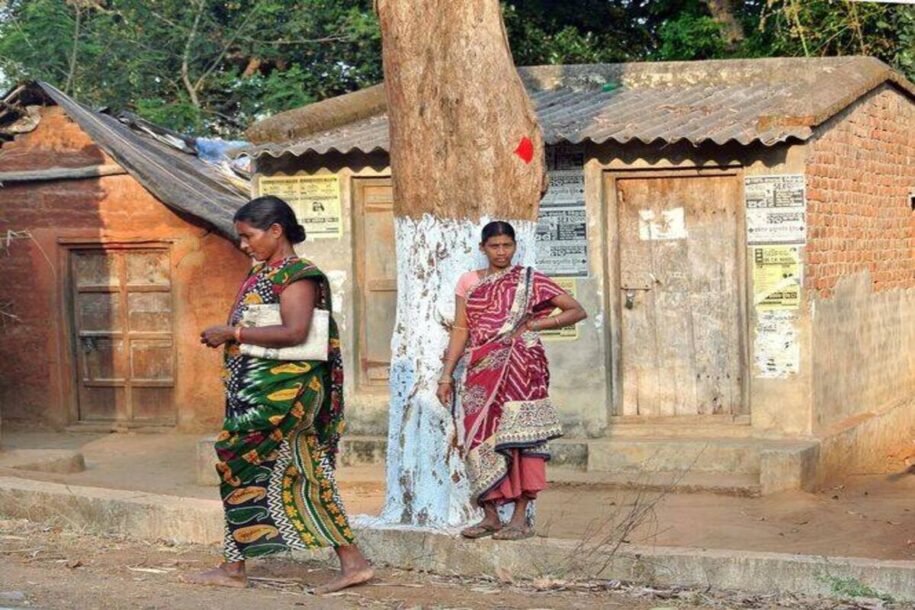
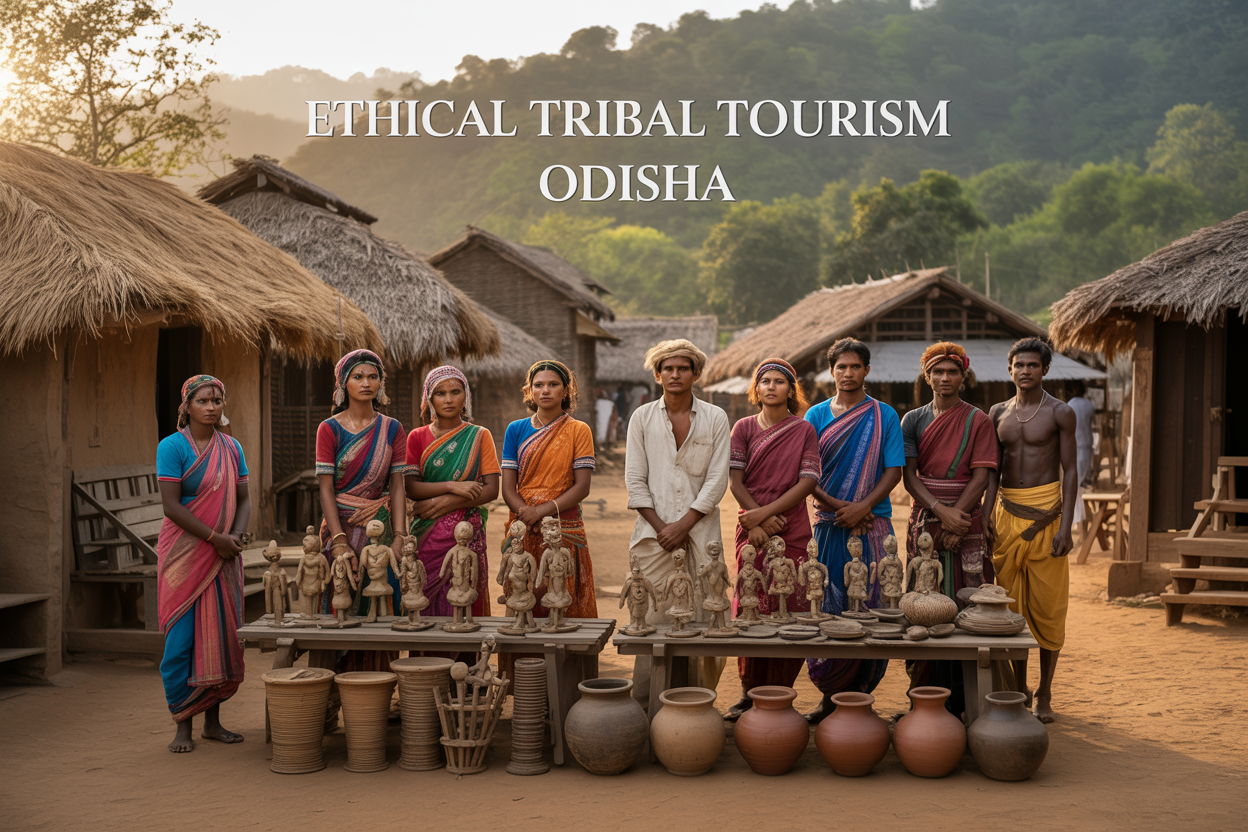
Odisha’s tribal communities offer travelers a chance to experience authentic cultural traditions that have survived for centuries. This guide is for conscious travelers, cultural enthusiasts, and adventure seekers who want to explore tribal tourism in Odisha while respecting local customs and supporting indigenous communities.
Tribal tourism in Odisha connects you with over 60 distinct tribal groups, each with unique languages, art forms, and spiritual practices. Unlike typical tourist destinations, these experiences require thoughtful planning and cultural sensitivity to create meaningful exchanges that benefit everyone involved.
We’ll walk you through planning your responsible tribal tourism journey, including how to choose ethical tour operators and prepare for authentic cultural interactions. You’ll discover Odisha’s top tribal destinations, from the Kondh villages in Kandhamal to the Santhal communities in Mayurbhanj, along with hands-on experiences like traditional craft workshops and village homestays. Finally, we’ll show you practical ways to make sure your visit directly supports local communities through responsible spending and cultural exchange programs.
For a private guided tour of Odisha visit 5 Senses Tours from Bhubaneswar.
Discover Odisha’s Rich Tribal Heritage and Cultural Diversity
Experience Ancient Traditions Preserved for Centuries
Odisha’s tribal communities have safeguarded their customs and way of life through millennia, creating living museums of human heritage that continue to thrive today. The state houses 62 different tribal groups, each maintaining distinct languages, belief systems, and cultural practices that predate written history. Among these, the Santhal, Kondh, and Oraon tribes represent some of the oldest continuous civilizations in the Indian subcontinent.
These communities have developed sophisticated agricultural techniques, traditional medicine systems, and governance structures that have sustained them for generations. The Kondh tribe’s unique terraced farming methods and their intricate knowledge of forest ecology showcase how indigenous wisdom can coexist with modern conservation efforts. Their oral traditions carry stories, songs, and folklore that provide insights into ancient Indian civilization rarely found in historical texts.
Seasonal festivals mark important agricultural cycles, with celebrations like the Chaiti festival among the Santhal people demonstrating the deep connection between tribal life and natural rhythms. These time-honored practices reveal how communities have adapted to their environment while maintaining core cultural values across centuries of change.
Meet Indigenous Communities Living in Harmony with Nature
Tribal villages across Odisha demonstrate remarkable examples of sustainable living that modern environmentalists study and admire. The Dongria Kondh people of the Niyamgiri Hills have created a balanced ecosystem where human habitation enhances rather than destroys natural biodiversity. Their traditional homes use locally sourced materials like bamboo, mud, and thatch, creating structures that naturally regulate temperature and blend seamlessly with the landscape.
These communities practice rotational farming, allowing forest areas to regenerate while maintaining productive agricultural yields. The Bonda tribe’s practice of maintaining sacred groves around their settlements has preserved countless species of flora and fauna that have disappeared from other regions. Their traditional ecological knowledge includes detailed understanding of medicinal plants, seasonal patterns, and wildlife behavior.
Community resource management systems ensure equitable distribution of forest products and maintain collective ownership of land. Village councils make decisions based on consensus, with elders providing guidance rooted in generations of environmental stewardship. Their sustainable hunting and fishing practices maintain ecological balance while meeting community needs.
Witness Authentic Rituals and Ceremonial Practices
Sacred ceremonies form the cornerstone of tribal spiritual life, with each ritual serving specific purposes within the community’s belief system. The Kedu festival of the Kondh tribe celebrates their harvest deity through elaborate multi-day ceremonies involving traditional dance, music, and offerings. These events bring entire villages together, reinforcing social bonds and cultural identity.
Shamanic traditions remain strong among many tribal groups, with spiritual leaders conducting healing ceremonies, divination rituals, and community blessing events. The Saora tribe’s unique pictographic art serves as a medium for communicating with ancestral spirits, with wall paintings depicting complex spiritual narratives that guide daily life decisions.
Life cycle ceremonies mark important transitions from birth to death, with each stage celebrated through specific rituals that connect individuals to their community and ancestors. Coming-of-age ceremonies for young people involve traditional tests, cultural education, and formal recognition of adult responsibilities. Marriage ceremonies can last for days, involving elaborate exchanges between families and communities that strengthen inter-tribal relationships.
Explore Traditional Art Forms and Handicrafts
Tribal artisans create masterpieces using techniques passed down through generations, transforming raw materials into objects of beauty and utility. Dhokra metal casting, primarily practiced by tribal artisans, produces intricate bronze sculptures and decorative items using the lost-wax technique that dates back over 4,000 years. Each piece tells a story through its design, whether depicting hunting scenes, fertility symbols, or mythological creatures.
Textile traditions vary dramatically between tribes, with each group developing distinctive weaving patterns, dyeing methods, and decorative motifs. The Dongria Kondh women create stunning shawls and saris using natural dyes extracted from forest plants, creating colors that remain vibrant for decades. Their geometric patterns carry cultural significance, with each design element representing aspects of their natural environment or spiritual beliefs.
Bamboo and cane craft reaches artistic heights in tribal hands, with artisans creating everything from intricate jewelry boxes to large furniture pieces. The Saora tribe’s wall paintings use natural pigments to create complex murals that serve both decorative and spiritual purposes. Pottery traditions include both functional vessels and ceremonial objects, with techniques varying from simple hand-building to sophisticated wheel throwing methods developed over centuries.
Plan Your Responsible Tribal Tourism in Odisha Journey
Choose Certified Ethical Tour Operators
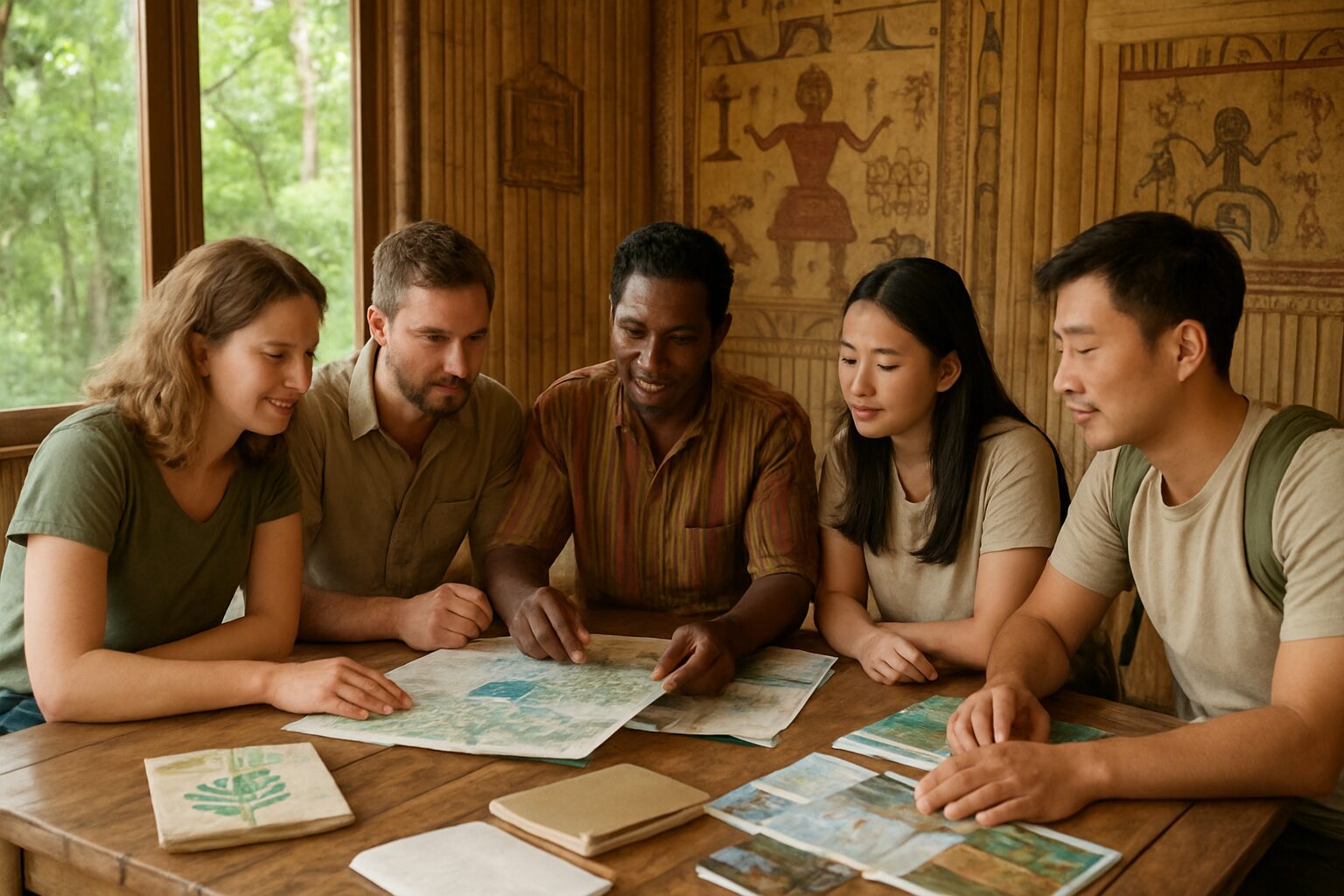
Finding the right tour operator for Tribal tourism in Odisha, makes all the difference between exploiting tribal communities and genuinely supporting them. Look for operators who work directly with tribal councils and have transparent revenue-sharing agreements. The best companies will show you exactly how your money flows back to the communities you visit.
Check for certifications from responsible tourism organizations like the Global Sustainable Tourism Council. These operators typically limit group sizes to minimize cultural disruption and train their guides in cultural sensitivity. They’ll also provide detailed pre-trip briefings about local customs and appropriate behavior.
Red flags include operators who promise “untouched” tribes or exotic photo opportunities. Authentic operators focus on mutual respect and cultural exchange rather than treating communities as tourist attractions. Ask about their community partnerships, local hiring practices, and environmental policies before booking.
Understand Seasonal Considerations for Tribal Visits
Timing your Tribal tourism in Odisha visit properly shows respect for tribal rhythms and seasonal practices. Many tribal communities in Odisha follow agricultural calendars that dictate their availability for visitors. The post-harvest period from November to February offers the best opportunities for cultural interactions as communities have more leisure time.
Avoid visiting during monsoon season (June to September) when travel becomes difficult and communities focus on farming activities. Religious festivals and important ceremonies are often off-limits to outsiders, so research local calendars beforehand.
Different tribal areas have varying accessibility throughout the year. Coastal regions remain accessible year-round, while interior forest areas may become unreachable during heavy rains. Weather patterns also affect traditional crafts and cultural demonstrations that form part of authentic experiences.
Prepare Essential Items for Remote Area Travel
Packing for Tribal tourism in Odisha requires balancing comfort with cultural sensitivity. Bring modest clothing that covers shoulders and knees, choosing natural fabrics over synthetic materials. Pack a good pair of walking shoes since many tribal villages require hiking on uneven terrain.
Essential items include a basic first aid kit, insect repellent, sunscreen, and water purification tablets. Many remote areas lack modern medical facilities, so bring any prescription medications you need. A power bank for your devices and a headlamp prove invaluable in areas with limited electricity.
Cultural gifts like notebooks, pens, or simple toys for children are appreciated, but check with your operator first about appropriate offerings. Avoid giving money directly to individuals as this can create dependency and inequality within communities. Pack light since you may need to carry your belongings during village walks.
Navigate Cultural Interactions with Respect and Sensitivity
Learn Basic Tribal Greetings and Cultural Etiquette
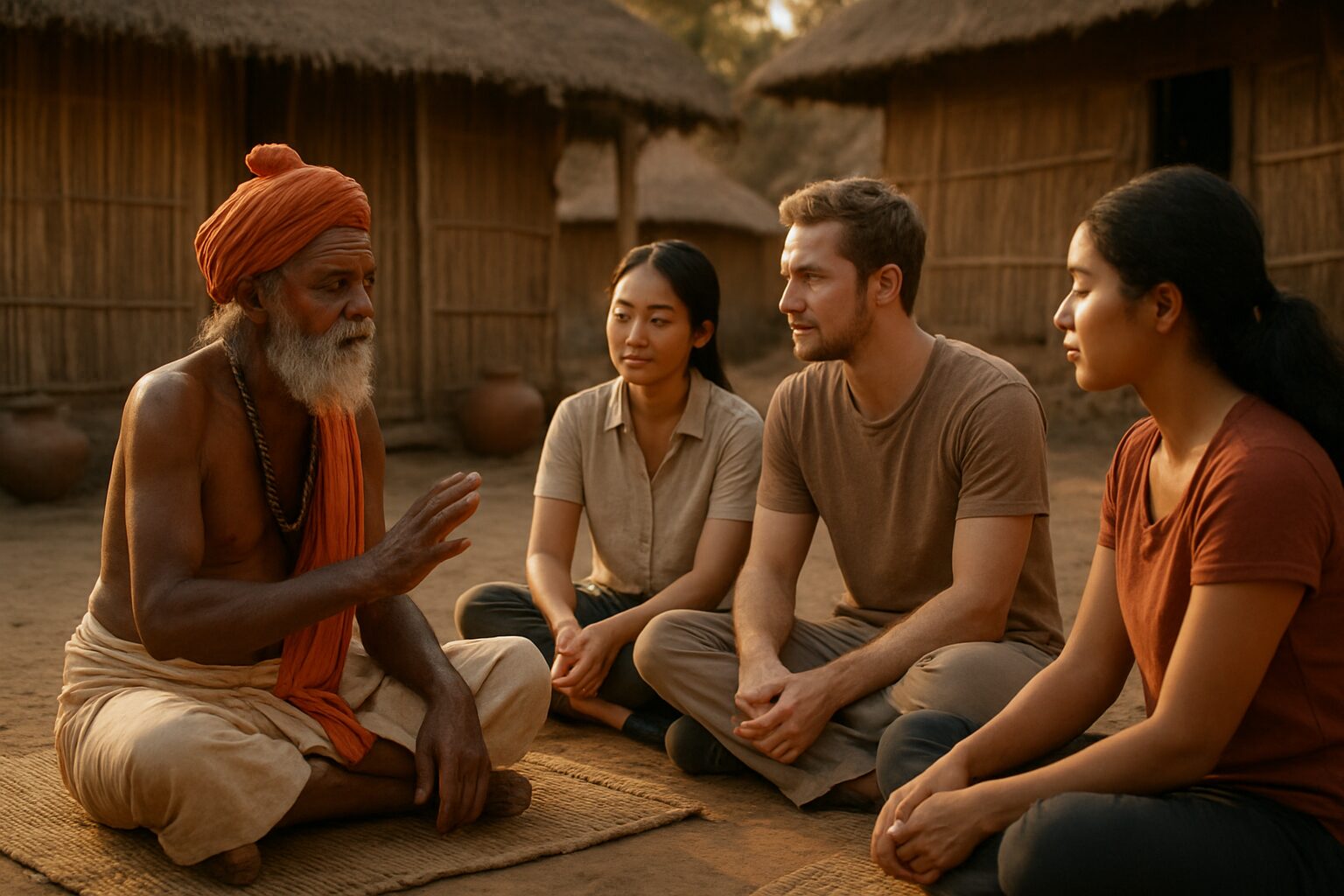
Building genuine connections with Odisha’s tribal communities starts with showing respect through proper greetings and cultural awareness. The state’s 62 tribal groups each have unique customs, but several universal principles apply across most communities.
Common Greeting Practices:
- The traditional “Namaskar” with palms joined works well in most tribal areas
- Many communities prefer a simple bow or nod of acknowledgment
- Wait for elders to extend their hand before offering yours
- Remove shoes when entering sacred spaces or homes
- Dress modestly, covering shoulders and knees
Essential Cultural Awareness:
- Sacred groves (called “Jahera” or “Devrais”) are off-limits without permission
- Avoid pointing with your index finger; use an open hand instead
- Don’t touch religious objects, totem poles, or ceremonial items
- Respect gender-specific areas and activities
- Ask before sitting in designated elder spaces
Learning a few words in local languages like Santali, Ho, or Munda shows genuine interest. Simple phrases like “Johar” (hello in Santali) or “Ayo bahal” (how are you in Ho) create immediate warmth and connection.
Understand Photography Guidelines and Consent Protocols
Photography ethics become especially crucial duringTribal tourism in Odisha, when documenting tribal life. What might seem like harmless tourist photography can actually violate deeply held cultural beliefs and privacy expectations.
Before Taking Any Photos:
- Always ask permission using clear gestures or local language
- Respect immediate “no” responses without arguing or offering money
- Understand that some community members believe cameras capture souls
- Avoid photographing during religious ceremonies unless explicitly invited
- Never photograph sacred objects, burial grounds, or ritual spaces
Appropriate Photography Practices:
- Focus on landscapes, architecture, and public spaces first
- Take time to build relationships before requesting portrait photos
- Show photos to subjects immediately and delete if they’re uncomfortable
- Offer to send copies via local guides or community centers
- Respect restrictions around photographing women and children
Many tribal communities have specific taboos about certain times, places, or people being photographed. The Dongria Kondh tribe, for example, has strict protocols around photographing their sacred Niyamgiri hills. The Juang community might restrict photos during their harvesting ceremonies. Understanding these nuances prevents cultural violations and builds trust with your hosts.
Practice Mindful Observation Without Intrusion
The art of respectful observation is import during Tribal tourism in Odisha. It means finding the balance between curiosity and privacy. Tribal communities often welcome genuine interest in their culture while maintaining boundaries around personal and sacred spaces.
Observational Best Practices:
- Maintain appropriate physical distance during daily activities
- Avoid interrupting work routines, meals, or family time
- Watch for non-verbal cues indicating you should step back
- Don’t handle tools, crafts, or household items without permission
- Observe quietly during cultural performances or rituals
Reading Social Cues:
- Crossed arms or turned backs often signal discomfort
- Children hiding behind adults indicates you should slow down
- Elders looking away might mean you’re overstepping boundaries
- Hushed conversations when you approach suggests privacy needs
- Pointing or gesturing might indicate restricted areas
Appropriate Response Strategies:
- Step back gracefully when sensing discomfort
- Shift attention to neutral topics like weather or surroundings
- Engage with community-designated guides or liaisons
- Ask open-ended questions rather than intrusive personal ones
- Show interest in publicly displayed crafts, architecture, or agriculture
Remember that tribal life isn’t a performance for tourists. People are living their authentic daily lives, working, caring for families, and maintaining traditions. Your role as a visitor should feel more like being welcomed into a friend’s community rather than observing exhibits at a museum.
Support Local Economy Through Fair Trade Purchases
Economic support through conscious purchasing creates lasting positive impact for tribal communities while providing you with authentic cultural souvenirs and experiences.
Authentic Purchase Opportunities:
- Handwoven textiles directly from artisan cooperatives
- Traditional jewelry made using ancestral techniques
- Organic produce from tribal farming collectives
- Medicinal plants and herbs (where legally permitted)
- Bamboo crafts and wooden sculptures
- Natural dyes and pigments used in traditional art
Fair Trade Principles:
- Buy directly from artisans rather than middlemen when possible
- Pay asking prices without aggressive bargaining
- Understand the time and skill invested in handmade items
- Choose quality over quantity in your purchases
- Ask about the cultural significance behind different items
Supporting Community Enterprises:
- Stay in community-run homestays or guesthouses
- Hire local guides certified by tribal councils
- Eat at family-run restaurants featuring traditional cuisine
- Participate in skill-sharing workshops led by community members
- Purchase from women’s self-help groups and cooperatives
The Sabai grass products made by women in Mayurbhanj district represent excellent fair trade opportunities. The intricate Dhokra metal casting by the Khariya tribe offers unique artistic pieces. Kondh tribal honey and organic turmeric provide authentic taste experiences while supporting sustainable agriculture.
Avoid mass-produced items marketed as “tribal crafts” in urban stores. These rarely benefit the actual communities and often misrepresent authentic cultural traditions. Instead, seek out community certification marks or direct recommendations from respected local guides and cultural centers.
Explore Top Tribal Destinations Across Odisha

Visit Dongria Kondh Communities in Niyamgiri Hills
The sacred Niyamgiri Hills offer a profound glimpse into the lives of the Dongria Kondh people, who consider these mountains their home and protector. These indigenous communities have maintained their traditional lifestyle for centuries, living in harmony with the dense forests and practicing sustainable agriculture on the hillsides.
Your Tribal tourism in Odisha journey begins with a trek through the lush landscapes where Dongria Kondh villages are nestled. The community is known for their distinctive cultural practices, including their reverence for Niyam Raja, the mountain deity they believe protects their land. Women wear elaborate silver jewelry and colorful handwoven garments, while men sport traditional turbans and carry their signature axes.
The best time for Tribal tourism in Odisha is during harvest season when you can witness their unique terrace farming methods and participate in community celebrations. Local guides from the community will share stories about their ongoing struggles to protect their ancestral lands and their deep spiritual connection to the mountains.
What to expect:
- Traditional bamboo houses built on stilts
- Demonstrations of organic farming techniques
- Sacred grove visits with permission from elders
- Authentic tribal cuisine prepared with locally sourced ingredients
- Handicraft workshops featuring their renowned weaving skills
Experience Santhal Village Life in Mayurbhanj District
Mayurbhanj District opens doors to the vibrant world of the Santhal people, one of India’s largest tribal communities. Their villages showcase a perfect blend of tradition and gradual modernization, offering visitors authentic experiences without compromising cultural integrity.
Santhal villages are organized in unique patterns with the village headman’s house at the center, surrounded by neatly arranged homes. The community follows a democratic system where decisions are made collectively during village meetings under the sacred Sal trees.
Music and dance form the heartbeat of Santhal culture. During your stay, you’ll likely encounter spontaneous performances of traditional dances like Dong and Dasae, accompanied by instruments crafted from local materials. The rhythmic beats tell stories of daily life, seasonal changes, and ancient legends passed down through generations.
The Santhal people are skilled in various crafts, including pottery, weaving, and metalwork. Women create beautiful terracotta items while men work with iron to make agricultural tools and decorative pieces. Participating in these workshops gives you hands-on experience with traditional techniques.
Cultural highlights include:
- Traditional Santhali language lessons
- Rice beer brewing demonstrations
- Village hunting and gathering expeditions (observational)
- Seasonal festival participation
- Traditional healing plant identification walks
Discover Bonda Tribes in Malkangiri Region
The remote Malkangiri region houses one of India’s most distinctive tribal communities – the Bonda people. Known for their unique appearance and ancient customs, the Bondas have preserved their cultural identity despite external influences over centuries.
Bonda women are instantly recognizable by their shaved heads, elaborate silver jewelry, and traditional ringa (bark cloth) garments. Men wear simple loincloths and carry traditional weapons during ceremonial occasions. Their village structure reflects their egalitarian society where age and wisdom determine social hierarchy.
The journey to Bonda villages requires careful planning and local permissions. The terrain is challenging, involving river crossings and mountain paths, but the experience rewards you with insights into one of India’s most ancient cultures. Bonda communities live in clusters of thatched-roof houses made from bamboo and mud.
Their agricultural practices include slash-and-burn cultivation in the surrounding hills, where they grow finger millet, rice, and various vegetables. The community also practices hunting and gathering, with extensive knowledge of forest resources for food and medicine.
Unique experiences:
- Weekly haat (market) visits where Bondas trade with other communities
- Traditional house construction techniques
- Ancient storytelling sessions around evening fires
- Medicinal plant knowledge sharing
- Ceremonial weapon crafting demonstrations
Connect with Kutia Kondh People in Kandhamal
The forested hills of Kandhamal district provide home to the Kutia Kondh communities, who have maintained their distinct identity while adapting to changing times. These semi-nomadic people practice shifting cultivation and have deep connections with forest ecosystems.
Kutia Kondh villages are small settlements scattered across hilltops, with houses built using traditional materials like bamboo, timber, and mud. The community follows animistic beliefs, worshipping various deities associated with nature and agricultural cycles. Their most significant festival, Meriah, has evolved from ancient practices to become a celebration of community unity and harvest abundance.
Women in Kutia Kondh society play important roles in both household management and community decision-making. They’re skilled in various crafts, including basket weaving using cane and bamboo, and creating beautiful textiles with natural dyes extracted from forest plants.
The community’s knowledge of forest ecology is remarkable. They can identify dozens of edible plants, medicinal herbs, and materials for daily use. This wisdom has helped them survive in forest environments for generations while maintaining sustainable relationships with their surroundings.
Cultural activities:
- Forest ecosystem walks with community members
- Traditional medicine preparation workshops
- Seasonal ritual observations
- Handicraft creation using forest materials
- Ancient oral tradition storytelling sessions
Meet Juang Communities in Keonjhar District
Keonjhar district is the next destination in Tribal tourism in Odisha. Its forested landscapes shelter the semi-nomadic Juang people, who represent one of Odisha’s most fascinating tribal cultures. Their lifestyle reflects a perfect balance between mobility and settlement, adapting to seasonal changes and resource availability.
Juang communities are organized into small groups that move between temporary settlements based on agricultural and forest cycles. Their houses are simple structures built from locally available materials, designed to be easily dismantled and reconstructed. This mobility has allowed them to maintain sustainable relationships with forest resources.
The Juang people are renowned for their intricate knowledge of forest flora and fauna. They practice a unique form of shifting cultivation called ‘podu,’ where they clear small forest patches for cultivation and allow them to regenerate after harvest. This practice demonstrates their understanding of ecological balance and forest conservation.
Their social structure is egalitarian, with decisions made collectively by community elders. The Juang language belongs to the Munda family and contains rich vocabulary related to forest life, seasonal changes, and ecological observations accumulated over generations.
Unique cultural elements:
- Semi-nomadic lifestyle demonstrations
- Traditional hunting techniques (observational only)
- Sustainable forest management practices
- Seasonal migration pattern explanations
- Ancient astronomical knowledge sharing
- Traditional food preparation using forest ingredients
Participate in Authentic Cultural Experiences

Join Traditional Dance and Music Performances
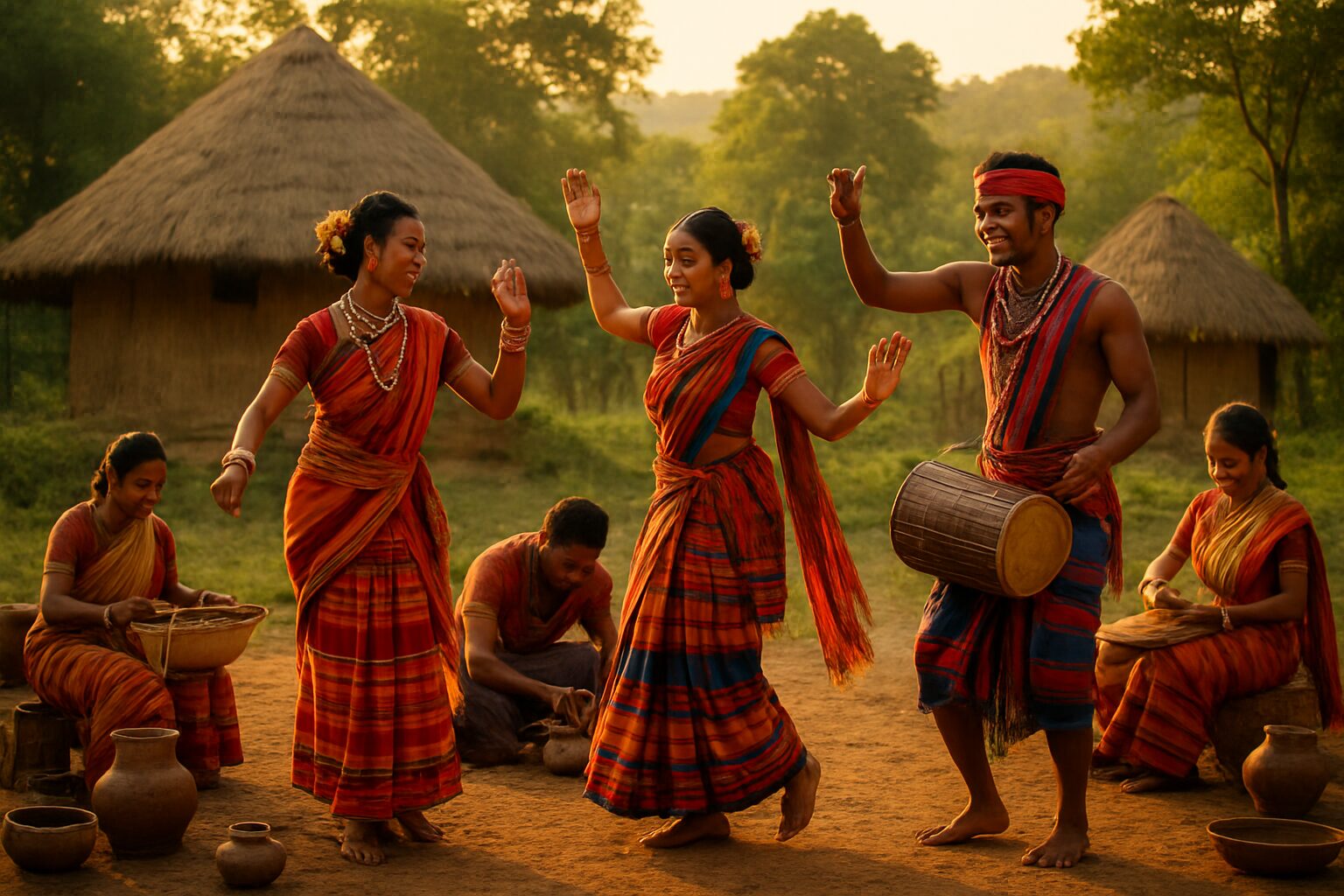
The rhythmic beats of tribal drums echo through the valleys of Odisha as communities gather for their ancestral celebrations. These performances aren’t staged shows for tourists but living expressions of cultural identity passed down through generations. The Santhal tribe’s Dong dance tells stories of harvest and fertility, while the Kondh people perform the Dhemsa dance during their festivals, creating a mesmerizing spectacle of synchronized movements and colorful attire.
Visitors can witness these authentic performances during tribal festivals like Karam, Sohrai, or Nuakhai. The Bonda tribe’s musical traditions include hauntingly beautiful songs accompanied by simple instruments like flutes and drums. Many communities welcome respectful observers during their evening gatherings where elders share oral histories through song.
Some villages offer participatory experiences where tourists can learn basic dance steps or try playing traditional instruments. The Ho tribe teaches visitors their war dances, while Oraon communities share their seasonal celebration dances. These interactions create meaningful connections between cultures while ensuring the traditions remain vibrant and appreciated.
Learn Ancient Cooking Methods Using Local Ingredients
Tribal kitchens in Odisha showcase centuries-old culinary wisdom that transforms simple forest ingredients into nutritious meals. Women from various tribes demonstrate cooking techniques that have sustained their communities for generations, using clay pots, bamboo steamers, and wood-fired stoves.
The Juang tribe’s specialty includes dishes prepared with wild mushrooms, bamboo shoots, and forest greens. Their traditional method of cooking rice in bamboo tubes creates a unique smoky flavor while preserving nutrients. Visitors can join cooking sessions where they learn to prepare Pitha (rice cakes), Handia (rice beer), and various curries using ingredients like sal leaves, mahua flowers, and indigenous spices.
The Kutia Kondh people excel in preparing meals using minimal resources. They teach tourists how to cook fish wrapped in banana leaves over open fires and prepare nutritious porridge from millet and other millets. These cooking experiences often happen in community kitchens where multiple families gather, creating opportunities for cultural exchange over shared meals.
Many tribes use fermentation techniques to preserve food and enhance nutritional value. Learning these methods provides insight into sustainable living practices developed over millennia of forest dwelling.
Observe Traditional Weaving and Pottery Techniques
The artistic traditions of Odisha’s tribes represent some of India’s most sophisticated indigenous craftsmanship. The Dongria Kondh women create intricate patterns on their traditional shawls using natural dyes extracted from roots, bark, and leaves. Their weaving process involves hand-spinning cotton and creating geometric designs that hold spiritual significance.
Santal artisans demonstrate their pottery skills using traditional wheels and local clay. Their terracotta pieces serve both functional and ceremonial purposes, from water storage vessels to ritualistic items. The entire process, from clay preparation to firing in earthen kilns, follows ancient techniques that produce remarkably durable pottery.
The Saura tribe excels in wall painting traditions called Saura paintings, which depict their daily lives, festivals, and spiritual beliefs. These artists use natural pigments and create detailed murals that tell stories of their community’s relationship with nature. Visitors can observe these artists at work and sometimes participate in creating smaller pieces under expert guidance.
Bamboo craft workshops offer hands-on experience in creating baskets, mats, and household items. The Bhuiyan tribe demonstrates techniques for selecting, treating, and weaving bamboo into functional art pieces. These skills sessions provide practical knowledge while supporting local artisan livelihoods through direct purchases and skill preservation efforts.
Ensure Your Visit Benefits Local Communities
Stay in Community-Run Eco-Lodges and Homestays
Choosing where you sleep can make or break the impact of Tribal tourism in Odisha. Community-run accommodations put money directly into local pockets while giving you authentic insights into daily tribal life. These lodges and homestays are often built using traditional architectural techniques and local materials, creating jobs for construction workers, guides, and hospitality staff from the community.
When booking, look for properties that clearly state their community ownership or partnership status. Many tribal villages in districts like Koraput and Rayagada have established eco-lodges managed by village committees. Your nightly rate typically goes toward community development funds, supporting everything from clean water projects to children’s education.
The Tribal tourism in Odisha experience goes beyond just having a place to rest. You’ll wake up to the sounds of village life, share meals prepared with locally grown ingredients, and participate in daily activities like farming or handicraft making. Some homestays offer guided walks with tribal elders who share stories passed down through generations.
Purchase Handicrafts Directly from Tribal Artisans
Skip the middlemen and buy your souvenirs straight from the creators. Tribal communities across Odisha produce stunning textiles, metal crafts, wooden sculptures, and jewelry using techniques refined over centuries. When you buy directly from artisans, they receive the full value of their work instead of a fraction through retail chains.
Visit village workshops where you can watch craftspeople at work. In Dongria Kondh villages, women weave intricate patterns using natural dyes made from turmeric, indigo, and other local plants. The Dhokra metal casting technique practiced by tribal artisans creates beautiful brass figurines using a lost-wax method that’s over 4,000 years old.
Many communities have formed self-help groups that market their products collectively. These cooperatives ensure fair pricing and quality standards while providing artisans with steady income. Ask your guide to arrange visits to these workshops, or connect with organizations that facilitate direct sales to tourists.
Contribute to Education and Healthcare Initiatives
Remote tribal villages often lack basic infrastructure for education and healthcare. Your contribution can help bridge these gaps through established programs that have proven track records. Many NGOs working in tribal areas welcome tourist support for specific projects like building classrooms, providing school supplies, or funding mobile health clinics.
Before contributing money, research the organization’s transparency and effectiveness. Look for groups that involve community members in planning and implementation. Some villages have established visitor contribution systems where small amounts collected from tourists fund ongoing projects like water purification systems or solar lighting for schools.
Consider bringing useful supplies instead of just donating money. School materials, basic medicines (working with local health workers), or sports equipment can have immediate impact. Some tourists arrange to sponsor a child’s education or contribute to teacher training programs that benefit entire communities.
Follow Leave No Trace Principles in Natural Areas
Tribal territories often overlap with pristine forests, waterfalls, and wildlife habitats that require careful protection. Your actions in these sensitive environments can either preserve or damage ecosystems that tribal communities depend on for their livelihoods. Pack out everything you bring in, stay on designated trails, and avoid disturbing wildlife or plant life.
Water sources are particularly sacred to many tribal communities and serve as drinking water for villages downstream. Avoid washing with soap in streams or rivers, and never leave food scraps that can attract animals or alter local ecosystems. Respect traditional conservation practices that tribal communities have followed for generations.
Photography should be done thoughtfully during Tribal tourism in Odisha. Some natural sites hold spiritual significance for tribal people, and certain areas may be off-limits during religious ceremonies or seasonal restrictions. Always ask permission before photographing people, their homes, or sacred spaces, and respect any refusal without argument.
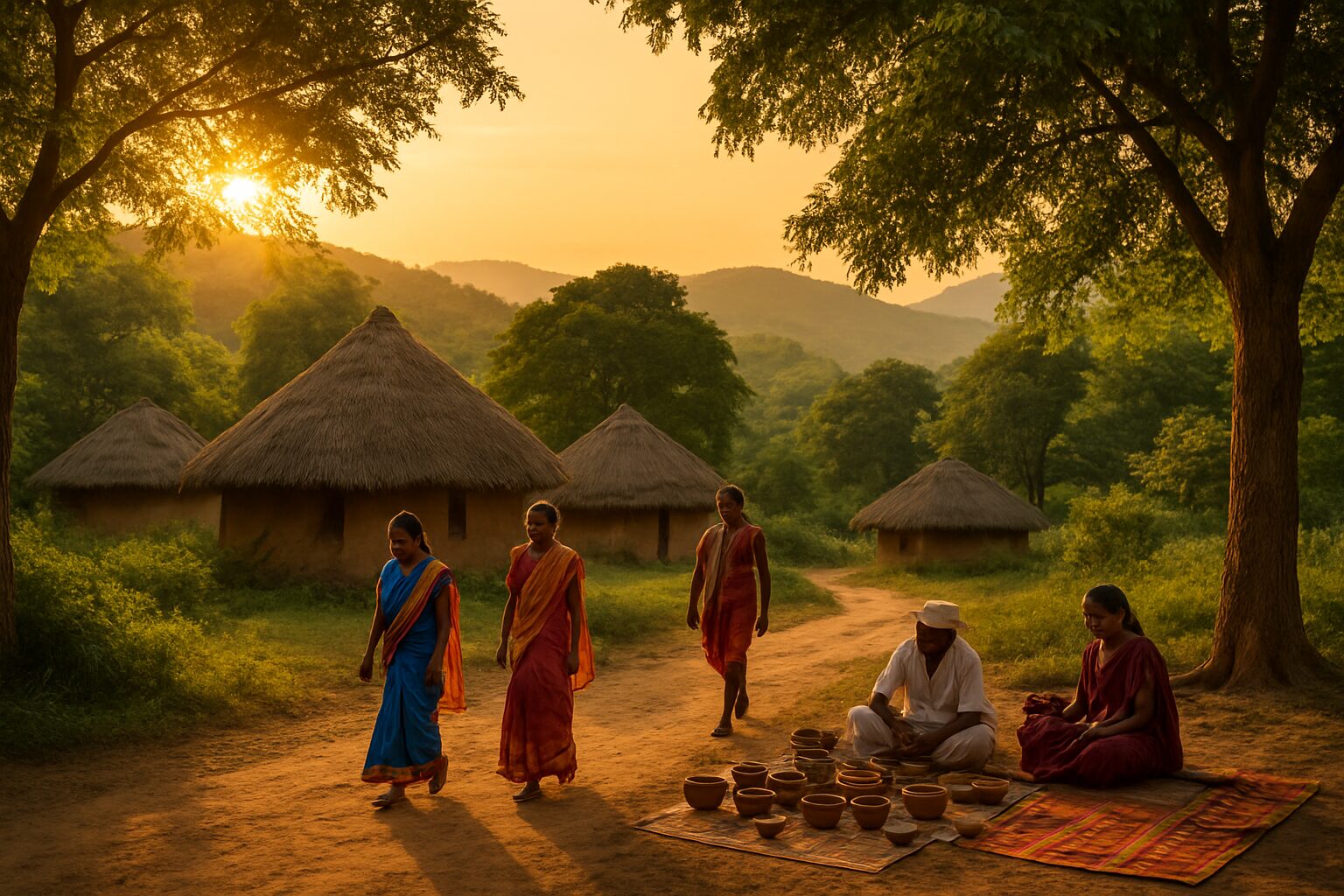
Odisha’s tribal communities offer travelers a rare window into India’s most authentic cultural traditions. From the artistic Saura paintings to the vibrant festivals of different tribes, these experiences create lasting memories while supporting local livelihoods. When you choose responsible tourism operators and stay mindful of cultural boundaries, your visit becomes more than just sightseeing—it becomes a meaningful exchange that preserves these precious traditions.
Ready for Tribal tourism in Odisha? Start by connecting with certified local guides who understand both the cultural nuances and community needs. Remember that your travel choices can make a real difference in these communities’ economic growth and cultural preservation. Book your ethical Tribal tourism in Odisha today and become part of a movement that celebrates diversity while creating positive impact for generations to come.
For a private guided tour of Odisha visit 5 Senses Tours from Bhubaneswar.
An Immersive culture walk in Bhubaneswar is a great way to explore Odisha.
Leave a Reply