
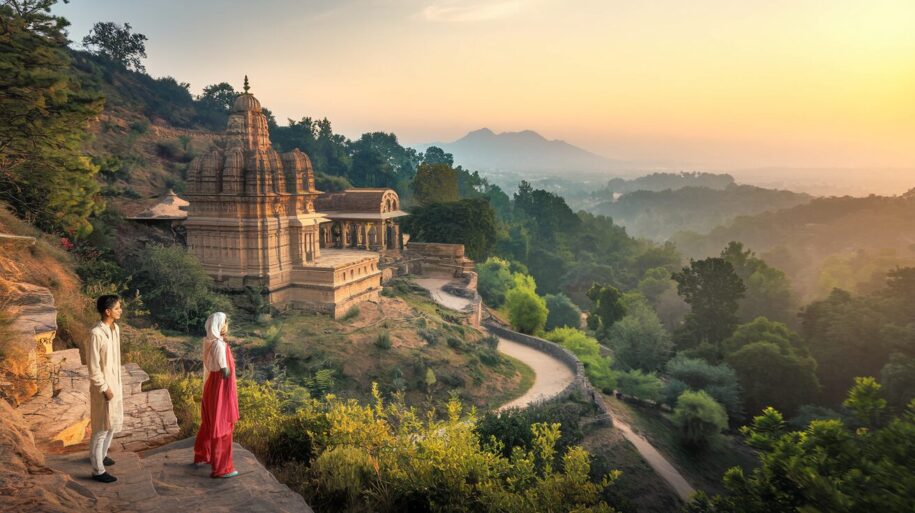
Ever stood in a crowd of 200 tourists, all taking the exact same Taj Mahal selfie? Yeah, not exactly the “authentic India” experience you traveled 8,000 miles for.
I’m about to save your next Indian adventure from becoming another cookie-cutter trip. India’s secret wonders will give you stories that make your friends’ Goa beach photos look painfully basic.
The secret spots I’ve uncovered after 12 years exploring this magnificent country aren’t in those glossy travel magazines. They’re hidden in plain sight, waiting for travelers brave enough to step off the well-worn tourist path.
But fair warning: after discovering these places, you might never look at travel the same way again. The question is – are you ready to see the India most visitors never will?
Why Off the Beaten Path: The Magic of India’s secret wonders
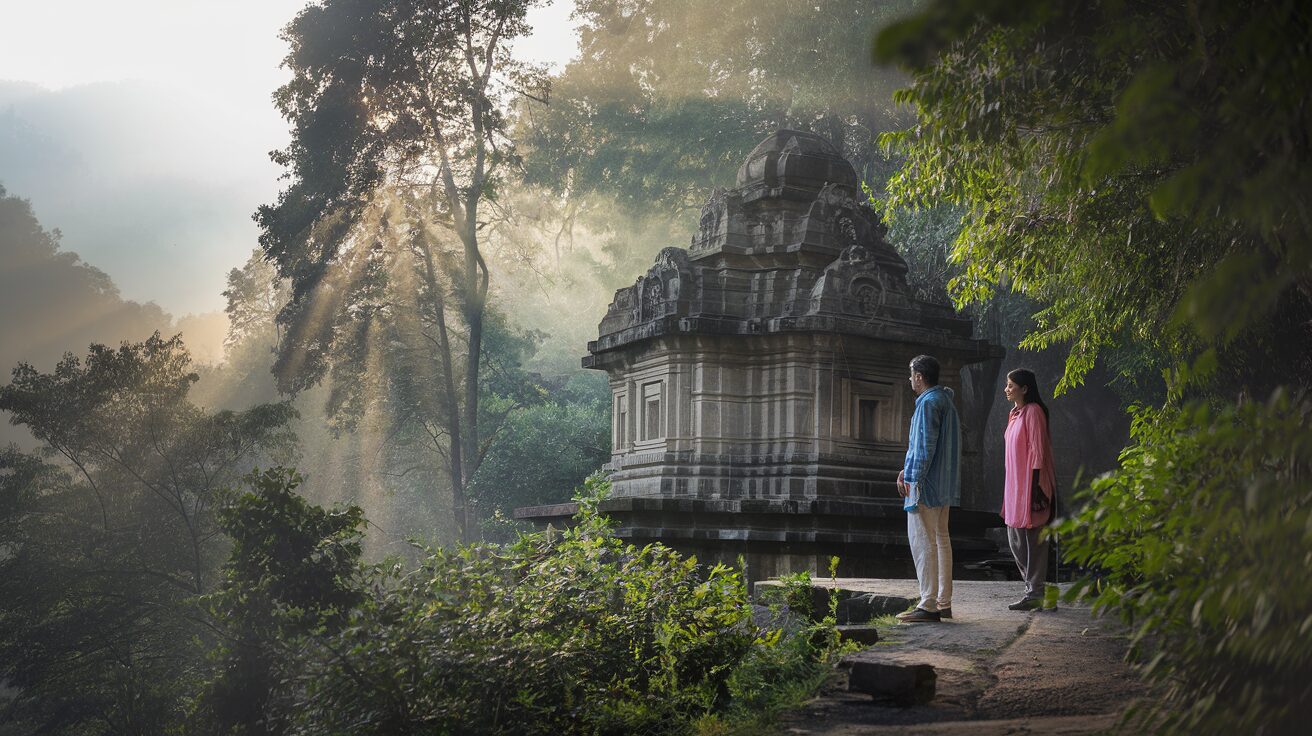
Beyond the Golden Triangle: Expanding Your Indian Experience
Tired of the Delhi-Agra-Jaipur circuit that every travel agency pushes? I don’t blame you. While the Taj Mahal is breathtaking (no argument there), it’s like only eating the frosting on a multi-layered cake.
India isn’t just monuments and busy cities. It’s the misty hills of Meghalaya where bridges are grown, not built. It’s desert villages in Kutch where women wear mirror-work so vibrant it puts fashion weeks to shame. It’s coastal hamlets in Karnataka where fishermen still use ancient techniques passed down for generations.
Going beyond the typical tourist trail opens up a whole new dimension of travel. You’ll find yourself in places where your “hello” might be the first English word some children have heard from a foreigner. Where recipes haven’t been altered to suit international palates. Where festivals aren’t performed for tourists but lived authentically.
Authentic Cultural Encounters Away from Tourist Crowds
Ever noticed how different people act when they know they’re being watched? Same goes for cultures.
In Varanasi’s main ghats, you’ll see ceremonies performed with one eye on the donation box. But venture to lesser-known river banks, and you’ll witness rituals unchanged for centuries, performed not for cameras but for devotion.
The magic happens when you step away from the places where tourism has become the primary industry. In offbeat destinations, you’re not a walking wallet – you’re a guest.
I remember sitting with a family in a tiny village in Arunachal Pradesh. No common language between us, just smiles, gestures, and shared food. They didn’t want my money or photos with me. They simply wanted to share their home, their culture, their life.
These encounters can’t be packaged or sold. They happen organically when you venture where few travelers go.
Preserving Natural Beauty Through Responsible Tourism
Let’s talk about those Instagram hotspots we all know. Beautiful? Absolutely. Crowded? Definitely. Slowly being loved to death? Unfortunately, yes.
Overtourism isn’t just annoying for travelers seeking peaceful experiences – it’s devastating for environments and communities. Popular beaches in Goa now struggle with pollution. Hill stations like Shimla face water shortages during peak season.
By exploring India’s lesser-known destinations, you’re distributing tourism’s economic benefits while reducing pressure on overtouristed areas. It’s a win-win.
Places like the Valley of Flowers in Uttarakhand now limit daily visitors to protect their delicate ecosystem. But thousands of equally stunning locations across India remain relatively untouched, with natural conservation methods still in place.
When you visit these pristine spots, you have a unique opportunity: experiencing them while they’re still unspoiled, and helping ensure they stay that way through responsible practices.
The Joy of Being a Pioneer: Visiting Places Before They Become Popular
Remember that hidden beach you discovered years ago that’s now all over social media? That bittersweet feeling of watching your secret spot go mainstream?
There’s something special about being among the first to experience a destination. Your memories aren’t shaped by thousands of identical Instagram posts. Your experiences aren’t pre-packaged or guided by TripAdvisor’s top 10 lists.
I felt this exploring the living root bridges of Nongriat before they became Meghalaya’s claim to fame. The journey was challenging, information scarce, and each discovery felt earned. Today, there are detailed guides, improved paths, and souvenir stands.
Being an early visitor doesn’t just feed your explorer’s ego – it gives you authentic experiences increasingly rare in our hyperconnected world. You interact with cultures not yet influenced by tourism’s economic pull. You see natural wonders before infrastructure development changes landscapes.
And perhaps most meaningfully, you connect with places on your own terms, forming personal relationships unclouded by others’ opinions or expectations.
Secret wonders of India: Northern Mountains and Mysteries
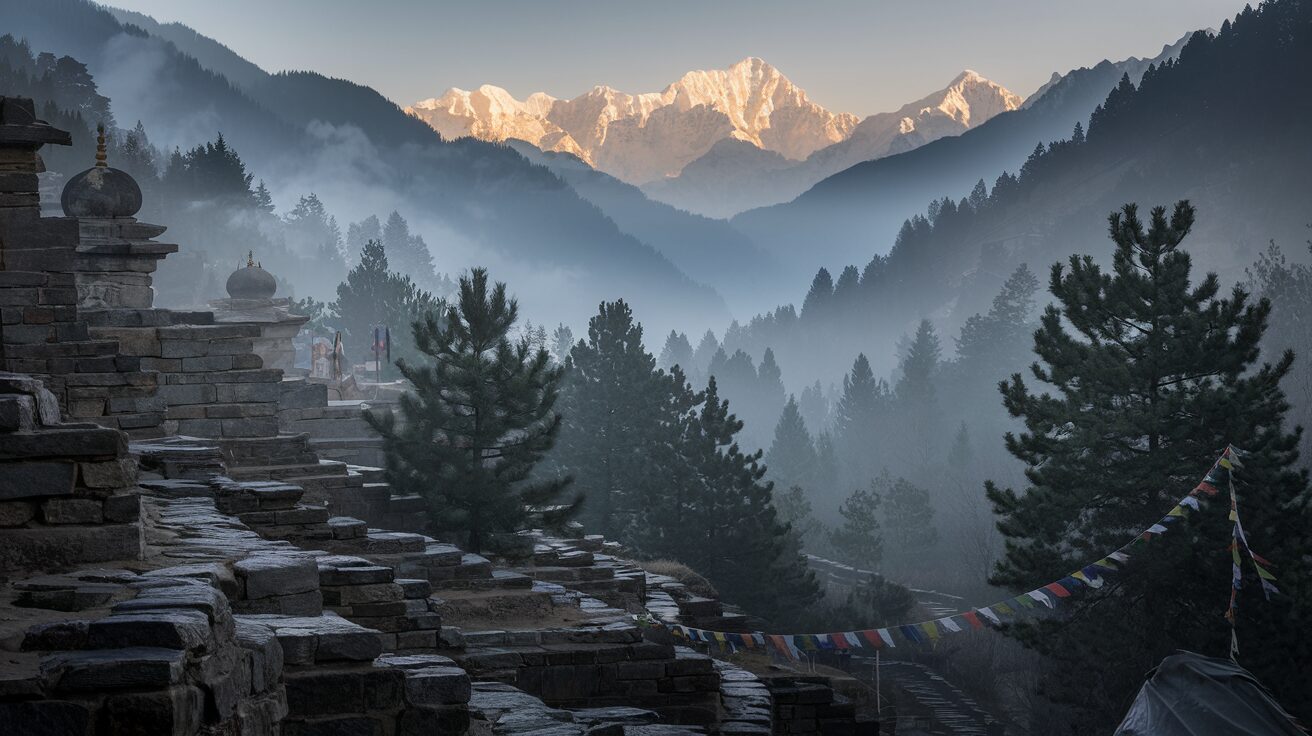
Spiti Valley: The Middle Land Between Tibet and India
Ever wondered what it feels like to stand at the edge of civilization? Spiti Valley isn’t just remote—it’s another world entirely.
Tucked away in Himachal Pradesh, this high-altitude desert valley sits quietly between India and Tibet, offering landscapes so surreal you’ll question if you’re still on Earth. The name “Spiti” literally means “middle land,” and trust me, you’ll feel suspended between worlds here.
The monasteries of Key, Tabo, and Dhankar cling to impossible cliff edges, some over 1,000 years old. They’re not tourist attractions—they’re living, breathing centers of Buddhist culture where monks go about their daily lives against backdrops that would make National Geographic photographers weep.
What makes Spiti special isn’t just what you see—it’s what you don’t. No crowds. No pollution. No cell service in many areas. Just vast stretches of barren mountains painted in shades of brown, gray, and occasional patches of green, with the clearest night skies you’ll ever witness.
The villages—Kibber, Langza, Komic—sit above 14,000 feet, making them among the highest inhabited places on earth. The locals? They’ll invite you in for butter tea and share stories that have been passed down for generations.
Tirthan Valley: Riverside Tranquility and Himalayan Views
The sound hits you first—that constant, soothing rush of the Tirthan River cutting through pristine wilderness. Unlike its famous cousins Manali and Shimla, Tirthan Valley remains refreshingly uncrowded.
This slice of heaven borders the Great Himalayan National Park, a UNESCO World Heritage site that most travelers completely overlook. Here, ancient forests hide red foxes, brown bears, and if you’re incredibly lucky, the elusive snow leopard.
What makes Tirthan special is its perfect balance. It’s developed enough to offer comfortable homestays (forget sterile hotels—you want those home-cooked Himachali meals), yet undeveloped enough that you won’t find shopping malls or nightclubs.
Mornings here start with mountain views that look photoshopped. Days can be spent trout fishing in crystal-clear waters, hiking to hidden waterfalls like Chhoie, or visiting traditional villages where apple orchards surround wooden houses that have stood for centuries.
Evening? That’s when you sit by the riverside, feet dangling in icy water, watching the sun paint the mountains gold, then pink, then deep purple. In those moments, with the river’s constant song in your ears, you’ll understand why some visitors never leave.
Majuli: The Disappearing River Island of Assam
Time is literally running out to visit Majuli. Once the world’s largest river island, it’s slowly being swallowed by the mighty Brahmaputra River, losing nearly half its land mass over the last century.
This vanishing wonder sits in Assam, far from the typical tourist circuit, and it’s a cultural goldmine. Majuli isn’t just an island—it’s the heart of neo-Vaishnavite culture, home to ancient satras (monasteries) where monks perform traditional mask dances and craft bamboo artifacts using techniques passed down for generations.
The landscape shifts dramatically with seasons—monsoons transform fields into reflective mirrors of water, while winter brings golden harvests that stretch to the horizon. Village life moves at its own gentle rhythm, with bamboo houses built on stilts and locals traversing dirt paths by bicycle.
What makes Majuli truly special is its people. The Mising tribe weaves some of India’s finest textiles on handlooms that haven’t changed in design for centuries. Their sustainable lifestyle—farming without chemicals, fishing with traditional traps—offers lessons in harmony with nature that the rest of the world desperately needs.
Every sunset here feels bittersweet, knowing this magical place may not exist for future generations.
Practical Tips for Northern Exploration
Getting to these northern gems isn’t always straightforward, and that’s exactly why they remain unspoiled.
For Spiti Valley, the best time to visit is between June and September when mountain passes are open. The Manali-Kaza route offers spectacular views but prepare for rough roads that will test both your vehicle and stomach. Pack layers—nights get frigid even in summer, and altitude sickness is real. Stock up on cash in Manali or Shimla—ATMs are scarce and often empty.
Tirthan Valley is more accessible year-round, though spring (April-May) brings wildflower explosions and autumn (September-October) offers perfect hiking weather. The nearest airport is Bhuntar (Kullu), followed by a 2-hour drive. Book homestays directly with families for the most authentic experience.
For Majuli, timing is crucial. October to March provides dry, pleasant conditions. Reach Jorhat in Assam first, then take the ferry to the island (boats run multiple times daily). Renting bicycles is the best way to explore—the island is flat and perfect for cycling between villages and satras.
Cell service varies wildly in all these regions, so download offline maps. Learning a few local phrases goes incredibly far—”Julley” (hello) in Spiti, “Nomoshkar” in Majuli—and brings smiles everywhere.
Most importantly, these places demand a different pace. Rush, and you’ll miss everything that makes them special.
Southern Treasures: Coastal and Cultural Wonders
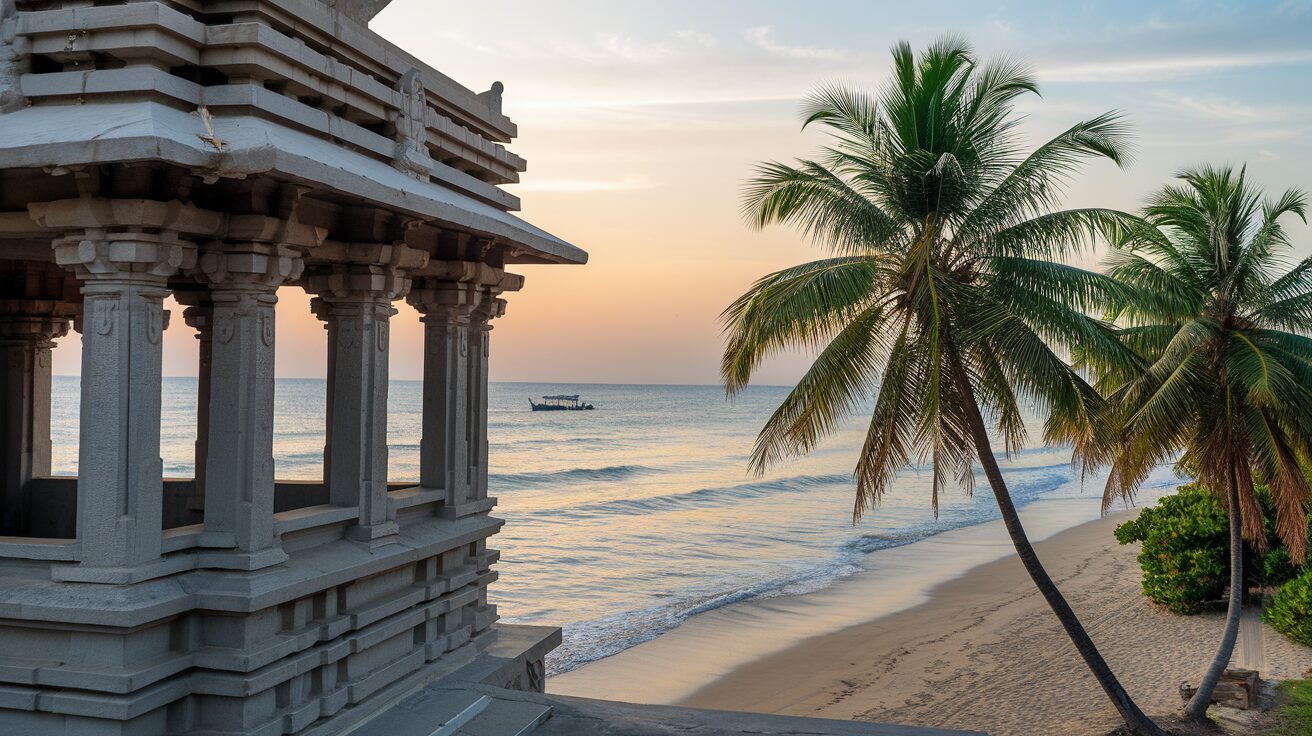
A. Gokarna: The Unspoiled Alternative to Goa
Ever felt that Goa got a bit too crowded for your liking? Gokarna is your answer.
This coastal gem in Karnataka has the same dreamy beaches and laid-back vibe but without the masses of tourists stepping on your beach towel. The crescent-shaped Om Beach (yes, it actually forms the Om symbol when viewed from above) offers pristine sands that’ll make you wonder why you ever bothered with Goa’s overcrowded shores.
What makes Gokarna special isn’t just the beaches – it’s the authenticity. This is still very much a temple town. Walk through the narrow streets of the main village, and you’ll find yourself dodging cows while traditional Brahmin priests go about their daily routines. The ancient Mahabaleshwar Temple sits at the heart of town, drawing pilgrims who come for spiritual cleansing.
For beach hoppers, Paradise Beach and Half Moon Beach are accessible only by boat or a sweaty hike through forested paths. The reward? Having entire stretches of sand practically to yourself.
B. Varkala’s Cliff-Top Paradise in Kerala
Imagine this: you’re sitting at a café perched on a rust-red cliff, watching waves crash against the shore 100 feet below while the sun melts into the Arabian Sea. That’s everyday magic in Varkala.
Unlike Kerala’s more famous destinations, Varkala balances tourism with tranquility perfectly. The dramatic cliff face, running parallel to the beach for almost a mile, hosts a string of restaurants, yoga schools, and shops that feel refreshingly low-key.
The beach below is a marvel – clean golden sand meets the bluest water. Take a dip and then climb back up for fresh seafood caught that morning. Between swims, you can try cliff-jumping (if you’re brave), get an authentic Ayurvedic massage (Kerala’s specialty), or join the surfers catching waves at the northern end.
The Papanasham Beach isn’t just pretty – it’s sacred too. Hindu pilgrims believe a dip in these waters washes away sins. During early mornings, you’ll spot locals performing rituals by the water’s edge.
C. Planning Your Southern Itinerary
Timing is everything when exploring South India’s coastal treasures. The sweet spot? November to February. The monsoon has freshened everything up, temperatures hover around perfect, and the humidity takes a vacation.
A solid two-week itinerary could look like this:
| Days | Location | Must-Do Activities |
|---|---|---|
| 1-4 | Gokarna | Beach-hopping, temple visit, coastal trek |
| 5-8 | Varkala | Cliff relaxation, Ayurvedic treatments, swimming |
| 9-14 | Optional detours (Hampi/Mysore/Kochi) | Architecture, history, culture |
Getting between these spots is surprisingly straightforward. Overnight trains connect major hubs, while local buses offer cheaper (if bumpier) alternatives. For the time-pressed traveler, domestic flights to Mangalore (for Gokarna) and Trivandrum (for Varkala) will save you days of transit.
Accommodation ranges from $5 beach huts to $50 boutique stays – but book ahead during peak season (December-January). The magic of these places is their balance of just enough infrastructure without the overdevelopment.
Pack light, bring reef-safe sunscreen, and leave room in your schedule for those unplanned discoveries. That tiny restaurant without a sign? The hidden beach the locals mention? They’re often the highlights you’ll remember years later.
Central India’s Forgotten Marvels
Orchha: Medieval Grandeur Without the Crowds
Ever stumbled upon a place so magical you can’t believe it’s not swarming with tourists? That’s Orchha for you.
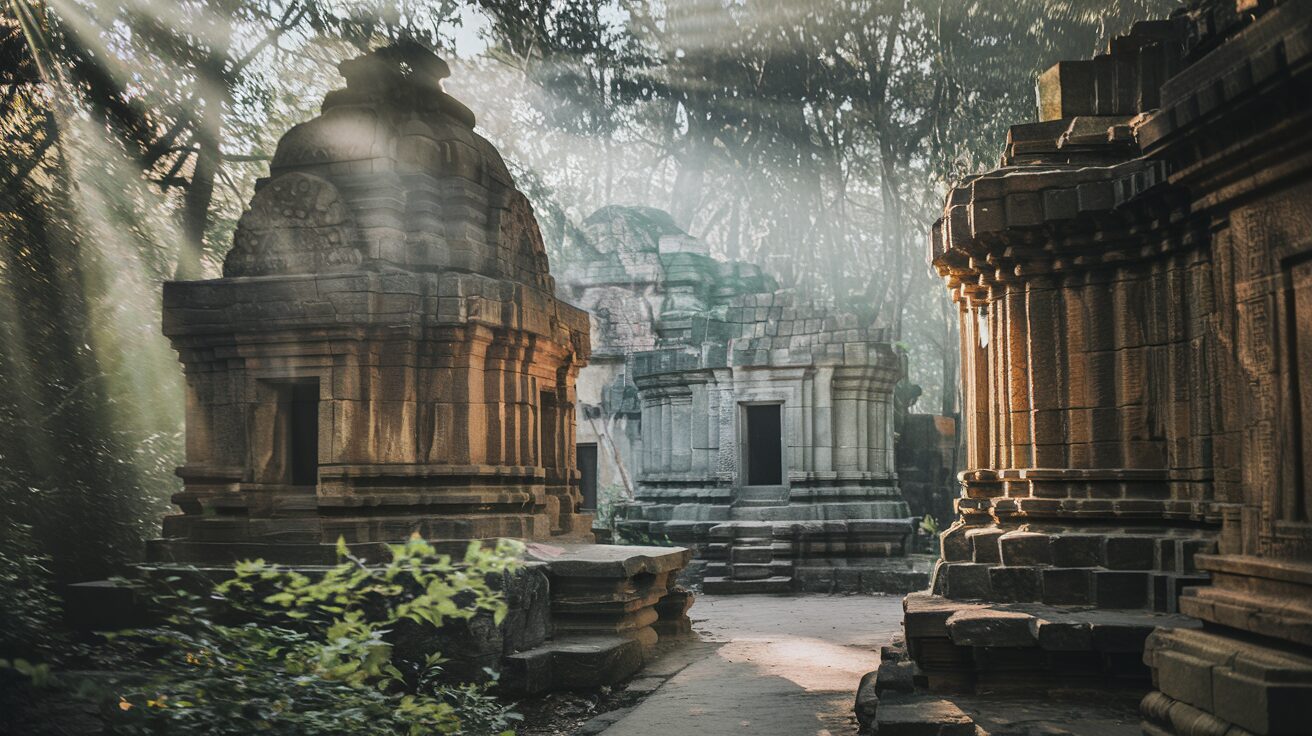
Tucked away in Madhya Pradesh, this medieval town sits frozen in time with its 16th-century palaces and temples standing proud against the Betwa River. Unlike Agra or Jaipur where you’ll elbow through selfie sticks, here you can actually hear yourself think.
The Jehangir Mahal will stop you in your tracks. This massive palace with its elephant-topped entrance gates tells stories of Mughal-Bundela relationships without the annoying audio guides and rushed tours. Dawn breaks spectacularly over its domes – grab that shot without fifty strangers in your frame.
The cenotaphs (chhatris) along the river? Pure magic at sunset. Fourteen elegant spires honoring Orchha’s rulers create silhouettes that photographers dream about. And you can actually sit quietly beside them without someone trying to sell you something every five minutes.
Chanderi: Where Silk and Stones Tell Ancient Tales
Chanderi isn’t just another dot on the map – it’s where handloom traditions meet medieval architecture in the most underrated mashup ever.
This small town produces some of India’s finest silks, yet somehow stays off the tourist radar. The translucent Chanderi fabric workshops welcome curious travelers who want to see real artisans at work, not the mass-produced stuff you’ll find in city markets.
The Chanderi Fort sits atop a hill surveying a landscape scattered with over 1200 years of history. Koshak Mahal, an architectural oddity with its perfect symmetry, makes you wonder how they built it without modern tools. And Jama Masjid blends Hindu-Muslim design elements so seamlessly you’ll question why we ever separated art by religion.
Wildlife Encounters Off the Regular Safari Circuit
Tired of those Jeep safaris where twenty vehicles surround one confused tiger? Central India hides wildlife experiences that haven’t made it to Instagram’s explore page yet.
Panna National Park bounced back from zero tigers to a thriving population – a conservation miracle happening without the fanfare. Dawn boat rides here offer crocodile sightings and bird-watching without another boat in sight.
The Satpura Tiger Reserve lets you actually walk through the forest with trained guides – something unheard of in overcrowded parks. Imagine tracking sloth bears on foot rather than from a noisy vehicle!
Chambal Sanctuary protects the critically endangered gharial – those prehistoric-looking crocodiles with the bizarre snout. River safaris here show you dolphins, turtles, and over 300 bird species without the commercial circus atmosphere of more famous reserves.
Photography Opportunities in Central India’s Unique Light
Central India’s light is what photographers call “the golden ticket” – dramatic, moody, and impossibly perfect during the magic hours.
The morning mist over Orchha’s cenotaphs creates ethereal scenes straight out of a fantasy novel. Position yourself on the opposite riverbank at sunrise, and watch as first light bathes these structures in soft gold.
Chanderi’s ancient doorways frame daily life scenes that tell stories without words. The contrast between weathered stone and vibrant fabric creates compositions that practically take themselves.
The forests around Pachmarhi cast dappled light through sal trees that challenges photographers to play with shadow and highlight. The monsoon transforms these same woods with emerald mosses and dramatic cloud formations that change by the minute.
What makes these spots photography heaven isn’t just their beauty – it’s the absence of crowds. You can actually set up a tripod without someone walking through your frame every thirty seconds. You can wait for perfect light without feeling rushed. You can experiment, fail, and try again.
Eastern Enigmas: Where Time Stands Still
A. Ziro Valley: Festivals and Rice Fields in Arunachal Pradesh
Ever seen rice fields so perfectly arranged they look like waves frozen in time? That’s Ziro Valley for you. Tucked away in Arunachal Pradesh, this place is what dreams are made of—if your dreams involve stunning landscapes and cultural experiences that’ll blow your mind.
The Apatanis, the local tribe here, have mastered the art of wet rice cultivation without using a single animal or machine. Just hands, hearts, and generations of wisdom. Their paddy fields stretch out like a patchwork quilt, creating a view that’ll make your Instagram followers think you’ve used some fancy filter.
Come September, the valley transforms during the Ziro Music Festival. Picture this: indie bands playing against a backdrop of misty mountains, camping under stars so bright they seem fake, and bonding with strangers over rice beer. It’s four days of pure magic that’ll change how you see music festivals forever.
Stay in a traditional Apatani bamboo hut, where every creaking floor and smoky hearth tells stories of a culture that’s stood its ground against time and modernity.
B. Mechuka: The Hidden Valley Near the Chinese Border
Just 29 kilometers from the Chinese border lies Mechuka, a valley so secluded that reaching it feels like a personal achievement. Snow-capped mountains, alpine forests, and the meandering Yargyap Chu river—Mechuka is nature showing off without even trying.
The Memba tribe calls this place home, and their monasteries dot the landscape like sentinels guarding ancient secrets. The 400-year-old Samten Yongcha monastery sits majestically on a hilltop, offering views that’ll make you question why you ever spent vacations in crowded hill stations.
Adventure seekers, listen up. The terrain here is perfect for mountain biking, trekking, and river rafting. And the best part? You’ll probably have most trails to yourself. No jostling for the perfect photo spot or waiting in line for anything.
Winter transforms Mechuka into a snow globe, with wooden houses and pine trees dusted in white. It’s like stepping into a Christmas card, minus the commercialization.
C. Local Cuisines and Traditional Stays
The food in eastern India isn’t just meals—it’s an experience that’ll ruin restaurant “ethnic food” for you forever.
In Ziro, don’t miss the Apatanis’ pike pila (rice beer) served in bamboo mugs. It’s slightly sour, mildly intoxicating, and completely authentic. Pair it with some smoked pork and bamboo shoot curry for a meal that’ll haunt your taste buds long after you’ve left.
Mechuka brings Tibetan influences to the table. Steaming hot thukpas and momos filled with yak meat will warm you up after a day of exploration. The locals also make a mean buckwheat pancake that’s both simple and addictive.
For accommodation, forget sterile hotel rooms. In these regions, homestays are the way to go:
| Location | Accommodation Type | Experience |
|---|---|---|
| Ziro Valley | Bamboo huts on stilts | Sleep above paddy fields, wake to roosters |
| Mechuka | Wooden cottages | Smoke-filled kitchens where grandmas cook centuries-old recipes |
Your hosts won’t just provide shelter—they’ll share meals, stories, and a glimpse into lives so different yet fundamentally similar to yours. You’ll leave with new family members, not just photos.
Desert Discoveries: Beyond Jaisalmer
A. Khuri: Sand Dunes Without the Tourist Traps
You’ve heard of Jaisalmer’s golden sands, but Khuri? That’s where the magic happens without the crowds. Just 40 km southwest of Jaisalmer, these dunes give you that jaw-dropping desert experience minus the carnival atmosphere of Sam.
Picture this: you’re sitting on pristine dunes as the sun sets, painting the sky in oranges and pinks. No lines of camel riders blocking your photos. No vendors hounding you for business. Just you and the desert’s immense silence.
The villagers here offer authentic homestays in traditional mud houses. Sleep on the roof under a blanket of stars so bright and numerous they don’t even look real. City folks often tear up at their first sight of the Milky Way stretched across Khuri’s unpolluted skies.
B. Osian: Temple Towns and Desert Hospitality
Osian isn’t just another stop on your Rajasthan itinerary—it’s a time machine. This ancient town, often called the “Khajuraho of Rajasthan,” sits quietly 65 km from Jodhpur.
The town houses 16 beautifully preserved temples dating back to the 8th century. The Mahavira Jain Temple and Sun Temple showcase intricate carvings that’ll make your Instagram followers swear you’re in a museum, not wandering through a barely-visited desert town.
What makes Osian special isn’t just stone and history. It’s the Rajasthani hospitality that feels genuine rather than packaged for tourists. Families invite travelers for home-cooked meals featuring dal baati churma—a local delicacy you’ll dream about months after your visit.
C. Seasonal Considerations for Desert Exploration
Want to know the desert’s biggest secret? Timing is everything.
Avoid summer (April-June) unless you enjoy feeling like you’re inside an oven set to broil. Temperatures regularly hit 45°C (113°F), making exploration practically impossible.
The sweet spot? October to March. During these months, daytime temperatures hover around a pleasant 25°C (77°F), while nights cool down enough to need a light jacket. December and January nights can actually get cold—we’re talking 5°C (41°F)—so pack layers.
Monsoon season (July-September) brings its own kind of desert magic. Rain transforms parts of the Thar into temporary grasslands, and you might catch rare desert blooms that appear only for a few days after rainfall.
D. Connecting with Local Communities
The real treasure of the Thar isn’t the landscape—it’s the people who’ve mastered desert living for centuries.
In Khuri and surrounding villages, the Rajput and Meghwal communities welcome visitors into their daily lives. Women create intricate mirror embroidery work while men craft traditional musical instruments like the ravanhatha—a string instrument believed to be the ancestor of the violin.
Don’t rush this part. Sit with the villagers, share a cup of chai, listen to folk stories. Learn how they harvest rainwater, preserve food, and build homes that stay cool without air conditioning.
Many families offer workshops where you can try your hand at tie-dye techniques, learn desert cooking methods, or join evening folk music sessions. These interactions provide income directly to families rather than middlemen and create memories that’ll outlast any souvenir.
Practical Guide to Offbeat Indian Travel
A. Best Times to Visit Each Destination
Timing is everything when exploring India’s hidden corners. Skip the obvious peak seasons when tourists flood mainstream spots. Instead, try these windows:
North India (Spiti, Majuli): May-June offers warm days perfect for high-altitude exploration without the monsoon mud or winter freeze. September-October brings spectacular fall colors with fewer travelers.
South India (Dhanushkodi, Gandikota): December-February is your sweet spot. The blazing heat takes a backseat, and you’ll enjoy pleasant 20-25°C days – ideal for those stunning canyon hikes and coastal adventures.
Central & Eastern India: October-March works magic here. You’ll dodge both the scorching summers and the impassable monsoon roads that can turn your adventure into a muddy nightmare.
Remember – visiting just after peak season often means everything’s still open but you’ll have those mystical ruins and secret beaches practically to yourself. Those Instagram-worthy shots without random strangers? Priceless.
B. Transportation Tips and Challenges
Getting to India’s best-kept secrets isn’t always a smooth ride, but that’s half the adventure!
The Golden Rule: Build in buffer days. Those 6-hour journeys on Google Maps? Add 2-3 hours in real life.
Some hard-earned wisdom for you:
Mountain Destinations: Local shared jeeps are your best friend. They’re bumpy but reliable and drivers know exactly how to navigate those hairpin turns that would have you white-knuckling the steering wheel.
Remote Villages: Combine trains to the nearest junction, then pre-arrange local transport. Don’t just wing it unless you’re cool with potentially being stranded.
Coastal Hidden Gems: Rent scooters for ultimate freedom. The roads are generally decent, and you can stop at every jaw-dropping viewpoint without anyone rushing you.
Apps like Ixigo work better than international options for train bookings. And always, always download offline maps – cell service has a funny way of disappearing right when you need directions most.
C. Packing Essentials for Varied Landscapes
India’s offbeat treasures span from high-altitude deserts to humid backwaters – your standard packing list just won’t cut it.
Must-haves regardless of destination:
- Portable water purifier (save money and plastic waste)
- Small medical kit with activated charcoal tablets (trust me on this one)
- Power bank with at least 20,000mAh capacity (outlets can be scarce)
- Cash in small denominations (ATMs are rare in remote areas)
- Scarf/sarong (works as head covering for temples, picnic blanket, emergency towel)
Region-specific essentials:
For mountain explorations:
- Layerable clothing (temperatures swing wildly between day and night)
- Sun protection (the altitude makes burns happen fast)
- Sturdy hiking boots that you’ve already broken in
For coastal secrets:
- Quick-dry clothing (humidity is no joke)
- Reef-safe sunscreen
- Salt-resistant bag for electronics
Desert outposts:
- Bandana to protect from dust storms
- Insulated water bottle that keeps drinks cool
D. Respecting Local Customs and Traditions
Venturing into offbeat India means encountering traditions that haven’t been watered down for tourists. This authenticity is precisely what makes these places special.
The basics matter more than ever in remote communities:
- Dress modestly (shoulders and knees covered, regardless of heat)
- Remove shoes before entering homes, temples, and many shops
- Use your right hand for eating and giving/receiving items
But dig deeper:
In tribal regions of Northeast India, always ask before photographing ceremonial events. Many communities believe photos capture part of the soul – your quick snap could be deeply offensive.
When visiting remote monasteries in Himalayan regions, never touch religious texts or artifacts, even if they appear casually placed. What looks like an ordinary book might be a centuries-old sacred document.
Village homestays offer authentic experiences but remember you’re in someone’s home, not a hotel. Mealtimes might be earlier than you’re used to, and declining food can sometimes be seen as rejection of hospitality. A better approach? Take small portions of everything offered.
E. Photography Ethics in Lesser-Known Communities
That perfect shot for your social feed needs to come second to human dignity and cultural respect. In offbeat destinations, your camera can either build bridges or burn them.
The golden rule: Connection before collection. Spend time talking with locals (even through gestures) before asking for photos. You’d be amazed how a shared cup of chai transforms you from intrusive tourist to welcomed guest.
Practical guidelines:
- Always ask permission before photographing people, especially in tribal areas where beliefs about photography may differ from yours
- Offer to share photos via WhatsApp or email (many remote areas have at least one person with internet access)
- Consider printing photos to mail back (this goodwill gesture creates lasting positive impressions)
- Avoid photographing religious ceremonies unless explicitly invited
Geotagging dilemma: Think twice before precisely geotagging truly undiscovered spots. Some places remain magical precisely because they’re not overrun. Consider using region names rather than exact locations for truly pristine places that could be damaged by sudden tourism surges.
Remember that your camera’s presence changes behavior. The most authentic moments often happen when the camera is put away.
India’s vast landscape offers treasures far beyond the typical tourist paths. From the mystical mountains of the North to the serene coastal gems of the South, the forgotten marvels of Central India to the timeless eastern regions, and the unexplored desert expanses – these seven offbeat destinations showcase the true diversity and rich cultural tapestry that make India such a remarkable travel experience.
As you plan your next Indian adventure, consider veering away from the well-trodden routes. These lesser-known destinations not only provide more authentic cultural immersion and fewer crowds but often create the most meaningful travel memories. Pack our practical guide, embrace the spirit of exploration, and discover your own secret wonders in the incredible mosaic that is India. The country’s hidden corners are waiting to share their stories with the curious traveler willing to seek them out.
For immersive culture walks in India, please visit 5 Senses Walks.
Leave a Reply