
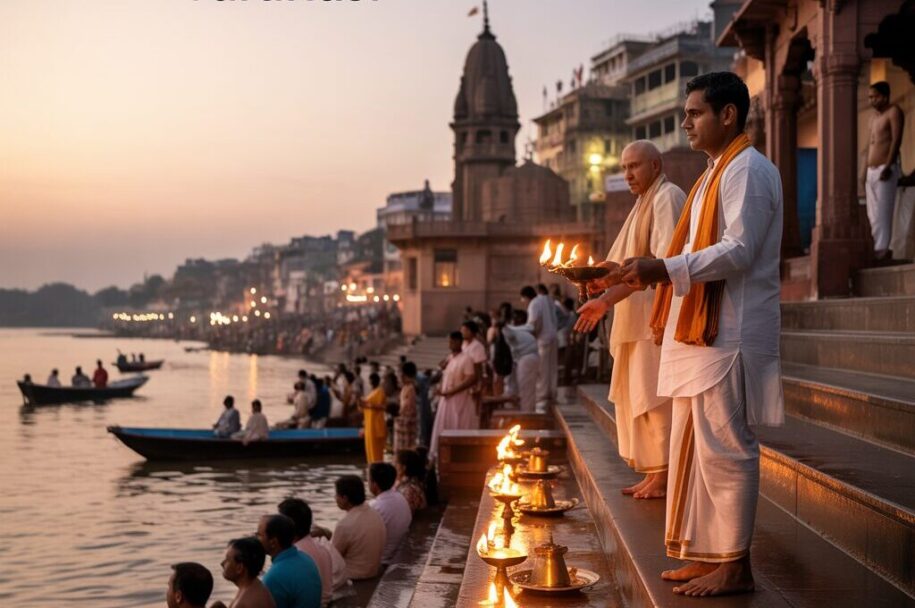
Ever stood at the ghats of Varanasi at dawn, watching thousands of devotees bathe in the sacred Ganges as the sun paints the ancient city gold? If not, you’re missing what might be India’s most transformative spiritual experience.
Varanasi isn’t just another stop on your India itinerary – it’s the beating heart of Hindu spirituality that’s been pulsing for over 3,000 years.
In this guide to spiritual Varanasi, I’ll show you exactly how to navigate this mystical city beyond the tourist traps, where to witness authentic ceremonies, and which ashrams welcome foreign seekers.
But here’s what most travelers don’t realize about Varanasi until they’ve left – the most profound spiritual awakening often happens when you least expect it…
For a private guided tour of Varanasi, visit Magic of Varanasi.
The Sacred Geography of Varanasi
Understanding the Significance of India’s Oldest Living City
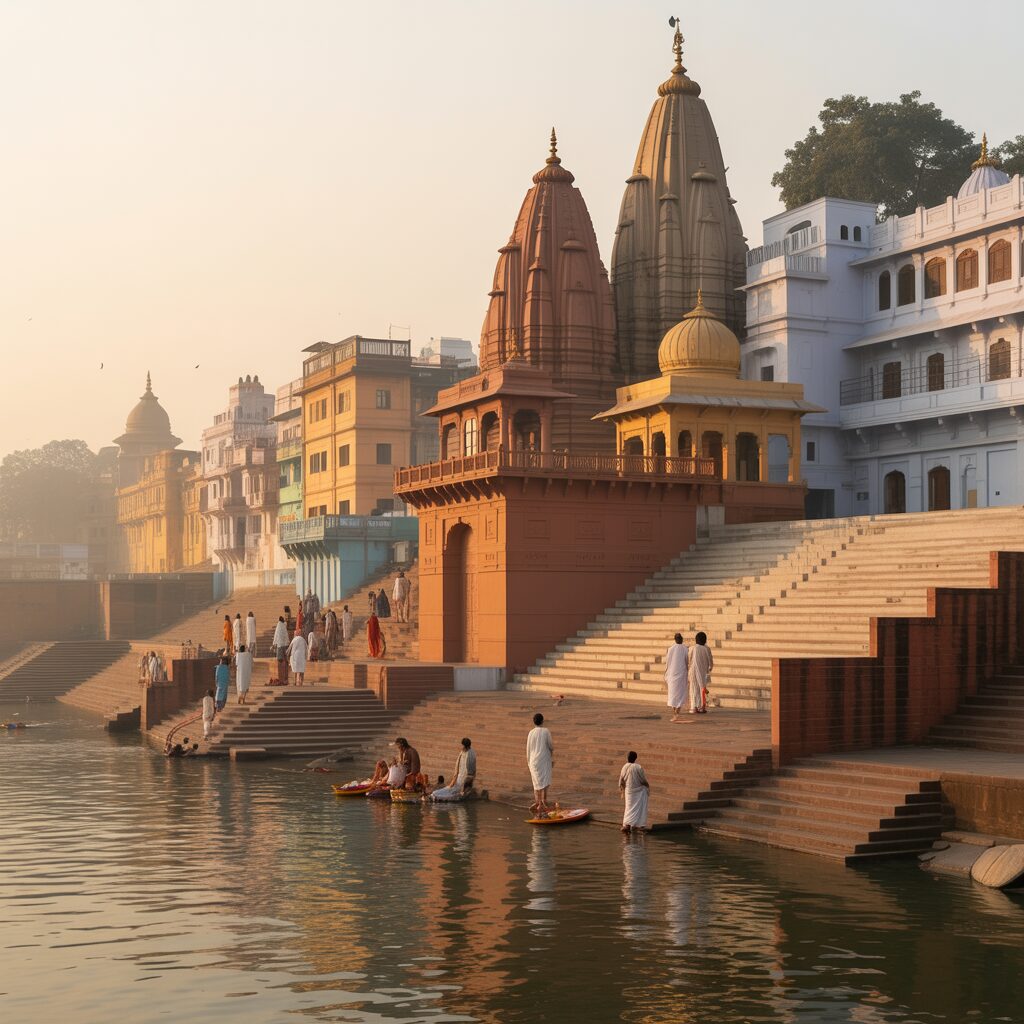
Varanasi isn’t just old – it’s ancient. We’re talking about a city that’s been continuously inhabited for over 3,500 years. When you walk these streets, you’re literally stepping through layers of history that most other cities can only dream about.
What makes Varanasi truly special? It sits at the heart of Hindu cosmology. Many believe this is where Lord Shiva and Goddess Parvati stood at the beginning of time. The city represents the entire universe in Hindu thought – a microcosm of creation itself.
The name comes from the two rivers – Varuna and Asi – that embrace the city before meeting the mighty Ganges. This geographic positioning isn’t accidental. Sacred cities worldwide tend to exist where waterways meet, creating powerful energy confluences.
The Powerful Energy Centers Along the Ganges
The 88 ghats lining the western bank of the Ganges aren’t just steps to the water. Each holds its own story, purpose and energy signature.
Dashashwamedh Ghat pulses with devotional fervor during the evening Ganga Aarti ceremony. The air literally vibrates with bells, chants, and thousands of tiny flames.
Manikarnika Ghat carries a completely different energy – it’s where cremations happen 24/7. Hindus believe dying in Varanasi and having ashes scattered in the Ganges breaks the cycle of rebirth.
Assi Ghat, at the southernmost point, draws yogis and meditators seeking quiet introspection.
Why Pilgrims Have Flocked Here for Millennia
Pilgrims don’t randomly choose Varanasi. They come because the city promises something profound – moksha (liberation from the cycle of death and rebirth).
The belief runs deep: dying in Varanasi means instant liberation. That’s spiritual jackpot in Hindu thought. No wonder so many elderly come here for their final days.
But pilgrims don’t just come for death rituals. They arrive seeking purification through rituals in the Ganges, wisdom from local pandits (scholars), and spiritual clarity found in few other places.
The city also serves as a spiritual classroom. For centuries, gurus have established ashrams here, teaching everything from Vedanta philosophy to classical music. The tradition continues today, with seekers worldwide studying ancient practices in their original setting.
Transformative Spiritual Experiences
A. Witnessing the Ganga Aarti Ceremony at Dashashwamedh Ghat
The Ganga Aarti isn’t just a ceremony—it’s a spectacle that hits all your senses at once. Every evening as the sun dips below the horizon, priests in flowing robes take their positions along Dashashwamedh Ghat, brass lamps in hand. The synchronized movements, the billowing incense, and the hypnotic chanting create something magical.
I stood there last spring, squeezed between travelers and locals alike, all of us transfixed. The flames reflected off the dark waters of the Ganges while bells echoed across the river. Time seems to stop here—you’re not checking your phone or thinking about tomorrow’s plans. You’re just…present.
Many visitors say this single experience shifted something in them. The devotion is palpable, contagious even. You don’t need to understand the Sanskrit mantras to feel their power washing over you.
Pro tip: Arrive at least an hour early to secure a good viewing spot, or better yet, hire a small boat to witness the ceremony from the water. The perspective from the river gives you the full panoramic effect without the crowds pressing in.
B. Participating in Traditional Meditation Practices
Varanasi isn’t a place where meditation feels like an obligation—it feels inevitable. The city practically meditates for you.
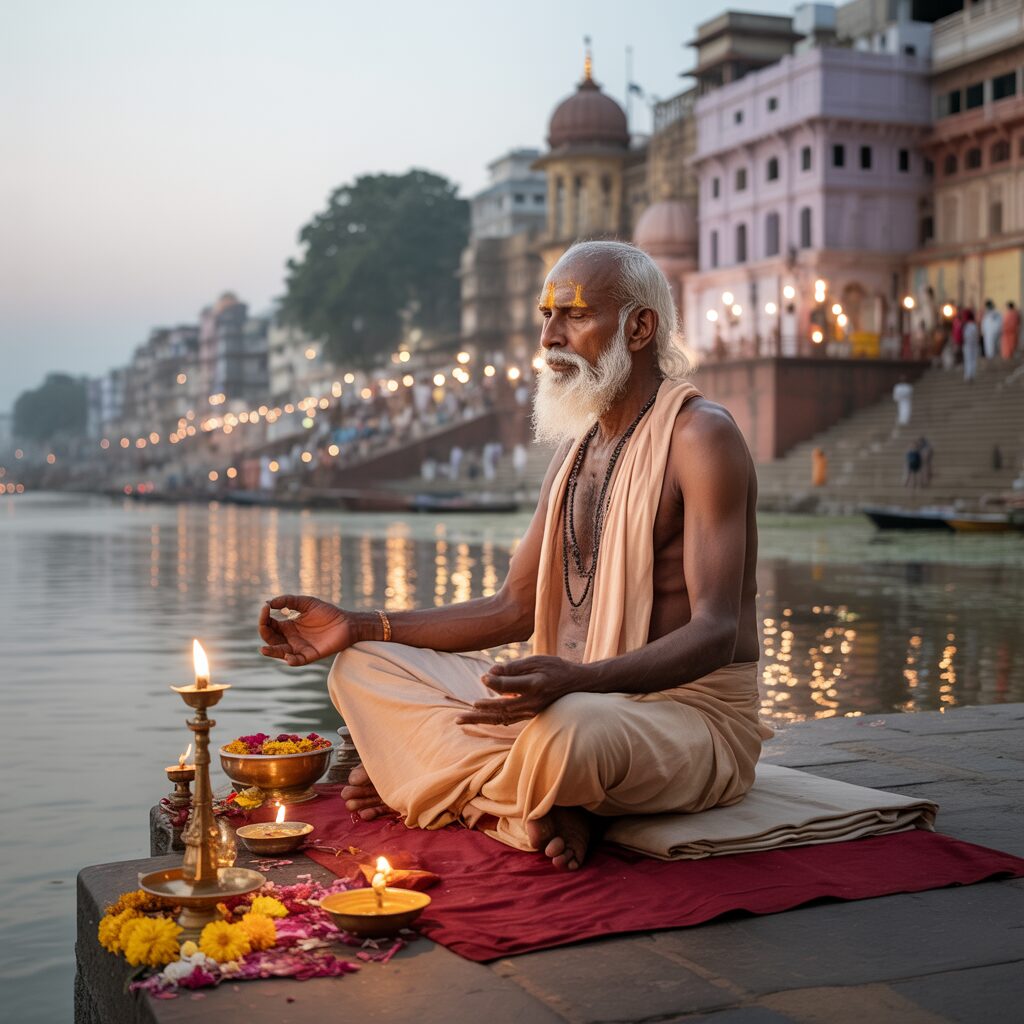
Morning meditation sessions along the ghats come with built-in sound effects: temple bells, Sanskrit chants, and the gentle lapping of the Ganges. Several ashrams open their doors to visitors seeking guided meditation experiences. The Yoga Meditation Center near Assi Ghat offers dawn sessions that blend traditional pranayama (breath control) with meditation techniques dating back thousands of years.
What makes meditation in Varanasi different? It’s the continuity. When you sit in silence here, you’re joining a practice that hasn’t stopped for over 3,000 years. That knowledge alone creates a different quality of stillness.
I watched a businessman from Tokyo sit for his first meditation session near Manikarnika Ghat. “I’ve tried meditation apps for years,” he told me afterward, eyes wide. “Nothing compares to this. The city itself is the teacher.”
C. Finding Inner Peace Among Ancient Temples
Varanasi houses over 23,000 temples, but finding peace isn’t about temple-hopping like a tourist checking boxes.
The Kashi Vishwanath Temple, dedicated to Lord Shiva, pulses with devotional energy. But step away from the main shrine, find a quiet corner, and something shifts. The ancient stones seem to radiate centuries of prayers back to you.
The lesser-known Tulsi Manas Temple offers peaceful gardens where you can sit undisturbed for hours. The Sanskrit inscriptions carved into its walls contain the entire Ramcharitmanas (Ramayana), creating a literal sanctuary of sacred text.
The hidden gem for contemplation? Nepali Temple at Lalita Ghat. Its wooden architecture and smaller crowds create a pocket of tranquility that’s rare even in spiritual destinations.
Each temple has its own frequency. Some visitors find themselves inexplicably drawn to specific sites—trust that pull. Your spiritual journey in Varanasi is deeply personal, and sometimes the temple chooses you.
D. Connecting with Sadhus and Spiritual Masters
The orange-robed sadhus of Varanasi aren’t historical figures—they’re living embodiments of spiritual traditions dating back millennia.
Many travelers hesitate to approach these holy men, but genuine interaction is possible with respectful engagement. Near Manikarnika Ghat, I met Baba Naga, a sadhu who’d renounced worldly possessions 40 years ago. “The questions that brought you to Varanasi,” he told me, “are the same questions that have brought seekers here for thousands of years.”
Authentic spiritual masters don’t advertise. You’ll find them in morning meditation circles or giving impromptu philosophical talks near smaller ghats. The key is approaching with genuine curiosity rather than treating them as tourist attractions.
Some ashrams offer formal opportunities to connect with gurus through satsangs (spiritual discourses). The Mumukshu Bhavan near Assi Ghat hosts evening discussions where visitors can ask questions about Hindu philosophy and meditation practices.
These encounters often become the most transformative elements of a Varanasi journey—moments where ancient wisdom suddenly feels immediate and personal.
Beyond Hinduism: Varanasi’s Multi-Faith Appeal
Exploring Buddhist Connections at Sarnath
Just 10 kilometers from Varanasi sits Sarnath – one of Buddhism’s most sacred sites. This is where Buddha delivered his first sermon after achieving enlightenment. The Dhamek Stupa, standing tall at 128 feet, marks this momentous spot.
When you visit, you’ll find yourself tracing the same paths that pilgrims have walked for 2,500 years. The Archaeological Museum houses the iconic Lion Capital of Ashoka – the same image that became India’s national emblem.
Many travelers come to Varanasi for Hindu experiences but miss this Buddhist treasure. Don’t make that mistake. The contrast between Varanasi’s energetic ghats and Sarnath’s meditative calm creates a perfect spiritual balance.
For a private guided tour of Sarnath, please visit Spiritual experience at Sarnath.
The Islamic Influence in the City’s Architecture
Varanasi isn’t just ancient Hindu temples. Look up and you’ll spot minarets piercing the skyline alongside temple spires. The Gyanvapi Mosque, built in the 17th century, stands as a testament to the city’s diverse heritage.
Walking through the narrow gullies, you’ll notice Islamic architectural elements blended seamlessly with Hindu designs – intricate jaalis (lattice screens), grand arches, and geometric patterns.
The Alamgiri Mosque offers a stunning view of the Ganges. Built by Aurangzeb, it showcases the Mughal influence that’s woven into Varanasi’s fabric.
A Meeting Point for Spiritual Seekers from All Traditions
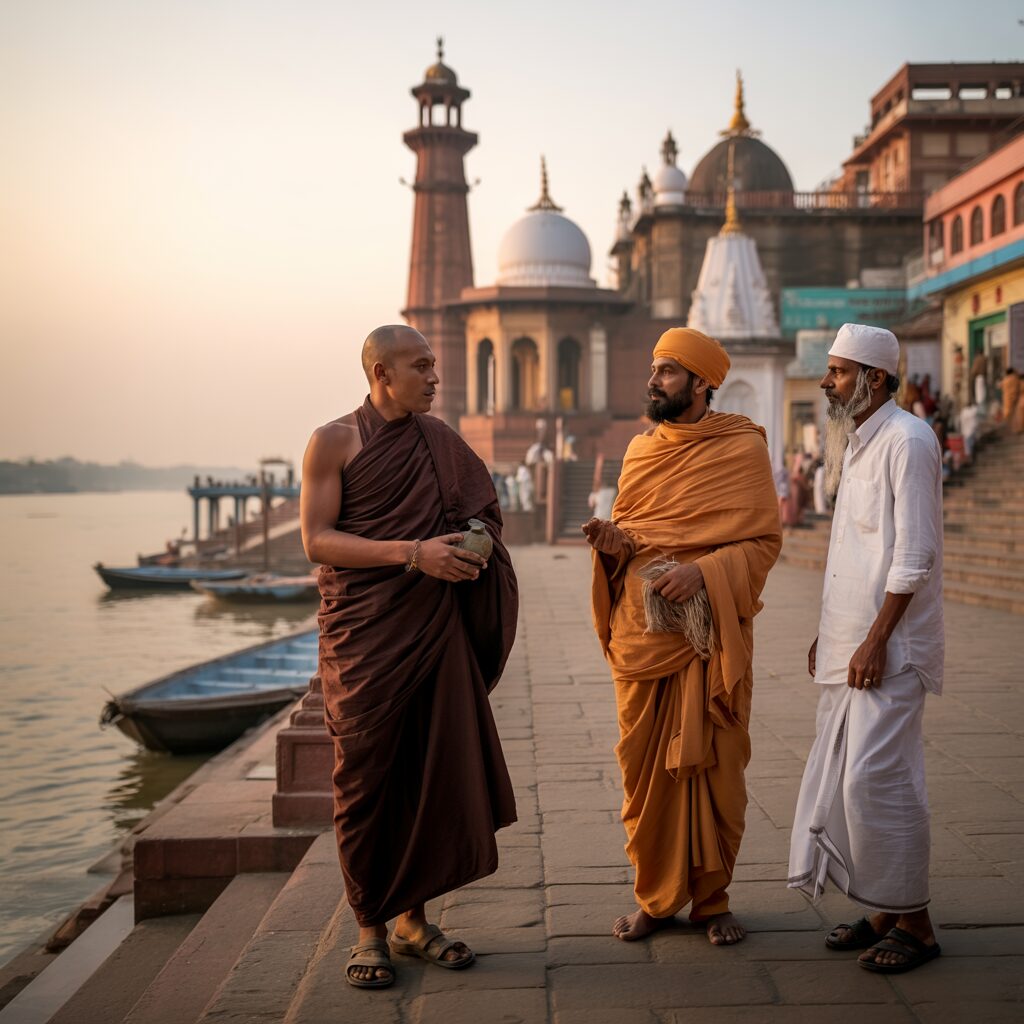
Varanasi attracts souls searching for meaning from every corner of the earth. In the early mornings along the ghats, you might spot Buddhist monks meditating alongside Hindu sadhus, Christian pilgrims, and spiritual nomads with no particular affiliation.
The city hosts countless ashrams and meditation centers that welcome everyone regardless of faith. Places like the International Meditation Centre and Krishnamurti Foundation offer programs that transcend religious boundaries.
Coffee shops like Open Hand and Aum Café have become informal gathering spots where spiritual seekers exchange experiences. You’ll overhear conversations about everything from Vedanta philosophy to Sufi mysticism to quantum physics.
Varanasi doesn’t just tolerate different paths – it celebrates them. This is a city where seeking matters more than what you seek.
Navigating the Labyrinth of Spiritual Sites
Must-Visit Ancient Temples and Their Unique Powers
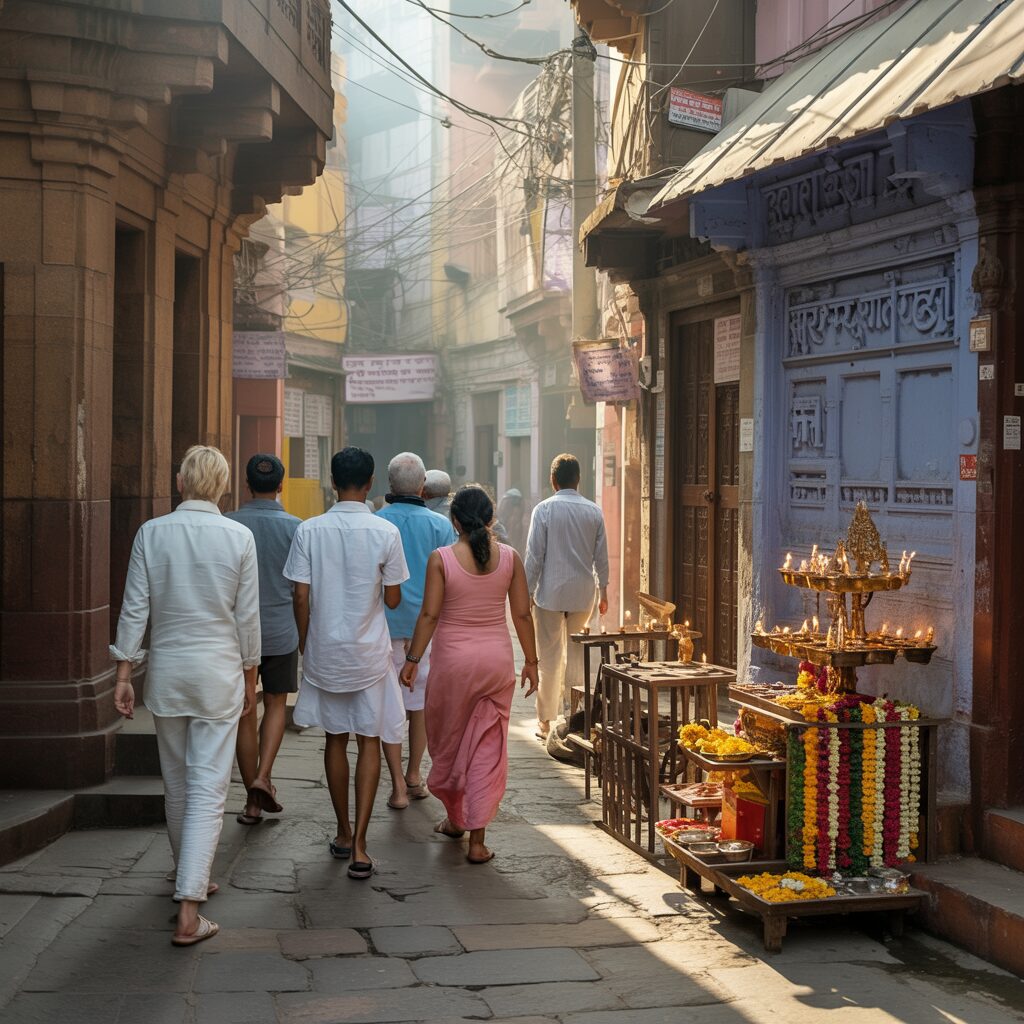
Varanasi’s spiritual landscape is dotted with temples that aren’t just buildings—they’re power centers with unique energies. The Kashi Vishwanath Temple, dedicated to Lord Shiva, is said to grant liberation from the cycle of rebirth. Visit early morning (around 5 AM) to avoid crowds and truly feel its vibration.
The Sankat Mochan Temple offers a different energy altogether. Dedicated to Hanuman, people flock here to remove obstacles from their path. Many swear their seemingly impossible problems dissolved after sincere prayers here.
For those seeking divine feminine energy, Annapurna Temple houses the goddess of food and nourishment. Locals believe a visit ensures you’ll never go hungry in this lifetime.
Hidden Spiritual Gems Off the Tourist Path
Tired of pushing through selfie sticks? Head to Tulsi Manas Temple. While tourists visit, they rarely stay long. The temple commemorates where Tulsidas wrote the Ram Charit Manas, and the peaceful reading sessions held in its courtyard are soul-soothing.
The Nepali Temple sits tucked away near Lalita Ghat. Its wooden architecture stands completely different from other Varanasi temples, offering meditation spaces where you can actually hear yourself think.
My personal favorite? Lahiri Mahasaya’s house in Bengali Tola. This modest space where the great yogi lived contains a meditation room where the air feels different—thicker somehow, as if charged with centuries of mantras.
For a private guided tour of Varanasi, visit Magic of Varanasi.
Sacred Ghats and Their Specific Purposes
The 88 ghats lining the Ganges aren’t interchangeable—each serves a distinct purpose.
Dashashwamedh Ghat hosts the magnificent Ganga Aarti, where fire and chanting create a spiritual spectacle that even skeptics find moving.
Manikarnika Ghat, while intense, offers profound lessons on impermanence as cremations occur 24/7. Don’t photograph, just observe respectfully.
Assi Ghat attracts yogis at sunrise. Join the free morning yoga sessions and watch the city wake up as your body aligns.
Scindia Ghat houses a partially submerged Shiva temple—a powerful metaphor for persistence despite circumstances.
Recommended Spiritual Walking Routes
The Dawn Pilgrimage: Start at Assi Ghat at 5 AM, walk northward to Manikarnika, ending at Kashi Vishwanath Temple by 8 AM. This route traces the journey from life (Assi) through death (Manikarnika) to liberation (Vishwanath).
The Pancha-Tirtha Path connects five sacred water points. Begin at Dashashwamedh, then to Lolark Kund, Pishach Mochan, Bindu Madhav, and end at Asi confluence. This circuit is said to cleanse your five koshas (energy sheaths).
For those with limited time, the Evening Blessing Walk from Assi to Dashashwamedh (6-7:30 PM) lets you witness both neighborhood spiritual routines and the grand aarti finale.
Practical Tips for a Meaningful Spiritual Journey
A. Best Times to Visit for Different Spiritual Experiences
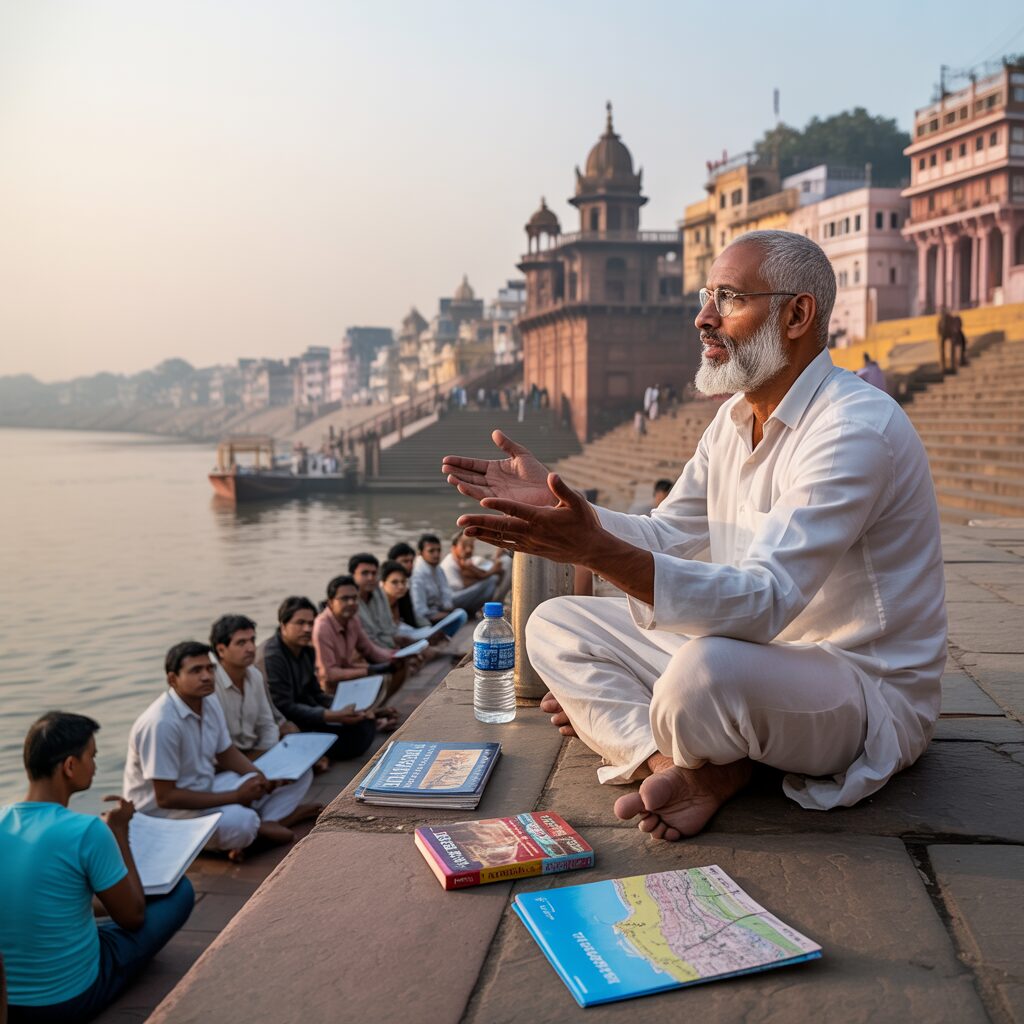
Timing is everything in Varanasi. Dawn boat rides along the Ganges offer serene spirituality as the first rays illuminate ancient ghats. This magical morning light transforms the city and provides perfect conditions for meditation.
Winter (November-February) brings comfortable temperatures and major festivals like Dev Deepawali, when thousands of diyas float on the river. During spring, celebrate Maha Shivaratri when devotees honor Lord Shiva with night-long rituals.
Avoid summer months (April-June) unless you can handle intense heat. Monsoon season (July-September) brings a different beauty as the Ganges swells, though some ceremonies may be limited.
The evening Ganga Aarti happens year-round at Dashashwamedh Ghat – arrive by 5:30pm for good viewing spots.
B. Respectful Participation in Religious Ceremonies
When attending ceremonies in Varanasi, dress modestly – shoulders and knees covered for everyone. Remove shoes before entering temples and sacred spaces.
Never step on offerings or point feet toward altars, priests, or sacred objects. If invited to participate in rituals, follow instructions carefully and ask questions if unsure.
Photography during ceremonies? Always ask permission first, especially during cremations at Manikarnika Ghat, where photography is strictly prohibited.
The most important thing? Approach every ritual with genuine respect. Locals appreciate curious visitors who show sincere interest rather than treating ceremonies as tourist spectacles.
C. Accommodations that Enhance Your Spiritual Connection
Where you stay dramatically impacts your Varanasi experience. Ghat-side accommodations immerse you in the spiritual pulse of the city, with dawn and dusk rituals literally on your doorstep.
Old heritage havelis converted into guesthouses offer authentic character with traditional architecture and often yoga spaces. Many include meditation areas with river views.
For deeper immersion, consider ashram stays like Anandamayi Ashram or Mumukshu Bhawan, which provide simple accommodations with structured spiritual programs and access to knowledgeable guides.
For comfort without sacrificing spirituality, boutique hotels like BrijRama Palace and Suryauday Haveli offer luxury while maintaining traditional aesthetics and spiritual programs.
Budget travelers can find numerous guesthouses around Assi Ghat offering meditation spaces and rooftop views perfect for sunrise contemplation.
D. Ethical Considerations When Photographing Sacred Rituals
The burning ghats of Varanasi present ethical challenges for photographers. Families experiencing profound grief deserve dignity, not documentation. Never photograph cremations without explicit permission – and honestly, it’s better not to ask.
During temple ceremonies, follow these principles: if photography is allowed, shoot from respectful distances, without flash. Pay attention to posted signs and put the camera away when asked.
Remember that spiritual moments belong first to those experiencing them. That perfect shot of a sadhu in meditation? Ask permission before interrupting their practice.
Many locals earn their living posing for photos – if you benefit from their image, offer fair compensation. But be wary of staging “authentic” spiritual moments – this commodifies sacred practices.
The most meaningful images often come when you’ve built relationships and understanding with local communities first.
E. Recommended Duration for Spiritual Transformation
Varanasi isn’t a checkbox destination. True spiritual connection requires time – at minimum, five days allows basic exploration of major ghats and temples while experiencing both dawn and dusk rituals.
For meaningful transformation, consider 7-10 days. This timeline permits deeper immersion, including:
- Daily meditation at different ghats
- Multiple boat journeys at varying times
- Visits to less-touristed temples
- Time for unexpected sacred encounters
- Processing powerful emotions the city evokes
Those seeking profound spiritual work might extend to two weeks or more, incorporating yoga retreats, extended meditation programs, or philosophical studies with local scholars.
Many visitors find themselves returning to Varanasi repeatedly, each visit revealing new layers of this complex spiritual landscape. The city works on its own timeline – rushing through contradicts its very essence.

Why Varanasi Should Be Your Next Spiritual Journey
Varanasi stands as an unparalleled destination for those seeking a profound spiritual awakening. Its sacred geography along the Ganges, transformative experiences from dawn ceremonies to evening aartis, and welcoming atmosphere for all faiths create an environment where personal revelation feels not just possible, but inevitable. The ancient city’s spiritual labyrinth offers endless opportunities for discovery, whether following established routes or allowing intuition to guide your journey.
As you consider your next meaningful travel experience, remember that Varanasi demands presence and openness. Prepare practically—dress modestly, respect local customs, and perhaps engage a knowledgeable guide—but also prepare spiritually by arriving with an open heart and mind. Whether you seek answers to life’s profound questions or simply wish to witness one of humanity’s oldest continuous spiritual traditions, Varanasi awaits to transform not just your understanding of faith, but potentially your very sense of self.
For immersive culture walks in India please visit 5 Senses Walks.
Leave a Reply