
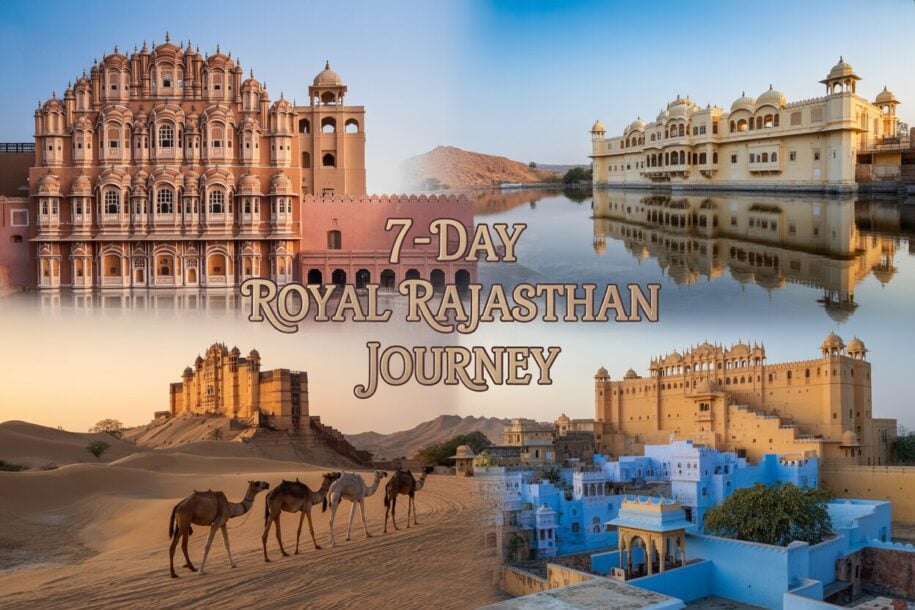
Rajasthan calls to travelers who crave royal grandeur, desert adventures, and authentic Indian culture all rolled into one unforgettable week. This 7-day journey through Royal Rajasthan takes you from majestic palaces to golden sand dunes, perfect for first-time visitors to India and seasoned travelers seeking the country’s most iconic experiences.
You’ll discover how to maximize your time across four legendary cities – from Jaipur’s pink-hued palaces to Jaisalmer’s desert camps under starlit skies. We’ll walk you through essential pre-trip planning that saves you time and money, plus share insider tips for authentic cultural experiences that go beyond typical tourist spots. By the end, you’ll have a clear roadmap for navigating this magical region while soaking up the true soul of India.
Essential Pre-Trip Planning for Your Rajasthan Adventure
Best time to visit for optimal weather and experiences
Rajasthan’s climate can make or break your royal adventure. The sweet spot for visiting this desert state runs from October through March when temperatures hover between 70-85°F during the day and drop to a comfortable 50-60°F at night. This period offers crystal-clear skies perfect for photographing those stunning palace facades and desert sunsets.
Winter months (December-February) bring the most pleasant weather but also the biggest crowds and highest prices. If you prefer fewer tourists and don’t mind slightly warmer days, October-November and February-March strike an excellent balance.
Avoid the scorching summer months (April-September) when temperatures soar above 110°F, making sightseeing unbearable. The monsoon season (July-September) brings humidity and occasional flooding that can disrupt travel plans.
Festival season adds magical cultural experiences to your trip. Diwali (October/November), Holi (March), and the Pushkar Camel Fair (November) showcase Rajasthan’s vibrant traditions, though expect higher accommodation rates and advance booking requirements.
Must-have travel documents and permits
Your passport needs at least six months validity from your travel date. Most visitors require a tourist visa, which you can obtain online through India’s e-visa system or at Indian consulates. The e-visa process typically takes 3-5 business days and costs around $25-80 depending on your nationality.
Keep multiple photocopies of your passport, visa, and travel insurance documents. Store digital copies in cloud storage as backup. Travel insurance covering medical emergencies and trip cancellations is highly recommended, especially given the adventure activities in desert regions.
No special permits are needed for standard tourist attractions in Rajasthan. However, if you plan photography sessions at certain heritage sites or want to visit restricted palace areas, check individual monument requirements. Some locations charge extra fees for camera usage.
Register with your embassy upon arrival for safety updates. Download the Indian government’s Incredible India app for official tourism information and emergency contacts.
Packing essentials for desert and palace visits
Layer-friendly clothing works best for Rajasthan’s temperature swings. Pack lightweight, breathable fabrics like cotton and linen for daytime comfort, plus a warm jacket for chilly desert evenings. Long sleeves and pants protect against sun exposure and show respect when visiting religious sites.
Comfortable walking shoes are non-negotiable – you’ll climb countless palace steps and walk on uneven surfaces. Bring sandals for hot afternoons and closed-toe shoes for desert excursions. A wide-brimmed hat and quality sunglasses shield you from intense desert sun.
Pack a reliable water bottle, high-SPF sunscreen, and a small first-aid kit with basic medications. Power banks keep your devices charged during long sightseeing days, especially important for navigation and photography.
Don’t forget modest clothing for temple visits – shoulders and knees should be covered. A lightweight scarf serves multiple purposes: temple covering, dust protection, and style accessory for photos.
Budget breakdown and money-saving tips
Budget travelers can explore Rajasthan for $30-50 daily, covering accommodation in guesthouses, local transportation, street food, and monument entries. Mid-range travelers should budget $75-150 daily for heritage hotels, private transportation, restaurant meals, and guided tours. Luxury experiences with palace hotels and private guides range from $200-500+ daily.
Daily Cost Breakdown (Mid-range):
- Accommodation: $40-80
- Meals: $15-25
- Transportation: $20-40
- Attractions: $10-20
- Miscellaneous: $10-15
Save money by traveling during shoulder seasons (October-November, February-March), booking accommodations directly with hotels, and using local buses between cities. Street food and local restaurants offer authentic flavors at fraction of tourist restaurant prices.
Many palaces offer combo tickets covering multiple attractions. The Archaeological Survey of India pass provides unlimited access to protected monuments for 15 days at excellent value for monument enthusiasts.
Consider staying in heritage properties outside city centers – they’re often cheaper while providing authentic royal experiences. Negotiate rickshaw fares in advance and use ride-sharing apps in larger cities for transparent pricing.
Day 1-2: Jaipur – The Pink City’s Royal Splendor
Exploring the magnificent Amber Fort and Palace
Perched on a hilltop overlooking Maota Lake, Amber Fort stands as one of Rajasthan’s most spectacular architectural achievements. The climb up the fort’s ramparts on elephant back remains an unforgettable experience, though jeep rides offer a comfortable alternative for those preferring modern convenience.
Inside the fort, the Sheesh Mahal (Mirror Palace) takes your breath away with thousands of tiny mirrors embedded in the walls and ceiling. Light a single candle or use your phone’s flashlight, and watch the entire chamber transform into a starlit sky. The intricate mirror work was designed to illuminate the royal chambers with minimal light sources.
The Diwan-e-Aam (Hall of Public Audience) showcases the Mughal influence on Rajput architecture, while the Sukh Niwas (Hall of Pleasure) features an ingenious cooling system where water cascades down marble channels to naturally air-condition the space. Don’t miss the Ganesh Gate, adorned with beautiful frescoes depicting Lord Ganesha.
Visit during early morning hours to avoid crowds and capture the golden limestone walls in perfect lighting. The sound and light show in the evening brings the fort’s history alive through dramatic narration and illumination, though it’s only available in Hindi and English on alternate days.
Discovering the architectural marvel of City Palace
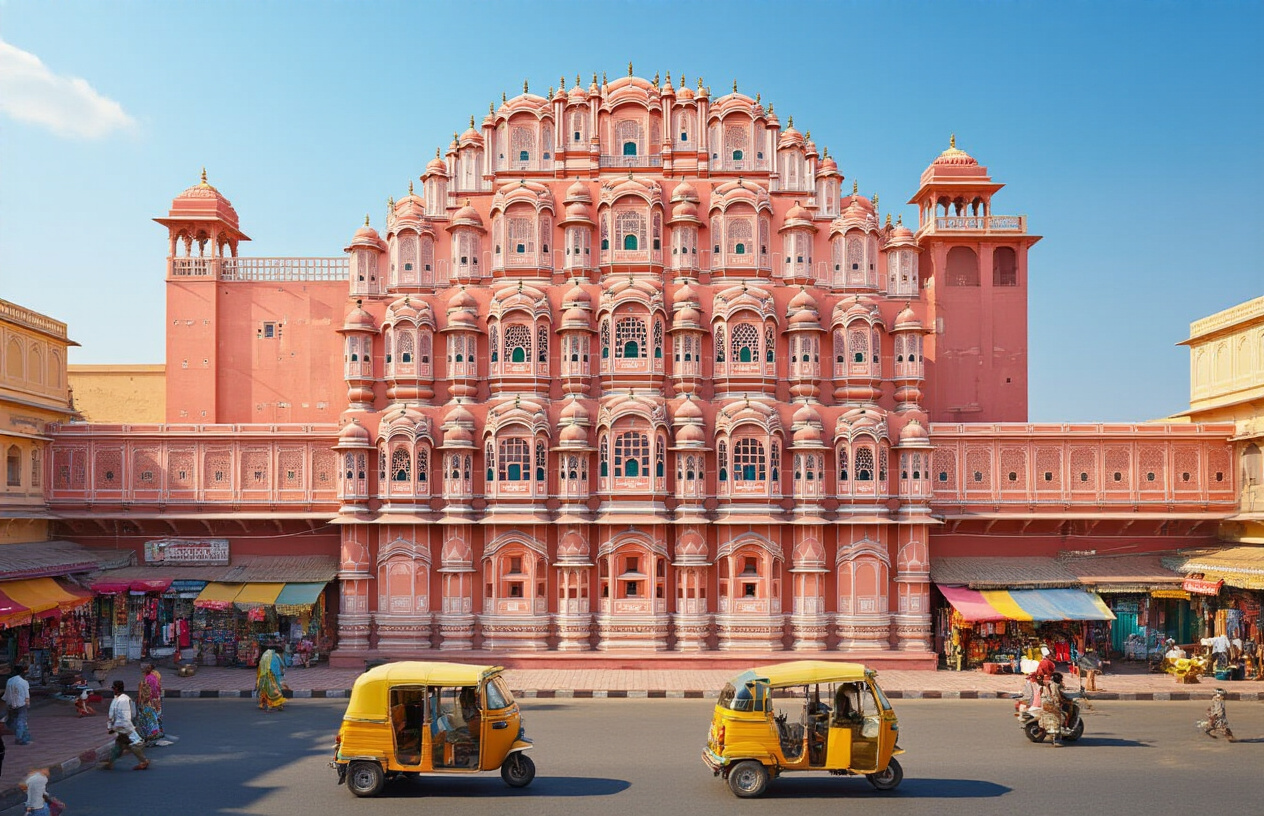
Jaipur’s City Palace complex represents seven centuries of architectural evolution, blending Rajput, Mughal, and European styles into a harmonious masterpiece. Still home to the royal family of Jaipur, parts of the palace function as a museum showcasing royal artifacts, weapons, and textiles.
The Mubarak Mahal (Welcome Palace) houses an impressive textile collection featuring royal costumes, including a robe belonging to Maharaja Sawai Madho Singh I, who stood seven feet tall and weighed 250 kilograms. The Chandra Mahal, with its seven floors, offers stunning views of the city, though only the ground floor remains accessible to visitors.
The Diwan-e-Khas (Hall of Private Audience) contains the world’s largest silver vessels, recorded in the Guinness Book of World Records. Maharaja Sawai Madho Singh II commissioned these massive urns to carry sacred Ganges water during his trip to England, as he refused to drink foreign water.
Plan to spend at least three hours exploring the palace complex. The audio guide provides fascinating stories about royal life, including tales of intrigue, romance, and political maneuvering. Photography inside certain sections requires an additional fee, but the detailed architecture and priceless artifacts make it worthwhile.
Shopping for authentic handicrafts in local bazaars
Jaipur’s bazaars overflow with centuries-old craftsmanship traditions, making the Pink City a shopper’s paradise. Johari Bazaar specializes in precious and semi-precious stones, silver jewelry, and kundan work. The narrow lanes bustle with activity as craftsmen demonstrate their skills right before your eyes.
Bapu Bazaar offers the best selection of textiles, including block-printed fabrics, bandhani (tie-dye) scarves, and embroidered textiles. The famous Jaipur quilts, known as razai, make perfect souvenirs or gifts. Tripolia Bazaar focuses on brass items, copper vessels, and traditional lac jewelry that Jaipur is famous for.
Bargaining is expected and part of the shopping experience. Start by offering 40-50% of the quoted price and negotiate from there. Most shopkeepers speak basic English and are happy to explain the crafting processes behind their products.
For authentic blue pottery, visit the government-approved shops near Amber Fort or the State Emporium on MI Road. These venues guarantee quality and fair pricing, though expect to pay premium rates. Many shops arrange international shipping, making it easy to send larger purchases home.
The evening hours between 5-8 PM offer the best shopping atmosphere when the markets come alive with locals and tourists alike, creating an authentic cultural experience beyond just purchasing souvenirs.
Day 3-4: Udaipur – Venice of the East Experience
Marveling at the Lake Palace’s floating beauty
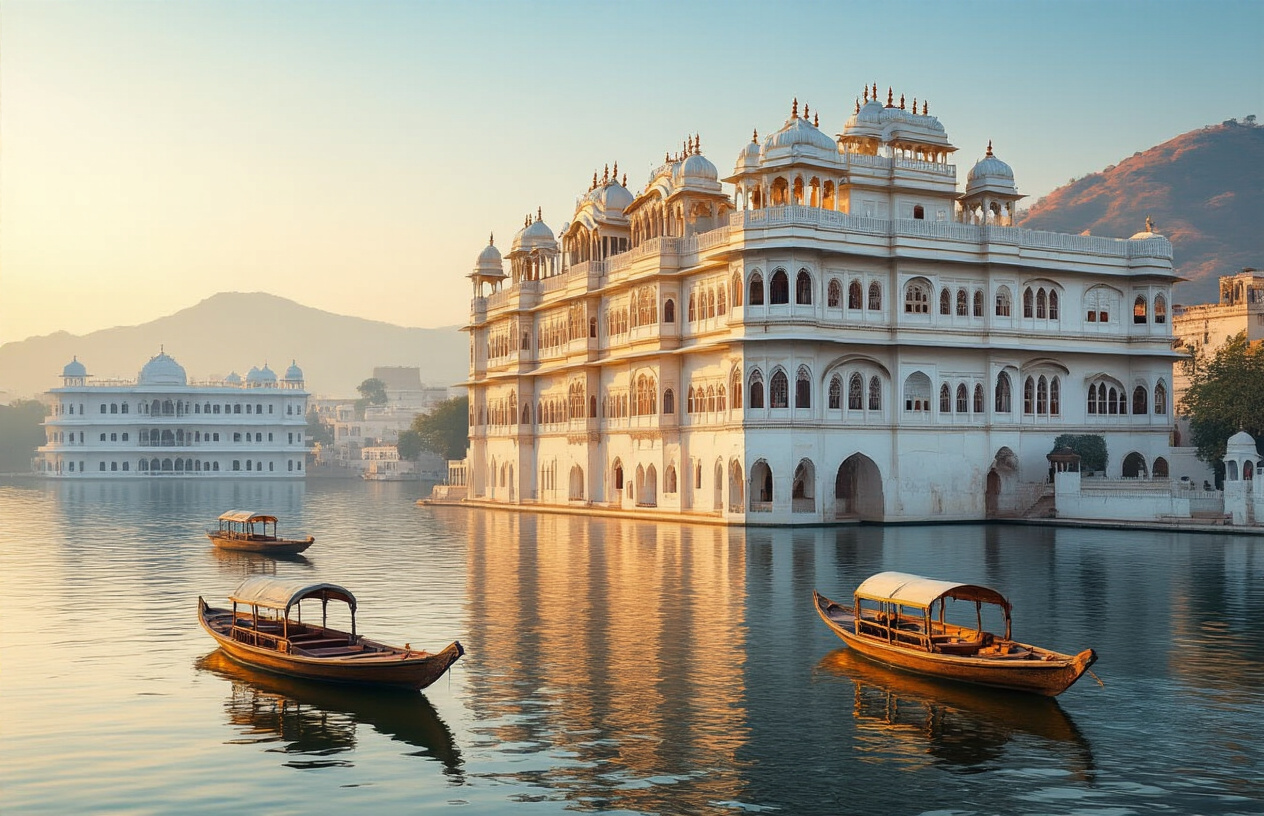
The Lake Palace appears to float like a dream on the shimmering waters of Lake Pichola, creating one of India’s most breathtaking sights. This 18th-century marvel, built entirely of white marble, seems to defy gravity as it sits gracefully in the middle of the lake. Originally constructed as a summer retreat for the royal family, the palace now serves as a luxury hotel, but its ethereal beauty remains accessible to all visitors who witness it from the shores.
Early morning and late afternoon offer the most spectacular views, when the soft light transforms the white marble into a golden canvas. The palace’s reflection creates a perfect mirror image in the calm waters, making it nearly impossible to distinguish where reality ends and the reflection begins. Photography enthusiasts will find countless angles to capture this architectural wonder, each offering a unique perspective on its floating magnificence.
From various vantage points around the lake, visitors can appreciate the palace’s intricate details and the way it harmoniously blends with the surrounding water. The sight becomes even more magical during monsoon season when the lake is full and the palace appears to emerge directly from the water’s surface.
Wandering through the City Palace complex
The City Palace complex stands as Udaipur’s crown jewel, sprawling across multiple levels and offering an incredible journey through centuries of royal history. This massive palace complex, built over 400 years by successive maharanas, showcases a stunning blend of Rajasthani, Mughal, Medieval, European, and Chinese architectural styles.
Walking through the palace feels like stepping into a living museum. The Mor Chowk (Peacock Courtyard) dazzles visitors with its intricate peacock mosaics, each displaying vibrant colors that have remained brilliant for centuries. The Manak Mahal (Ruby Palace) houses an impressive collection of glass and mirror work that creates a kaleidoscope effect when sunlight streams through the windows.
Key highlights include:
- Sheesh Mahal: The mirror palace where thousands of tiny mirrors create stunning light displays
- Bhim Vilas: Features miniature paintings and European-style portraits
- Surya Chopar: The sun courtyard with a magnificent golden sun symbol
- Crystal Gallery: Houses the world’s largest private collection of crystal furniture
The palace museum contains an extraordinary collection of artifacts, including vintage cars, weapons, paintings, and royal memorabilia. Each room tells a different story of royal life, from grand banquet halls to intimate private chambers. The panoramic views from the upper levels provide sweeping vistas of the city, lakes, and surrounding Aravalli Hills.
Enjoying sunset boat rides on Lake Pichola
Lake Pichola transforms into liquid gold during sunset hours, creating an unforgettable experience that captures the romance and magic of Udaipur. The boat rides typically begin an hour before sunset, allowing passengers to witness the gradual transformation of light across the water and surrounding palaces.
Traditional wooden boats, many decorated with colorful cushions and canopies, provide comfortable seating while experienced local boatmen share stories about the lake’s history and the monuments visible from the water. The ride offers unique perspectives of both the Lake Palace and Jag Mandir, another island palace that appears to emerge from the water like something from a fairy tale.
As the sun begins its descent, the entire lakefront comes alive with golden reflections. The City Palace complex, viewed from the water, reveals its true grandeur and scale. The ghats (steps leading to the water) become silhouetted against the evening light, often with local residents performing their evening rituals.
Best timing and tips:
- Book sunset rides 2-3 hours in advance during peak season
- Choose boats with comfortable seating and shade options
- Bring a camera with good low-light capabilities
- Consider evening cultural performances on some boat tours
- Private boats offer more personalized experiences
The gentle lapping of water against the boat, combined with the stunning visual spectacle, creates a meditative experience that many travelers describe as the highlight of their Udaipur visit.
Experiencing traditional Rajasthani cultural performances
Udaipur’s cultural performances bring centuries-old traditions to life through music, dance, and storytelling that showcase the rich heritage of Rajasthan. These authentic performances, held in various venues throughout the city, offer visitors an immersive glimpse into the soul of Rajasthani culture.
The Bagore Ki Haveli evening cultural show ranks among the city’s most popular performances, held in a beautifully restored 18th-century haveli. The program features traditional folk dances including the mesmerizing Ghoomar, performed by women in vibrant, flowing skirts that create spectacular circular patterns. The Kalbeliya dance, performed by the snake charmer community, showcases incredible flexibility and grace as dancers move like serpents to hypnotic music.
Performance highlights include:
- Fire dancing: Brave performers dance while balancing fire pots on their heads
- Puppet shows: Traditional Kathputli performances with colorful marionettes
- Folk music: Live performances featuring traditional instruments like the sarangi and tabla
- Turban tying demonstrations: Interactive sessions showing the art of traditional headwear
Several luxury hotels and heritage properties host private cultural evenings, often combined with traditional Rajasthani dinners served on silver thalis. These intimate settings allow for closer interaction with the performers and deeper understanding of the cultural significance behind each art form.
The City Palace also organizes special cultural programs during festivals and important occasions. Street performances occasionally pop up in the old city areas, where local artists share their talents with spontaneous audiences, creating authentic cultural exchanges that money can’t buy.
Day 5-6: Jaisalmer – Golden City Desert Adventure
Exploring the living fort of Jaisalmer
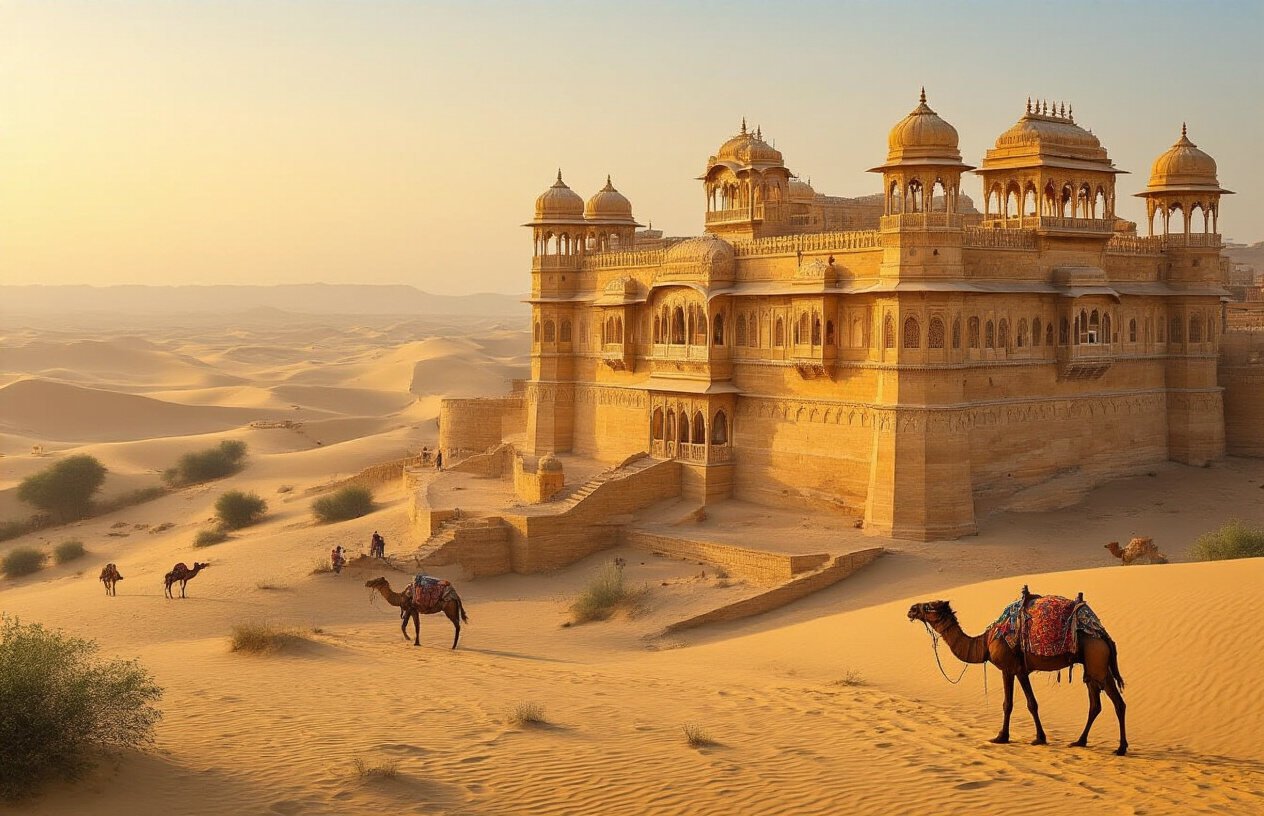
Sonar Quila, or the Golden Fort, stands as one of the world’s few remaining living forts where families have resided for over 800 years. Built from golden sandstone, this UNESCO World Heritage site transforms throughout the day as sunlight dances across its walls, creating a mesmerizing honey-golden glow that gives Jaisalmer its nickname.
Walking through the fort’s narrow cobblestone streets feels like stepping back in time. Ancient Jain temples within the fort showcase exquisite stonework and intricate mirror work that reflects light in stunning patterns. The Raj Mahal (Royal Palace) offers panoramic views of the surrounding desert landscape, while local artisans continue age-old traditions right where their ancestors once worked.
The fort houses shops selling traditional textiles, jewelry, and handicrafts, but what makes it truly special is watching daily life unfold. Children play in courtyards while women draw water from ancient wells, creating an authentic glimpse into desert life that has remained largely unchanged for centuries.
Camel safari through the Thar Desert dunes
The real magic of Jaisalmer begins where the city ends – in the vast expanse of the Thar Desert. Sam Sand Dunes, located 40 kilometers from the city center, serves as the gateway to this unforgettable adventure. Your camel safari typically begins in late afternoon when the desert heat becomes more bearable.
These gentle giants, often called “ships of the desert,” carry you across rolling sand dunes that stretch endlessly toward the horizon. The rhythmic swaying motion and soft padding of camel feet create a meditative experience unlike any other form of travel. Your camel driver, usually a local Rajasthani with deep desert knowledge, shares stories about desert survival, local folklore, and points out wildlife tracks in the sand.
The golden hour before sunset transforms the desert into a photographer’s paradise. Sand dunes shift color from pale gold to deep amber, creating dramatic shadows and highlights. Many safaris include stops at remote villages where you can witness traditional desert life and enjoy chai prepared over open fires.
Overnight camping under the desert stars
Desert camping in Jaisalmer offers one of India’s most magical experiences. As darkness falls, the temperature drops dramatically, making the desert surprisingly comfortable. Traditional desert camps provide everything from basic tent accommodations to luxury setups with attached bathrooms and comfortable bedding.
The real show begins when you look up. With virtually no light pollution, the Thar Desert offers some of the clearest night skies you’ll ever witness. The Milky Way stretches across the heavens like a cosmic river, while shooting stars frequently streak across the darkness. Local guides often share constellation stories passed down through generations of desert dwellers.
Evening entertainment includes traditional Rajasthani folk music and dance performances around crackling bonfires. Musicians play haunting melodies on traditional instruments while dancers in colorful costumes perform stories through movement. The combination of rhythmic music, flickering firelight, and endless starry skies creates an almost mystical atmosphere.
Dinner typically features authentic Rajasthani cuisine prepared in traditional desert style, including dal, vegetables, fresh bread, and sweet treats, all cooked over open flames that add a smoky flavor you won’t find anywhere else.
Discovering ancient havelis and their intricate carvings
Jaisalmer’s merchants once controlled lucrative trade routes between India and Central Asia, accumulating vast wealth that they invested in magnificent mansions called havelis. These architectural marvels showcase some of India’s finest stone carving work, with facades so detailed they resemble intricate lacework made from golden sandstone.
Patwon Ki Haveli, actually a cluster of five connected mansions, represents the pinnacle of haveli architecture. Built over 50 years in the 19th century, each section features unique carved balconies, window screens (jharokhas), and doorways that demonstrate different artistic styles. The intricate work includes floral motifs, geometric patterns, and scenes from daily life, all carved with precision that rivals modern machinery.
Salim Singh Ki Haveli stands out with its distinctive peacock-shaped roof and 38 ornate balconies, each carved differently. Local legend claims the owner planned to add more floors to match the Maharaja’s palace height, but was stopped by royal decree. The haveli’s architectural details include dancing peacocks, flower garlands, and mythological figures that tell stories through stone.
Nathmal Ki Haveli presents a fascinating study in collaborative artistry. Two architect brothers worked on different sides of the facade simultaneously, creating subtle differences that add character rather than detract from the overall beauty. The elephant carvings flanking the entrance are particularly noteworthy, with each detail meticulously crafted to showcase the family’s wealth and artistic patronage.
Day 7: Jodhpur – The Blue City’s Magnificent Heritage
Conquering the imposing Mehrangarh Fort
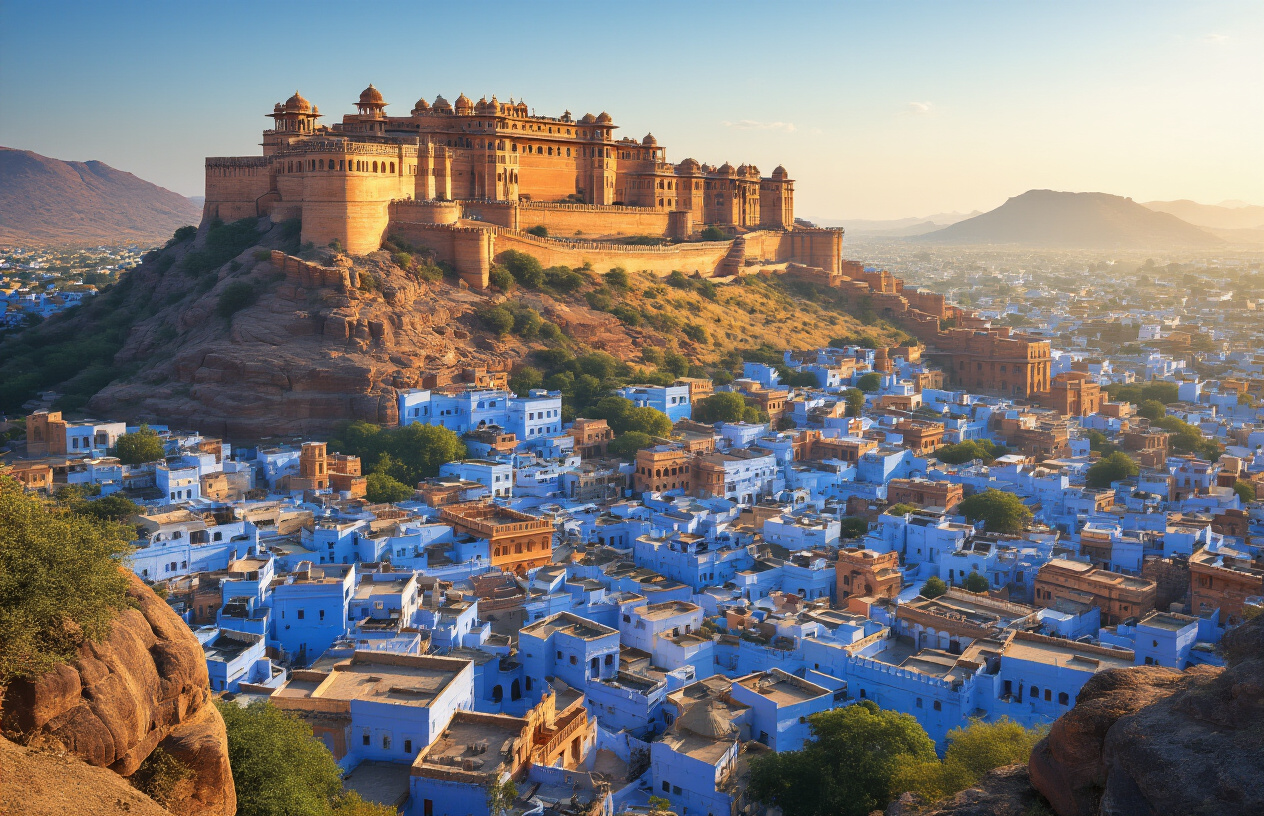
Standing 400 feet above Jodhpur, Mehrangarh Fort dominates the skyline like a massive sandstone crown. This architectural masterpiece, built in 1459, ranks among India’s most impressive fortifications. The steep climb to the entrance gate rewards you with breathtaking panoramic views of the Blue City sprawling below.
The fort’s seven gates tell stories of victory and valor. At Jayapol Gate, victory over Jaipur and Bikaner armies is commemorated, while handprints of royal widows who performed sati remain visible at Loha Pol Gate. Inside, the palace complex houses some of Rajasthan’s finest examples of royal architecture.
The Moti Mahal (Pearl Palace) showcases intricate mirror work and colorful glass windows that create rainbow patterns across marble floors. In Phool Mahal (Flower Palace), gold leaf paintings and Belgian glass dance across walls where maharajas once held court. The museum displays an extraordinary collection of palanquins, royal cradles, miniature paintings, and weapons that span centuries of Rajput heritage.
Don’t miss the fort’s audio guide narrated by the current maharaja himself. The ramparts offer perfect photo opportunities, especially during sunset when the honey-colored stones glow against the deepening sky. Plan at least three hours to properly explore this magnificent fortress.
Strolling through the blue-painted old city streets
Below Mehrangarh Fort lies one of India’s most photogenic neighborhoods. The old city’s maze of narrow streets showcases hundreds of indigo-blue houses that earned Jodhpur its “Blue City” nickname. Originally, only Brahmin families painted their homes blue to signify their high caste, but the tradition spread throughout the community.
The blue paint serves practical purposes beyond aesthetics. The lime-based blue wash repels insects, keeps interiors cooler, and provides protection against harsh desert weather. Walking these winding alleys feels like stepping into a living artwork where every corner reveals new shades of azure and cobalt.
Start your exploration at Navchokiya, the main square near the clock tower. Here, spice vendors display pyramids of turmeric, red chilies, and cardamom in vibrant contrast to blue walls. Local families sit on doorsteps, children play cricket in tiny courtyards, and women in colorful saris create moving masterpieces against the monochrome backdrop.
The narrow lanes hide small temples, traditional havelis with carved wooden balconies, and tiny shops selling everything from silver jewelry to handwoven textiles. Street food stalls offer makhaniya lassi (saffron-flavored yogurt drink) and mirchi vada (spicy fritters) that locals have perfected over generations. Getting lost here isn’t a problem—it’s the whole point.
Visiting the opulent Umaid Bhawan Palace
Umaid Bhawan Palace represents the last word in royal extravagance. Built between 1928 and 1943, this Art Deco masterpiece required 15 years to complete and employed 3,000 workers during the construction period. The palace was commissioned during a severe drought to provide employment for local craftsmen and laborers.
The structure uses golden-yellow sandstone and pink sandstone, creating a warm honey-colored facade that changes with the light throughout the day. With 347 rooms, it ranks among the world’s largest private residences. Today, the palace operates as three entities: a luxury hotel, a museum, and the current maharaja’s private residence.
The museum section showcases the royal family’s collection of vintage cars, clocks, and stuffed animals from hunting expeditions. The Durbar Hall features intricate frescoes and a stunning dome painted with zodiac signs. Crystal and china collections display pieces from around the world, while the clock gallery contains timepieces that still chime on the hour.
Even if you’re not staying at the hotel portion, you can enjoy afternoon tea in the magnificent gardens or dine at one of the restaurants. The palace grounds include manicured gardens, a marble indoor swimming pool, and tennis courts. The panoramic views from the palace terraces encompass the entire Blue City and surrounding Thar Desert landscape.
The current maharaja, Gaj Singh II, still resides in part of the palace and occasionally makes public appearances during special events and festivals.
Authentic Cultural Immersion Experiences
Participating in Traditional Cooking Classes
Rajasthani cuisine tells stories through every spice blend and cooking technique passed down through generations. In Jaipur, family-run cooking schools offer intimate sessions where you’ll grind masalas by hand using traditional stone mortars and learn the art of perfect roti-making. Local home cooks share secret family recipes for dal baati churma and ghevar, sweet treats that define the region’s culinary identity.
Udaipur’s lakeside cooking experiences stand out for their scenic settings and focus on royal recipes once prepared in palace kitchens. You’ll discover how to balance the five essential tastes in Rajasthani cooking and understand why certain spices are paired together. The hands-on approach means you’ll return home with skills to recreate authentic flavors in your own kitchen.
| City | Signature Dishes to Learn | Unique Features |
|---|---|---|
| Jaipur | Dal Baati Churma, Laal Maas | Family-style teaching |
| Udaipur | Royal Thali, Kachori | Palace-inspired recipes |
| Jodhpur | Mirchi Bada, Mawa Kachori | Street food focus |
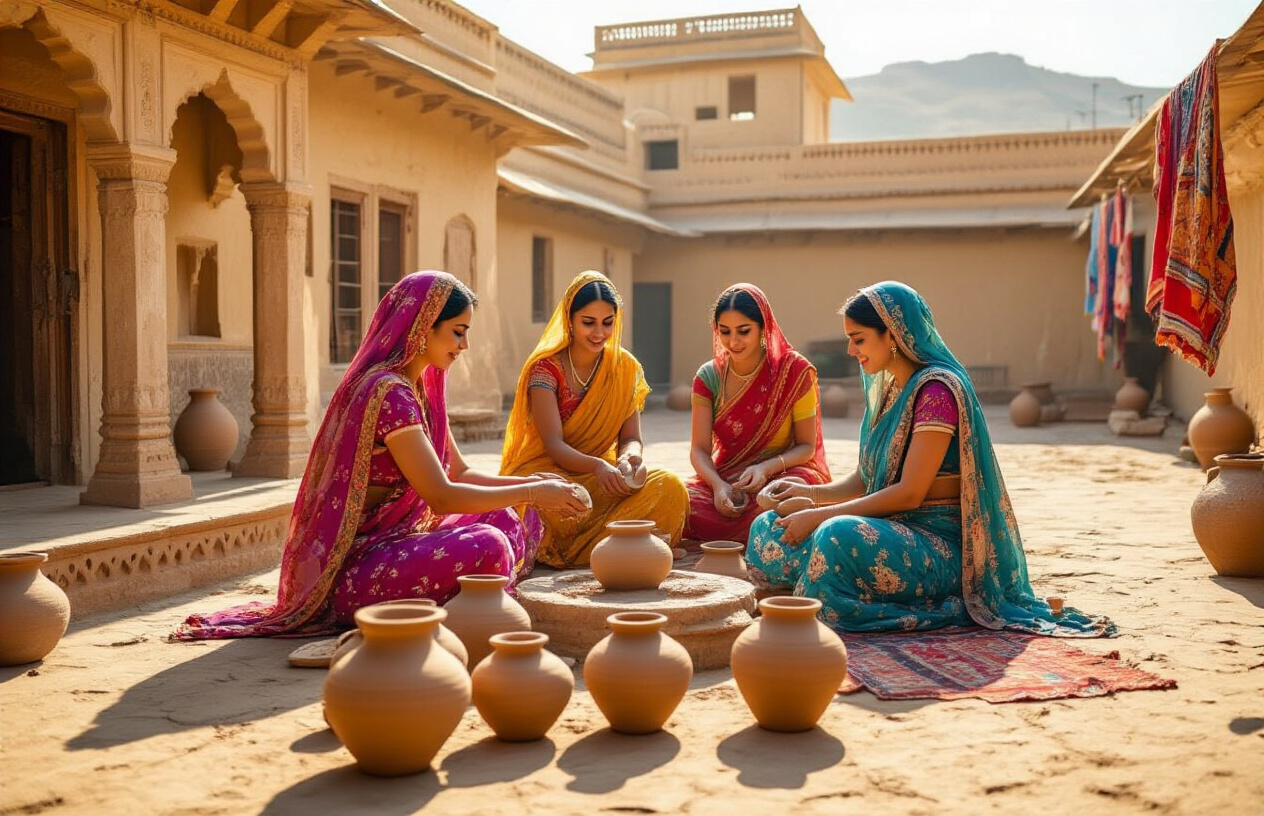
Rural cooking classes outside major cities offer the most authentic experiences. Village women teach traditional preservation methods and seasonal cooking using clay ovens and wood fires, creating flavors impossible to replicate with modern equipment.
Attending Local Festivals and Celebrations
Rajasthan’s festival calendar bursts with color, music, and spiritual energy that transforms entire cities into celebration venues. The Desert Festival in Jaisalmer during February showcases camel races, folk dance competitions, and turban-tying contests under star-filled skies. Local families welcome visitors to join evening celebrations, sharing traditional sweets and teaching folk songs passed down through generations.
Pushkar’s Camel Fair in November creates a surreal landscape where thousands of camels, horses, and cattle converge alongside pilgrims and traders. Beyond the famous livestock trading, you’ll witness authentic Rajasthani rural life as families camp in colorful tents, preparing meals over open fires and sharing stories under desert stars.
Religious festivals offer profound spiritual experiences:
- Karva Chauth: Join married women in prayer ceremonies and mehendi applications
- Diwali: Experience the festival of lights in its birthplace with community prayers and firework displays
- Holi: Participate in color throwing celebrations that break down social barriers
- Teej: Witness monsoon celebration rituals and traditional swing ceremonies
Smaller village festivals provide the most intimate experiences. Local temple celebrations, harvest festivals, and community weddings welcome respectful visitors with genuine warmth. These events reveal Rajasthan’s social fabric and offer opportunities for meaningful cultural exchange.
Meeting Artisans and Learning Ancient Crafts
Rajasthan’s artistic traditions survive through master craftspeople who welcome visitors into workshops that double as living museums. In Jaipur’s traditional bazaars, block printing artisans demonstrate techniques unchanged for centuries. Watch skilled hands carve intricate wooden blocks and apply natural dyes to create patterns that require precise timing and generations of knowledge.
Blue pottery workshops in Jaipur offer hands-on experiences with this unique Persian-influenced art form. Master potters guide you through shaping, painting, and glazing processes while sharing stories about their family traditions and the challenges of keeping ancient techniques alive in modern times.
Jaisalmer’s stone carving workshops showcase skills that built the city’s magnificent havelis. Local artisans teach basic carving techniques while explaining how different tools create various textures and patterns. You’ll gain appreciation for the months or years required to complete intricate architectural details.
Traditional Crafts to Experience:
- Miniature Painting (Udaipur): Learn delicate brushwork and natural pigment preparation
- Leather Work (Jodhpur): Create mojaris (traditional shoes) using hand-stitching techniques
- Jewelry Making (Jaipur): Work with silver wire and semi-precious stones
- Textile Weaving (Rural villages): Operate traditional looms and understand pattern creation
- Puppet Making (Jaisalmer): Craft kathputli dolls using traditional materials and painting methods
Rural craft villages provide the most authentic experiences. Artisan families open their homes and workshops, offering multi-day learning experiences where you’ll understand not just techniques but the cultural significance of each craft form. These interactions often develop into lasting friendships and deeper understanding of Rajasthani artistic heritage.
Practical Travel Tips for Maximum Enjoyment
Transportation Options Between Cities
Getting around Rajasthan efficiently can make or break your royal adventure. The Palace on Wheels luxury train offers the most elegant experience, complete with butler service and gourmet meals, though it comes with a premium price tag starting around $3,000 per person. For those seeking comfort without breaking the bank, AC sleeper trains connect major cities overnight – book through IRCTC or ask your hotel to help with reservations.
Private cars with drivers provide maximum flexibility and typically cost $40-60 per day depending on distance. Reliable operators like Rajasthan Tourism Development Corporation offer transparent pricing and well-maintained vehicles. Flying saves time between distant cities like Jaipur to Jaisalmer, with airlines like IndiGo and SpiceJet offering competitive rates.
Avoid local buses for long distances – they’re overcrowded and uncomfortable for tourists with luggage. Instead, consider luxury bus services like Volvo coaches that run between major tourist centers with AC and reclining seats.
Accommodation Recommendations for Every Budget
Luxury ($200-800/night): Stay like royalty at converted palaces such as Taj Lake Palace in Udaipur or Rambagh Palace in Jaipur. These heritage hotels offer authentic royal experiences with impeccable service, though book well in advance.
Mid-range ($50-150/night): Boutique haveli hotels provide character and comfort without palace prices. Look for properties like Hotel Pearl Palace in Jaipur or Jagat Niwas Palace in Udaipur that balance authenticity with modern amenities.
Budget ($15-40/night): Clean guesthouses and hostels are abundant in tourist areas. Zostel offers reliable backpacker accommodations, while family-run establishments provide local warmth and home-cooked meals.
Always read recent reviews on TripAdvisor or Booking.com, as service quality can vary dramatically. Book directly with hotels when possible to secure better rates and room upgrades.
Food Safety and Must-Try Rajasthani Dishes
Street food tempts at every corner, but smart choices prevent stomach troubles. Eat at busy stalls with high turnover – fresh food means safer food. Avoid raw vegetables, ice cubes, and tap water. Stick to bottled water brands like Bisleri or Kinley.
Essential Rajasthani dishes to experience:
- Dal Baati Churma: Lentil curry with baked wheat balls and sweet crumble
- Laal Maas: Fiery red meat curry that’s not for the faint-hearted
- Ker Sangri: Desert beans and berries cooked with spices
- Ghevar: Honeycomb-like sweet perfect with masala chai
- Pyaaz Kachori: Crispy pastries stuffed with spiced onions
Popular restaurant chains like Chokhi Dhani offer tourist-friendly versions of local cuisine. For authentic experiences, ask locals for their favorite family restaurants – they know where the real flavors hide.
Photography Etiquette at Palaces and Sacred Sites
Photography rules vary dramatically across Rajasthan’s monuments. Many palaces charge separate camera fees ranging from ₹50-200 for still photography and ₹100-500 for video recording. The City Palace in Udaipur prohibits photography in certain royal apartments, while Mehrangarh Fort in Jodhpur allows pictures everywhere except the museum galleries.
Sacred site guidelines:
- Never photograph people praying without permission
- Remove shoes before entering temple complexes
- Avoid flash photography of ancient paintings and artifacts
- Some Jain temples completely prohibit cameras
Respectful photography practices:
- Ask before photographing locals, especially women
- Offer to share photos with subjects via WhatsApp
- Tip street performers after photographing them
- Respect “no photography” signs without argument
Early morning and late afternoon provide the best lighting for architectural photography. Golden hour shots of Jaisalmer Fort and Amber Palace create magical memories worth the early wake-up calls.
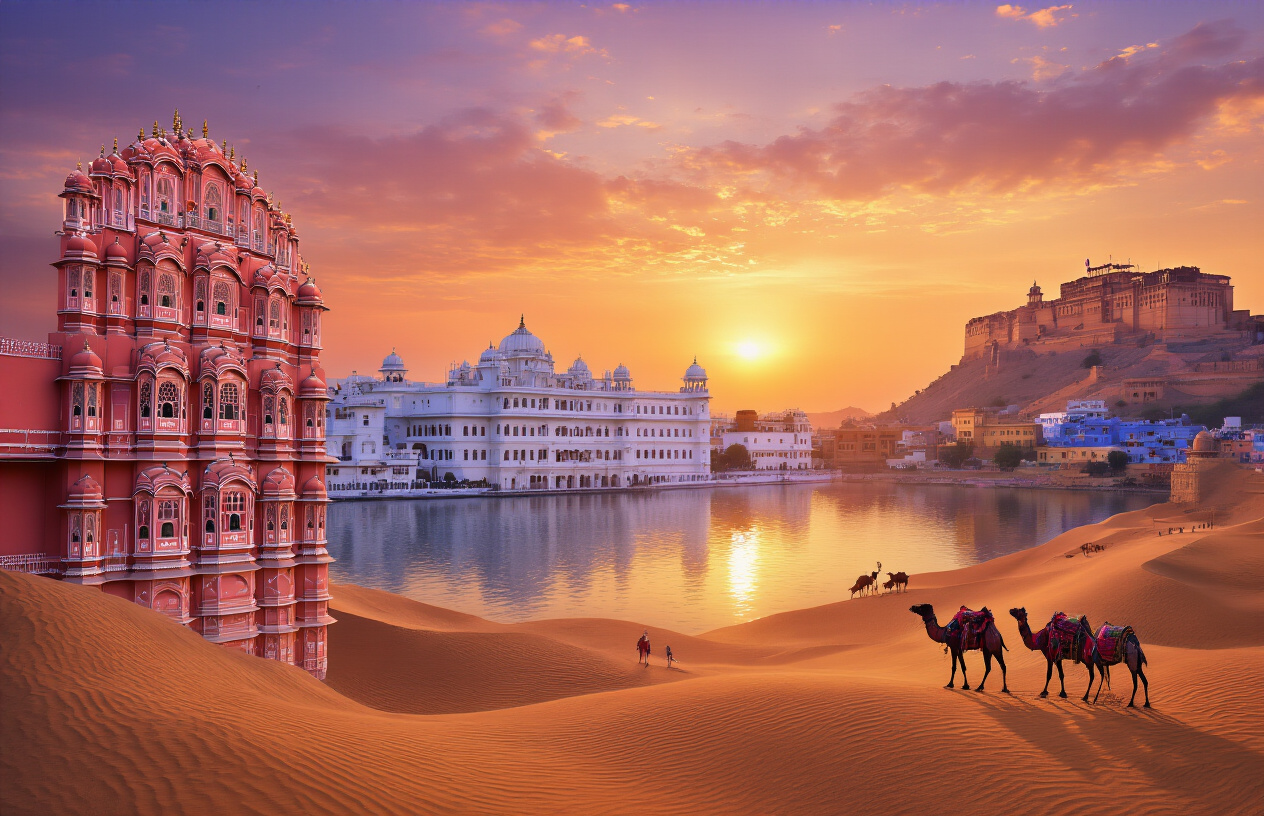
Rajasthan offers an unforgettable week of royal heritage, stunning architecture, and desert magic that stays with you long after you leave. From the pink sandstone walls of Jaipur’s palaces to the golden dunes surrounding Jaisalmer, each city reveals a different facet of India’s most majestic state. The turquoise lakes of Udaipur and the blue-painted houses of Jodhpur create a colorful tapestry that captures the essence of royal India at every turn.
Start planning your seven-day Rajasthan adventure today and prepare for a journey that will awaken your senses and create memories for a lifetime. Pack comfortable walking shoes, bring your camera, and keep an open mind for the cultural experiences that await around every corner. This royal state doesn’t just show you India’s history – it lets you live it, taste it, and feel it in ways that will change how you see the world.
Leave a Reply