
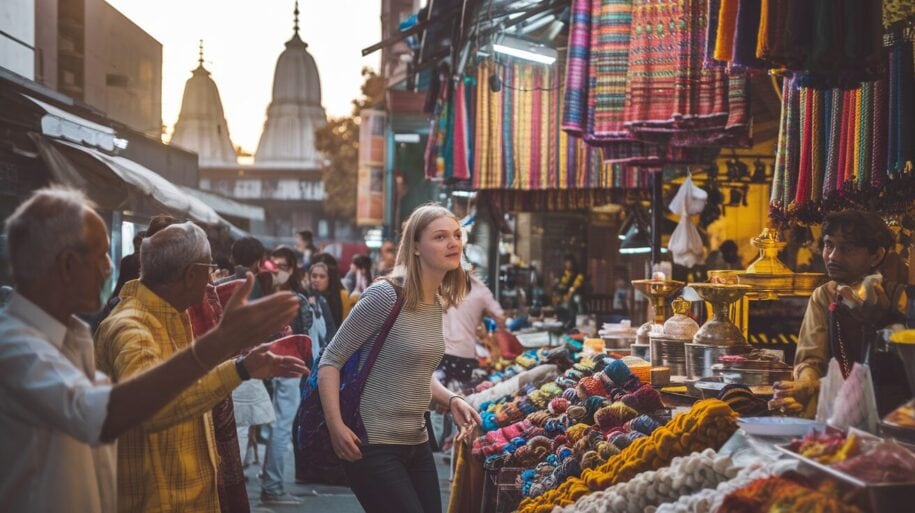
Ever landed in India and immediately felt your brain short-circuit at the symphony of honking horns, technicolor sarees, and that unmistakable blend of spices hitting your nostrils all at once? You’re not alone. About 85% of first-time visitors experience moderate to severe India’s culture shock within their first 48 hours.
I’ve spent 7 years helping bewildered tourists navigate India’s beautiful chaos, and I promise: that initial overwhelm can transform into pure fascination.
This guide to managing culture shock in India will walk you through exactly what to expect, from bathroom etiquette to head-wobble decoding, so you can skip the panic and jump straight to enjoying this magnificent sensory overload.
But first, let me tell you about the American CEO who arrived determined to “handle India” – and why his approach got absolutely everything wrong.
Understanding India’s Cultural Landscape
Regional Diversity: North, South, East, and West Differences
India isn’t just a country – it’s like 29 mini-countries rolled into one.
You’ll notice this the moment you travel between regions. The North with its Mughal influence feels worlds apart from the temple-dotted South. In Delhi, you might devour buttery naan and rich curries, while in Chennai, you’re more likely to enjoy rice, sambar, and coconut-infused dishes on a banana leaf.
Even the traditional clothing changes dramatically. The colorful Rajasthani turbans and lehengas of the Northwest contrast sharply with the simple white mundu and kasavu sarees of Kerala.
And don’t get me started on languages! What works in Mumbai won’t help you in Kolkata:
| Region | Dominant Languages | Typical Greeting |
|---|---|---|
| North | Hindi, Punjabi | “Namaste” with palms together |
| South | Tamil, Telugu, Malayalam | “Vanakkam” or head nod |
| East | Bengali, Odia | “Nomoshkar” with slight bow |
| West | Gujarati, Marathi | “Kem Cho” or “Namaskar” |
The Role of Religion in Daily Life
Religion isn’t something Indians do on weekends – it’s woven into everyday life.
Morning prayers, evening aartis, and constant festivals are the norm rather than exceptions. You’ll spot tiny street-corner shrines that bustle with devotees, roadside vendors selling prayer items, and taxi drivers with miniature deities on their dashboards.
The religious calendar shapes everything. Diwali shuts down entire cities for celebrations. Ramadan transforms Muslim neighborhoods with night markets and special foods. During Ganesh Chaturthi in Mumbai, massive processions block traffic as towering Ganesh idols make their way to the sea.
Religion also dictates food habits – from strict vegetarianism among many Hindus to halal requirements for Muslims. Even business decisions might factor in auspicious dates and times according to religious calendars.

For guided culture tours in India, please visit 5 Senses Tours.
Family Structures and Social Hierarchies
Think your family is involved in your life? Indian families take it to another level.
Multi-generational households are common, with grandparents, parents, and children all under one roof. Major decisions – from career choices to marriages – often involve the entire family’s input (whether you asked for it or not).
Age brings automatic respect. You’ll notice younger people touching elders’ feet as a sign of respect, using honorific terms when addressing them, and rarely contradicting them in public settings.
The extended family network serves as both social security and emotional support. Uncles, aunts, and cousins play roles that would typically fall to government services or professional help in Western countries.
Social hierarchies extend beyond family too. The caste system, though officially abolished, still influences social interactions, especially in rural areas. Urban professionals might downplay it, but marriage preferences and some social circles still reflect these ancient divisions.
The Impact of History on Modern Indian Culture
Modern India sits on layers of historical influences that show up in surprising ways.
The British Raj left behind more than just colonial architecture. Cricket obsession, English-medium education, and afternoon tea habits all trace back to British rule. The railway system they built still connects this massive country.
Mughal influence shapes North Indian cuisine, architecture, and even wedding traditions. The magnificent Taj Mahal represents just the tip of this cultural exchange.
Ancient Hindu, Buddhist, and Jain traditions influence everything from yoga practices (now reimported with Western twists) to vegetarianism and concepts of karma that shape ethical thinking.
Portuguese colonial pockets in Goa and French influence in Pondicherry created unique cultural blends that stand apart from the rest of India.
This historical tapestry means Indians often embrace seemingly contradictory elements – ancient traditions alongside cutting-edge technology, religious devotion alongside scientific education – without feeling any cognitive dissonance. It’s this ability to absorb and integrate influences while maintaining core cultural elements that makes India such a fascinating place to navigate.
For travel tips on hiring a local guide in India, please visit India Travel Planning.
Mastering Basic Etiquette and Social Norms
Greeting Customs and Physical Contact Rules
Stepping off the plane in India, you’ll immediately notice different social norms. First things first: the “namaste” greeting. Press your palms together at chest level, slight bow of the head – boom, you’ve mastered the universal Indian greeting that works everywhere from business meetings to temples.
Physical touch in India? It’s complicated. Same-gender friends often walk holding hands or with arms around shoulders – totally normal and not romantic. But PDA between couples? Big no-no. Even married couples rarely hold hands in public.
When meeting elders, touching their feet as a sign of respect earns you major cultural points. But don’t touch people’s heads – it’s considered sacred.
Men shaking hands with men? Fine. Men shaking hands with women? Wait for her to extend her hand first. Many Indian women prefer the namaste greeting instead.

Appropriate Dress for Different Settings
India’s dress code isn’t just about modesty – it’s about respect. In major cities like Mumbai or Delhi, western clothes are common, but there’s still an unspoken dress code:
- Tourist sites & shopping: Loose pants or longer skirts/dresses, shoulders covered
- Business meetings: Conservative western attire or traditional Indian formal wear
- Religious sites: Extra modest – long pants/skirts, shoulders and heads covered
- Rural areas: Most conservative – loose-fitting clothes that cover shoulders, chest, and legs
Women travelers often find a lightweight scarf (dupatta) is their best friend – instant shoulder cover when needed. For men, shorts are generally fine in tourist areas but long pants show more respect at temples and formal settings.
Temple and Sacred Site Protocols
Indian temples aren’t just photo ops – they’re living, breathing spiritual centers. Removing shoes is non-negotiable at every religious site. Look for the shoe stands outside or bring a bag to carry them.
At many temples, you’ll need to:
- Cover your head (especially women at Sikh temples)
- Remove leather items (belts, wallets) at certain Hindu temples
- Walk clockwise around shrines (called pradakshina)
- Accept prasad (blessed food) with your right hand
Photography rules vary wildly. Some temples ban cameras entirely, others charge a fee, and some areas within temples are off-limits for photos. When in doubt, ask before clicking.
The Ganges River in Varanasi deserves special mention – photography during cremations is extremely disrespectful. Not every spiritual moment needs to be documented.
Dining Etiquette and Food Customs
Food in India isn’t just nutrition – it’s connection, tradition, and sometimes religion. Traditional Indian dining often happens seated on the floor, and many people eat with their right hand (no utensils). It takes practice!
Essential dining etiquette:
- Always wash hands before and after meals
- Use only your right hand for eating (left hand is considered unclean)
- Finishing everything shows appreciation, but leave a tiny bit to show you’re satisfied
- Say “bas” (enough) when servers offer more food
Food restrictions abound – many Hindus don’t eat beef, Muslims avoid pork, and Jains follow extremely strict vegetarian diets. Never force someone to try food they decline.
Sharing is caring in Indian dining culture. Expect people to offer you bites from their plate – it’s a compliment. Reciprocate if comfortable.

Gift-Giving Practices
Gift-giving in India comes with subtle rules. Avoid white or black wrapping paper (associated with mourning). Instead, go for bright colors and gold – they symbolize good fortune.
Some gift-giving tips:
- Bring small gifts from your country when visiting homes
- Give gifts with both hands to show respect
- Avoid gifts in sets of one (single flowers, etc.)
- Don’t expect gifts to be opened in front of you – many Indians open gifts privately
Flowers are generally appropriate, but be careful with frangipani and white flowers (often used at funerals). Sweets are almost always welcome, especially during festivals.
Cash gifts for weddings or birthdays should be in odd numbers (₹101, ₹501) – considered luckier than even amounts. And remember, many Indians will initially refuse gifts out of politeness – offer two or three times.
Communication Challenges and Solutions
Navigating English Variations and Local Languages
Ever tried ordering a “biscuit” in India and got a cookie instead? That’s just the beginning. While English is widely spoken, Indian English has its own flavor with unique phrases like “prepone” (opposite of postpone) and “do the needful” (please take care of it).
But India isn’t just about English – it’s home to 22 official languages and hundreds of dialects. Don’t panic! Learning a few basic phrases in Hindi or the local language goes a long way:
- “Namaste” (hello)
- “Dhanyavaad” (thank you)
- “Kitne ka hai?” (how much?)
When in doubt, most young Indians in urban areas speak English. In more rural areas, simple English with gestures usually works wonders.
Understanding Non-Verbal Cues and Body Language
Personal space? That concept gets redefined in India. Standing close during conversations isn’t rude—it’s normal. And that shopkeeper staring at you? Just curiosity, not hostility.
Some quick body language tips to avoid awkward moments:
- Use your right hand for eating and giving/receiving things (the left is considered unclean)
- Remove shoes before entering homes and temples
- Pointing with fingers is considered rude (use your chin or whole hand instead)
- Public displays of affection are generally frowned upon
The Indian Head Wobble Decoded
The famous Indian head wobble will leave you scratching your own head at first. Is it a yes? A no? A maybe?
This side-to-side head movement (somewhere between a nod and a shake) can mean:
- “Yes”
- “I understand”
- “I agree”
- “I acknowledge you”
- Sometimes even “no” depending on context!
You’ll get better at reading it over time. My advice? Just wobble back and see what happens. It’s surprisingly fun once you get the hang of it!
Indirect Communication Styles and Saving Face
Indians often prioritize harmony over direct confrontation. A “yes” might actually mean “I’ll try” or even “probably not, but I don’t want to disappoint you.”
This isn’t dishonesty—it’s about saving face and maintaining relationships. Pay attention to:
- Hesitation before agreeing
- Vague responses like “we’ll see” or “I’ll try my best”
- Changing the subject when asked difficult questions
When asking for help, frame questions to allow easy responses. Instead of “Can you fix this today?” try “When would be a good time to fix this?”
Remember that saying “no” directly can be considered impolite in many situations. Indians have mastered the art of the gentle letdown—and you’ll need to tune your ears to catch it.
Dealing with Daily Realities
Managing Transportation and Traffic
Traffic in India isn’t just chaotic—it’s an art form. Your first rickshaw ride will feel like a video game where everyone’s playing by different rules. Cars, motorbikes, cows, and pedestrians all share the road in what looks like total mayhem but somehow works.
The trick? Go with it. Don’t gasp every time your driver squeezes through an impossible gap or when a family of four zooms by on a single scooter. This is normal.
Some survival tips:
- Use ride-hailing apps like Ola or Uber when possible—they’re cheap and you won’t need to negotiate prices
- For auto-rickshaws, ask locals about typical fares before you travel
- Always agree on a price BEFORE getting in
- Give yourself extra time—”15 minutes away” often means 45 in Indian traffic
- Download offline maps—you might need to guide drivers who claim to know where they’re going
When walking, remember that sidewalks are optional concepts in many places. You’ll share space with vendors, sleeping dogs, and impromptu cricket matches. Just stay alert and follow the locals.

Handling Crowds and Personal Space
Your personal bubble? It doesn’t exist here.
In India, crowds are unavoidable—from jam-packed metros to bustling markets. That Western concept of keeping a polite distance? Toss it out the window.
The shoulder brush that would start a fight back home is just Tuesday morning at the train station here. I watched a tourist nearly have a meltdown when twenty people pressed against him in a Delhi Metro car. Meanwhile, the locals were calmly scrolling through their phones.
How to deal:
- Take deep breaths when you feel claustrophobic
- Wear a cross-body bag in front of you in crowded areas
- Don’t hesitate to assert yourself gently when needed
- Use “excuse me” (or better, “zara side dijiye”) with a smile
- Women: consider women-only train cars when available
- Accept that staring is common and usually just curiosity
The quicker you adapt to this new normal, the less stressed you’ll feel. After a few weeks, you’ll be expertly weaving through crowds like you were born here.
Bargaining in Markets and Fair Pricing
The price tag? More like a conversation starter.
First-timers to India often fall into two traps: paying way too much or haggling so hard they damage relationships. Neither makes for a good experience.
Here’s the deal: bargaining is expected in markets, but it’s a dance, not a battle. The seller starts high, you counter low, and you meet somewhere in the middle with smiles intact.
Your bargaining playbook:
- Start at 40-50% of the initial asking price
- Shop around to learn real market rates
- Be willing to walk away (seriously, this is your power move)
- Keep it friendly—this isn’t a zero-sum game
- Bundle items for better deals
- Small shops offer better bargaining than fixed-price stores
Remember that an extra 100 rupees might mean little to you but a lot to the seller. Aim for fair, not rock-bottom prices.
The sweet spot? When both you and the seller feel good about the transaction. That’s when you know you’ve mastered the art.
Street Food Safety Without Missing Out
India’s street food is legendary—and so are the stories about “Delhi belly.” But avoiding street food entirely means missing half the experience.
The good news? You can enjoy those mouthwatering chaat, momos, and fresh juices without spending your trip in the bathroom.
Smart street food strategies:
- Look for busy stalls with high turnover—locals know what’s good AND safe
- Watch for vendors who handle money and food with different hands
- Choose cooked foods served hot over raw options when possible
- Peel fruits yourself rather than buying pre-cut pieces
- Carry hand sanitizer and use it religiously
- Stick to bottled water and avoid ice in drinks
- Build your tolerance gradually—don’t dive into the spiciest curry on day one
A personal rule of thumb: if you can see it being cooked fresh in front of you at high heat, it’s usually a safer bet than pre-prepared items sitting out.
Some travelers swear by eating yogurt daily to keep their digestive systems happy. Others pop a probiotic pill each morning. Find what works for you, but don’t let fear keep you from experiencing India’s incredible food culture.
Mental and Emotional Adaptation Strategies
Phases of Culture Shock and How to Recognize Them
Culture shock isn’t just some fancy term – it’s what happens when everything familiar gets yanked out from under you. And trust me, India will yank hard.
Most travelers go through four distinct phases:
The Honeymoon Phase – You’re enchanted by everything! The colors! The smells! The chaos that somehow works! You’re taking photos of every cow on the street and finding spiritual meaning in traffic jams.
The Frustration Phase – The charm wears off. Suddenly the constant bargaining exhausts you. The noise never stops. You find yourself snapping at rickshaw drivers and missing familiar comforts from home.
The Adjustment Phase – You develop routines. You stop comparing everything to home. That chaotic intersection? You now cross it like a pro. You’re learning which battles to pick.
The Acceptance Phase – You’re not just surviving – you’re thriving. You appreciate India on its own terms, not as a comparison to home.
The key is recognizing where you are in this cycle. Having a bad day? It might be phase two talking. Feeling unexplained irritability or sleep issues? Classic culture shock symptoms. Naming what you’re experiencing gives you power over it.
Remember that culture shock isn’t weakness – it’s your brain working overtime to process massive amounts of new information. Even seasoned travelers feel it in India, where the sensory experience is cranked to eleven.
Building a Support Network of Locals and Expats
Trying to navigate India alone is like attempting to swim across the ocean with no lifejacket. Don’t do it.
Find your people. They’ll be your sanity anchors when things get overwhelming (and things will get overwhelming).
Start with expat communities – they’re surprisingly easy to find:
- Facebook groups for your city
- Meetup events
- Coworking spaces
- Language exchange gatherings
- Volunteer opportunities
These connections matter because only other foreigners truly get what you’re experiencing. They’ve been there, freaked out about the same things, and lived to tell about it.
But don’t stop there. Creating connections with locals is where the real magic happens. They’re your cultural translators, helping you understand the “why” behind behaviors that might otherwise baffle you.
How to connect with locals authentically:
- Take classes (cooking, yoga, language)
- Frequent the same shops and restaurants
- Ask questions (most Indians love sharing their culture)
- Accept invitations to homes and celebrations
The best approach? Be humble and curious. Nobody expects you to understand everything, but showing genuine interest opens doors.
When I was struggling with understanding the head wobble (is it yes? no? maybe?), my Indian neighbor patiently demonstrated all the subtle variations until it clicked. That five-minute lesson saved me months of confusion.
Self-Care Practices During Cultural Transition
India will push your buttons. It will exhaust you. It will delight and frustrate you – sometimes within the same hour. Taking care of yourself isn’t optional; it’s essential survival gear.
Your self-care toolkit should include:
Physical anchors:
- Create a morning routine that grounds you
- Find foods that nourish you (both familiar and new)
- Carve out quiet spaces amid the noise
- Sleep hygiene matters more here than ever
- Move your body regularly to process stress
Mental lifelines:
- Journal about your experiences
- Set aside time for video calls with people who know the “real you”
- Limit social media that makes you compare your experience
- Practice mindfulness to stay present instead of overwhelmed
- Give yourself permission to take breaks from constant newness
The thing most travelers miss? Scheduling downtime. India’s sensory bombardment requires recovery periods. For every two days of exploration, plan one day of minimal stimulation.
And remember to celebrate small wins. Successfully ordered food in a local restaurant? Navigated public transport alone? These are victories worth acknowledging.
Your resilience reservoir needs regular refilling because India consistently demands more adaptation than most destinations. Being intentional about self-care isn’t selfish – it’s what makes sustainable cultural immersion possible.
When to Embrace Differences vs. When to Set Boundaries
Not everything in India will align with your values or comfort zone. That’s where discernment comes in – knowing when to adapt and when to hold your ground.
Worth embracing:
- Different communication styles (indirect vs direct)
- Flexible attitudes toward time
- Community-centered thinking
- Religious and cultural celebrations
- Food customs and hospitality norms
Areas for personal boundaries:
- Physical safety concerns
- Health practices that compromise your wellbeing
- Situations where you feel ethically uncomfortable
- Excessive demands on your privacy or personal space
The golden rule? Adapt when it’s about respect and cultural norms, but set boundaries when it involves your core values or wellbeing.
For example, you might embrace eating with your right hand and removing shoes before entering homes, but decline participating in activities that make you genuinely uncomfortable.
Some travelers feel pressured to say yes to everything in the name of cultural immersion. That’s not realistic or healthy. The most successful cultural navigators find the balance between openness and self-protection.
A practical approach is the “yes first” policy – default to trying new things, but give yourself permission to step back if something crosses your personal limits. Most Indians respect clearly communicated boundaries when delivered with respect.
Remember that cultural adaptation isn’t about erasing yourself – it’s about expanding who you are.
Practical Tips for Comfortable Living
Finding Accommodation That Suits Your Comfort Level
India’s housing market is wildly different depending on where you land. In major cities like Mumbai or Delhi, you’ll face sky-high rents in expat-friendly areas while budget options might lack amenities you’ve taken for granted.
Your best bet? Start with short-term serviced apartments while you get your bearings. These typically come with reliable electricity (crucial during outages), filtered water systems, and security – though they’ll cost you.
When looking for long-term housing, consider:
- Gated communities with backup generators if power cuts bug you
- Proximity to your workplace (traffic is no joke here)
- Building age (newer constructions often have better infrastructure)
Don’t just rely on websites. Tap into expat Facebook groups and ask colleagues for recommendations. Property agents can help but always visit in person before committing.

Managing Household Help Relationships
Having household help in India is common, even for middle-class families. This might feel uncomfortable at first, but it creates important employment.
Clear communication is everything. Discuss expectations upfront about:
- Work hours and days off
- Specific tasks and responsibilities
- Payment terms and timing
- Holiday bonuses (typically expected during major festivals)
Many expats struggle with the right balance of authority and respect. Too formal and the relationship feels stiff; too casual and boundaries get blurry. Find middle ground by being kind but clear.
Cultural differences pop up everywhere. Your house help might refer to you as “sir” or “madam” despite your protests. Some may prefer standing rather than sitting during conversations. Respect these norms while establishing your own comfort level.
Adapting to Weather Extremes
India’s climate can feel like being hit by a meteorological freight train. Northern regions swing from freezing winters to 45°C (113°F) summers, while coastal areas bring humidity that makes you feel like you’re swimming through air.
Practical survival tactics:
- Invest in good AC for your bedroom at minimum
- Layer clothing even when hot outside (indoor AC can be arctic)
- Schedule outdoor activities before 10am or after 4pm during summer
- Stay constantly hydrated (carry water everywhere)
- Consider a humidifier during dry winter months up north
Don’t underestimate monsoon season. Streets flood quickly, mold grows overnight on leather goods, and electronics need extra protection. Waterproof everything, invest in quality umbrellas, and always have backup plans for travel during heavy rains.
Your body will eventually adjust, but give it time. That first summer will test your patience, but by year two, you’ll find yourself saying “it’s not so bad today” when the temperature hits 38°C (100°F).
Navigating India’s culture shock requires patience, understanding, and an open mind. From comprehending the rich cultural tapestry to adapting to unique social norms, communication styles, and daily realities, the journey may seem overwhelming at first. However, with proper mental preparation, cultural sensitivity, and practical knowledge, you can transform potential challenges into enriching experiences that broaden your perspective.
Remember that adaptation is a process, not a destination. Embrace the differences, seek local guidance when needed, and allow yourself time to adjust. India’s vibrant diversity offers countless opportunities for personal growth and unforgettable memories. By approaching your experience with respect, flexibility, and curiosity, you’ll not only survive culture shock but thrive in this fascinating country that has captivated travelers for centuries.
For immersive culture walks, please visit 5 Senses Walks.
Leave a Reply