
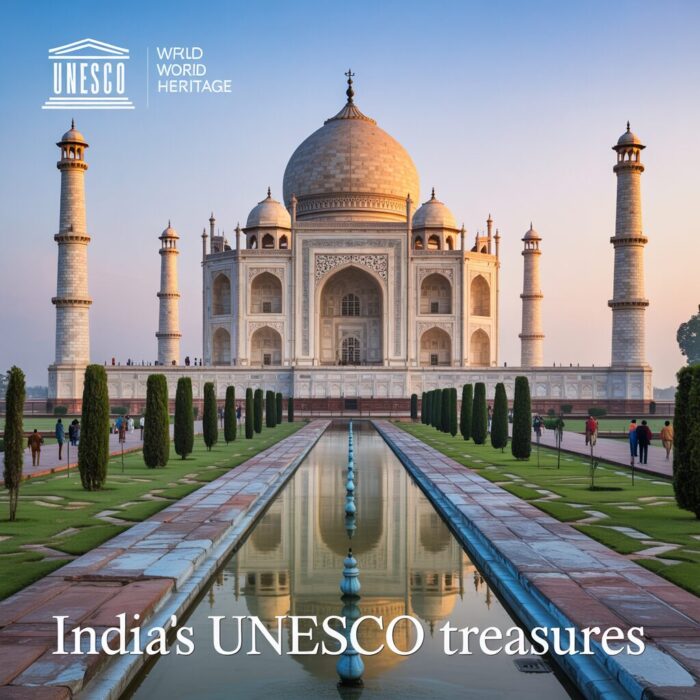
Ever arrived in India with “see the Taj Mahal” as your only UNESCO plan? You’re missing out on 37 other world heritage treasures scattered across this massive country.
I’ve spent years exploring India’s UNESCO sites—from forgotten stepwells to living temples still vibrating with thousand-year-old rituals. This guide will help you navigate India’s most spectacular UNESCO World Heritage Sites without the overwhelming decision fatigue.
The trick isn’t seeing them all—it’s knowing which ones deliver the most authentic cultural immersion for your specific travel style.
But here’s what nobody tells you about these sites: the most memorable experiences often happen in the places least featured on Instagram. The question is: which of India’s 38 UNESCO treasures will actually change how you see the world?
Understanding UNESCO World Heritage Sites in India
What makes a site UNESCO-worthy
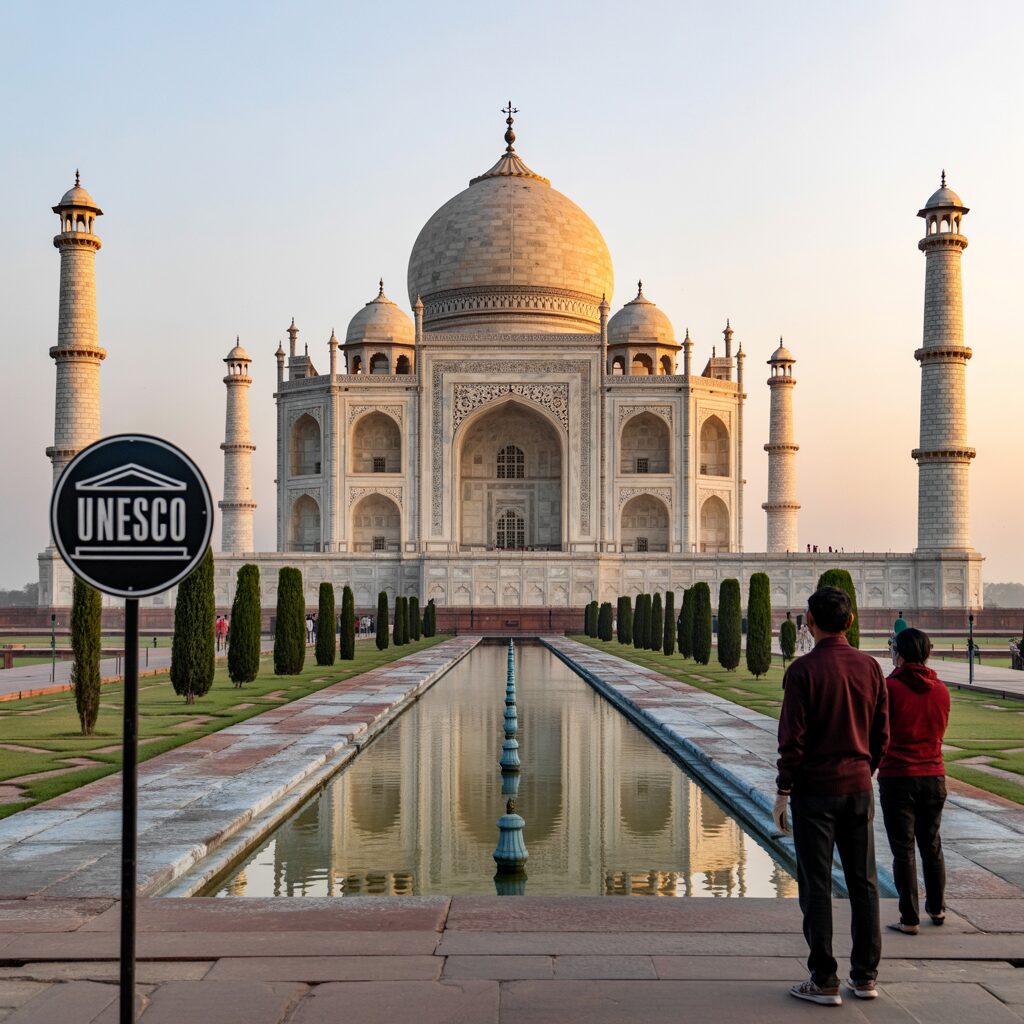
Ever wondered why some places get that coveted UNESCO badge while others don’t? It’s not just about being old or pretty. UNESCO sites need to tick at least one of ten criteria boxes – from representing a masterpiece of human creativity to containing exceptional natural beauty.
The selection process is no walk in the park. Countries nominate their treasures, then UNESCO’s committee puts them through the wringer – evaluating authenticity, protection plans, and cultural significance. Think of it like the Olympics of heritage, where only the truly extraordinary make the cut.
Types of heritage sites: Cultural, Natural, and Mixed
India’s UNESCO collection breaks down into three flavors:
- Cultural sites: Human-made marvels like the Taj Mahal, Agra Fort, and the mind-blowing cave temples at Ellora. These spots showcase India’s architectural genius and artistic flair.
- Natural sites: Mother Nature’s masterpieces – think Western Ghats with their ridiculous biodiversity and Kaziranga National Park, home to two-thirds of the world’s one-horned rhinos.
- Mixed sites: The rare combo platter – places that knock it out of the park both culturally and naturally. Khangchendzonga National Park is India’s standout mixed site, blending sacred mountains with jaw-dropping landscapes.
India’s impressive standing in the global UNESCO rankings
India isn’t just participating in the UNESCO game – it’s crushing it. With 38 sites (30 cultural, 7 natural, 1 mixed), India ranks sixth worldwide for total UNESCO treasures. Only Italy, China, Germany, France, and Spain have more.
What’s cool is how these sites map India’s 5,000+ year story – from ancient Buddhist monuments to colonial-era mountain railways. And India’s not done yet. The tentative list has another 42 nominations waiting in the wings, showing just how deep India’s heritage bench really is.
Must-Visit Cultural UNESCO Sites
The Taj Mahal: India’s crown jewel
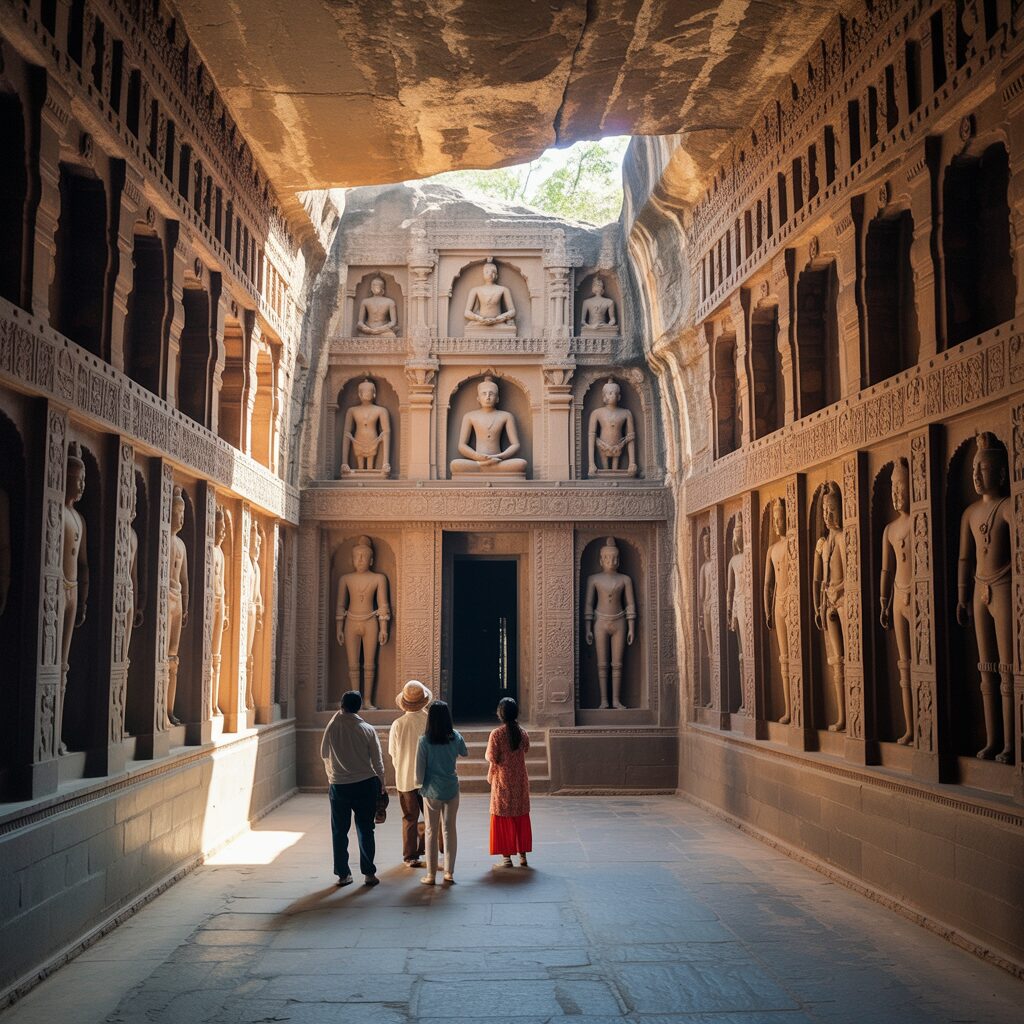
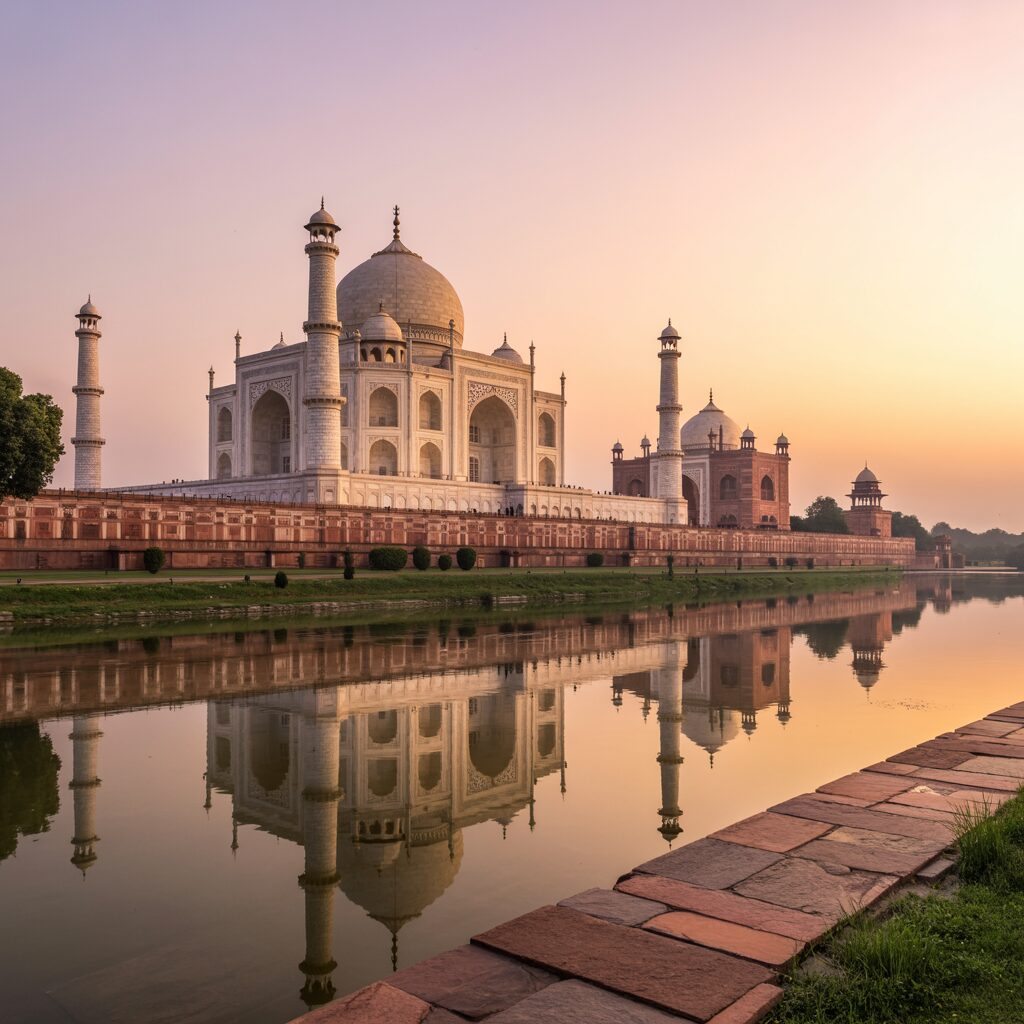
Ever seen something so perfect it makes you question if it’s even real? That’s the Taj Mahal for you. This white marble masterpiece in Agra isn’t just a building—it’s the ultimate love letter, built by Emperor Shah Jahan for his beloved wife Mumtaz.
When you first catch sight of those pristine domes and minarets reflected in the long pools, you’ll understand why 7-8 million visitors come here annually. The symmetry is mind-blowing. Every angle feels like it was designed specifically for your Instagram.
Morning visits offer that magical golden light photographers dream about, while evening brings a softer, more romantic glow. Just avoid Fridays—it’s closed for prayer.
For a private tour of Taj Mahal please visit the Magic of Taj.
Jaipur’s stunning architectural wonders
The Pink City doesn’t play around when it comes to UNESCO-worthy sights. Jaipur’s blend of Rajput and Mughal architecture is seriously impressive.
The Amber Fort sits like a crown jewel on a hilltop, with its mirrored halls and intricate carvings telling stories of royal luxury. Then there’s the City Palace—still partly royal residence—where you can gawk at textiles and weapons used by maharajas.
Don’t miss Jantar Mantar, which looks like some weird playground but is actually a collection of astronomical instruments that were scary accurate for their time.
For a guided tour of Jaipur please visit the Pink City experience.
Khajuraho Temples: Art and architecture beyond compare
These aren’t your ordinary temples. Built between 950-1050 CE, Khajuraho’s temples are famous for—let’s just say it—their erotic sculptures. But that’s only 10% of the artwork.
The Western Group is the showstopper with the Kandariya Mahadeva Temple rising 102 feet high and covered in over 800 sculptures. Each figure is carved with such detail you’ll wonder how they did it without modern tools.
Early morning or late afternoon light brings the sandstone to life, creating a warm glow that photographers chase.
For a guided tour of Khajuraho, please check Kamasutra on Stone.
The living heritage of Hampi
Imagine boulder-strewn landscapes dotted with 500+ monuments from a 14th-century empire. That’s Hampi for you.
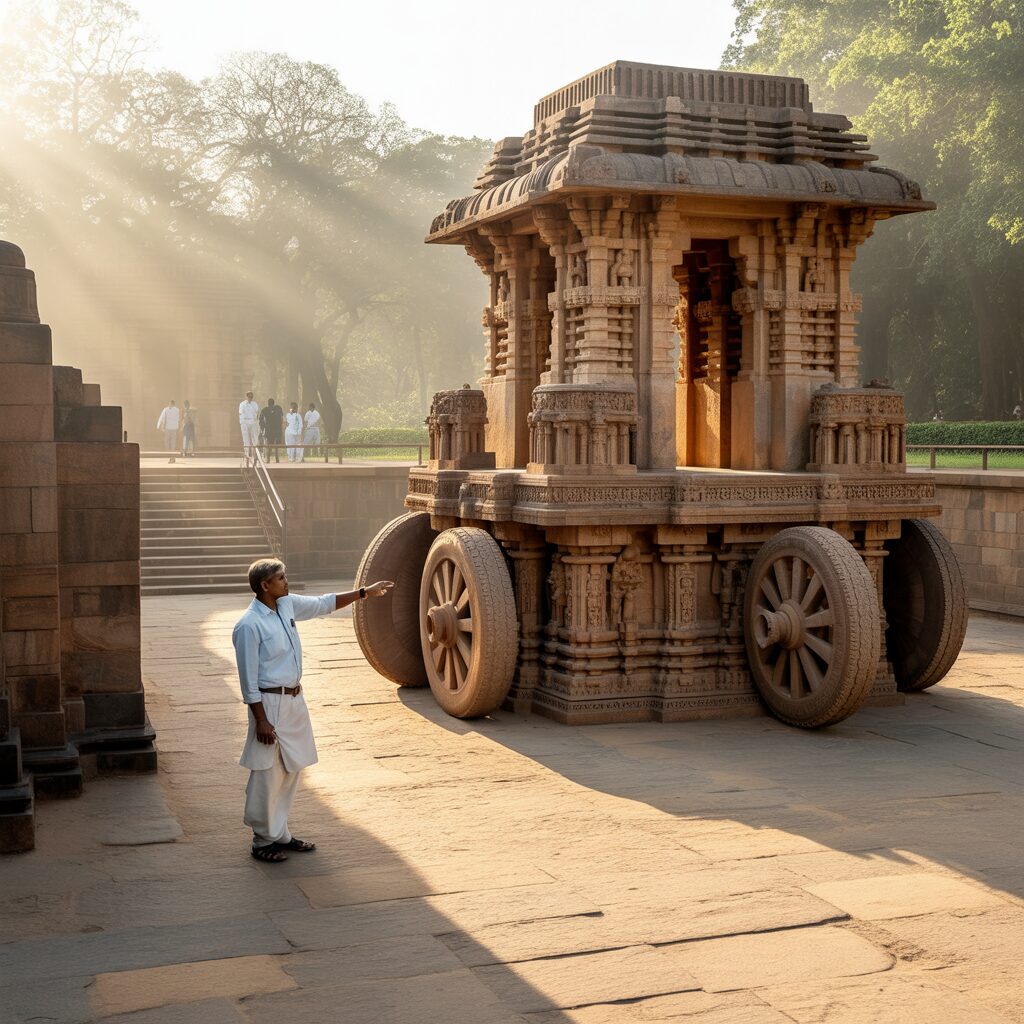
The Vittala Temple with its stone chariot and musical pillars (they actually produce different notes when tapped) will blow your mind. Climb Matanga Hill for sunset views that’ll make your jaw drop—the entire ancient city spreads below you, bathed in golden light.
Unlike some UNESCO sites that feel like museums, Hampi has remained a living place. Locals still worship at many temples, and the Tungabhadra River continues to flow past ghats where people have bathed for centuries.
For a guided tour of Hampi, please check Bewitching Ruins of Hampi.
Natural UNESCO Wonders Worth Exploring
A. Kaziranga National Park: Home to the one-horned rhinoceros
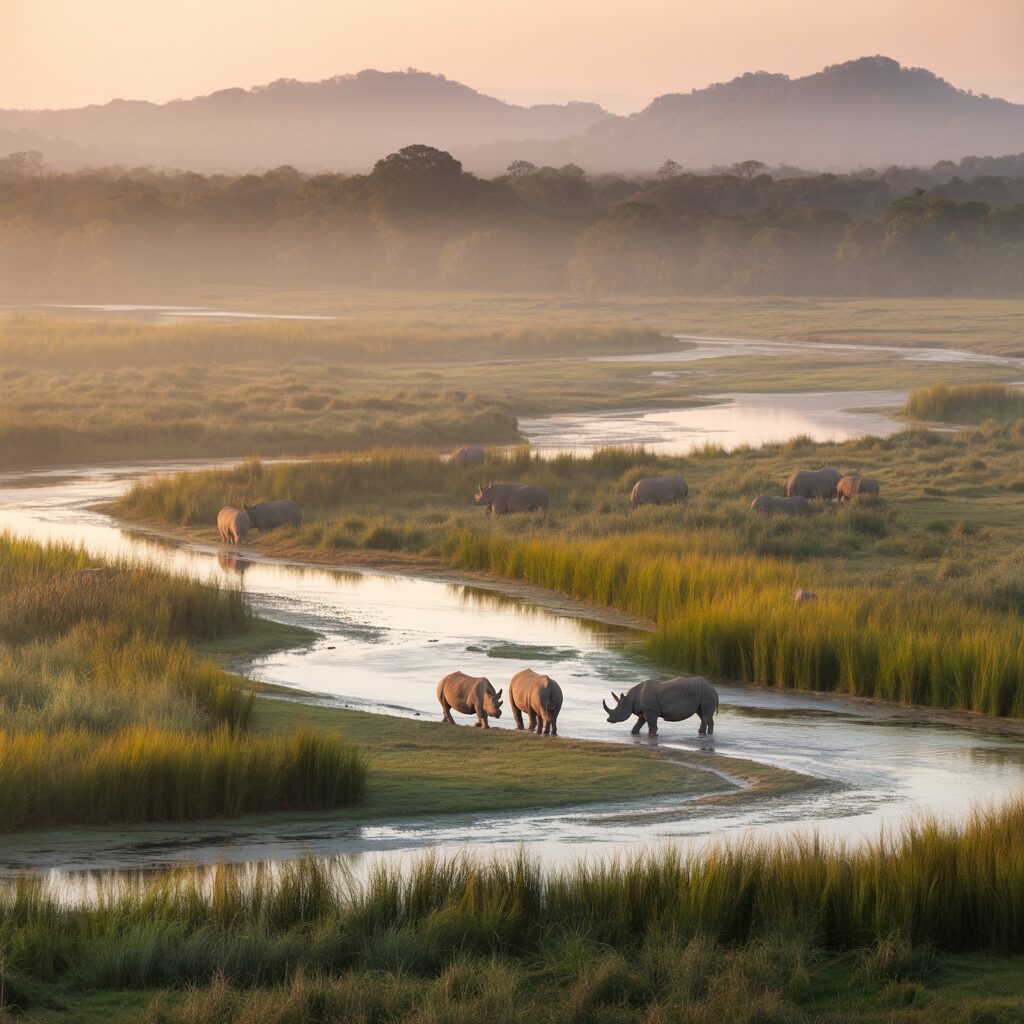
Picture this: you’re cruising through tall elephant grass as the morning mist lifts, and suddenly – there it is – the armored tank of the animal kingdom. Kaziranga isn’t just another national park; it’s the last stronghold of the greater one-horned rhinoceros.
The numbers speak for themselves. From barely 200 rhinos in the early 1900s to over 2,400 today, Kaziranga houses two-thirds of the world’s population of these prehistoric-looking creatures.
But rhinos aren’t the only stars here. Tigers prowl these grasslands in India’s highest density. Wild elephants, water buffalo, and swamp deer create a wildlife spectacle straight out of a nature documentary.
B. Western Ghats: Biodiversity hotspot of the subcontinent
The Western Ghats might not scream “vacation destination” like the Taj Mahal, but trust me, these ancient mountains pack a biological punch that’ll knock your hiking boots off.
Older than the Himalayas and stretching 1,600 km along India’s western coast, this mountain range harbors over 7,500 flowering plant species, 500+ bird species, and countless critters found nowhere else on Earth.
The secret? Isolation. These mountains split from Gondwanaland 150 million years ago, creating evolutionary laboratories where species developed in splendid isolation.
C. Sundarbans: The largest mangrove forest in the world
The Sundarbans isn’t just big – it’s a mind-boggling maze of waterways and islands where land and water play an endless game of tag.
This is tiger country with a twist. Here, Bengal tigers swim between islands and climb trees – adaptations unique to this watery realm. About 100 of these swimming cats patrol these waters.
The mangroves themselves are engineering marvels, with breathing roots that stick up through mud like snorkels. They’re also nature’s hurricane shields, protecting millions in Bangladesh and India from cyclones that would otherwise devastate coastal communities.
Off-the-Beaten-Path UNESCO Treasures
The Mountain Railways of India: Journey through time
Ever ridden a train that feels like a time machine? That’s exactly what you get with India’s mountain railways.
These aren’t your regular trains. They’re historical marvels still chugging along routes laid during British colonial times. The narrow-gauge Darjeeling Himalayan Railway (the “Toy Train”) winds through misty mountains, tea gardens, and charming villages. The views? Absolutely spectacular.
The Nilgiri Mountain Railway in Tamil Nadu crawls up steep inclines using a unique rack-and-pinion system. It’s slow, but that’s the point—you’ll want to soak in every inch of those blue mountains.
Then there’s the Kalka-Shimla Railway, connecting the plains to the summer capital of British India. With 102 tunnels and 800+ bridges, it’s an engineering feat that’ll make your jaw drop.
Rock Shelters of Bhimbetka: Prehistoric art galleries
Think prehistoric humans weren’t artistic? The rock shelters of Bhimbetka will change your mind fast.
Hidden in the forests of Madhya Pradesh, these natural rock formations house over 700 shelters with paintings dating back 30,000 years. Yes, you read that right—thirty thousand years.
The art shows hunting scenes, dancing figures, and animals long extinct. Some shelters have paintings from different periods layered on top of each other—like Instagram stories from the Stone Age!
What’s crazy is how vibrant the colors still are. The artists used red and white pigments from locally available minerals that have stood the test of time.
For a guided tour of these ancient caves, please visit Bhimbedka Experience.
Champaner-Pavagadh Archaeological Park: Gujarat’s hidden gem
Nobody ever puts this place on their itinerary, and that’s a huge mistake.
This dual site in Gujarat combines a hill fortress with a largely unexcavated medieval city. At Pavagadh hill, you’ll find Hindu and Jain temples scattered across different levels, with the Kalika Mata Temple at the summit drawing pilgrims daily.
Down below, Champaner is a ghost town frozen in the 16th century. The Jami Masjid here is architectural perfection—intricate carvings, geometric patterns, and peaceful courtyards without the crowds of more famous monuments.
The best part? You can wander through ruins of palaces, mosques, and stepped wells with barely another tourist in sight.
Visit Champaner along with the majestic Baroda Palace and Pavagad temple, for an immersive experience.
Great Himalayan National Park: Wilderness at its finest
If pristine wilderness is your thing, this UNESCO site delivers in spades.
Spanning over 900 square kilometers in Himachal Pradesh, the park protects some of the most untouched alpine meadows, forests, and wildlife in the Western Himalayas.
Hiking here isn’t a walk in the park (pun intended). The trails are challenging but reward you with sightings of rare wildlife like the snow leopard, Himalayan tahr, and vibrant monal pheasant.
The park transitions from lush valleys at 1,800 meters to snow-capped peaks exceeding 5,000 meters. Each altitude zone hosts unique ecosystems—it’s like experiencing multiple national parks in one.
Nalanda University ruins: Ancient center of learning
Before Harvard, Oxford, or Cambridge, there was Nalanda.
This 5th-century university was the Harvard of ancient times, drawing scholars from Tibet, China, Korea, and Central Asia. At its peak, it housed 10,000 students and 2,000 teachers.
Walking through the excavated ruins today, you can still see the meticulous layout—orderly rows of monk cells, lecture halls, temples, and meditation chambers. The brick structures have survived 1,500 years of history.
The library was so vast that when invaders set it ablaze, legends say it burned for three months. Imagine what knowledge was lost!
The site’s massive stupa, with its countless steps and niches for lamps, gives you a sense of the spiritual importance this center of Buddhist learning once held.
Planning a visit to Nalanda? Here is a private tour to visit the ancient Harvard of India along with Rajgir. Visit Nalanda & Rajgir.
Planning Your UNESCO Heritage Tour
Best seasons to visit different sites
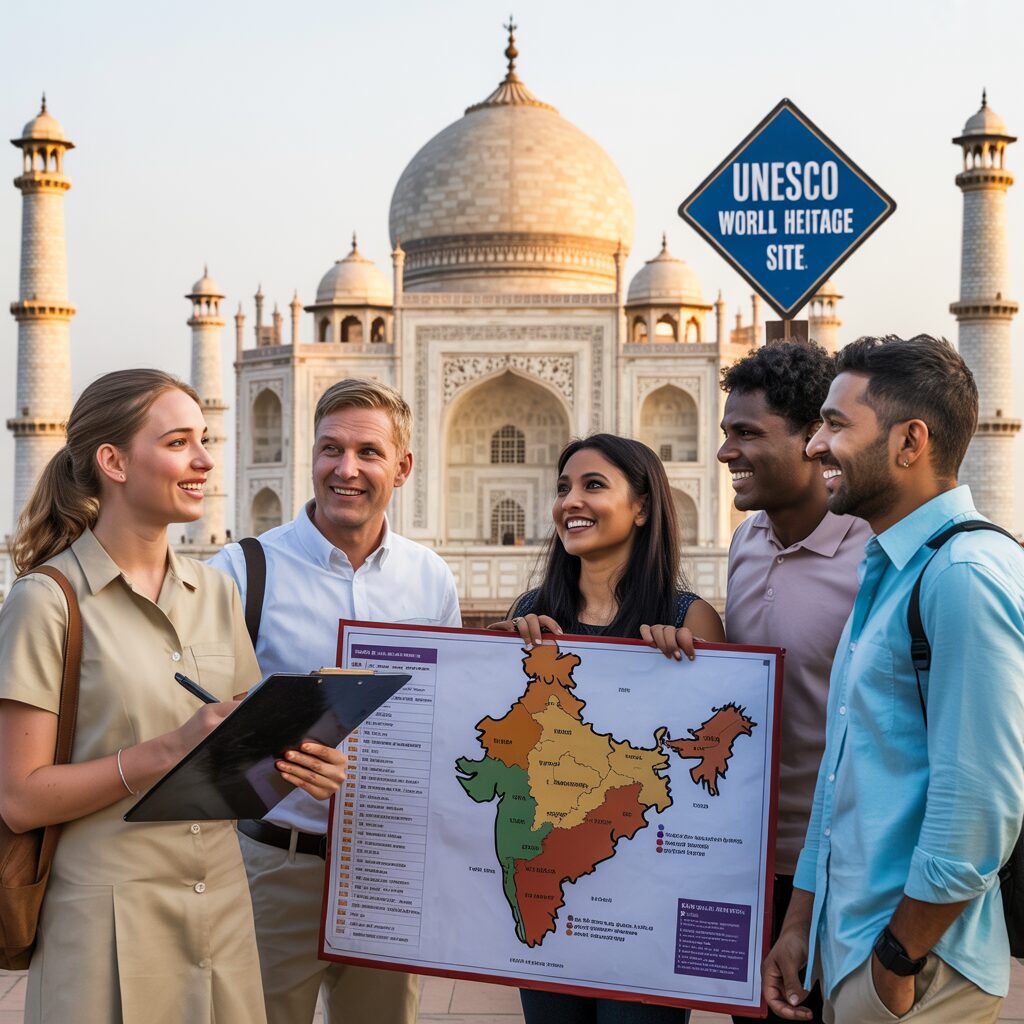
The timing makes or breaks your UNESCO heritage experience in India. Trust me—I’ve melted in Hampi’s summer heat and I’ve been drenched during monsoon visits to Ajanta Caves.
Northern sites like Taj Mahal and Red Fort? Winter is your friend (November-February). The crisp 15°C days make marble-hopping actually enjoyable instead of a sweaty ordeal.
For Western India’s caves and temples (Ellora, Elephanta), October-March offers perfect weather. Skip monsoon season unless you enjoy slippery steps and limited visibility.
Southern treasures like Hampi and Mahabalipuram? June-September brings pleasantly cool temps while the rest of India drowns in rain.
The Northeast sites? October-April is your window before the monsoons transform hiking trails into mud rivers.
Logistical tips for multi-site itineraries
Planning to hit multiple UNESCO sites? Don’t cram seven wonders into seven days. You’ll end up with phone galleries full of rushed photos and zero actual memories.
Instead:
- Group sites by region (North, South, East, West)
- Allow 1-2 full days per major site
- Book trains weeks in advance for popular routes
- Mix overnight trains with rest days at hotels
- Download Google Maps offline for each region
The Golden Triangle (Delhi-Agra-Jaipur) packs five UNESCO sites within easy reach. Start there if you’re a first-timer.
Photography opportunities and restrictions
That perfect Instagram shot requires knowing the rules. Many sites restrict tripods and professional equipment without permits. Some temples ban photography entirely in sacred areas.
Sunrise at the Taj Mahal? Pure magic—if you arrive 90 minutes early to beat the crowds. Sunset at Hampi’s stone chariot? Chef’s kiss.
Don’t waste golden hour standing in ticket lines. Buy your entries the previous day when possible.
Quick tips:
- Bring lens cleaning wipes (dust is relentless)
- Wide-angle lenses shine in cave temples
- Early morning light transforms sandstone structures
- Respect “no photography” signs (they exist for preservation reasons)
Supporting conservation through responsible tourism
Your choices directly impact these irreplaceable treasures. The Taj Mahal sees 70,000+ visitors daily in peak season—that’s a lot of footsteps wearing down centuries-old marble.
Small actions make huge differences:
- Stay on designated paths
- Never touch paintings or carvings
- Choose tour operators who employ local guides
- Buy crafts directly from artisans near heritage sites
- Report conservation concerns to site management
Sustainable tourism isn’t just buzzwords—it’s ensuring these marvels survive another thousand years. The entrance fees you pay? They fund critical restoration work at many sites.
India’s 38 UNESCO World Heritage Sites represent an incredible tapestry of cultural richness and natural splendor. From the iconic Taj Mahal and ancient Ajanta Caves to the biodiversity hotspots of the Western Ghats and Kaziranga National Park, these sites offer a profound glimpse into the nation’s 5,000-year heritage and remarkable landscapes.
As you plan your UNESCO journey through India, remember that each site tells a unique story of human achievement or natural wonder. Whether you choose the popular cultural landmarks or venture to less-traveled treasures, experiencing these protected sites connects you to something truly timeless. Take the first step in your UNESCO adventure today—India’s extraordinary heritage awaits.
For immersive culture walks in India, please visit 5 Senses Walks.
Leave a Reply