
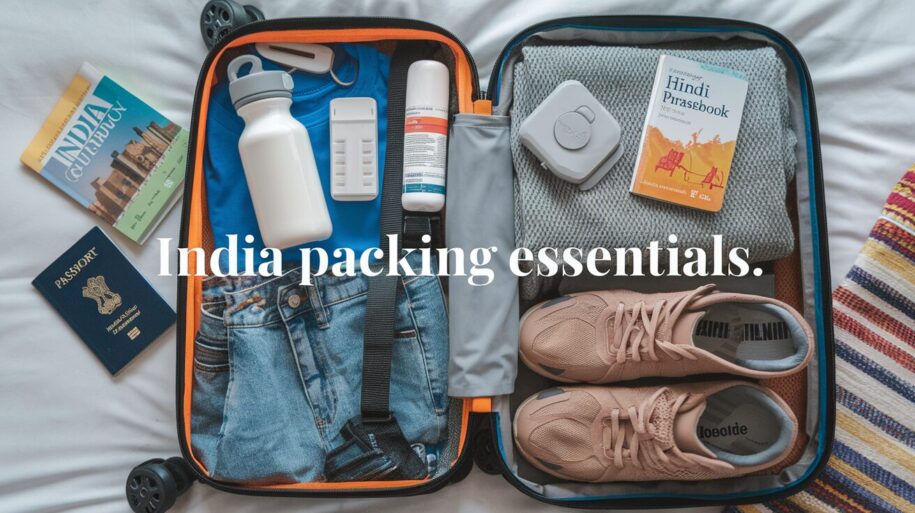
Ever been on a 16-hour flight only to realize you forgot your travel adaptor for your dying phone? In India, that’s just the beginning of your problems.
Most first-time travelers to India pack all wrong. They bring fancy clothes but forget stomach meds. They remember cameras but forget dust masks for Delhi’s streets.
Your India tour packing list needs to be smarter than the average vacation checklist. The subcontinent throws curveballs that Pinterest packing guides never warn you about—from monsoon downpours appearing out of nowhere to temple dress codes that’ll have you buying overpriced scarves from street vendors.
I’ve made every packing mistake possible across 7 trips to India. Now I’m sharing the 12 non-negotiable items that will literally save your trip. The third one? That’s the difference between adventure and disaster.
Clothing Essentials for India’s Diverse Climate
Lightweight, breathable fabrics that beat the heat
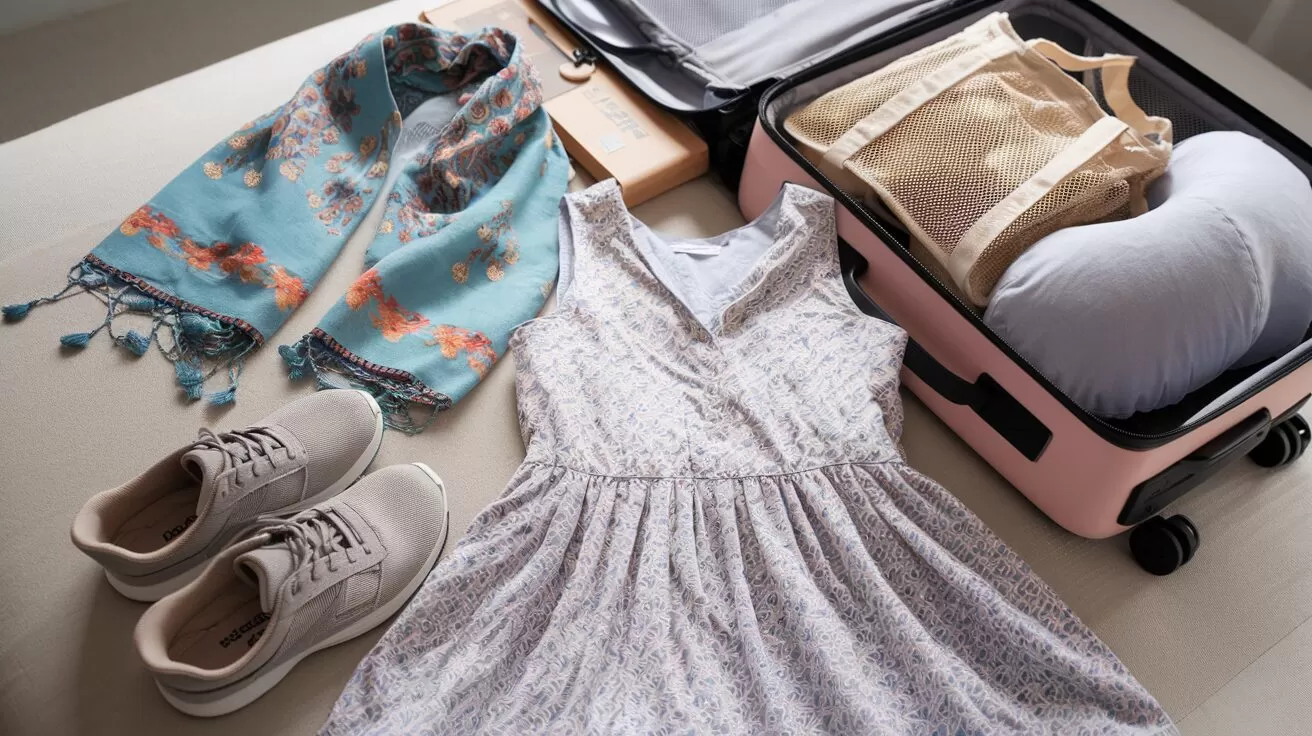
India’s scorching temperatures can catch even seasoned travelers off guard. Trust me, that 95°F with 80% humidity hits different than your hometown summer. Cotton is your best friend here – it’s breathable, absorbs sweat, and dries reasonably well. Pack 4-5 cotton t-shirts, a couple of linen shirts, and at least two pairs of loose cotton pants.
Linen deserves special mention – yes, it wrinkles like crazy, but nothing beats it for staying cool. A linen button-down can take you from dusty street markets to a nice restaurant without missing a beat.
Avoid synthetic fabrics like polyester – they might seem practical, but they’ll leave you feeling like you’re wrapped in plastic wrap under the Indian sun.
Modest clothing options for temple visits and rural areas
You’ll kick yourself if you pack only shorts and tank tops. Many religious sites have strict dress codes, and rural areas tend to be conservative. Women should bring:
- At least two scarves/sarongs (cover shoulders/head in temples)
- Knee-length or longer skirts/dresses
- Loose pants or leggings
Men aren’t exempt either. Pack:
- Long pants (lightweight cotton or linen)
- Shirts with sleeves (short is fine)
Pro tip: A lightweight cotton scarf doubles as a temple head covering, impromptu picnic blanket, and protection from desert dust storms.
One packable layer for unexpected cool evenings
The temperature swings in India can blindside you. Desert regions like Rajasthan might roast you during the day but get surprisingly chilly after sunset. Northern areas and hill stations can be downright cold.
A packable down jacket is worth its weight in gold. It compresses tiny in your bag but provides serious warmth when needed. If you’re traveling light, a merino wool cardigan works well too – it regulates temperature and (bonus!) doesn’t hold odors like synthetic fabrics.
Quick-dry clothing for monsoon season travelers
Visiting during monsoon? You’ll need gear that can handle getting soaked and dry quickly.
Skip the jeans completely – once wet, they stay damp forever and chafe like nobody’s business. Instead, pack:
- 2-3 quick-dry shorts or pants (hiking brands work great)
- Moisture-wicking underwear (seriously, this is non-negotiable)
- Packable rain jacket with hood
- Waterproof phone case
A travel umbrella seems like a good idea but often can’t handle monsoon downpours and wind. Better to invest in a quality rain jacket with proper ventilation – you’ll stay dry without turning into a personal sauna.
Health and Hygiene Must-Haves
Personal medication kit with prescription drugs and common remedies
Picture this: You’re in a remote Indian village, stomach cramping, head pounding, and the nearest pharmacy is hours away. Not exactly vacation goals, right?
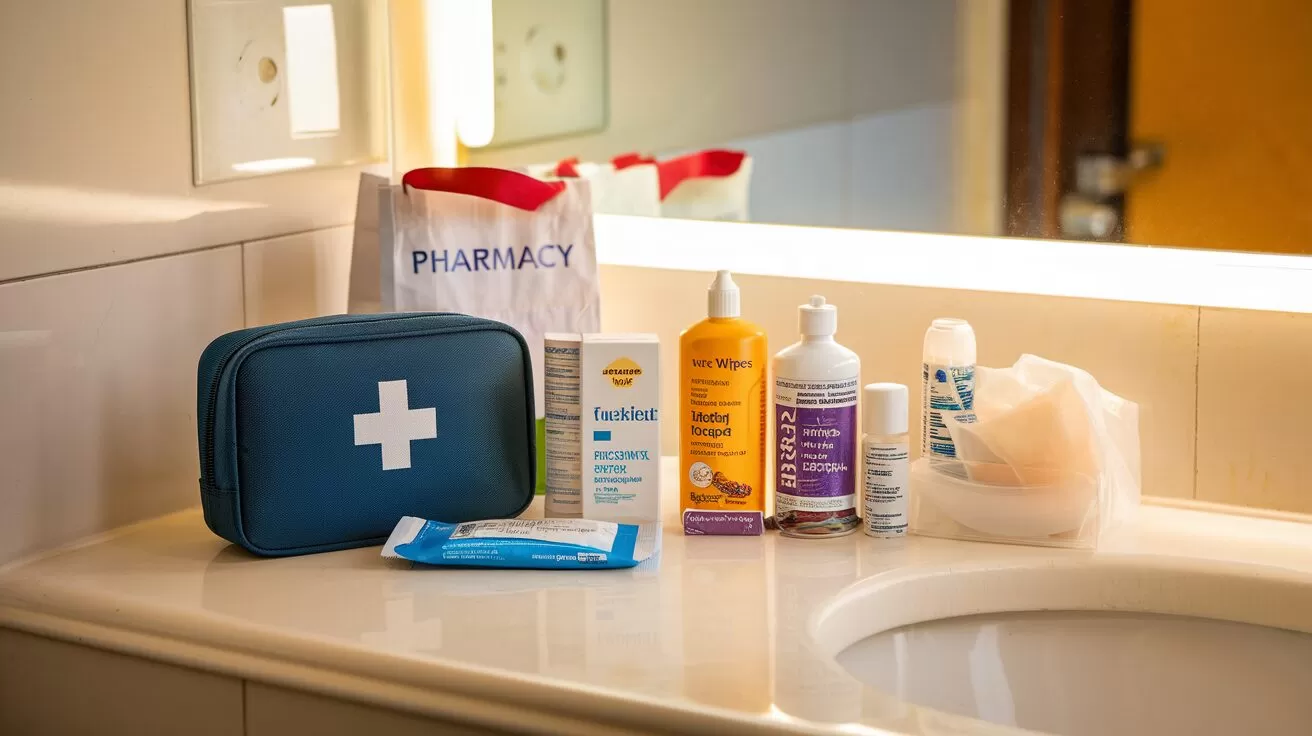
Your personal med kit is non-negotiable. First, pack all prescription medications in their original labeled containers (customs can get picky). Bring enough for your trip plus a week extra—Indian pharmacies might not stock your specific meds.
For your basic kit, include:
- Pain relievers (ibuprofen, acetaminophen)
- Antihistamines for allergic reactions
- Bandages and antiseptic ointment
- Motion sickness pills (those winding mountain roads are no joke)
- Cold and flu medication
- Thermometer
Toss in some antibiotics if your doctor will prescribe them. Travelers’ diarrhea is common, and having ciprofloxacin on hand can be a lifesaver.
Industrial-strength insect repellent and bite treatment
Mosquitoes in India aren’t just annoying—they can carry dengue, malaria, and other nasties you definitely don’t want as souvenirs.
Go for repellents with at least 30% DEET. The natural stuff might work at home, but India’s bugs laugh at citronella. Apply it like your life depends on it (because sometimes it does).
For bite treatment, pack:
- Antihistamine cream
- Hydrocortisone for itching
- Tea tree oil (natural antiseptic)
- Calamine lotion
Pro tip: Those plug-in mosquito repellents available in Indian stores work wonders in hotel rooms. Buy one when you arrive.
Hand sanitizer and wet wipes for on-the-go cleanliness
Your hands will touch things in India that… well, let’s just say hand sanitizer becomes your best friend.
Carry a small bottle everywhere. Seriously, EVERYWHERE. Before eating street food, after handling money, touching railings in crowded train stations—sanitize like you’re performing a sacred ritual.
Baby wipes deserve their own special mention. They’ll clean your hands, face, armpits, and even serve as toilet paper in emergencies. The multi-tasking champion of your packing list!
Get antibacterial wipes for surfaces too—wipe down tray tables, doorknobs, and remote controls in budget accommodations.
Rehydration salts and digestive aids for stomach troubles
The infamous “Delhi Belly” isn’t just a myth. Even seasoned travelers can get caught off guard by India’s unique microbiome.
Oral rehydration salts are miracle workers. When your body’s losing fluids from both ends (sorry for the visual), these packets restore electrolytes fast. Mix with bottled water at the first sign of trouble.
Your digestive arsenal should include:
- Loperamide (Imodium) for diarrhea
- Pepto-Bismol tablets
- Probiotics (start taking before your trip)
- Ginger candies for nausea
Remember: these are for temporary relief. If symptoms persist over 48 hours, seek medical help. India has excellent doctors, especially in major cities.
For planning tips needed for a visit to India, please visit India travel planning.
High-SPF sunscreen and after-sun care
The Indian sun is next-level fierce, especially in Rajasthan or beach destinations like Goa. That gentle morning sunshine turns into a scorching assault by 10 AM.
Bring SPF 50+ water-resistant sunscreen and reapply obsessively. Your future self will thank you when you’re not spending days of your vacation nursing painful burns.
After-sun care is equally important. Aloe vera gel stored in your hotel mini-fridge feels divine after a day of sightseeing. Moisturizer is essential too—the heat can seriously dehydrate your skin.
Don’t forget lip balm with SPF. Chapped, sunburned lips can ruin meals, and Indian cuisine is too good to miss because your lips hurt.
Tech and Documentation Safeguards
Universal Power Adapter with Surge Protection
Traveling through India means dealing with Type C, D, and M power outlets – quite the electrical jungle! A universal power adapter isn’t just handy; it’s absolutely essential. But don’t grab just any adapter. Get one with built-in surge protection.
India’s power grid can be… unpredictable. Voltage fluctuations are common, especially during monsoon season or in smaller towns. One power surge and your expensive laptop or smartphone could be toast. Not exactly the souvenir you were hoping for!
I learned this lesson the hard way in Varanasi when my phone charger fried during a thunderstorm. Trust me, finding a replacement MacBook charger in a small Indian town isn’t fun.
Look for an adapter that handles 100-240V and includes multiple USB ports. This way, you can charge several devices simultaneously without carrying multiple adapters.
Backup Copies of Important Travel Documents
Your passport gets stolen in a crowded Delhi market. Your visa printout gets soaked during a surprise monsoon downpour. Your hotel reservation disappears when your phone dies.
Sound like a nightmare? It can happen faster than you can say “chai.”
Smart travelers create a digital AND physical backup system:
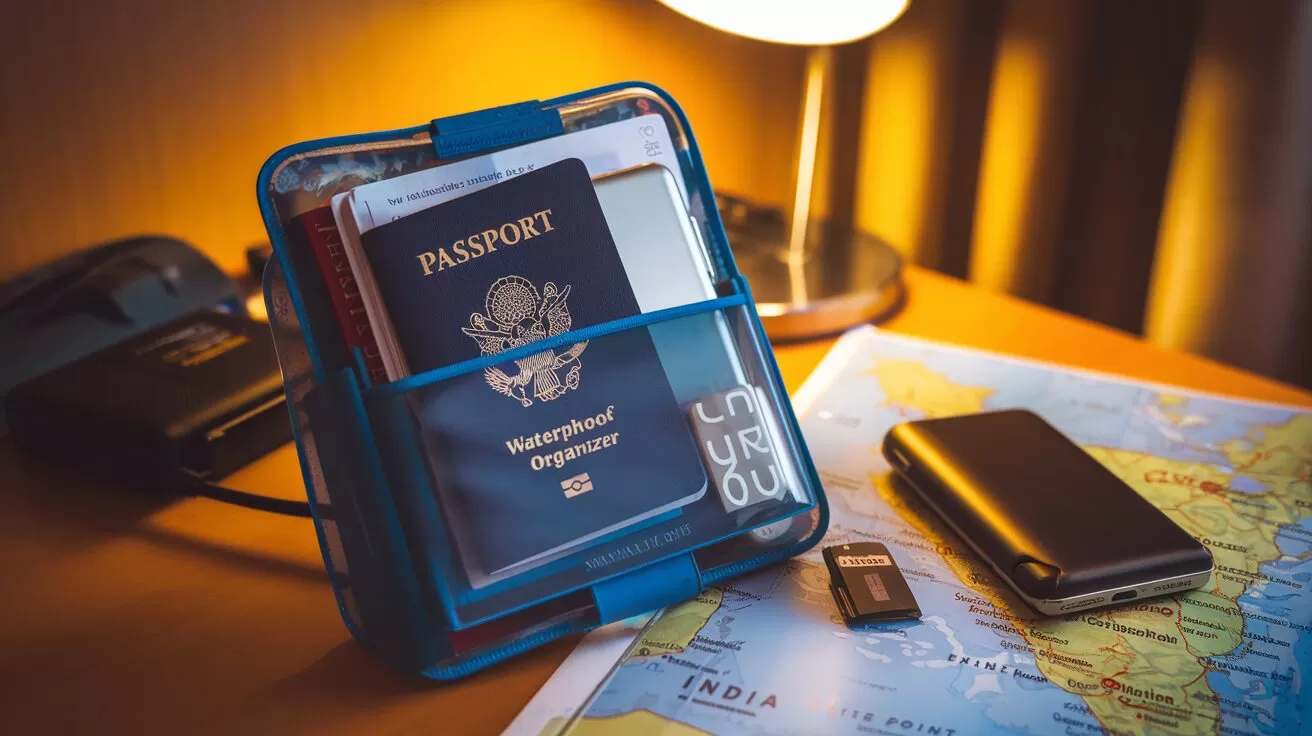
- Take clear photos of your passport, visa, travel insurance, and hotel bookings
- Store digital copies in multiple locations: email to yourself, cloud storage, AND offline on your phone
- Keep a physical photocopy separate from the originals (different bag or money belt)
- Share access with a trusted person back home
This simple backup system has saved countless travelers from embassy visits and major headaches.
Portable Battery Pack for Long Travel Days
India is vast. Those train journeys from Mumbai to Goa or Delhi to Agra? They can drain your devices faster than you’d expect, especially when you’re snapping photos of every colorful street scene and majestic monument.
That sleeper train might not have outlets. That scenic bus ride through the mountains? Definitely no charging ports. And when you’re using Google Maps to navigate confusing alleyways in Jaipur’s old city, the last thing you need is a dead phone.
A high-capacity portable battery pack (20,000mAh minimum) is non-negotiable. Look for one with:
- Fast charging capability
- Multiple output ports
- Compact, durable design
- Airline-approved specifications
Pro tip: Some newer power banks include built-in cables, saving you from the eternal “where did I put that charging cord?” dilemma.
Security Measures for Your Electronics
Your gadgets aren’t just valuable to you—they’re prime targets for pickpockets in crowded bazaars and train stations. Beyond physical security, digital protection matters too.
Physical security first:
- Use inconspicuous bags/cases (nothing screaming “expensive tech inside!”)
- Never leave devices unattended, even for “just a second”
- Consider cable locks for laptops in hotel rooms
- Use RFID-blocking wallet for credit cards and digital passports
Digital security essentials:
- Enable two-factor authentication on all accounts
- Install a reliable VPN before arriving (crucial for public WiFi)
- Set up “Find My Device” for all electronics
- Use complex passwords or biometric locks
- Consider privacy screens for working in public places
Remember that internet connectivity varies widely across India. Download essential maps, translation tools, and documents for offline access before heading to remote areas.
Practical Travel Gear
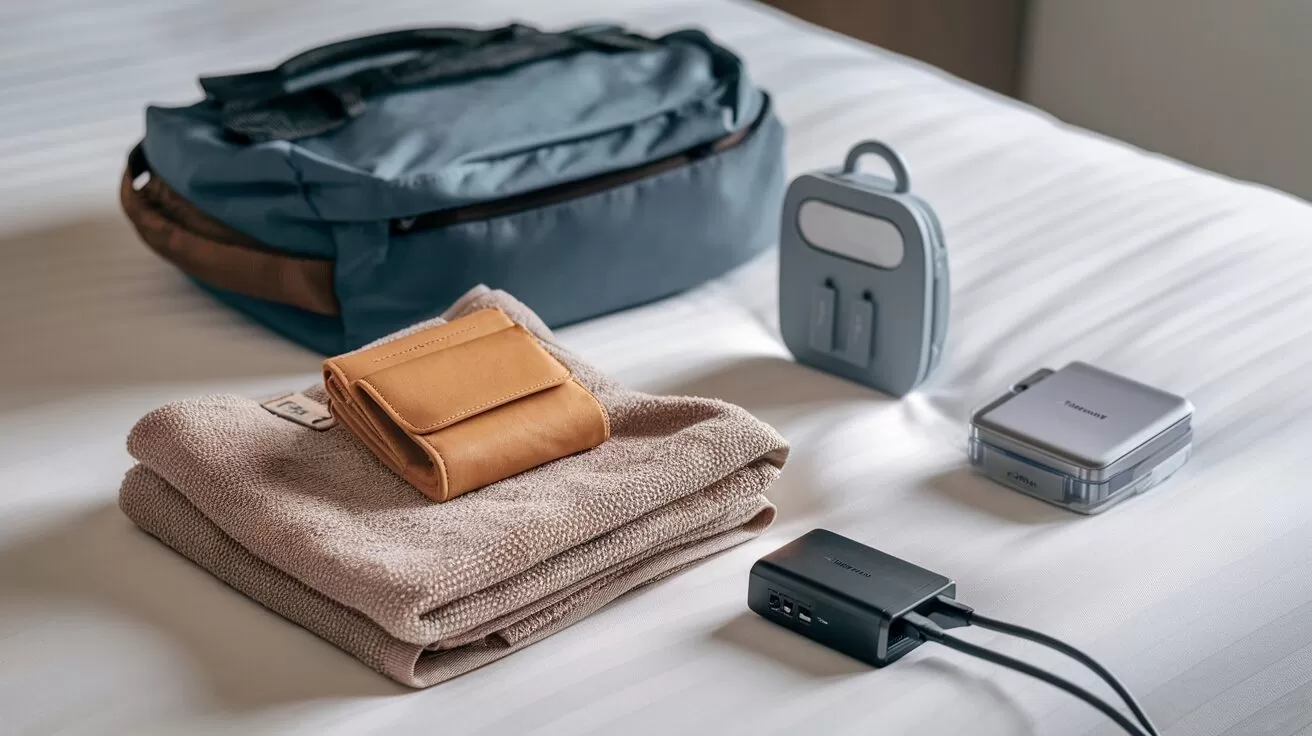
Lightweight day bag for excursions
You’re going to be hopping between ancient forts, bustling markets, and tranquil temples – sometimes all in one day. A sturdy day bag makes all the difference.
I’ve tested dozens across India and landed on crossbody bags with water-resistant fabric as the golden ticket. They keep your essentials secure while navigating crowded train stations in Mumbai or dodging motorbikes in Delhi’s narrow lanes.
Look for something with multiple compartments (your passport and rupees deserve separate spaces), weighing under 1.5 pounds empty. And please, get one with a zipper – not those magnetic snap closures that practically invite pickpockets to help themselves.
Quality water purification solution
Tap water in India? Hard pass. But buying plastic bottles for your entire trip is both expensive and an environmental nightmare.
I swear by SteriPEN purifiers or LifeStraw bottles that zap 99.9% of bacteria. They’ve saved me countless times in remote villages where bottled water isn’t even available.
Water purification tablets work too, but they leave a weird taste that’ll have you craving plain water again. If you go this route, pack some electrolyte powder to mask the flavor.
Comfortable walking shoes that can handle varied terrain
One day you’re climbing 350 steps to a hilltop temple, the next you’re wading through monsoon puddles in Kolkata.
Bring shoes that can handle it all – lightweight trail runners with decent grip have been my trusty companions. They dry quickly when soaked (inevitable) and provide enough support for those long days exploring Rajasthan’s endless palaces.
Skip the hiking boots – too hot for most of India. And those cute sandals? Save them for dinner, not for navigating the uneven cobblestones of Old Delhi.
Travel lock for hotel rooms and luggage
Trust me on this one – a good travel lock is worth its weight in gold. Even nice hotels sometimes have dodgy door locks, and overnight trains definitely require securing your belongings.
I pack two types: a door stop alarm for hotel rooms (slides under your door and screeches if someone tries entering) and a combination cable lock for my backpack and luggage. The cable style works better than padlocks because you can secure your bag to fixed objects like bed frames on trains.
Nothing ruins a trip faster than worrying about your stuff – these simple security measures buy peace of mind for pennies.
Money and Payment Solutions
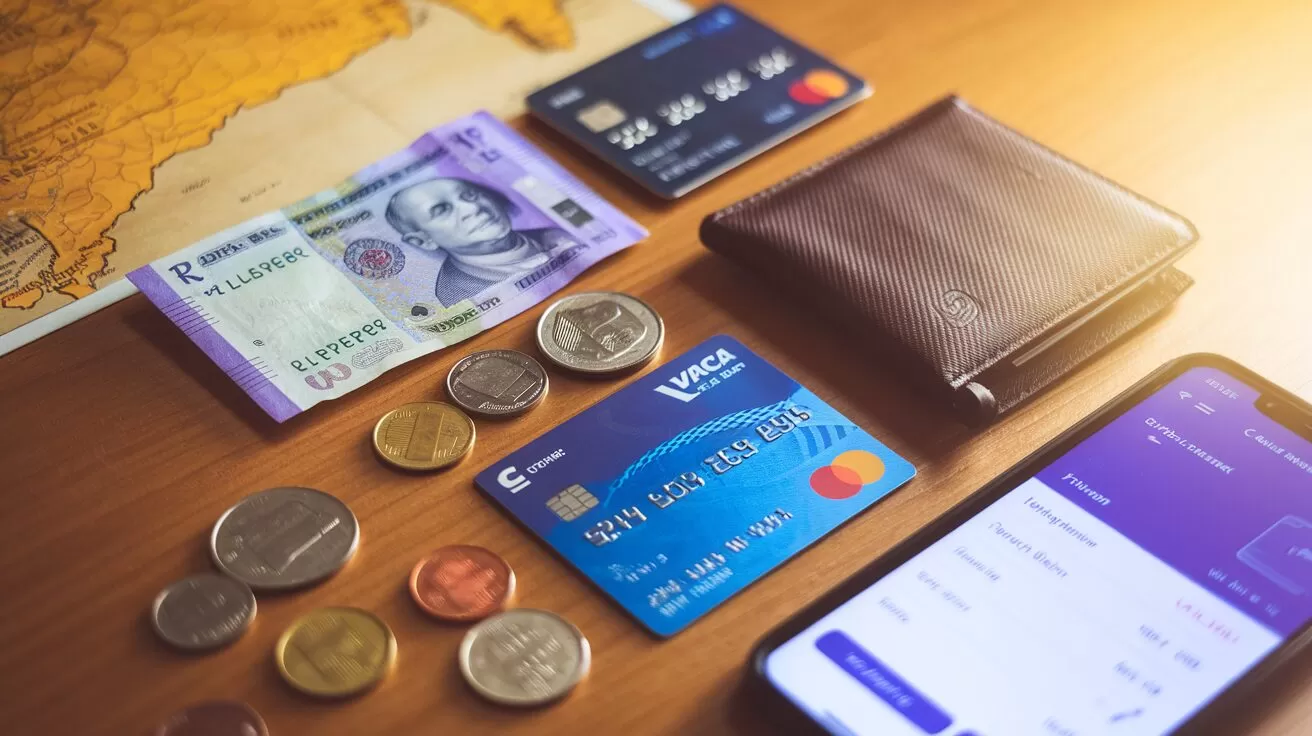
A. Hidden money belt for secure cash storage
Travel smart, not scared. In India, where bustling markets and crowded streets are part of the adventure, keeping your cash secure is non-negotiable. A hidden money belt isn’t just another travel accessory—it’s your financial lifeline.
I learned this lesson the hard way after a close call in Delhi’s Chandni Chowk. Those slim, flesh-colored pouches that sit flat against your skin under clothing are absolute game-changers. They’re virtually invisible when worn properly and keep your larger bills, emergency cash, and even your passport safe.
Look for one with moisture-wicking backing (trust me, India gets HOT) and RFID protection for your cards. The best designs have multiple compartments so you’re not fumbling through everything each time you need something.
B. Multiple payment methods for different situations
Cash might be king in India, but don’t put all your rupees in one basket. Smart travelers carry a financial toolbox:
- Primary credit card: For hotels, upscale restaurants, and major purchases
- Backup credit/debit card: Stored separately from your primary card
- Cash: Essential for daily transactions, especially in smaller towns
- Travel prepaid card: Preloaded with rupees to limit potential losses
Many travelers swear by the “thirds rule”—dividing your money into three locations: money belt, wallet/purse, and luggage. This way, if one gets compromised, you’re not completely stranded.
C. Small denominations for tipping and street vendors
Nothing screams “tourist” like pulling out a 2,000-rupee note to buy a 50-rupee souvenir. Small bills are pure gold in India.
When you get cash from ATMs or exchange currency, specifically ask for smaller denominations (100s, 50s, 20s, and 10s). These will be your daily workhorses for:
- Tipping hotel staff (₹20-50 per service is typical)
- Haggling at markets (vendors often “suddenly lack change” for large bills)
- Street food adventures (most vendors can’t break large notes)
- Toilet attendants (₹10-20 is customary)
Keep these smaller bills in an easily accessible pocket or small purse, separate from your main money stash. This quick-access cash means you won’t have to reveal your primary money storage in public places.
Cultural and Communication Tools
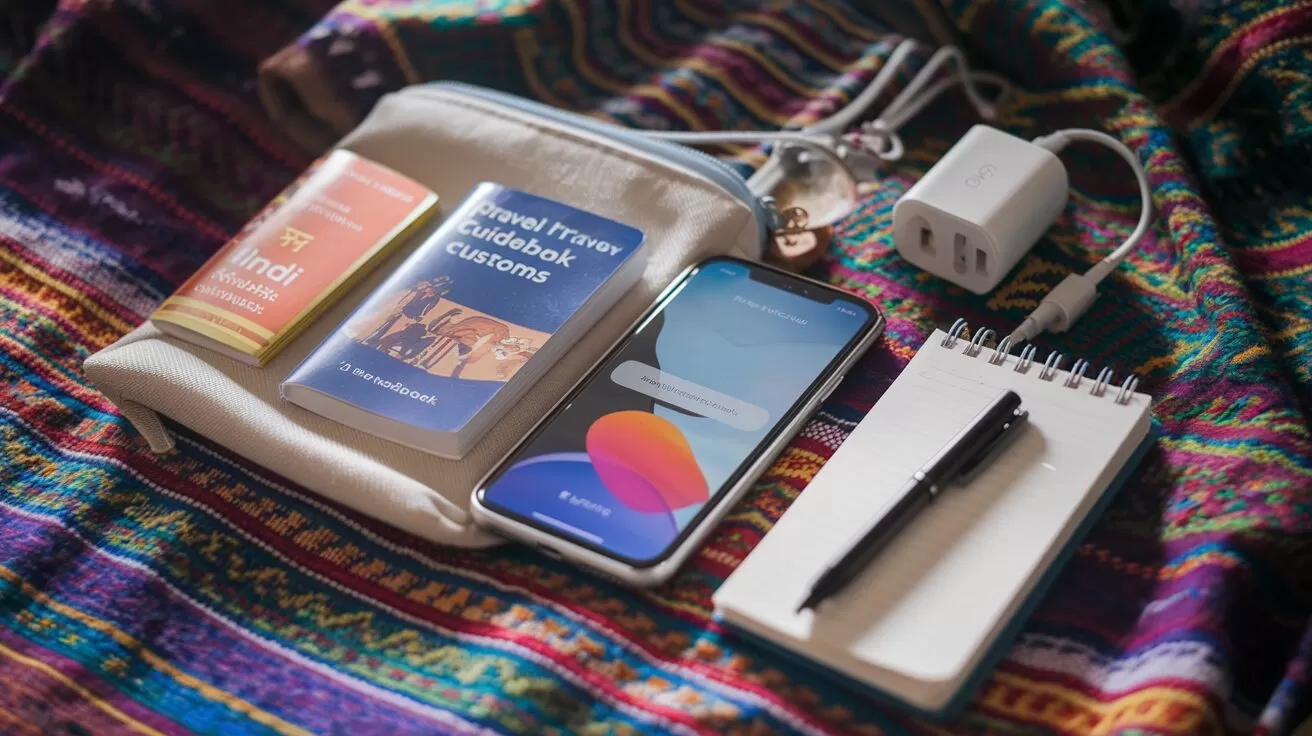
Basic Hindi phrasebook or language app
Look, you don’t need to be fluent in Hindi to navigate India, but knowing a few basic phrases can make your journey infinitely smoother. Trust me on this one.
When a local shopkeeper’s face lights up because you said “Dhanyavaad” (thank you) instead of just nodding awkwardly, you’ll understand why I’m insisting on this.
Grab a pocket-sized Hindi phrasebook or download apps like Duolingo or Google Translate before you go. The offline feature on Google Translate is a lifesaver when you’re standing in a remote village with zero signal trying to ask for directions.
Some essential phrases to memorize:
- “Namaste” (Hello)
- “Kitne ka hai?” (How much is it?)
- “Bathroom kahan hai?” (Where is the bathroom?)
- “Thoda kam kijiye” (Please reduce the price a bit)
Local SIM card or international data plan options
That international roaming plan from your home carrier? Usually a terrible deal.
As soon as you clear customs at any major Indian airport, you’ll spot telecom counters selling SIM cards. Airtel, Jio, and Vodafone are the big players, with Airtel typically offering the best coverage in remote areas.
For around 500-1000 rupees (roughly $6-12), you can get a prepaid plan with enough data to last your entire trip. The process takes about 15-20 minutes and requires your passport and a passport-sized photo.
If you’re hopping between cities, having Google Maps, ride-sharing apps, and translation tools at your fingertips is absolutely priceless. Plus, you can share those Instagram-worthy Taj Mahal sunrise shots in real time.
Appropriate gifts for homestays or local interactions
Indians take hospitality seriously. Like, really seriously. If you’re staying with locals or being invited into homes, bringing a small gift isn’t just nice—it’s expected.
Skip the generic souvenirs from your country. Instead, consider:
- Quality chocolates (surprisingly appreciated and not always accessible)
- Coffee table books about your home country
- Small electronic gadgets (particularly from brands not easily available in India)
- Specialty food items that travel well
What you absolutely shouldn’t bring: Alcohol (unless you know your hosts drink), beef products (cows are sacred to Hindus), or overly expensive items that might create awkwardness.
Scarf or head covering for religious sites
The lightweight scarf or dupatta might be the MVP of your entire packing list. Not kidding.
Many temples, mosques, and gurudwaras require covered heads, especially for women. Some religious sites also ask visitors to cover their shoulders regardless of gender.
A large, lightweight scarf serves multiple purposes:
- Head covering for religious sites
- Shoulder cover when needed
- Makeshift face mask in dusty areas
- Sun protection in scorching heat
- Even an emergency towel in a pinch
Cotton or silk blends work best in India’s heat. Darker colors show less dirt when you’re on those dusty temple visits. Pack at least two—they take up virtually no space and you’ll use them constantly.
Comfort Enhancements for Indian Transportation
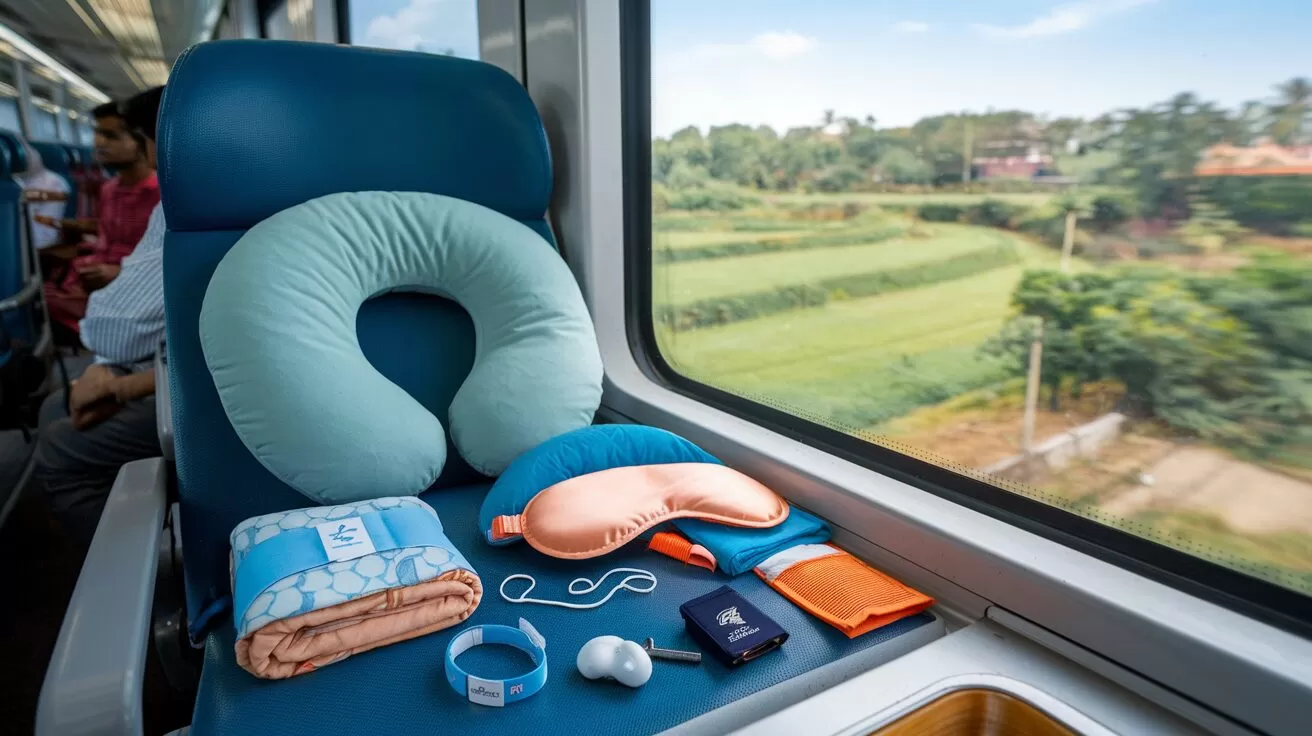
A. Neck pillow and eye mask for overnight trains
Trust me on this one – Indian trains can be an adventure, but they’re not exactly luxury sleepers. That 14-hour overnight journey from Delhi to Varanasi? You’ll want some backup comfort.
A good memory foam neck pillow is a game-changer. Not those flimsy inflatable ones that leak air halfway through your trip. Get something that actually supports your neck when you’re trying to catch some sleep while sitting upright.
Pair it with a quality eye mask that actually blocks light. Indian trains keep lights on longer than you’d expect, and morning sunlight hits early. That $5 mask they hand out on flights won’t cut it – invest in one with molded cups that don’t press against your eyelids.
B. Ear plugs for noisy urban environments
Indian cities don’t sleep. Ever. That lovely guesthouse in the “quiet part” of town? Still probably next to a temple with 5am bells, a wedding venue with midnight celebrations, or streets with enthusiastic honking at all hours.
Foam earplugs get squished after a couple uses. Spring for some silicone or wax ones that mold to your ear shape. Better yet, reusable silicone ones will serve you through your entire journey.
Keep them handy in your day bag too – they’re lifesavers during those long bus rides when the driver decides his collection of Bollywood hits needs to be shared at maximum volume.
C. Compact travel towel for varied accommodations
Your accommodation standards will vary wildly in India. One night you’re in a heritage hotel with plush towels, the next you’re in a simple guesthouse where the towel feels like sandpaper (if they provide one at all).
Microfiber travel towels are your friend here. They pack tiny, dry quickly (crucial in humid climates), and feel surprisingly luxurious against your skin after a shower in questionable facilities. Get one that’s actually big enough – those handkerchief-sized ones are useless after a proper shower.
The quick-dry feature isn’t just convenient – it’s essential when you’re packing up early and don’t want a damp, mildewing towel in your backpack all day.
Photography Equipment Tailored for India
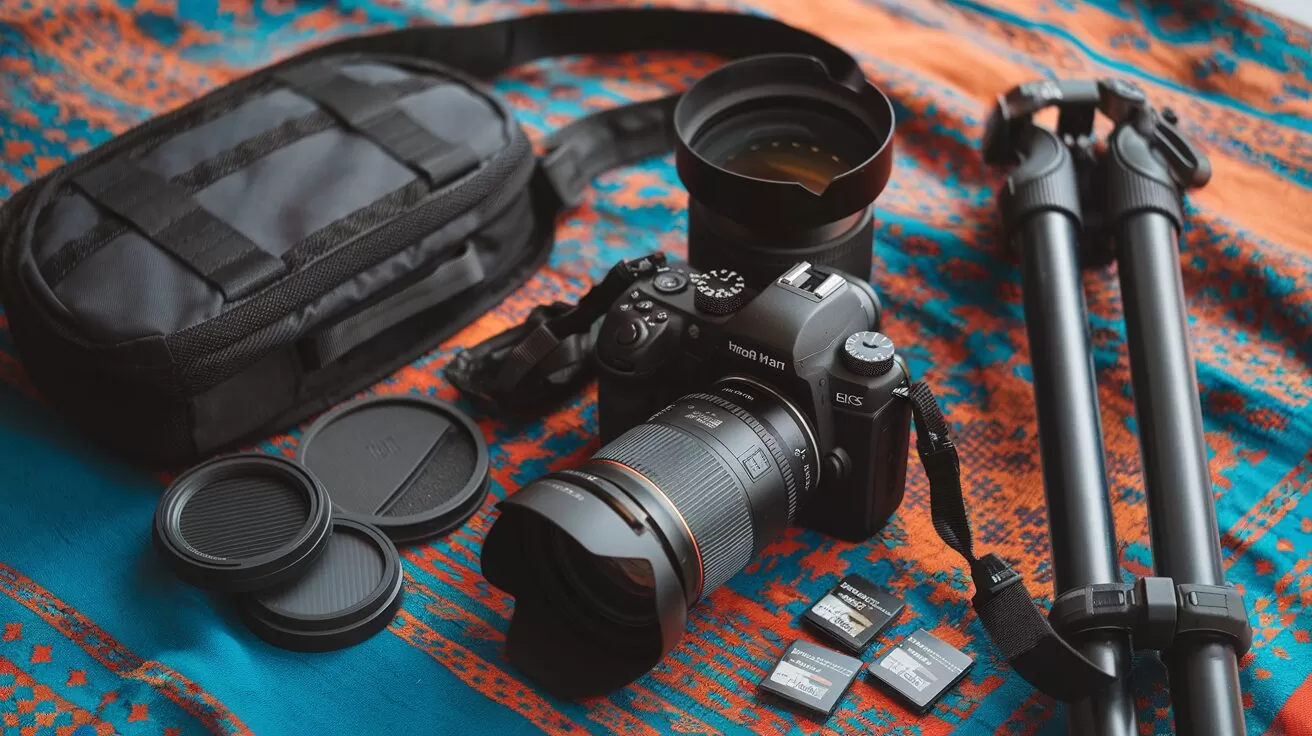
Dust protection for your camera gear
India throws everything at your camera – dust storms in Rajasthan, monsoon rain in Kerala, and powdery Holi colors everywhere. Trust me, your fancy DSLR won’t survive without proper protection.
Grab these lifesavers before you go:
- A weather-sealed camera bag (not the cheap kind)
- Silica gel packets (toss a few in your bag)
- Lens cleaning kit with air blower, microfiber cloths and cleaning solution
- Camera rain cover that actually stays on when you need it
- UV filters for each lens (cheaper to replace than scratched glass)
When moving between air-conditioned hotels and 100°F streets, let your gear acclimate for 15 minutes before shooting. The condensation buildup can wreck your electronics faster than you can say “incredible India.”
Extra memory cards for thousands of colorful shots
You’ll shoot way more than you think. Those 400 photos you planned to take? Try 4,000.
India is a non-stop visual feast. One minute you’re photographing ancient temples, the next you’re capturing a spontaneous street celebration with a passing elephant.
Pack at minimum:
- 3-4 high-capacity SD cards (128GB+ each)
- A portable hard drive for daily backups (at least 1TB)
- Cloud storage access for emergency backups
Pro tip: Keep memory cards in separate pockets or bags. Nothing worse than losing every photo from your Taj Mahal sunrise because your bag disappeared.
Lens options for diverse landscapes and tight street scenes
The perfect India photography kit balances versatility with practicality. You’ll need different tools for different situations:
- A 24-70mm f/2.8 lens handles 80% of situations (street scenes, portraits, general travel)
- A wide-angle lens (16-35mm) for temple interiors and bustling markets
- A portrait lens (85mm or 50mm) with wide aperture for stunning people shots in low light
Skip the giant telephoto unless wildlife photography at national parks is your main goal. In busy Indian markets, smaller gear attracts less attention and keeps you nimble.
Remember that dusty environments mean fewer lens changes. One quality zoom often beats three primes when you’re shooting in chaotic conditions.
Food and Water Safety Solutions
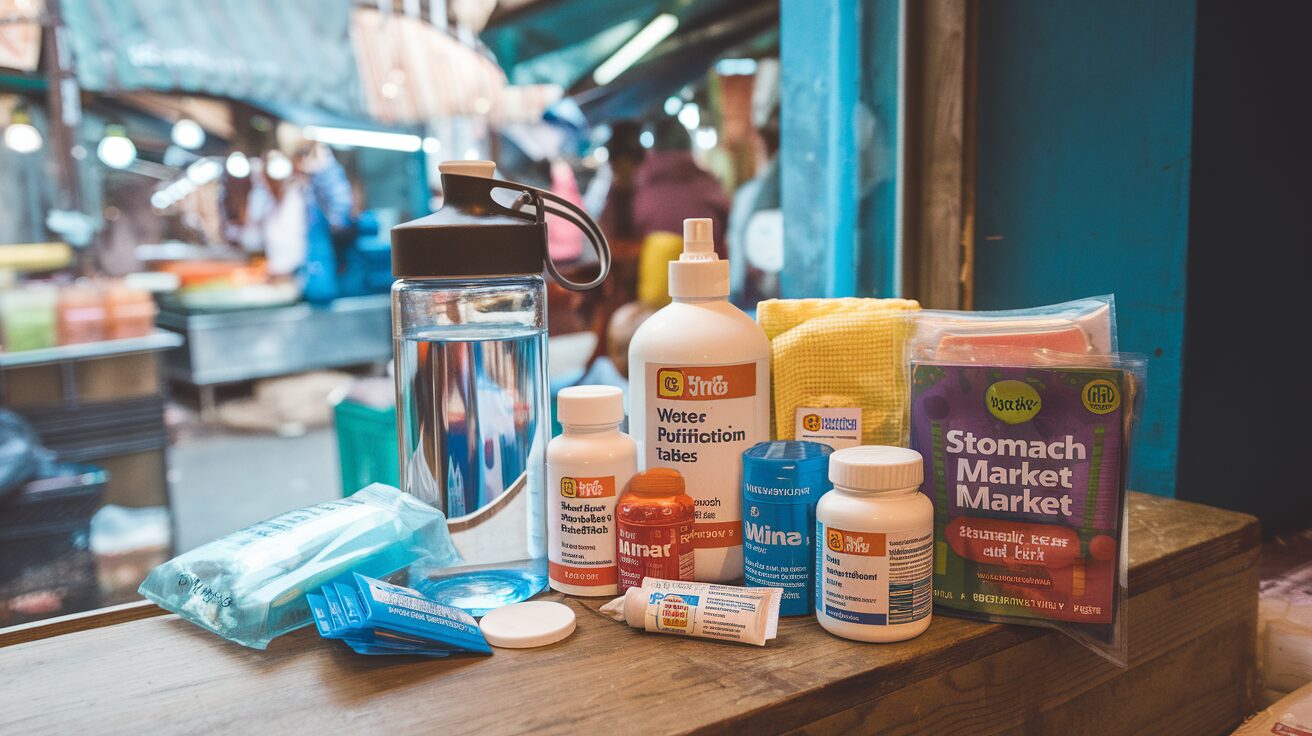
Portable water bottle with built-in filter
Drinking water in India can be… well, a gamble. Even locals don’t drink straight from the tap. But lugging around bottled water gets old fast (not to mention the plastic waste nightmare).
Enter the hero of your India adventure: a water bottle with built-in filter. These portable lifesavers remove bacteria, parasites, and other nasties that might send you on an unplanned tour of Indian hospital facilities.
I’ve tested dozens during my travels, and bottles like LifeStraw Go or GRAYL Geopress are worth every rupee. They filter out 99.9% of waterborne pathogens and last for months of daily use. Fill up from hotel sinks, restaurants, or even that questionable train station tap, and drink with confidence.
The best part? You’ll save around ₹100-200 daily on bottled water. That adds up to some serious shopping money for those gorgeous textiles in Jaipur!
Stainless steel straws for hygiene and sustainability
Those fresh coconuts and lassi drinks are non-negotiable Indian experiences. But the straws they come with? Often questionable at best.
Pack a set of stainless steel straws and you’ll never worry about drinking through a grubby plastic tube again. They’re lightweight, virtually indestructible, and come with tiny brushes for easy cleaning.
The trick is keeping them accessible. Stash one in your day bag and you’re set for impromptu street food stops and refreshment breaks. Your travel companions will be eyeing them jealously when you’re sipping that incredible mango lassi with zero concerns.
Snack stash for long journeys between destinations
India is massive. Those train rides between cities? Often 8+ hours. Bus journeys through mountain passes? Double that.
Smart travelers always maintain a strategic snack reserve. I’m talking about:
- Protein bars that won’t melt in the heat
- Nuts and dried fruits (almonds and apricots are my go-to)
- Crackers or flatbreads that won’t crumble in your bag
- A few chocolate treats for emergency morale boosts
Indian trains do have food service, but timing can be unpredictable. And those 30-minute rest stops on highway journeys often come hours apart.
Your snack stash isn’t just for emergencies—it’s also perfect for those moments when your stomach needs something familiar between all the amazing (but sometimes challenging) new flavors you’ll be trying. Balance is key!
Navigation and Orientation Tools
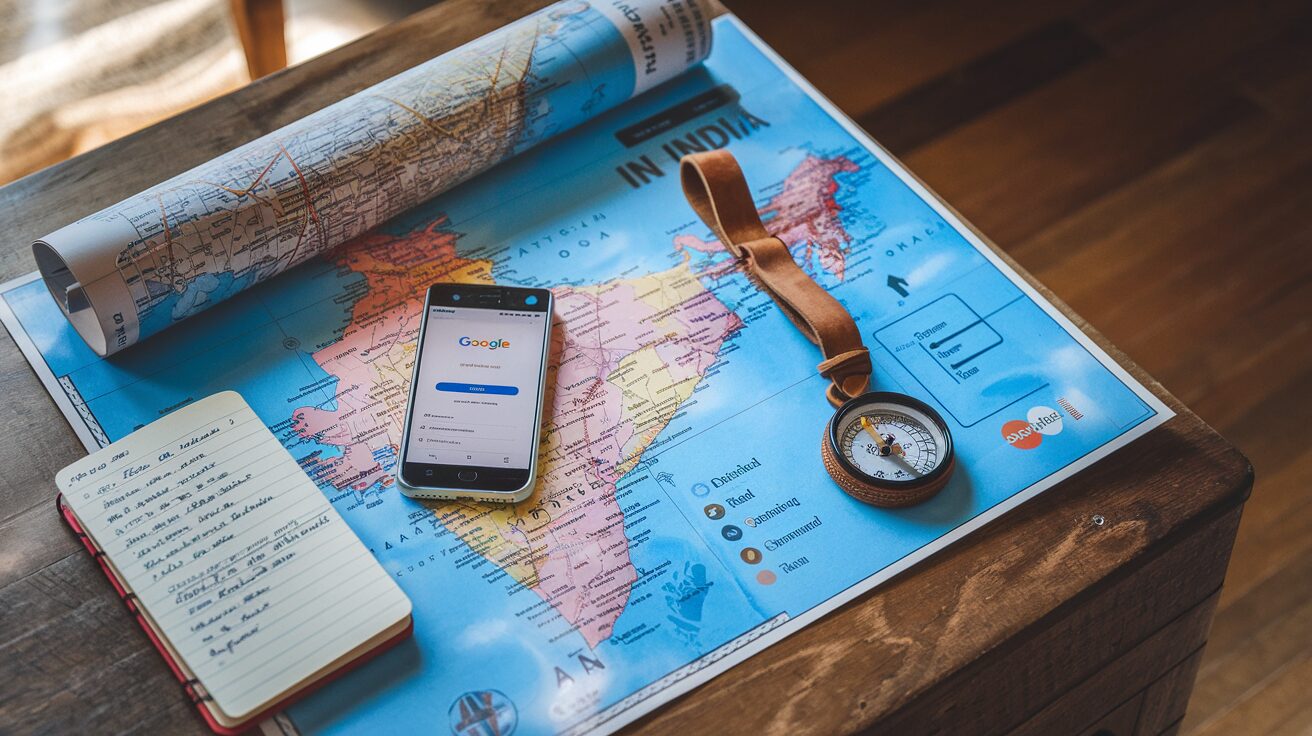
A. Offline maps that work without data connection
Getting lost in India can turn a dream vacation into a nightmare fast. Trust me, you’ll want to download offline maps before your trip.
Apps like Google Maps and Maps.me let you download entire cities or regions while you’re still on hotel WiFi. Then when you’re wandering through the narrow lanes of Varanasi or navigating Mumbai’s chaotic streets, you’ll have reliable directions without burning through your data plan.
Pro tip: Take screenshots of important routes before heading out each day. Battery dies? At least you’ll have those images to fall back on.
B. Traditional compass for remote areas
Think a compass is outdated? Think again.
In remote areas like the Himalayas or deep in Rajasthan’s desert, your phone might lose signal completely. A small, lightweight compass costs under $10 and never needs charging.
I once got completely turned around during a trek near Dharamshala when fog rolled in suddenly. My trusty compass was the only thing that pointed me back toward the village when all visual landmarks disappeared.
C. Hotel business cards in local language
This humble hack has saved countless travelers. Every time you check into a hotel, grab at least 5 business cards.
Why? Because when you’re trying to get back after a day of exploration, showing a card to your auto-rickshaw driver bridges any language gap instantly. No more butchering pronunciations or ending up at the wrong address.
Bonus: Write emergency contact numbers on the back of one card and keep it in your wallet. Simple, old-school, and incredibly effective.
Packing Organization Systems
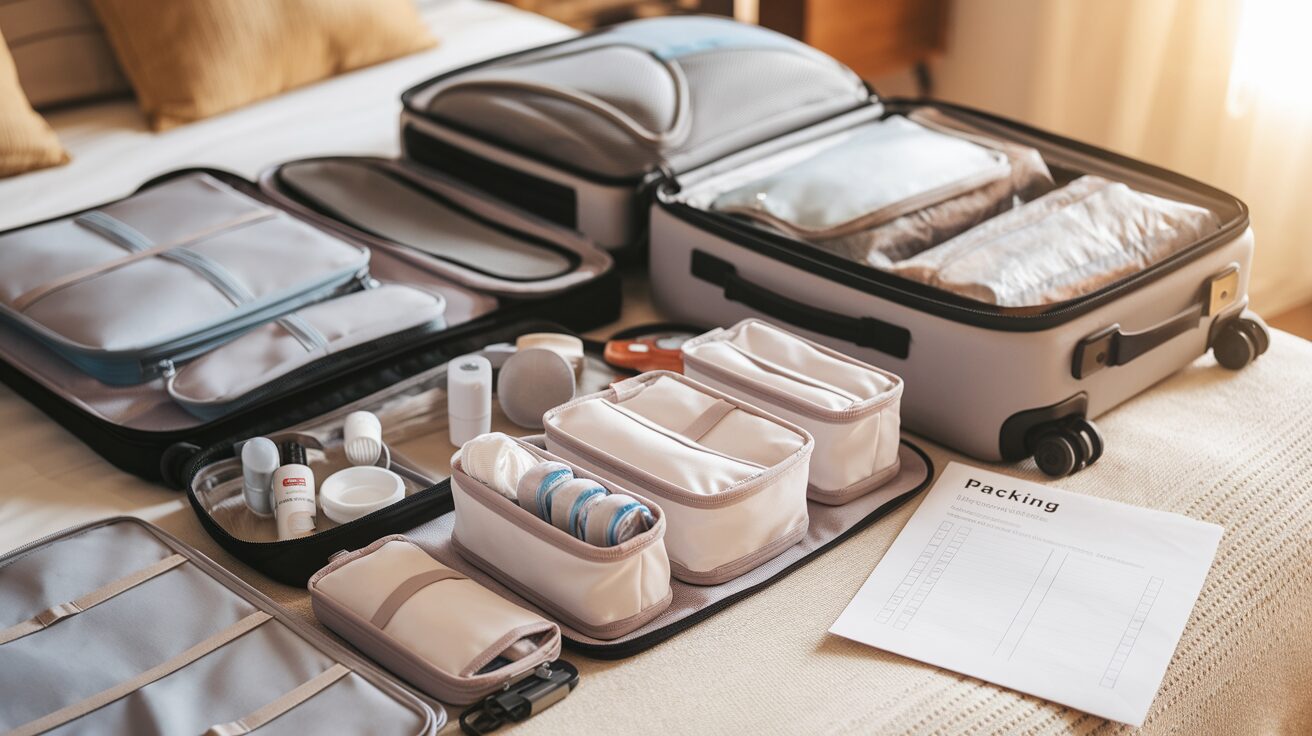
Compression packing cubes for maximizing space
Packing for India isn’t just about what you bring—it’s how you organize it all. Trust me, after bouncing between crowded train stations and tiny hotel rooms, you’ll be grateful for every inch of space you saved.
Compression packing cubes are absolutely game-changing. They’re like magical little rectangles that shrink your clothes down to half their size. I’ve managed to fit 10 days’ worth of clothes in a carry-on using these babies.
The best part? No more digging through your entire suitcase to find that one t-shirt. Keep tops in one cube, bottoms in another, and underwear in a third. When you arrive at your guesthouse in Varanasi at midnight, you’ll thank yourself for this level of organization.
Some cubes even come with see-through mesh so you can spot what’s inside without opening them. Genius, right?
Waterproof bags for electronics during monsoon
The monsoon in India doesn’t mess around. One minute it’s sunny, the next you’re wading through ankle-deep water with your precious electronics.
Waterproof bags are non-negotiable, especially if you’re visiting during monsoon season (June to September). Get yourself a few different sizes—one for your phone, another for your camera, and maybe a bigger one for your laptop or tablet.
The good ones have triple-seal closures and can actually be submerged without leaking. I learned this lesson the hard way when my phone got soaked during a sudden downpour in Kerala.
Pro tip: test your waterproof bags before your trip by putting tissue paper inside and dunking them in water. If the tissue stays dry, you’re good to go!
Laundry solutions for extended stays
Planning to spend more than a week exploring India? You’ll need a solid laundry strategy.
While many hotels offer laundry service, it can get expensive fast. Instead, pack a small bottle of concentrated travel detergent and a portable clothesline with built-in clips. The clothesline can stretch between two chairs or hooks in your bathroom, and clothes dry surprisingly fast in India’s heat.
For quick washing, try a Scrubba wash bag—it’s basically a portable washboard in bag form. Just add clothes, water, soap, and knead for a few minutes. I’ve used mine to wash a week’s worth of clothes in my hotel sink.
Remember those compression cubes I mentioned? Use a dedicated one for dirty clothes to keep them separate from clean ones. Nothing’s worse than accidentally grabbing a shirt you’ve already worn for three sweaty days in Mumbai!
Unexpected Essentials Most Travelers Forget
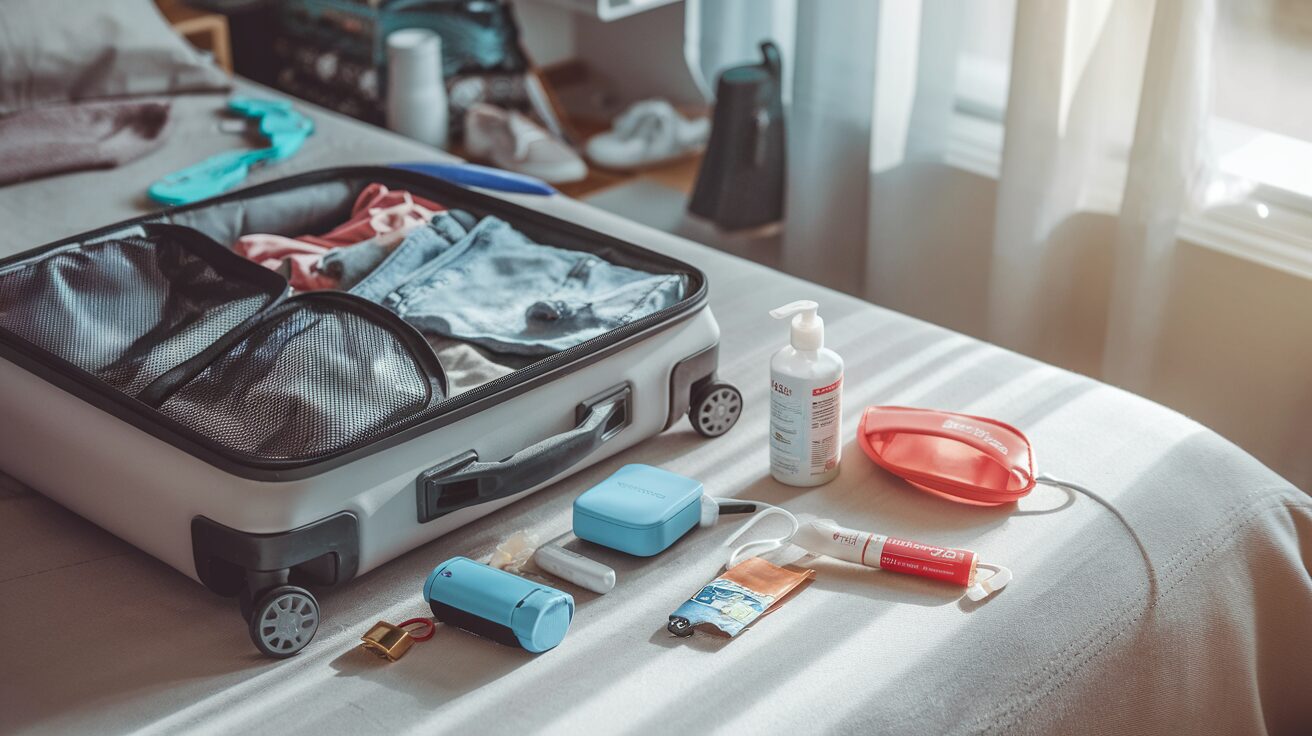
Unexpected Essentials Most Travelers Forget
A. Toilet paper or tissues for public restrooms
You might think I’m exaggerating, but trust me on this one. Public restrooms in India often don’t provide toilet paper. It’s not a luxury—it’s practically gold when you need it! Tuck a small roll or a pack of travel tissues into your daypack, and you’ll avoid that moment of panic that so many first-time visitors experience.
Pro tip: those little vacuum-sealed tissue packs take up minimal space but expand when you need them. They’re perfect for slipping into a pocket before heading out for the day.
B. Multi-purpose soap for clothing and body
India’s heat can leave you wanting to change clothes more often than expected. A small bottle of concentrated, biodegradable soap will become your best friend. You can wash your underwear in the sink, clean a coffee stain off your favorite shirt, or even use it as body wash in a pinch.
I once spilled chai all over my white pants in Jaipur. My little soap bottle saved me from walking around with a massive brown stain all day!
C. Small gifts from home for new friends
Indians are incredibly hospitable, and you’ll likely find yourself invited into homes or making friends along the way. Having small, lightweight tokens from your home country—think postcards, local candy, or small souvenirs—shows thoughtfulness and appreciation.
These little gifts break down language barriers and create genuine connections. I still exchange messages with a family in Varanasi who proudly display the maple leaf pin I gave them on their refrigerator.
D. Earplugs for noisy overnight trains and busy streets
The soundtrack of India is magnificent—temple bells, street vendors, traffic—but sometimes you need a break. Quality earplugs are essential for those overnight train journeys when the snoring symphony begins, or when your hotel happens to be next to a wedding celebration that goes until 3 AM.
Splurge on good ones. The cheap foam ones won’t cut it when the truck outside your window starts honking at 5 AM.
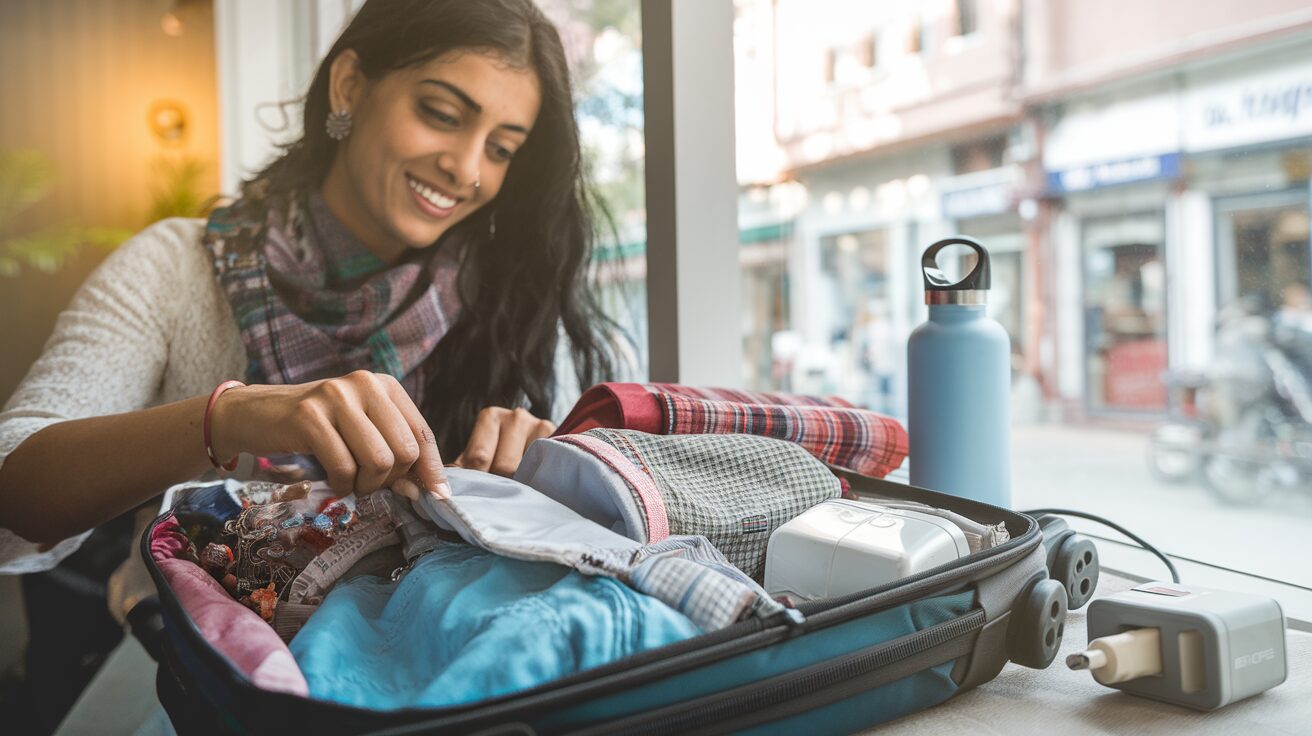
Preparing for your Indian adventure requires thoughtful consideration of the essentials that will make your journey comfortable, safe, and memorable. From versatile clothing that adapts to India’s varied climates to health supplies, tech safeguards, and cultural tools, the right items in your luggage can transform your travel experience. Don’t overlook practical necessities like food safety solutions, navigation tools, and packing organizers that keep everything accessible when you need it most.
As you finalize your packing list, remember that successful travel to India balances preparation with flexibility. While these twelve categories of essentials will serve as your foundation, the most valuable things you’ll bring are an open mind and adaptable spirit. Pack smartly, travel lightly where possible, and leave room—both in your suitcase and your itinerary—for the unexpected treasures and experiences that make India one of the world’s most extraordinary destinations. Safe travels!
For immersive culture walks in India, please visit 5 Senses Walks.
Leave a Reply