
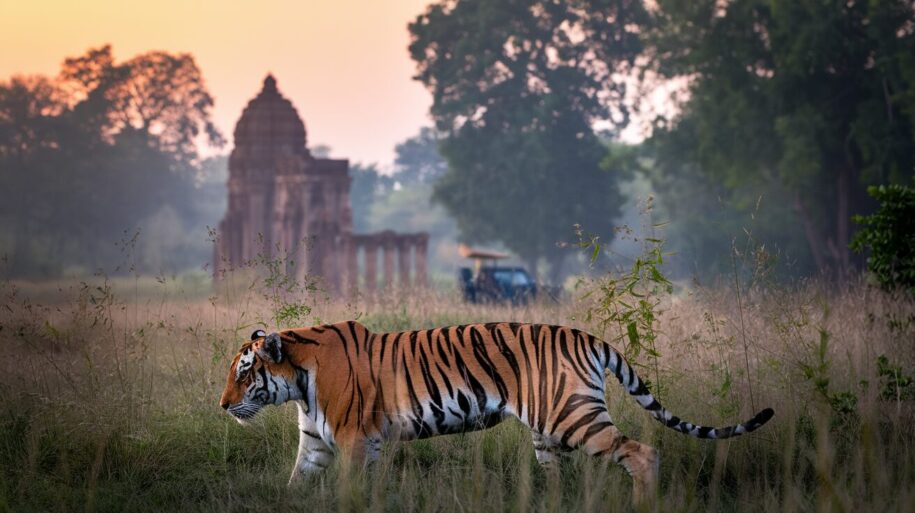
Ever stood face-to-face with a Bengal tiger in its natural habitat, your heart pounding as those amber eyes lock with yours? That raw, electric moment is why wildlife sanctuaries aren’t just trips—they’re life-altering experiences.
India’s top 6 wildlife sanctuaries offer some of the most spectacular animal encounters on the planet, from tracking elusive snow leopards to watching elephant herds bathe at sunrise.
I’ve spent five years exploring every major wildlife reserve in the country, and I’m about to save you months of research. These six sanctuaries deliver the perfect balance of authentic animal sightings and accessibility—even for first-timers.
But before I reveal which sanctuary secretly offers the highest tiger-spotting success rate in Asia (hint: it’s not the one you’re thinking), let’s talk about what makes each of these wilderness havens truly special.
Jim Corbett National Park: A Paradise for Tiger Enthusiasts
The Historic Significance of India’s Oldest National Park
Established back in 1936, Jim Corbett National Park holds the crown as India’s first national park. But it wasn’t always called that. Initially named “Hailey National Park” after Sir Malcolm Hailey (then governor of the United Provinces), it was later renamed “Ramganga National Park” before finally honoring the legendary hunter-turned-conservationist Jim Corbett in 1957.
And boy, does this place have stories to tell! This was where the legendary “Project Tiger” conservation initiative was launched in 1973—a desperate attempt to save India’s dwindling tiger population when there were barely 1,800 tigers left in the country.
The park itself was born from Jim Corbett’s tireless advocacy. After spending years hunting man-eating tigers and leopards that had claimed over 400 human lives, Corbett experienced a complete change of heart. He put down his rifle and picked up his camera, becoming one of India’s earliest wildlife photographers and conservationists.
Best Season to Witness Royal Bengal Tigers in Their Natural Habitat
Want to maximize your chances of spotting those striped beauties? Timing is everything.
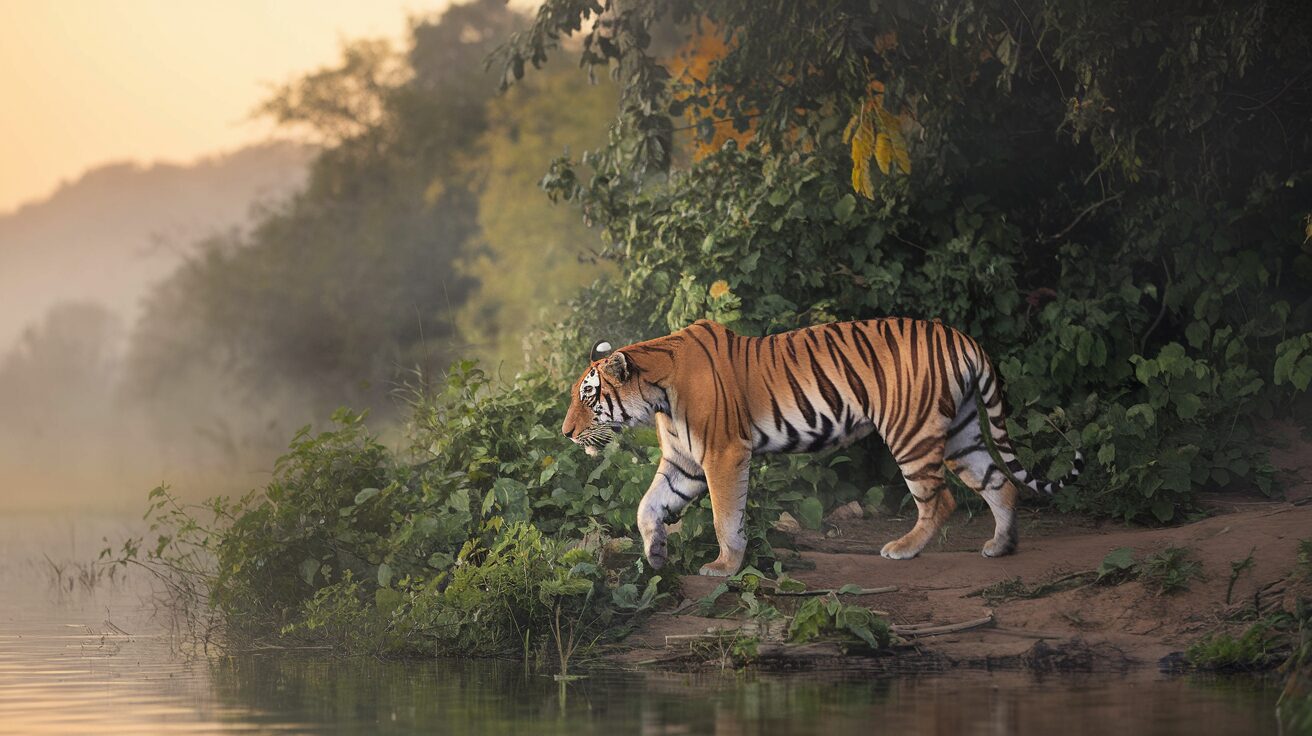
The sweet spot for tiger sightings is between March and June. Why? The scorching heat drives animals to water bodies, making them easier to spot. Tigers are no exception—they’ll be lounging near streams and water holes, trying to beat the heat just like the rest of us.
But here’s what most tourists don’t know: November to February offers the most comfortable weather and decent sighting opportunities without the crushing crowds. The lush post-monsoon vegetation makes for stunning photographs too.
Avoid monsoon season (July to October) when many zones close due to flooding and dense foliage makes wildlife harder to spot.
Exclusive Safari Options to Maximize Wildlife Sightings
Not all safaris are created equal at Corbett. Your best bet? The Jeep Safari through the Dhikala zone—the holy grail for serious wildlife enthusiasts. It’s limited to just 45 vehicles daily, so book months in advance.
The less-traveled Durga Devi zone offers a unique riverside safari experience with fewer tourists. Perfect if you’re after that “just you and the wilderness” feeling.
For the budget-conscious wildlife lover, canter safaris (open-top buses) are available in the buffer zones. They’re cheaper but hold your expectations in check—tiger sightings are rarer here.
Going beyond the obvious, try the elephant safaris for a different perspective. These gentle giants can access areas jeeps can’t, giving you unparalleled viewing opportunities.
And for the photographers among you, consider splurging on a private safari. Yes, it costs more, but having control over where you stop and for how long? Priceless when that perfect shot presents itself.
Accommodation Options from Luxury to Budget-Friendly
Corbett’s accommodation scene has something for every wallet thickness.
At the luxury end, there’s the iconic Corbett Hideaway with its stunning riverside cottages and farm-to-table dining. Then there’s Jim’s Jungle Retreat, where spacious lodges blend seamlessly with the surrounding forest. Expect to shell out ₹15,000-25,000 per night during peak season.
Mid-range options like Tiger Camp and Corbett River Creek offer comfortable stays with decent amenities (₹5,000-10,000). They’re perfect for families wanting comfort without breaking the bank.
Backpackers, fear not! Forest department rest houses inside the park start at just ₹1,200 per night. They’re basic but offer an authentic experience—and often the best locations for wildlife spotting.
The sweet spot? Dhikala Forest Lodge. Located in the heart of the park, it’s relatively affordable (₹3,000-6,000) and puts you right where the action is. Just book 6 months in advance—it fills up faster than a water hole in summer!
Beyond Tigers: Diverse Flora and Fauna to Discover
Tigers get all the glory, but Corbett’s biodiversity would make any naturalist weak at the knees.
The park houses over 50 mammal species, including the often-overlooked sloth bears, jungle cats, and the elusive Himalayan black bears. Lucky visitors might spot wild elephants bathing in the Ramganga River—a spectacle that rivals any tiger sighting.
Bird enthusiasts, prepare to lose your minds. With over 600 species documented, Corbett is a birder’s paradise. The crested kingfisher, pallas’s fish eagle, and the great hornbill are just the headliners in this avian extravaganza.
The reptile scene isn’t shabby either. Mugger crocodiles sunbathe along riverbanks, while gharials (fish-eating crocodiles with the funny snouts) make occasional appearances.
Plant nerds will appreciate the diverse flora—from towering sal forests to riverine vegetation and grasslands. These varied habitats are why Corbett supports such diverse wildlife in the first place.
Ranthambore National Park: Where Tigers Roam Ancient Ruins
The Unique Landscape of Fort Ruins and Wildlife
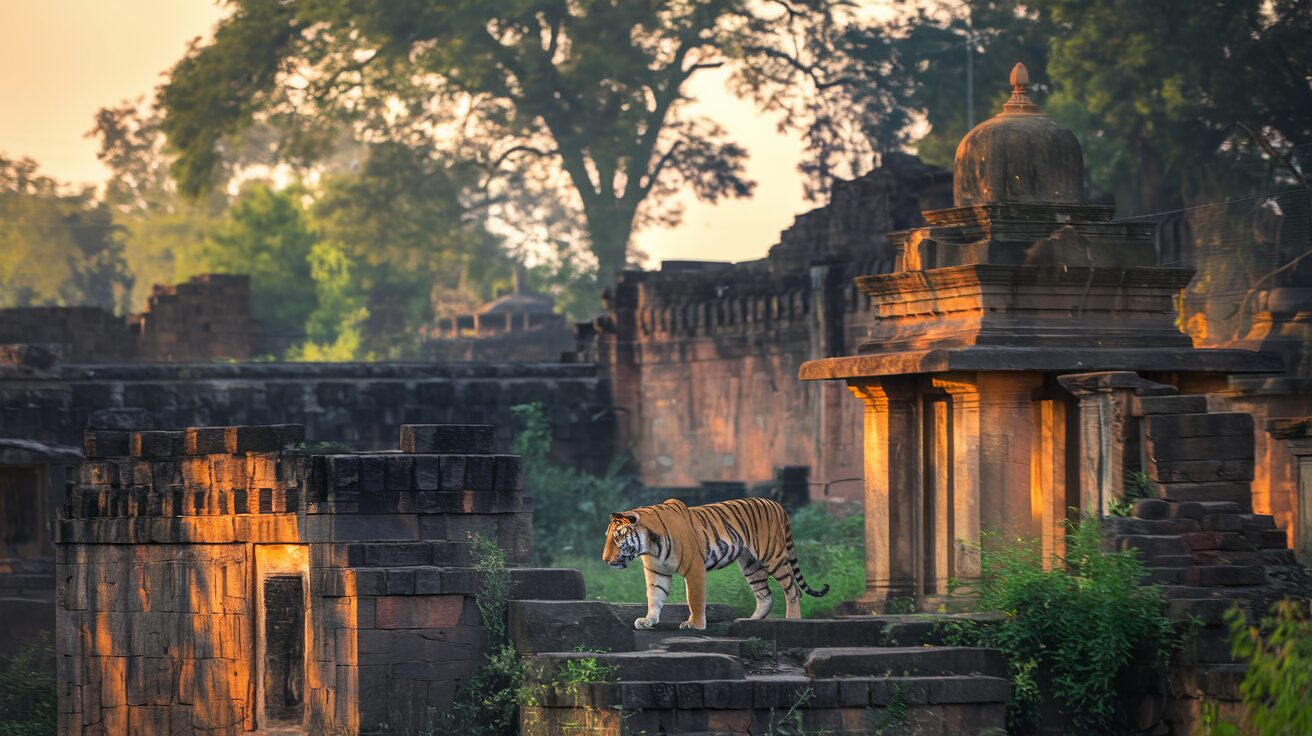
Picture this: ancient crumbling forts with majestic tigers prowling around them. That’s Ranthambore for you—the only place on earth where royal Bengal tigers roam freely among 10th-century ruins.
The park’s landscape is simply magical. Towering banyan trees wrap their roots around weathered stone structures while sambar deer graze nearby. The iconic Ranthambore Fort, perched atop a 700-foot hill, watches over the entire reserve like a silent guardian.
Unlike other tiger reserves with dense forests, Ranthambore offers open grasslands dotted with lakes and ancient structures. This unique blend of history and wilderness creates an almost surreal backdrop that feels like stepping into a National Geographic documentary.
What makes it truly special? The contrast. Watching a powerful predator lounging on centuries-old steps where kings once walked gives you goosebumps. The three lakes—Padam Talao, Raj Bagh, and Malik Talao—serve as natural gathering spots for wildlife, especially during summer months.
Photography Opportunities That Capture Wildlife Against Historic Backdrops
Photographers, listen up. Ranthambore is your dream destination. Where else can you capture a tiger walking past a 1,000-year-old archway?
The play of light and shadow against ancient stonework creates dramatic settings that make even amateur shots look professional. Dawn safaris offer golden light streaming through ruins while tigers return from night hunts. Magic hour, anyone?
Some legendary photo spots include:
- The hunting pavilions near Padam Talao lake
- Jogi Mahal with its massive banyan tree
- Rajbagh ruins where tigers often lounge on stone platforms
Pro tip: Pack a zoom lens (at least 400mm) and a wide-angle to capture both wildlife close-ups and the expansive landscape with ruins in a single frame.
Famous Tiger Families and Their Territories
Ranthambore’s tigers aren’t just numbers—they’re celebrities with names, personalities, and family dramas that would put reality shows to shame.
The legacy began with the legendary Machli (T-16), once known as the “Queen of Ranthambore” who ruled the lake areas for nearly two decades. Her daughters have continued her lineage, establishing their own territories around the park.
Current famous residents include:
- Arrowhead (T-84), known for her distinctive forehead marking
- Krishna (T-19), who controls the prime territory around the lakes
- Sultan (T-72), the dominant male in the western section
Each family has fascinating stories. Like when Arrowhead boldly established territory in the tourist-heavy zone, or when Krishna raised her cubs in the shadow of the fort against all odds.
The tigers here have adapted uniquely to human presence, making them less shy and more visible than in other reserves. They’ve incorporated the ruins into their territories, using ancient structures as vantage points and shelter.
Guided Safari Experiences for Guaranteed Sightings
Let’s get real—seeing a tiger in the wild isn’t guaranteed anywhere. But Ranthambore comes pretty close with its 60-70% sighting success rate.
The park is divided into 10 safari zones, each offering different landscapes and tiger territories. Zones 1-5 have historically higher sighting rates, with zones 2 and 3 being particularly lucky for spotting the famous fort-dwelling tigers.
Two types of safaris are available:
| Safari Type | Duration | Capacity | Best For |
|---|---|---|---|
| Canter Safari | 3 hours | 20 people | Budget travelers |
| Jeep Safari | 3 hours | 6 people | Serious photographers |
Your guide makes all the difference here. The best ones know individual tigers by their stripes and can predict their movements based on alarm calls from deer and monkeys.
Book your safari at least 3 months in advance—they sell out quickly, especially during peak season (October-April). Morning safaris generally offer better sighting opportunities as tigers are more active in cooler temperatures.
Remember, even if tigers play hard to get, the fort ruins and other wildlife—leopards, sloth bears, and over 300 bird species—make every safari worth the ride.
Kaziranga National Park: Home to the Greater One-Horned Rhinoceros
How to Spot the Magnificent One-Horned Rhinos
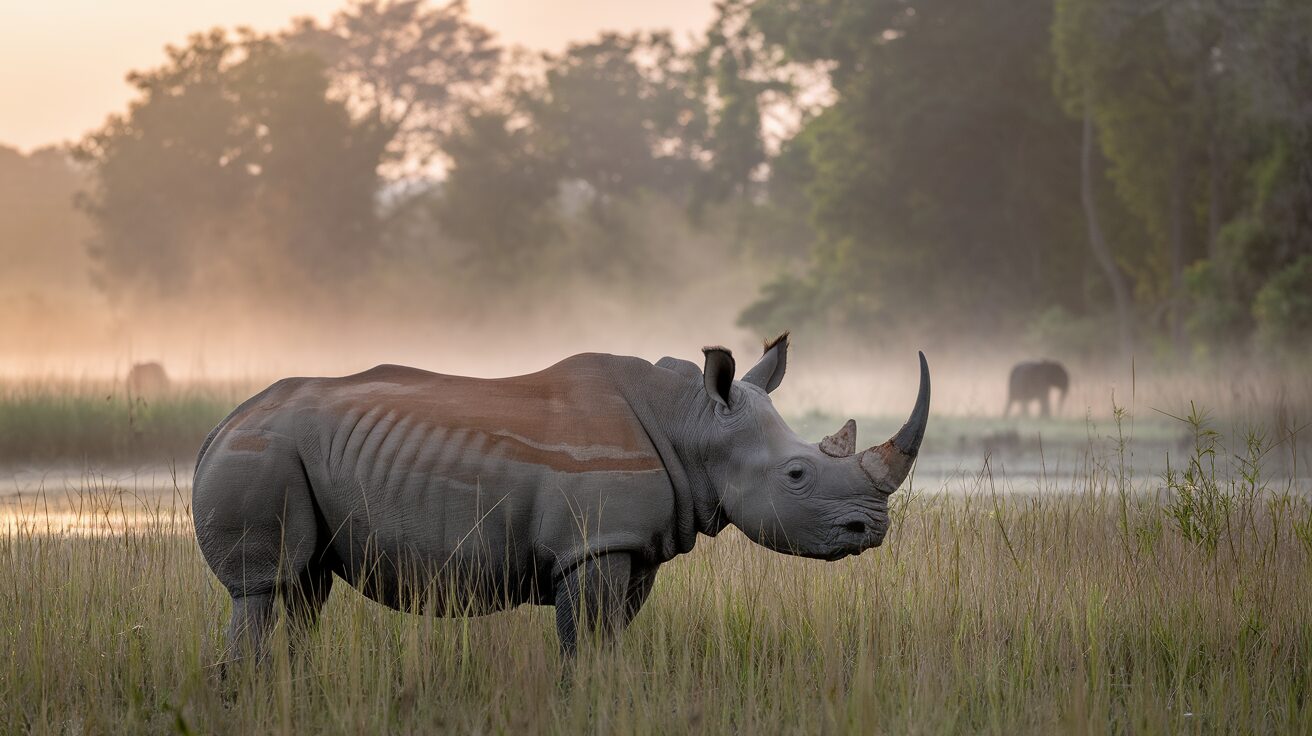
The thrill of seeing your first one-horned rhino in Kaziranga is something you’ll never forget. These armored giants, weighing up to 2.5 tons, are surprisingly easy to spot during the right season.
Morning safaris (between 5:30-9:30 AM) offer your best chances when rhinos emerge from the tall elephant grass to graze in open areas. Look for them near water bodies, especially during March-April when the grass is shorter and visibility improves dramatically.
Don’t worry if you’re a wildlife newbie – the rhinos’ distinctive gray armor and single horn make them unmistakable even from a distance. Their habit of staying in small family groups makes them easier to track than solitary animals.
Pro tip: Bring binoculars, but honestly, these massive creatures are visible to the naked eye across clearings. Their prehistoric appearance – with thick folded skin that looks like body armor – makes for incredible photos, especially in golden morning light.
Elephant Safari Experiences: Getting Closer to Wildlife
Nothing beats the intimacy of an elephant safari in Kaziranga. Unlike jeep tours where engines and metal separate you from nature, elephant-back safaris put you right in the animals’ world.
Riding atop these gentle giants gets you unbelievably close to rhinos – sometimes within 20 feet! Wild animals perceive elephants as non-threatening, so they don’t flee like they might from vehicles.
These safaris typically last about an hour, departing from Mihimukh, Kohora and Bagori ranges. Book well in advance (months, not days) because they’re wildly popular and limited to about 40 riders per session.
The perspective is magical – you’re high enough to see over the tall grasses but moving silently through the landscape. Your mahout (elephant guide) can spot wildlife you’d miss and position you perfectly for photos.
Yes, the ride is bumpy and there’s no cushioned seat, but the trade-off? Being eye-to-eye with a mother rhino and her calf in their natural habitat.
The Big Five of Kaziranga: Rhino, Elephant, Tiger, Buffalo, and Swamp Deer
Kaziranga isn’t just about rhinos – it’s home to India’s version of the Big Five. The park boasts the highest density of Bengal tigers in the world, though spotting these elusive cats requires patience and luck.
Wild elephants roam in herds throughout the park, sometimes crossing the main highway in spectacular fashion. Unlike African elephants, these Asian giants have smaller ears and a distinctive twin-domed head.
The wild water buffalo here are giants – far larger than their domesticated cousins – with magnificent curved horns spanning up to 6 feet. They’re often seen wallowing in marshes or grazing in family groups.
Eastern swamp deer (barasingha) gather in herds of 10-30 in the grasslands. Their reddish-brown coats and impressive antlers make them photogenic subjects, especially during the rutting season.
While rhinos get the glory, seeing all five major species in one trip is the ultimate Kaziranga achievement. Dawn and dusk game drives increase your chances dramatically – that’s when predators and prey are most active.
Conservation Success Stories and How Visitors Contribute
Kaziranga represents one of conservation’s greatest comebacks. In 1905, only about 12 rhinos remained. Today, over 2,600 one-horned rhinos thrive here – nearly 70% of the world’s population.
This remarkable turnaround didn’t happen by accident. Park authorities implemented armed anti-poaching patrols that operate 24/7 across Kaziranga’s 430 square kilometers. These forest guards face dangerous conditions to protect wildlife, with shoot-on-sight authority against armed poachers.
Your visit directly funds these conservation efforts. Each entry fee, safari booking, and accommodation stay pumps money into local economies, creating tangible value for protecting wildlife rather than exploiting it.
The park also pioneered community involvement in conservation. Local villagers, once potential poachers, now work as guides, drivers, and hospitality staff, earning sustainable livelihoods from tourism.
Annual floods that once threatened wildlife now help maintain the ecosystem by replenishing nutrients and preventing forest encroachment on grasslands. Park managers have built artificial highlands where animals retreat during monsoon flooding – innovations you’ll see during your visit.
Bird Watching Opportunities in the Wetlands
Kaziranga’s wetlands host more than 500 bird species, making it a paradise for birdwatchers often overshadowed by the megafauna.
Winter (November-February) brings migratory birds from as far as Siberia. The bar-headed geese, recognizable by their distinctive markings, fly over the Himalayas to reach these wetlands – one of the highest-altitude migrations in the bird world.
Grab your camera for the greater adjutant stork – a critically endangered species with only 1,200 left in the wild, many calling Kaziranga home. These prehistoric-looking birds stand nearly 5 feet tall with massive bills.
The park’s wetlands teem with kingfishers (seven different species!), Asian openbills, fishing eagles, and countless waterfowl. Even non-birders are amazed by the Bengal florican’s elaborate mating dance or the graceful flight of egrets against sunset skies.
Many lodges offer specialized bird-watching tours with expert guides who know exactly where to find rarities like the swamp francolin or black-breasted parrotbill. Early morning canoe rides through the park’s channels reveal water birds fishing in the mist – a photographer’s dream scenario.
Bandhavgarh National Park: Highest Density of Bengal Tigers
Strategic Tiger Spotting: Zones with Highest Success Rates
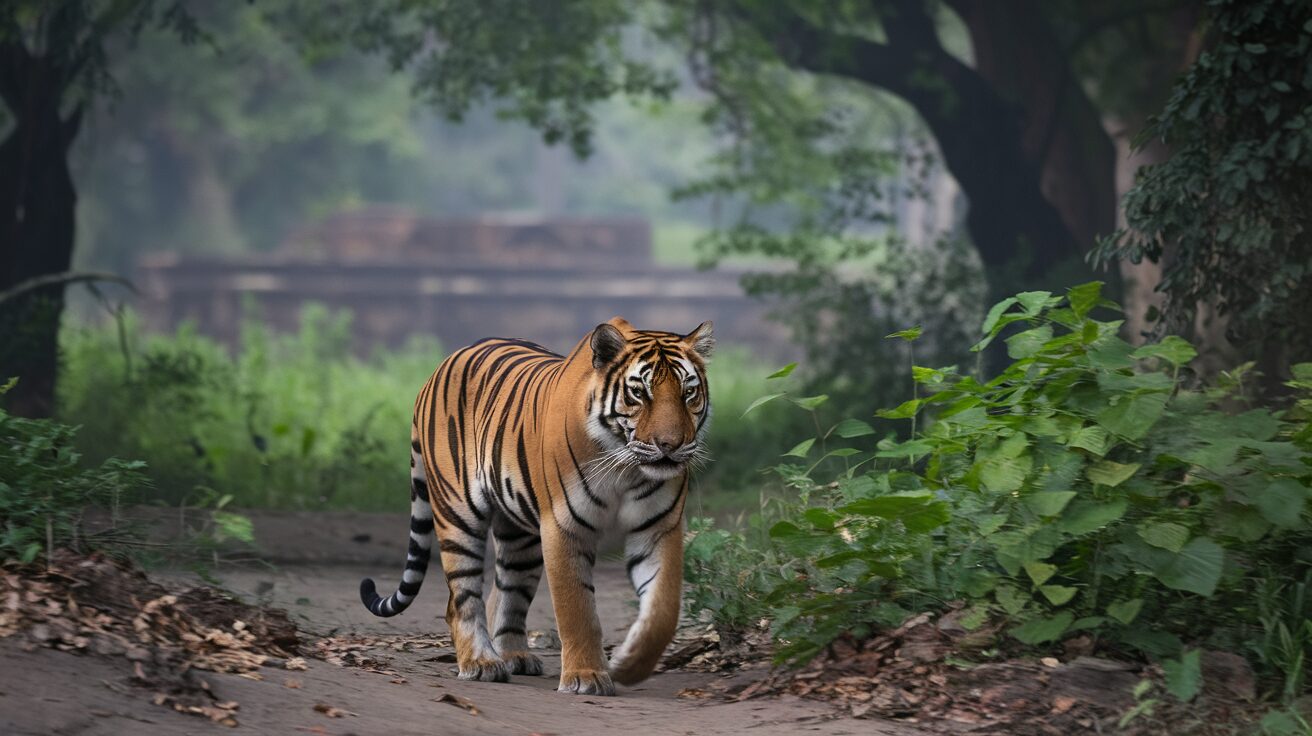
Bandhavgarh isn’t just home to tigers – it’s literally Tiger Central. With the highest density of Bengal tigers in India, your chances of spotting these magnificent cats are better here than anywhere else.
The park is divided into three main zones: Tala, Magdhi, and Khitauli. If you’re serious about tiger spotting, head straight to Tala Zone. This is where the magic happens. About 80% of tiger sightings occur in this zone, particularly around the meadows near Chakradhara.
Morning safaris (5:30-9:30 AM) typically yield better results than afternoon ones. Tigers are most active during these cooler hours, often heading to water holes or lounging in open grasslands.
| Zone | Tiger Density | Best Time | Key Landmarks |
|---|---|---|---|
| Tala | Very High | Early Morning | Chakradhara Meadows |
| Magdhi | Moderate | Late Afternoon | Bhitri & Sehra Meadows |
| Khitauli | Lower | Variable | Bathan Meadows |
Pro tip? Book multiple safaris across different zones. Each has its own resident tigers with distinct territories and behaviors. And don’t just rely on your eyes – listen for alarm calls from deer and monkeys, which often signal a tiger’s presence long before you’ll spot one.
Ancient Caves and Biodiversity Beyond Big Cats
Sure, tigers steal the spotlight at Bandhavgarh, but there’s so much more to this ancient forest than its striped celebrities.
The park sits on sacred ground. Ancient caves dating back to the 1st century dot the landscape, with over 30 cave sites featuring stunning rock paintings and Sanskrit inscriptions. The most famous is the 2000-year-old Bandhavgarh Fort perched 800 meters above sea level – a steep climb but worth every step for history buffs and photographers alike.
Wildlife diversity here goes way beyond tigers. The park houses:
- 37 species of mammals including leopards, sloth bears, and wild dogs
- Over 250 bird species (paradise flycatchers and hornbills are particular treats)
- 80 butterfly species painting the forest in fluttering colors
- Ancient sal forests that create a cathedral-like atmosphere in parts of the park
The Charanganga Valley offers some of the most diverse habitat. Here, sal forests transition into grasslands, creating perfect viewing conditions for spotted deer, sambar, and the occasional gaur (Indian bison) – massive creatures that even tigers think twice about challenging.
For plant enthusiasts, the medicinal plants here are legendary. Local guides can point out species used in traditional Ayurvedic medicine for centuries.
Photography Tips for Capturing Perfect Wildlife Moments
Wildlife photography at Bandhavgarh is both thrilling and challenging. The difference between a mediocre shot and a wall-worthy masterpiece often comes down to preparation and technique.
First, your gear matters. Bring a DSLR or mirrorless camera with a telephoto lens (minimum 300mm, ideally 400-600mm). Tigers rarely pose up close. Pack extra batteries and memory cards – nothing worse than running out of juice during a once-in-a-lifetime sighting.
Lighting is everything in the forest. The golden hours (early morning and late afternoon) create magical rim lighting that makes tigers’ fur glow. During harsh midday sun, shoot in shaded areas where animals often retreat.
Camera settings for tiger photography:
- Aperture priority mode (f/5.6-f/8)
- ISO 400-800 (higher in dense forest)
- Shutter speed minimum 1/500s for moving subjects
- Continuous focus mode with burst shooting
Position is crucial. When your jeep spots a tiger, request a position that places the cat against a clean background. Look for natural frames like archways of branches or tall grass that add depth.
Don’t just photograph animals – capture behaviors. A tiger marking territory or a mother with cubs tells a more compelling story than a static portrait.
Local Tribal Culture and Their Relationship with the Forest
The forests of Bandhavgarh aren’t just wilderness – they’re home. For generations, the Baiga and Gond tribal communities have lived alongside tigers and other wildlife, developing a relationship with the land that borders on the mystical.
These indigenous communities possess knowledge about the forest that no scientific study could fully capture. They understand the subtle seasonal changes, can identify hundreds of medicinal plants, and read animal behavior with uncanny accuracy.
Their traditional ecological knowledge has helped shape conservation efforts. Many former hunters now work as expert guides, using their tracking skills to help visitors spot wildlife. Their intimate understanding of tiger behavior often leads to the park’s most memorable sightings.
Visit the tribal villages on the park’s periphery to experience their unique culture. The Baiga tribes, considered among India’s oldest, still practice sustainable harvesting of forest products and maintain distinctive artistic traditions, including vibrant Pithora paintings that depict their relationship with nature.
Conservation challenges emerge at this human-wildlife interface. As the tiger population grows, so do conflicts. Local initiatives now focus on creating sustainable livelihoods that reduce dependence on forest resources while preserving cultural heritage.
The tribes’ spiritual connection to the forest adds another dimension to Bandhavgarh. Sacred groves protected for centuries represent some of the most pristine ecosystems in the region – living proof that conservation and cultural preservation can work hand in hand.
For a tour of Bandipur wildlife safari, please visit Bandipur & Mysore.
Gir National Park: The Last Abode of Asiatic Lions
Distinguishing Features of the Rare Asiatic Lion
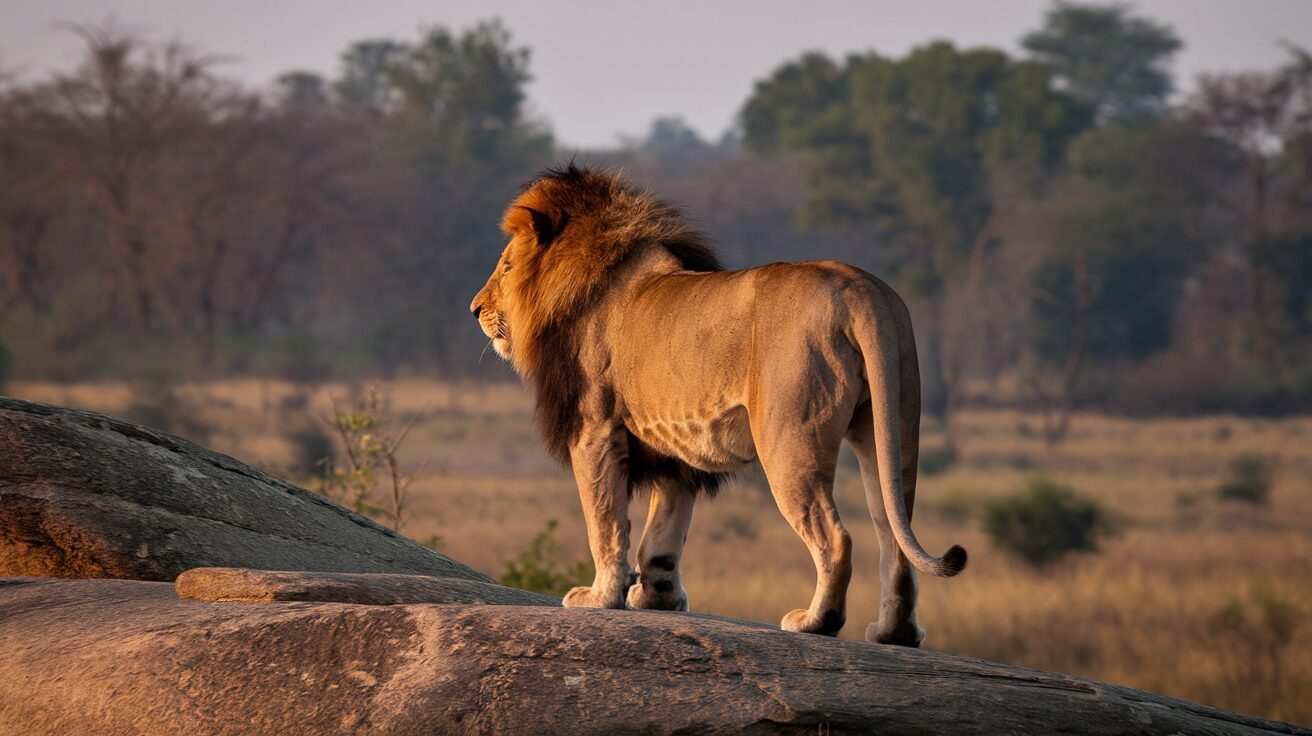
Picture this: You’re driving through Gir’s dusty trails when suddenly, there it is – the magnificent Asiatic lion, regally surveying its domain. But how can you tell it’s not just any lion?
The Asiatic lion rocks a distinctive fold of skin along its belly that you won’t find on its African cousins. Their manes? Much shorter and darker, sometimes barely visible, especially in the summer heat. Males typically weigh between 350-420 pounds – slightly smaller than African lions but every bit as impressive.
Their faces tell a story too – more elongated with a more pronounced tuft at the tail end. When they roar across Gir’s landscape, the sound carries differently – slightly higher-pitched but equally spine-tingling.
What really sets them apart is their social structure. While African lions form large prides, Asiatic lions keep it intimate. Males often roll solo or in pairs, joining females only during mating season or kills. This unique behavior developed as an adaptation to the drier forests of Gir, where smaller prey means smaller hunting groups work better.
Safari Planning for Maximum Lion Encounters
Want to actually see these magnificent beasts? Here’s the inside scoop:
The crack of dawn is your golden ticket. Lions are most active between 6-9 AM, when they’re either finishing night hunts or lounging about before the midday heat hits. Evening safaris (4-7 PM) catch them as they stir for night hunting.
Summer months (March-May) offer the best sightings. The scorching heat drives lions to water holes, making them easier to spot. During this period, book the first safari of the day – you’ll thank me later.
Skip weekends and holidays when possible. The jeeps get crowded, and nothing ruins a wildlife experience like twenty vehicles jostling for the same viewpoint.
Consider splurging on a private safari. It costs more, but your guide can linger at sightings and take those less-traveled tracks where the magic happens.
Speaking of guides – pay attention to their tracking skills. When they suddenly stop and point to seemingly nothing but dust and paw prints, grab your camera. They’ve been reading these signs their entire lives.
Conservation Efforts That Saved a Species from Extinction
The Asiatic lion’s comeback story is nothing short of miraculous. In 1913, their population plummeted to just 20 individuals. Game over, right? Not quite.
The Nawab of Junagadh stepped in first, banning lion hunting on his lands. This single decision changed everything. By 1936, their numbers had doubled. Small victory, but still hanging by a thread.
The real game-changer came post-independence when Gir was declared a wildlife sanctuary in 1965. Rangers implemented a revolutionary “lion tracking” system where every individual lion was identified, monitored, and protected.
The “Ness” – traditional cattle herders of Gir – became unlikely conservation heroes. Their presence and knowledge helped rangers track lions, while their livestock occasionally served as prey, reducing lion attacks on wild ungulates.
In 2020, the lion census revealed 674 lions – a 29% increase from 2015. Pretty impressive for a species that was virtually writing its obituary a century ago.
The satellite tracking program launched in 2021 now monitors lions’ movements beyond park boundaries, addressing the newest challenge: 30% of the population now lives outside protected areas, creating fresh human-wildlife conflict scenarios.
Lesser-Known Wildlife of Gir Beyond the Lions
Everyone comes to Gir for the lions, but they’re missing half the show. The forest harbors over 300 leopards – possibly the highest leopard density anywhere in India. These spotted ninjas often get overlooked in the lion mania.
The sloth bear population here is thriving when they’re struggling elsewhere. Encounter one digging for termites, and you’ll forget about lions for a minute – their comical appearance belies their ferocious temperament.
Gir’s bird scene? Absolutely popping. Over 300 species call this place home, including the endangered Bonelli’s eagle and the critically threatened white-backed vulture. Early morning birding walks here are a twitcher’s paradise.
The striped hyena of Gir differs from the more famous spotted variety. They’re solitary scavengers with distinctive mohawk-like manes that stand erect when threatened. Night drives occasionally reveal their ghostly forms.
The chinkara (Indian gazelle) performs gravity-defying leaps called “pronking” – seriously, they look like they’re bouncing on invisible trampolines. A bachelor herd pronking across the grasslands at sunset is a sight that’ll stay with you forever.
Local Guides Who Transform Your Wildlife Experience
Forget those wildlife documentaries – Gir’s local guides are the real deal. Most grew up in villages bordering the sanctuary, tracking lions since they could walk.
Take Keshubhai, a legend among guides. He doesn’t just spot lions; he knows their family trees going back generations. “That’s Sundari’s granddaughter,” he’ll whisper, pointing to a lioness half-hidden in tall grass that nobody else noticed. “See the notch in her left ear? Just like her grandmother.”
These guides speak lion. The subtle ear twitches, tail movements, and vocalization patterns that mean nothing to visitors are an open book to them. They’ll predict a lion’s next move minutes before it happens.
Beyond tracking skills, they’re walking encyclopedias of Gir’s ecosystem. Ask about any plant, bird, or insect, and you’ll get not just identification but medicinal uses, folklore, and ecological significance.
Most impressive is their conservation ethic. They’ll refuse to pursue lions showing stress signals and will scold visitors who pressure them to get closer. Their livelihood depends on these animals, but their respect runs deeper than economics.
Request guides like Alambhai or Karsan who come from the Maldhari community – traditional pastoralists who’ve coexisted with lions for centuries. Their stories of growing up in lion country will be the highlight of your visit.
Periyar Wildlife Sanctuary: Kerala’s Aquatic Wildlife Haven
A. Boat Safaris on Periyar Lake: A Unique Wildlife Viewing Experience
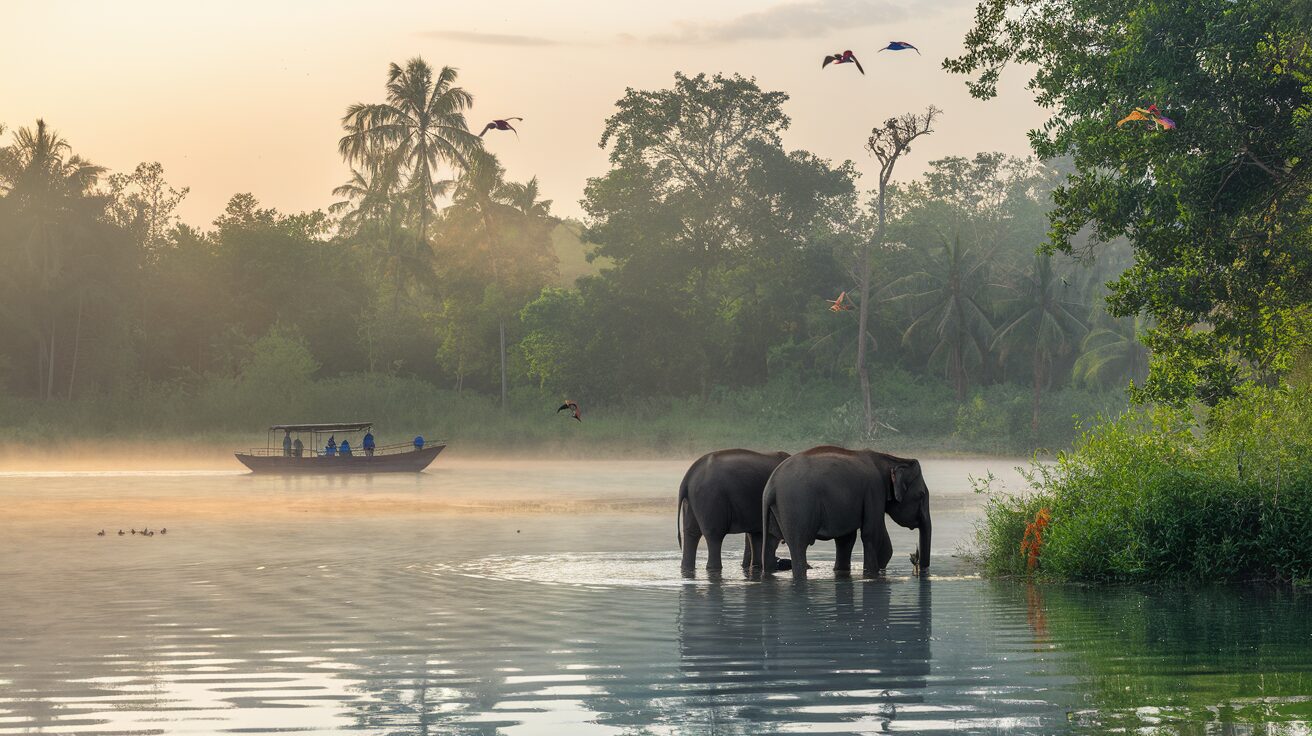
The magic of Periyar isn’t something you experience on four wheels—it’s something you feel while gliding across rippling waters. Unlike traditional jeep safaris, Periyar flips the script with its famous boat safaris on the 26 sq km artificial lake at the sanctuary’s heart.
Picture this: you’re sitting on a double-decker boat, camera ready, as herds of elephants gather at the shoreline for their morning drink. That’s an everyday scene here. The boats maintain perfect distance—close enough for amazing photos but far enough to respect the animals’ space.
Dawn and dusk boat rides offer the richest wildlife sightings. As the morning mist lifts off the water, you might spot sambar deer, wild boar, and if you’re incredibly lucky, the elusive tiger coming down for a drink. Birdwatchers, bring your binoculars! Kingfishers dive-bombing for fish, ospreys soaring overhead, and cormorants drying their wings create a birdwatcher’s paradise.
What makes these boat safaris truly special is the perspective. From the water looking toward land, you see the forest’s edge in a completely different light—animals behave naturally, unaware or unbothered by your presence.
The Forest Department runs scheduled trips throughout the day, but serious wildlife enthusiasts should book the specialized wildlife viewing boats that carry fewer passengers and venture to quieter corners of the lake.
B. Elephant and Tiger Tracking Through Lush Rainforests
Ditch the boat and hit the trails—Periyar’s guided forest treks take you deep into some of Kerala’s most spectacular rainforest landscapes. The sanctuary houses around 40 tigers and 900-1000 elephants, making it one of South India’s tiger hotspots.
The bamboo rafting and hiking program combines the best of both worlds. You’ll trek through dense forest paths in the morning, listening to the calls of the Malabar giant squirrel and Nilgiri langur overhead, before boarding bamboo rafts to silently navigate smaller waterways where larger boats can’t go.
Tiger tracking here isn’t about guaranteed sightings—it’s about the thrill of following fresh pug marks with an experienced tribal tracker, learning to spot territorial scratch marks on trees, and identifying tiger kills. The real excitement is in knowing these apex predators might be watching you from just beyond your line of sight.
For elephant enthusiasts, nothing beats witnessing a family herd crash through the underbrush or watching youngsters playfully splash in forest pools. The guides—many from local tribal communities—possess uncanny knowledge about elephant behavior and can interpret subtle warning signs to ensure safe viewing distances.
The Border Hiking program takes you along the Tamil Nadu-Kerala border where wildlife concentration is higher due to the varying terrain. This tough 8-hour trek rewards with spectacular views and higher chances of seeing dholes (wild dogs) and gaur (Indian bison).
C. Combining Spice Plantation Tours with Wildlife Experiences
The air in Periyar smells different—a heady mix of cardamom, clove, and pepper that’s been drawing traders for centuries. The sanctuary sits in the heart of India’s spice country, and the surrounding plantations offer the perfect cultural complement to wildlife adventures.
Many homestays and resorts around the sanctuary border have their own spice gardens where you can take guided walks to learn about everything from vanilla pollination to pepper harvesting. The Abraham’s Spice Garden near the sanctuary entrance offers an incredible immersive experience where you’ll taste cardamom straight from the pod and crush cinnamon leaves between your fingers to release their essential oils.
What’s fascinating is how the spice plantation ecosystem supports wildlife conservation. The shade-grown cardamom plantations create buffer zones that many smaller mammals and birds use as extended habitat. Early morning walks through these plantations often yield sightings of mouse deer, barking deer, and occasionally even a sloth bear digging for tubers.
Several tour operators now offer combination packages where you spend mornings on wildlife safaris and afternoons touring the aromatic plantations. The contrast between wild forest and cultivated land tells the story of how humans and nature have coexisted in this region for generations.
Don’t miss sampling spice-infused local cuisine at the plantations—the cardamom tea and pepper chicken are mind-blowing flavor experiences that connect you directly to the landscape.
D. Eco-Tourism Initiatives That Protect the Western Ghats Ecosystem
Periyar stands out as a conservation success story in an era of environmental challenges. The sanctuary’s eco-tourism initiatives go beyond just offering nature experiences—they actively work to protect one of the world’s biodiversity hotspots.
The Tribal Trekking program employs former poachers as guides, transforming them into guardians of the forest. Their intimate knowledge of hidden trails and animal behavior makes them exceptional guides, while providing sustainable livelihoods that reduce pressure on forest resources.
The Periyar Tiger Foundation has pioneered community-based ecotourism where local villagers directly benefit from conservation. Revenue-sharing models ensure that money from tourism flows back into both protection efforts and community development.
What’s impressive is how even accommodation options around Periyar have embraced sustainability. Many lodges have implemented rainwater harvesting, solar heating, and waste management systems that minimize their environmental footprint.
For visitors wanting deeper involvement, the Green Volunteers program lets you participate in activities like butterfly surveys, anti-poaching patrols, and habitat restoration during longer stays. It’s conservation tourism at its most authentic.
The sanctuary has also pioneered plastic-free initiatives, with strict regulations against single-use plastics within its boundaries. The message is clear: what you bring in, you take out.
This holistic approach to conservation tourism has made Periyar a model for other protected areas across India, showing how responsible tourism can be a powerful force for ecosystem protection.
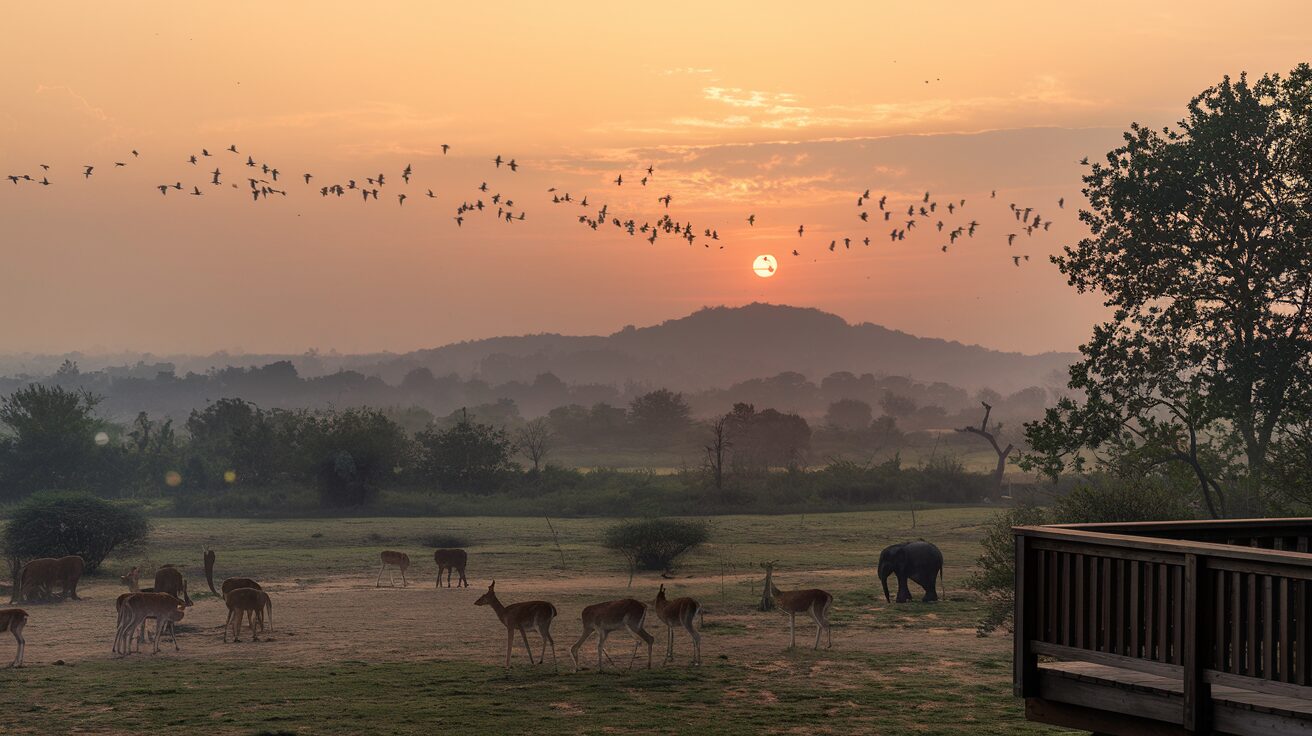
India’s diverse wildlife sanctuaries offer animal enthusiasts unforgettable experiences across varied ecosystems. From Jim Corbett and Ranthambore’s majestic tigers to Kaziranga’s rare one-horned rhinoceros, each sanctuary presents unique opportunities to witness magnificent creatures in their natural habitats. Bandhavgarh boasts the highest concentration of Bengal tigers, while Gir remains the world’s last refuge for Asiatic lions. Meanwhile, Periyar’s distinctive aquatic landscape provides a completely different wildlife viewing experience in Kerala’s lush settings.
As you plan your wildlife adventures in India, remember that the best times to visit most sanctuaries are during the dry months (October to June) when animals frequently visit water sources. Responsible tourism plays a crucial role in conservation efforts, so always follow park guidelines and maintain respectful distances from wildlife. Whether you’re an avid photographer, conservation enthusiast, or simply seeking connection with nature, India’s remarkable wildlife sanctuaries promise memories that will last a lifetime.
Leave a Reply