

India has many ways of telling a story—some etched into temples, others carried by rivers, and a surprising number whispered through tea leaves. Across the mountains, valleys and drifting monsoon clouds, tea grows in a remarkable range of climates. Every region shapes its leaves differently, turning each cup into a small geography lesson.
For travellers who chase landscapes through flavours, India’s tea country feels like a long, fragrant conversation with the land.

Assam: Strength in the Land of Rising Mist
In Assam, morning arrives like a soft drumbeat. The Brahmaputra River widens into endless plains where fertile soil and warm humidity feed the native Camellia sinensis var. assamica. Scientists often highlight how these leaves brim with tannins and theaflavins—compounds behind Assam’s bold, malty punch.
Walk through an Assamese plantation at sunrise and the world seems dipped in gold. The tea here is earthy and confident, like the land that nurtures it.
Darjeeling: Poetry in the Clouds
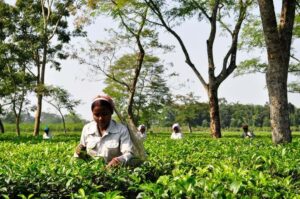
Climb north and the terrain transforms. Darjeeling’s high slopes are wrapped in drifting mist, and the cool Himalayan air nudges the leaves to form the delicate aromatic molecules—linalool and geraniol—that give Darjeeling’s famous second flush its muscatel character.
Travelling here is like stepping into a cloud. Forests of oak and rhododendron frame the tea gardens, and the breeze carries hints of fruit and flowers. A cup from this region feels as airy as the altitude itself.
Nilgiri: Fragrance From the Blue Mountains
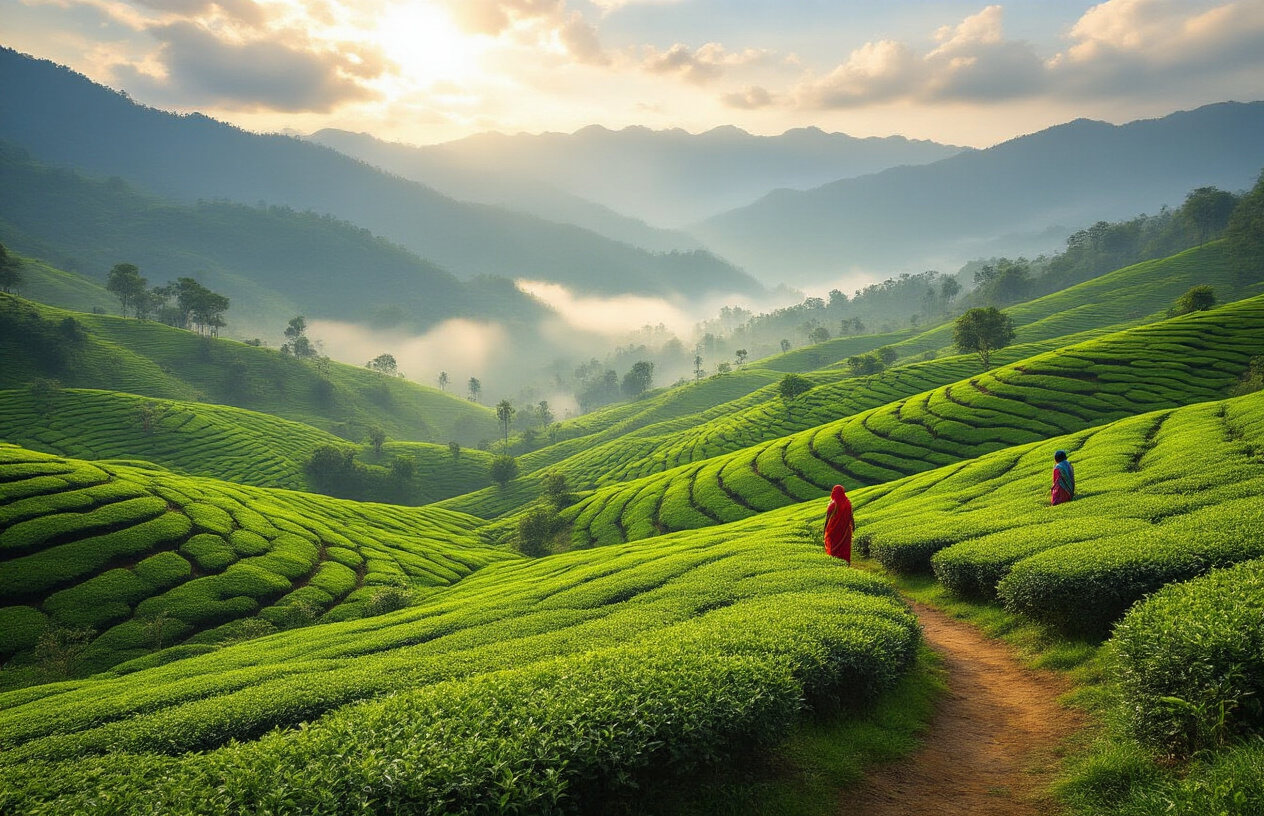
Further south, the Nilgiris rise in gentle waves. These hills practise a quiet alchemy—warm days, cool nights, and winds that often carry a trace of eucalyptus. Studies show that Nilgiri leaves contain unique aromatic esters, explaining why their teas stay bright and fragrant even when iced.
The estates offer some of the most serene walks in India: slopes that curve like brushstrokes, streams that hum quietly, and skies that shift from turquoise to violet by evening.
Kangra: The Himalayan Secret Waiting to Be Found

In Himachal Pradesh, Kangra’s tea heritage has survived earthquakes, colonial history and time itself. The region’s unusual soil composition and gentle sunlight create teas that feel soft, fruity and understated.
Strolling through Kangra’s estates is like wandering through parallel worlds—orchards on one side, snow-kissed peaks on the other. Each sip carries the calm of these twin landscapes.
Dooars, Terai, Sikkim & the New North-East
Tea in India is evolving.
The Dooars and Terai regions offer strong, rain-fed teas that power breakfast blends across the world.
Sikkim’s Temi estate, nurtured entirely organically, produces sweet, balanced teas with a clean finish.
And across Meghalaya, Nagaland and Mizoram, new artisanal farms experiment with whites, oolongs and smoky brews shaped by unpredictable rainfall and shifting mountain shade.
Agricultural researchers often point out how even small shifts in humidity or sunlight create new flavour profiles—one reason the North-East is now a playground for tea innovation.
Why Travellers Fall in Love With India’s Tea Country
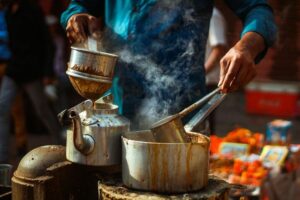
A tea garden is a sensory world. Leaves rustle like silk. Factories hum with the quiet drama of oxidation. Stories drift through the air—folklore of pluckers, monsoon memories, the science of flavour.
To visit these regions is to feel the land’s personality in your cup. Tea becomes more than a drink; it becomes a way of walking through India.
Explore India’s Tea Trails With 5 Senses Tours
For travellers who want to go beyond tasting and enter the very heart of tea culture, 5 Senses Tours curates private guided journeys across India’s most beautiful tea regions. Wander misty slopes in Darjeeling, savour fresh leaf in Assam, breathe the scented winds of the Nilgiris, and discover hidden Himalayan estates.
Each experience is designed to awaken the senses and reveal how landscapes shape flavour. India’s tea heartlands are waiting—with paths to explore and stories to steep in.
Leave a Reply