
Ever smelled a spice that instantly transported you to your grandmother’s kitchen? That’s not just nostalgia—it’s centuries of history wafting through your nostrils.
The ancient spice routes of India shaped global commerce long before Amazon Prime existed. From Kashmir’s saffron fields to Kerala’s cardamom hills, Indian spices aren’t just flavor enhancers—they’re cultural storytellers.
In this journey through the spices of India, you’ll discover why foreign empires fought wars over these aromatic treasures, how traditional Indian cooking techniques unlock their fullest potential, and which spice combinations create that unmistakable “can’t-quite-put-your-finger-on-it” magic.
But here’s the question that stumps even seasoned chefs: which single Indian spice possesses the most transformative power over any dish?
The Rich Heritage of Indian Spices

Ancient Origins: How Spices Shaped Civilizations
The story of Indian spices isn’t just about flavor—it’s about how these aromatic treasures literally changed the course of human history.
When most people were still figuring out basic agriculture, ancient Indians had already mastered the art of using spices. Archaeological evidence from the Indus Valley Civilization (3300-1300 BCE) shows that people were already cooking with turmeric, mustard, and garlic over 4,000 years ago. Mind-blowing, right?
These weren’t just random ingredients thrown into pots. The Vedic texts, dating back to 1500 BCE, mention spices as crucial elements in both cuisine and medicine. Early Ayurvedic practitioners weren’t just making food taste good—they were treating ailments with carefully selected spice combinations.
What’s truly fascinating is how these tiny seeds and dried plants became more valuable than gold. Roman emperors would drain their treasuries for Indian black pepper, while cardamom commanded prices that could buy a small kingdom.
The Spice Trade: India’s Role in Global Commerce
Ever wonder why Columbus sailed the ocean blue? Spoiler alert: he was looking for a route to India’s spices.
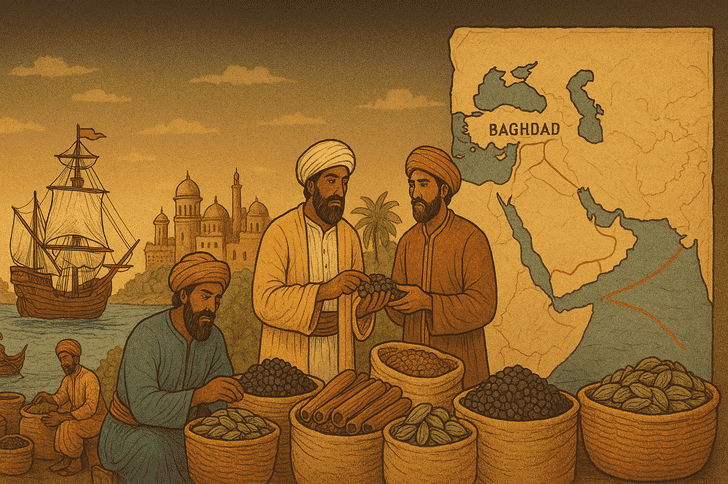
India sat at the heart of the ancient spice trade, creating a complex network that connected civilizations long before anyone dreamed of the internet. The world’s first truly global marketplace revolved around getting cinnamon, pepper, and cardamom from Indian shores to distant lands.
Arab traders initially controlled these lucrative routes, keeping their sources secret and spinning tales of spices guarded by mythical creatures. When Europeans finally discovered direct sea routes to India in the 15th century, it triggered a revolution in global power.
The spice trade didn’t just move products—it exchanged ideas, religions, and technologies. Persian, Arab, and Chinese influences flowed into India, while Indian culture spread outward on ships laden with aromatic cargo.
Portugal, the Netherlands, and Britain eventually established colonial footholds in India primarily to control the spice trade. These tiny seeds and pods literally reshaped political boundaries and funded empires.
Regional Spice Traditions Across the Subcontinent
India isn’t one spice culture—it’s dozens of distinct traditions, each with its own signature flavors.
The north embraces warming spices like cardamom, cinnamon, and cloves, perfect for the cooler climate. Kashmir’s cuisine relies heavily on fennel, ginger, and dried marigold, creating distinctive flavors you won’t find anywhere else.
Travel south and you’ll discover coastal Kerala’s love affair with black pepper, cardamom, and coconut. Tamil cuisine showcases fenugreek, curry leaves, and asafoetida in ways that would surprise northern palates.
In the east, Bengali cooking features panch phoron—a five-spice blend with nigella, fenugreek, cumin, black mustard, and fennel seeds. Western India’s Gujarat and Maharashtra have their own distinctive approaches, often incorporating sweet notes alongside heat.
These regional variations didn’t develop by accident. They reflect local agriculture, climate conditions, historical trade connections, and centuries of cultural evolution.
Cultural and Religious Significance of Spices

In India, spices transcend the kitchen—they’re woven into the very fabric of spiritual and cultural life.
Hindu rituals often incorporate specific spices as offerings to deities. Turmeric, with its vibrant gold color, features prominently in wedding ceremonies as a symbol of prosperity and purification. The paste is applied to the bride and groom in the haldi ceremony, blessing the couple while naturally enhancing their skin.
Buddhist and Jain traditions embrace certain spices for their medicinal properties, aligning with their principles of health and compassion. Many temples use specific spice combinations in sacred incense, creating distinctive aromas that signal entry into holy spaces.
Beyond religious significance, spices mark major life transitions. New mothers receive specially prepared spice mixtures to restore strength. Different regions celebrate birthdays, housewarmings, and harvests with their own signature spice-infused dishes.
The caste system historically influenced who could use which spices, with certain rare varieties reserved for higher castes or royalty. Today, these distinctions have largely faded, but the cultural memory remains in certain traditional preparations.
Essential Spices in Indian Cuisine
The Foundation: Cumin, Coriander, and Turmeric
Ever wonder what gives butter chicken that irresistible aroma? It’s this holy trinity of Indian spices. Cumin (jeera) brings that earthy, nutty punch that’s unmistakable in everything from dal to biryani. Toast it before grinding and watch your kitchen fill with a fragrance that’ll make your neighbors jealous.
Coriander seeds are cumin’s best friend – lighter, citrusy, and slightly sweet. Crush them coarsely for tadkas or grind them fine for curry powders. The difference between store-bought and freshly ground coriander powder? Night and day.
Then there’s turmeric – the golden superhero of Indian cooking. Beyond giving curries that sunshine yellow color, it’s been used for centuries in Ayurvedic medicine. A pinch goes into practically everything, from everyday dals to celebratory sweets. Indian grandmothers still prescribe warm turmeric milk for everything from colds to broken hearts.
Heat Masters: Varieties of Chili and Pepper
The myth that all Indian food is fire-breathing spicy? Not quite true. Different chilies bring different personalities to the table.
Kashmiri chilies give that gorgeous red color without burning your face off. Perfect for butter chicken and rogan josh. Green chilies add fresh, bright heat to dishes – sometimes just slit lengthwise and thrown in whole.
Then there’s the wicked ghost pepper (bhut jolokia) from Northeast India, once crowned the world’s hottest chili. Not for the faint-hearted!
Black pepper, though often overshadowed by its flashier cousins, remains crucial in tempering dishes and adds a complex heat that builds slowly rather than punches.
Aromatic Treasures: Cardamom, Cinnamon, and Cloves
These aromatic powerhouses transform ordinary dishes into memorable experiences. Green cardamom pods – those tiny flavor bombs – are the secret behind the intoxicating aroma of biryani and the comforting warmth of masala chai. Crack them slightly before using to release their complex, floral notes.
Cinnamon sticks aren’t just for garnish – they infuse rice dishes, meat curries, and desserts with a sweet woody warmth. The Indian variety (cassia) packs a stronger punch than its Ceylon cousin.
Cloves might be tiny, but they’re mighty flavor anchors in garam masala. Their intense, almost numbing quality cuts through rich dishes. That whole clove studded in a biryani? Finding it is considered good luck (unless you bite into it unexpectedly – then not so much).
Rare and Precious: Saffron, Asafoetida, and Ajwain
Saffron threads – those delicate red strands that cost more than gold by weight – aren’t just for show. They bring a distinct floral honey-like flavor to festive rice dishes and royal desserts. The best comes from Kashmir, harvested by hand from crocus flowers at dawn.
Asafoetida (hing) might smell like old socks when raw, but add a pinch to hot oil and it transforms into an onion-garlic flavor bomb. It’s especially crucial in Jain cooking, where onions and garlic are forbidden.
Ajwain seeds look like tiny cumin but taste like super-concentrated thyme with a punch. They’re magical for digestion – sprinkled on parathas or added to legumes to combat the, um, musical after-effects of beans.
Spice Blends: The Art of Garam Masala and Beyond
Garam masala isn’t one recipe – it’s thousands. Every family guards their blend like a state secret. Northern versions lean heavily on cardamom, cinnamon, and cloves, while southern ones might include star anise or fennel.
The magic is in the timing – add it at the end of cooking to preserve those volatile aromatic oils. And please, make your own. The pre-ground stuff in stores is basically spice dust.
Beyond garam masala lies a world of regional blends: panch phoron from Bengal (five whole spices that dance in mustard oil), sambar powder from Tamil Nadu (starring fenugreek and coriander), and the complex vindaloo masalas of Goa with their Portuguese influences.
Each blend tells a story of regional identity, family tradition, and centuries of culinary wisdom passed down through generations of careful hands and discerning palates.
Health Benefits of Indian Spices
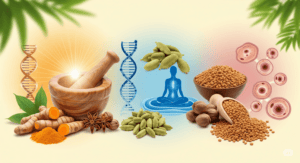
Ancient Ayurvedic Wisdom on Spice Properties
Ever noticed how your grandmother insists on adding certain spices to specific dishes? That’s thousands of years of Ayurvedic wisdom at work.
In Ayurveda, spices aren’t just flavor enhancers—they’re medicine. Each spice has its own “personality” based on taste (rasa), energy (virya), and post-digestive effect (vipaka).
Turmeric isn’t just that yellow powder in your cabinet. It’s considered “sattvic” (promoting clarity) and has been used to purify blood and skin for centuries. Your ancestors knew what modern science is just catching up to.
Cardamom might seem fancy, but Ayurvedic texts from 4000 BCE describe it as a powerful digestive aid and breath freshener. They weren’t wrong.
Black pepper? The Ayurvedic texts call it the “master healer” because it increases the bioavailability of other herbs and spices. That’s why your mom always added black pepper to turmeric milk!
According to ancient wisdom, cinnamon balances “vata” and “kapha” doshas, basically meaning it warms the body and reduces mucus. Next time you’re feeling cold or congested, reach for that cinnamon tea.
Modern Scientific Research on Medicinal Effects

The lab coats have finally caught up with what Indian grandmothers knew all along.
Modern research confirms turmeric contains curcumin, which boasts impressive anti-inflammatory properties rivaling some pharmaceutical drugs. Clinical studies show it helps with everything from arthritis to depression.
That cardamom in your chai? Scientists have confirmed it contains compounds that fight bacteria, reduce blood pressure, and improve breathing. Not just a pretty aroma after all.
Research published in respected journals shows fenugreek seeds can help control blood sugar levels—something Ayurvedic practitioners have claimed for centuries.
Check out these research-backed benefits:
Turmeric- Anti-inflammatory, antioxidant
Cardamom- Antimicrobial, cardiovascular protection
Cinnamon– Blood sugar regulation, antioxidant
Black Pepper– Enhancers nutrient absorption by up to 2000%
Immunity-Boosting Spices for Everyday Wellness
Your immune system could use some Indian spice magic right about now.
Ginger tops the list as an immunity superhero. Its gingerol compounds reduce inflammation and help fight respiratory infections. A daily ginger tea habit might just save you from the next office cold going around.
Cloves contain eugenol, an antioxidant powerhouse that puts many synthetic options to shame. Chewing on a clove isn’t just for toothaches—it’s pumping your system full of immune-boosting compounds.
Looking for an everyday immunity ritual? Try this: steep a cinnamon stick, few cloves, cardamom pods, and ginger slice in hot water for 5 minutes. Drink this spice-infused water throughout winter months.
Many Indians don’t wait to get sick—they incorporate these immunity boosters daily:
- Turmeric milk before bed
- Black pepper in most savory dishes
- Ginger-infused water throughout the day
- Cardamom in morning tea
Digestive Health: How Indian Spices Aid Digestion
Ever wondered why Indian meals end with fennel seeds? They’re not just breath fresheners.
Fennel seeds contain anethole, which relaxes digestive muscles and reduces bloating. That handful of colorful seeds at Indian restaurant exits isn’t decoration—it’s functional digestive medicine.
Cumin might be the ultimate digestive superstar. It stimulates enzyme production, reduces gas, and improves nutrient absorption. No wonder it’s in practically every Indian dish.
The burn from that chili isn’t just for flavor kicks. Capsaicin in chilies stimulates digestive fluids, improves metabolism, and yes, makes you sweat—all good things for moving food through your system efficiently.
Asafoetida (hing) deserves special mention. This pungent spice transforms when cooked, delivering a mild flavor that combats flatulence so effectively that it’s the secret weapon in bean dishes across India.
Try this simple digestive fire starter before meals: mix a pinch of ginger powder, pinch of rock salt, and a squeeze of lime juice. This traditional combination primes your digestive system to handle whatever comes next.
Cooking with Indian Spices: Techniques and Tips
Tempering: The Secret to Releasing Flavor
Ever watched an Indian grandmother cook and wondered why she tosses whole spices into hot oil at the beginning? That’s tempering, or “tadka” – the magical first step that makes Indian food burst with flavor.
When those mustard seeds pop and cumin sizzles, something amazing happens. The hot oil extracts all those aromatic oils locked inside the spices. It’s like turning up the volume on flavor.
Try this: Heat ghee or oil until it shimmers, then add your whole spices (cumin seeds, mustard seeds, fenugreek). Listen for that characteristic sizzle and pop – that’s your cue that magic is happening. The fragrance will hit you immediately.
Pro tip: Always keep your other ingredients ready before starting your tadka. Once those spices hit the hot oil, things move fast!
Dry Roasting vs. Oil Infusion Methods
Indian cooking isn’t one-size-fits-all when it comes to spice preparation.
Dry roasting brings out nutty, toasted flavors in spices like cumin, coriander and fennel. Simply toss them in a pan over medium heat until fragrant – usually 1-2 minutes. This method concentrates flavor without adding fat.
Oil infusion (our tadka from above) creates a completely different profile – softer, more dispersed flavor that permeates the entire dish.
Method- Dry Roasting
Best for Coriander, cumin, fenugreek
Flavour- Intense, nutty, concentrated
When to use- Spice blends, powder preparation
Method- Oil Infusion
Best for Mustard seeds, curry leaves, whole spices
Flavour- Aromatic, dispersed, mellow
When to use- Beginning of curries, dals, vegetables
The technique you choose completely transforms your dish. Many recipes actually use both – dry roasting to prepare ground spices, then tempering to start the cooking process.
Balancing Flavors for Perfect Harmony
Indian cooking isn’t just about heat – it’s about balance. The best dishes dance between sweet, sour, salty, bitter, pungent and astringent.
Think your curry tastes flat? Try this troubleshooting guide:
- Too hot? Add a spoon of yogurt or coconut milk
- Too bland? A squeeze of lemon or a pinch of amchur (dried mango powder) adds brightness
- Too acidic? A touch of jaggery or sugar balances it out
- Missing depth? Toast and grind whole garam masala spices for a flavor boost
Remember the power of “khattas” (souring agents) – tamarind, kokum, lime – they don’t just add sourness but actually enhance other flavors in the dish.
The most overlooked balancing ingredient? Salt. It’s not just for saltiness – it amplifies all other flavors in your spice blend.
Storage Secrets for Maximum Potency and Shelf Life
That dusty spice jar from three years ago? Sorry to break it to you, but it’s basically fancy-smelling sawdust at this point.
Ground spices lose their potency after about 6 months, while whole spices can last up to 2 years. The moment you grind a spice, you’re starting a countdown clock on its flavor.
Store your spices right:
- Airtight containers are non-negotiable
- Keep away from heat, light, and moisture (so not above your stove!)
- Glass containers preserve flavor better than plastic
- Label with purchase dates to track freshness
Small-batch grinding is a game-changer. Invest in a dedicated coffee grinder for spices and grind just what you need for the week.
Want to really level up? Store whole seeds like cumin, coriander and black mustard in the freezer – they’ll maintain potency for years, not months.
For an immersive Spice walk in Kerala, visit Walk in Kochi.
Regional Spice Journeys Across India
North Indian Spice Profiles: Bold and Aromatic
The moment you step into a North Indian kitchen, your senses get bombarded with aromatic spices that define this region’s cuisine. North Indian cooking doesn’t hold back – it’s bold, rich, and unapologetically flavorful.
Garam masala reigns supreme here, a potent blend typically featuring cardamom, cinnamon, cloves, and black pepper. Unlike store-bought versions, family recipes are closely guarded treasures, passed down through generations.
Kashmir contributes its distinctive touch with saffron and Kashmiri red chillies – less about heat and more about that vibrant color that makes dishes like Rogan Josh so Instagram-worthy.
Punjab’s contribution? The liberal use of ghee as a flavor carrier and whole spices like cumin and coriander seeds that sizzle dramatically in hot oil during the tadka process.
What’s fascinating is how these spices change character when prepared differently:
- Dry-roasted cumin: Earthy and nutty
- Raw cumin: Sharp and pungent
- Fried cumin: Deep and mellow
South Indian Flavors: Coconut, Curry Leaves, and Mustard Seeds
South Indian cuisine plays by completely different rules. While North India embraces the slow simmer, South Indian cooking celebrates quick tempering with curry leaves, mustard seeds, and dried red chilies crackling in hot oil.
The rhythm of South Indian spicing centers on the popu or tadka – that magical moment when mustard seeds pop and curry leaves sizzle, releasing their citrusy, nutty aroma. This technique adds layers to even the simplest coconut chutney or yogurt raita.
Coconut isn’t just an ingredient here – it’s practically a religion. Freshly grated, ground to paste, or pressed for milk, it forms the backbone of countless dishes, balancing the heat from black pepper and dried red chilies.
Try finding a South Indian kitchen without asafoetida (hing). Impossible! This pungent resin transforms when heated, adding an allium-like depth to dishes without using garlic or onions – crucial for vegetarian Brahmin cooking traditions.
The coastal regions bring their own magic with kokum (a souring agent) and unripe green mangoes that add tanginess to fish curries along the Konkan and Kerala coasts.
Eastern Delicacies: Bengali and Oriya Spice Combinations
Eastern India’s approach to spices feels like poetry compared to other regions’ bold declarations. It’s subtle, nuanced, and deeply sophisticated.
Bengali cuisine features the famous panch phoron – a whole spice mix of equal parts fenugreek, nigella, cumin, fennel, and mustard seeds. Unlike garam masala, these seeds aren’t ground but used whole, creating little flavor bombs in dishes like aloo posto or shorshe ilish.
What makes Eastern spicing unique is the emphasis on stages of cooking. Mustard oil gets heated almost to smoking before cooling slightly and adding spices – a technique that transforms its pungency into a nutty, complex base.
The Bengali love for sweetness extends to their spice combinations too. Cinnamon and cardamom frequently appear in savory dishes, creating that distinctive sweet-savory balance that defines dishes like the famous Bengali fish curry.
Oriya cuisine stands out with its restraint. Unlike its neighbors, it uses fewer spices but with greater intention. Their garam masala uses more fennel than most versions, creating a sweeter, more delicate profile perfect for their seafood preparations.
Western Treasures: Gujarati and Maharashtrian Spice Secrets
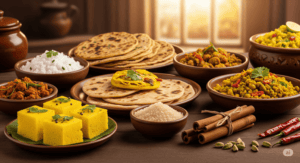
Western India throws conventional spice wisdom out the window with its unexpected combinations that somehow just work.
Gujarati cuisine performs a high-wire balancing act between sweet, salty, spicy, and sour. Their distinctive touch? A pinch of sugar or jaggery in almost everything. Even their garam masala includes a higher proportion of cinnamon and cardamom compared to other regions.
The real showstopper is the unique Gujarati spice blend called vaal, containing cloves, cinnamon, and cardamom in specific proportions to create a warming, aromatic profile that perfectly complements their yogurt-based curries.
Maharashtrian cooking brings the heat with its signature kala masala – a deeply roasted spice blend that gets its distinctive darkness from carefully blackened spices. This creates a depth that’s impossible to replicate with any shortcuts.
Kokum makes another appearance in Goan and Maharashtrian cuisine, adding tanginess to balance the fiery heat of dishes like Kolhapuri tambda rassa.
The western coastal regions have mastered the art of tempering coconut-based curries with just the right amount of tamarind, creating that perfect tang that cuts through rich seafood dishes and complements the natural sweetness of coconut.
The Modern Spice Renaissance
Indian Spices in Global Fusion Cuisine
Gone are the days when Indian spices were confined to traditional curries. These flavor bombs have stormed kitchens worldwide, transforming global cuisine in ways nobody saw coming.
Ever noticed how turmeric lattes (hello, “golden milk”) went from Ayurvedic remedy to Instagram sensation? That’s just the tip of the iceberg. Chefs in fine dining restaurants from New York to Tokyo are sprinkling garam masala into French sauces and folding cardamom into Italian desserts.
The magic happens when cultures collide. Think Mexican tacos with tandoori chicken and cumin-spiked salsa. Or Japanese ramen with a hint of mustard seeds and curry leaves. This isn’t just trend-chasing – it’s a genuine appreciation for the depth Indian spices bring to any dish.
Sustainable Farming and Ethical Sourcing
The spice industry isn’t just about flavor anymore – it’s getting a conscience.
Small-scale farmers across Kerala, Karnataka, and Tamil Nadu are leading a revolution. They’re ditching chemical fertilizers and embracing organic methods their ancestors used centuries ago. The result? Spices with more intense flavors and zero guilt.
Companies like Diaspora Co. and Burlap & Barrel aren’t just selling spices; they’re changing lives. By cutting out middlemen and paying farmers fairly, they’ve created a model where everyone wins. Consumers get fresher, better-quality spices, while farmers earn living wages.
Climate change poses serious threats to spice cultivation, especially for temperamental crops like cardamom and vanilla. Forward-thinking farmers are adapting with shade-grown techniques and water conservation measures that preserve both spices and the planet.
Specialty Spice Markets and Artisanal Producers
The spice market has exploded beyond basic grocery store options. Specialty shops are popping up everywhere, offering single-origin treasures that tell stories of specific regions, soils, and farming practices.
Artisanal producers are the rock stars of this renaissance. Take Sandeep Goyal from Rajasthan, who hand-grinds small batches of heirloom chili varieties using stone methods passed down for generations. His products command premium prices and have waiting lists months long.
What’s driving this obsession with premium spices? People are realizing that freshly ground cardamom pods from the Cardamom Hills of Kerala create magic that dusty, pre-ground versions can’t touch. It’s like comparing instant coffee to a perfectly pulled espresso – no contest.
Digital Age: How Social Media Celebrates Indian Spices
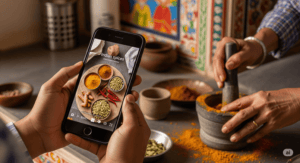
Social media has transformed Indian spices from kitchen staples to cultural icons. YouTube channels dedicated to Indian cooking have millions of subscribers, with viewers frantically ordering unfamiliar spices after watching a single compelling video.
TikTok’s #IndianSpices hashtag has billions of views, featuring everything from spice organization hacks to tutorials on tempering mustard seeds. These platforms democratize knowledge that was once passed down only through families or formal culinary training.
Food influencers wield enormous power in this space. When someone with a million followers raves about black cardamom or asafoetida, online spice retailers see immediate spikes in searches and sales.
What’s particularly fascinating is how diaspora communities use these platforms to reconnect with their culinary heritage. Second and third-generation immigrants are discovering spices their grandparents used, creating dishes that honor tradition while embracing innovation.
Spices of India: The Heart of Cultural and Culinary Traditions
The vibrant tapestry of Indian spices represents more than just culinary ingredients—they embody centuries of tradition, trade, and cultural exchange. From the earthy warmth of turmeric to the complex heat of garam masala, these spices not only transform ordinary dishes into extraordinary culinary experiences but also offer remarkable health benefits that ancient wisdom recognized long before modern science confirmed their properties. Whether you’re exploring the distinctive flavors of Kerala’s coastal cuisine or the robust spice blends of Punjab, each region tells its own unique story through its characteristic use of spices.
As we witness the global renaissance of Indian spices in contemporary cooking, we invite you to experiment with these flavorful treasures in your own kitchen. Start with basic techniques—blooming spices in oil or creating simple spice blends—and gradually expand your spice repertoire. The journey through India’s spice traditions offers not just new flavors for your palate but a deeper connection to one of the world’s most ancient and sophisticated culinary cultures. Your spice cabinet can become a gateway to this rich heritage, bringing both exceptional taste and wellness benefits to your everyday meals.
For a guided tour through the spice capital of India, visit 1 week in Kerala.
Leave a Reply