
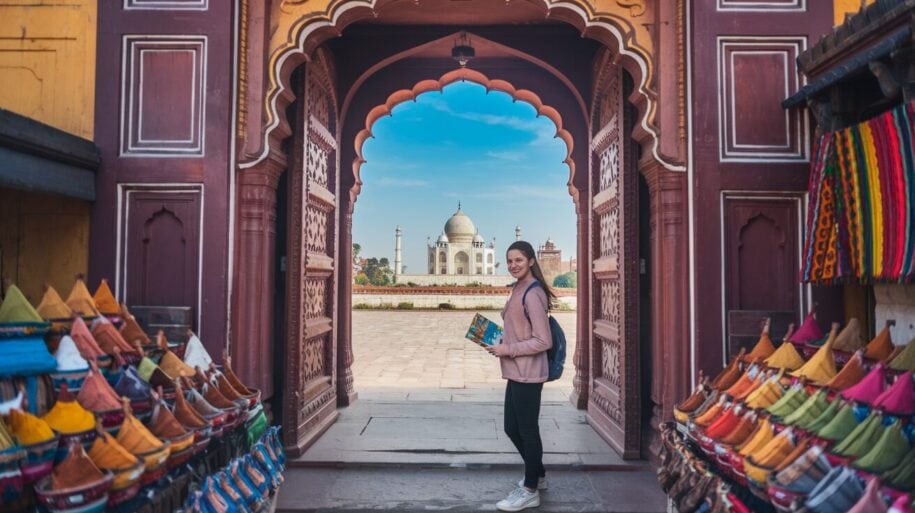
You’ve got the plane ticket, but now you’re scrolling through 37 tabs of contradicting India travel advice and wondering if you’ve made a terrible mistake.
Don’t panic. Planning your first trip to India feels overwhelming for literally everyone. I remember staring at my laptop at 2 AM, questioning every decision about my first India adventure.
This beginner’s guide to planning your first trip to India cuts through the noise. We’ll cover everything from deciding between the golden triangle or southern beaches to knowing exactly which vaccines you actually need (and which are just travel forum paranoia).
But before we dive into the perfect 10-day itinerary, there’s something about Indian train bookings that most travelers get completely wrong…
Understanding India’s Diverse Landscape
Navigating the Regional Differences: North, South, East, and West
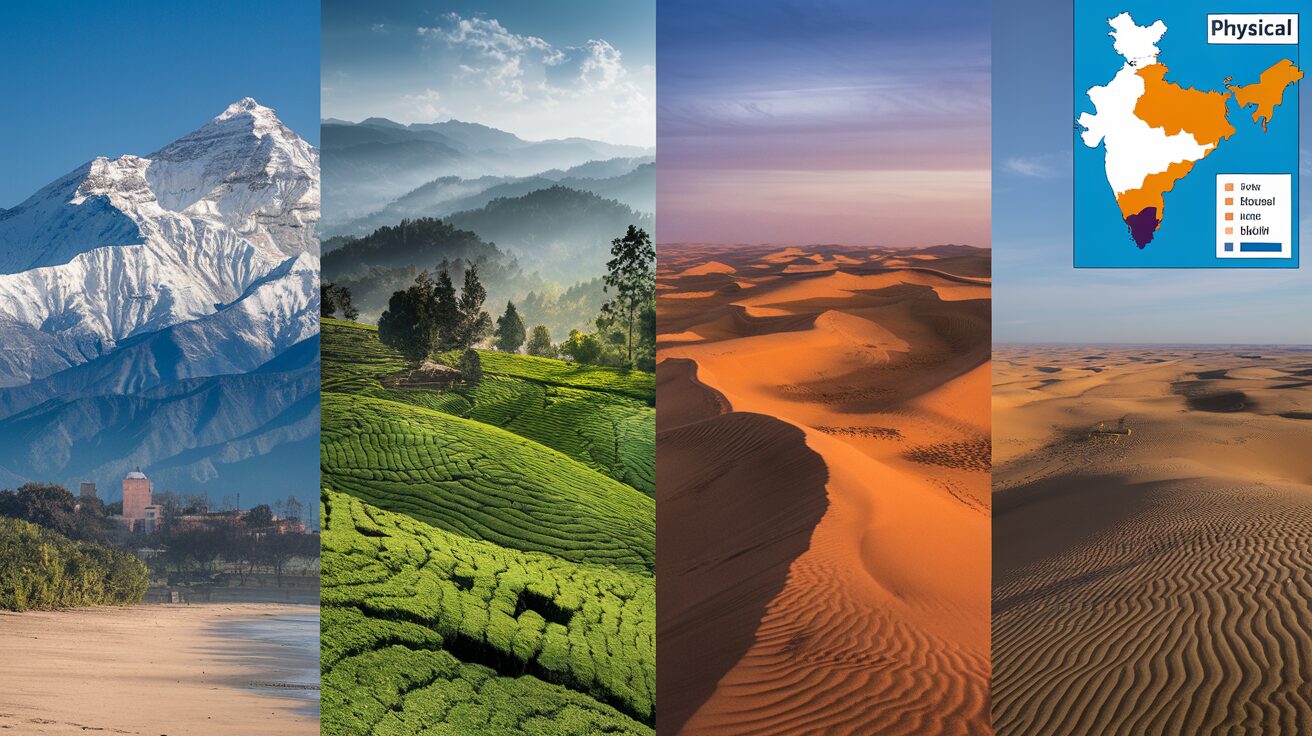
India isn’t just a country—it’s practically a continent. The North feels completely different from the South, and you’ll swear the East and West are separate countries altogether.
Northern India gives you those postcard moments: the Taj Mahal, Delhi’s chaos, and the spiritual vibes of Varanasi. The architecture screams Mughal influence with its domes and intricate designs. The food? Rich, buttery, and absolutely addictive. (Wait till you try proper butter chicken in Delhi!)
Head south and everything changes. The temples are taller and more colorful, the languages sound nothing like Hindi, and coconut appears in practically every dish. People in Kerala and Tamil Nadu might roll their eyes if you assume they speak Hindi—their Dravidian languages have entirely different roots.
Eastern India feels like the forgotten sibling, which is a shame because Kolkata’s colonial architecture and intellectual scene are fascinating. The northeast? Seven sister states with tribal cultures more connected to Southeast Asia than mainstream India.
Western India brings you the deserts of Rajasthan, Gujarat’s vegetarian paradise, and Mumbai’s non-stop energy. The Portuguese influence in Goa means you’ll find churches next to beaches and vindaloo on menus.
Popular Destinations for First-Time Visitors
First time in India? These places should probably make your list:
The Golden Triangle never disappoints. Delhi, Agra, and Jaipur form a perfect introduction—ancient monuments, chaotic markets, and that pink-hued city. Plus, it’s easy to navigate as a newbie.
Mumbai hits you with sensory overload in the best way. One moment you’re staring at colonial architecture, the next you’re watching sunset at Marine Drive while munching on street food.
Goa gives you that beach break many travelers need after India’s intensity. The laid-back vibe, beach shacks, and fusion food make it the perfect place to decompress.
Varanasi might shock you, but in a transformative way. Watching cremation ceremonies along the Ganges while contemplating life and death? That’s the kind of experience that sticks with you forever.
Kerala’s backwaters offer a completely different pace. Floating on a houseboat through palm-fringed canals while eating fresh seafood feels like a dream after northern India’s frenetic energy.
Off-the-Beaten-Path Gems Worth Considering
Want to dodge the tourist crowds? These spots fly under the radar but deliver big-time:
Hampi’s boulder-strewn landscape dotted with ancient ruins feels otherworldly. Rent a scooter and explore temple complexes where monkeys outnumber tourists. The sunset from Matanga Hill? Pure magic.
Orchha in Madhya Pradesh packs medieval palaces and temples without the tourist buses. The crumbling grandeur makes you feel like an explorer discovering forgotten treasures.
Meghalaya in northeast India boasts living root bridges grown over centuries by the Khasi people. Trek through forests to see these engineering marvels and swim in natural pools while barely seeing another tourist.
The Spiti Valley offers Tibet-like landscapes without leaving India. Remote Buddhist monasteries cling to mountainsides, and villages feel frozen in time. The journey’s tough, but that’s why it remains pristine.
Gujarat’s Little Rann of Kutch transforms from salt desert to wetland depending on the season. Stay with local communities in traditional mud huts and witness handicrafts that haven’t changed in centuries.
Seasonal Variations and Best Times to Visit Each Region
Timing is everything in India. The wrong month can mean monsoon washouts or melting in 110°F heat.
North India shines October through March. Delhi and Rajasthan become pleasant instead of scorching, and the Himalayan hill stations aren’t buried in snow. Avoid June through August unless you enjoy sweating profusely.
South India plays by different rules. December through February brings perfect beach weather to Kerala and Tamil Nadu. Monsoon hits the southwest coast first (June), creating spectacular waterfalls but challenging travel conditions.
The mountains follow their own calendar. The Himalayas open up May through September when passes clear of snow. Ladakh’s high-altitude desert is best in summer, while lower regions like Dharamshala work in spring and fall.
Eastern India, particularly Kolkata and Odisha, feels most comfortable November through February. The northeast states are accessible year-round except during the heavy monsoon (June-September).
Festival timing might override weather concerns. Witnessing Holi in Mathura, Diwali in Varanasi, or Pushkar Camel Fair adds unforgettable cultural dimensions to your trip, even if you have to deal with less-than-ideal temperatures.
Essential Pre-Trip Planning
A. Visa Requirements and Application Process
Gone are the days of paperwork nightmares for Indian visas. Most travelers can now apply online through the e-Visa system. The process is surprisingly straightforward – fill out the application, upload a photo and passport scan, pay the fee (around $25-80 depending on your visa type), and wait 3-5 business days for approval.
You’ll need to decide between:
- Tourist e-Visa: Available for 30, 90, or 365 days
- Business e-Visa: For meetings and conferences
- Medical e-Visa: If you’re seeking treatment
Pro tip: Apply at least two weeks before your trip. I’ve seen too many travelers panic when their visa approval takes longer than expected. The official site is indianvisaonline.gov.in – avoid third-party sites charging premium fees for the same service.
B. Vaccination and Health Precautions
India throws some health curveballs at first-timers. Schedule a doctor’s appointment at least 6-8 weeks before departure.
Common vaccines you might need:
- Hepatitis A and B
- Typhoid
- Tetanus-diphtheria
- COVID-19 (requirements change frequently)
Malaria prevention deserves special attention if you’re heading to rural areas or visiting during monsoon season. Your doctor might prescribe antimalarial medication depending on your itinerary.
Pack a robust medical kit with:
- Prescription medications (in original packaging with doctor’s note)
- Stomach remedies (trust me on this one)
- Hand sanitizer and wet wipes
- Insect repellent (at least 30% DEET)
- Basic first aid supplies
C. Booking Flights: Best Routes and Airlines
Flight prices to India swing wildly depending on season. Peak pricing hits during December-January (winter holidays) and May-June (summer break).
Major international gateways include Delhi, Mumbai, Bangalore, and Chennai. For most first-timers, Delhi makes the perfect entry point – especially if you’re planning the classic Golden Triangle route.
Airlines worth considering:
- Emirates and Qatar Airways: Consistently rated highly with reasonable prices
- Air India: Direct flights from major US and European cities
- Lufthansa and British Airways: Good European connections
Book 3-5 months ahead for the best deals. Tuesday afternoons (your local time) often reveal the best prices. Use Google Flights’ price tracking feature – it’s saved me hundreds on multiple trips.
D. How Long to Stay: Creating a Realistic Timeframe
India isn’t a weekend getaway destination. The country demands time – both for logistics and for adjusting to its beautiful chaos.
Minimum recommended stays:
- 7-10 days: A rushed glimpse of one region (Golden Triangle or Kerala)
- 2-3 weeks: A comfortable pace for exploring 1-2 regions
- 1 month+: Enough time to experience multiple regions without rushing
First-timers often underestimate travel times. That three-hour train journey might stretch to five hours. That quick city tour might leave you exhausted from sensory overload.
Build buffer days into your itinerary. You’ll thank yourself when you find that perfect market you want to revisit or when you need a day to recover from Delhi belly.
E. Travel Insurance Must-Haves for India
Skipping travel insurance for India is playing with fire. The healthcare system varies dramatically between private international hospitals and public facilities.
Your policy should absolutely cover:
- Emergency medical evacuation (minimum $100,000 coverage)
- COVID-related illnesses and quarantine expenses
- Trip cancellation/interruption
- Lost luggage and theft protection
- Adventure activities if you’re planning any trekking or water sports
Compare policies on sites like World Nomads, SafetyWing, or Allianz. Read the fine print about claim procedures – keep all documentation, police reports, and receipts organized.
The few extra dollars spent on comprehensive coverage provide invaluable peace of mind when navigating unfamiliar territory.
Crafting Your Perfect Itinerary
A. One-Week Wonders: Focused Regional Experiences
Got just seven days to explore India? Don’t try to cram in the whole country—you’ll spend more time in transit than actually experiencing anything! Instead, pick a region and dive deep.
The Golden Triangle (Delhi, Agra, Jaipur) is perfect for first-timers. You’ll get your Taj Mahal fix, explore Delhi’s chaos, and experience Rajasthan’s color in Jaipur. Three cities, seven days, done.
Or maybe Kerala’s your speed? Start in Kochi, cruise the backwaters on a houseboat, chill on Varkala beach, and finish in the Munnar tea plantations. It’s literally the opposite vibe from North India—slower, greener, and way more relaxed.
Mumbai + Goa makes another killer combo. Spend 3 days in Mumbai soaking up the Bollywood energy, then fly to Goa for 4 days of beaches, seafood, and Portuguese-influenced charm.
Pick your adventure based on what matters to you:
- History buff? Golden Triangle
- Need to decompress? Kerala
- Want beach time? Mumbai+Goa
- Spiritual journey? Varanasi+Rishikesh
B. Two-Week Balanced Routes for First-Timers
Two weeks gives you breathing room to create a balanced India experience without constant rushing. Here are some tried-and-true routes:
North India Classic (14 days)
- Delhi (2 days)
- Agra (1 day)
- Jaipur (2 days)
- Udaipur (2 days)
- Jodhpur (2 days)
- Jaisalmer (2 days)
- Back to Delhi (1 day)
- Buffer day (things always take longer in India!)
South India Explorer (14 days)
- Chennai (2 days)
- Pondicherry (2 days)
- Madurai (2 days)
- Munnar (2 days)
- Alleppey backwaters (2 days)
- Kochi (3 days)
- Buffer day
The beauty of two weeks is you can mix cultural immersion with downtime. Schedule rest days between cities—trust me, Indian travel can be intense. You’ll appreciate those pool days or cafe mornings to recharge.
C. Month-Long Immersive Journeys
A month in India? Now we’re talking! This is where you can really experience the country’s mind-blowing diversity.
The classic route is starting north and working south:
- Week 1: Delhi, Agra, Varanasi
- Week 2: Rajasthan (Jaipur, Udaipur, Jodhpur)
- Week 3: Mumbai, Goa
- Week 4: Kerala (Kochi, backwaters, beaches)
But here’s a pro tip: instead of trying to see “all of India” (impossible even in a month), consider spending more time in fewer places. Stay 4-5 days in each location. Rent an apartment for a week in Udaipur. Take cooking classes in Kerala. Volunteer for a few days in Dharamsala.
Long-term travel in India gives you the luxury of spontaneity. Meet some cool travelers heading to a festival? Change your plans and join them. Hear about an amazing ashram? Spend a week there.
D. Factoring in Travel Time Between Destinations
Here’s the reality check nobody tells you: distances in India are deceptive. That “short” 200km journey? Could easily take 6+ hours.
Indian train travel is an experience itself, but trains often run late—sometimes by hours. Domestic flights save time but add airport hassles. And road journeys? Expect the unexpected—from religious processions to wandering cows.
Some real-world travel times:
- Delhi to Agra: 3-4 hours by car, 2-3 hours by train
- Mumbai to Goa: 12+ hours by train, 1 hour flight + transfers
- Jaipur to Udaipur: 6-7 hours by car
- Kochi to Alleppey: 2 hours by car, 3-4 hours by boat
Always, always buffer extra time between destinations. The India travel rule? Take your estimated travel time and add 50%. Seriously.
And remember—sometimes the journey IS the destination. That overnight train ride might just become your favorite India story.
Navigating Transportation in India
A. Domestic Flights: When They’re Worth It
India’s massive size means flying makes sense for certain legs of your journey. Take it from me – I once spent 36 hours on a train when I could’ve flown in 2 hours for just $30 more.
Domestic flights are absolutely worth it when:
- You’re traveling between distant cities (Delhi to Chennai? Fly!)
- Your time is limited (most travelers underestimate travel times)
- You’re traveling during summer (May-June) when trains are sweltering
- You find a good deal (airlines like IndiGo and SpiceJet often have sales)
Surprisingly affordable carriers include:
- IndiGo
- SpiceJet
- Air India
- Vistara
- AirAsia India
Pro tip: Book 1-2 months ahead for the best fares, and be prepared for occasional delays during monsoon season (June-September).
B. Train Travel: Classes, Booking, and Tips
Train travel in India isn’t just transportation—it’s an experience. The railway network is mind-bogglingly extensive with over 12,000 passenger trains daily.
Classes explained:
| Class | Description | Best For |
|---|---|---|
| 1AC | Private cabins, AC, bedding provided | Luxury travelers, long journeys |
| 2AC | 4-berth compartments, AC, bedding | Comfortable travel, good value |
| 3AC | 6-berth compartments, AC, bedding | Budget-conscious travelers |
| Sleeper | Open compartments, no AC, bring bedding | Adventurous travelers, tight budgets |
| General | Unreserved seating | Very short journeys only |
Booking tips:
- Create an IRCTC account ahead of time (the official booking site)
- Book at least 30-60 days in advance for popular routes
- Consider the “Tatkal” quota for last-minute bookings (opens 24 hours before departure)
- Use the “Foreign Tourist Quota” if regular tickets are sold out
Don’t miss trying the chai and snacks from platform vendors! Just stick to freshly cooked items and avoid anything that looks like it’s been sitting out.
C. Hiring Drivers vs. Public Transport
This decision comes down to your comfort level, budget, and itinerary flexibility.
Hiring a driver gives you:
- Door-to-door service
- Air-conditioned comfort
- Flexibility to stop whenever
- Local knowledge and navigation
- Storage for luggage
Expect to pay ₹2,500-3,500 ($30-45) per day for a car with driver, including fuel. For multi-day trips, you’ll also cover the driver’s accommodation and meals.
Public transport offers:
- Authentic local experience
- Massive cost savings
- Interaction with locals
- Environmental benefits
- Better urban mobility during rush hours
Best approach? Mix it up. Use public transport in major cities, hire drivers for rural areas or multi-city tours, and take trains for long distances when time permits.
D. Ride-Sharing and Taxi Services in Major Cities
Getting around Indian cities has become dramatically easier thanks to ride-sharing apps. Trust me, they’re game-changers.
Popular options include:
- Uber: Available in 40+ Indian cities
- Ola: India’s homegrown alternative, often cheaper
- Rapido: Motorcycle taxis for beating traffic (helmet provided)
- Meru: Premium taxi service
The benefits are huge:
- No haggling over fares
- GPS tracking for safety
- No language barrier issues
- Digital receipts
- Air conditioning (blessed relief in summer)
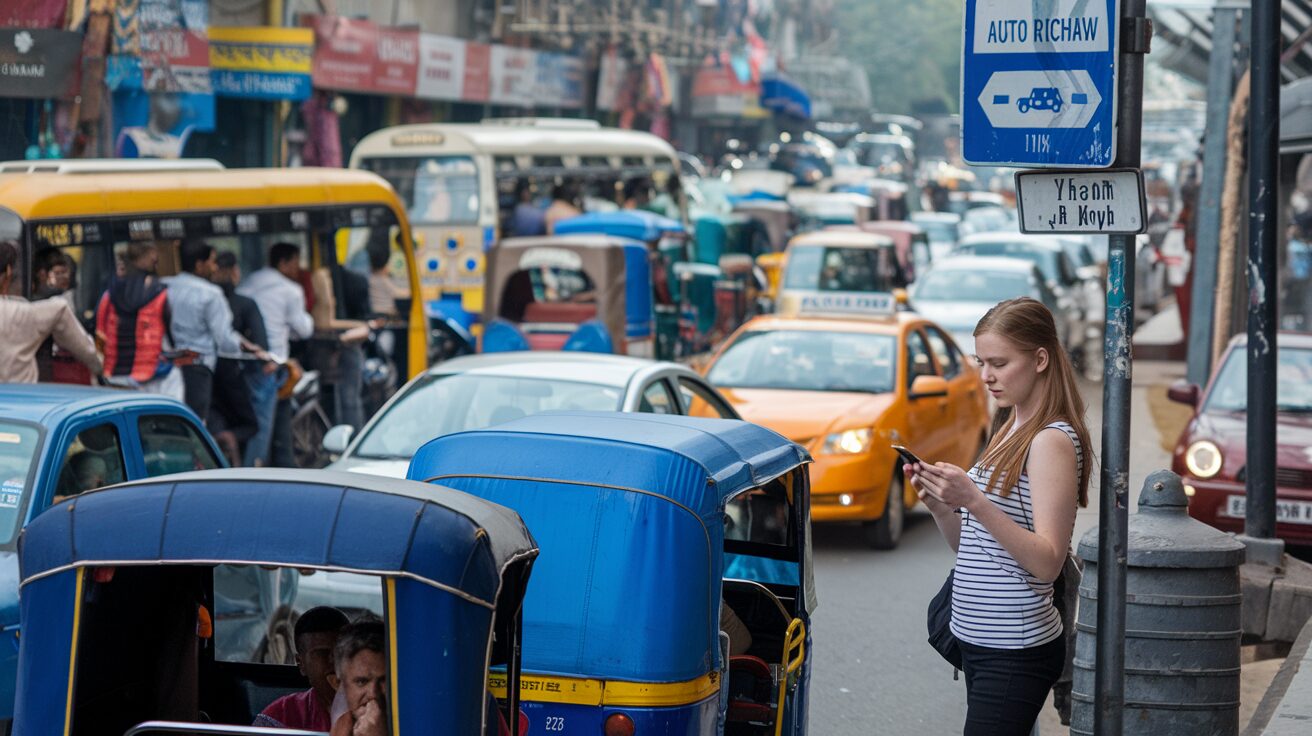
In Delhi, Mumbai, Bangalore, and Kolkata, don’t overlook the efficient metro systems. Delhi’s metro is world-class, air-conditioned, and has women-only cars during peak hours.
Auto-rickshaws remain a classic way to navigate narrow streets, but always agree on a price before starting your journey or insist on using the meter.
E. Safety Tips for Each Transport Option
Transportation safety varies wildly across India. Here’s what you need to know:
For flights:
- Stick with established airlines
- Allow extra time for security (it’s thorough)
- Keep valuables in your carry-on
For trains:
- Lock luggage to your seat/berth with a chain
- Keep valuables close while sleeping
- Be cautious of food from unauthorized vendors
- Travel in higher classes for overnight journeys
- Women should consider ladies’ compartments when available
For hired drivers:
- Use hotel-recommended services
- Take photos of license plates and send to a friend
- Track your route on Google Maps
- Don’t hesitate to speak up if you feel unsafe
For public buses:
- Keep a firm grip on belongings
- Avoid overcrowded buses when possible
- Women should sit near other women
For ride-sharing/taxis:
- Verify driver details before entering
- Share trip details with someone
- Sit in the back seat
- Follow the route on your own device
Night travel requires extra caution, especially for solo travelers. When possible, schedule long journeys during daylight hours.
Accommodation Options for Every Budget
A. Luxury Heritage Properties and Palace Hotels
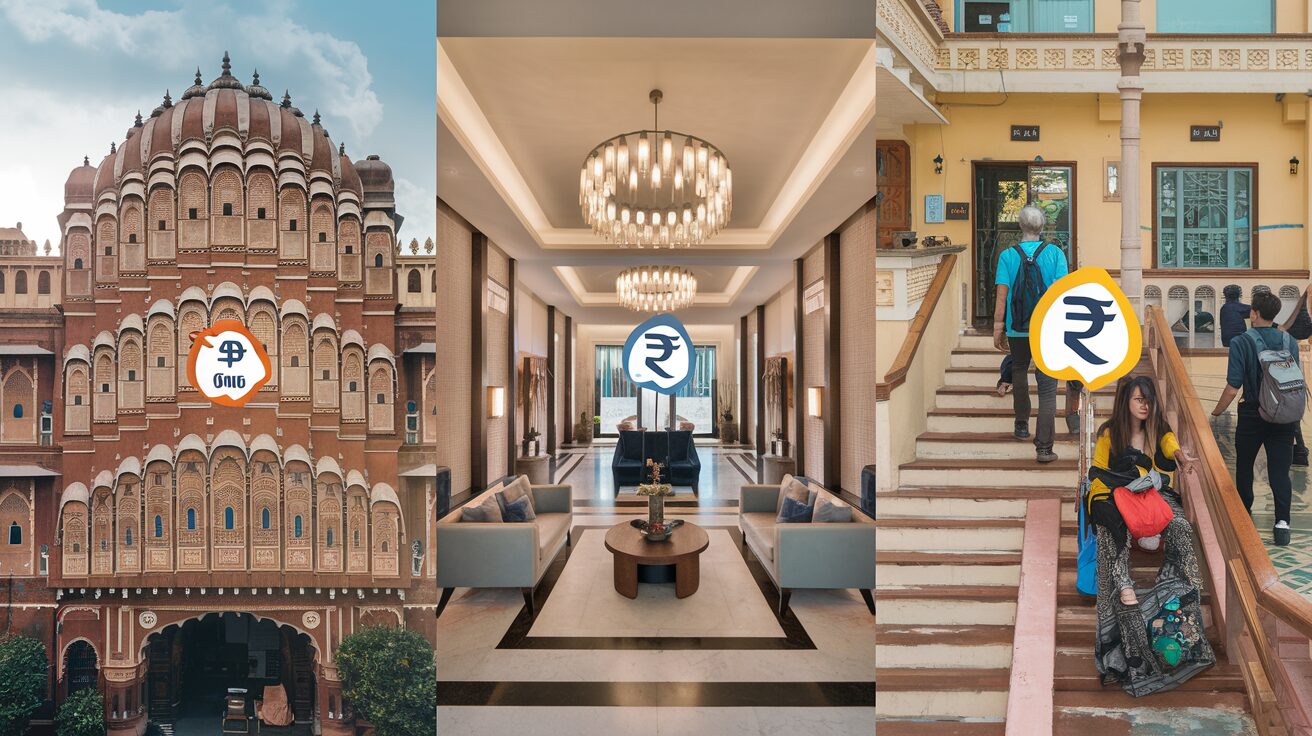
Want to feel like a maharaja for a few days? India’s luxury heritage hotels will transport you straight into a royal fantasy.
These aren’t just hotels – they’re historical landmarks where you’ll sleep in the same chambers once occupied by kings and queens. The Taj Lake Palace in Udaipur literally floats on Lake Pichola. It’s so stunning that even James Bond couldn’t resist filming there.
Then there’s Umaid Bhawan Palace in Jodhpur, where you’ll share the grounds with the royal family who still lives in part of the property. Wild, right?
Expect to pay between $300-1000+ per night, but trust me – the Instagram photos alone are worth it. Plus, the service is so attentive you’ll have stories to tell for years.
B. Mid-Range Comfort: Reliable Hotel Chains
Not ready to sell a kidney for accommodation but still want comfort? India’s mid-range hotel scene has you covered.
Chains like Taj Vivanta, ITC Hotels, and The Park offer consistently clean rooms, reliable Wi-Fi, and solid service across their properties. These hotels typically run $80-200 per night depending on the city.
The Oberoi group deserves special mention if you can swing it – they’re technically luxury but sometimes have deals that bring them into the upper-mid-range bracket.
The best part? Most mid-range hotels include breakfast buffets featuring both Indian and Western options, so you can ease into local flavors gradually.
C. Budget-Friendly Guesthouses and Hostels
Traveling on a shoestring? Your rupees will stretch impressively far in India.
Budget guesthouses can be found everywhere, especially in traveler hubs like Varanasi, Rishikesh, and Hampi. For $10-40 per night, you’ll get a clean room, often with character you won’t find in chain hotels.
Hostels have exploded across India in the last decade. Zostel and Hostel Crowd lead the pack with modern facilities, rooftop hangouts, and instant friends. A dorm bed costs around $5-15 per night, while private rooms run $20-40.
The social scene at these places is priceless – you’ll meet fellow travelers who’ll share tips about that hidden waterfall or the best chai stall that no guidebook mentions.
D. Homestays for Cultural Immersion
Honestly, staying with locals might be the smartest move you make in India.
Homestays offer what no hotel can – genuine cultural insights and home-cooked meals that’ll ruin restaurant food for you forever. Your hosts become temporary family, helping you navigate local customs and often showing you their neighborhood personally.
Kerala’s backwaters, Himachal’s mountain villages, and Rajasthan’s rural communities offer particularly memorable homestays. Prices typically range from $25-80 per night including meals.
Platforms like Airbnb feature plenty of options, but consider specialist sites like Homestay.com or Mahindra Homestays for more carefully vetted properties. The connections you’ll make here often become the highlight of your entire trip.
Cultural Etiquette and Social Customs
A. Appropriate Dress for Different Settings
Ever noticed how what’s totally fine to wear in one place will get you weird looks in another? India’s like that, but on steroids.
In major cities like Mumbai or Delhi, young locals rock Western clothing just like you’d see in New York or London. But step into rural areas or religious sites, and the game changes completely.
Women travelers should pack loose-fitting clothes that cover shoulders and knees. A lightweight scarf is your best friend – instant shoulder cover when needed! Men should avoid shorts in temples and religious areas – go for pants or long kurtas instead.
For beaches in Goa? Sure, swimwear is fine while you’re actually on the beach, but cover up when you leave. For business meetings, formal Western attire works perfectly.
Here’s my quick cheat sheet:
| Setting | Women | Men |
|---|---|---|
| Cities/Casual | Modest tops, jeans, dresses (not too short) | T-shirts, jeans, shorts OK |
| Temples/Religious | Long skirts/pants, covered shoulders | Long pants, shirts with sleeves |
| Rural Areas | Conservative clothing, avoid tight fits | Shirts with sleeves, long pants |
| Formal Events | Saree/salwar kameez or Western formal | Business attire or kurta pajama |
B. Religious Site Protocols and Respect
Walking into an Indian temple unprepared is like showing up to a wedding in flip-flops – technically you can, but you probably shouldn’t.
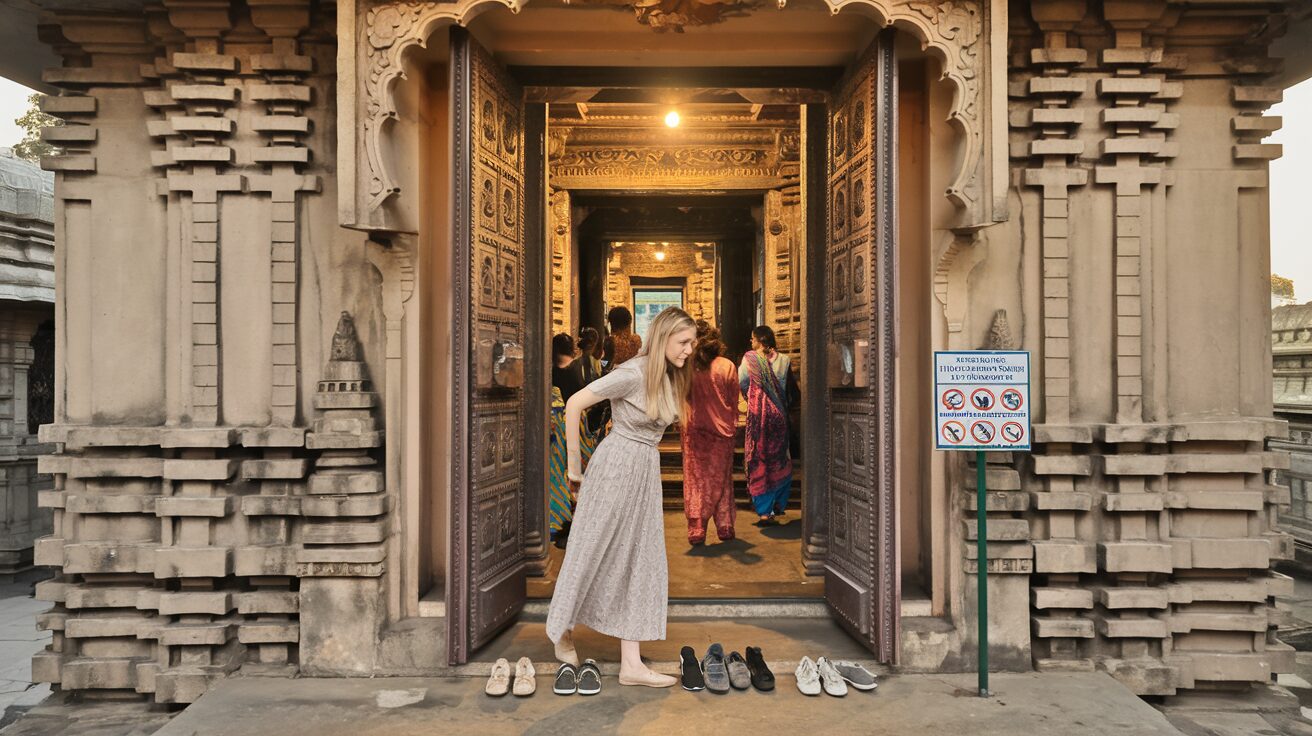
First things first: shoes off. Always. This applies to temples, mosques, gurdwaras, and most homes you’ll visit. Look for shoe racks near entrances or follow what locals do.
In Hindu temples, you’ll often walk clockwise around the shrine. Sometimes you’ll receive prasad (blessed food) – accept it with your right hand. Photography? Ask first. Many sacred spots forbid it.
At Sikh gurdwaras, cover your head (scarves are usually provided). Muslim mosques require women to cover their heads, arms, and legs, while men should wear long pants.
Don’t point your feet toward deities or religious objects – it’s considered disrespectful. And never touch someone’s head without permission; it’s considered sacred in Hindu culture.
The golden rule? Watch what locals do and follow their lead. Most Indians appreciate visitors who make an effort to respect their traditions.
C. Greeting Customs and Basic Hindi Phrases
Indians might not be big on hugging strangers, but they’re masters of making you feel welcome in other ways.
The classic greeting is “Namaste” (nah-mas-tay) with palms pressed together at chest level. It works everywhere and shows respect without getting into personal space issues.
Handshakes are common in business settings, though some traditional women may prefer namaste instead. When in doubt, wait for the other person to extend their hand first.
A few Hindi phrases will earn you instant smiles:
| Phrase | Pronunciation | Meaning |
|---|---|---|
| Namaste | nah-mas-tay | Hello/Goodbye |
| Dhanyavaad | dhan-ya-vaad | Thank you |
| Haan/Nahi | haan/nah-hee | Yes/No |
| Kitne ka hai? | kit-nay kah hay | How much is it? |
| Thoda thoda | tho-dah tho-dah | A little bit |
| Bahut acha | bah-hoot ach-ha | Very good |
Indians genuinely appreciate foreigners trying to speak Hindi, even if you butcher it completely. Your attempts will often break the ice and lead to warm conversations.
D. Navigating Gender Expectations as a Traveler
Gender roles in India can feel like stepping into a different era, depending on where you are.
Solo female travelers should prepare for curiosity and sometimes unwanted attention. Dressing modestly helps, but so does projecting confidence. In conservative areas, women might find locals surprised to see them traveling alone or entering “male spaces” like certain street food stalls.
Some practical tips: book upper berths on trains for more privacy, use women-only carriages on metros, and consider female-friendly accommodations. Apps like Uber are safer than hailing street taxis at night.
Male travelers, be aware that physical contact between men (like walking arm-in-arm) is common and completely platonic. However, public displays of affection between opposite genders are frowned upon, even in major cities.
LGBTQ+ travelers should exercise discretion in public spaces. While metropolitan areas are increasingly progressive, conservative attitudes prevail in many regions.
Remember that respect flows both ways. Indians are generally understanding that foreigners come from different cultures, and a sincere apology goes a long way if you accidentally cross cultural boundaries.
For more tips on planning travel to India, please visit Planning India Travel
Food Safety and Culinary Adventures
A. Street Food Navigation: What’s Safe to Try
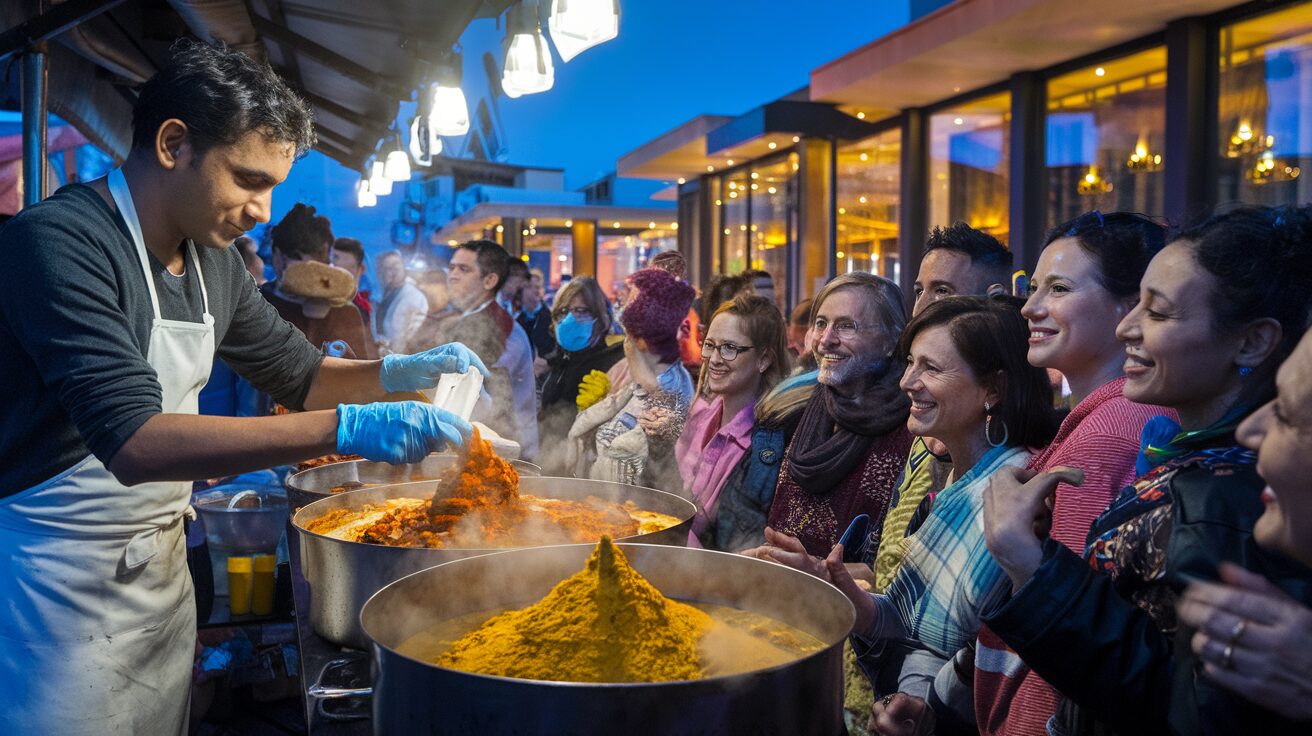
Indian street food is mind-blowing, but I get it—you’re worried about the dreaded “Delhi belly.” Here’s the deal: go where the locals go. That cart with a long line of office workers? That’s your spot.
Stick to freshly cooked foods prepared right in front of you. Those bubbling vats of oil might look intimidating, but they’re actually killing off bacteria. Piping hot samosas, pakoras, and kachoris are usually safe bets.
Skip anything that’s been sitting out too long or contains raw ingredients like chutneys or salads if you’re really cautious. And trust your instincts—if something looks off, just walk away.
B. Restaurant Selection Guidelines
Not all restaurants are created equal in India. Your best bet? Follow these simple rules:
- Check for high turnover (busy places mean fresh food)
- Look for visible kitchen areas (transparency is good)
- Start at mid-range restaurants before diving into hole-in-the-wall spots
- Ask your hotel staff for recommendations (they know the safe spots)
- Use apps like Zomato or Swiggy (India’s versions of Yelp)
Remember that air-conditioned restaurants tend to be safer for beginners, but you’ll miss some authentic gems if you only stick to fancy places.
C. Regional Specialties Worth Seeking Out
India isn’t just one cuisine—it’s dozens! Each region has specialties you’d be crazy to miss:
| Region | Must-Try Dishes |
|---|---|
| North | Butter chicken, chole bhature, parathas |
| South | Dosas, idli sambar, Hyderabadi biryani |
| East | Rasgulla, mishti doi, momos |
| West | Vada pav, dhokla, pav bhaji |
| Central | Poha, bhutte ka kees, dal bafla |
Don’t leave without trying proper chai from a roadside stall—it’s nothing like the watered-down stuff at your local coffee shop back home.
D. Dealing with Spice Levels and Dietary Restrictions
Indian food can burn your face off if you’re not prepared. The spice struggle is real, so:
- Tell servers you want it “less spicy” or “tourist spicy”
- Order yogurt-based sides like raita to cool the burn
- Keep bread handy (naan, roti, or paratha) to buffer the heat
- Start with milder dishes like butter chicken or vegetable korma
Vegetarians, you’ve hit the jackpot—India has more veggie options than anywhere else on earth. Just verify that “vegetarian” means what you think it means (eggs are sometimes considered vegetarian).
For vegans, request “pure veg, no dairy.” For gluten-free folks, seek out rice-based dishes and specify “no maida” (refined flour).
E. Water and Beverage Safety Tips
Let’s talk hydration without hospitalization:
- Bottled water is your best friend—check the seal is unbroken
- Say no to ice unless you’re at high-end establishments
- Fresh coconut water (straight from the coconut) is generally safe
- Hot beverages like chai are usually fine—boiling kills nasties
- Skip fruit juices from street vendors unless you see them made fresh
Lassi (yogurt drink) from reputable places is both delicious and has probiotics that might actually help your gut adjust. And those sealed, branded beverages? They’re your safe harbor when thirst hits and you’re not sure what’s available.
Managing Your Budget Effectively
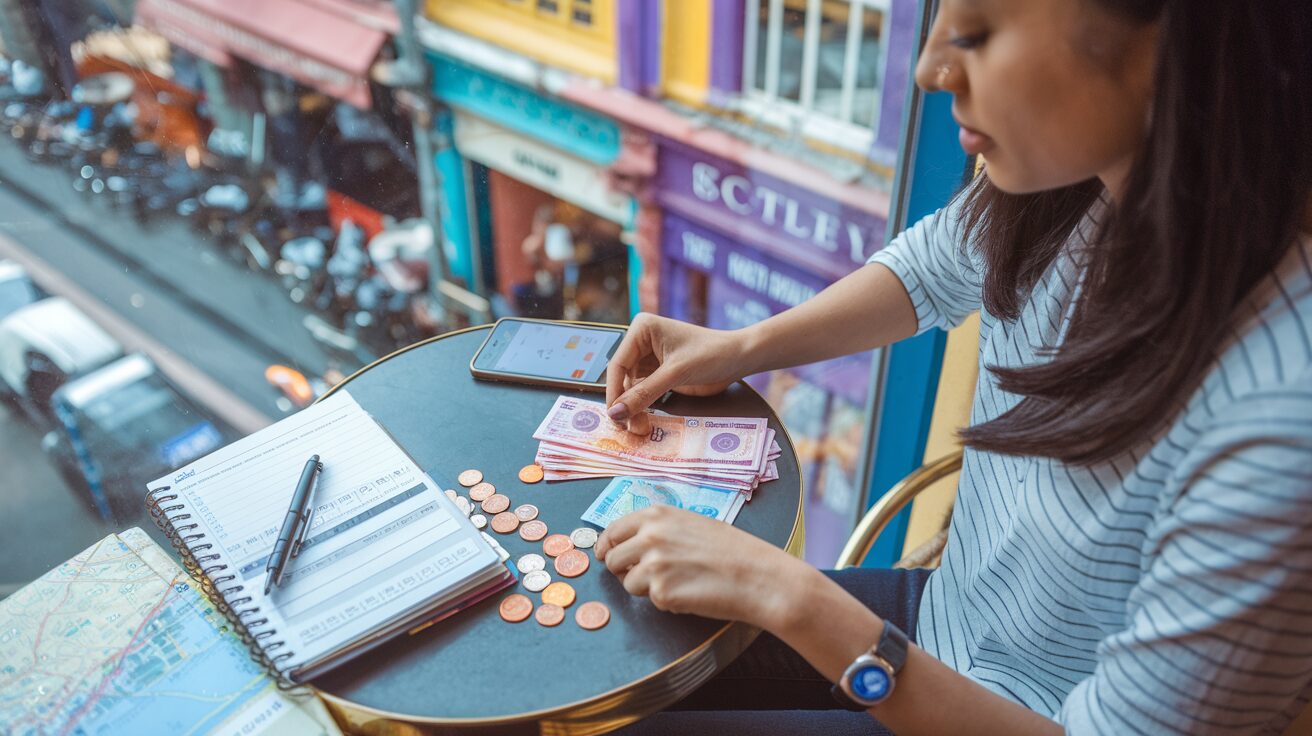
Daily Cost Expectations Across Different Regions
India might be budget-friendly, but costs swing wildly depending on where you’re headed. North India (think Delhi, Agra) generally costs less than the southern beaches of Goa or Kerala.
Here’s a quick breakdown of what you might spend daily:
| Budget Level | North India | South India | Major Cities |
|---|---|---|---|
| Backpacker | $15-25 | $20-30 | $25-35 |
| Mid-range | $40-60 | $50-70 | $60-90 |
| Luxury | $100+ | $120+ | $150+ |
These estimates include accommodation, food, local transportation, and basic sightseeing. The real budget-buster? Those impulse elephant-print pants you’ll buy in every color.
Tipping Practices and Expectations
Indians have a pretty relaxed approach to tipping. It’s appreciated but not aggressively expected like in some countries.
For restaurants without service charges, 7-10% is generous. Your driver for the day? Maybe ₹200-300. Hotel porters appreciate ₹50-100 per bag. Tour guides expect around ₹500 for a full day.
The key is discretion – no flashy bill-waving or elaborate calculations. Just round up or add a bit extra and hand it directly to the person who served you.
Bargaining Etiquette in Markets
Bargaining isn’t just allowed in Indian markets – it’s practically mandatory. Walking away without haggling is like announcing “I love paying triple!”
Start by offering 40-50% of the asking price, then work your way up. The vendor expects this dance, so don’t feel bad. But remember, we’re talking about saving a few dollars, not winning a war. Keep it light, smile often, and know when to wrap it up.
Walk away if prices seem fixed – sometimes that brings them running after you with a better offer.
ATMs, Money Exchange, and Payment Methods
Cash still rules in India, especially outside major cities. ATMs are widespread but can run out of money (particularly during festivals), so withdraw enough to last a few days.
Exchange rates at airports are highway robbery. Banks and authorized money changers offer better deals. Keep some small bills handy – nobody wants your ₹2000 note for a ₹50 purchase.
Credit cards work in hotels, upscale restaurants, and major stores, but many places add a 2-3% surcharge. UPI payments (India’s mobile payment system) are everywhere now, but you’ll need an Indian phone number and bank account to use them.
Stash some emergency dollars or euros in your luggage – they’re easily exchanged anywhere if you’re suddenly cashless.
Staying Healthy and Safe
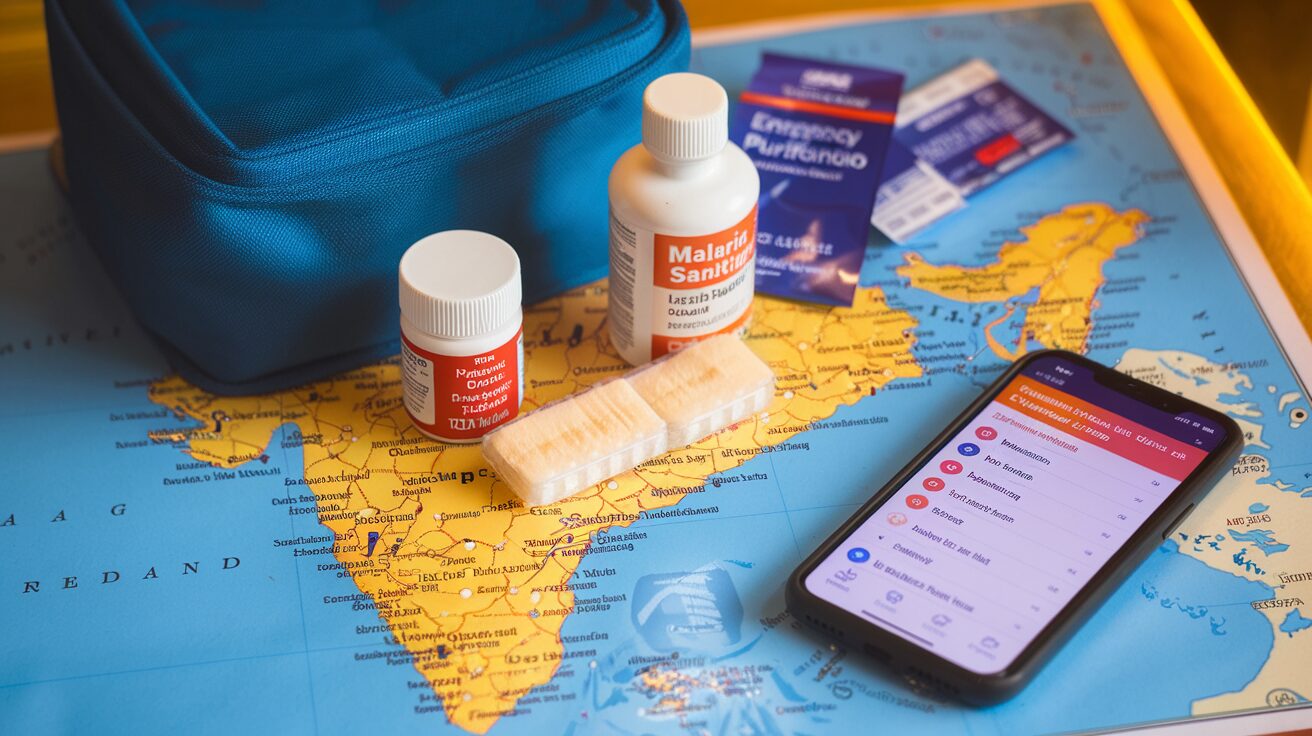
Preventing Delhi Belly and Common Illnesses
The infamous “Delhi Belly” isn’t just traveler folklore—it’s a real threat that can derail your Indian adventure. I caught it on my second day in Varanasi and spent three days hugging the toilet instead of exploring temples.
Here’s how to avoid my mistake:
- Bottled water only. Period. This includes brushing teeth and avoiding ice in drinks.
- Street food wisdom: If you can’t resist (and why should you?), pick stalls where locals line up and food is cooked fresh in front of you.
- Hand sanitizer is your new best friend. Use it obsessively.
- Probiotics started a week before travel can strengthen your gut.
Remember the “peel it, boil it, cook it, or forget it” rule for anything you eat.
Managing Air Pollution in Urban Centers
The air quality in Delhi, Mumbai, and other major cities can be shocking. During winter months, pollution levels can soar to 20 times what’s considered safe.
Smart travelers come prepared:
- N95 masks are non-negotiable during high pollution days
- Check AQI apps daily (AirVisual or Plume are good options)
- Plan indoor activities during severe pollution spikes
- Stay hydrated to help your body process toxins
- Consider air purifiers if staying in one place for more than a few days
Avoiding Common Tourist Scams
India’s scammers have perfected their craft over centuries. The taxi driver who swears your hotel burned down? Classic move.
Most common scams to watch for:
- Fake tourist offices near train stations claiming your reservation doesn’t exist
- “Closed” attractions where helpful locals redirect you to overpriced shops
- Rigged taxi meters that run faster than Usain Bolt
- “Special prices” that are anything but special
- Free “blessings” at temples that suddenly require payment
Trust your gut. If something feels off, it probably is.
Emergency Contacts and Medical Resources
Medical care in India ranges from world-class to concerning. Don’t leave this to chance.
Essential resources:
- Tourist Police: 1363 (works nationwide)
- Emergency services: 112 (India’s equivalent of 911)
- Apollo Hospitals are reliable in major cities
- Travel insurance with evacuation coverage is non-negotiable
- Embassy registration before arrival lets officials locate you in emergencies
Download the “Practo” app to find English-speaking doctors in your area.
Store these contacts offline—you’ll never regret being prepared, but you might regret not being.
Packing Essentials for Indian Travel
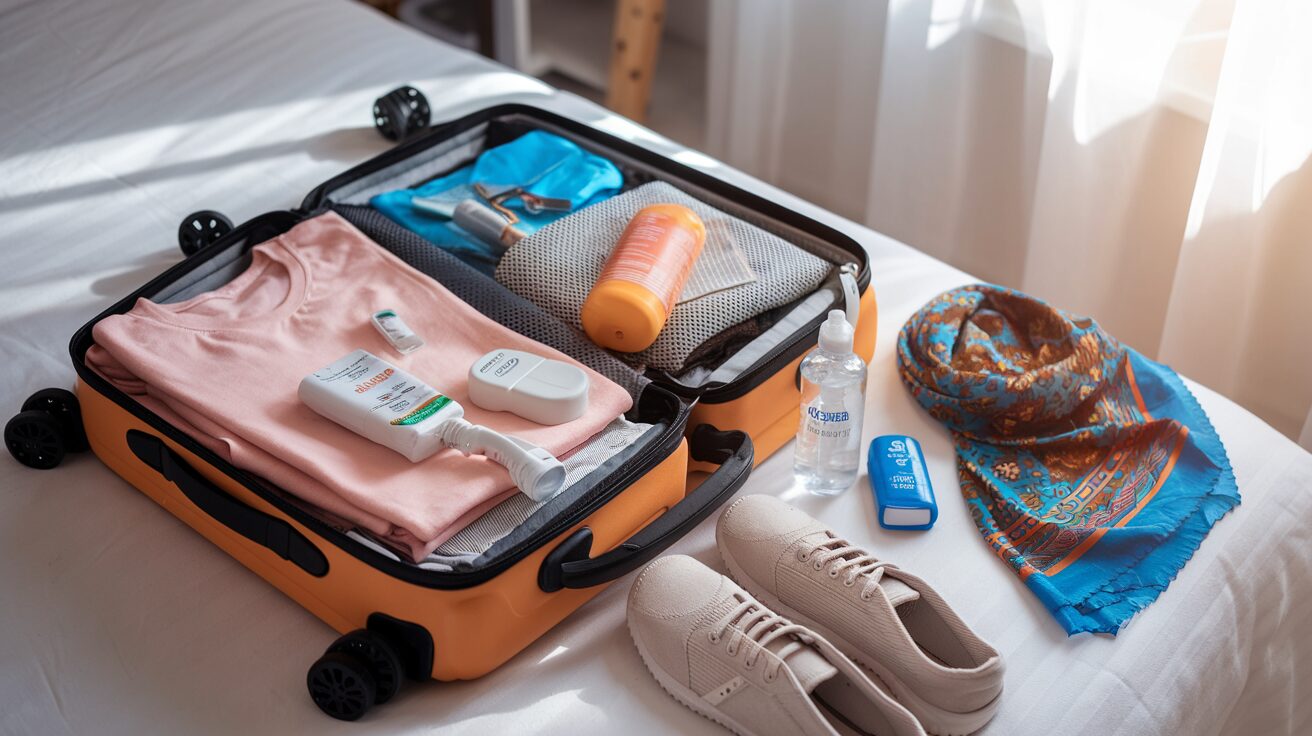
A. Climate-Appropriate Clothing for Different Regions
India’s weather isn’t a one-size-fits-all situation. The country spans everything from snowy mountains to sweltering deserts, and your suitcase needs to reflect that.
In North India (Delhi, Agra), summers (March-June) are brutal – we’re talking 104°F (40°C) brutal. Pack light cotton clothes, a wide-brimmed hat, and sunglasses. Winters (November-February) get surprisingly chilly, so bring a jacket and some layers.
Southern India (Kerala, Tamil Nadu) stays hot and humid year-round. Breathable fabrics are your best friend here. Quick-dry clothes are game-changers when you’re dealing with both humidity and monsoon rains.
If you’re heading to the mountains in Himachal Pradesh or Sikkim, pack like you would for any mountain destination – layers, a good windbreaker, and a warm jacket if visiting between October and March.
Here’s a quick breakdown:
| Region | Summer (Mar-Jun) | Monsoon (Jul-Sep) | Winter (Oct-Feb) |
|---|---|---|---|
| North | Lightweight cotton, sun protection | Light rainwear, quick-dry clothes | Warm jacket, layers |
| South | Breathable fabrics, shorts | Rainwear, waterproof shoes | Light sweaters, long pants |
| Mountains | Light layers, sun protection | Heavy rainwear, waterproof shoes | Heavy jacket, thermals, gloves |
| Beaches | Swimwear, light fabrics | Same + rain protection | Light layers for evenings |
B. Tech and Adapters You’ll Need
Your phone will probably be your most important travel tool in India, so keeping it charged is crucial. India uses 230V power with Type C, D, and M sockets – those round pin ones that look nothing like American outlets.
Grab a universal adapter before leaving home. Trust me, hunting for one in a new city when your phone’s at 2% is no fun.
Most hotels now offer decent WiFi, but coverage can be spotty outside major cities. Consider a portable WiFi device or, better yet, pick up a local SIM card when you arrive. They’re cheap (around $5-10) and will save you from roaming charges.
Other tech essentials:
- Portable power bank (10,000 mAh minimum)
- Extra memory cards for your camera
- Waterproof phone case for monsoon season
- Noise-canceling headphones for long train journeys
Don’t forget to download these apps before you go:
- Ola or Uber for getting around
- Google Maps (download offline maps!)
- Google Translate
- WhatsApp (everyone uses it in India)
- UPI payment apps if you’re staying longer
C. Medicine Kit Must-Haves
I won’t sugarcoat it – stomach issues are practically a rite of passage for first-time visitors to India. Pack a robust medicine kit and you’ll thank yourself later.
Start with the basics:
- Prescription medications (bring more than you need)
- Over-the-counter pain relievers
- Antidiarrheal medication (Imodium or similar)
- Rehydration salts (absolute lifesavers for food poisoning)
- Motion sickness pills for those winding mountain roads
- Band-aids and antibiotic ointment
- Hand sanitizer and antibacterial wipes
Now for the India-specific essentials:
- Probiotics (start taking them before your trip)
- Mild laxative (ironically, constipation can follow medication for diarrhea)
- Insect repellent with DEET
- Antihistamines for unexpected allergic reactions
- Water purification tablets or a filtered water bottle
Pharmacies are everywhere in Indian cities, and many medications that require prescriptions elsewhere are available over the counter there. But quality can vary, so bring the important stuff with you.
D. Cultural Sensitivity in Your Wardrobe Choices
The way you dress in India matters more than you might think. While major cities are becoming more cosmopolitan, much of India remains conservative when it comes to clothing.
Women especially should pack with cultural sensitivity in mind. That means:
- Tops that cover your shoulders
- Pants or skirts that go below the knee
- A scarf or shawl to cover your head in religious sites
- Modest swimwear for public beaches
For religious sites, both men and women should have their knees and shoulders covered. Some temples require you to remove shoes, so slip-ons are practical.
This doesn’t mean you need to wear traditional Indian clothing (though it’s an option many travelers enjoy). Just bring clothes that lean conservative rather than revealing.
The golden rule: observe what locals wear and follow their lead. In beach towns like Goa, shorts and tank tops are fine. In rural Rajasthan, not so much.
When in doubt, modest is the way to go. Not only is it respectful, but it also reduces unwanted attention and helps you blend in better during your travels.
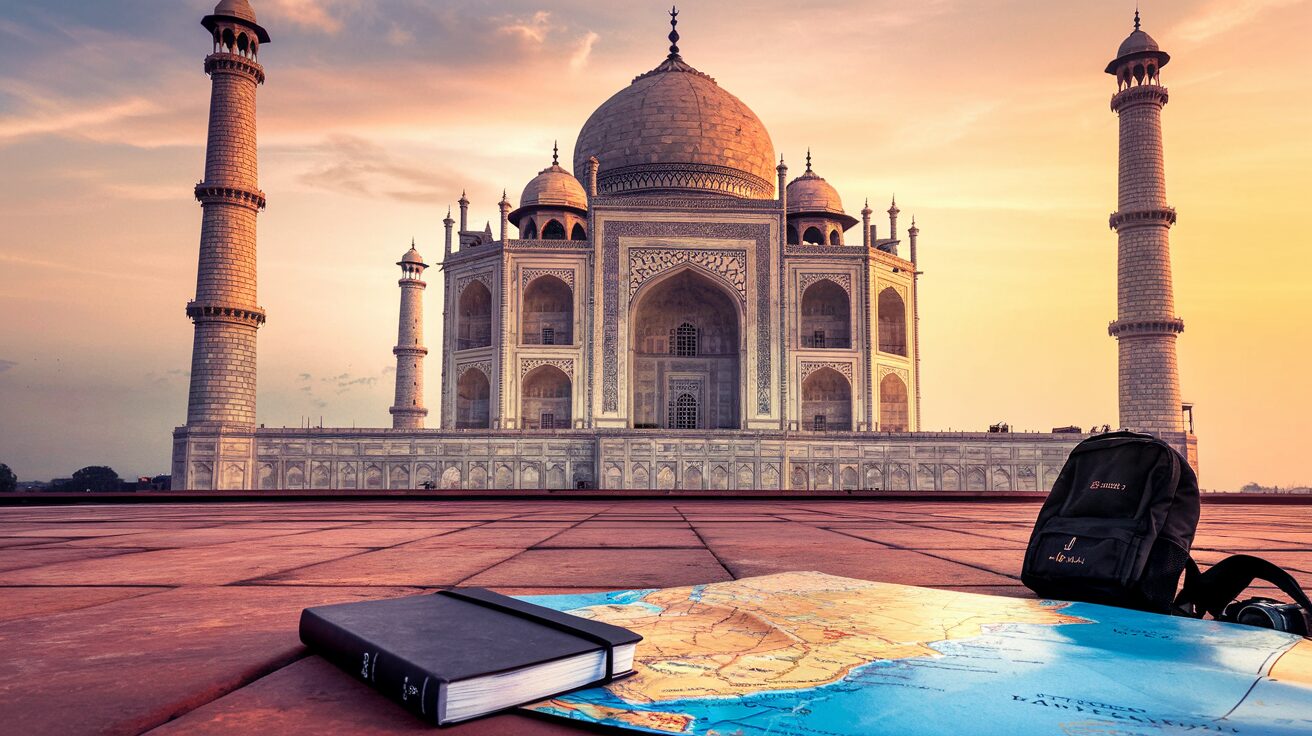
Planning your first trip to India may seem daunting, but with the right preparation, it can be one of the most rewarding travel experiences of your life. From understanding India’s diverse landscapes and cultural nuances to making practical arrangements for transportation, accommodation, and health safety, this guide has provided you with the essential knowledge to navigate this vibrant country. Remember that respecting local customs, staying flexible with your itinerary, and being mindful of food safety will significantly enhance your journey through this ancient land.
As you prepare for this adventure, pack wisely, budget carefully, and open your heart to the unexpected treasures India has to offer. Whether you’re drawn to the majestic Himalayas, the bustling streets of Delhi, the serene backwaters of Kerala, or the spiritual banks of the Ganges, India will leave an indelible mark on your soul. The country’s rich tapestry of traditions, flavors, colors, and sounds awaits your discovery. Namaste and happy travels!
Leave a Reply